• Regeln für den Video-Bereich:

    In den Börsenbereich gehören nur Angebote die bereits den Allgemeinen Regeln entsprechen.

    Einteilung

    - Folgende Formate gehören in die angegeben Bereiche:
    - Filme: Encodierte Filme von BluRay, DVD, R5, TV, Screener sowie Telesyncs im Format DivX, XviD und x264.
    - DVD: Filme im Format DVD5, DVD9 und HD2DVD.
    - HD: Encodierte Filme mit der Auflösung 720p oder darüber von BluRay, DVD, R5, TV, Screener sowie Telesyncs im Format x264.
    - 3D: Encodierte Filme von BluRay, die in einem 3D Format vorliegen. Dies gilt auch für Dokus, Animation usw.
    - Serien: Cartoon/Zeichentrick, Anime, Tutorials, Dokumentationen, Konzerte/Musik, Sonstiges sind demnach in die entsprechenden Bereiche einzuordnen, auch wenn sie beispielsweise im High Definition-Format oder als DVD5/DVD9/HD2DVD vorliegen. Ausnahme 3D.
    - Bereich Englisch: Englische Releases gehören immer in diesen Bereich.
    - Bereich Talk: Der Bereich, in dem über die Releases diskutiert werden kann, darf, soll und erwünscht ist.


    Angebot/Beitrag erstellen

    - Ein Beitrag darf erst dann erstellt werden, wenn der Upload bei mindestens einem OCH komplett ist. Platzhalter sind untersagt.
    - Bei einem Scenerelease hat der Threadtitel ausschließlich aus dem originalen, unveränderten Releasenamen zu bestehen. Es dürfen keine Veränderungen wie z.B. Sterne, kleine Buchstaben o.ä. vorgenommen werden. Ausnahme Serienbörse:
    - Bei einem Sammelthread für eine Staffel entfällt aus dem Releasename natürlich der Name der Folge. Beispiel: Die Simpsons S21 German DVDRip XviD - ITG
    - Dementsprechend sind also u.a. verboten: Erweiterungen wie "Tipp", "empfehlenswert", "only", "reup", usw. / jegliche andere Zusatzinformation oder Ergänzung, welche nicht in obiger Beschreibung zu finden ist.

    Aufbau des Angebots und Threadtitel

    Der Titel nach folgendem Muster erstellt zu werden. <Name> [3D] [Staffel] [German] <Jahr> <Tonspur> [DL] [Auflösung] <Quelle> <Codec> - <Group>
    Beispiel: The Dark Knight German 2008 AC3 DVDRip XviD - iND
    Beispiel: The Dark Knight 2008 DTS DL BDRip x264 - iND
    Beispiel: The Dark Knight 2008 AC3 DL BDRip XviD - iND
    Beispiel: The Dark Knight German 2008 AC3 720p BluRay x264 iND
    Beispiel: The Dark Knight 2008 DTS DL 1080p BluRay x264 iND
    Beispiel: Die Simpsons S01 German AC3 DVDRip XviD iND
    Beispiel: Die Simpsons S20 German AC3 720p BluRay x264 iND
    Beispiel: Sword Art Online II Ger Sub 2014 AAC 1080p WEBRip x264 - peppermint
    Entsprechend sind also u.a. verboten: Sonderzeichen wie Klammern, Sterne, Ausrufezeichen, Unterstriche, Anführungszeichen / Erweiterungen wie "Tipp", "empfehlenswert", "only", "reup", usw. / jegliche andere Zusatzinformation oder Ergänzung, welche nicht in obiger Beschreibung zu finden ist
    Ausnahmen hiervon können in den Bereichen geregelt sein.

    Die Beiträge sollen wie folgt aufgebaut werden:
    Überschrift entspricht dem Threadtitel
    Cover
    kurze Inhaltsbeschreibung
    Format, Größe, Dauer sind gut lesbar für Downloader außerhalb des Spoilers zu vermerken
    Nfo sind immer Anzugeben und selbige immer im Spoiler in Textform.
    Sind keine Nfo vorhanden z.B. Eigenpublikationen, sind im Spoiler folgende Dateiinformationen zusätzlich anzugeben :
    Quelle
    Video (Auflösung und Bitrate)
    Ton (Sprache, Format und Bitrate der einzelnen Spuren)
    Untertitel (sofern vorhanden)
    Hosterangabe in Textform außerhalb eines Spoiler mit allen enthaltenen Hostern.
    Bei SD kann auf diese zusätzlichen Dateiinformationen verzichtet werden.

    Alle benötigten Passwörter sind, sofern vorhanden, in Textform im Angebot anzugeben.
    Spoiler im Spoiler mit Kommentaren :"Schon Bedankt?" sind unerwünscht.


    Releases

    - Sind Retail-Release verfügbar, sind alle anderen Variationen untersagt. Ausnahmen: Alle deutschen Retail-Release sind CUT, in diesem Fall sind dubbed UNCUT-Release zulässig.
    - Im Serien-Bereich gilt speziell: Wenn ein Retail vor Abschluss einer laufenden Staffel erscheint, darf diese Staffel noch zu Ende gebracht werden.62
    - Gleiche Releases sind unbedingt zusammenzufassen. Das bedeutet, es ist zwingend erforderlich, vor dem Erstellen eines Themas per Suchfunktion zu überprüfen, ob bereits ein Beitrag mit demselben Release besteht. Ist dies der Fall, ist der bereits vorhandene Beitrag zu verwenden.
    - P2P und Scene Releases dürfen nicht verändert oder gar unter einem iND Tag eingestellt werden.


    Support, Diskussionen und Suche

    - Supportanfragen sind entweder per PN oder im Bereich Talk zu stellen.
    - Diskussionen und Bewertungen sind im Talk Bereich zu führen. Fragen an die Uploader haben ausschließlich via PN zu erfolgen, und sind in den Angeboten untersagt.
    - Anfragen zu Upload-Wünschen sind nur im Bereich Suche Video erlaubt. Antworten dürfen nur auf Angebote von MyBoerse.bz verlinkt werden.


    Verbote

    - Untersagt sind mehrere Formate in einem einzigen Angebotsthread, wie beispielsweise das gleichzeitige Anbieten von DivX/XviD, 720p und 1080p in einem Thread. Pro Format, Release und Auflösung ist ein eigener Thread zu eröffnen.
    - Grundsätzlich ebenso verboten sind Dupes. Uploader haben sich an geeigneter Stelle darüber zu informieren, ob es sich bei einem Release um ein Dupe handelt.
    - Gefakte, nur teilweise lauffähige oder unvollständige Angebote sind untersagt. Dies gilt auch für eigene Publikationen, die augenscheinlich nicht selbst von z.B. einer DVD gerippt wurden. Laufende Serien, bei denen noch nicht alle Folgen verfügbar sind, dürfen erstellt und regelmäßig geupdatet werden.
    - Untersagt sind Angebote, welche nur und ausschließlich in einer anderen Sprache als deutsch oder englisch vorliegen. Ausnahmen sind VORHER mit den Moderatoren zu klären.


    Verstoß gegen die Regeln

    - Angebote oder Beiträge, die gegen die Forenregeln verstoßen, sind über den "Melden"-Button im Beitrag zu melden.
  • Bitte registriere dich zunächst um Beiträge zu verfassen und externe Links aufzurufen.

*** Bestes IPTV *** bester Preis *** gratis Test ***


Englische Tutorials

96b21c142637b928db7e728f33da5df4.jpg


Intensive Intermediate-Advanced Full English Course
Last updated 3/2025
Created by Logus Academy
MP4 | Video: h264, 1280x720 | Audio: AAC, 44.1 KHz, 2 Ch Level: Intermediate | Genre: eLearning | Language: English + subtitles | Duration: 60 Lectures ( 57h 34m ) | Size: 36 GB

Intermediate-Advanced intensive English course. 57 hours of spoken English, listening, English vocabulary and more


What you'll learn
You will learn to think in English language and to speak English language fluently (at an advanced level)
You will learn over 5000 amazing English language words and idioms
You will start feeling English grammar like native
You will learn to understand movies and TV shows in English language.
After the course, you can start preparing for English language tests like TOEFL, IELTS, GMAT etc.

Requirements
low-intermediate English
A computer, or a tablet, or a phone with good speakers or headphones. (So you can hear the pronunciation very clearly).
at least 4 hours a week when you won't be disturbed
Very positive attitude :)

Description
Introducing LOGUS: The Intensive Intermediate-to-Advanced English Language CourseTake your English to the next level with the most powerful and intensive online English course available! This spoken English course is perfect for those aiming to quickly reach an advanced level of spoken English, while getting as much real-life conversation practice as possible.Why LOGUS is the Ultimate English Language Course:- Comprehensive English Conversations: LOGUS isn't just a basic course-it's a full intermediate-to-advanced English language program packed with real-world conversations. You'll develop all the essential skills needed for everyday English conversations.- Fun and Engaging: This 100% animated, interactive spoken English course is filled with conversations, making the learning process enjoyable and dynamic.- Intensive English Practice: With over 57 hours of spoken English practice, each lesson lasts about an hour. You'll speak English non-stop, using more than 2,000 words per session.- Focused on Communication: LOGUS emphasizes practical English speaking skills. Rather than focusing on isolated words, you'll practice everything within the context of conversation, ensuring your fluency is our top priority.- Grammar Made Simple: English grammar is explained in a clear, intuitive way with plenty of examples, accompanied by hours of speaking and listening practice.Course Highlights:- 57+ Hours of Intensive English Speaking: Each animated lesson is designed to be fun and fully immersive, so you're speaking English constantly.- Multilingual Support: All English vocabulary and grammar are translated into your native language to ensure complete understanding.If you're ready to master advanced-level English conversations and perfect your fluency, the LOGUS Intermediate-to-Advanced English Language Course is your ticket to success!

Who this course is for
It is a must-have English language course for intermediate level ESL students who want to reach the advanced level of spoken English in the shortest time possible.


604322576_intensive_intermediate-advanced_full_english_course.jpg


Download from RapidGator


Premium Links


bf281738cb677c4cfd7e5f67195a8468.jpg


English for Beginners: Complete Intensive English Course
Last updated 3/2025
Created by Logus Academy
MP4 | Video: h264, 1280x720 | Audio: AAC, 44.1 KHz, 2 Ch
Level: Beginner | Genre: eLearning | Language: English + subtitle | Duration: 63 Lectures ( 76h 59m ) | Size: 42.1 GB

Intensive English course. 77 Hours of English language speaking, English listening practice. Animated Cartoons


What you'll learn
You will learn over 1000 vital English words, expressions and idioms, and how to use them in real life.
You will learn the most important English grammar with tons of English-speaking practice.
You will learn to think in English and to speak English fluently. (in Intermediate level)
You will learn to read in English and to spell English words intuitively
You will learn to understand movies and TV shows in English.
After the course, you can travel the world freely, without a language barrier
After the course, you can start preparing for English language tests like TOEFL, IELTS, GMAT etc.

Requirements
A computer, or a tablet, or a phone with good speakers or headphones. (So you can hear the pronunciation very clearly).
Absolutely no previous knowledge of English is necessary.
4 hours a week to speak English when you won't be disturbed.
Very positive attitude :)

Description
Introducing the LOGUS Intensive English Mastery Course-your ultimate gateway to mastering the English language!This dynamic and engaging online English course is designed for complete beginners who want to rapidly elevate their English language skills to the intermediate level of spoken English, in the shortest time possible.Why LOGUS Stands Out as the Best English Course:- Comprehensive English Learning: Unlike other basic courses, LOGUS is a full, beginner-to-intermediate English language program that focuses on practical, real-world English skills. You'll be prepared to use English confidently in your everyday life.- Fun and Interactive: LOGUS is a 100% animated, interactive spoken English course, making learning not just effective, but fun and exciting!- Intensive Practice: With over 77 hours of spoken English language practice, each lesson lasts about 1.5 hours. You'll speak English constantly, using more than 2,000 words per lesson.- Focus on Fluency: LOGUS is obsessed with your fluency. It doesn't just teach you isolated words or phrases-it's designed to ensure you can speak English confidently and naturally. Fluency is our top priority!- Simple Grammar: English grammar is broken down in an intuitive, easy-to-understand way, with loads of examples and hours of speaking and listening practice.- Multilingual Support: All English vocabulary and grammar explanations are translated into English, Spanish, Brazilian Portuguese, and Hindi, ensuring you fully grasp each concept.Whether you're starting from zero or aiming to improve your fluency fast, the LOGUS Intensive English Mastery Course is the ultimate tool to supercharge your English language journey!

Who this course is for
It is a must-have English course for complete beginners, who want to reach the intermediate level of spoken English in the shortest time possible.


Homepage


604527655_5-episode-24-she-is-getting-all-wet_s.jpg


e5dfb7a536adf9f24fd43a58a90ce9e1.jpg


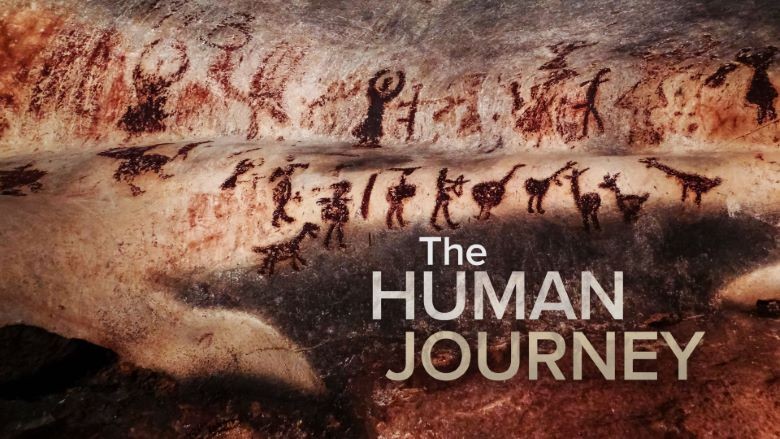
TTC - The Human Journey
Released 5/2025
By Gaia Vince, MA The American Institute for Roman Culture
MP4 | Video: h264, 1280x720 | Audio: AAC, 44.1 KHz, 2 Ch
Genre: eLearning | Language: English | Duration: 12 Lessons ( 6h 10m ) | Size: 5.12 GB

What a remarkable journey we've been on. Emerging as a distinct species some 300,000 years ago, we spread across Africa, then peopled Asia, Europe, Australia, and eventually the Americas. We crossed land bridges, sailed open seas, and created farmlands and cities. But why did we become the primate that migrates-while all our ape cousins never left the regions where they evolved millions of years ago?

What a remarkable journey we've been on. Emerging as a distinct species some 300,000 years ago, we spread across Africa, then peopled Asia, Europe, Australia, and eventually the Americas. We crossed land bridges, sailed open seas, and created farmlands and cities. But why did we become the primate that migrates-while all our ape cousins never left the regions where they evolved millions of years ago? Among the many factors, these traits played a significant role

Cooperation: Humans developed a rare capacity for large-scale cooperation beyond kin groups. We hunted together, shared food, taught one another, and formed social bonds that made long journeys and survival in new environments possible.
Fire: Using fire made us a different being. It enabled us to survive cold places, deter predators, and cook food-transforming tough raw ingredients into nutritious, easy-to-digest meals that freed us from constant foraging and allowed sustained travel.
Carrying Technology: The invention of simple carrying tools-bladders, slings, bags, baskets-equipped early humans for transporting water, food, tools, and infants. This freed our hands, extended our range, and supported groups over long distances.
Now that we've expanded from small bands to billions of people spread across most of the planet, we've become victims of our own success. Millions are currently on the move-not in search of new frontiers, but to escape rising seas, extreme heat, fierce storms, political instability, and deepening economic hardship. For better or worse, migration is our destiny.

The Human Journey covers this epic story in 12 half-hour lectures taught by award-winning science writer, author, and broadcaster Gaia Vince. Few presentations have the scope of this course, taking you from the Stone Age to the future, and featuring topics in anthropology, genetics, archaeology, economics, psychology, and Earth science. Throughout the course, the focus is on the unifying theme of migration, which is more than movement-it's the very key to our species' success and the universal human experience.

Rethinking Migration
Once seen as a simple, one-way journey out of Africa, ancient human migration is now understood as complex, multidirectional, and ongoing. Genetic discoveries have revealed interbreeding with other human species, introducing traits that enhanced survival in non-tropical environments. These studies also point to multiple migration waves, dead ends, and backtracking. Climate shifts-not just curiosity or conquest-often drove people to move. And far from being a footnote in prehistory, migration is now recognized as a constant force, shaping who we are, where we live, and how we adapt. The Human Journey highlights striking examples, including

Neanderthals and Denisovans: As modern humans moved out of Africa, they met and mixed with other human species. Genes from Neanderthals and Denisovans helped us handle cold climates and thin air-useful for thriving in previously unsuitable places.
The First Americans: Around 20,000 years ago, humans began arriving in the Americas, likely in multiple waves. Some followed inland routes, others moved along the coast, adapting to an astonishing range of ecosystems, from the Arctic to Tierra del Fuego.
Origin of the Indo-Europeans: About 5,000 years ago, the Yamnaya-steppe herders from Central Asia-began pushing outward. With them traveled wagons, horses, and the seeds of languages from Hindi to Persian, Spanish, Russian, and English.

The Future of Migration
Migration didn't just spread people-it spread ideas, tools, weapons, skills, and social structures. Agriculture, cities, and civilization arose not in isolation, but through the movement and mingling of human groups across regions. Even with the rise of city-states and empires in the ancient world, there were few if any efforts to restrict ordinary people from crossing regional boundaries. Borders were often vague, and unless an armed force was involved, movement went largely unregulated. The notion of a tightly controlled national border-designed to keep out foreigners-is a modern invention.

In the last third of The Human Journey, you'll analyze how that restrictive policy is being tested. As changing climate and political upheaval force large populations to move, what was once a manageable stream is becoming a destabilizing wave-challenging governments that still treat migration as something exceptional, rather than inevitable. The following background ideas help explain what's going on

Optimal Climate: Humans evolved to thrive in regions with an average annual temperature between 52°F and 59°F. Our crops, livestock, and economic systems are finely tuned to this climate. The farther outside that range, the harder it is to sustain life.
150 Contacts: We are wired by evolution to maintain close social ties with around 150 individuals and can be cautious toward outsiders. Yet, our productive societies are also highly dependent on outsiders, especially as birthrates plunge. This means finding ways to overcome any instinctual distrust and welcome migrants.
National Borders Are New: The idea of a unified national identity-and the nation-state to embody it-didn't generally take shape until the 19th century. Passports weren't widely required for international travel until well into the 20th.
The upshot is that the regions best suited for human habitation are shifting rapidly, with many places becoming unlivable, even as our modern institutions increase the barriers to migration. The Human Journey proposes several strategies to help break this impasse. One way or another, we must learn to accommodate a migratory compulsion as old as our species itself. By the end of this course, you will see that to understand migration is to understand ourselves.

What Will You Learn?
Discover the key factors that made us successful at moving to new environments

Trace our routes out of Africa and eventually around the world

Investigate the role of Neanderthals and Denisovans in our adaptation to harsh environments

Preview the waves of migration, soon to be underway, as portions of the planet become uninhabitable

Consider the most effective policies for resettling environmental refugees


604315802_the_human_journey.jpg


Download from RapidGator


Premium Links

 
7b1dd1c711196d5066e1d4ea5ee586bf.jpg


Become An Llm & Agentic Ai Engineer: 14-Day Bootcamp - 2025
Published 5/2025
MP4 | Video: h264, 1920x1080 | Audio: AAC, 44.1 KHz
Language: English | Size: 26.29 GB | Duration: 24h 7m

Master Large Language Models, Hugging Face, AutoGen, CrewAI, LangChain, N8N, OpenAI Agents SDK, LangGraph, Gradio, & MCP


What you'll learn
Understand the foundations of Large Language Models (LLMs) and Agentic AI, including how LLMs are trained, fine-tuned, and deployed.
Create and deploy intelligent autonomous AI agents using cutting-edge frameworks like AutoGen, OpenAI Agents SDK, LangGraph, n8n, and MCP.
Explore and benchmark open-source LLMs such as LLama, DeepSeek, Qwen, Phi, and Gemma using Hugging Face and LM Studio.
Develop real-world applications using API access to OpenAI, Gemini, and Claude for text generation and vision tasks.
Apply a proven 5-step framework to select the right AI model for your business: maximizing cost-efficiency, minimizing latency, & accelerating time to market.
Evaluate LLMs using leaderboards like Vellum and Chat Arena, and conduct blind tests to objectively assess AI model performance.
Design Retrieval-Augmented Generation (RAG) pipelines using LangChain, OpenAI embeddings, & ChromaDB for efficient document retrieval & question answering.
Build an interactive, transparent AI-powered Q&A system with a Gradio interface that displays answers along with source citations for enhanced user trust.
Master data validation & structured output generation using the Pydantic library, including BaseModel, type hints, & parsed output creation from OpenAI models.
Build an AI-powered resume editor that analyzes gaps between a resume & job description & automatically tailors resumes/cover letters for targeted applications.
Learn how to fine-tune pre-trained open-source LLMs using parameter-efficient methods like LoRA and tools such as Hugging Face's TRL and SFTTrainer.
Master dataset preparation and model evaluation techniques, including calculating accuracy, precision, recall, and F1-score using scikit-learn.
Apply key components in Hugging Face Transformers library such as pipeline( ), AutoTokenizer( ), and AutoModelForCausalLM( ).
Gain practical experience working with open-source datasets/models on Hugging Face, & apply quantization techniques like bitsandbytes to optimize Performance.
Master advanced prompt engineering techniques such as zero-shot, few-shot, and chain-of-thought prompting.
Deploy multi-model AI agents using AutoGen, integrating LLMs from OpenAI, Gemini, & Claude, enabling agent collaboration & human-in-the-loop oversight.
Develop and deploy agentic AI workflows using LangGraph, mastering concepts like states, edges, conditional logic, and multi-stage nodes.
Design & build AI-powered booking agents using LangGraph, enabling automated search & recommendation of flights & hotels through integration with external APIs.
Build a data science agent team using CrewAI, creating specialized agents for workflow planning, data analysis, model building, and predictive analytics.
Design and automate end-to-end Agentic AI workflows using n8n, integrating services like Gmail, Google Sheets, Google Calendar, and OpenAI.
Build an advanced AI tutor system using Model-Context-Protocol (MCP) and OpenAI Agents SDK, enabling dynamic tool interoperability.

Requirements
You will need a laptop and an internet connection!
No programming experience required; basic Python skills are a plus.

Description
The AI revolution is accelerating at an unimaginable pace, and those who master Large Language Models (LLMs) and Agentic AI will define the future of technology. The "Become an LLM & Agentic AI Engineer Bootcamp" is an intensive, 14-day hands-on program designed to equip professionals and enthusiasts with the skills needed to build real-world AI applications. Whether you're a developer, data scientist, researcher, or technology leader, this bootcamp provides the tools and knowledge to navigate and innovate in this fast-evolving space confidently.You will begin by exploring the foundations of LLMs and agent frameworks, including how to benchmark models using LM Studio. The course then guides you through working with powerful closed-source APIs from providers like OpenAI, Gemini, and Claude. You will learn how to structure system and user messages, understand tokenization, and control outputs to build projects such as AI-powered text generators and vision-enabled calorie trackers.As you advance, you'll dive into the world of open-source LLMs. You will fine-tune models on Hugging Face using state-of-the-art techniques like LoRA and Parameter-Efficient Fine-Tuning (PEFT). Alongside this, you'll gain experience designing AI-powered web applications using Gradio, creating interactive streaming apps, and building intelligent AI tutors.A core component of the bootcamp focuses on mastering prompt engineering, including zero-shot, few-shot, and chain-of-thought prompting techniques to achieve consistent and controlled outputs. You'll also explore advanced capabilities such as building Retrieval-Augmented Generation (RAG) pipelines and working with embeddings for semantic search and knowledge retrieval.The program concludes with the development of next-generation AI agents. You will use frameworks like AutoGen, OpenAI Agents SDK, LangGraph, n8n, and MCP to create autonomous agents capable of interacting with external systems, APIs, and other digital tools. Each module emphasizes building practical, working projects that reinforce the learning objectives and prepare you for real-world deployment.This bootcamp is led by Dr. Ryan Ahmed, a highly experienced AI professor and educator who has taught over half a million learners globally. It is ideal for software engineers, data scientists, AI researchers, and technology professionals who want to break into the LLM and AI agent development space.The format of the program emphasizes project-based learning with step-by-step guidance, community interaction, and access to mentorship and continuous feedback. From Day 1, you'll be building real-world applications, positioning yourself at the forefront of this transformative field.Enroll today, and I look forward to seeing you inside!

Overview
Section 1: Welcome to the Bootcamp!

Lecture 1 Instructor Introduction and LLM in Action!

Lecture 2 Download the Bootcamp Materials

Lecture 3 Bootcamp Outline

Lecture 4 Key Success Tips

Section 2: -------PART A: CLOSED-SOURCE LLMs, GRADIO, & BENCHMARKING-------

Lecture 5 Welcome to Part A of the Bootcamp!

Section 3: Day 1: Develop a Character AI Chatbot Using OpenAI API

Lecture 6 Task 1. Character AI Chatbot Project Introduction & Key Learning Objectives

Lecture 7 Task 2. Download Anaconda and Configure OpenAI API

Lecture 8 Task 3. Our First Chat with OpenAI API

Lecture 9 ❓Practice Opportunity Question: Test OpenAI API for Text Generation

Lecture 10 Practice Opportunity Solution: Test OpenAI API for Text Generation

Lecture 11 Task 4. Understand OpenAI API response Structure & Token Usage

Lecture 12 ❓Practice Opportunity Question: OpenAI Tokenizer Tool

Lecture 13 Practice Opportunity Solution: OpenAI Tokenizer Tool

Lecture 14 Task 5. Giving Our AI Chatbot a Personality Using the System Message!

Lecture 15 ❓Practice Opportunity Question: Changing AI Personalities

Lecture 16 Practice Opportunity Solution: Changing AI Personalities

Lecture 17 Conclusion, Summary, and Thank You!

Section 4: Day 2: Build an AI Calorie Tracker Using OpenAI API (Vision GPTs)

Lecture 18 Task 1. AI Calorie Tracker Project Introduction & Key Learning Objectives

Lecture 19 Task 2. Read a Sample Image Using Python's Pillow (PIL) Library

Lecture 20 ❓Practice Opportunity Question: Read & View Images Using PIL

Lecture 21 Practice Opportunity Solution: Read & View Images Using PIL

Lecture 22 Task 3. Understand Prompt Engineering Fundamentals

Lecture 23 ❓Practice Opportunity Question: Prompt Engineering Fundamentals

Lecture 24 Practice Opportunity Solution: Prompt Engineering Fundamentals

Lecture 25 Task 4. Perform Image Recognition Using OpenAI API's Vision GPT Models (Part A)

Lecture 26 Task 4. Perform Image Recognition Using OpenAI API's Vision GPT Models (Part B)

Lecture 27 ❓Practice Opportunity Question: Calling OpenAI API's Vision GPT Models

Lecture 28 Practice Opportunity Solution: Calling OpenAI API's Vision GPT Models

Lecture 29 Task 5. Obtain the Calorie Count of Food Images Using Vision GPT Models

Lecture 30 ❓Practice Opportunity Question: Expand API Payload to include Nutritional Value

Lecture 31 Practice Opportunity Solution: Expand API Payload to include Nutritional Value

Lecture 32 Conclusion, Summary, & Thank You Message!

Section 5: Day 3: Build an Adaptive LLM/AI Tutor with Gradio for Multi-level Learning

Lecture 33 Task 1. Introduction & Key Learning Objectives - Adaptive AI Tutor with Gradio

Lecture 34 Task 2. Learn Gradio 101 & Showcase Capabilities (Maps, Images, & Streaming)

Lecture 35 Task 3. Build and Test an AI Tutor Function (Without Gradio)

Lecture 36 ❓Practice Opportunity Question: Test AI Tutor Function with Many Personalities

Lecture 37 Practice Opportunity Solution: Test AI Tutor Function with Many Personalities

Lecture 38 Task 4. Build an Interactive Interface Using Gradio (No Streaming)

Lecture 39 ❓Practice Opportunity Question: Configure Gradio Interface Components

Lecture 40 Practice Opportunity Solution: Configure Gradio Interface Components

Lecture 41 Task 5. Add Streaming for an Enhanced Chat Experience in Gradio

Lecture 42 ❓Practice Opportunity Question: Streaming for an Enhanced Chat Experience

Lecture 43 Practice Opportunity Solution: Streaming for an Enhanced Chat Experience

Lecture 44 Task 6. Build a Multi-Level AI Tutor in Gradio with Explanation Level Slider

Lecture 45 ❓Practice Opportunity Question: Testing AI Tutor Slider Levels & Einstein Mode!

Lecture 46 Practice Opportunity Solution: Testing AI Tutor Slider Levels & Einstein Mode!

Lecture 47 Conclusion, Summary, & Thank You Message!

Section 6: Day 4: Build Websites with Claude, Gemini, & OpenAI & LLMs Leaderboards

Lecture 48 Task 1. Introduction & Module Objectives - Build Websites & LLMs Leaderboards

Lecture 49 Task 2. LLM Comparison, Benchmarks, & Vellum Leaderboard

Lecture 50 ❓Practice Opportunity Question: Vellum Leaderboard & LLMs Benchmarking

Lecture 51 Practice Opportunity Solution: Vellum Leaderboard & LLMs Benchmarking

Lecture 52 Task 3. Exploring Chatbot Arena and Blind AI/LLMs Models Testing

Lecture 53 ❓Practice Opportunity Question: Blind AI Testing Using Chatbot Arena

Lecture 54 Practice Opportunity Solution: Blind AI Testing Using Chatbot Arena

Lecture 55 Task 4. Setup API Key & Compare Math & Creative abilities of Claude, Gemini, GPT

Lecture 56 ❓Practice Opportunity Question: Compare LLMs Coding Abilities

Lecture 57 Practice Opportunity Solution: Compare LLMs Coding Abilities

Lecture 58 Task 5. Define the Startup Idea & Structure the Prompt

Lecture 59 ❓Practice Opportunity Question: Prompt Structuring for HTML Generation

Lecture 60 Practice Opportunity Solution: Prompt Structuring for HTML Generation

Lecture 61 Task 6. Generate Websites & HTML Landing Pages with OpenAI API

Lecture 62 ❓Practice Opportunity Question: HTML Landing Pages Generation

Lecture 63 Practice Opportunity Solution: HTML Landing Pages Generation

Lecture 64 Task 7. Generate HTML Landing Pages with Google Gemini-2.0-Flash API

Lecture 65 ❓Practice Opportunity Question: Compare Gemini Vs. OpenAI Website Generation

Lecture 66 Practice Opportunity Solution: Compare Gemini Vs. OpenAI Website Generation

Lecture 67 Task 8. Generate HTML Landing Pages with Anthropic Claude 3.7 Sonnet

Lecture 68 ❓Practice Opportunity Question: Website Design with LLM (Claude by Anthropic)

Lecture 69 Practice Opportunity Solution: Website Design with LLM (Claude by Anthropic)

Lecture 70 Conclusion, Summary, & Thank You Message!

Section 7: -------PART B: OPEN-SOURCE LLMs, HUGGING FACE, RAG & FINE-TUNING-------

Lecture 71 Welcome to Part B of this Bootcamp!

Section 8: Day 5: Hugging Face Open-Source Models

Lecture 72 Task 1. Project Overview: Chat with Documents Using Open-Source LLMs

Lecture 73 Task 2. Explore Hugging Face Models, Datasets, and Spaces

Lecture 74 ❓Practice Opportunity Question: Explore Hugging Face

Lecture 75 Practice Opportunity Solution: Explore Hugging Face

Lecture 76 Task 3. Install Key Libraries & Setup Access Tokens for Hugging Face

Lecture 77 ❓Practice Opportunity Question: GPU Access Check on Google Colab

Lecture 78 Practice Opportunity Solution: GPU Access Check on Google Colab

Lecture 79 Task 4. Hugging Face Transformers Library: Pipelines

Lecture 80 ❓Practice Opportunity Question: Transformers Pipelines

Lecture 81 Practice Opportunity Solution: Transformers Pipelines

Lecture 82 Task 5. Hugging Face Transformers Library: AutoTokenizers

Lecture 83 ❓Practice Opportunity Question: Transformers Library AutoTokenizer

Lecture 84 Practice Opportunity Solution: Transformers Library AutoTokenizer

Lecture 85 Task 6. Hugging Face Transformers Library: AutoModelForCasualLM

Lecture 86 ❓Practice Opportunity Question: Transformers AutoModelForCasualLM

Lecture 87 Practice Opportunity Solution: Transformers AutoModelForCasualLM

Lecture 88 Task 7. Read PDF Documents & Extract Content Using PyPDF Library

Lecture 89 ❓Practice Opportunity Question: PyPDF Library

Lecture 90 Practice Opportunity Solution: PyPDF Library

Lecture 91 Task 8. Build the Q&A Logic & Prompt the LLM (Microsoft Phi-4-mini)

Lecture 92 ❓Practice Opportunity Question: Test the Q&A Pipeline with Open-Source LLM

Lecture 93 Practice Opportunity Solution: Test the Q&A Pipeline with Open-Source LLM

Lecture 94 Task 9. Switch LLMs (LLama, Phi, & Gemma) & Build Gradio Interface

Lecture 95 ❓Practice Opportunity Question: Testing Qwen Open-Source LLM

Lecture 96 Practice Opportunity Solution: Testing Qwen Open-Source LLM

Lecture 97 Conclusion & Thank You!

Section 9: Day 6: Reasoning Open-Source LLMs on Hugging Face & Model Leaderboards

Lecture 98 Task 1. Introduction and Module Objectives - Reasoning LLMs on Hugging Face

Lecture 99 Task 2. Explore Hugging Face Datasets Library & Install Key Libraries

Lecture 100 ❓Practice Opportunity Question: Explore Hugging Face Datasets

Lecture 101 Practice Opportunity Solution: Explore Hugging Face Datasets

Lecture 102 Task 3. Load Financial News Datasets from Hugging Face

Lecture 103 ❓Practice Opportunity Question: Explore Financial News Datasets

Lecture 104 Practice Opportunity Solution: Explore Financial News Datasets

Lecture 105 Task 4. Load and Test DeepSeek Reasoning Model - Part 1

Lecture 106 Task 4. Load and Test DeepSeek Reasoning Model - Part 2

Lecture 107 ❓Practice Opportunity Question: Test Math Capabilities of DeepSeek

Lecture 108 Practice Opportunity Solution: Test Math Capabilities of DeepSeek

Lecture 109 Task 5. A Framework for Choosing the right AI Model for Your Business - Part 1

Lecture 110 Task 5. A Framework for Choosing the right AI Model for Your Business - Part 2

Lecture 111 Task 6. Model Leaderboards and Old/New Model Benchmarks - Part 1

Lecture 112 Task 6. Model Leaderboards and Old/New Model Benchmarks - Part 2

Lecture 113 Task 7. Prompting DeepSeek for Reasoning and Classification

Lecture 114 ❓Practice Opportunity Question: Analyze News Sentiment with DeepSeek

Lecture 115 Practice Opportunity Solution: Analyze News Sentiment with DeepSeek

Lecture 116 Task 8. Building Gradio Interface

Lecture 117 Conclusion and Thank You!

Section 10: Day 7: Build Retrieval Augmented Generation (RAG) Pipelines in LangChain

Lecture 118 Task 1. Introduction & Module Objectives - Build RAG Pipelines in LangChain

Lecture 119 Task 2. Understand Retrieval Augmented Generation (RAG) & Why Use it

Lecture 120 Task 3. LangChain 101 & Key Features

Lecture 121 Task 4. Setup, Gather RAG Tools & Load Datasets

Lecture 122 ❓Practice Opportunity Question: LangChain Textloader Testing

Lecture 123 Practice Opportunity Solution: LangChain Textloader Testing

Lecture 124 Task 5. Splitting (Chunking) Documents Using LangChain Text Splitter

Lecture 125 ❓Practice Opportunity Question: Configuring RecursiveCharacterTextSplitter

Lecture 126 Practice Opportunity Solution: Configuring RecursiveCharacterTextSplitter

Lecture 127 Task 6. Embeddings and Vector Store Creation

Lecture 128 ❓Practice Opportunity Question: Tensorflow Embeddings Projector

Lecture 129 Practice Opportunity Solution: Tensorflow Embeddings Projector

Lecture 130 Task 7. Testing the Retrieval Pipeline

Lecture 131 ❓Practice Opportunity Question: Retrieval Pipeline Testing

Lecture 132 Practice Opportunity Solution: Retrieval Pipeline Testing

Lecture 133 Task 8. Building and Testing RAG Pipeline in LangChain

Lecture 134 ❓Practice Opportunity Question: RetrievalQAWithSourcesChain Parameters

Lecture 135 Practice Opportunity Solution: RetrievalQAWithSourcesChain Parameters

Lecture 136 Task 9. Creating Gradio Interface for Our RAG Pipeline

Lecture 137 ❓Practice Opportunity Question: Gradio Interface Configuration & Testing

Lecture 138 Practice Opportunity Solution: Gradio Interface Configuration & Testing

Lecture 139 Conclusion, Summary, & Thank You Message!

Section 11: Day 8: Build a Resume & Cover Letter AI Assistant with OpenAI & Pydantic

Lecture 140 Task 1. Introduction to Resume & Cover Letter Building Project with Pydantic

Lecture 141 Task 2. Pydantic 101 & Python Type Hints

Lecture 142 ❓Practice Opportunity Question: Pydantic Models

Lecture 143 Practice Opportunity Solution: Pydantic Models

Lecture 144 Task 3. Generate Parsed Structured Output from OpenAI API with Pydantic

Lecture 145 ❓Practice Opportunity Question: Structured Output with OpenAI API & Pydantic

Lecture 146 Practice Opportunity Solution: Structured Output with OpenAI API & Pydantic

Lecture 147 Task 4. Define LLM Inputs Including Job Description & Original Resume

Lecture 148 ❓Practice Opportunity Question: Modify Job Description

Lecture 149 Practice Opportunity Solution: Modify Job Description

Lecture 150 Task 5. Enhance Resume with OpenAI's GPT-4.o

Lecture 151 ❓Practice Opportunity Question: Gemini API Testing

Lecture 152 Practice Opportunity Solution: Gemini API Testing

Lecture 153 Task 6. Perform Resume & Job Description Gap Analysis with LLMs

Lecture 154 ❓Practice Opportunity Question: Modify Functions to Include AI Skills

Lecture 155 Practice Opportunity Solution: Modify Functions to Include AI Skills

Lecture 156 Task 7. Generate a New Tailored Resume by AI with Change Tracking (Pydantic)

Lecture 157 ❓Practice Opportunity Question: Generate Resume Function Testing

Lecture 158 Practice Opportunity Solution: Generate Resume Function Testing

Lecture 159 Task 8. Generate a Custom Cover Letter

Lecture 160 ❓Practice Opportunity Question: Generate Cover Letter Function Testing

Lecture 161 Practice Opportunity Solution: Generate Cover Letter Function Testing

Lecture 162 Task 9. Unified Resume and Cover Letter Generation Function

Lecture 163 ❓Practice Opportunity Question: Test the Entire Workflow with New Data

Lecture 164 Practice Opportunity Solution: Test the Entire Workflow with New Data

Lecture 165 Concluding Remarks and Thank You!

Section 12: Day 9: Fine-Tuning of Large Language Models with LORA, SFTTrainer, PEFT, & TRL

Lecture 166 Task 1. Project Introduction and Welcome Message: Fine-Tuning of LLMs

Lecture 167 Task 2. Import Key Libraries and Datasets

Lecture 168 ❓Practice Opportunity Question: GPU Detection Tesla T4 & A100

Lecture 169 Practice Opportunity Solution: GPU Detection Tesla T4 & A100

Lecture 170 Task 3. Load and Prepare the Financial News Datasets

Lecture 171 ❓Practice Opportunity Question: Explore Data Imbalance & Seaborn Countplot

Lecture 172 Practice Opportunity Solution: Explore Data Imbalance & Seaborn Countplot

Lecture 173 Task 4. Format the Data into Supervised Fine-Tuning (SFT) Trainer Format

Lecture 174 ❓Practice Opportunity Question: Formatting DeepSeek Models in SFTTrainer Format

Lecture 175 Practice Opportunity Solution: Formatting DeepSeek Models in SFTTrainer Format

Lecture 176 Task 5. Understand Confusion Matrix & Classification KPIs (Precision, recall,..)

Lecture 177 Task 6. Perform Zero-Shot Classification With Base Model (Inference) - Part 1

Lecture 178 Task 6. Perform Zero-Shot Classification With Base Model (Inference) - Part 2

Lecture 179 ❓Practice Opportunity Question: Zero-Shot Inference on Base Model

Lecture 180 Practice Opportunity Solution: Zero-Shot Inference on Base Model

Lecture 181 Task 7. Perform LLMs fine-tuning Using PEFT, LORA, & SFTTrainer

Lecture 182 Task 8. Evaluate Fine-Tuned Large Language Models

Lecture 183 ❓Practice Opportunity Question: Plot Confusion Matrix & KPIs for Fine-Tuned LLM

Lecture 184 Practice Opportunity Solution: Plot Confusion Matrix & KPIs for Fine-Tuned LLM

Lecture 185 Conclusion, Summary, & Thank You!

Section 13: -------PART C: AI AGENTS WITH LANGGRAPH, AUTOGEN, CREWAI, N8N, & MCP-------

Lecture 186 Welcome to Part C of this bootcamp!

Section 14: Day 10: Build Multi-Model AI Agent Teams Using AutoGen

Lecture 187 Task 1. Introduction & Module Objectives - Build AI Agents Teams with AutoGen

Lecture 188 Task 2. Understand AutoGen Capabilities & Key Features

Lecture 189 ❓Practice Opportunity Question: AI Agents Teams Design

Lecture 190 Practice Opportunity Solution: AI Agents Teams Design

Lecture 191 Task 3. Create Our First AI Agents in AutoGen with OpenAI GPT-4o

Lecture 192 ❓Practice Opportunity Question: Building AI Agents in AutoGen

Lecture 193 Practice Opportunity Solution: Building AI Agents in AutoGen

Lecture 194 Task 4. Test AI Agents Conversations with Similar LLM (OpenAI GPT-4o)

Lecture 195 ❓Practice Opportunity Question: Modify initiate_chat() Function Parameters

Lecture 196 Practice Opportunity Solution: Modify initiate_chat() Function Parameters

Lecture 197 Task 5. Configure Multi-Model AI Agents in AutoGen with Gemini & OpenAI's GPT-4o

Lecture 198 ❓Practice Opportunity Question: Configure AI Agents using Anthropic's Claude

Lecture 199 Practice Opportunity Solution: Configure AI Agents using Anthropic's Claude

Lecture 200 Task 6. Trigger Multi-Model AI Agents Conversations in AutoGen

Lecture 201 ❓Practice Opportunity Question: Adjusting AI Agent's Creativity Level

Lecture 202 Practice Opportunity Solution: Adjusting Agent's Creativity Level

Lecture 203 Task 7. Adding Human (User Proxy Agent) & Leveraging Group Chat

Lecture 204 ❓Practice Opportunity Question: Adding Claude's Social Media Strategist to Chat

Lecture 205 Practice Opportunity Solution: Adding Claude's Social Media Strategist to Chat

Lecture 206 Conclusion, Summary, & Thank You Message!

Section 15: Day 11: Building AI Agentic Workflows in LangGraph

Lecture 207 Task 1. Project Introduction - Building Agentic Workflows in LangGraph

Lecture 208 Task 2. Understand LangGraph Components (Nodes, Edges, & State Graph) & Features

Lecture 209 Task 3. Build Your First Agentic AI Workflow in LangGraph - Part 1

Lecture 210 Task 3. Build Your First Agentic AI Workflow in LangGraph - Part 2

Lecture 211 ❓Practice Opportunity Question: Test Summarization AI Agent in LangGraph

Lecture 212 Practice Opportunity Solution: Test Summarization AI Agent in LangGraph

Lecture 213 Task 4. Build Multi Node Agentic Workflow in LangGraph

Lecture 214 ❓Practice Opportunity Question: Add a New Node (Sentiment) to Agentic Workflow

Lecture 215 Practice Opportunity Solution: Add a New Node (Sentiment) to Agentic Workflow

Lecture 216 Task 5. Develop Agentic AI Workflow with One Tool & Conditional Edges - Part 1

Lecture 217 Task 5. Develop Agentic AI Workflow with One Tool & Conditional Edges - Part 2

Lecture 218 ❓Practice Opportunity Question: Calling Tools in LangGraph

Lecture 219 Practice Opportunity Solution: Calling Tools in LangGraph

Lecture 220 Task 6. Create and Add a New Custom Tool to LangGraph Workflows

Lecture 221 ❓Practice Opportunity Question: Define New Custom Tools in LangGraph

Lecture 222 Practice Opportunity Solution: Define New Custom Tools in LangGraph

Lecture 223 Task 7. Leverage LangGraph to Perform Flight Search with Amadeus Tool & ToolNode

Lecture 224 ❓Practice Opportunity Question: Adding Hotel Search Tool Using Amadeus

Lecture 225 Practice Opportunity Solution: Adding Hotel Search Tool Using Amadeus

Lecture 226 Task 8. Bringing Everything Together & Building the AI Booking Agent

Lecture 227 ❓Practice Opportunity Question: Test the AI Agent Booking Tool

Lecture 228 Practice Opportunity Solution: Test the AI Agent Booking Tool

Lecture 229 Task 9. Build a Gradio Integration for the Booking AI Agent in LangGraph

Lecture 230 Summary & Thank You!

Section 16: Day 12: Build A Team of Data Science AI Agents Using CrewAI

Lecture 231 Task 1. Project Intro - Build a Team of Data Scientists Using CrewAI

Lecture 232 Task 2. Build Train and Evaluate ML Models Regression Overview

Lecture 233 Task 2A. Project Introduction ML regression

Lecture 234 Task 2B. Machine Learning Regression 101

Lecture 235 ❓Practice Opportunity Question: Regression 101

Lecture 236 Practice Opportunity Solution: Regression 101

Lecture 237 Task 2C. Import Libraries & Perform Data Inspection - Part 1

Lecture 238 Task 2C. Import Libraries & Perform Data Inspection - Part 2

Lecture 239 ❓Practice Opportunity Question: Perform Data Inspection

Lecture 240 Practice Opportunity Solution: Perform Data Inspection

Lecture 241 Task 2D. Data Imputation & Handling Missing Dataset

Lecture 242 ❓Practice Opportunity Question: Data Imputation & Handling Missing Dataset

Lecture 243 Practice Opportunity Solution: Data Imputation & Handling Missing Dataset

Lecture 244 Task 2E. Perform Exploratory Data Analysis (EDA) and Visualization

Lecture 245 ❓Practice Opportunity Question: EDA and Visualization

Lecture 246 Practice Opportunity Solution: EDA and Visualization

Lecture 247 Task 2F. Data Pre-Processing (One-Hot-Encoding & Train/Test Split)

Lecture 248 ❓Practice Opportunity Question: Data Pre-Processing & Train/Test Split

Lecture 249 Practice Opportunity Solution: Data Pre-Processing & Train/Test Split

Lecture 250 Task 2G. Build Linear Regression Models Using Scikit-Learn Library

Lecture 251 ❓Practice Opportunity Question: Build Linear Regression Models

Lecture 252 Practice Opportunity Solution: Build Linear Regression Models

Lecture 253 Task 2H. Build Random Forest Regression Models Using Scikit-Learn

Lecture 254 ❓Practice Opportunity Question: Build Random Forest & XG-Boost Regression Models

Lecture 255 Practice Opportunity Solution: Build Random Forest & XG-Boost Regression Models

Lecture 256 Task 2I. Feature Importance Analysis

Lecture 257 ❓Practice Opportunity Question: Feature Importance Analysis

Lecture 258 Practice Opportunity Solution: Feature Importance Analysis

Lecture 259 Task 3. Understand CrewAI Key Components (Agents, Tasks, Tools)

Lecture 260 Task 4. Import and Test NotebookCodeExecutor Tool

Lecture 261 ❓Practice Opportunity Question: Test NotebookCodeExecutor Tool

Lecture 262 Practice Opportunity Solution: Test NotebookCodeExecutor Tool

Lecture 263 Task 5. Define Multiple AI Agents in CrewAI

Lecture 264 ❓Practice Opportunity Question: Modify Existing AI Agents

Lecture 265 Practice Opportunity Solution: Modify Existing AI Agents

Lecture 266 Task 6. Define Key Tasks in CrewAI & Responsible Agents

Lecture 267 Task 7. Creating & Assembling the Crew & Automating Data Science Workflow!

Lecture 268 ❓Practice Opportunity Question: Modifying Tasks to Build Decision Trees

Lecture 269 Practice Opportunity Solution: Modifying Tasks to Build Decision Trees

Lecture 270 Summary & Concluding Remarks

Section 17: Day 13: Build Agentic AI Workflows in n8n

Lecture 271 Introduction to n8n, Key Features, and Module Learning Objectives

Lecture 272 Build Your First Summarization Agentic AI Workflow in n8n

Lecture 273 Export Workflow, Track Variables and Monitor Logs

Lecture 274 ❓Practice Opportunity Question: Build a Translation Agentic Workflow Using Claud

Lecture 275 Practice Opportunity Solution: Build a Translation Agentic Workflow Using Claude

Lecture 276 Adding Search Capabilities, Memory, and Exploring n8n Templates

Lecture 277 ❓Practice Opportunity Question: Test the Agent Search Capabilities

Lecture 278 Practice Opportunity Solution: Test the Agent Search Capabilities

Lecture 279 Adding Google Sheet Integrations in n8n Agentic Workflows

Lecture 280 ❓Practice Opportunity Question: Build Agentic AI Workflow to Convert from Python

Lecture 281 Practice Opportunity Solution: Build Agentic AI Workflow to Convert from Python

Lecture 282 Generate Parsed Structured Output Using Output Parser in n8n

Lecture 283 Build Workflows to Schedule Calendar Meetings in Google Calendars

Lecture 284 Adding Email Triggering Capability

Section 18: Day 14: Build AI Agents with Model Context Protocol (MCP) & OpenAI Agents SDK

Lecture 285 Task 1. Project Overview with MCP & OpenAI Agents SDK

Lecture 286 Task 2. Understanding Model Context Protocol (MCP)

Lecture 287 Task 3. Install Key Libraries and Configure APIs

Lecture 288 Task 4A. Build and Configure the MCP Server with Tools (Part 1)

Lecture 289 Task 4A. Build and Configure the MCP Server with Tools (Part 2)

Lecture 290 Task 4B. Launch the MCP Server

Lecture 291 ❓Practice Opportunity Question: Adding a New Tool to the MCP Server

Lecture 292 Practice Opportunity Solution: Adding a New Tool to the MCP Server

Lecture 293 Task 5. Explore Tools on MCP Server and Fetch the Manifest (Schema)

Lecture 294 ❓Practice Opportunity Question: MCP Server Manifest (Schema)

Lecture 295 Practice Opportunity Solution: MCP Server Manifest (Schema)

Lecture 296 Task 6. Create an AI Agent Using OpenAI Agents SDK With MCP Tools

Lecture 297 Conclusion, Summary, & Thank You!

Section 19: Congratulations and Thank You!

Lecture 298 Congratulations and Thank You!

Data scientists, ML engineers, and AI researchers who want to move into the agentic AI and LLM application space.,Software developers with basic Python skills who want to integrate cutting-edge LLMs and agent frameworks into real-world applications.,Tech professionals and AI enthusiasts interested in exploring open-source models (like LLaMA, DeepSeek, Owen, Phi) and frameworks (AutoGen, LangGraph, CrewAI, n8n).,Corporate innovation teams or R&D teams wanting to prototype AI-powered workflows, assistants, and automations.,Advanced students and educators looking for practical, hands-on experience with LLMs, fine-tuning, and prompt engineering.,Entrepreneurs and startups exploring AI-powered products like autonomous agents, resume editors, booking agents, and data science assistants.


603043183_become_an_llm_agentic_ai_engineer_14_day_bootcamp_2025.jpg


Download from RapidGator


Premium Links



20e39be133a41b2be3fd056748392aad.jpeg


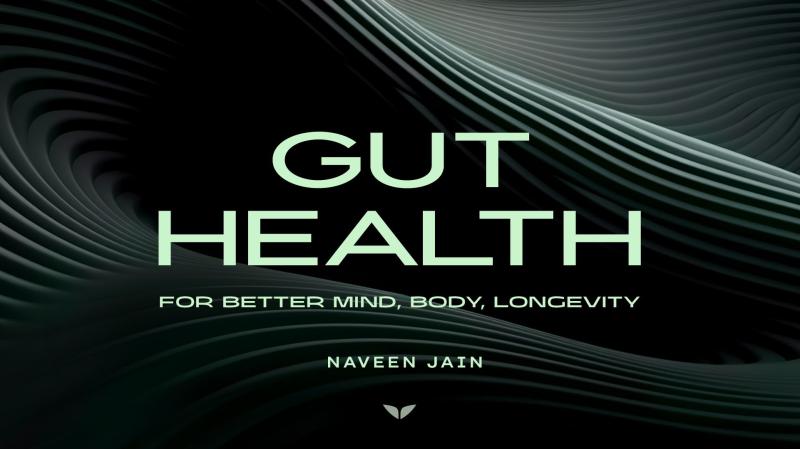
MindValley - Gut Health for Better Mind, Body & Longevity
Last updated 5/2025
By Naveen Jain
MP4 | Video: h264, 1920x1080 | Audio: AAC, 44.1 KHz, 2 Ch
Genre: eLearning | Language: English | Duration: 9 Lessons ( 3h 14m ) | Size: 4 GB

Decode the science of gut health in 7 days and help banish illness, fatigue and chronic inflammation to the history books. Join Viome founder Naveen Jain and his team of scientists to discover the unique precision nutrition your gut microbiome needs to fight disease, lift your energy and mood, and live a longer, healthier, happier life.

Is your gut trying to tell you something?
For too many of us, nagging health issues like digestive discomfort, stubborn weight, relentless headaches, and even battles with depression and anxiety have become the norm.

We often attribute these to bad luck or genetics, but what if there's a root cause we can actually address?

The answer lies in the 3.5 billion-year-old secret hidden in your gut.your microbiome.

This unique ecosystem acts like the puppet master for your health, silently pulling the strings of how your body reacts.

Processed foods, stress, and antibiotics wreak havoc on this delicate balance, leading to chronic inflammation that leaves you feeling sluggish, out of sync, or just downright sick.

However, the science is now irrefutable. There is no 'one-size-fits-all' nutrition solution.

Your microbiome is as unique as your fingerprint. And.

One man's food can literally be another man's poison - especially when it comes to your gut health.

Dive deep into the science of nutrition-hacking your unique microbiome as you learn how to nourish the 3.5 billion-year-old microorganisms that govern your health.

This insightful guide will show you how to identify and eliminate the root causes of chronic inflammation, fatigue, and other health issues, replacing guesswork with precision nutrition.

Empower yourself with the knowledge to choose the right foods, supplements, and probiotics specifically beneficial for your body.

Say goodbye to one-size-fits-all diets and embrace a tailored approach that enhances your energy, clarity, and quality of life.

Join us on a journey to decode your gut's secrets and transform your life from the inside out.

What You'll Learn
Decode the Language of Your Gut
Uncover the signals your microbiome sends about your health and how to interpret them for better well-being.

Hyper-Personalized Nutrition
Know your unique dietary needs based on an in-depth understanding of your gut health, eliminating the need for guesswork and ineffective diet experiments.

Accelerated Healing & Enhanced Immunity
Stay one step ahead of potential chronic diseases before they have a chance to take root, and apply science-based practices that fortify the immune system so illness becomes optional.

Slow-down Aging & Extend Longevity
Apply the 5 hierarchy of needs to turn back the clock on premature aging at a cellular level and optimize biological functions to not only extend life but look and feel younger.

Combat Chronic Inflammation
Learn the strategies to mitigate this silent health disruptor, the causal link to a vast array of common health issues.

Why Your Genes Aren't The Problem
Discover the surprising truth about your DNA, and why another molecule in your body and 'epigenetic expression' are instead responsible for 95% of all disease.

Improve Metabolism & Cellular Efficiency
Kickstart your cellular support systems to keep up with the metabolic demands of the body, dramatically reducing cellular degradation -the earliest measurable indicator of health decline.

Mental Wellness & Cognitive Health
Learn how to influence specific neurological systems to rapidly dissolve stress and anxiety, while simultaneously achieving peak brain function for unbreakable focus and cognition.


604315817_gut_health_for_better_mind_body__longevity.jpg


Download from RapidGator


Premium Links
 
811a932b2c7379db152c0cb9f6d359ee.jpg


Open to Joy: A 35-Day Journey of Yoga, Qigong & Meditation
Published 5/2025
Created by Heather Lenz
MP4 | Video: h264, 1280x720 | Audio: AAC, 44.1 KHz, 2 Ch
Level: Intermediate | Genre: eLearning | Language: English | Duration: 37 Lectures ( 16h 45m ) | Size: 21.5 GB

Build strength, cultivate grace, and activate your inner light with 35 days of mindful movement and energy mastery.


What you'll learn
Strengthen your body while activating joy, clarity, and inner resilience.
Realign with your soul's energy through intentional daily movement practices.
Regulate your nervous system through breath, movement, and energetic awareness.
Shift stagnant energy and reconnect to your intuition and emotional balance.
Awaken the frequency of joy within your body and energetic field.
Release heavy energy and open your heart to intuitive guidance.
Build strength and stamina while tuning into your deeper purpose.
Learn to self-regulate, reset fast, and move through challenges.
Step into each day grounded, lit up, and open to more joy.

Requirements
This course is recommended for intermediate to advanced yoga students. But beginners can also join and be patient, take as many breaks as you need, and do what feels good.

Description
Welcome to Open to Joy, a 35-day journey of qigong, power yoga, hatha yoga, yin yoga, meditation, and breathwork designed to open your body, regulate your nervous system, and align you with the frequency of joy-not as a fleeting feeling, but as a way of living, breathing, and being.This program weaves ancient wisdom with modern embodiment to help you feel more resilient, intuitive, and alive. Through strength and softness, grit and grace, you'll clear stagnation, awaken your energetic centers, and return home to your body and your breath.Each day offers something intentional-from power yoga that builds vitality and emotional fire, to gentle hatha flows that reconnect you to self-compassion, to qigong sequences that harmonize meridian flow and awaken the subtle body. You'll meet yourself in stillness through meditations that calm the mind, soothe the heart, and elevate the soul.This journey is not about fixing yourself-it's about remembering who you are beneath the noise. Each class gently dissolves the energetic armoring around the heart, inviting safety, softness, and a return to inner harmony.Through breath-led movement, meridian and chakra balancing, nervous system regulation, and intuitive flow, you'll open space for joy, clarity, and deeper connection-not only with your body, but with your soul.And yes, this journey will challenge you physically in the most empowering way. You'll:- Build lean, functional strength- Increase flexibility and balance- Boost your energy and fitness- Feel vibrant, alive, and at home in your bodyYou won't just feel better-you'll move better, breathe better, and live better.You will:- Clear energetic blocks and dissolve emotional heaviness- Strengthen your core and confidence while softening your edges- Tune into the subtle language of your body and heart- Return to joy, not as a fleeting feeling, but as a stable state of beingThe Love Frequency is always here-flowing beneath every inhale, every pose, every choice to show up. Let this 35-day journey be your pathway back to it.Whether you are moving through stress, deepening your practice, or simply remembering how to feel again, this space is for you. Come as you are. Every breath is an invitation. Every movement is an activation. Every day is a new beginning.This is your time. Let's open to joy-together. Namaste Heather Lenz

Who this course is for
This course is designed for intermediate to advanced yoga students who are ready to deepen their physical practice while awakening a more intuitive, energetically aligned way of moving. It's for women who crave more than just fitness-they're seeking transformation, nervous system regulation, and a return to joy. If you're feeling stuck, emotionally heavy, or disconnected from your inner radiance, this challenge will meet you on the mat and guide you back to your soul. Ideal for practitioners familiar with foundational poses who are ready to explore strength, flow, and spiritual embodiment on a deeper level.


Homepage


605448486_3-day-10-awaken-the-river-within-yoga-qigong-fusion-38-min-_s.jpg


57af8f2f361da61a072f016c1c5ed4c3.jpg


Grooming for Animated Characters
Andrew Petit | Duration: 48:34 h | Video: H264 1920x1080 | Audio: AAC 44,1 kHz 2ch | 25,7 GB | Language: English

An 8-week course focused on creating high-quality character grooms for animation

Grooms can be an extension of the model and design on many animated characters. Given that many animation studios use their own proprietary software, it's not enough simply to know how to use hair grooming software. In this class, I'll teach you to see key character design details, execute and improve upon those design details in the groom, problem solve in 3D, and tell the story of the character. This class is set up to mimic a studio environment, from design kickoff and routine reviews, all with the goal of having a feature film quality groom ready at the end. Throughout the course, students will learn how to make an animated feature film quality groom, get familiar with the review style and working cadence at a studio, and learn how to troubleshoot in 3D grooming software and hair shaders. By the end of the course, students should have a high quality portfolio piece.

Please note: students should come into the course with some grooming knowledge and a preferred software to work in. The emphasis of the course will not be on any particular software, but on getting an artistic result using the tools.

Grooming principles covered in this course can be translated to any grooming software; the primary grooming software used in the lecture videos will be Houdini.


Homepage


604933137_04-demo-1_s.jpg


a4d91f678e89172a80bcce5d8f43d111.jpg


SAP S/4HANA Sales (SD - Sales and Distribution)
Last updated 3/2023
MP4 | Video: h264, 1920x1080 | Audio: AAC, 44.1 KHz
Language: English | Size: 36.94 GB | Duration: 68h 30m

The course covers both configuration and end-user processes for SAP S/4HANA Sales (Sales and Distribution)


What you'll learn
Configuration and End-User activities for SAP S/4HANA Sales
O2C - Order to Cash Cycle Processes on SAP S/4HANA Business Suite
Be able to take SAP S/4HANA Sales Certification exam
To understand how required business processes run related to SAP S/4HANA SD
Required SAP S/4HANA Finance & Controlling configuration for SAP S/4HANA SD
Integration of SAP S/4HANA Sales with FICO, MM and PP modules
Master Data related to Customer, Material, and Conditions
Order types, Item Categories, Scheduling line categories
Availability Check, Transfer of Requirements, and MRP Run
Sales Order Costing
Bill of Material and Production Planning
Logistics Execution - Delivery types, Picking, Packing, and Post Goods Issue
Billing Plans - Periodic Billing and Milestone Billing
Material Classification, Batch Management and Classification, and Batch Split
Working through SAP Fiori Apps related to SAP S/4HANA Sales
Copying Control for Sales Documents Configuration
Master Contract, Quantity and Value Contracts
Pre-Sales Activities - Inquiry and Quotation and different Sales Processes as an En-User
Customer Consignment Stock, and SAP S/4HANA Credit Management
Rebate Agreement, Intercompany Billing, Stock Transfer

Requirements
Access to SAP system

Description
The course will prepare the students to learn and understand all the necessary end-to-end implementation steps to configure SAP S/4HANA Sales 2021, previously known as SAP SD (Sales and Distribution), along with End-User activities for any organization.After this course, the students will be able to identify and analyze the business requirements for any organization related to the Order to Cash process cycle and to configure SAP S4 HANA Sales accordingly.After taking this course, the Learners will be able to work both as a Consultant and End-User and can also take SAP S/4HANA Sales certification exam i.e., C_TS462_2021.Most of the lectures under each Section can easily be identified for 'Configuration' and 'End-User' activities, so if you are interested in the 'End-User' training only, then you can filter those lectures easily.Here are the highlights of the course:- Section 1 is about the SAP S/4HANA Business Suite and its HANA database capabilities including SAP Fiori as New User Interface- Section 2 demonstrates Business Requirements, SAP Activate Methodology, and kicks-off the configuration from the Enterprise Structure on SAP S/4HANA Business Suite- Section 4 makes this course unique by demonstrating the configuration of SAP S/4HANA Finance and Controlling module that is required to work on SAP S/4HANA Sales module and you will not easily find this information in most of the other training courses- Section 6 demonstrates the configuration and creation of Business Partner master data including Customer and Vendor master data- Section 7 demonstrates the configuration for Material master data and then shows how to create a Material master- Section 8 demonstrates the Material classification and Batch Management- Sections 10, 11, and 12 are important in terms of understanding the configuration related to Sales document types, Item categories, Schedule line categories, and Movement types- Sections 13 and 14 are about the integration between Finance module with Materials Management and Sales and Distribution- Sections 15 and 16 show the configuration of Sales Pricing Procedure and Pricing Condition RecordsSections 18, 19, 20, 21, and 22 demonstrate the configuration of Material availability check and then transfer its requirements to the Production and Purchasing department, if the material quantity is not available in the stock as per the Customer's sales order, with planned dependent and planned independent requirements- Sections 24 and 25 show the configuration and end-user activities related to Outbound delivery to the Customer and Sales billing/invoice- Sections 26 and 27 kicks off the demonstration of the typical sales processes such as Inquiry, Quotation, and Sales Contracts- Sections 28 and 29 continue with the demonstration of the sales processes such as Customer Returns, Credit Memo Request, Debit Memo Request, Cash Sale, Rush Order, Free Goods, Cross Selling etc.- Section 30 demonstrates the processes around Sales Billing such as Billing plan types of Periodic Billing and Milestone Billing along with the process of Pro Forma Invoicing- Sections 31 and 32 demonstrate the processes around Customer Consignment Stock, Sales Rebate Agreement, and Sales Promotions and Deals- Section 34 is important to understand how Serial numbers for Products can be created. The same section demonstrates the processes around Outbound delivery without Order, and Material BOM Usage with Sales and Distribution- Section 35 demonstrates the process for Intercompany Billing when there are transactional activities between two different company codes and Section 36 shows how the stocks can be transferred from one Storage location to another, from one Plant to another, and from one Company code Plant to another Company code Plant- Section 37 shows the processes around Customer Credit Management and Customer Payment, as the Customer Payment is the final part of Order to Cash cycle- Section 38 finally shows how the Reporting and Data analysis activities can be done through SAP Gui, Universal Journal, and SAP Fiori Analytical apps- Section 39 gives you the information on Certification Exam on SAP S/4HANA SalesDisclaimer: SAP or other products of SAP mentioned in the training is a trademark or registered trademark of SAP SE, Germany. I am not related or affiliated with that.

Anyone who wants to learn SAP S/4HANA Sales configuration and end-user processes,SAP Users who want to learn the End-User processes related to SAP S/4HANA Sales,Other ERP Consultants who want to learn SAP S/4HANA Sales configuration and end-user activities,SAP Sales Consultants and SAP CRM Consultants,Business Analysts,Project Managers,Software Engineers


Homepage


605447370_194-scheduling-agreement-enduser_s.jpg


71037ca184c4470aeef685600909c664.jpg


Coloso - Creating Surreal Dreamworlds with Cinema 4D & Octane
Timo Helgert | Duration: 15:39 h | Video: H264 1920x1080 | Audio: AAC 48 kHz 2ch | 44,9 GB | Language: English

Want to take your work to the next level? Embark on an insightful journey with Timo Helgert as he guides you through the surreal world of art and helps you reach beyond your creative limits!

Get to know everything from basic 3D tools, useful theories, and setting up scenes to fully animating them so you can bring your surreal dream worlds to life. You'll even learn how to create your very own unique assets!

You'll Learn:

2D to 3D Transition
Turn static 2D photos into dynamic 3D worlds. I will also reveal the lazy approach to creating photorealistic models using 3D-scanned textures.

Creating and Animating Nature in C4D
Create nature elements like grass and wildflowers, and animate them in C4D. Then find out how to "prepare" the assets for your artwork.

Using Nature to Create an Aesthetic Scene
Make use of the natural elements we created. Which do we choose, and how do we utilize those elements to create the most aesthetic scene possible? I will be helping you answer these questions.

Compositing 3D Files in AE
Discover the techniques and workflow I use in After Effects to make 3D Renders more interesting. Learn to upgrade your own flat renders to the next level.

Bringing Boring Renders to Life through AE
Bring boring renders to life by learning to create butterflies in Cinema 4D, animating a sky and clouds, and adding more organic details like lens flares.

Creating a Nature Portal & a Magical Snap Effect
Now that we're in the age of Instagram and TikTok creating a beautiful scene is no longer enough. So let's go over how to take our renders and turn them into more dynamic and approachable content for social media.


Homepage


605052457_6-photo-mapping-in-c4d-and-baking-octane_s.jpg


5f07028a9fbf20f5c39f55047e9b58d7.jpg


CCNP Enterprise: ENARSI 300-410 v1.1
Last updated 4/2025
Created by Mustafa Bin Amar
MP4 | Video: h264, 1280x720 | Audio: AAC, 44.1 KHz, 2 Ch
Level: Intermediate | Genre: eLearning | Language: English + subtitle | Duration: 119 Lectures ( 64h 7m ) | Size: 43.7 GB

Implementing Cisco Enterprise Advanced Routing and Services with Step-by-Step Notes.


What you'll learn
You will be ready to pass ENARSI exams and get hands on experience with our detailed labs
Anyone who wants to learn routing at professional level.
Implementing, Optimizing, Troubleshooting EIGRP,OSPF & BGP
Configuring & Troubleshooting
MPLS Configuration and L3 MPLS VPN
VRF, GRE, Ipsec and S2S VPN
And Many more thing you are going to learn in this course

Requirements
CCNA Routing & Switching Knowledge CCNA 200-125 or CCNA 200-301
General understanding of how to manage network devices.
Basic knowledge of how to implement LANs, network automation.
General understanding of network fundamentals

Description
This Course is updating monthly mannersThe ENARSI - Implementing Cisco Enterprise Advanced Routing and Services v1.1 (300-410) course gives you the knowledge and skills needed to configure, troubleshoot, and manage enterprise wired and wireless networks. You'll also learn to implement routing protocol CCNP ENARSI training includes advanced routing & troubleshooting, etc.After taking this course you will get knowledge of the below given topics.1. Introduction to CCNP Enasarsi2. Tshoot Methodologies different approach3. Troubleshooting Common Commands4. Basic Tshoot Lab5. IP Address Theory with Lab6. Introduction to Routing Protocol7. Routing protocol Part 8. Packet Handling and Forwarding Decision9. EIGRP Theory with Lab10. EIGRP Metric Theory with Lab11. Path Selection Optimization EIGRP Lab12. Eigrp Packet Theory with Lab13. FD and AD Theory with Lab14. EIGRP Auto Summarization15. Manual Summarization theory with Lab16. EIGRP Equal cost loadbalancing17. EIGRP UnEqual Cost Loadbalancing18. EIGRP Authentication Theory lab19. SIA EIGRP theory with Lab20. EIGRP Stubs21. EIGRP BFD Theory with Lab22. EIGRP Modes Theory with Lab23. CCNP- EVE ng24. EIGRP Tshooting Theory25. EIGRP Tshoot Labs26. EIGRP VRF Theory with Lab27. PBR Theory with Lab28. Introduction to OSPF29. OSPF Basic Lab in EVE ng30. OSPF Terminologies31. DR and BDR Theory with Lab32. OSPF Neighbor Requirements33. OSPF Metric Theory with Lab34. OSPF Packet Theory with Lab35. OSPF States Theory with Lab36. OSPF Network Types37. OSPF Multi Area with Redistribute Lab38. OSPF Authenticaiton39. OSPF Area Types40. OSPF Area Types Lab41. OSPF Virtual Link42. OSPF Passive Interface theory with Lab43. OSPF Path Selection theory with lab44. OSPF address Family theory with lab45. OSPF Tshooting Lab with Theory46. AD value Tshoot lab with theory47. Summarization for OSPF48. Auto and Manual Summarization in EIGRP49. Auto Summarization Issuse50. Redistribution theory with Lab51. BGP Introduction Theory52. IBGP Theory with Lab53. EBGP Theory with Lab54. BGP Neighbor States55. BGP Message Types Theory with Lab56. BGP Active and Passive57. BGP Timer theory with lab58. BGP Next-Hope-Self59. BGP Multihop & Update-Source60. BGP Peer Group theory with Lab61. BGP Attribute Theory62. BGP Weight Attribute Lab63. BGP Local Preference Lab64. AS-Path Prepending Lab65. BGP Origin Lab66. BGP MED Attribute Lab67. BGP Neighbor Relationship Lab68. BGP Authentication Lab69. BGP Synchronization70. BGP Synchronization Lab71. Route Reflectors Lab with Theory72. BGP Confederation theory with Lab73. BGP Route Refresh theory74. BGP Route Refresh Lab75. BGP Address Families76. BGP Address Families Lab 177. BGP Address Families lab 278. BGP Filtering Theory79. BGP Filtering Lab80. Basic DHCP Theory with Lab81. DHCP Lab in EVE ng82. DHCP Relay Agent theory with Lab83. DHCP Tshoot theory with Lab tickets84. SNMP Theory with lab part 185. SNMP Part 286. SNMP Tshoot87. Netflow Theory with Lab Part 188. Netflow Tshoot labs89. Syslog Theory90. Syslog Lab and Debug and Conditional Debug91. IPSLA Theory with Lab92. Tshoot Device Management Part 193. Http and Https Tshoot (Tshoot Device Management Part 2)94. FTP and TFTP theory and Tshoot (Tshoot Device Management Part 3)95. CISCO DNA Center(Tshoot Device Management Part 4)96. Copp Theory lab and Tshoot97. AAA Theory with Packet Tracer lab and Tshoot98. Aaa Lab With Cisco Ise99. ACL Theory with Basic Lab100. Extended ACL Lab with Tshoot101. Name Standard ACL Lab102. Extended Name ACL lab103. Time Base ACL with Tshoot theory104. URPF theory with lab105. VPN Introduction106. GRE with IPSec107. Cryptography Concepts108. IPSec theory109. IPSEC Lab110. DMVPN Theory with Lab111. MPLS Introduction with Lab112. MPLS L3 VPN Theory with Lab113. Split horizon route poisoning and Tagg lab114. IPV6 labs

Who this course is for
Network administrators
Network support technicians
Enterprise network engineers
Help desk technicians
System administrators


Homepage


605558325_115-111-mpls-introduction-with-lab_s.jpg


72f741ad9904ac5ef1378ed2be9bcc42.jpg


Ultimate Social Media Marketing Mastery | 41 Courses In 1
Published 5/2025
MP4 | Video: h264, 1920x1080 | Audio: AAC, 44.1 KHz
Language: English | Size: 29.48 GB | Duration: 25h 48m

Your all-in-one roadmap to social media marketing success in 2025. Organic reach, paid traffic, viral content and more.


What you'll learn
How to create a full-funnel social media marketing strategy
The difference between paid and organic social media marketing
How to run high-ROI Facebook and Instagram ad campaigns
Proven tactics for TikTok growth and viral content
How to grow a brand using LinkedIn marketing for B2B
How to write high-converting ad copy for social media marketing
Best practices for creating Instagram Reels, Stories, and Posts
How to track and analyse social media marketing results with data
How to use Canva, CapCut, and other tools for content creation
How to structure content calendars for consistent posting
How to build and scale a social media marketing agency
How to repurpose content across YouTube Shorts, TikTok, and Reels
How to build an audience without spending money on ads
How to launch and promote products with social media marketing
How to grow email lists using social media marketing funnels
How to target the right audience with advanced ad strategies
How to use AI tools to streamline your social media marketing workflow
How to create lead magnets that convert through social media
How to set up retargeting campaigns that bring users back
How to stay ahead of trends in the fast-changing world of social media marketing

Requirements
Internet Access.
Willingness to Learn.

Description
Learn how to grow online using the power of social media platformsThere are two kinds of people online.Some post.Some scroll. Some hope. And then nothing happens. No likes. No comments. No new customers. No growth.Then there are the others. The ones who post with purpose. They build an audience. They start conversations. They grow their brand. They understand what works and why. They are not lucky. They are just trained.This course is for people who want to understand. Not guess. Not copy. Not chase trends. But really understand how social media works and how to use it with purpose.This is a full guide to social media marketing across every major platform. It is packed with real strategies you can use right now. No fluff. No tricks. Just tools, systems, and ideas that work.There are 41 courses inside this one course. That means you are getting a full training program for the price of one. It is a bargain. It is for learners. It is for doers. It is for anyone tired of wasting time and ready to start seeing progress.What Will You LearnYou will learn how to use social media the right way.Not just how to post. But how to plan. How to attract attention. How to earn trust. How to grow. How to get results.You will learn the basics of social media marketing and how each platform works. You will learn the difference between paid ads and organic content. You will understand what good content looks like and how to make it.You will learn how to think like a creator. Like a strategist. Like a smart marketer.And most importantly, you will learn how to apply what you learn in real life.What Platforms Are CoveredThis course includes full sections on:TikTok MarketingTikTok is still the best place to grow from zero. You will learn how the algorithm works. How to create content people watch. How to get followers. How to use trends the right way. How to write hooks. How to use your voice. How to plan a content calendar. How to turn a video into a tool for growth. You will also learn TikTok Shop, TikTok analytics, and how to go from views to real results.TikTok AdvertisingYou will learn how to run ads on TikTok. From the first setup to full campaigns. You will understand the difference between organic and paid TikTok. You will learn campaign structure, targeting, bidding, and optimization. You will also learn about lead generation, boosting posts, retargeting, scaling creatives, and how to track what works.Facebook Marketing (Organic)You will learn how to build a Facebook page. How to join and create groups. How to engage your audience without spending money. How to write posts that get replies. How to measure what's working. How to grow slow but strong.Instagram MarketingYou will learn how to build a strong Instagram profile. How to use Reels, Stories, and Highlights. How to grow your audience with helpful and interesting content. You will also learn how to understand the Instagram algorithm and how to use analytics to improve your content.Facebook and Instagram AdvertisingYou will learn how to run ads on Meta platforms. From Business Manager setup to ad creation. You will learn how to use targeting, placements, and formats. You will learn to write copy that converts. You will learn how to create video ads, image ads, carousels, and lead generation campaigns. You will also learn about testing creatives, scaling, and avoiding ad rejections.LinkedIn MarketingYou will learn how to create a strong profile that helps people trust you. You will learn what kind of content works on LinkedIn. You will learn how to grow your network. How to post content that starts conversations. And how to turn followers into leads.LinkedIn AdsYou will learn how to run ads on LinkedIn. From campaign creation to ad formats. You will understand how to reach business audiences. You will learn how to retarget. How to measure success. And how to stand out in the feed.Quora MarketingQuora is a hidden gem. You will learn how to answer questions that bring traffic. You will learn how to set up your profile. How to find the right questions to answer. How to write answers that teach and invite people to learn more from you.Quora AdsYou will learn how to run ads on Quora. How to show up in front of people who are already asking questions about your topic. You will understand targeting, bidding, and how to build a campaign from scratch.Pinterest MarketingPinterest is a search engine, not just a social app. You will learn how to upload pins that get discovered again and again. You will learn how to drive traffic to your site or store. You will learn how to use visuals, keywords, and timing the right way.Pinterest AdsYou will also learn how to run Pinterest Ads. How to set goals. How to build campaigns. How to find the right audience. How to make beautiful creatives that fit the platform.Who Is This Course For? This course is for anyone who wants to grow on social media.It is for beginners. It is for people who have tried and failed. It is for freelancers. It is for business owners. It is for content creators. It is for marketing professionals. It is for students. It is for teachers. It is for you.If you want to stop guessing and start growing, this course is for you.If you want to finally understand how social media marketing works, this course is for you.Why This Course Works?It works because it is clear. It is simple. It is step by step.It is made for real people with real goals. It teaches you how to use each platform with purpose. Not just to get likes. But to get results.There are over 200 lessons inside. There are templates, scripts, formulas, calendars, and case studies. There is structure. There is support.This is not a course you watch once and forget. This is a course you come back to again and again.You do not need to be famous. You do not need to be perfect. You do not need to be everywhere.But you do need a plan. You do need a message. You do need to know what works.That is what this course gives you.Learn social media marketing. Grow your brand. Build something real.And do it all with one full course, packed with 41 in-depth trainings in one place.Let's get started.

Overview
Section 1: Introduction

Lecture 1 Welcome to the course

Lecture 2 What will you get out of this course?

Lecture 3 What to expect from this course?

Section 2: Meet Your Instructor

Lecture 4 Meet Your Instructor

Section 3: What is Social Media Marketing?

Lecture 5 What is social media marketing?

Lecture 6 The difference between paid and organic social media marketing.

Section 4: TikTok Marketing

Lecture 7 The rise of TikTok: Why it's still the best organic platform in 2025

Lecture 8 TikTok vs Instagram, YouTube Shorts, Reels

Lecture 9 TikTok's user demographics and behavior

Lecture 10 Organic reach potential vs other platforms

Lecture 11 Monetization paths from organic growth

Lecture 12 Home Screen: Live vs STEM vs Explore vs Following vs For You vs Search

Lecture 13 TikTok Lives

Lecture 14 TikTok Coins Explained

Lecture 15 Live Stream Ideas

Lecture 16 TikTok STEM

Lecture 17 TikTok For You Page

Lecture 18 TikTok Following Tab

Lecture 19 TikTok Explore Tab

Lecture 20 TikTok Search Tab

Lecture 21 Key Ranking Signals: Watch Time, Replays, Shares, Saves

Lecture 22 How TikTok Sores Content Frames: Hook-to-end Ratio

Lecture 23 The velocity Model: Batch Testing, Acceleration

Lecture 24 Content Decay and Post Lifespan

Lecture 25 How Hashtags and Keywords Influence Ranking

Lecture 26 AI-driven Topic Clustering and Content Targeting

Lecture 27 Username, Profile Photo, and Handle SEO

Lecture 28 Crafting a High-Conversion Bio For TikTok

Lecture 29 Link-in-Bio Strategies (Linktree, Koji)

Lecture 30 Business vs Creator Account: Pros/Cons

Lecture 31 Viral TikTok Formula

Lecture 32 TikTok Hook Categories and Examples

Lecture 33 1000 Hooks For 10 Niches

Lecture 34 Editing for Pacing

Lecture 35 Caption and On-Screen Text Placement

Lecture 36 Voiceovers and Speech Pacing Tactics

Lecture 37 Case Studies of 10 Viral TikToks Dissected Frame-by-frame

Lecture 38 Intro to TikTok Strategy

Lecture 39 Content Buckets: Education, Entertainment, Controversy, Inspiration, Lifestyle,

Lecture 40 The 80/20 Posting Strategy

Lecture 41 Trend Surfing vs Evergreen Content

Lecture 42 The 3-Part Content Funnel: Discover > Nurture > Convert

Lecture 43 Weekly Content Calendar Planning

Lecture 44 Filming: Lighting, Camera Angles, Audio Quality

Lecture 45 Using Trending Sounds on Tiktok

Lecture 46 Optimal Video Length, Format and Resolution

Lecture 47 TikTok Green Screen on a Photo

Lecture 48 Do's & Don't Style TikTok Video Style

Lecture 49 Replying to Comments Style Video

Lecture 50 Rant Style TikTok

Lecture 51 TikTok Duets

Lecture 52 TikTok Stiches

Lecture 53 Introduction to TikTok Shop

Lecture 54 TikTok Shop For Sellers

Lecture 55 TikTok Shop For Creators

Lecture 56 TikTok Shop - Product Research

Lecture 57 TikTok Shop Creator Research

Lecture 58 TikTok Shop - Shop Research

Lecture 59 Introduction to TikTok Analytics

Lecture 60 TikTok Analytics Overview

Lecture 61 TikTok Content Analytics

Lecture 62 TikTok Viewer Analytics

Lecture 63 TikTok Follower Analytics

Lecture 64 TikTok Video Analytics

Lecture 65 Community Guidelines and Real Violations

Lecture 66 What Triggers Shadowbans and Reach Suppression

Lecture 67 Tips to Safely Cover Sensitive or "borderline" Topics

Lecture 68 Week-by-week Plan on TikTok

Lecture 69 Text on Screen Bank

Lecture 70 Daily Posting Tracker and Habit Setup

Lecture 71 TikTok Viral Video Scripts

Lecture 72 Content Calendar Template

Lecture 73 TikTok Comment Reply Vault

Lecture 74 Bio + CTA formulas

Section 5: TikTok Advertising

Lecture 75 What is the difference between Organic TikTok and TikTok advertising

Lecture 76 Navigating to TikTok Ads - Creating a TikTok Ad Account

Lecture 77 Introduction to TikTok Advertising Metrics

Lecture 78 Top of Funnel Metrics

Lecture 79 Middle of Funnel Metrics

Lecture 80 Bottom of Funnel Metrics

Lecture 81 TikTok Ads, Campaign Level Walkthrough

Lecture 82 TikTok Ads, Ad Group Level Walkthrough

Lecture 83 TikTok Ads, Ad Level Walkthrough

Lecture 84 TikTok Campaign Objectives

Lecture 85 TikTok Targeting

Lecture 86 TikTok Advertising Bid Strategies

Lecture 87 TikTok Advertising Important Settings

Lecture 88 TikTok Ad Formats

Lecture 89 TikTok Ad Analysis and Inspiration

Lecture 90 Tiktok Creative Center & Hashtag Research

Lecture 91 TikTok Creative Center Songs

Lecture 92 TikTok Creative Center Creators

Lecture 93 TikTok Script Generator

Lecture 94 TikTok Lead Generation Campaign Setup

Lecture 95 TikTok Instant Form Creation

Lecture 96 TikTok Call Ads Campaign Setup

Lecture 97 Setting Up a Sales Campaign If You Don't Have Tracking

Lecture 98 Should You Consider Boosting Your Posts?

Lecture 99 How to Boost Your Posts?

Lecture 100 TikTok Ads Retargeting

Lecture 101 Retargeting Audiences (In-platform)

Lecture 102 TikTok Ads Lookalike Audiences

Lecture 103 TikTok Ads Learning Phase

Lecture 104 TikTok Ads Introduction to Scaling

Lecture 105 Scaling Strategies

Lecture 106 Scaling Winning Creatives

Section 6: Organic Facebook(Meta) Marketing

Lecture 107 Introduction to Organic Meta Marketing

Lecture 108 What Can You Achieve with Organic Meta Growth?

Lecture 109 Creating a Page | Basic Settings

Lecture 110 Content Strategy for Organic Facebook Growth

Lecture 111 Engaging in Existing Groups in Facebook

Lecture 112 Creating Your Own Facebook Group in Facebook

Lecture 113 Case Study on Successful Facebook Groups

Lecture 114 Building Engagement on Your Posts

Lecture 115 Analytics and Refining Your Strategy

Section 7: Instagram Marketing

Lecture 116 Introduction to Instagram Marketing

Lecture 117 What Can You Achieve With Instagram Marketing?

Lecture 118 Understanding the Instagram Algorithm

Lecture 119 Creating an Instagram Profile

Lecture 120 Instagram Highlights and Stories

Lecture 121 Understanding and Creating Instagram Reel

Lecture 122 Build & Engage with Your Community on Instagram

Lecture 123 Instagram Comment Hacking

Lecture 124 Posting Times on Instagram

Lecture 125 Account Training on Instagram

Lecture 126 Trial Posts on Instagarm

Lecture 127 Important Reel Settings

Lecture 128 Instagram Analytics

Lecture 129 Walking Through the Analytics

Section 8: Meta (Facebook & Instagram) Advertising

Lecture 130 What are Facebook Ads, and why use them?

Lecture 131 Creating a Business Manager Account

Lecture 132 Creating a Facebook Page

Lecture 133 Creating an Ad Account

Lecture 134 Facebook Ads Dataset (Old Pixel)

Lecture 135 Facebook Ads Dataset Setup For Lead Generation

Lecture 136 Facebook Ads Metrics

Lecture 137 Breaking Down Campaign Hierarchy

Lecture 138 Facebook Ads Campaign Level Settings

Lecture 139 Facebook Ad Set Level Settings

Lecture 140 Facebook Ad Level Settings

Lecture 141 Facebook Ads Core Audience Settings

Lecture 142 Facebook Ads Custom Audiences

Lecture 143 Facebook Ads Lookalike Audiences

Lecture 144 Ad Formats and When to Use Them

Lecture 145 Creating Eye-Catching & Converting Static Ads

Lecture 146 Creating Stunning Video Ads That Convert

Lecture 147 Creating Converting Carousels

Lecture 148 Writing a High Converting Ad Copy

Lecture 149 Facebook Ads Library

Lecture 150 How I Approach Creatives

Lecture 151 In-depth Creative Analysis

Lecture 152 Building an Ecommerce Campaign Part.1

Lecture 153 Building an Ecommerce Campaign Part.2

Lecture 154 A/B Testing Creatives

Lecture 155 Ecommerce Profitability with Facebook Ads (Formula)

Lecture 156 Why Do We Run Instant Leads Campaigns Instead of Website Leads Campaign?

Lecture 157 Creating a Instant Leads Form

Lecture 158 Building a Lead Generation Campaign & Where Do Leads Populate?

Lecture 159 Understanding Facebook Ad Policies and Avoiding Rejections

Lecture 160 Scaling Your Campaigns

Lecture 161 Lead Generation Facebook Ads Case Study

Lecture 162 Creating a Media Plan For Facebook Ads

Section 9: LinkedIn Marketing

Lecture 163 Introduction to LinkedIn Marketing

Lecture 164 The Goal With LinkedIn Marketing

Lecture 165 Optimizing Your LinkedIn Profile

Lecture 166 Activity

Lecture 167 Posting Content on LinkedIn

Lecture 168 What Style of Content Working the Best in 2025

Lecture 169 Growing Your Following on LinkedIn

Lecture 170 How to Turn Followers into Clients on LinkedIn

Section 10: LinkedIn Advertising

Lecture 171 Welcome to LinkedIn Advertising

Lecture 172 Important Facts About Linkedin Ads

Lecture 173 What Should Be Our Goal on LinkedIn?

Lecture 174 LinkedIn Ads Campaign Structure

Lecture 175 LinkedIn Ads Metrics

Lecture 176 LinkedIn Ad Formats

Lecture 177 Navigating to LinkedIn Ads and Creating an Ad Account

Lecture 178 Campaign Group Settings

Lecture 179 Campaign Level Settings

Lecture 180 Ad Level Settings

Lecture 181 LinkedIn Video Ads

Lecture 182 Carousel Ads

Lecture 183 Linkedin Text Ads

Lecture 184 LinkedIn Spotlight Ads

Lecture 185 Linkedin Follower Ads

Lecture 186 Linkedin Message Ads

Lecture 187 Linkedin Conversation Ads

Lecture 188 LinkedIn Document Ads

Lecture 189 LinkedIn Insight Tag (Tracking)

Lecture 190 Why Do We Retarget People?

Lecture 191 Retargeting Stages

Lecture 192 Linkedin Ads Benchmarks

Section 11: Quora Marketing

Lecture 193 Introduction to Quora Marketing

Lecture 194 Setting Up a Professional Quora Profile

Lecture 195 Quora Groups/Spaces

Lecture 196 How to Answer Questions on Quora to Drive Leads and Traffic

Lecture 197 Measuring Success and Refining Your Strategy

Section 12: Quora Ads

Lecture 198 Introduction to Quora Ads

Lecture 199 Pros and Cons of Quora Ads

Lecture 200 Quora Ads Campaign Objectives

Lecture 201 Quora Ads Targeting

Lecture 202 Quora Ads Bid Strategies

Lecture 203 Quora Ad Formats

Lecture 204 Navigating to the Platform

Lecture 205 Creating a Quora Campaign Scenarios

Section 13: Pinterest Marketing

Lecture 206 Introduction to Pinterest.

Lecture 207 Pinterest Platform Overview

Lecture 208 The Algorithm of Pinterest

Lecture 209 Pinterest SEO (Search Engine Optimization)

Lecture 210 Driving Traffic to Your Website or Store With Pinterest Marketing

Lecture 211 Uploading Pins on Pinterest

Section 14: Pinterest Ads

Lecture 212 Introduction to Pinterest Ads

Lecture 213 Pros and Cons Pinterest Advertising

Lecture 214 Pinterest Ads Campaign Objectives

Lecture 215 Pinterest Advertising Targeting

Lecture 216 Pinterest Ads Bid Strategies & Ad Formats

Lecture 217 Navigating to Pinterest Ads

Lecture 218 Pinterest Ads Campaign Settings

Lecture 219 Pinterest Targeting (Ad Group Settings)

Lecture 220 Pinterest Ad Creative

Beginners who want to start a career in social media marketing from scratch.,Business owners aiming to grow their business through social media marketing.,Freelancers looking to offer social media marketing services to clients.,Digital marketers wanting to upgrade their social media marketing skills.,Students exploring career paths in social media marketing and digital branding.,Influencers who want to master social media marketing to grow their personal brand.,E-commerce entrepreneurs looking to scale using social media marketing strategies.,Marketing managers responsible for driving results through social media marketing.,Anyone interested in learning social media marketing in a structured, step-by-step way.,Side hustlers wanting to promote their passion projects using social media marketing.,Coaches and consultants looking to attract more clients through social media marketing.,Content creators who want to learn how social media marketing works behind the scenes.,Agencies training new hires on the foundations of social media marketing.,Small business owners wanting to reduce ad spend through better social media marketing.,Bloggers hoping to grow their audience with strategic social media marketing.,Professionals transitioning into a social media marketing career.,Local service providers who want to be found through smart social media marketing.,Non-profits that need cost-effective social media marketing methods to drive impact.,Entrepreneurs launching new products using paid and organic social media marketing.,Creatives and designers who want to understand social media marketing fundamentals.,Real estate agents seeking to generate leads with effective social media marketing.,Job seekers who want to add social media marketing to their resume.,YouTubers wanting to drive views and engagement using social media marketing.,TikTok creators aiming to build a brand through strategic social media marketing.,Instagram users who want to turn followers into paying customers with social media marketing.,Brand managers focused on audience growth through social media marketing.,Copywriters looking to specialize in social media marketing campaigns.,Email marketers adding social media marketing to their skillset.,Virtual assistants who want to offer social media marketing as a premium service.,Career changers looking for real-world skills in social media marketing.,Startup founders who need lean social media marketing strategies to gain traction.,Event planners hoping to increase attendance through smart social media marketing.,Fitness coaches looking to build an online presence with social media marketing.,Fashion brands aiming to increase visibility through social media marketing.,SaaS founders who want to reduce CAC with better social media marketing.,Artists and musicians growing their audience using social media marketing platforms.,Hospitality businesses boosting bookings with effective social media marketing.,Authors and speakers who want to build authority through social media marketing.,Anyone overwhelmed by platforms and needing a clear social media marketing roadmap.,People who want to master Facebook organic marketing as part of a broader social media marketing strategy.,Those looking to run profitable Instagram ad campaigns through effective social media marketing.,Creators who want to grow fast using TikTok content trends and social media marketing tactics.,Anyone curious about how YouTube Shorts fit into modern social media marketing funnels.,Business owners who want to use LinkedIn content for B2B social media marketing growth.,Side hustlers using Pinterest for traffic generation in their social media marketing plan.,Digital nomads seeking to monetize brands with social media marketing on Threads and Instagram.,Influencers interested in creating a system for brand deals using social media marketing strategy.,Teams wanting to implement cross-platform scheduling tools to streamline social media marketing.,Shopify sellers using Facebook retargeting and Instagram Shopping for better social media marketing ROI.,Beauty professionals building clientele with Instagram Reels and organic social media marketing.,Podcasters driving listenership using TikTok Clips and LinkedIn as social media marketing tools.,Agencies scaling client results with data-driven social media marketing across all major platforms.,Creators repurposing long-form videos into social media marketing content for Reels, Shorts, and TikToks.,Startups who want to dominate launch week using paid and viral social media marketing techniques.


Homepage


605784486_165-optimizing-your-linkedin-profile_s.jpg


97223007a85e477da16d3c210f3b95ff.jpg


The Ultimate Guide to Chess Pawn Structures
MP4 | Video: h264, 1280x720 | Audio: AAC, 44.1 KHz, 2 Ch
Genre: eLearning | Language: English + .srt | Duration: 295 lectures (44h 54m) | Size: 52.96 GB

Master the essential pawn structures with instructive examples from the World chess champions


What you'll learn
Be able to recognise effective plans in different openings and their pawn structures e.g. Minority attack plan in Carlsbad structure of Queens Gambit exchange variation
Be able to build an effective opening repertoire which fits your playing style e.g. Nimzo-indian for prophylaxis style
Be able to use pawn structures to influence the level of tactics one needs to calculate - e.g. Slav or French structures can be used for quieter positions in general
Be able to understand what Beth Harmon meant with the terms "Backward pawn", "Hanging Pawns" and her general interest in Pawn Structures in the Netflix "The Queen's Gambit" series :)
Be able to let pawn structures drive your choice of openings knowing you have fundamental middlegame ideas
Be able to transpose favourably into different structures when appropriate e.g. from London system into Stonewall structure
Be able to recognise the key basic pawn formations that frequently arise from chess openings
Be able to head to particular structures which match your mood and energy levels for calculation or need for just drawing
Be able to leverage common winning patterns both for and against particular pawn structures within your own games
Be able to make use of Thorn pawn structures and head for them for both middlegame and endgame advantages
Be able to make positional pawn sacrifices for things like Knight outposts and other positional gains
Be able to make positional exchange sacrifices to create a longer term upward trend within certain pawn structures
Be able to make effective pawn based strategies for the opening phase
Be able to make effective pawn based strategies for the middlegame phase
Be able to make effective pawn based strategies for the endgame phase
Be able to appreciate the fundamentals of Pawn related Chess Strategy in terms of position evaluation and longer term planning
Be able to make use of pawn chain undermining where appropriate
Be able to make effective Outposts around key squares within the pawn structure
Be able to do "high level shuffling" especially around potential strategic pawn breaks to minimise regrets and maximise impact
Be able to understand the dynamic and positional tradeoffs of different pawn structure factoring in King position
Be able to see the up and downsides of the Isolated pawn structure and its descendants such as hanging pawns
Be able to choose openings based on their pawn structures if you wish to build up your tactical strengths e.g. gambits or dynamic structures such as Isolated or even Backward pawns in the Sicilian Sveshikov
Be able to recognise which dynamic structures need you to put on your calculation and attacking hats or pay a penalty later in miserable endgames
Be able to understand iconic and beautiful game examples for handling various pawn structures such as classic Bobby Fischer games
Be able to see with updated analysis fantastic examples that Kingscrusher has researched in the last few years from his Youtube channel
Be able to be inspired by connected passed pawn examples from the engine World where even Stockfish couldn't handle the potential of them
Be able to choose the right plan especially in non-tactical situations thus saving time on the clock
Be able to fight effectively against tactical players with methods such as counterplay-removal and endgame transitioning
Be stimulated to play the Sicilian Sveshnikov effectively being inspired by the Backward pawn examples
Simplify your need to memorise tonnes of opening theory if you master the essential pawn structures
Be able to make use of prophylaxis when appropriate within certain pawn structures
Be able to evolve your opening repertoire with structurally implied game examples in this course such as the Nimzo-Indian to inflict doubled pawns on opponents
Be able to see the price often paid for damaging structures such as "Bishop without counterpart" which can be a targetable downside in its own right
Be able to get make use of "Thorn pawn" structures aka "Chess cheat code!" which Chess Neural networks have proven valuable and Kingscrusher himself coined this term as highlighted by Grandmasters such as Matthew Sadler
Be able to add "Soul" to your chess game! - "Pawns are the Soul of Chess" - François-André Danican Philidor
To be able to have a more effective structural perspective on what is going on in a position
To be able to rethink your opening choices and general game plans generally based on pawn structures
Be able to have effective "template plans" based on pawn structure which occur in many different openings
Be able to use a nice simple line with White vs the Caro-Kann - the exchange variation with knowledge of Carlsbad structure ups and downs
Be able to play the Sicilian Sveshnikov making use of effective template plans given in the examples
Be able to understand the structural "playbook" of both sides in a tonne of different openings which have similar structures highlighted in this course
Be able to appreciate "structualists" like Capablanca, Petrosian, Karpov, Adams who are masters of pawn structure plans and annotated games with emphasis on structural implications
Be able to handle key pawn breaks for yourself and the opponent - give yourself a break :)
Be able to transform structures into other sometimes more exploitable advantages or other structures
Be able to appreciate Kingscrusher's pure love and admiration of Tigran Petrosian who also inspired Anatoly Karpov with the concept of relatively risk-free chess :)
Be able to appreciate Kingscrusher's love of Mikhail Tal in the Benoni structures which can be transposed to from the Kings Indian defence
Game analysis all engine checked with latest Stockfish NN (Neural Network) often uncovering amazing new previously undiscovered resources!
Be able to appreciate classic notable games in Chess history which are major stem games for key ideas organised by structure
Be able to see how World chess champions championed particular structures such as Petrosian in the French and Tal in the Modern Benoni

Requirements
Knows the basics of playing Chess

Description
"Pawns are the soul of chess!" - Philidor

Pawns unlike other pieces on the chessboard cannot move backward and as such, they represent the "irreversible decisions" of chess that one has to make carefully otherwise one could easily regret such pawn moves.

In this course, you will get a strong focus on pawn structures in chess with example games from World chess champions and other master "structuralists" who have demonstrated a keen understanding of the importance of pawn structure and choice of openings for such structures.

The examples try and provide a roadmap of key plans against or for certain structures where appropriate to get a more balanced understanding of the pros and cons of each structure - and to be able to anticipate the opponent's plans and moves more easily.

Pawn structure plans and template ideas will help one play openings of any kind more effectively when aspects of that structure match key examples in this course fundamentally. You will be able to effectively reuse template plans from past world chess champions and Grandmasters and other great players.

Key pawn structural elements are looked at with many example games showing how they have their "up and downsides" including

Doubled pawns

Hanging pawns

Backward pawns

Isolated pawns

Pawn Islands

Passed pawns

Thorn pawns (yes Neural Networks have pointed the way here!)

And also more specific configurations of pawns are looked at including

d5 pawn chain

e5 pawn chain

Carlsbad structure

Caro structure

Slav Structure

Boleslavsky Hole structure (especially Sveshnikov examples!)

Stonewall Structure

By the end of the course you should have more of a "structuralist" mindset to chess - and realise the importance more of the "little guys!" and they are really the very life and soul of the game as Philidor mentioned all that time ago!

Cheers, K

Who this course is for
Chess beginner and intermediate players


Homepage


605787861_005-crushing-attacking-dreams-castling-is-overrated-kamsky-vs-karpov-1993_s.jpg


Zurück
Oben Unten