


• Regeln für den Video-Bereich:

    In den Börsenbereich gehören nur Angebote die bereits den Allgemeinen Regeln entsprechen.

    Einteilung

    - Folgende Formate gehören in die angegeben Bereiche:
    - Filme: Encodierte Filme von BluRay, DVD, R5, TV, Screener sowie Telesyncs im Format DivX, XviD und x264.
    - DVD: Filme im Format DVD5, DVD9 und HD2DVD.
    - HD: Encodierte Filme mit der Auflösung 720p oder darüber von BluRay, DVD, R5, TV, Screener sowie Telesyncs im Format x264.
    - 3D: Encodierte Filme von BluRay, die in einem 3D Format vorliegen. Dies gilt auch für Dokus, Animation usw.
    - Serien: Cartoon/Zeichentrick, Anime, Tutorials, Dokumentationen, Konzerte/Musik, Sonstiges sind demnach in die entsprechenden Bereiche einzuordnen, auch wenn sie beispielsweise im High Definition-Format oder als DVD5/DVD9/HD2DVD vorliegen. Ausnahme 3D.
    - Bereich Englisch: Englische Releases gehören immer in diesen Bereich.
    - Bereich Talk: Der Bereich, in dem über die Releases diskutiert werden kann, darf, soll und erwünscht ist.


    Angebot/Beitrag erstellen

    - Ein Beitrag darf erst dann erstellt werden, wenn der Upload bei mindestens einem OCH komplett ist. Platzhalter sind untersagt.
    - Bei einem Scenerelease hat der Threadtitel ausschließlich aus dem originalen, unveränderten Releasenamen zu bestehen. Es dürfen keine Veränderungen wie z.B. Sterne, kleine Buchstaben o.ä. vorgenommen werden. Ausnahme Serienbörse:
    - Bei einem Sammelthread für eine Staffel entfällt aus dem Releasename natürlich der Name der Folge. Beispiel: Die Simpsons S21 German DVDRip XviD - ITG
    - Dementsprechend sind also u.a. verboten: Erweiterungen wie "Tipp", "empfehlenswert", "only", "reup", usw. / jegliche andere Zusatzinformation oder Ergänzung, welche nicht in obiger Beschreibung zu finden ist.

    Aufbau des Angebots und Threadtitel

    Der Titel nach folgendem Muster erstellt zu werden. <Name> [3D] [Staffel] [German] <Jahr> <Tonspur> [DL] [Auflösung] <Quelle> <Codec> - <Group>
    Beispiel: The Dark Knight German 2008 AC3 DVDRip XviD - iND
    Beispiel: The Dark Knight 2008 DTS DL BDRip x264 - iND
    Beispiel: The Dark Knight 2008 AC3 DL BDRip XviD - iND
    Beispiel: The Dark Knight German 2008 AC3 720p BluRay x264 iND
    Beispiel: The Dark Knight 2008 DTS DL 1080p BluRay x264 iND
    Beispiel: Die Simpsons S01 German AC3 DVDRip XviD iND
    Beispiel: Die Simpsons S20 German AC3 720p BluRay x264 iND
    Beispiel: Sword Art Online II Ger Sub 2014 AAC 1080p WEBRip x264 - peppermint
    Entsprechend sind also u.a. verboten: Sonderzeichen wie Klammern, Sterne, Ausrufezeichen, Unterstriche, Anführungszeichen / Erweiterungen wie "Tipp", "empfehlenswert", "only", "reup", usw. / jegliche andere Zusatzinformation oder Ergänzung, welche nicht in obiger Beschreibung zu finden ist
    Ausnahmen hiervon können in den Bereichen geregelt sein.

    Die Beiträge sollen wie folgt aufgebaut werden:
    Überschrift entspricht dem Threadtitel
    Cover
    kurze Inhaltsbeschreibung
    Format, Größe, Dauer sind gut lesbar für Downloader außerhalb des Spoilers zu vermerken
    Nfo sind immer Anzugeben und selbige immer im Spoiler in Textform.
    Sind keine Nfo vorhanden z.B. Eigenpublikationen, sind im Spoiler folgende Dateiinformationen zusätzlich anzugeben :
    Quelle
    Video (Auflösung und Bitrate)
    Ton (Sprache, Format und Bitrate der einzelnen Spuren)
    Untertitel (sofern vorhanden)
    Hosterangabe in Textform außerhalb eines Spoiler mit allen enthaltenen Hostern.
    Bei SD kann auf diese zusätzlichen Dateiinformationen verzichtet werden.

    Alle benötigten Passwörter sind, sofern vorhanden, in Textform im Angebot anzugeben.
    Spoiler im Spoiler mit Kommentaren :"Schon Bedankt?" sind unerwünscht.


    Releases

    - Sind Retail-Release verfügbar, sind alle anderen Variationen untersagt. Ausnahmen: Alle deutschen Retail-Release sind CUT, in diesem Fall sind dubbed UNCUT-Release zulässig.
    - Im Serien-Bereich gilt speziell: Wenn ein Retail vor Abschluss einer laufenden Staffel erscheint, darf diese Staffel noch zu Ende gebracht werden.62
    - Gleiche Releases sind unbedingt zusammenzufassen. Das bedeutet, es ist zwingend erforderlich, vor dem Erstellen eines Themas per Suchfunktion zu überprüfen, ob bereits ein Beitrag mit demselben Release besteht. Ist dies der Fall, ist der bereits vorhandene Beitrag zu verwenden.
    - P2P und Scene Releases dürfen nicht verändert oder gar unter einem iND Tag eingestellt werden.


    Support, Diskussionen und Suche

    - Supportanfragen sind entweder per PN oder im Bereich Talk zu stellen.
    - Diskussionen und Bewertungen sind im Talk Bereich zu führen. Fragen an die Uploader haben ausschließlich via PN zu erfolgen, und sind in den Angeboten untersagt.
    - Anfragen zu Upload-Wünschen sind nur im Bereich Suche Video erlaubt. Antworten dürfen nur auf Angebote von MyBoerse.bz verlinkt werden.


    Verbote

    - Untersagt sind mehrere Formate in einem einzigen Angebotsthread, wie beispielsweise das gleichzeitige Anbieten von DivX/XviD, 720p und 1080p in einem Thread. Pro Format, Release und Auflösung ist ein eigener Thread zu eröffnen.
    - Grundsätzlich ebenso verboten sind Dupes. Uploader haben sich an geeigneter Stelle darüber zu informieren, ob es sich bei einem Release um ein Dupe handelt.
    - Gefakte, nur teilweise lauffähige oder unvollständige Angebote sind untersagt. Dies gilt auch für eigene Publikationen, die augenscheinlich nicht selbst von z.B. einer DVD gerippt wurden. Laufende Serien, bei denen noch nicht alle Folgen verfügbar sind, dürfen erstellt und regelmäßig geupdatet werden.
    - Untersagt sind Angebote, welche nur und ausschließlich in einer anderen Sprache als deutsch oder englisch vorliegen. Ausnahmen sind VORHER mit den Moderatoren zu klären.


    Verstoß gegen die Regeln

    - Angebote oder Beiträge, die gegen die Forenregeln verstoßen, sind über den "Melden"-Button im Beitrag zu melden.
  • Bitte registriere dich zunächst um Beiträge zu verfassen und externe Links aufzurufen.

*** Bestes IPTV *** bester Preis *** gratis Test ***


Englische Tutorials

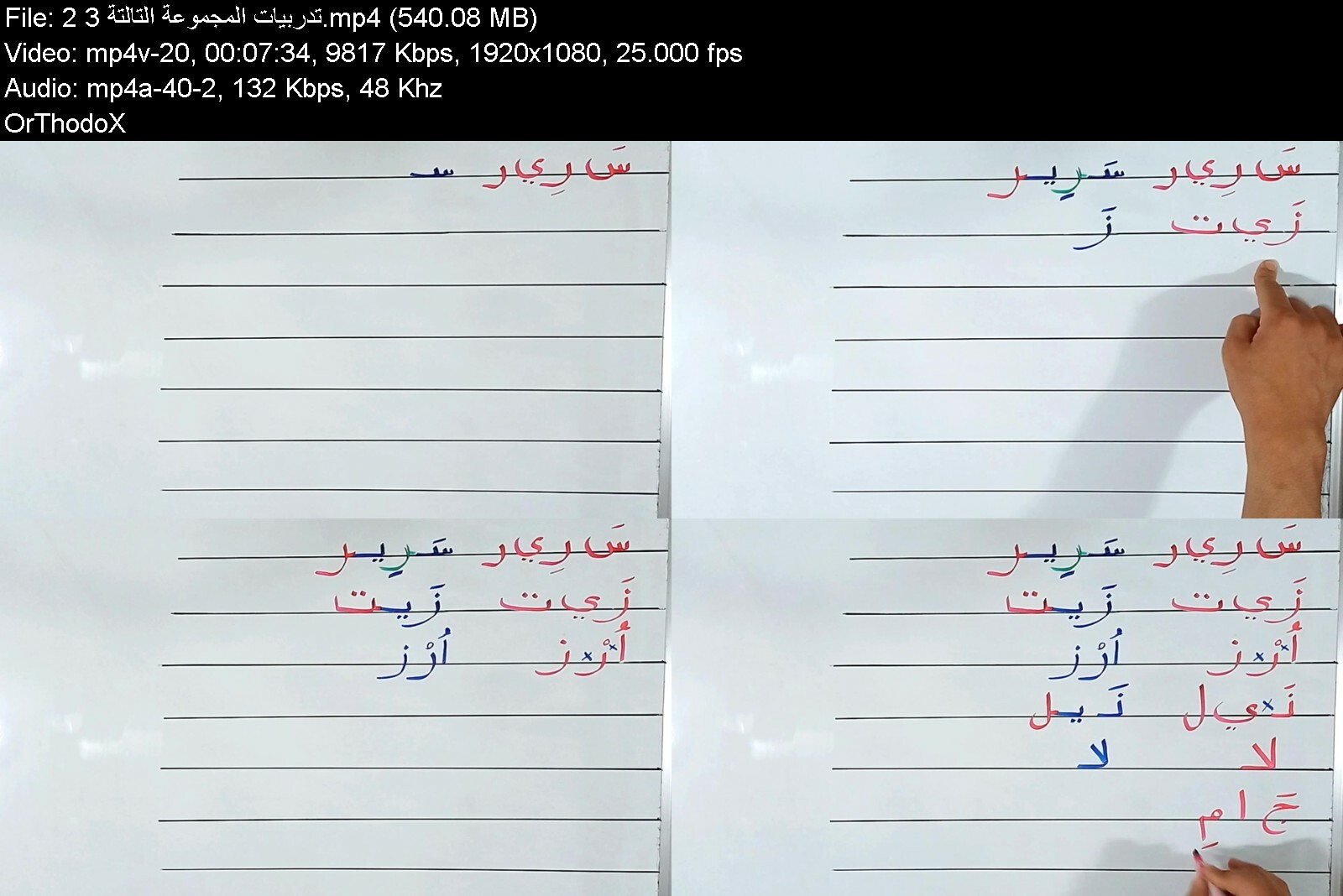
Arabic | Learn Arabic language | All you need in one course

t8ccmbtyl4kcirphozo2hj4cf6.jpg


Arabic | Learn Arabic language | All you need in one course
Genre: eLearning | MP4 | Video: h264, 1280x720 | Audio: AAC, 48.0 KHz
Language: English | Size: 5.19 GB | Duration: 40 lectures • 4h 37m


What you'll learn
You will learn how to recognize, read, and pronounce perfectly the Arabic Alphabet & Diacritics
you will Master the Arabic Sounds through magical technics will be presented in the lectures
You will be able to write the Arabic letters perfectly by a magical, logical way and easy methods to follow and tips to memories the shapes better
You will Practice the reading and the writing with learning daily vocabularies, expressions and verbs after every lesson
You will have Sheets of exercises , studying plan and homework plan for each lesson in the course to practice what you learned inside the lesson
We will read and listen to short colored stories together and you will learn new words and verbs beside how we form the sentences in Arabic language
You will meet your style of learning in this course and you will achieve your goal in a short time
You will be in a strong position to study Arabic grammar and conversations
Requirements
no previous experience or knowledge requested :)
its beginners course to start learning Arabic language so we build from zero point :)
papers and pen :)

Description
In this course the students will be able to write & to read the Arabic language in short time by learning with a fun techniques that made by a professional teacher who have been teaching the language for over 7 years to different students from all over the world
- In this course we will learn how to read, write and listen to the Arabic language through lectures which took over hundreds of hour to be made perfectly and interactive for the students and meeting all the different style of learners, at the end you will be able to read and to write not only words but sentences beside reading and listening short stories in the Arabic language are written by colored way to help learn easier and better
- This course is divided to 8 sections
In the first sections
-Will get to know the teacher, his skills and his experience
- Overview about the course and what we will be able to do after finishing it
- How this course is following different amazing effective methods to make the students achieve their target in short time
In the second section
- We will learn the names of the Arabic letters and their sounds
- We will learn how to Pronounce the sounds which is not exist in our sounds system by fun way
-We will learn about the vowels in the Arabic sounds beside how they sound with all the Arabic letters and exercises on them in the lectures or alone with the sheets which included with every lecture
-Reading 2,3,4,5 letters words with vowels
In the third section
- Starting our writing journey and some information about the Arabic letters
- We will start our lectures about writing and dividing the letters into 4 groups
- every group has a common thing help us to memorize it better and easier beside the tips will be giving in the lecture
- We will study group one then we will have a practice lecture on group 1 with learning new words from this group
- Sheets for personal practice on group 1
In the fourth section
- We will study group 2 and we will have extra lectures for practicing together
- Learning new words are made by this group so you can have practical practice on what you have learned
- Sheets for homework and personal practice
In the fifth section
- We will study group 3 beside practicing together
- Learning new words are made by this group 3 and mixing with the last two group to build up on what we learned
- Sheets for homework and personal practice
In the sixth section
- We will study group 4 beside practicing together
- Learning new words are made by this group 4 and mixing with the last three group to build up on what we learned
- Sheets for homework and personal practice
in seventh section
- We will study the word "The ال " in Arabic and how we read it
- We will learn new words and we will have sheets for homework and personal practice
In the eighth section
- We will start listening and reading short stories that made by terrific way which will help you to know the meaning of the words and building image of how the Arabic grammar works
Who this course is for
Students who want to be able to read and write the Arabic language
Students want to improve their writing, reading, listening and speaking skills through knowing the right way of pronouncing the letters sounds
Students have different style of learnings and want to learn by fun and interactive way
This course is made for students who have no previous knowledge of Arabic and the students who done some Arabic in the past but need to review on those basic skills again before studying Arabic grammar
Students who want to learn in short time by effective way and clear target
Students who love to practice what they have learned with their teacher
The course is very suitable for different ages 'adults and children'


arabiclearnarabiclangukdsm.jpg


Download from RapidGator


Download from Keep2Share

 
Gaia - Wisdom Teachings - Season 4

ced3f9f0ff4898a9448fcklcop.jpg


Gaia - Wisdom Teachings - Season 4
MP4 | Video: h264, 1920x1080 | Audio: AAC, 44.1 KHz, 2 Ch
Genre: eLearning | Language: English + srt | Duration: 7 Lessons (3h 41m) | Size: 5.82 GB

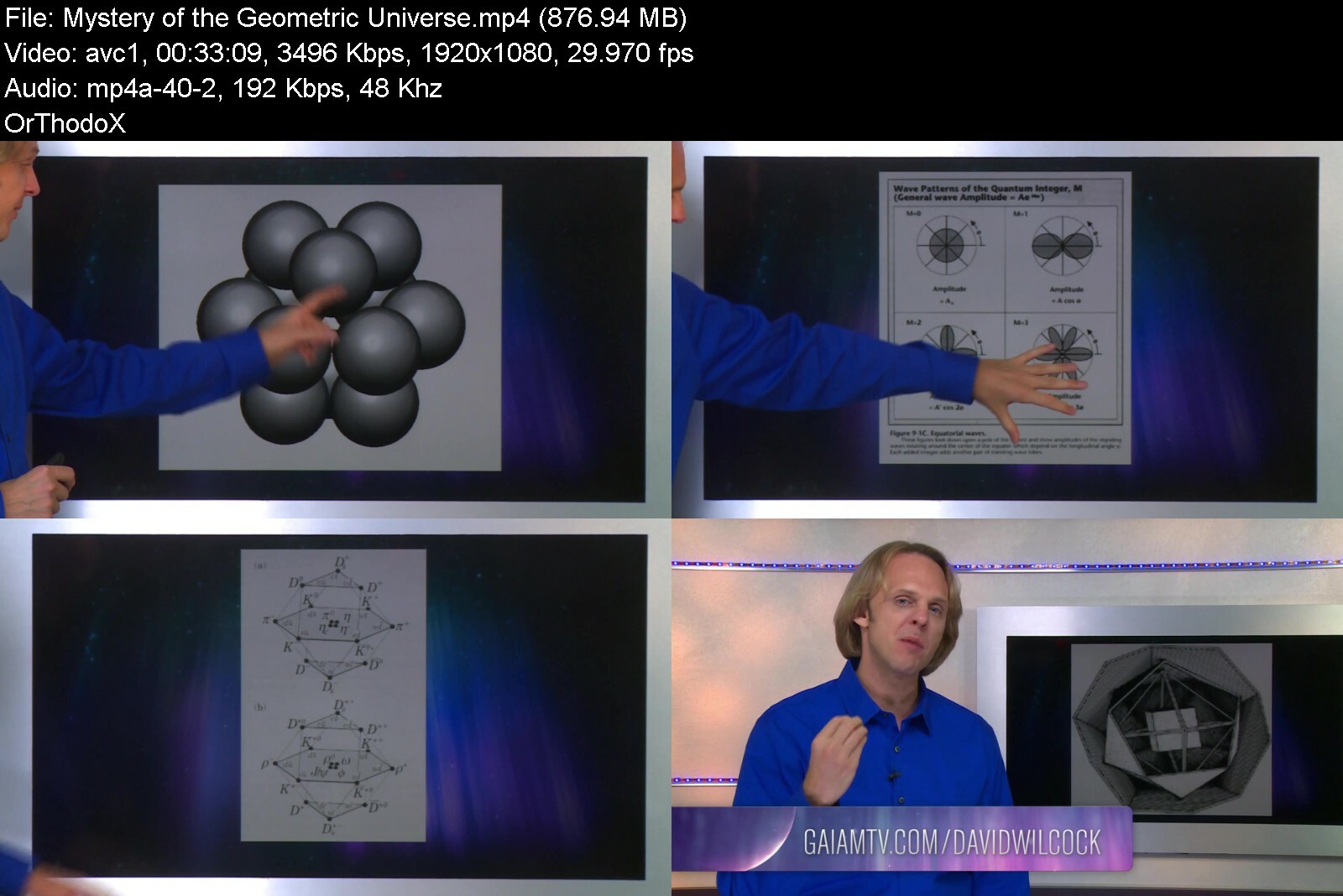
David Wilcock, author of Source Field Investigations, exposes some of the greatest secrets and cover-ups of our time in this eye-opening original series. Combining esoteric philosophy, alternative science and historical fact, Wilcock offers viewers the chance to rediscover our ancient systems of physics and spirituality. This series is best watched in consecutive order.

Homepage


wisdomteachingsseason67i2u.jpg


Download from RapidGator


Download from Keep2Share


 
Bootstrap 4 - Meistere modernes Webdesign mit 5 Projekten

a9tvejmdwugrjv8grhthudxdex.jpg


Bootstrap 4 - Meistere modernes Webdesign mit 5 Projekten
Video: .mp4 (1280x720, 30 fps(r)) | Audio: aac, 44100 Hz, 2ch | Size: 5.98 GB
Genre: eLearning Video | Duration: 60 lectures (10 hour, 27 mins) | Language: Deutsch


Lerne Bootstrap mit 5 praxisnahen Projekten: Portfolio-Seite, Blog-Startseite, Produkt-Landingpage, Checkout, Dashboard


What you'll learn
Erstelle moderne responsive Webseiten mit Bootstrap
Dynamische Webseiten mit jQuery
Erstelle erste Praxisprojekte für dein persönliches Portfolio
Lerne viele nützliche kostenlose Ressourcen kennen
Requirements
Ein Computer mit Windows, MacOS oder Linux
Alle verwendete Software ist kostenlos verfügbar
Vorwissen in HTML und CSS ist hilfreich, jedoch nicht zwingend erforderlich

Description
+++ Der neueste und umfangreichste deutschsprachige Kurs zu Bootstrap +++
Modernes Webdesign muss nicht schwer sein! Dank Frontend-Frameworks wie Bootstrap ist es sehr leicht toll aussehende Webseiten zu gestalten. Und das beste? Diese sind gleich Mobil-optimiert (mobile-first) und für alle Bildschirmgrößen responsive. Mit diesem Komplettkurs lernst du optimal, wie du Bootstrap selbst wie ein Profi einsetzt. Und das Schritt-für-Schritt, um dein Wissen kontinuierlich aufzubauen.
Dieser Kurs startet mit den notwendigen Grundlagen zum Einrichten von Bootstrap und dem essentiellen Grid-System, das Bootstrap zu Grunde liegt. Es folgen einige der wichtigsten Elemente, um mit deren Kenntnis richtig durchstarten zu können. Danach wirst du anhand von insgesamt 5 Praxisprojekten nahezu alle Elemente von Bootstrap kennenlernen. Und das gleich in relevanten Anwendungsfällen wie einer Landingpage für eine App. Der Kurs schließt damit ab, dass du dein Wissen mit einigen weitere Bootstrap Bausteinen wie den Tooltips vervollständigst.
Die fünf Praxisprojekte bestehen aus folgenden Seiten
Portfolio-Webseite für einen Designer
Blog-Startseite ähnlich wie Wordpress
Produkt-Landingpage für eine App
Shop-Checkout mit Empfänger- und Zahlungsdaten
Dashboard mit Kunden und Trafficinformationen
In über 10 Stunden Videomaterial und mehr als 50 Lektionen werden wir hauptsächlich die Praxisprojekte gemeinsam erarbeiten. Darüberhinaus lernt ihr auch alle (nicht in den Projekten verwendeten) Elemente von Bootstrap kennen, sodass ihr es vollumfänglich einsetzen könnt. Egal ob euer Ziel der private Einsatz, der berufliche Einsatz oder nur etwas Spaß ist: dieser Kurs lässt dich Bootstrap 4 selbstbewusst anwenden.
Bootstrap 4, das steht für das State-of-the-art HTML- und CSS-Framework für modernes Webdesign. Erlerne es noch heute!
Zu den beinhalteten Bootstrap-Bausteinen, die du alle im Kurs kennenlernen wirst, gehören
Alerts - Meldungen z.B. zur Warnung oder Erfolgsmeldung
Badges - Badges für Texte und Buttons
Breadcrumb - Leichte Orientierung im den Tiefen des Content
Buttons - Eines der Grundelemente von Bootstrap 4, Klicks der Nutzer steuern
Card - Die Universal-Komponente, in Gruppen oder alleine
Carousel - Moderne Slideshow
Collapse / Accordion - Inhalte kompakt bereithalten und bei Bedarf ausklappen
Forms - Formulare für Login, Kontakt oder mehr
Jumbotron - Stylische UI-Elemente, z.B. als Hero Header
Modal - Content-Overlay-Box bzw. Popup-Lösung von Bootstrap
Navigation - Kreative Navigationssysteme als Navigationsbar o.ä.
Pagination - Seitenzahlen für Seiten, Blogs und Artikel
Popovers - Klick-Alternative mit mehr Inhalt
Tooltips - Ein must-have für viele Webseiten oder Apps, ähnlich dem Popover
Progressbar - Optisch ansprechende Ladebalken oder Diagramme
Scrollspy - Inhalte dynamisch scrollen
Außerdem lernen wir die folgenden Grundelemente kennen
Text / Typography
Tabellen
Bilder
Code
Für uns selbstverständlich: Zu allen Projekten und Lektionen sind alle Materialen und Links zu den notwendigen Informationen enthalten.
Who this course is for
Alle, die Webdesign mit Bootstrap lernen möchten
Alle, die eigene Webseiten erstellen möchten
Alle, die an Webdesign interessiert sind
Alle, die modernes Webdesign erlernen möchten

bootstrap4meisteremod51f9g.jpg


Download from RapidGator


Download from Keep2Share

 
Understanding & Interpreting Symbols on Oracle Cards Pt1

4rcd243lvekj06nzbquzdf3ezp.jpg


Understanding & Interpreting Symbols on Oracle Cards Pt1
MP4 | Video: h264, 1280x720 | Audio: AAC, 44.1 KHz
Language: English | Size: 9.38 GB | Duration: 7h 11m

Interpret Angel and Oracle cards using the array of symbols therein, so you can step aside and let your intuition flow


What you'll learn
create a library of common symbols that you can turn to as and when you need
create symbolic meanings that are personal to you and, therefore, memorable
interpret symbols from nature, the landscape, a journey, people, and clothing
interpret angel and oracle cards more intuitively
enable your interpretations of your Angel and Oracle cards to just flow, for the messages and guidance to come with ease
allow the messages you pass on, to yourself or others, to be more personal and in-depth, to have more colour and be brought to life
stop leaning and depending on your deck's guidebook for your card interpretations which will, as a result, be generalised, not personalised
receive and pass on messages from the angels and your guides that are more meaningful, more personal, and more in-depth
use symbols to step out of your own way and allow your intuition to play a key role in your readings
Requirements
If you haven't done so already, I recommend you, at least, complete "Reading Angel & Oracle Cards (Beginners)", or the equivalent thereof, as an understanding of how to read Angel or Oracle cards, as well as some experience, is a must before attempting this course. This course does not teach you how to read cards, rather it teaches you how to understand and interpret some of the many common symbols you may find in your Angel or Oracle cards, so you can let your intuition step in and flow.

Description
The very best Angel and Oracle card readers read using their intuition; the guidance they receive, the messages they receive come from within and from having a direct uninterrupted connection to the angelic and spiritual realm.
However, when you have blocks standing in your way you are unable to turn to your intuition, the connection you have with the angelic and spiritual realms becomes crackly with interference, and the messages you receive for yourself (or others) will be limited and unclear.
Blocks can come in a variety of forms. However, a primary block is a lack of knowledge around symbolic meanings. If you turn over a card and don't know the meanings behind symbols that stand out for you (or your client) on that card,
· panic will set in, because you're looking at something you don't know or understand,
· the conscious rational mind will kick in, trying to rationalise what you see before you, and
· the monkey mind, that little negative voice in your head, will chastise you and will fill you with self-doubt.
As a result, the calmness, the inner peace, the confidence in your intuition will, within a matter of seconds, vanish. The walls round your intuition will rise up, blocking your access to your natural-born gift, and you'll sit there looking at the card and the symbols on the card, frozen, like a rabbit in headlights.
When your intuition dries up, when you can't decipher the personal message the angels are sending you through a card, the best alternative available is to read the message in the guidebook that accompanies your deck. As great and as supportive an accompanying guidebook is, it can only provide general advice. The message you read in a guidebook will never be personal to you (or your client) and will, therefore, never be deeply meaningful and memorable.
That's why this course guides you through a number of commonly found symbols on Angel and Oracle cards. Because when you turn over a card and you recognise and have personal meanings for at least some of the symbols that catch your eye (or your client's eye) then there's a much smaller likelihood that you'll panic, that your conscious, rational mind will get in the way of you intuition and connection to the angelic realm, and that your monkey mind will start chirping at you, putting you down, and filling you with self-doubt.
Through this course you will understand how to apply your own symbolic meanings into a card reading, thus receiving on a deeper, more meaningful and more personal message. You'll receive messages that just flow with ease and grace because you're not having to stop to turn to the deck guidebook for support, rather your natural-born gift of intuition can kick in and flow. You'll be able to give readings that are intuitive because, through the use of interpreting symbols, you can step out of your way and let your intuition flow. And you'll begin to create a library of symbolic meanings that have meaning and make sense to you, thus making them easy to remember, creating a solid foundation which will support and enhance your intuition.
This course is designed so you can create personal meanings to common symbols you'll find on Angel and Oracle cards. However, this course will not spoon-feed you the meanings you should attribute, rather it encourages you to look within and choose meanings that resonate with you, meanings that you will, as a result, easily remember.
Through its design, this course will, therefore, invite your intuition to play a primary role when you're interpreting angel or oracle cards, thus receiving on messages that are more personal, more meaningful, and more in-depth.
There will be suggested interpretations for symbols which you can choose to accept or reject, depending on whether they resonate with you, or not. And there will be visualisations that will help you to discover your personal meaning to symbols.
As author of "The Light in the Heart", Roy T Bennet, says, "You will never follow your own inner voice until you clear up the doubts in your mind."
So begin today, to remove those doubts, those blocks, and take a step towards reading Angel and Oracle cards intuitively, receiving (and giving) messages that are personal, in-depth, meaningful, and memorable.
Viv xx
Who this course is for
Readers of Angel and Oracle cards - All Levels


understandinginterprezkivt.jpg


Download from RapidGator


Download from Keep2Share
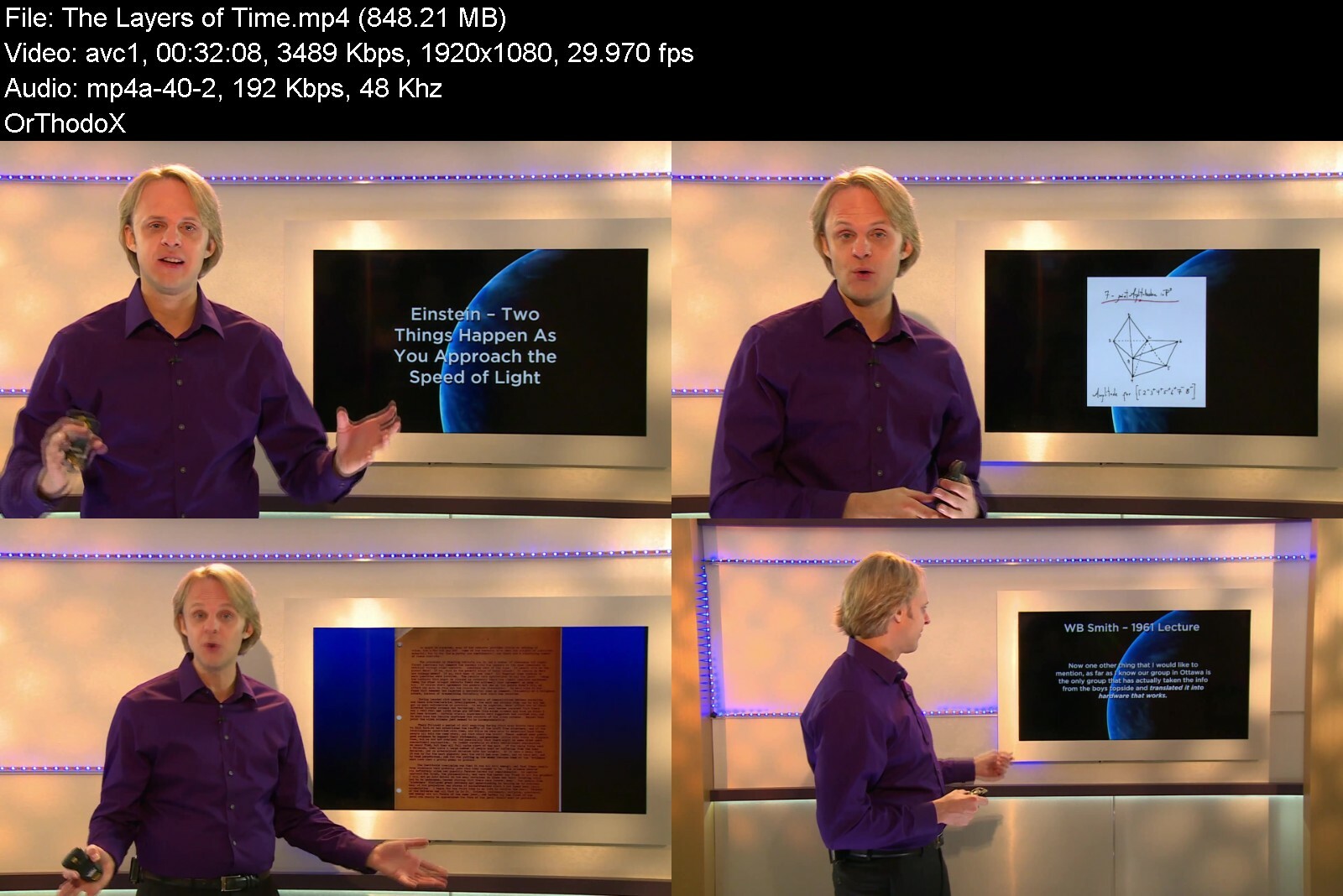


Introduction to Object-oriented Programming With Arduino

dxv2wrzoidk6en6rcf1apoyd29.jpg


Introduction to Object-oriented Programming With Arduino
MP4 | Video: h264, 1280x720 | Audio: AAC, 44.1 KHz
Language: English | Size: 5.22 GB | Duration: 5h 46m

A hands-on tutorial with lots of small OOP-Arduino/ESP32 projects to participate in.


What you'll learn
The structure of a class
What data encapsulation is and how we implement this concept
Creation and use of constructors
Overloading constructors and functions (polymorphism)
Inheritance of classes
Use and adaptation of inherited classes
Interaction of headers and CPP files
Control of servo motors, infrared sensors, LEDs.
Use of Visual Studio Code / Platform IO (with Arduino IDE also possible)
Provide of own libraries for external developers
Creation of individual libraries for own use
Best practices in object oriented programming of microcontrollers
Many practical examples which are built up step by step
Requirements
First experiences in Arduino development (millis, pinMode, data types).
Basics C++ in the Arduino environment
A lot can be simulated with the online simulators, but you will have a greater learning success if you rebuild the practical examples with the hardware components.
Everything about OOP is taught in this course
First experience with the ESP32 is advantageous

Description
Especially in the development of microcontrollers we often work with libraries, for example to control hardware components. The advantages of flexible and efficient source code design will be introduced to you in this course.
An ESP32 is used in the entire course, but all the examples (except the last one with the Website/Webserver and WIFI), exercises and explanations can be done with any Arduino.
Once you have completed this course, you will be able to.
...create your own object-oriented programs and libraries
...program reusable source code
... create clean source code architecture for flexible programming and adaptation
... code generalized classes and provide the libraries
... implement the basic concepts of OOP for your own projects and apply them immediately.
... save time for cumbersome programming. Because of the given conceptual design, your self-written code is easier to adapt.
... maintain your own code better even after a longer period of time.
What we go through in the course
Basics of object-oriented programming in the Arduino environment. We will go through the essential contents of OOP step by step. We will get right into practical examples.
Practical example: Own LED class. Many different functions and interfaces.
Practical example 2: Galton board with marble elevator and evaluation of 12 IR sensors.
Practical example 3: Headlamp with only one(!) button, two LEDs and three light modes.
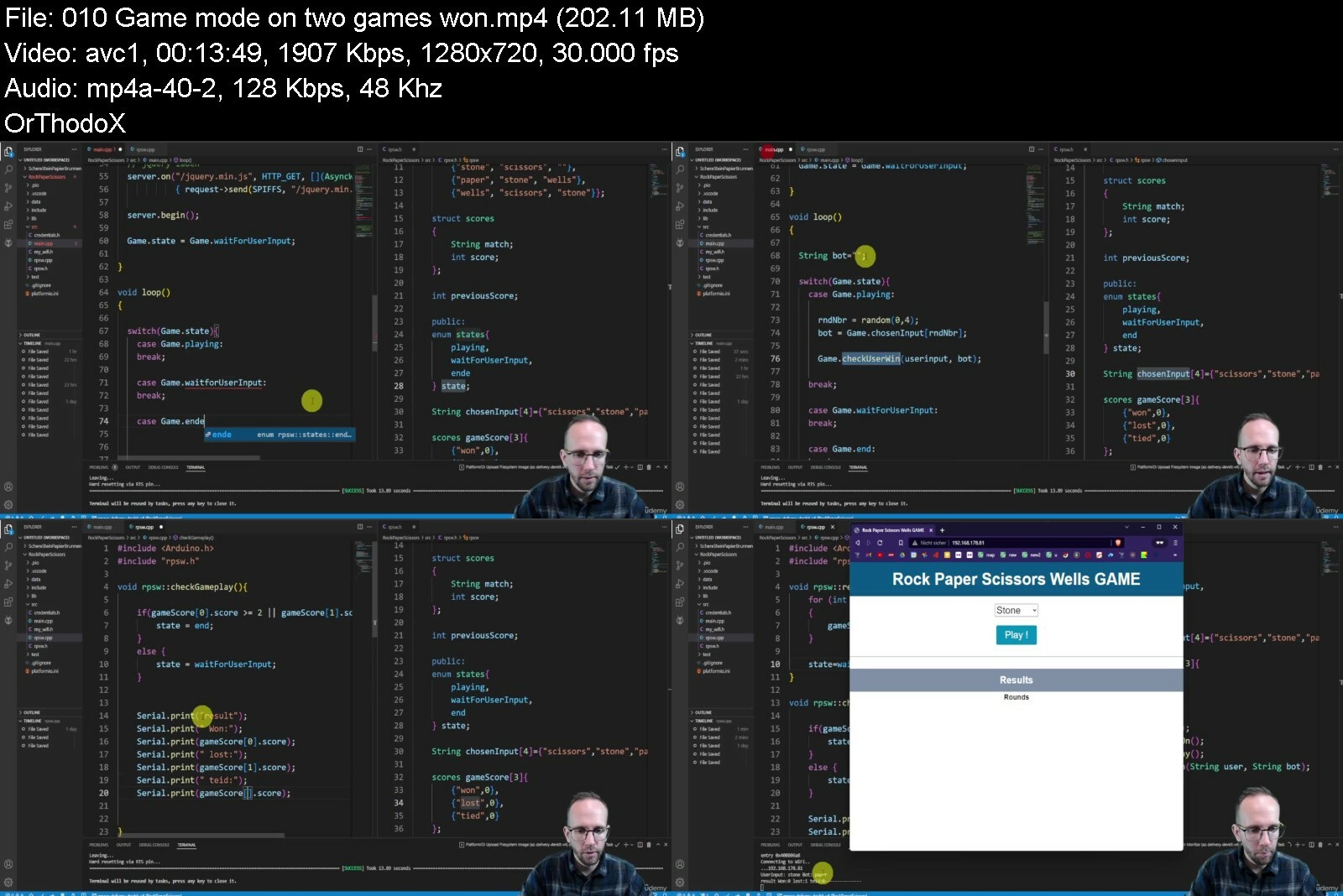
Practical example: Rock, paper, scissors game. We develop this small game. We compete against the bot and play to win two games. The logic is triggered by a web server on the ESP32 (with server side events).
My approach in the course
None (ok, only very few) slides/Powerpoints. We start in the basics immediately with a practical example. Also the theory can be tested immediately on the Arduino with the Serial Monitor and thus immediately better understood.
The practical projects are developed together in step-by-step instructions.
Together means in this context that I demonstrate the code, depending on the task, and you can follow me along with the source code.
All codes are available for download on the platform, so you can get to the result without frustration.
No rambling explanations or theory monologues, we get right to work in the basics chapter.
Benefit from my years of experience and get the key skills in microcontroller development.
I'm looking forward to see you in class
Markus Edenhauser
Who this course is for
Anyone who wants to deepen their knowledge of object-oriented programming (OOP) in the Arduino environment.
Developers who are interested in taking their code to the next level.
All of you who want to understand, apply and write OOP themselves
All of you who want to create their own libraries


introductiontoobjectolwcw9.jpg


Download from RapidGator


Download from Keep2Share
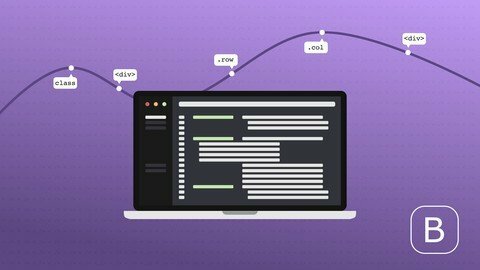

 
Gaia - Wisdom Teachings - Season 5

ced3f9f0ff4898a9448fcklcop.jpg


Gaia - Wisdom Teachings - Season 5
MP4 | Video: h264, 1920x1080 | Audio: AAC, 44.1 KHz, 2 Ch
Genre: eLearning | Language: English + srt | Duration: 8 Lessons (4h 8m) | Size: 6.54 GB

David Wilcock, author of Source Field Investigations, exposes some of the greatest secrets and cover-ups of our time in this eye-opening original series. Combining esoteric philosophy, alternative science and historical fact, Wilcock offers viewers the chance to rediscover our ancient systems of physics and spirituality. This series is best watched in consecutive order.

Homepage


wisdomteachingsseason5pfl7.jpg


Download from RapidGator


Download from Keep2Share
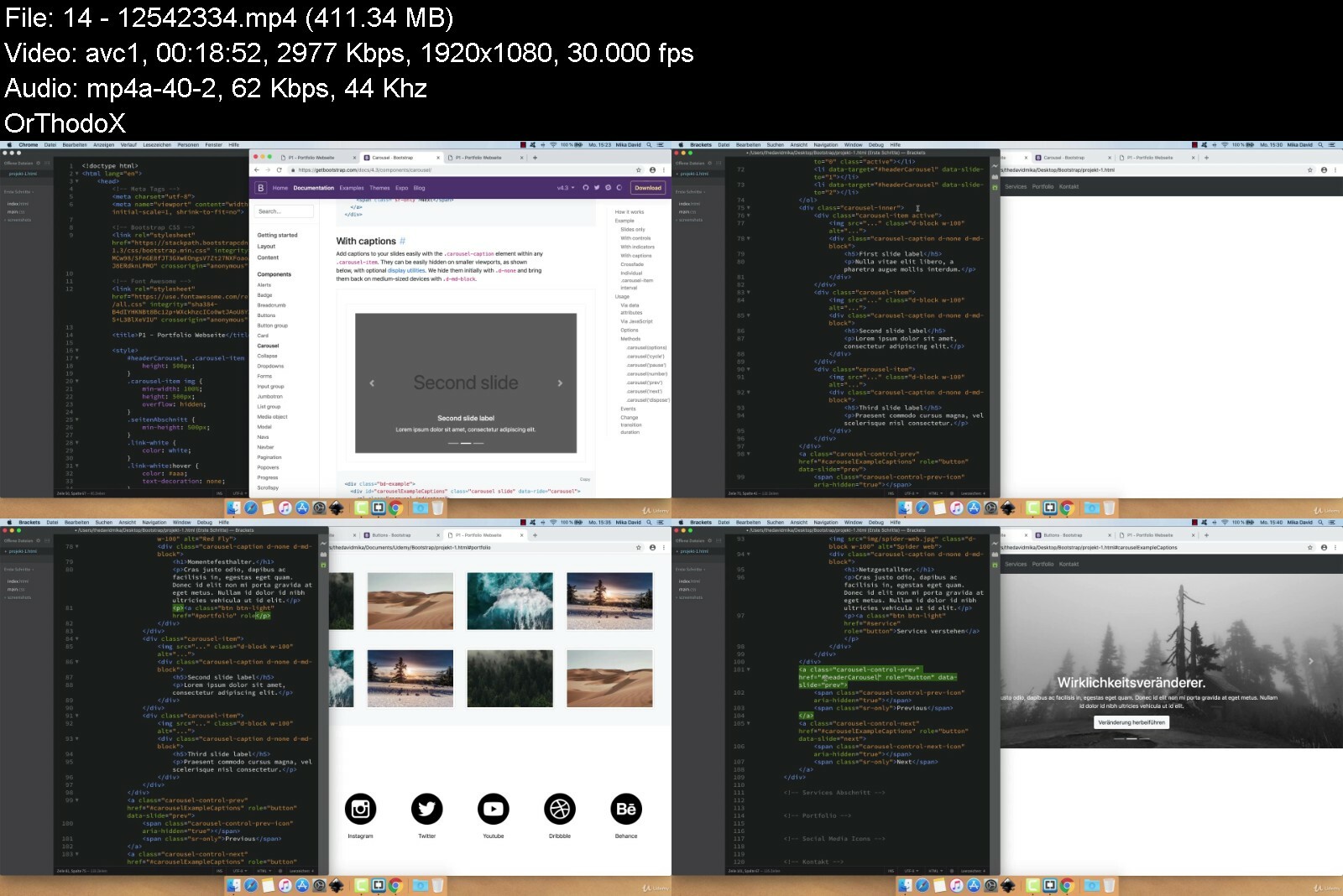


Gaia - Open Minds - Season 6

bf177edfaeb9094433be8whdb0.jpg


Gaia - Open Minds - Season 6
MP4 | Video: h264, 1920x1080 | Audio: AAC, 44.1 KHz, 2 Ch
Genre: eLearning | Language: English + srt | Duration: 28 Lessons (26h 55m) | Size: 42.7 GB

Host Regina Meredith conducts interviews with thought-provoking luminaries, cutting-edge visionaries and tireless researchers, providing crucial information to awaken viewers to new perspectives that spark awareness, understanding and ultimately, transformation.

Homepage


gaiaopenmindsseason6q5dxh.jpg


Download from RapidGator


Download from Keep2Share


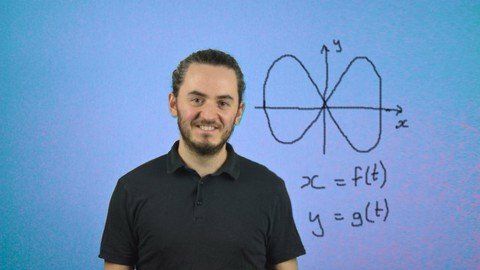
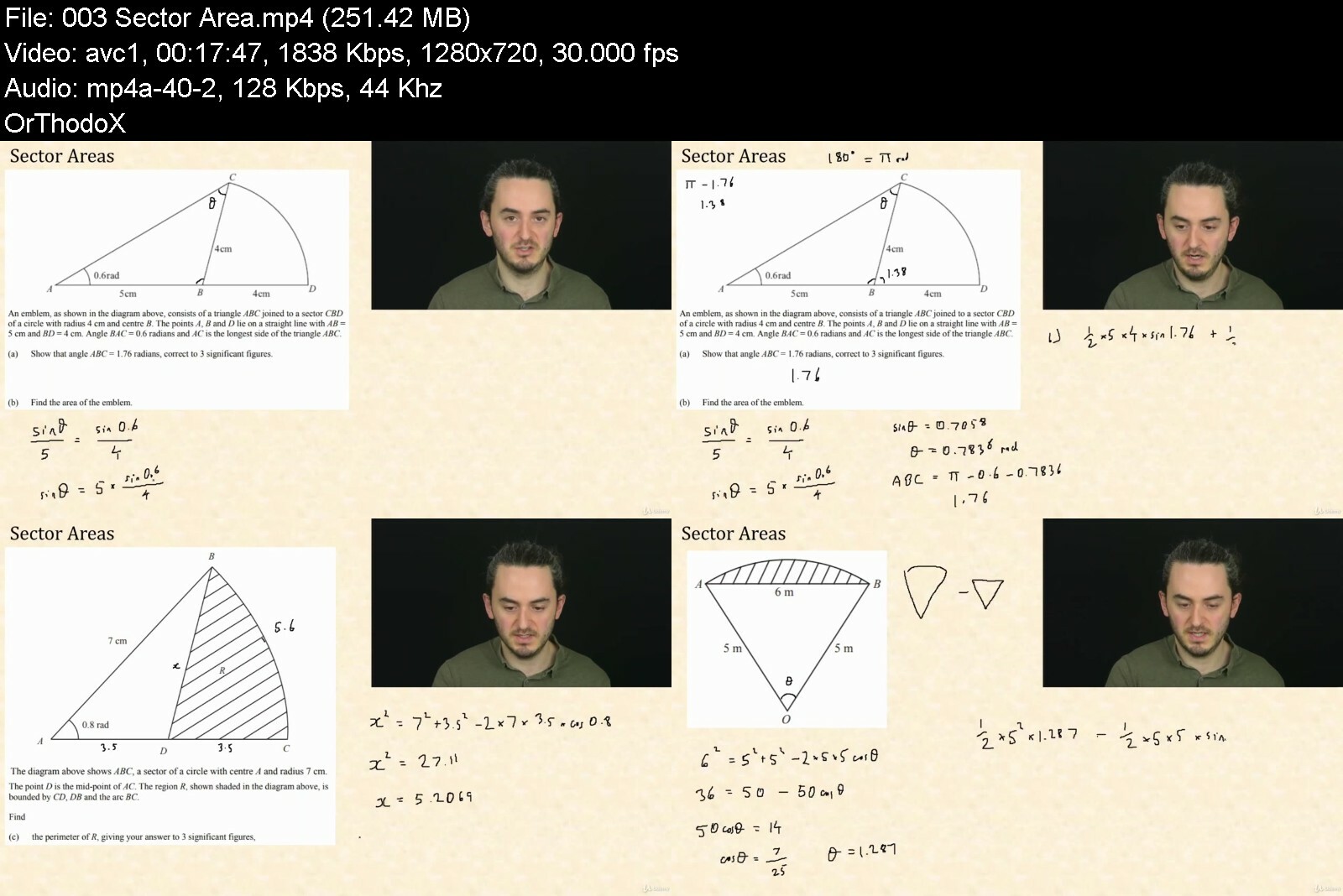
A-Level Maths: Pure (Year 2)

do0igj1vntlhj5z1sj51q5sdf8.jpg


A-Level Maths: Pure (Year 2)
MP4 | Video: h264, 1280x720 | Audio: AAC, 44.1 KHz
Language: English | Size: 16.7 GB | Duration: 19h 29m

Master the pure content from A-level maths (second year), and practice on real past paper exam questions.


What you'll learn
Differentiation: chain rule, product rule, quotient rule and more
Integration: reverse chain rule, integration by parts, integration by substitution, differential equations and more
Partial fractions
Graphs and functions
Binomial expansion
Radians
Advanced trigonometry, including sec, cosec and cot, and trigonometric identities
Parametric equations
Vectors
Numerical methods, including iteration and Newton-Raphson
Requirements
A good knowledge of basic calculus (differentiation and integration).
Good algebra skills

Description
A-Level Maths: Pure (Year 2) is a course for anyone studying A-Level Maths
This course covers all the second year pure content in A-Level. The course is suitable for all major exam boards, including Edexcel, OCR, AQA and MEI. It is also a great course for anyone wanting to learn some more advanced pure maths. This course is intended for purchase by adults.
The main sections of the course are
- Parametric Equations - where we learn how to express algebraic fractions in partial fractions, a trick used to great effect later in the course.
- Functions in Graphs - where we explore modulus functions, graph transformations, and learn about different types of functions, range and domain.
- Binomial Expansion - here we extend the binomial expansion formula covered in my Pure (Year 1 / AS) course to include negative and fractional powers.
- Radians - we learn about a new way to measure angles, and the amazing things that this facilitates.
- Trigonometric Functions - here we learn about three new trig functions (sec, cosec and cot), and explore the numerous ways that these new functions can be used.
- Trigonometric Identities and Modelling - Here we learn about the compound angle formulae, and look at how these can be used. We also explore harmonic form and learn to use this to model real-world scenarios.
- Differentiation - in this chapter we take the differentiation already learned in the Pure (Year 1 / AS) course to a whole new level. We learn how to differentiate pretty much every type of function we can think of, learning about the chain rule, product and quotient rules, as well as connected rates of change.
- Integration - a giant chapter in which we learn many different techniques to integrate increasing advanced functions. We also explore differential equations.
- Parametric Equations - here we learn about a brand new way to represent a curve, and explore how to use calculus with parametric curves.
- Numerical Methods - here we explore various techniques for finding roots of equations, like x = cosx, that are impossible for find exact solutions to.
- Vectors - here we learn how to work with vectors in 3D, extending what was covered in the previous pure course.
What you get in this course
Videos: Watch as I explain each topic, introducing all the key ideas, and then go through a range of different examples, covering all the important ideas in each. In these videos I also point out the most common misconceptions and errors so that you can avoid them.
Quizzes: Each sub-section is followed by a short quiz for you to test your understanding of the content just covered. Most of the questions in the quizzes are taken from real A-Level past papers. Feel free to ask for help if you get stuck on these!
Worksheets: At the end of each chapter I have made a collection of different questions taken from real A-Level past papers for you to put it all together and try for yourself. At the bottom of each worksheet is a full mark-scheme so you can see how you have done.
This course comes with
· A 30 day money-back guarantee.
· A printable Udemy certificate of completion.
· Support in the Q&A section - ask me if you get stuck!
I really hope you enjoy this course!
Woody
Who this course is for
People taking or planning to take A-level Maths
Anyone interested in learning some more advanced pure mathematics.


alevelmathspureyear2gaej3.jpg


Download from RapidGator


Download from Keep2Share


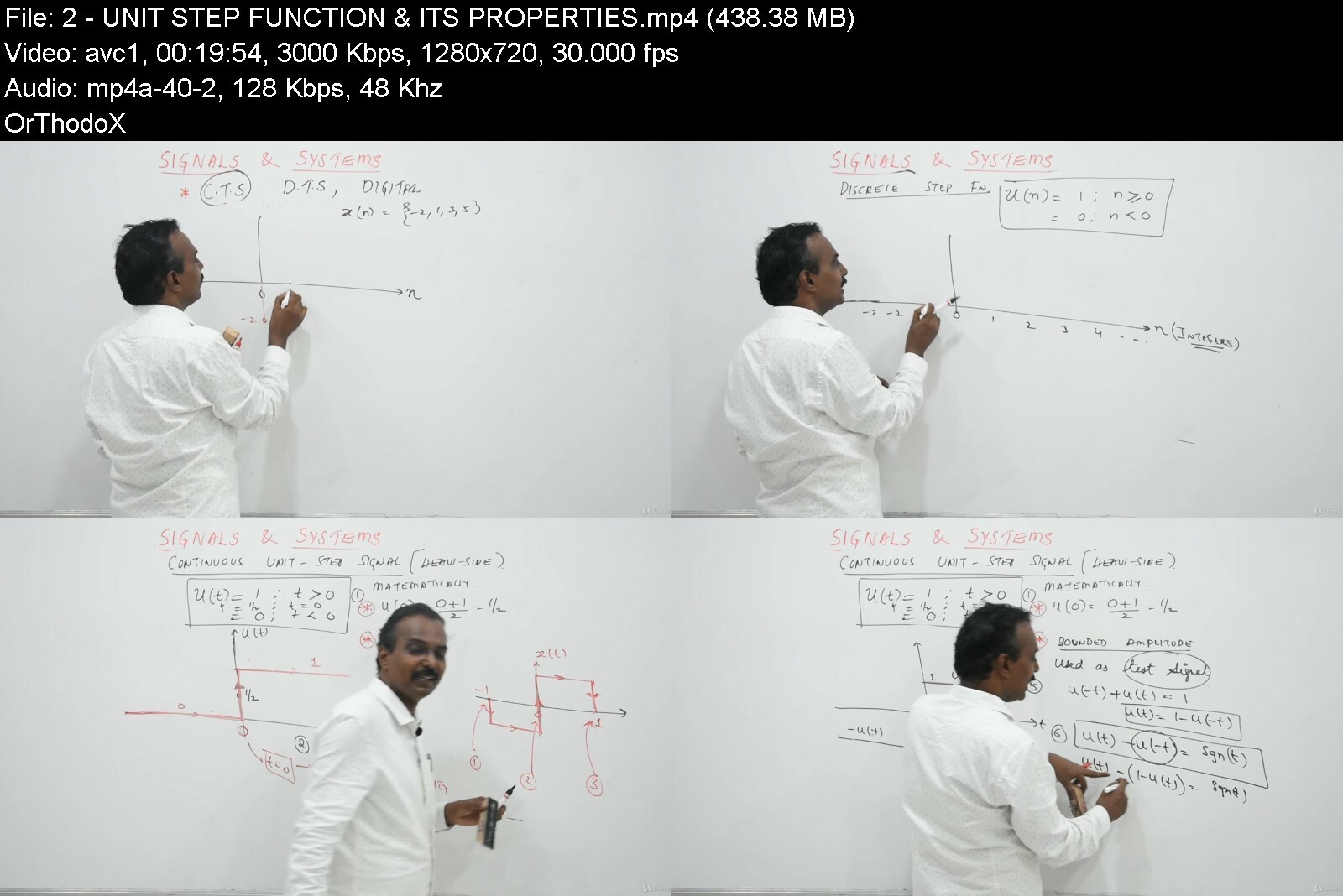
Signals And Systems - That Will Break Your Fear

emz8xiy8qvq6lknabt8kzlccnp.jpg


Signals And Systems - That Will Break Your Fear
Video: .mp4 (1280x720, 30 fps(r)) | Audio: aac, 48000 Hz, 2ch | Size: 7.39 GB
Genre: eLearning Video | Duration: 35 lectures (5 hour, 43 mins) | Language: English


You Can Master Advanced Subjects Like Control Systems, Communication Systems, Signal Processing & Robotics


What you'll learn
Understand continuous-time signals and discrete-time signals and their classification.
Basic Signal Operations: Addition, Subtraction, Shifting, Scaling, Time Reversal
Understand System properties - importance of superposition in the analysis of Linear system, Time invariance , presence or absence of memory, Causality, bounded-input bounded-output Stability and Invertibility
Will be able explain the role of convolution in the analysis of linear time invariant systems, and use convolution to determine the response of linear systems
Understand and resolve the signals in frequency domain using Fourier series and Fourier transforms
Be able to use the properties of the Fourier transforms to compute the Fourier transform and its inverse for a broader class of signals
Understand the relationship between the stability and causality of systems and the region of convergence of their Laplace transforms
Use Laplace transforms to solve differential equations, and to determine the response of linear systems to known inputs
Apply the Z- transform for analyze of discrete-time signals and systems
Requirements
Basic mathematical knowledge

Description
DO YOU WANT TO LEARN FROM BASICS ?
DO YOU WANT TO LEARN MORE NUMERICALS ?
DO YOU WANT TO ANALYZE CONCEPTS WITH BEAUTIFUL EXAMPLE PROBLEMS ?
DO YOU WANT TO CHECK HOW MUCH CONTENT YOU HAVE GRASPED AFTER EACH LECTURE ?
DO YOU WANT TO PRACTICE MORE ASSIGNMENTS ?
DO YOU WANT TO SOLVE QUIZ QUESTIONS AFTER LEARNING EVERY TOPIC ?
THEN MY DEAR STUDENTS THIS COURSE IS THE ONE STOP SOLUTION FOR ALL THE ABOVE QUESTIONS.
"Signals and systems" is the basis of all control and signal processing engineering. It will allow you to take a real world machine, process (the system) and create a mathematical model, at which we apply stimuli and analyze it's response (stimuli and response being signals).
Examples of systems that manipulate signals are speech recognition, video streaming, cellular networks and medical scans such as MRI. The disciplines of signal and image processing are concerned with the analysis and synthesis of signals and their interaction with systems.
Students will
Be able to describe signals mathematically
Understand mathematical description and representation of continuous and discrete time signals
Be familiar with commonly used signals such as the unit step, ramp, impulse function, sinusoidal signals and complex exponential
Understand how to perform mathematical operations on signals
Be able to classify signals as continuous-time Vs. discrete-time, periodic Vs. non-periodic, energy signal Vs. power signal, odd Vs. even, causal Vs. non- causal signals
Understand system properties - linearity, time in variance, presence or absence of memory, causality, bounded-input bounded-output stability and invertibility
Be able to perform the process of convolution between signals and understand its implication for analysis of linear time-invariant systems. Understand the notion of an impulse response
Development of the mathematical skills to solve problems involving convolution
Understand and resolve the signals in frequency domain using Fourier series and Fourier transforms Further, be able to use the properties of the Fourier transform to compute the Fourier transform (and its inverse) for a broader class of signals
Understand the limitations of Fourier transform and need for Laplace transform and develop the ability to analyze the system in s- domain
Apply the Laplace transform and Z- transform for analyze of continuous-time and discrete-time signals and system
Who this course is for
GATE, ESE aspirants
Under Graduate students
Students preparing for Competitive exams
Any student enthusiastic to learn fundamental subject for Communication Engineering
Further useful in subjects like Control systems, Signal Processing and Robotics

signalsandsystemsthatryfji.jpg


Download from RapidGator


Download from Keep2Share
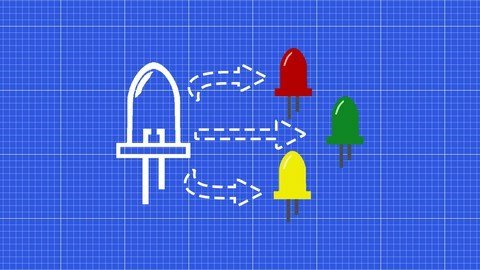


Python A-Z - Lerne es schnell & einfach, inkl. Data Science!

erkp4pemirhbxhyde8tospgewv.jpg


Python A-Z - Lerne es schnell & einfach, inkl. Data Science!
Video: .mp4 (1280x720, 30 fps(r)) | Audio: aac, 48000 Hz, 2ch | Size: 6.32 GB
Genre: eLearning Video | Duration: 125 lectures (16 hour, 23 mins) | Language: Deutsch


Lerne Python Grundlagen mit praktischen Beispielen! (inkl. Einführungen in OOP und Data Science)


What you'll learn
Du wirst ein grundlegendes Verständnis der Programmiersprache Python haben.
Du wirst die Fähigkeiten und das Verständnis in Python haben, um sich sicher für eine Stelle in der Python-Programmierung zu bewerben.
Du wirst die notwendigen Python-Fähigkeiten, um in bestimmte Bereiche vorzudringen (Machine Learning, Data Science, etc)
Füge die Python Object-Oriented Programming (OOP) Fähigkeiten zu deinem Lebenslauf hinzu.
Verstehe, wie du deine eigenen Python-Programme erstellen kannst.
Lerne Python von einen erfahrenen professionellen Software-Entwickler.
Requirements
Ein Computer - Windows, Mac und Linux werden alle unterstützt. Eine Aufbau- und Installationsanleitung ist für jede Plattform enthalten.
Deine Begeisterung, diese Go-to-Programmiersprache zu lernen. Es ist eine wertvolle Fähigkeit fürs Leben, die du nicht verlernen kannst!
Alles andere, was zum Start der Programmierung in Python benötigt wird, ist bereits im Kurs enthalten.

Description
Werde ein Python Programmierer! Egal, ob Du noch nie zuvor programmiert hast, Grundlagen der Syntax kennen oder die fortgeschrittenen Features von Python lernen möchten, dieser Kurs eignet sich für Dich! Dieser Kurs ist für Anfänger und Wechsler aus einer anderen Programmiersprache geeignet.
Dieser Kurs wird dir Python in einer praktischen Art und Weise beibringen, in dem jede Lektion sowohl einen Coding Bildschirmaufnahme und ein zusätzliches Code Notebook bietet! Du erhältst lebenslangen Zugang zu über 100 Lektionen und den passenden Notebooks zu den Lektionen!
Zusätzlich bietet dir dieser Kurs eine 30-tägige Geld-zurück-Garantie. Wenn du in irgendeiner Weise nicht zufrieden sein solltest, erhältst du dein Geld zurück. Und du darfst alle Notebooks als Dankeschön für das Ausprobieren dieses Kurses behalten!
Also worauf wartest du noch? Lerne Python 3 auf eine Weise, die deine Karriere voranbringt und dein Wissen erweitert, das ganze auf eine pragmatische und professionelle Art!
Who this course is for
Webentwickler, Softwareentwickler, Data Scientists und Analysten
Jeder der Python lernen möchte

pythonazlerneesschnelknd0n.jpg


Download from RapidGator


Download from Keep2Share

 
TTC - The Black Death: New Lessons from Recent Research

30400vvfgm.jpg


TTC - The Black Death: New Lessons from Recent Research
Published 05/2022
MP4 | Video: h264, 1280x720 | Audio: AAC, 44.1 KHz, 2 Ch
Genre: eLearning | Language: English | Duration: 7 Lessons (2h 46m) | Size: 2.41 GB


The world has been fundamentally changed by the shock and devastation of a 21st-century pandemic. COVID-19 has claimed six million lives; we process a daily deluge of often conflicting and/or overwhelming information; and humanity has no way of knowing when this collective trauma will finally, truly end. Will our lives ever be the same again? It seems not

The world has been fundamentally changed by the shock and devastation of a 21st-century pandemic. COVID-19 has claimed six million lives; we process a daily deluge of often conflicting and/or overwhelming information; and humanity has no way of knowing when this collective trauma will finally, truly end. Will our lives ever be the same again? It seems not.
Now, try to imagine the plague that devastated Europe in the Middle Ages and beyond: more than 25 million dead. Almost 400 years of outbreaks were caused by a bacterium that would not be identified until the 19th century. The mortality rate was close to 85%, with as much as 70% of the population wiped out in some locations. Superstition was pervasive, and medical practices were frequently ineffective and harmful. What caused this tragedy, and what could have been done about it? For years, we thought we knew . but we often had it wrong.
In The Black Death: New Lessons from Recent Research, celebrated medievalist Dorsey Armstrong shares the fascinating new story of this old pandemic, revealed by dedicated researchers working with 21st-century technologies. In seven engaging lectures, Professor Armstrong corrects some previous explanations of the pandemic that are now known to be inaccurate and offers a more robust description of plague biology than has ever been known. COVID-19 isn't likely to be humanity's last experience with a zoonotic disease, so what can we learn now from these two pandemics that could help us in the future?
How We Got It So Wrong: The Famous Siege of Caffa
For centuries, the world told itself the same story over and over about how the plague began to spread throughout Europe in the Middle Ages. The story goes that the city of Caffa (now the city of Feodosia, Ukraine), located on the trade route connecting a coastal shipping industry to overland caravan routes and the Far East, came under attack by Mongol hordes in the 1340s. The Mongols lobbed plague-infested bodies over the outer walls of the city and into the healthy crowds. Often described as the world's first act of biological warfare, the assumption was made that those bodies were responsible for the initial spread of the plague into that region, and then from there farther west into Europe.
In recent years, however, several factors have allowed us to look at the siege through new eyes. Most important
Until recently, there have been very few scholars with the skills to understand the significant letters, legal documents, and diplomatic reports of the time from both Western sources and the Mongolian and Muslim worlds. Now, scholars with expertise in a wider variety of medieval communities and languages have been able to gain access to primary sources.
Scientific discoveries have allowed a new genetic analysis of the plague, examining ancient DNA in bodies recovered from plague pits to determine the genetics of the many waves of the plague.
Scholars previously relied on eyewitness and first-person accounts of plague deaths to understand the pandemic. With the application of newly implemented scientific methods, plague scholars now follow the science first, giving less credence to personal accounts by individuals who might have specific motives behind their commentary.
As a result, plague scholars now know two significant facts that debunk the Siege of Caffa as the initial cause of plague spread. Most significantly, we know that the strain of plague that caused the Black Death entered Europe one time and only one time. And second, now that we know the grain trade was the primary vector of transmission, bringing fleas infected with the bacterium Yersinia pestis into the medieval world, we also know the transmission of plague to medieval Europe was, in fact, delayed by the Siege of Caffa rather than caused by it.
Whom Can We Blame?
It's safe to say we consider our 21st-century selves to be considerably more enlightened than the medieval people who faced the Black Death. And yet, in some very significant and unfortunate ways, we seem to be no better off than our ancestors. Most obviously, we all want someone to blame. Who did this to us?
Professor Armstrong describes how such scapegoating led to murderous results without furthering real knowledge about the disease. Why bother considering other options when you "know" a particular group of "outsiders" did this to you? Professor Armstrong discusses how both the plague and COVID-19 resulted in systematic blaming of specific populations and communities.
Jews and the Plague. In the 14th century, during the first outbreak of the Black Death in Europe, some people postulated that Jews were poisoning Christians' wells in an attempt to wipe out the religion. On February 14, 1349, all the Jews of Strasbourg were rounded up and executed as a preventive measure; the plague had not yet even reached the city.
Ottomans and the Plague. During the 1720-21 outbreak of plague in Marseille, people were quick to blame trade from beyond Europe as having brought the plague to the port city. What we know now is that the plague arrived one time in Europe-and that arrival occurred before the Ottoman Empire came to be.
Asians and COVID-19. While COVID-19 might have started in the Wuhan province of China, Professor Armstrong believes that many nations continually highlighted the geographic location of the virus's origin to deflect focus from the world's inadequate response. She also points to a well-documented rise in hate crimes against Asian Americans.
Moving Forward
Many Europeans who survived the first wave of the Black Death were better off than they were before, with increased wealth and the ability to demand more for their labor. And by the last of the plague's major outbreaks 400 years later, much of European life had been transformed. But can we look at those changes to meaningfully imagine how our own world might change following our current pandemic? Professor Armstrong discusses
Labor. Just like in the aftermath of the Black Death, many survivors of COVID-19 are finding their labor in higher demand, which is driving up wages. Having had their perspective changed by the pandemic, many people have decided life is too short to spend so much time working, and we do not know what the result will be for the labor markets.
Role of Government. Having witnessed 400 years of cyclic death and destruction, Europeans wanted to be able to turn to their governments for protection-not just for military defense, but also for defense against catastrophic natural calamities that people felt sure would visit them again. The United States, having been established in a different time and without that collective history, did not have that outlook.
Social Safety Nets. While social safety nets were developed in Europe in response to the plague years, Americans have taken the existence of social safety nets for granted, without giving much thought as to their establishment and maintenance. If specific medieval institutions did a better job in the wake of the plague than institutions of the 21st century, what can we learn from them?
Professor Armstrong argues that catastrophic events like pandemics do not create the conditions that lead to racial or ethnic violence, or to the collapse of economic and medical systems. Rather, a pandemic reveals the social, economic, and political flaws that are already inherent in society. Regardless of the specific future of COVID-19 and any other pandemics that could come after, we have learned a lot of lessons in the last couple of years, and there are sure many more to come.
What Will You Learn?
Learn how and why the medieval plague spread as it did
Examine who was blamed for the plague and why
Trace commonalities between the Black Death and COVID-19


theblackdeathnewlessonvces.jpg


Download from RapidGator


Download from Keep2Share
 
Gaia - Wisdom Teachings - Season 3

ced3f9f0ff4898a9448fcklcop.jpg


Gaia - Wisdom Teachings - Season 3
MP4 | Video: h264, 1920x1080 | Audio: AAC, 44.1 KHz, 2 Ch
Genre: eLearning | Language: English + srt | Duration: 15 Lessons (7h 46m) | Size: 12.3 GB

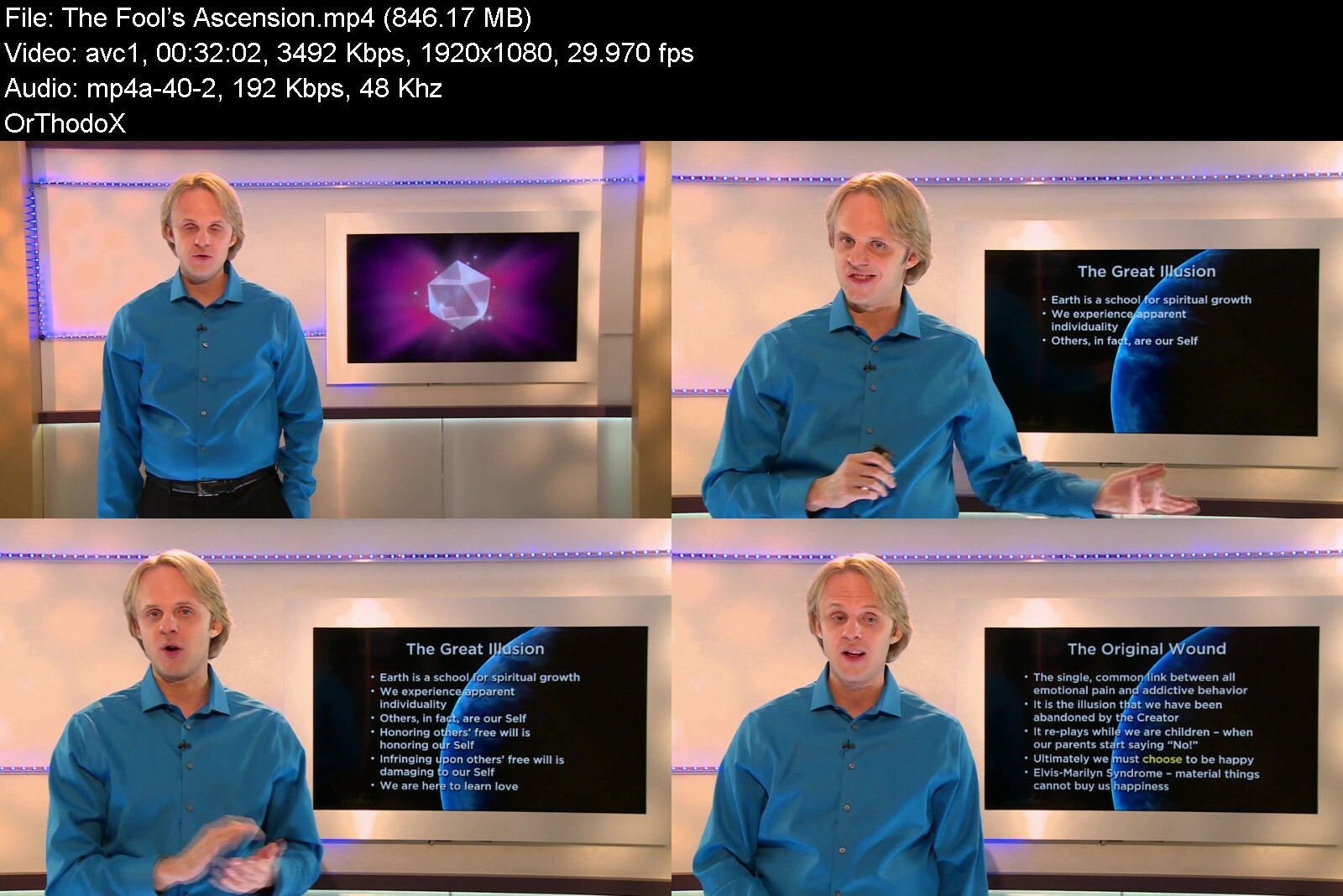
David Wilcock, author of Source Field Investigations, exposes some of the greatest secrets and cover-ups of our time in this eye-opening original series. Combining esoteric philosophy, alternative science and historical fact, Wilcock offers viewers the chance to rediscover our ancient systems of physics and spirituality. This series is best watched in consecutive order.

Homepage


wisdomteachingsseasont1f29.jpg


Download from RapidGator


Download from Keep2Share


Zurück
Oben Unten