• Regeln für den Video-Bereich:

    In den Börsenbereich gehören nur Angebote die bereits den Allgemeinen Regeln entsprechen.

    Einteilung

    - Folgende Formate gehören in die angegeben Bereiche:
    - Filme: Encodierte Filme von BluRay, DVD, R5, TV, Screener sowie Telesyncs im Format DivX, XviD und x264.
    - DVD: Filme im Format DVD5, DVD9 und HD2DVD.
    - HD: Encodierte Filme mit der Auflösung 720p oder darüber von BluRay, DVD, R5, TV, Screener sowie Telesyncs im Format x264.
    - 3D: Encodierte Filme von BluRay, die in einem 3D Format vorliegen. Dies gilt auch für Dokus, Animation usw.
    - Serien: Cartoon/Zeichentrick, Anime, Tutorials, Dokumentationen, Konzerte/Musik, Sonstiges sind demnach in die entsprechenden Bereiche einzuordnen, auch wenn sie beispielsweise im High Definition-Format oder als DVD5/DVD9/HD2DVD vorliegen. Ausnahme 3D.
    - Bereich Englisch: Englische Releases gehören immer in diesen Bereich.
    - Bereich Talk: Der Bereich, in dem über die Releases diskutiert werden kann, darf, soll und erwünscht ist.


    Angebot/Beitrag erstellen

    - Ein Beitrag darf erst dann erstellt werden, wenn der Upload bei mindestens einem OCH komplett ist. Platzhalter sind untersagt.
    - Bei einem Scenerelease hat der Threadtitel ausschließlich aus dem originalen, unveränderten Releasenamen zu bestehen. Es dürfen keine Veränderungen wie z.B. Sterne, kleine Buchstaben o.ä. vorgenommen werden. Ausnahme Serienbörse:
    - Bei einem Sammelthread für eine Staffel entfällt aus dem Releasename natürlich der Name der Folge. Beispiel: Die Simpsons S21 German DVDRip XviD - ITG
    - Dementsprechend sind also u.a. verboten: Erweiterungen wie "Tipp", "empfehlenswert", "only", "reup", usw. / jegliche andere Zusatzinformation oder Ergänzung, welche nicht in obiger Beschreibung zu finden ist.

    Aufbau des Angebots und Threadtitel

    Der Titel nach folgendem Muster erstellt zu werden. <Name> [3D] [Staffel] [German] <Jahr> <Tonspur> [DL] [Auflösung] <Quelle> <Codec> - <Group>
    Beispiel: The Dark Knight German 2008 AC3 DVDRip XviD - iND
    Beispiel: The Dark Knight 2008 DTS DL BDRip x264 - iND
    Beispiel: The Dark Knight 2008 AC3 DL BDRip XviD - iND
    Beispiel: The Dark Knight German 2008 AC3 720p BluRay x264 iND
    Beispiel: The Dark Knight 2008 DTS DL 1080p BluRay x264 iND
    Beispiel: Die Simpsons S01 German AC3 DVDRip XviD iND
    Beispiel: Die Simpsons S20 German AC3 720p BluRay x264 iND
    Beispiel: Sword Art Online II Ger Sub 2014 AAC 1080p WEBRip x264 - peppermint
    Entsprechend sind also u.a. verboten: Sonderzeichen wie Klammern, Sterne, Ausrufezeichen, Unterstriche, Anführungszeichen / Erweiterungen wie "Tipp", "empfehlenswert", "only", "reup", usw. / jegliche andere Zusatzinformation oder Ergänzung, welche nicht in obiger Beschreibung zu finden ist
    Ausnahmen hiervon können in den Bereichen geregelt sein.

    Die Beiträge sollen wie folgt aufgebaut werden:
    Überschrift entspricht dem Threadtitel
    Cover
    kurze Inhaltsbeschreibung
    Format, Größe, Dauer sind gut lesbar für Downloader außerhalb des Spoilers zu vermerken
    Nfo sind immer Anzugeben und selbige immer im Spoiler in Textform.
    Sind keine Nfo vorhanden z.B. Eigenpublikationen, sind im Spoiler folgende Dateiinformationen zusätzlich anzugeben :
    Quelle
    Video (Auflösung und Bitrate)
    Ton (Sprache, Format und Bitrate der einzelnen Spuren)
    Untertitel (sofern vorhanden)
    Hosterangabe in Textform außerhalb eines Spoiler mit allen enthaltenen Hostern.
    Bei SD kann auf diese zusätzlichen Dateiinformationen verzichtet werden.

    Alle benötigten Passwörter sind, sofern vorhanden, in Textform im Angebot anzugeben.
    Spoiler im Spoiler mit Kommentaren :"Schon Bedankt?" sind unerwünscht.


    Releases

    - Sind Retail-Release verfügbar, sind alle anderen Variationen untersagt. Ausnahmen: Alle deutschen Retail-Release sind CUT, in diesem Fall sind dubbed UNCUT-Release zulässig.
    - Im Serien-Bereich gilt speziell: Wenn ein Retail vor Abschluss einer laufenden Staffel erscheint, darf diese Staffel noch zu Ende gebracht werden.62
    - Gleiche Releases sind unbedingt zusammenzufassen. Das bedeutet, es ist zwingend erforderlich, vor dem Erstellen eines Themas per Suchfunktion zu überprüfen, ob bereits ein Beitrag mit demselben Release besteht. Ist dies der Fall, ist der bereits vorhandene Beitrag zu verwenden.
    - P2P und Scene Releases dürfen nicht verändert oder gar unter einem iND Tag eingestellt werden.


    Support, Diskussionen und Suche

    - Supportanfragen sind entweder per PN oder im Bereich Talk zu stellen.
    - Diskussionen und Bewertungen sind im Talk Bereich zu führen. Fragen an die Uploader haben ausschließlich via PN zu erfolgen, und sind in den Angeboten untersagt.
    - Anfragen zu Upload-Wünschen sind nur im Bereich Suche Video erlaubt. Antworten dürfen nur auf Angebote von MyBoerse.bz verlinkt werden.


    Verbote

    - Untersagt sind mehrere Formate in einem einzigen Angebotsthread, wie beispielsweise das gleichzeitige Anbieten von DivX/XviD, 720p und 1080p in einem Thread. Pro Format, Release und Auflösung ist ein eigener Thread zu eröffnen.
    - Grundsätzlich ebenso verboten sind Dupes. Uploader haben sich an geeigneter Stelle darüber zu informieren, ob es sich bei einem Release um ein Dupe handelt.
    - Gefakte, nur teilweise lauffähige oder unvollständige Angebote sind untersagt. Dies gilt auch für eigene Publikationen, die augenscheinlich nicht selbst von z.B. einer DVD gerippt wurden. Laufende Serien, bei denen noch nicht alle Folgen verfügbar sind, dürfen erstellt und regelmäßig geupdatet werden.
    - Untersagt sind Angebote, welche nur und ausschließlich in einer anderen Sprache als deutsch oder englisch vorliegen. Ausnahmen sind VORHER mit den Moderatoren zu klären.


    Verstoß gegen die Regeln

    - Angebote oder Beiträge, die gegen die Forenregeln verstoßen, sind über den "Melden"-Button im Beitrag zu melden.
  • Bitte registriere dich zunächst um Beiträge zu verfassen und externe Links aufzurufen.

*** Bestes IPTV *** bester Preis *** gratis Test ***


Englische Tutorials

13929706-606b-4bad-9895-80013f3b3b5f.png

Food waste & sustainability course (Module 1)
Instructors: Sahil Wadhawan
6 sections • 12 lectures • 37m total length
Video: MP4 1280x720 44 KHz | English + Sub
Updated 3/2022 | Size: 608 MB​

First module of the food waste & sustainability course offered by TotalCtrl.
What you'll learn
Basic understanding of food loss and food waste, able to differentiate between the two.
Discuss 5 major concerns associated with food waste.
Identify and explain the 5 main causes for food waste.
Facts on food waste.
Explain the importance of food waste in the context of sustainability.
<h
Requirements
Knowledge on food waste and sustainability not required, you will learn everything you need to know.
Description
We've all been there: Your chicken or vegetables go bad in the fridge. Or maybe you've cooked a bigger portion than you intended, and you know it won't taste good again the next day.
There is a quick solution. Just throw it away.
Now imagine that happening with billions of people around the world. And just like that, through a mindless everyday task, you have all contributed to one of the biggest problems in the world: food waste.
But how big of a problem is it? Is it as simple as people throwing food in the garbage?
Learn more about the problem of food waste in this course and understand the importance of reducing it for future sustainable development. This is the first module of the food waste & sustainability course offered by TotalCtrl. The course will be taught by Charlotte Aschim, who is the CEO and founder of TotalCtrl, a company specialising in food waste and food traceability.
This module will answer the following questions and talk about them
What is food waste?
Different types of food waste? (For example, avoidable and unavoidable)
Why food waste is a problem? (Global warming, climate change, use of resources)
What are the causes of food waste?
Facts on Food waste.
How is food waste related to sustainability? (SDGs, how food waste is related to the SDGs)
Homepage
Screenshots


0ed5ad9c-95de-4d1b-88d7-e94b23416f80.png

How to Draw a Cartoon Whale in Procreate / Easy Step-by-Step
Instructors: Jeroen Van Wel
Duration: 48m • 11 Lessons
Video: MP4 1280x720 44 KHz | English
Level: Beginner | Size: 574 MB​

Easy Step-by-Step class on how to create a fun cartoon whale in Procreate. You will learn how to make an awesome illustration from sketch to finish. Learn how to color, Shading, adding highlights and how to make something look 3D.
For this class you will need an Ipad with pencil and the program Procreate.
Screenshots


a5f543aa-4857-4f88-8973-63310267d6aa.png

Introduction to Data Quality and Data Management
Instructors: Vasco Patrício
2 sections • 24 lectures • 5h 2m total length
Video: MP4 1280x720 44 KHz | English + Sub
Updated 5/2022 | Size: 2.8 GB​

The fundamentals of data, Data Quality (DQ), Data Management (DM), and the usual activities, tools and operations.
What you'll learn
You'll learn about the frequent data disciplines (Data Management, Data Governance, Data Stewardship, Data Science), their differences and nuances.
You'll learn about the most frequent types of Data Quality (DQ) operations, including profiling, parsing, cleansing, standardisation, record merging, and others
You'll learn about the levels of data sophistication in an organisation, and the usual DM/DG progression from projects to programs to centralised processes.
You'll learn about the 4 major types of data (master data, reference data, transactional data and metadata), as well as what each means, and how they intersect.
<h
Requirements
You don't need prior knowledge (knowledge of data management/data governance naturally helps, but is NOT necessary)
Description
MANAGE;YOUR;KNOWLEDGE,;MANAGE;YOUR;DATA
There are many activities related to data in organisations.
Data Management (DM), Data Governance (DG), Data Stewardship, Data;Science, and many others.
All of these are crucial activities for organisations, especially those trying to protect their data from cyberattacks, complying with regulation, or just trying to improve the quality of their analytics and reports.
Frequently, you can find information on one of these activities, but not all.
And on top of that, many courses use different definitions, so you may become confused.
In short, most courses on data don't fit the minimum requirements.
And this has consequences not just for your career, but yourself personally as well.
What happens when you don't have enough information (or in the adequate format)?
You'll become confused by the myriad data activities, the tools used, which roles and responsibilities each person has, and how they intersect;
You won't be able to properly identify what belongs to Data Management or what belongs to;Data Governance - and what should not be done at all;
You'll become frustrated and irritated that you don't know why an operation works, or why it doesn't;
You won't be able to identify what a specific data tool should be used for, and when your current tools don't fit the job;
You won't know how to optimize your DM;and DG operations in an organisation, resulting people not taking data seriously, or making obvious mistakes;
Homepage
Screenshots


d70a197a-c5f3-438c-a277-3e29d32f416c.png

JavaScript Unit Testing - The Practical Guide
Published 05/2022
MP4 | Video: h264, 1280x720 | Audio: AAC, 44.1 KHz, 2 Ch
Genre: eLearning | Language: English + srt | Duration: 91 lectures (5h 39m) | Size: 2.29 GB


Learn how to write automated tests (unit & integration tests) for your JavaScript projects with Vitest & Jest
What you'll learn
Write and structure unit & integration tests
Remove side effects from tests via mocking and spies
Work with popular JavaScript test runners and libraries
Write good tests and focus on testing core business logic
Requirements
Basic JavaScript knowledge is required
NO prior testing knowledge is necessary at all
Description
Automated testing is a key concept in modern (web) development.
Yet it is a concept that can be intimidating at first, hence many developers shy away from diving into testing and adding tests to their projects.
This course will teach you automated unit & integration testing with JavaScript from the ground up. You will learn how tests are written and added to your projects, what should (and should not) be tested and how you can test both simple as well as more complex code.
You will learn about the software and setup required to write automated tests and example projects will be provided as part of the course. It's a hands-on, practical course, hence you won't get stuck in theory - instead you'll be able to learn all key concepts at real examples.
In the course, Vitest will be used as the main testing library & tool. It's a modern JavaScript test runner and assertion library that provides Jest compatibility. Hence what you'll learn in this course will help you no matter if you're working with Vitest or Jest. And the core concepts will apply, no matter which testing setup you're using at all!
As part of this course, typical testing problems will be defined and solved and common strategies like mocking or working with spies are taught in great detail. This course also does not focus on specific types of JavaScript projects - neither does it focus on any specific library or framework.
Instead, you'll learn how to automatically test your (vanilla) JavaScript code, no matter if it's a NodeJS or frontend project. The fundamentals you'll gain in this course will help you in all your future projects - backend (NodeJS) and frontend (vanilla JS, React, Vue, Angular) alike.
This course will provide you with an extremely solid foundation to build up on, such that you can start adding tests to all your JavaScript projects.
In detail, this course will teach you
What exactly "testing" or "automated testing" is (and why you need it)
What "unit testing" is specifically
Which tools you need to enable automated unit tests in your projects
How to write unit tests
How to get started with integration tests
How to formulate different expectations (assertions)
Which patterns to follow when writing tests
How to test asynchronous and synchronous code
How to deal with side effects with help of spies & mocks
How to apply all these concepts in real projects & examples
Who this course is for
JavaScript developers who want to add tests to their projects
Developers who always considered automated testing to be intimidating
Homepage


07c23fbf-9dc5-480e-b219-6a3422b65402.png

Learn Github Actions for CI/CD DevOps Pipelines
Instructors: Houssem Dellai
6 sections • 13 lectures • 2h 17m total length
Video: MP4 1280x720 44 KHz | English + Sub
Updated 4/2022 | Size: 975 MB​

Learn how to create DevOps CI/CD pipelines for web, database, container and cloud apps with Github Actions
What you'll learn
The fundamentals for writing CI/CD pipelines with Github Actions
Best practices for editing Github workflows
Triggering a workflow on a Pul Request, Tag, Push or on a schedule
Creating DevOps pipelines for Web Apps, Container apps and Databases
Deploying apps and infra into Azure Cloud
Using Terraform and Bicep (Infra as Code) with Github Actions
Creating custom runner to run the pipelines
Implement DevSecOps principles
<h
Requirements
No DevOps experience required, this course will take you from the ground up to the expert levelBasic knowledge of Git and Github
Description
DevOps became very important for organizations willing to automate and modernize their workloads. Thanks to its capabilities, it is never been easier create a pipeline that can do all the required steps to build 'almost' any kind of application and deploy 'almost' to any environment. All of this with a click of a button.
Not only that, using DevOps features makes it possible to secure the pipelines when managing secrets or when connecting to the target production environment. That become today what is known as DevSecOps.
Many known tools are available to implement DevOps like Jenkins, Gitlab CI, Azure DevOps Pipelines and many more. Github Actions is one of these tools. It did become popular from the first day it was launched back in 2018. That success was due to the popularity of Github as a platform to host the source code used by more than 50 million users. It was very natural to use the same platform to build and deploy that code into production.
This course will walk you through the creation of CI/CD DevOps pipelines to take your code, build it, scan it, test it then deploy it into Dev, Test and Prod environments whether that is in premise or on the cloud.
Using multiple demonstrations, we will show the powerful features of Github Actions.
Who this course is for:All beginners (developers, ops and devops) who wants to learn Github ActionsDevelopers who already use Git and Github and are looking to master another cool feature of GithubDevOps beginners looking for step by step guide to create their first successful CI/CD pipelinesOps experts looking for to use Github to automate the deployment of their infrastructure
Homepage
Screenshots


4666794-1c2a.jpg

Learn to Read Structural Drawings (RC Detailing)
Published 05/2022
MP4 | Video: h264, 1280x720 | Audio: AAC, 44.1 KHz, 2 Ch
Genre: eLearning | Language: English + srt | Duration: 25 lectures (3h 41m) | Size: 2.05 GB


Learn the know how of interpreting structural drawings
What you'll learn
Learn how to interpret and read structural layouts
Learn how to interpret and read reinforcement details for all structural elements
How to prepare bar bending schedule from structural details
A complete building structural drawing will be used as case study
Learn how to check and correction structural drawing on site
Learn how to synchronize the architectural design with the structural design
Requirements
Basic civil engineering knowledge
No special knowledge on design software required
Description
What is this course is all about
Structural drawings are one of the most important documents needed in construction. The ability of the constructor/site engineer/project manager to understand the structural drawings increase the chance of success of the project. As a graduate seeking employment opportunities, interpreting structural drawings is an important skill to get better in.
This course offers a practical approach to reading structural drawings. We make use of a real-life project to explain the nitty-gritty of structural drawings.
We will show how to read all major structural drawings of elements such as slab, beam, column, staircase, foundation, retaining wall, and shear/lift wall.
The technique of creating a bar bending schedule is also explained in detail in this course. Detailed explanation on placing of reinforcements for each structural element as well as detailing of different types of staircases.
Why you should take this course
We make it very simple and easy to learn
Access to PDF format of the course project
All necessary structural elements are covered
You get to see the application of every knowledge to real civil engineering projects
You get to see any updates on this course in the future.
You have the opportunity to learn from an experienced civil engineer.
Who this course is for
Site Engineers
Students wanting to learn how to interpret structural drawings
Construction workers who work in construction site and handles detail drawing
Civil/Structural engineering students
Homepage


ca821a9a-ea9d-4cef-a95b-e879f5ee5bc4.png

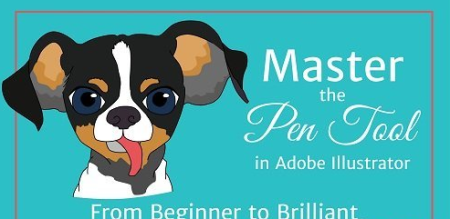
Mastering the Pen Tool in Adobe Illustrator: From Beginner to Brilliant
Instructors: Jill Miller
Duration: 35m • 9 Lessons
Video: MP4 1280x720 44 KHz | English
Level: Beginner | Size: 228 MB​

The Pen Tool is the very foundation of Adobe Illustrator, and I think designers handicap themselves when they don't learn to use it to its fullest extent. Even if you decide to draw with a different tool, understanding the Pen Tool will let you use those other tools more effectively. That is why I have dedicated an entire class to this one Illustrator tool. By the end of this class, you will be able to use this powerful tool to create the designs of your dreams. And also illustrations of your favorite animal. :)
I begin this class with the very basics-no prior knowledge required! Once you're comfortable with the basics, we'll move on to fine-tuning your path, best practices, tips and tricks, and everything you need to know to master the pen tool. While I am gearing this class towards absolute beginners, I hope even experienced users will find tidbits to improve their Illustrator skills as well.
Screenshots


b2bb24c7-1018-4469-a866-dc362fe714d4.png

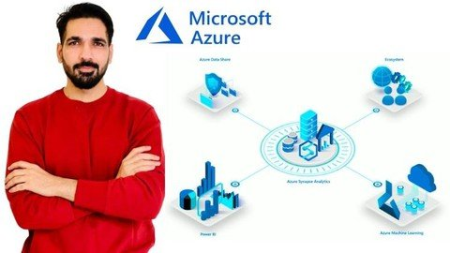
Microsoft Azure Synapse Analytics
Genre: eLearning | MP4 | Video: h264, 1280x720 | Audio: AAC, 48.0 KHz
Language: English | Size: 706 MB | Duration: 15 lectures • 1h 44m
A Complete guide to start your journey with Microsoft Azure Synapse Analytics

What you'll learn
You'll learn about Microsoft Azure & benefits of using Microsoft Azure
Introduction to the cloud computing
What is Synapse Analytics & its architecture
Creating a Synapse Workspace
Analyzing data using Serverless SQL Pools in Azure Synapse Analytics
Analyzing data using Apache Spark Pools in Azure Synapse Analytics
Analyzing data using Dedicated SQL Pools in Azure Synapse Analytics
Analyzing data using MS Azure Data Explorer in Azure Synapse Analytics
Analyzing data using Azure Storage Account in Azure Synapse Analytics
Integrate with Pipelines in Azure Synapse Analytics
How to monitor activities in Azure Synapse Analytics
How to visualize data using Microsoft Power BI in Azure Synapse Analytics
Knowledge Centre in Azure Synapse Analytics
How to add an admin in Azure Synapse Analytics
Requirements
You should have a basic knowledge of Database and SQL
Microsoft Azure Free Account
Description
This course is intended for those who want to learn about Synapse Analytics Services, its architecture, the many configurations or properties that may be used, and, most importantly, the strategies for loading data into Synapse Analytics Tables.
You will also learn how to use Synapse Analytics and when to do so. Not only that, you'll learn how to analyze data in Azure Synapse using different pools, storage accounts as well as data explorer. It's great for those who have little or no experience with Synapse, want to get started with Azure Data Services, or want to earn the Azure Data Engineer certification.
This is a hands-on practical session with resources and a quiz to keep students interested and motivated to finish the course.
You can use this course to prepare for Azure Data Engineer (DP-203) as well.
If you are looking to make your career as one of the following, then this course is for you
- Data Engineer
- Data Analyst
- Data Scientists
- MS Azure Specialist
- Azure DWH Developer
- Anyone who would like to make a career in the cloud technology with one of the best in the market
This course would help you to jump-start your career with Microsoft Azure.
So, what are you waiting for? Let's get started...
Who this course is for
Beginners on Azure Platform Data Warehouse developers/ admins
Database and BI developers
Database Administrators
Data Engineers
Data Scientist
On-Premises Database related profiles who want to learn how to implement these technologies in Azure Cloud.
Anyone who is looking forward to starting his career as an Azure Data Engineer.
Screenshots


3c22a776-32ea-4705-8b85-c3b0927b2735.png

Mistakes Course Creators Make When Creating an Online Course
Instructors: Money Makers Academy
1 section • 6 lectures • 34m total length
Video: MP4 1280x720 44 KHz | English + Sub
Updated 3/2022 | Size: 212 MB​

Save yourself time, and frustration by learning from the mistakes of others
What you'll learn
Learn how to avoid the most common mistakes that creators make when creating an online course.
You can learn from other people's mistakes and avoid them yourself. And now I am going to share these mistakes with you!
You will find out what mistakes you should avoid while creating an online course.
You will learn how to create a profitable and successful online course in 2022
Learn how to create an online course that sells and helps you build a profitable business.
We have created this free course to help you succeed in creating your first or next online course.
You can create an online course, but you should avoid these mistakes.
<h
Requirements
no previous course neededno program neededno prerequisites for taking this course
Description
Introduction
Creating an online course can be a daunting task. There are many things to consider when putting together a course, and making mistakes can be costly. In this article, we will discuss some of the most common mistakes course creators make when creating an online course.
Course creators can make mistakes when creating an online course that can lead to lower enrollments and fewer students completing the course. We will also discuss how you can avoid making these mistakes and increase the success of your course.
Creating an online course can be a daunting task. There are a few common mistakes course creators make that can easily be avoided. : If you are planning to create your own online course, it's essential to avoid these mistakes.
Starting a business while working a 9 to 5 can be difficult, but it is possible. The most important thing is to make sure that you have a good plan and are organized. You'll need to set aside time to work on your business and make sure that you are still meeting your obligations at your job. It's also important to be realistic about how much time you can devote to your business and be patient as it grows.
What will you learn in this course?
Learn what should you start first
Learn what to build first
Right way on making your online Course well
Learn how to find the specific niche
Homepage
Screenshots


a98bc38d-cb20-4631-8f58-a3440ea45e8f.png

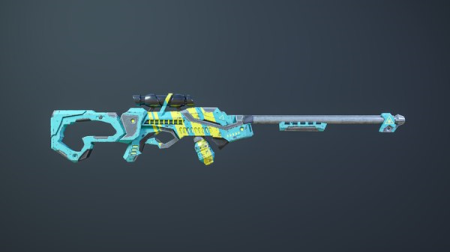
Modeling and Texturing Game Sci-fi Rifle for Games
Published 05/2022
MP4 | Video: h264, 1280x720 | Audio: AAC, 44.1 KHz, 2 Ch
Genre: eLearning | Language: English + srt | Duration: 48 lectures (6h 44m) | Size: 4.35 GB


Learning from Beginner to Professional on creating Game Asset (Scifi Rifle)
What you'll learn
Modeling Game Asset with proper topology
Texturing using PBR method in Substance Painter
Beginner UV unwrapping in Maya
Complete props creation in Maya
Requirements
No experienced needed in Maya or Substance Painter
Description
In this course you will learn from scratch on how to model and texture Sci-fi Rifle that can be used for Game Asset. We start with very basis stuff like Maya interface, project folder setup, setting up image plane in Maya and Substance Painter. Through the course, we will discuss the amazing features of Maya and Substance Painter for texturing matters.
Learn how to create 3D Models and Assets for games using Maya. We start super simple so you'll be ok with little or no experience. With our online tutorials, you'll be amazed what you can achieve.
If you're a complete beginner, we'll teach you all the modelling fundamentals you'll need. If you're an artist, we'll teach you to bring your assets to life.
This course is designed to teach art students how to use Maya and become more confident with it to develop the Scifi Rifle Game Asset from scratch. Each step is explained clearly so the student can follow along with ease.
What will you learn?
Getting started with Maya and understanding the interface
Learning about Maya Project Organization
Modeling your own objects and scenes
Shading your objects
Creating proper UVs
Texturing your objects in Substance Painter using the latest PBR (Physical Based Rendering) method that widely used in games/animation industry.
Exporting texture to be used for Game Engine
Who this course is for
Beginner in creating game asset in Maya
Beginner in Substance Painter
Beginner in Game Art
Homepage


ec5259017dea3948deb7ebba322eb2e7.jpg

OOP Bootcamp2022 - Classes, Metaclasses, Dataclasses- Python
Published 05/2022
MP4 | Video: h264, 1280x720 | Audio: AAC, 44.1 KHz, 2 Ch
Genre: eLearning | Language: English + srt | Duration: 17 lectures (5h 51m) | Size: 2.17 GB


Build confidence on Python regular/meta/super/base/data classes - all about classes here!
What you'll learn
Build expertise with classes
Learn how to do class instantiation properly and efficiently
Learn how to properly use metaclasses and why
Decorate classes and improve performance
Double the efficiency of the object oriented process
Identify differences in meta/super/base/child classes
Get strong in OOP
Verify class relations in the most effective way
Requirements
No requirements other than have some working level with python. We go step by step
Description
A common feature of objects is that procedures (or methods) are attached to them and can access and modify the object's data fields. Object-oriented programming uses objects, but not all of the associated techniques and structures are supported directly in languages that claim to support OOP. It performs operations on operands.
Modular programming support provides the ability to group procedures into files and modules for organizational purposes. Modules are namespaced so identifiers in one module will not conflict with a procedure or variable sharing the same name in another file or module.
Objects can contain other objects in their instance variables; this is known as object composition. For example, an object in the Employee class might contain (either directly or through a pointer) an object in the Address class, in addition to its own instance variables like "first_name" and "position". Object composition is used to represent "has-a" relationships: every employee has an address, so every Employee object has access to a place to store an Address object (either directly embedded within itself, or at a separate location addressed via a pointer).
OOP was developed to increase the reusability and maintainability of source code. Transparent representation of the control flow had no priority and was meant to be handled by a compiler. With the increasing relevance of parallel hardware and multithreaded coding, developing transparent control flow becomes more important, something hard to achieve with OOP.
In object-oriented programming, a metaclass is a class whose instances are classes. Just as an ordinary class defines the behavior of certain objects, a metaclass defines the behavior of certain classes and their instances. Not all object-oriented programming languages support metaclasses. Among those that do, the extent to which metaclasses can override any given aspect of class behavior varies. Metaclasses can be implemented by having classes be first-class citizens, in which case a metaclass is simply an object that constructs classes. Each language has its own metaobject protocol, a set of rules that govern how objects, classes, and metaclasses interact. The term metaprogramming refers to the potential for a program to have knowledge of or manipulate itself. Python supports a form of metaprogramming for classes called metaclasses.
Who this course is for
data analysts
data scientists
software engineers
pythonistas and experts alike
entrepreneurs
Homepage


f43e38f9-5720-4735-b4c7-09ec89715885.png

Open RAN Masterclass: Concepts, Architectures, & OpenSource
Published 05/2022
MP4 | Video: h264, 1280x720 | Audio: AAC, 44.1 KHz, 2 Ch
Genre: eLearning | Language: English + srt | Duration: 15 lectures (7h 33m) | Size: 3.57 GB


You will learn Open RAN and how to build 4G/5G networks using opensource software and general-purpose, COTS hardware
What you'll learn
Open RAN Concepts, Architectures, & Interfaces
Open Radio Access Network Concept details and building blocks
Building the New Radio Air Interface of 4G/5G using opensource tools
Building the UE New Radio Air Interface of 4G/5G using opensource tools
Building the EPC/5GC Network core of 4G/5G using opensource tools
Practically seeing the features of the 4G/5G network
The unlicensed Spectrum for 5G private networks
Using SDR (e.g., USRPs) and off-the-shelf compute devices for prototyping 4G/5G networks
The key building blocks of Private 4G/5G Networks
The differences between 5G and the other Wireless Cellular Mobile Generations
Requirements
There are no requirements
Description
Open RAN and Private 4G/5G Networks
In this course, you will mainly learn two things
1) Learn the Open RAN Concepts, Architectures, & Interfaces, and the details related to that.
2) Learn how to build 4G & 5G networks using open-source Open RAN software and general-purpose, COTS hardware.
If you want to prepare yourself to build practical, and fully open telecom equipment, software programs, and end-to-end 4G/5G systems alternative and competitive to those produced by conventional Telecom companies, such as NOKIA, HUAWEI, SAMSUNG, ERICSSON, ZTE, etc., or want to learn how to build private 4G/5G networks, then this course is just for you. In this course, you will learn in detail most technical aspects of building end-to-end 4G and 5G systems including eNodeB/gNodeB, UE, and EPC/5GC.
Private networks, no matter who you ask (see: here, here, or here) have transitioned from lab toys to a multi-billion dollar industry. Open source too has left the lab and solutions from the likes of RedHat, OpenStack, O-RAN Alliance, and the Telecom Infra Project are a growing presence in operators' networks globally. As the footprint of open source grows, and network operators see the benefits of deploying open source, the industry is responding by developing open source solutions moving up the stack. Now with the introduction of the Magma project, open-source is moving into complex network functions like the core of the 4G and 5G mobile networks.
Dumping gas on the open and private network fire, the FCC has made available commercially deployable CBRS spectrum that we see taking off in the recent auction and as Spectrum Access Systems (SASs) go live. With its 3-tier access, CBRS means anyone can get a meaningful chunk of airwaves with 25 times (or more) the power of most Wi-Fi networks to deliver high-quality wireless services.
In light of these changes, in this version of the build your own network how-to, I will move our target from a lab network to a commercial-grade LTE network deployment. Let's get started.
The content of the course is listed below.
PART 1: Introduction To Open RAN
What is Open RAN and why do we need it?
Understanding Classical and Distributed RAN (D-RAN)
Equipments from traditional vendors (BBU & Boards)
C-RAN or Centralised RAN)
V-RAN or Virtualizes RAN
Evolution towards Open RAN
Part 2: Open RAN Groups And Ecosystem
Open RAN Groups & Initiatives
Telecom Infra Project
ORAN Alliance
Open Ran players & Ecosystem
Open Ran Trials & deployments
Part 3: Deep Dive Into O-RAN Architecture
RU/CU/DU Split
Oran Architecture
Service Management and Orchestration Framework (SMO)
RAN Intelligent Controller (RIC)
xAPPs, rAPPs, AI, ML
O-Cloud, O-CU, O-DU, O-RU
Relevant interfaces in O-RAN architecture
Part 4: O-RAN Split Options (8 Options)
Different RAN split options
Which Option split to consider
Relevant interfaces in O-RAN architecture
Security issues.
Part 5: Use cases and scenarios
Different companies with different cases
Real live examples using O-RAN
Relevant success stories
Recommendations and suggestions
After you complete watching all the lecture videos of the course, you will be able to get a professional certificate of completion.
Who this course is for
Anyone interested in learning about Open RAN and how to practically build private 4G and 5G networks can join the course
Homepage









 
Zurück
Oben Unten