• Regeln für den Video-Bereich:

    In den Börsenbereich gehören nur Angebote die bereits den Allgemeinen Regeln entsprechen.

    Einteilung

    - Folgende Formate gehören in die angegeben Bereiche:
    - Filme: Encodierte Filme von BluRay, DVD, R5, TV, Screener sowie Telesyncs im Format DivX, XviD und x264.
    - DVD: Filme im Format DVD5, DVD9 und HD2DVD.
    - HD: Encodierte Filme mit der Auflösung 720p oder darüber von BluRay, DVD, R5, TV, Screener sowie Telesyncs im Format x264.
    - 3D: Encodierte Filme von BluRay, die in einem 3D Format vorliegen. Dies gilt auch für Dokus, Animation usw.
    - Serien: Cartoon/Zeichentrick, Anime, Tutorials, Dokumentationen, Konzerte/Musik, Sonstiges sind demnach in die entsprechenden Bereiche einzuordnen, auch wenn sie beispielsweise im High Definition-Format oder als DVD5/DVD9/HD2DVD vorliegen. Ausnahme 3D.
    - Bereich Englisch: Englische Releases gehören immer in diesen Bereich.
    - Bereich Talk: Der Bereich, in dem über die Releases diskutiert werden kann, darf, soll und erwünscht ist.


    Angebot/Beitrag erstellen

    - Ein Beitrag darf erst dann erstellt werden, wenn der Upload bei mindestens einem OCH komplett ist. Platzhalter sind untersagt.
    - Bei einem Scenerelease hat der Threadtitel ausschließlich aus dem originalen, unveränderten Releasenamen zu bestehen. Es dürfen keine Veränderungen wie z.B. Sterne, kleine Buchstaben o.ä. vorgenommen werden. Ausnahme Serienbörse:
    - Bei einem Sammelthread für eine Staffel entfällt aus dem Releasename natürlich der Name der Folge. Beispiel: Die Simpsons S21 German DVDRip XviD - ITG
    - Dementsprechend sind also u.a. verboten: Erweiterungen wie "Tipp", "empfehlenswert", "only", "reup", usw. / jegliche andere Zusatzinformation oder Ergänzung, welche nicht in obiger Beschreibung zu finden ist.

    Aufbau des Angebots und Threadtitel

    Der Titel nach folgendem Muster erstellt zu werden. <Name> [3D] [Staffel] [German] <Jahr> <Tonspur> [DL] [Auflösung] <Quelle> <Codec> - <Group>
    Beispiel: The Dark Knight German 2008 AC3 DVDRip XviD - iND
    Beispiel: The Dark Knight 2008 DTS DL BDRip x264 - iND
    Beispiel: The Dark Knight 2008 AC3 DL BDRip XviD - iND
    Beispiel: The Dark Knight German 2008 AC3 720p BluRay x264 iND
    Beispiel: The Dark Knight 2008 DTS DL 1080p BluRay x264 iND
    Beispiel: Die Simpsons S01 German AC3 DVDRip XviD iND
    Beispiel: Die Simpsons S20 German AC3 720p BluRay x264 iND
    Beispiel: Sword Art Online II Ger Sub 2014 AAC 1080p WEBRip x264 - peppermint
    Entsprechend sind also u.a. verboten: Sonderzeichen wie Klammern, Sterne, Ausrufezeichen, Unterstriche, Anführungszeichen / Erweiterungen wie "Tipp", "empfehlenswert", "only", "reup", usw. / jegliche andere Zusatzinformation oder Ergänzung, welche nicht in obiger Beschreibung zu finden ist
    Ausnahmen hiervon können in den Bereichen geregelt sein.

    Die Beiträge sollen wie folgt aufgebaut werden:
    Überschrift entspricht dem Threadtitel
    Cover
    kurze Inhaltsbeschreibung
    Format, Größe, Dauer sind gut lesbar für Downloader außerhalb des Spoilers zu vermerken
    Nfo sind immer Anzugeben und selbige immer im Spoiler in Textform.
    Sind keine Nfo vorhanden z.B. Eigenpublikationen, sind im Spoiler folgende Dateiinformationen zusätzlich anzugeben :
    Quelle
    Video (Auflösung und Bitrate)
    Ton (Sprache, Format und Bitrate der einzelnen Spuren)
    Untertitel (sofern vorhanden)
    Hosterangabe in Textform außerhalb eines Spoiler mit allen enthaltenen Hostern.
    Bei SD kann auf diese zusätzlichen Dateiinformationen verzichtet werden.

    Alle benötigten Passwörter sind, sofern vorhanden, in Textform im Angebot anzugeben.
    Spoiler im Spoiler mit Kommentaren :"Schon Bedankt?" sind unerwünscht.


    Releases

    - Sind Retail-Release verfügbar, sind alle anderen Variationen untersagt. Ausnahmen: Alle deutschen Retail-Release sind CUT, in diesem Fall sind dubbed UNCUT-Release zulässig.
    - Im Serien-Bereich gilt speziell: Wenn ein Retail vor Abschluss einer laufenden Staffel erscheint, darf diese Staffel noch zu Ende gebracht werden.62
    - Gleiche Releases sind unbedingt zusammenzufassen. Das bedeutet, es ist zwingend erforderlich, vor dem Erstellen eines Themas per Suchfunktion zu überprüfen, ob bereits ein Beitrag mit demselben Release besteht. Ist dies der Fall, ist der bereits vorhandene Beitrag zu verwenden.
    - P2P und Scene Releases dürfen nicht verändert oder gar unter einem iND Tag eingestellt werden.


    Support, Diskussionen und Suche

    - Supportanfragen sind entweder per PN oder im Bereich Talk zu stellen.
    - Diskussionen und Bewertungen sind im Talk Bereich zu führen. Fragen an die Uploader haben ausschließlich via PN zu erfolgen, und sind in den Angeboten untersagt.
    - Anfragen zu Upload-Wünschen sind nur im Bereich Suche Video erlaubt. Antworten dürfen nur auf Angebote von MyBoerse.bz verlinkt werden.


    Verbote

    - Untersagt sind mehrere Formate in einem einzigen Angebotsthread, wie beispielsweise das gleichzeitige Anbieten von DivX/XviD, 720p und 1080p in einem Thread. Pro Format, Release und Auflösung ist ein eigener Thread zu eröffnen.
    - Grundsätzlich ebenso verboten sind Dupes. Uploader haben sich an geeigneter Stelle darüber zu informieren, ob es sich bei einem Release um ein Dupe handelt.
    - Gefakte, nur teilweise lauffähige oder unvollständige Angebote sind untersagt. Dies gilt auch für eigene Publikationen, die augenscheinlich nicht selbst von z.B. einer DVD gerippt wurden. Laufende Serien, bei denen noch nicht alle Folgen verfügbar sind, dürfen erstellt und regelmäßig geupdatet werden.
    - Untersagt sind Angebote, welche nur und ausschließlich in einer anderen Sprache als deutsch oder englisch vorliegen. Ausnahmen sind VORHER mit den Moderatoren zu klären.


    Verstoß gegen die Regeln

    - Angebote oder Beiträge, die gegen die Forenregeln verstoßen, sind über den "Melden"-Button im Beitrag zu melden.
  • Bitte registriere dich zunächst um Beiträge zu verfassen und externe Links aufzurufen.

*** Bestes IPTV *** bester Preis *** gratis Test ***


Englische Tutorials

781aac86c9bad9e4c3a9e8a04f0b5777.jpg


Railway Exam - Rrb Ntpc, Alp, Group D, Je, Technician
Published 12/2024
MP4 | Video: h264, 1920x1080 | Audio: AAC, 44.1 KHz
Language: English | Size: 32.87 GB | Duration: 35h 25m

Railway Exam - RRB NTPC | RRB ALP | RRB Group D | RRB JE | RRB Technician


What you'll learn
Ace All Railway Exams: RRB NTPC, ALP, Group D, JE, and Technician... You name it, we've got you covered!
Comprehensive Syllabus: Master Quant, Reasoning, English and Current Affairs. Plus, access 20+ Mock Tests and 12,000+ Practice Questions
Boost Your Skills: Crack tough problems, sharpen your time management, and learn to think like a topper.
Your Dream Job Awaits: With our focused training, success isn't just a goal; it's a guarantee.
Join Us Now and step confidently into your future.

Requirements
Willingness to Learn.
Interest in career development.
Desire and dedication to get that dream job.

Description
Are you ready to take your career to the next level and land your dream job?Welcome to the "Railway Exams - RRB NTPC, ALP, Group D, JE, and Technician" course where you will learn so many techniques and tips in order to land the job of your dreams.This is one of the best Railway Exam workshop course that will help you significantly and improve your Railway Exam job otherwise your money back.Exams Covered:RRB NTPCRRB ALPRRB Group DRRB JERRB TechnicianFeatures & Why choose us?Course OverviewAbout the ExamsStudy PlannerPractice QuestionsClass Notes6 Books - 12,000+ Questions20+ Mock Test - Prelims & MainsDaily Current Affairs & QuizDoubt Clarification - You can Contact me anytimeHere is the course syllabus:I. Quantitative AptitudeNumber SystemLCM & HCFVedic MathsPercentageRatio & ProportionAges, Partnership, Mixture & AllegationAverageArea & VolumeSI & CIProfit & LossVenn diagramTime and DistanceTime and WorkProbabilityPermutations & CombinationsData InterpretationTrigonometryAlgebraII. Logical reasoningDices & CubesDirectionBlood RelationCoding & DecodingNumber SeriesClocks & CalendarSyllogismRanking, Comparison & InequalitySeating ArrangementAnalytical ReasoningNon Verbal ReasoningMOTIII. English LanguageParts of SpeechNounsPronounsAdjectivesVerbs & Subject - Verb AgreementArticlesAdverbsConjunctions & PrepositionsConditional ClausesTensesActive & Passive VoiceDirect & Indirect SpeechAll Topics Combined (Questions)IV. Books (12,000+ Practice Questions)Quantitative AptitudeLogical ReasoningEnglish languageGeneral StudiesGeneral AwarenessComputer AwarenessV. 20+ Mock Test:Stage - 1Stage - 2By joining our learning community, you'll receive:Lifetime access to the course and all learning contentA supportive space to ask questions and discuss your interview journeyA 30 day money-back guarantee - so you can try risk-free!We're excited to help you succeed, and we can't wait to get started on your learning journey.

Overview
Section 1: Course Overview & About the Exam

Lecture 1 Course Overview & About the Exam

Section 2: Course Walkthrough & Exam Planner

Lecture 2 Course Walkthrough

Lecture 3 Exam Planner

Section 3: Quantitative Aptitude

Lecture 4 Number System

Lecture 5 LCM & HCF

Lecture 6 Vedic Maths

Lecture 7 Percentage - 1

Lecture 8 Percentage - 2

Lecture 9 Ratio & Proportion

Lecture 10 Ages, Partnership, Mixture & Allegation

Lecture 11 Average

Lecture 12 Area

Lecture 13 Volume

Lecture 14 SI & CI

Lecture 15 Profit & Loss

Lecture 16 Venn diagram

Lecture 17 Time & Distance - 1

Lecture 18 Time & Distance - 2

Lecture 19 Time and Work - 1

Lecture 20 Time and Work - 2

Lecture 21 Probability

Lecture 22 Permutations

Lecture 23 Combinations

Lecture 24 Data Interpretation

Lecture 25 Trigonometry

Lecture 26 Algebra

Section 4: Logical reasoning

Lecture 27 Dices & Cubes

Lecture 28 Direction

Lecture 29 Blood Relation

Lecture 30 Coding & Decoding

Lecture 31 Number Series

Lecture 32 Clocks

Lecture 33 Calendar

Lecture 34 Syllogism

Lecture 35 Ranking, Comparison & Inequality

Lecture 36 Seating Arrangement

Lecture 37 Analytical Reasoning

Lecture 38 Non Verbal Reasoning

Lecture 39 MOT

Section 5: English Language

Lecture 40 Parts of Speech

Lecture 41 Nouns

Lecture 42 Pronouns

Lecture 43 Adjectives

Lecture 44 Verbs & Subject - Verb Agreement

Lecture 45 Articles

Lecture 46 Adverbs

Lecture 47 Conjunctions

Lecture 48 Prepositions

Lecture 49 Conditional Clauses

Lecture 50 Tenses

Lecture 51 Active & Passive Voice

Lecture 52 Direct & Indirect Speech

Lecture 53 All Topics Combined (Questions)

Section 6: Books (12,000+ Practice Questions)

Lecture 54 Hard Copy & Soft Copy Books

Section 7: Mock Test

Lecture 55 All Mock Test

Section 8: Daily Current Affairs & Quiz

Lecture 56 Daily Current Affairs & Quiz

Aspiring Railway Professionals: Individuals aiming to secure positions in prestigious roles like RRB NTPC, ALP, Group D, JE, and Technician and other government jobs.,Recent Graduates: Freshers seeking to launch their careers in the Railway Exam related job sector with the right guidance and preparation.,Working Professionals: Those looking to switch careers or enhance their qualifications to enter the competitive world of Railway services.,Dedicated Learners: Anyone willing to invest time and effort in mastering the Railway exam syllabus and achieving success with expert guidance, structured resources, and a proven study plan.


Homepage


543106786_38-non-verbal-reasoning_s.jpg


f68aff41c47a27ae275f99dcc29da5ef.jpg


Blender Realistic 3D Character Creation Course
Yelzkizi | Duration: 41:22 h | Video: H264 1920x1080 | Audio: AAC 48 kHz 2ch | 41,9 GB | Language: English

Welcome to the realistic 3D character creation Course using Blender! Gain the skills to bring your imagination to life and craft mesmerizing characters. Engage in step-by-step lessons, hands-on projects, and a supportive community. Develop confidence to create stunning, realistic characters. Enroll and embark on this transformative learning experience!

What I will learn?

• Learn the factors I consider when picking references.
• Learn how I approach facial anatomy and tips on sculpting realistic portraits.
• Learn how I create hyper realistic eyes that are multi functional.
• would help you understand the importance of retopology and how you can use it to create a flexible workflow.
• Learn how I build tertiary details through High poly sculpting and use of texture maps.
• Learn the PBR Texturing and baking workflow.
• Understand the grooming process of 4 different complex hair styles.
• Taking a deep dive into look-dev to achieve the best possible render.
• Learn and understand how to create hyper realistic skin

Homepage


543098796_39-bantu-knots-base-part-1-_s.jpg


f02043181ed6961310e3d40ac9670733.jpg


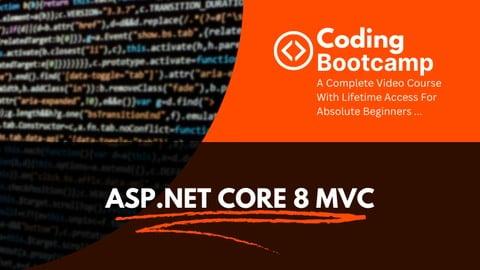
Master ASP.NET Core 8 MVC with EF Core:A Comprehensive Guide
Last updated 11/2024
MP4 | Video: h264, 1920x1080 | Audio: AAC, 44.1 KHz
Language: English | Size: 40.87 GB | Duration: 58h 50m

A Complete Journey through Web Development with ASP.NET Core 8 MVC and Entity Framework Core 8 - A Deep Dive


What you'll learn
Understand the core concepts of Entity Framework
Start working with Entity Framework as your data access layer
Handle all real time scenarios when working with Entity Framework
Understand the basics of ASP .Net MVC
Make a real, production ready, web application
By the end of this course you will be in a position to build any web application usinf ASP .Net MVC and Entity Framework

Requirements
VS2022 or any higher version.
SQL Server Management Studio 2022 or any higher version

Description
This comprehensive course, "Master ASP.NET Core 8 MVC with EF Core," offers a complete journey into the world of web development using the latest technologies. Participants will begin with foundational concepts, including an introduction to web applications and the ASP.NET Core MVC framework, and progress through essential components such as controllers, actions, and views.You will learn the intricacies of resource management, including garbage collection and IDisposable, alongside best practices for integrating Entity Framework Core. The course covers critical CRUD operations, focusing on Read, Create, Update, and Delete functionalities, as well as model binding and data seeding techniques.Participants will explore advanced concepts such as authentication and authorization, utilizing IdentityDbContext for secure user management and role-based access control. Emphasis will be placed on designing intuitive user interfaces through dynamic theming and effective data presentation using jQuery DataTables for sorting, searching, and paging.The curriculum includes hands-on sessions covering the implementation of the MVVM design pattern for managing data relationships, from one-to-many to many-to-many. You will also gain insights into using Tag Helpers, HTML Helper classes, and the importance of form validation.By the end of this course, you will be equipped with a robust skill set to confidently develop, secure, and maintain web applications using ASP.NET Core 8 MVC and Entity Framework Core, ensuring that participants are well-prepared to tackle real-world projects.Disclaimer: Recorded Live Session Please note that the content presented in this video course is a direct recording of a live session and has not undergone any editing or modifications. The purpose of this recording is to provide an authentic representation of the original session, including any interactions, discussions, and presentations as they occurred in real-time.While efforts have been made to ensure the accuracy and clarity of the material presented, please be aware that occasional technical issues, interruptions, or other unforeseen circumstances may have occurred during the live recording.The views, opinions, and information shared in this course are those of the speakers and participants involved in the original live session and do not necessarily reflect the views of the organizers or hosts of this recording. We appreciate your understanding and encourage you to reach out if you have any questions or concerns regarding the content presented in this video course.Thank you for your interest and participation.

Overview
Section 1: The Complete Entity Framework Core 8 Code First Approach (Un-edited As-Is)

Lecture 1 Getting Started with EF Core 8: A Step-by-Step Guide

Lecture 2 Enhancing Database Design: Migration, Annotations, and Class Techniques

Lecture 3 Mastering CRUD with EF Core: Directory Structure, Approaches, and Eager Loading

Lecture 4 Data Retrieval Strategies in EF Core: Immediate vs. Deferred Loading and Collect

Lecture 5 Managing Data with Transactions and Fluent APIs in Layered Architecture

Lecture 6 Implementing the Repository Pattern for Improved Data Management

Section 2: The Complete ASP.Net Core 8 MVC

Lecture 7 Introduction to Web Applications and ASP.NET Core MVC: Theoretical Foundations

Lecture 8 Building Static Websites with ASP.NET Core: Integrating Free HTML Templates

Lecture 9 Introduction to ASP.NET Core MVC: Setup and Key Components

Lecture 10 Understanding HTTP Methods and Data Transfer in ASP.NET Core MVC

Lecture 11 Exploring TempData and Form Handling in ASP.NET Core MVC

Lecture 12 Integrating Entity Framework in ASP.NET Core MVC: Data Seeding and CRUD Operatio

Lecture 13 Advanced CRUD Operations and Form Management in ASP.NET Core MVC

Lecture 14 Enhancing ASP.NET Core MVC Views: ViewImports, ViewStart, and Layouts

Lecture 15 Setting Up Project Structure for MVVM Architecture in ASP.NET Core

Lecture 16 Deep Dive into MVVM for Many-to-Many Relationships in ASP.NET Core

Lecture 17 Getting Started with Authentication and Authorization in ASP.NET Core MVC

Lecture 18 Advanced Authorization and Data Management Techniques in ASP.NET Core

Section 3: The Complete Entity Framework Core 2.0 Code First Approach

Lecture 19 Day 1 - Getting Started With Entity Framework Core 2.0 Code First Approach

Lecture 20 Day 2 - Migrations And Database Updates

Lecture 21 Day 3 - Class Desinging Techniques

Lecture 22 Day 4 - Data Annotations And CRUD

Lecture 23 Day 5 - Select Operations

Lecture 24 Day 7 - Eager Loading Vs Explicit Loading Vs Lazy Loading

Lecture 25 Day 6 - Immediate Mode Vs Differed Mode - List Vs IEnumerable Vs IQueryable

Lecture 26 Day 8 - Raw SQL And Stored Procedures

Lecture 27 Day 9 - Auto And Mannual Transactions

Lecture 28 Day 10 - 3 Layered Approach With .Net Standard Library

Section 4: The Complete ASP.Net Core 3.1 MVC (Formerly 2.0)

Lecture 29 Day 1 - Introduction To ASP.Net Application (Will Arrive Soon)

Lecture 30 Day 2 - Getting Started With First Static And MVC Core Web Apps

Lecture 31 Updated For VS 2019 : Getting Started With ASP.Net Core 3.1 MVC

Lecture 32 Day 3 - Get Vs Post And Passing Data From View To Controller

Lecture 33 Day 4 - Razor View Engine And HTML Helper Classes

Lecture 34 Day 5 - ViewData Vs ViewBag And Entity Framework Core In MVC

Lecture 35 Day 6 - Model Binding And TempData

Lecture 36 Day 7 - TagHelper And Form ValidationsEg

Lecture 37 Day 8 - CRUD Operations And BootStrap

Lecture 38 Day 9 - Dependency Injection And Layouts

Lecture 39 Day 10 - Authentication And Authorization

Lecture 40 Day 11 - Authentication (LogIn & Logout)

Lecture 41 Day 12 - Authentication (Email Confirmation And Forgot Password)

Lecture 42 Day 13 - Authorization (Initial Setup)

Lecture 43 Day 14 - Authorization(Assign Roles Dynamically)

Lecture 44 Day 15 - AjaxLinks And Forms (Links And Partial Views)

Lecture 45 Day 16 - AjaxLinks And Forms (AjaxForms)

Lecture 46 Day 17 - JQuery Based Ajax Calls - Read Operations

Lecture 47 Day 18 - JQuery Based Ajax Calls - Create-Update-Delete Operations

Section 5: Introduction To Entity Framework and EDM [EF4 - EF5]

Lecture 48 Creating an Entity Data Model

Lecture 49 Exploring Entity Data Model

Lecture 50 Learning Entity Framework 5 [This lecture not applicable to EF6]

Section 6: Querying the EDM - Basic

Lecture 51 Performing an Insert Operation

Lecture 52 Performing a Select Operation

Lecture 53 Performing a Search Operation

Lecture 54 Performing an Update Operation

Lecture 55 Performing a Delete Operation

Section 7: Working With Stored Procedures

Lecture 56 Working With Stored Procedures-I

Lecture 57 Working With Stored Procedures-II

Lecture 58 Working With Stored Procedures-III

Section 8: Querying the EDM - Advance

Lecture 59 Immediate Mode Vs Differed Mode

Lecture 60 Working With Transactions in Entity Framework

Lecture 61 Working With Navigation Properties in Entity Framework

Lecture 62 Lazy Loading in Entity Framework

Lecture 63 Magic with Entity Framework :)

Section 9: Source Code For Entity Framework

Lecture 64 Source Code

Section 10: Advanced Entity Framework - DbContext [EF6]

Lecture 65 Introduction To .tt Files

Lecture 66 DbContext Vs ObjectContext

Lecture 67 Performing CRUD Operations - I

Lecture 68 Performing CRUD Operations - II

Lecture 69 LINQ query examples using method and query syntax

Section 11: Advanced Operations

Lecture 70 DbSet.AddRange/RemoveRange

Lecture 71 Entity Splitting

Lecture 72 Table Splitting

Lecture 73 Insert, Update and Delete Function Mapping to Stored Procedures

Lecture 74 Stored Procedures with Multiple Result Sets

Lecture 75 Understanding Multi-User Scenarios

Lecture 76 Handling Multi-User Scenarios

Section 12: Performance Optimization

Lecture 77 Entity Framework Life Cycle And Generating Mapping Views

Lecture 78 NoTracking Queries

Lecture 79 Async Query Execution

Section 13: Data Access Dll

Lecture 80 Moving your model to a separate assembly

Lecture 81 Working with Repository Pattern

Lecture 82 Working with Generic Repository Pattern

Lecture 83 Advanced Entity Framework Source Code

Lecture 84 Entity Framework Assignment - Task Management System

Section 14: Introduction to Asp.Net MVC

Lecture 85 Introduction To Controller And Action

Lecture 86 Introduction To View

Section 15: Working With Data In Asp.Net

Lecture 87 Binding A Form To An Action

Lecture 88 View To Action - Parameterized Method

Lecture 89 View To Action - Context Object for Get Method

Lecture 90 Get Vs Post

Lecture 91 View To Action Context - Object For Post Method

Section 16: First Look At Razor View Engine

Lecture 92 Introduction To Razor View Engine

Lecture 93 Form Redesign Using HTML Helper Classes

Lecture 94 List Controls - HTML Helper Classes

Section 17: State Management In Asp.Net MVC & Layouts

Lecture 95 ViewData Vs ViewBag

Lecture 96 ViewData Vs ViewBag In Depth

Lecture 97 Creating A Simple GridView In MVC

Lecture 98 TempData In MVC

Lecture 99 Life Cycle Of TempData In MVC

Lecture 100 Layout Or Master Pages In MVC

Section 18: Introduction To Models

Lecture 101 Models In MVC

Lecture 102 Master Details Screen

Lecture 103 Creating List And Details

Lecture 104 Performing Edit In MVC

Lecture 105 Performing Delete And Insert In MVC

Lecture 106 ASP.NET MVC Entity Framework Scaffolding

Section 19: Validations In Asp.Net MVC

Lecture 107 Form Validation - I

Lecture 108 Form Validation - I I

Lecture 109 Form Validation With EDMs

Lecture 110 Creating Custom Validators

Section 20: Authentication and Authorization In Asp.Net MVC

Lecture 111 Introduction to Authentication And Authorization & Bootstrap

Lecture 112 Implementing Authentication - I

Lecture 113 Implementing Authentication - II

Lecture 114 Implementing Autherization

Lecture 115 MVC Source Code

Section 21: Advanced Asp.Net MVC - Ajax Action Link In MVC

Lecture 116 Ajax Action Link

Lecture 117 Partial Views

Lecture 118 Ajax Action Link In RealTime

Lecture 119 Ajax Action Link To Create Form

Lecture 120 Ajax Action Link Source Code

Section 22: Advanced Asp.Net MVC - Ajax Forms In MVC

Lecture 121 Ajax Forms

Lecture 122 Introduction To JSON

Lecture 123 JSON Data Incoming

Lecture 124 JSON Data Outgoing

Any experienced developer who has extensively worked on ASP .Net web forms application,Fresher graduates with solid understanding of C# OOPs and MS SQL server query writing


Homepage


543521666_68-performing-crud-operations-ii_s.jpg


d018a6ba2f8f25027e0f6c1b8677d310.jpg


Essential Kriya Yoga: A Complete Guide - Yoga Alliance YACEP
Published 12/2024
Created by Rafael Díaz
MP4 | Video: h264, 1280x720 | Audio: AAC, 44.1 KHz, 2 Ch Level: Intermediate | Genre: eLearning | Language: English | Duration: 72 Lectures ( 19h 16m ) | Size: 24.8 GB

Embark on a 20-week journey of conscious evolution through Kriya Yoga


What you'll learn
Prerequisite: Complete the course: "Chakra Sadhana: A Complete Guide"
20 Kriya Yoga techniques to activate the chakras and awaken kundalini
Control of prana to influence the mind harmoniously
Progressive 20-week method to integrate daily practices

Requirements
Having completed the previous course: "Chakra Sadhana: A Complete Guide"

Description
Essential Kriya Yoga CourseThis course is designed as a continuation, so it's essential to have completed the course: Chakra Sadhana: A Complete Guide. In this program, we focus on advancing and exploring 20 carefully selected Kriya Yoga techniques. These kriyas activate the chakras, purify the nadis, and awaken kundalini shakti gradually and safely. Rooted in Hatha Yoga principles, Kriya Yoga works by controlling prana to influence the mind harmoniously, offering a powerful yet accessible path to deeper self-awareness.Kriya Yoga, known as the yoga of practice, movement, and action, has the primary purpose of activating the chakras, purifying the nadis, and awakening kundalini shakti. Through the kriyas, the kundalini is gradually and safely activated, avoiding abrupt stimuli that could be counterproductive. These techniques offer a friendly and low-risk pathway to expand your consciousness and stimulate dormant areas of the brain, allowing you to explore deeper states of inner connection.The Kriya Yoga system is based on the principles of Hatha Yoga, whose main focus is the control of prana. One of its advantages is that it does not require you to control the mind directly. By controlling prana, which closely interacts with the mind, it becomes possible to influence mental states effectively and harmoniously.The course is structured progressively over 20 weeks. Each week, you'll master a new kriya while integrating it into your existing practice. By the end, you'll have a solid foundation of techniques for daily practice.Upon completion, you'll earn a Udemy certificate, valid for 20 hours of continuing education with Yoga Alliance's YACEP program. Personalized diplomas from Estudio Korunta are also available.

Who this course is for
Yoga Practitioners and Teachers


538877632_essential_kriya_yoga_a_complete_guide_-_yoga_alliance_yacep.jpg


Download from RapidGator


Download from Keep2Share


Premium Links


514ecaa7dd264a9351e7b0b82ef46d48.jpg


Microsoft Power BI Data Analyst: PL-300 Certification Prep
Published 12/2024
Created by Uplatz Training
MP4 | Video: h264, 1280x720 | Audio: AAC, 44.1 KHz, 2 Ch Level: All | Genre: eLearning | Language: English | Duration: 62 Lectures ( 59h 20m ) | Size: 29.4 GB

Build Power BI expertise. Learn Data Preparation, Modeling, Visualization, Deployment to ace the Microsoft PL-300 Exam.


What you'll learn
Prepare for the PL-300 Exam: Practice with mock exams and case studies tailored for the Microsoft Power BI Data Analyst certification.
Understand Data Analytics Foundations: Gain a comprehensive understanding of data analytics concepts, roles, and latest trends in the field.
Explore Types of Data Analysis: Learn the differences between descriptive, diagnostic, predictive, and prescriptive analytics and their practical applications.
Understand Power BI Architecture: Familiarize yourself with the components of Power BI, including Desktop, Service, Mobile, and Premium, and their integration.
Master Data Preparation Techniques: Connect to and transform raw data, handle missing values, and manage multiple data sources using Power Query.
Build Robust Data Models: Develop data models with star schemas, create relationships, and apply advanced DAX calculations for effective data analysis.
Enhance Data Security: Implement Row-Level Security (RLS) to manage and restrict data access.
Create Interactive Visualizations: Design engaging and interactive reports, dashboards, and KPIs that facilitate better decision-making.
Optimize Reporting Performance: Learn techniques to optimize Power BI reports for faster performance and scalability.
Explore Deployment and Maintenance: Deploy Power BI reports, manage governance and security, and leverage Power BI Premium and API integrations for enterprises.
Leverage the Power Platform Ecosystem: Understand the functionalities of Power Automate, Power Apps, Power Pages, and their integration with Power BI.
Understand Microsoft Fabric: Explore Microsoft Fabric's capabilities in data governance, pipelines, and integration with Power BI and the Power Platform.
Implement Advanced Power Platform Use Cases: Develop AI-enhanced workflows, multi-stage processes, and custom connectors for extended functionality.
Solve Real-World Case Studies: Apply acquired skills to real-world business scenarios, tackling complex data analytics problems.
Explore Career Opportunities: Discover data analytics career paths and prepare for roles like Data Analyst and Business Intelligence Developer.

Requirements
Enthusiasm and determination to make your mark on the world!

Description
A warm welcome to the Microsoft Power BI Data Analyst: PL-300 Certification Prep course by Uplatz.The Microsoft PL-300 Exam (Power BI Data Analyst) is designed to validate the knowledge and skills required to analyze data using Power BI and deliver actionable insights.Below are the key details of the exam:Exam DetailsExam Name: Microsoft Power BI Data AnalystExam Code: PL-300Certification: Microsoft Certified: Power BI Data Analyst AssociateTarget Audience: Data Analysts, Business Intelligence Professionals, and Power BI UsersDuration: 120 minutes (approximately)Passing Score: 700 (on a scale of 100-1000)Cost: $165 USD (varies by region)Skills MeasuredPrepare the Data (15-20%)Connect to data sources and transform data using Power Query.Clean, profile, and load data into Power BI.Resolve errors and optimize data loading.Model the Data (30-35%)Design and develop data models.Optimize model performance.Define and implement calculations using DAX.Create and manage hierarchies, relationships, and security settings.Visualize and Analyze the Data (25-30%)Create and customize visualizations.Build dashboards and interactive reports.Implement advanced analytics, such as key influencers and forecasting.Optimize performance of visuals and dashboards.Deploy and Maintain Assets (20-25%)Publish and share Power BI reports and dashboards.Manage workspace environments and user permissions.Implement governance, security, and compliance in Power BI.Integrate Power BI with other applications and platforms.Exam FormatQuestion Types:Multiple ChoiceDrag-and-DropCase StudiesPerformance-based Labs (interactive simulations)Languages Available: English, Japanese, Simplified Chinese, German, and Spanish.Ideal CandidatesProfessionals who use Power BI to transform raw data into meaningful insights.Individuals responsible for designing and building scalable data solutions for businesses.Data analysts looking to validate their Power BI expertise.What is Power BI?Microsoft Power BI is a business analytics tool that enables users to visualize data, share insights, and create interactive dashboards and reports. It allows businesses to analyze data from various sources and derive actionable insights for better decision-making. Power BI integrates with numerous data sources, providing a unified platform for data analysis and business intelligence.How Power BI WorksConnect to Data SourcesPower BI can connect to a wide range of data sources, including Excel, SQL Server, Azure, SharePoint, cloud-based services, and APIs.Use Power Query to clean, transform, and load data into the model.Data ModelingCreate relationships between data tables and apply business rules.Use DAX (Data Analysis Expressions) for custom calculations and measures.Create VisualizationsBuild interactive charts, graphs, and dashboards using drag-and-drop functionality.Customize visuals to meet specific business requirements.Share InsightsPublish dashboards and reports to the Power BI Service for collaboration.Embed reports in websites, apps, or Microsoft Teams.Real-time AnalyticsMonitor real-time data from sources like IoT devices or streaming data feeds.Governance and SecurityManage permissions, implement Row-Level Security (RLS), and ensure compliance with governance policies.Key Features of Power BIEase of UseUser-friendly interface with drag-and-drop functionality and pre-built templates.Wide Range of Data ConnectorsConnect to over 100+ data sources, including databases, cloud services, APIs, and on-premises systems.Powerful Data Transformation (Power Query)Clean, merge, and transform raw data into a usable format without coding.Advanced Data ModelingCreate complex relationships, hierarchies, and calculated measures using DAX.Interactive VisualizationsBuild dynamic reports with slicers, filters, and drill-through functionality.AI-Powered InsightsLeverage features like key influencers, smart narratives, and machine learning integration for advanced analytics.Collaboration and SharingShare reports via the Power BI Service, integrate with Microsoft Teams, and export to formats like PDF or Excel.Mobile ReportingAccess and interact with reports on mobile devices using the Power BI Mobile app.Real-time Data AnalyticsMonitor and analyze streaming data in real-time for IoT applications and dashboards.Integration with Microsoft EcosystemSeamlessly integrates with other Microsoft products like Excel, Azure, SharePoint, and Dynamics 365.Power BI EmbeddedEmbed Power BI reports and dashboards into custom applications using Power BI Embedded.Governance and SecuritySupports Row-Level Security, Azure Active Directory integration, and compliance with industry standards like GDPR.Why Use Power BI?For Business Users: Quickly create insights without deep technical knowledge.For Data Analysts and Engineers: Build complex models and derive advanced insights.For Enterprises: Centralize analytics, ensure data governance, and enable data-driven decision-making.With its robust capabilities and integration within the Microsoft ecosystem, Power BI is a versatile tool suitable for organizations of all sizes.Microsoft Power BI Data Analyst: PL-300 Certification Prep - Course CurriculumPhase 1: Introduction to Data Analytics & Power PlatformLecture 1 - Lecture 6Lecture 1: Introduction to Data AnalyticsOverview of Data Analytics: History, importance, and applicationsRoles in Data: Data Analyst, Data Engineer, Data Scientist, and Business Intelligence DeveloperLatest Data Trends in 2024: Emerging technologies and their business impactsLecture 2: Types of Data AnalysisDescriptive, Diagnostic, Predictive, and Prescriptive Analytics: Definitions and use casesData Sources: Structured, semi-structured, and unstructured dataIntroduction to Big Data: Understanding its impact on analyticsLecture 3: Introduction to Power BIWhat is Power BI: Overview and its role in modern data analyticsPower BI Architecture: Desktop, Service, Mobile, and PremiumLatest Features and Updates in Power BI (2024)Lecture 4: Introduction to Power AutomateOverview of Power Automate: Basics of workflow automationIntegrating Power Automate with Microsoft 365 ToolsPractical Use Cases of Power Automate in BusinessLecture 5: Introduction to Power Apps and DataversePower Apps: Creating low-code applications for businessesDataverse: Understanding its role in supporting the Power PlatformConnecting Power Apps to Dataverse and Building Scalable AppsLecture 6: Introduction to Microsoft Fabric & Course ScopeWhat is Microsoft Fabric: Data governance and integration platformIntegration of Microsoft Fabric with Power BI and Power PlatformScope of the Course: How the topics fit into broader data analytics and business solutionsPhase 2: Power BI - Data Preparation, Modeling, Visualization & MaintenanceLecture 7 - Lecture 36Module 1: Data PreparationLecture 7 - Lecture 11Connecting and cleaning raw data, handling missing values, advanced transformations using Power Query, and managing multiple data sources.Module 2: Data ModelingLecture 12 - Lecture 16Star schema, relationships, advanced DAX calculations, managing data security with Row-Level Security (RLS).Module 3: Data Visualization and AnalysisLecture 17 - Lecture 27Building interactive visuals, implementing advanced analytics, creating KPIs and dashboards, optimizing performance, and exploring mobile reporting.Module 4: Deployment and MaintenanceLecture 28 - Lecture 36Deploying reports, administering Power BI, managing governance and security, exploring Power BI Premium, API integrations, and real-world use cases.Phase 3: Power Platform Applications and Microsoft FabricLecture 37 - Lecture 60Module 1: Power AppsLecture 37 - Lecture 38Building and deploying apps, integrating with SharePoint and other data sources.Module 2: Power AutomateLecture 39 - Lecture 40Automating workflows, building advanced approvals, troubleshooting flows.Module 3: Power PagesLecture 41 - Lecture 42Creating user-friendly websites, managing security, and embedding Power Apps.Module 4: Microsoft FabricLecture 43 - Lecture 44Understanding data pipelines, governance, and integrating with Power BI.Module 5: Advanced Power Platform Use CasesLecture 45 - Lecture 56Multi-stage workflows, AI Builder, extending capabilities with custom connectors and Azure integrations.Module 6: Real-World Projects and Exam PreparationLecture 57 - Lecture 60Solving case studies, practice exams, interview preparation, and exploring career opportunities.

Who this course is for
Aspiring Data Analysts preparing for the Microsoft PL-300 certification.
Professionals transitioning to data analytics or business intelligence roles.
Existing Power BI users seeking advanced skills in data modeling, visualization, and deployment.
IT and business professionals interested in leveraging the Power Platform ecosystem.
Data Scientists aiming to enhance their visualization and reporting skills.
Marketing Analysts seeking to derive insights and create impactful dashboards.
Data Consultants providing analytics and visualization solutions for clients.
Product Owners/Managers integrating data-driven insights into product strategies.
Team leaders or managers responsible for data-driven decision-making.
Students and graduates exploring a career in data analytics.
Developers and IT administrators integrating Power BI with enterprise systems.


538877718_microsoft_power_bi_data_analyst_pl-300_certification_prep.jpg


Download from RapidGator


Download from Keep2Share


Premium Links


e10d53c194062b6e0cd34ace07ed73d5.jpg


The Ultimate Guide to Creating a Tower Defense Game in Unity
Published 12/2024
Created by Alex Dev
MP4 | Video: h264, 1280x720 | Audio: AAC, 44.1 KHz, 2 Ch Level: All | Genre: eLearning | Language: English | Duration: 177 Lectures ( 44h 27m ) | Size: 30 GB

Level up your C# and Unity knowledge and create your very own Tower Defense game.


What you'll learn
Create playable game projects - good for your portfolio, or just for your own sense of achievement.
Learn C#, a modern versatile programming language.
Develop strong and transferrable problem-solving skills.
Learn Object-Oriented Programming in Real-World Scenarios
Write Clean, Maintainable Code and Design Scalable Game Architectures
Gain an excellent general knowledge of video game design.

Requirements
PC or Mac capable of running Unity 2020 or later
Basics of C# will be helpful, but not required.

Description
Are you ready to create your very own Tower Defense video game? Whether you're a beginner or an experienced developer, this comprehensive and standalone course will guide you step by step through building a complete game from scratch using Unity and C#.No experience with game development? No problem! I've included a crash course section specifically designed for complete beginners who have never touched Unity before. We'll get you on track in no time. In the main section, we'll start slow and easy, so you can follow along comfortably as we build your skills and confidence.Throughout this course, you'll learn how to setup:Enemy and Wave Management: Set up enemies with AI navigation, including movement, waypoints, and respawn mechanics. Implement wave systems with multiple waves, timers, and dynamic level changes to keep gameplay challenging.Diverse Enemy Types: Create a variety of enemies, including basic units, quick sprinters, swarm enemies, heavy tank with shields, stealth units with buffs, flying enemies, and two powerful bosses. All of that is designed to ensure you have plenty of practical examples to learn how to design and develop unique behaviors for your games.Build System: Create a robust build system for tower placement, unlockable towers, attack radius visualization, and interactive previews with hotkeys. Towers: Build and design towers with unique mechanics, including cannons, machine guns, lasers, drones, and more. Each tower introduces new mechanics and attack patterns to expand your skills.Target and Damage System: Build an advanced targeting system capable of prioritizing enemies based on progress, proximity, or surrounding groups, with dynamic switching for smarter gameplay.Level Creation and 3D Tile System: Create levels using a 3D tile-based system with custom editor tools, dynamic NavMesh updates, all build to make development faster and easier.Game Loop and Seamless Level Transitions: Build a smooth game loop with dynamic progression, seamless level transitions, and win/loss conditions to tie all systems together.UI Systems : Design a complete UI system with menus, in-game elements like health and currency, and animations such as fade-ins, button hovers, and shakes to enhance player interaction.Audio System: Set up an audio manager to control background music, sound effects, and volume settings, adding immersive audio to your game.Camera: Develop a dynamic camera with smooth movement, rotation, zoom, transitions, and screen shake effects. Post-Processing and Optimization: Enhance visuals with post-processing and optimize performance to maintain high FPS.By the end of this course, you won't just have a completed tower defense game-you'll have the skills and knowledge to create games with confidence. Maybe even publish them on Steam. Ready to turn your ideas into reality? Let's make it happen. Enroll in my course today and begin your game dev journey!

Who this course is for
Anyone who wants to make their own 3D games.
People who want to create and publish their own games.
Beginners with an interest in learning game development.
People interested in working in the game design industry.
Enthusiasts eager for a deep dive into game mechanics and Unity's potential.
Anyone who wants to make expandable Tower Defense


538744247_the_ultimate_guide_to_creating_a_tower_defense_game_in_unity.jpg


Download from RapidGator


Download from Keep2Share


Premium Links


79234f599d746834d4f8d9bbfd4adf65.jpg


Sap Mdg (Master Data Governance) Training
Published 12/2024
MP4 | Video: h264, 1920x1080 | Audio: AAC, 44.1 KHz
Language: English | Size: 31.21 GB | Duration: 54h 6m

Master SAP MDG to govern enterprise master data, ensure quality, and streamline business processes.


What you'll learn
Understand the end-to-end lifecycle of master data management in an enterprise
Master data modeling, data replication, and data validation techniques in SAP MDG.
Understand how to ensure compliance and maintain data quality across business processes.
Develop skills to integrate SAP MDG with other SAP and non-SAP systems.
Learn best practices for implementing and supporting SAP MDG in real-world scenarios.

Requirements
asic understanding of SAP ERP modules and their functionality
Familiarity with master data concepts and its role in business processes.
Prior experience with data management or data governance processes.
Analytical and problem-solving skills to grasp workflow and governance processes.

Description
Master the art of managing enterprise data with this comprehensive training program designed for professionals aiming to streamline their organization's data governance and ensure seamless business operations. This course equips learners with the knowledge and skills to handle critical data processes, ensuring accuracy, compliance, and consistency across various domains. Participants will explore practical techniques to configure systems, implement workflows, and integrate solutions that align with organizational needs. The training emphasizes real-world applications, enabling learners to apply best practices in creating, validating, and maintaining data across complex systems. By gaining insights into advanced tools and methodologies, participants will be empowered to identify inefficiencies, design robust governance frameworks, and deliver impactful solutions. Designed to cater to professionals from diverse backgrounds, this program bridges technical expertise with strategic insights, preparing participants to address challenges in modern data-driven environments. Learners will also develop a deep understanding of system integration, process optimization, and quality assurance, essential for ensuring enterprise-wide data harmony. In addition, participants will gain the confidence to lead data management initiatives, fostering innovation and driving long-term organizational success. This course is ideal for those aiming to make a significant impact in their roles by enabling precise, efficient, and compliant data management that drives informed decision-making and business growth.

Overview
Section 1: Introduction

Lecture 1 Demo - Start your Career in SAP MDG 9.2 a Webinar for Beginners

Lecture 2 Lecture 2 - Introduction to SAP MDG 9.2

Section 2: MDG Basics

Lecture 3 MDG Basics Part 1

Lecture 4 MDG Basics Part 2

Lecture 5 MDG Basics Part 3

Section 3: MDG Architecture

Lecture 6 MDG Architecture

Section 4: MDG Data Model

Lecture 7 MDG Data Model - Part 1

Lecture 8 MDG Data Model - Part 2

Lecture 9 MDG Data Model - Part 3

Lecture 10 MDG Data Model - Part 4

Lecture 11 MDG Data Model - Part 5

Lecture 12 MDG Data Model - Part 6

Section 5: MDG UI Model

Lecture 13 MDG UI Model - Part 1

Lecture 14 MDG UI Model - Part 2

Lecture 15 MDG UI Model - Part 3

Lecture 16 MDG UI Model - Part 4

Lecture 17 MDG UI Model - Part 5

Lecture 18 MDG UI Model - Part 6

Section 6: MDG Process Model

Lecture 19 MDG Process Model - Part 1

Lecture 20 MDG Process Model - Part 2

Lecture 21 MDG Process Model - Part 3

Section 7: MDG Workflows

Lecture 22 MDG WorkFlows Part 1

Lecture 23 MDG WorkFlows Part 2

Lecture 24 MDG WorkFlows Part 3

Lecture 25 MDG WorkFlows Part 4

Section 8: MDG Data Quality

Lecture 26 MDG Data Quality - Part 1

Lecture 27 MDG Data Quality - Part 2

Lecture 28 MDG Data Quality - Part 3

Lecture 29 MDG Data Quality - Part 4

Section 9: MDG DRF

Lecture 30 MDG DRF - Part 1

Lecture 31 MDG DRF - Part 2

Lecture 32 MDG DRF - Part 3

Lecture 33 MDG DRF - Part 4

Section 10: MDG Data Model extension

Lecture 34 MDG Data Model Extension - Part 1

Lecture 35 MDG Data Model Extension - Part 2

Section 11: Data Import

Lecture 36 Data Import

Section 12: Fiori Apps, Edition

Lecture 37 Fiori Apps, Edition

SAP Consultants looking to specialize in master data governance.,Business Analysts involved in managing enterprise data quality and processes.,Data Management Professionals aiming to improve data governance skills.,IT Professionals responsible for maintaining and governing master data systems.,Freshers or Graduates with SAP basics seeking a career in master data governance.


539107272_sap_mdg_master_data_governance_training.jpg


Download from RapidGator


Download from Keep2Share


Premium Links


f54e3bc8567ee26c25b824c0fc1b2b6e.jpg


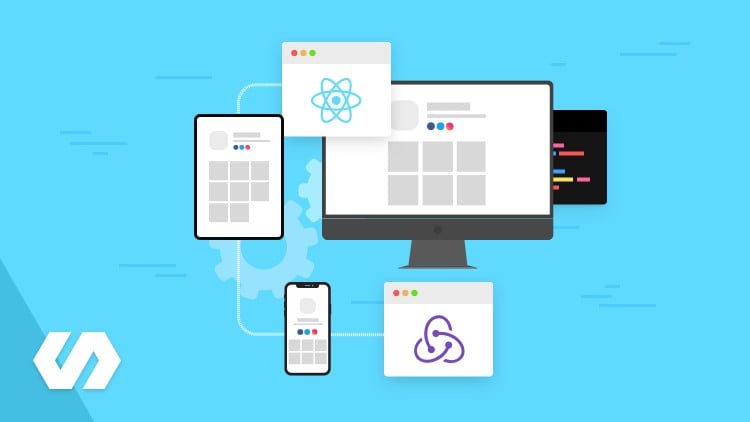
Modern React with Redux [2024 Update]
Last updated 11/2024
MP4 | Video: h264, 1280x720 | Audio: AAC, 44.1 KHz, 2 Ch Language: English | Duration: 75h 51m | Size: 24 GB

Master React and Redux. Apply modern design patterns to build apps with React Router, TailwindCSS, Context, and Hooks!


What you'll learn
Create dynamic web apps using the latest in web technology
Acquire the programming skills needed to obtain a software engineering job
Practice your skills with many large projects, exercises, and quizzes
Implement client-side navigation and routing using React Router for seamless multi-page user experiences
Leverage the power of TypeScript with React for safer coding practices and reducing runtime errors
Master form handling techniques, including robust validation patterns to improve user input experience
Get a deep dive into state management with Redux and the Redux Toolkit to manage complex app states effortlessly
Gain proficiency in handling API requests and managing data flow in your applications
Enhance application performance with immutable state management using Immer
Develop dynamic and responsive data tables to display, sort, and filter large datasets efficiently
Streamline your development process by integrating TailwindCSS for rapid UI development

Requirements
A Mac or Windows Computer

Description
This course gets updated frequently! Here are the latest changesFebruary 21st, 2024: Added 2.5 hours of video showing routing and data loading with React RouterFebruary 12th, 2024: Added 1 hour of video to demonstrate integrating Typescript with ReactFebruary 5th, 2024: Added 2.25 hours of video and 5 quizzes covering the basics of TypescriptCongratulations! You've found the most popular, most complete, and most up-to-date resource online for learning React and Redux!Thousands of other engineers have learned React and Redux, and you can too. This course uses a time-tested, battle-proven method to make sure you understand exactly how React and Redux work, and will get you a new job working as a software engineer or help you build that app you've always been dreaming about.The difference between this course and all the others: you will understand the design patterns used by top companies to build massively popular web apps.React is the most popular Javascript library, and the job market is still hotter than ever. Companies large and small can't hire engineers who understand React and Redux fast enough, and salaries for engineers are at an all-time high. It's a great time to learn React!___________________What will you build?This course features hundreds of videos with hundreds of custom diagrams to help you understand how React and Redux work. No prior experience with either is necessary. Through tireless, patient explanations and many interesting practical examples, you'll learn the fundamentals of building dynamic and live web apps using React.Each topic included in this course is added incrementally, to make sure that you have a solid foundation of knowledge. You'll find plenty of discussion added in to help you understand exactly when and where to use each feature of React and Redux.Adding to your experience, the course shows modern techniques and tools, equipping you with the latest skills needed for the dynamic web development landscape. You'll get hands-on experience with cutting-edge features like Context API for state management, TailwindCSS for styling, React Router for navigation, and Typescript to add type safety to your React apps. This holistic approach ensures not only do you learn React and Redux but also the surrounding ecosystem that makes modern web development efficient and enjoyable.Practical projects are at the heart of this learning experience. By integrating APIs, managing app state with Redux, and using React Hooks for component lifecycle management, you'll have the opportunity to build applications that are both complex and high-performing. These projects are designed to simulate real-world web development scenarios, preparing you for the challenges that professional developers face daily.My guarantee to you: there is no other course online that teaches more features of React and Redux Toolkit. This is the most comprehensive resource there is.Below is a partial list of the topics you'll find in this course:Master the fundamental features of React, including JSX, state, and propsFrom square one, understand how to build reusable componentsDive into the source code of Redux to understand how it works behind the scenesTest your knowledge and hone your skills with numerous coding exercisesUse popular styling libraries to build beautiful appsSee different methods of building UI's through composition of componentsIntegrate Redux Toolkit for efficient state managementLeverage React Hooks for more intuitive component logicManage app-wide state with the Context API for simpler global stateStyle components with TailwindCSS for rapid UI developmentUtilize TypeScript with React for safer and more predictable codeImplement navigation within your app with React RouterUtilize Redux with forms for consistent state updates and user experienceLearn to use portals for rendering components outside the DOM hierarchyDevelop and interact with APIs for data-driven applicationsMaster the implementation of data tables to handle and display large sets of dataGet to grips with Immer for writing reducers with easeBesides just React and Redux, you'll pick up countless other tidbits of knowledge, including design techniques, popular design patterns, and repeatable steps to build new components.This is the course I wanted to take when I first learned React: complete, up-to-date, and clear.

Who this course is for
Programmers looking to learn React
Engineers who have researched React but have had trouble mastering some concepts


Homepage

539107009_modern_react_with_redux_2024_update.jpg


Download from RapidGator


Download from Keep2Share


Premium Links


342032e3a8a77e28e5cf38b3704d7d75.jpg


Red Hat Certified System Administrator (RHCSA) EX200 Prep (2024)
Published 12/2024
MP4 | Video: h264, 1920x1080 | Audio: AAC, 44.1 KHz
Language: English | Size: 24.53 GB | Duration: 49h 33m

Master Linux System Administration: RHCSA EX200 Preparation with LVM, SELinux, Networking, Automation, Virtualization..


What you'll learn
Prepare for the RHCSA Exam: Familiarize yourself with RHCSA EX200 exam objectives and guidelines to confidently attempt the certification.
Understand Linux Fundamentals: Gain foundational knowledge of Linux, including its installation, setup, and basic operations.
Navigate Linux Command Line: Develop proficiency in using essential Linux commands to perform administrative tasks effectively.
Manage Users and Groups: Learn how to create, manage, and secure user accounts, configure password policies, and administer user groups.
Configure File Systems: Master file permissions, Access Control Lists (ACLs), and special permissions to secure data in a Linux environment.
Work with Logical Volume Management (LVM): Understand how to create, extend, and reduce LVM volumes safely without data loss.
Set Up and Use Administrative Tools: Learn to configure tools like SSH for secure remote access and Syslog for system logging and monitoring.
Perform Data Management Tasks: Gain skills in archiving, compressing files, and using tools like RPM and SCP for package and file management.
Automate System Tasks: Use cron and crontab to schedule and automate regular administrative tasks.
Manage Processes and Enhance Security: Learn to list, manage, and optimize Linux processes while securing the system using SELinux.
Understand Linux Networking: Configure and manage Linux networking using commands like nmcli and nmtui and GUI-based network settings.
Edit and Redirect Files: Use text editors like vi, vim, and nano to modify files, and redirect command outputs for effective file management.
Optimize System Performance: Explore the RHEL boot process, manage Linux links, and configure swap memory for system optimization.
Handle Advanced System Administration: Learn to use systemctl, configure firewalls, perform kernel upgrades, and manage Linux virtualization.
Apply Real-World Skills: Gain hands-on experience in Linux system administration tasks essential for professional environments.

Requirements
Enthusiasm and determination to make your mark on the world!

Description
A warm welcome to the Red Hat Certified System Administrator (RHCSA) EX200 Prep course by Uplatz.The Red Hat Certified System Administrator (RHCSA) EX200 exam is a hands-on certification exam that tests your ability to perform core system administration tasks on Red Hat Enterprise Linux (RHEL) systems. It is a globally recognized credential for professionals who want to demonstrate their Linux system administration skills.Exam ObjectivesThe RHCSA exam assesses your skills and knowledge in the following domains:Understand and Use Essential ToolsUse shell prompts and scripts.Access command-line help and documentation.Use file management tools to create, view, copy, move, and delete files and directories.Archive and compress files with tar, gzip, and other utilities.Redirect text streams and use pipelines.Operate Running SystemsBoot, reboot, and shut down systems.Identify processes and manage them.Monitor system performance.Use systemctl to manage system services.Configure local storage using partitions and logical volumes.Configure Local StorageCreate and manage logical volumes.Configure file systems and mount points.Use Access Control Lists (ACLs) to secure files.Create and Configure File SystemsCreate, mount, and unmount file systems.Use ext4, xfs, and vfat file systems.Configure file system permissions, ownership, and SELinux security contexts.Deploy, Configure, and Maintain SystemsInstall RHEL and configure basic networking.Configure static IP addresses.Set hostname and resolve DNS.Update and manage software packages using YUM/DNF.Manage Users and GroupsAdd, delete, and modify user accounts and groups.Configure password aging policies.Set up user limits and configure sudo access.Manage SecurityImplement SELinux rules and troubleshoot issues.Configure firewalls using firewalld.Automate System Administration TasksSchedule tasks using cron and at commands.Exam FormatDuration: 3 hoursFormat: Performance-based, hands-on tasks on live systems.Delivery: In-person at a Red Hat or authorized testing partner facility, or remotely via the Remote Exam option.Eligibility and PrerequisitesNo formal prerequisites, but it is recommended that candidates complete the Red Hat System Administration I (RH124) and Red Hat System Administration II (RH134) courses.Basic knowledge of Linux command-line and system administration is helpful.Skills ValidationCandidates must demonstrate their ability to perform tasks like system installation, network configuration, storage setup, security management, and troubleshooting.ScoringThe exam is scored out of 300 points, with a minimum passing score of 210 (70%).Results are emailed within 3 business days.LanguagesThe exam is offered in English, and other languages may be available depending on the testing center.Validity and RecertificationThe RHCSA certification is valid for 3 years.To maintain certification, candidates can retake the exam or pursue higher certifications like RHCE (Red Hat Certified Engineer).Registration and CostExam Fee: Varies by location, typically between $400 and $600 USD.Registration: Through the Red Hat website or authorized training partners.Exam Preparation TipsPractice all hands-on tasks listed in the exam objectives.Familiarize yourself with the RHEL environment.Learn from the EX200 certification preparatory courses like this one.Use Red Hat's official training materials and practice labs.Review documentation and practice command-line troubleshooting.Simulate exam scenarios to ensure you're comfortable completing tasks within time constraints.Key Benefits of Red Hat Certified System Administrator (RHCSA) CertificationGlobally Recognized CredentialThe RHCSA certification is a widely recognized and respected credential in the IT industry, validating your expertise in Linux system administration.Career AdvancementOpens doors to high-demand roles like System Administrator, Linux Administrator, DevOps Engineer, and Cloud Engineer.Increased Earning PotentialCertified professionals often earn higher salaries than their non-certified peers due to their validated skillset.Enhanced Technical SkillsBuilds hands-on expertise in Linux system administration, including storage management, networking, security, and task automation.Foundation for Advanced CertificationsServes as a stepping stone for advanced certifications like Red Hat Certified Engineer (RHCE) and Red Hat Certified Architect (RHCA).Job Market RelevanceEmployers prioritize candidates with RHCSA certification for Linux-related roles, ensuring job market relevance.Validated Hands-On ExperienceThe performance-based exam ensures that certified individuals can perform real-world tasks, boosting employer confidence in your abilities.Preparation for Hybrid Cloud RolesLinux is the backbone of most cloud platforms. RHCSA certification prepares you to work effectively in hybrid cloud environments.Improved Troubleshooting SkillsCertification training emphasizes troubleshooting and problem-solving, enabling you to resolve complex system issues efficiently.Recognition in Open-Source CommunitiesDemonstrates your commitment to open-source technologies and positions you as a proficient Linux professional in the community.Support for Enterprise SystemsRed Hat Enterprise Linux (RHEL) is widely used in enterprise IT environments. The certification equips you to support and manage enterprise-grade systems.Confidence in System AdministrationProvides in-depth knowledge and practical experience, enhancing your confidence in managing and securing Linux systems.Vendor-Neutral SkillsWhile it focuses on RHEL, the skills learned are transferable to other Linux distributions like Ubuntu, CentOS, and SUSE.Better Networking OpportunitiesBecoming certified connects you with a community of professionals and organizations that value Red Hat certifications.Boost in Organizational ValueEmployers often invest in RHCSA-certified professionals to improve team capabilities and reduce reliance on external support.Preparation for Automation and DevOps RolesRHCSA builds foundational skills for automating administrative tasks, which are crucial for DevOps and modern IT workflows.This certification is an excellent choice for IT professionals aiming to advance their careers in Linux system administration or related fields.Red Hat Certified System Administrator (RHCSA) EX200 Prep - Course Curriculum1. Course IntroductionCourse OverviewIntroduction to LinuxSetting Up the RHCSA Practice Lab2. System Installation and ConfigurationLinux InstallationHow to Access Linux Server3. Basic Linux OperationsGetting Started with Linux CommandsCommon Linux Commands4. User and Group AdministrationLinux User AdministrationLinux Password PolicyYUM Repository ConfigurationCreating Groups and Setting Group Passwords5. File System ManagementLinux File PermissionsAccess Control List (ACL)Special File PermissionsSudo User AccessHow to Create Partitions in LinuxDeleting Linux Partitions6. Logical Volume Management (LVM)Introduction to LVM (Logical Volume Manager)Extending LVM VolumesExtending LVM Without Data LossReducing LVM VolumesReducing LVM Without Data Loss7. System Administration ToolsHow to Get Help From CLIInstalling and Configuring SSHSyslog Server in Linux8. Data ManagementArchiving and Compressing FilesRPM (Red Hat Package Manager)SCP Command (Secure Copy)9. Task AutomationAutomating Regular Tasks Using Cron and Crontab10. Process and Security ManagementListing and Managing Linux ProcessesSELinux (Security Enhanced Linux)Regular Expressions with Grep Command11. Networking in LinuxLinux Networking BasicsNmcli Command Line NetworkingNmtui (Text-Based User Interface)Network Settings Using GUI12. File Redirection and Text EditingRedirecting Command Output to a Filevi and vim (World's Best Text Editors)Nano Text Editor13. System Management and OptimizationRHEL Boot ProcessLinux Soft and Hard LinksSwap Memory14. Advanced System AdministrationSystemctl CommandFirewall ConfigurationKernel UpgradesLinux Virtualization15. Exam PreparationOverview of RHCSA 8RHCSA EX200 Exam Guidance

Overview
Section 1: RHCSA EX-200 Course Overview

Lecture 1 RHCSA EX-200 Course Overview

Section 2: Introduction to Linux

Lecture 2 Introduction to Linux

Section 3: How to Setup RHCSA Practice Lab

Lecture 3 Part 1 - How to Setup RHCSA Practice Lab

Lecture 4 Part 2 - How to Setup RHCSA Practice Lab

Section 4: Practical Lab Setup by using Vagrant, Oracle Virtual Box and its Latest

Lecture 5 Practical Lab Setup by using Vagrant, Oracle Virtual Box and its Latest

Section 5: Linux Commands

Lecture 6 Linux Commands

Section 6: Advanced Linux Commands

Lecture 7 Advanced Linux Commands

Section 7: Linux User Administration

Lecture 8 Linux User Administration

Section 8: Linux Password Policy

Lecture 9 Linux Password Policy

Section 9: YUM Repository Configuration

Lecture 10 YUM Repository Configuration

Section 10: Create Groups and Set Group Password

Lecture 11 Create Groups and Set Group Password

Section 11: Linux File Permissions

Lecture 12 Linux File Permissions

Section 12: Access Control List (ACL)

Lecture 13 Access Control List (ACL)

Section 13: Special File Permissions

Lecture 14 Part 1 - Special File Permissions

Lecture 15 Part 2 - Special File Permissions

Section 14: SUDO User Access

Lecture 16 Part 1 - SUDO User Access

Lecture 17 Part 2 - SUDO User Access

Section 15: Disk Partitioning - Creating Standard Partitions

Lecture 18 Disk Partitioning - Creating Standard Partitions

Section 16: Advanced Disk Partitioning Techniques

Lecture 19 Advanced Disk Partitioning Techniques

Section 17: Delete Linux Partitions

Lecture 20 Delete Linux Partitions

Section 18: LVM - Logical Volume Manager

Lecture 21 LVM - Logical Volume Manager

Section 19: LVM Extend

Lecture 22 LVM Extend

Section 20: LVM Reduce

Lecture 23 LVM Reduce

Section 21: How to get Help from the CLI

Lecture 24 How to get Help from the CLI

Section 22: Open SSH Server & Client Configuration

Lecture 25 Open SSH Server & Client Configuration

Section 23: Understanding Secure File Transfer Protocols

Lecture 26 Understanding Secure File Transfer Protocols

Section 24: How to Install and Configure SSH

Lecture 27 How to Install and Configure SSH

Section 25: Syslog Server in Linux

Lecture 28 Syslog Server in Linux

Section 26: Archiving and Compressing Files

Lecture 29 Archiving and Compressing Files

Section 27: RPM - Red Hat Package Manager

Lecture 30 RPM - Red Hat Package Manager

Section 28: Automating Regular Tasks using cron and crontab

Lecture 31 Part 1 - Automating Regular Tasks using cron and crontab

Lecture 32 Part 2 - Automating Regular Tasks using cron and crontab

Section 29: Listing and Managing Linux Processes

Lecture 33 Listing and Managing Linux Processes

Section 30: SELinux - Security-Enhanced Linux

Lecture 34 SELinux - Security-Enhanced Linux

Section 31: Regular Expressions with grep Commands

Lecture 35 Regular Expressions with grep Commands

Section 32: Text Processing in Linux

Lecture 36 Text Processing in Linux

Section 33: Linux Networking

Lecture 37 Linux Networking

Section 34: nmcli - NetworkManager Command-Line Interface

Lecture 38 nmcli - NetworkManager Command-Line Interface

Section 35: nmtui - NetworkManager Text User Interface

Lecture 39 Part 1 - nmtui - NetworkManager Text User Interface

Lecture 40 Part 2 - nmtui - NetworkManager Text User Interface

Section 36: Network Settings using GUI

Lecture 41 Network Settings using GUI

Section 37: Redirect Command Output to File

Lecture 42 Redirect Command Output to File

Section 38: vi and vm Text Editors

Lecture 43 Part 1 - vi and vm Text Editors

Lecture 44 Part 2 - vi and vm Text Editors

Section 39: vi and vm - World Best Text Editors

Lecture 45 vi and vm - World Best Text Editors

Section 40: Nano Text Editor

Lecture 46 Nano Text Editor

Section 41: Linux Soft and Hard Link

Lecture 47 Linux Soft and Hard Link

Section 42: Swap Memory

Lecture 48 Swap Memory

Section 43: SCP - Secure Copy Protocol

Lecture 49 SCP - Secure Copy Protocol

Section 44: systemctl

Lecture 50 systemctl

Section 45: Firewall Configuration

Lecture 51 Part 1 - Firewall Configuration

Lecture 52 Part 2 - Firewall Configuration

Section 46: Upgrade Linux

Lecture 53 Upgrade Linux

Section 47: Linux Virtualization

Lecture 54 Linux Virtualization

System Administrators: Professionals managing Linux systems who aim to enhance their expertise or gain formal recognition.,Linux Enthusiasts: Individuals passionate about Linux and open-source technologies who want to deepen their knowledge.,IT Professionals: Individuals working in IT who want to validate their system administration skills with a recognized certification.,Entry-Level IT Administrators: Those starting their careers in IT system administration and seeking foundational Linux skills.,Network Engineers: Engineers transitioning to system administration roles involving Linux systems.,Developers and DevOps Engineers: Developers or DevOps professionals looking to understand and manage Linux-based environments.,Cloud Engineers: Professionals working with cloud platforms that require Linux administration skills.,Technical Support Engineers: Support staff handling Linux-related queries and looking to improve troubleshooting capabilities.,Students and Recent Graduates: Individuals preparing for careers in Linux system administration or aiming to enhance their resumes with certifications.,Professionals Pursuing Advanced Red Hat Certifications: Those intending to pursue advanced Red Hat certifications like RHCE (Red Hat Certified Engineer) or RHCA (Red Hat Certified Architect).,Corporate Teams: Organizations looking to upskill their IT teams for better Linux system management.,Career Changers: Professionals transitioning to IT or system administration roles.,Freelancers and Consultants: Independent professionals seeking to establish credibility in Linux system administration.


539641380_red_hat_certified_system_administrator_rhcsa_ex200_prep.jpg


Download from RapidGator


Download from Keep2Share


Premium Links


7162a5a3d2cb95d4dce7790011f800fb.jpg


Foundations Of SignaLR
Published 12/2024
MP4 | Video: h264, 1920x1080 | Audio: AAC, 44.1 KHz
Language: English | Size: 21.91 GB | Duration: 30h 4m

Learn to create professional, real-time chat applications and scale with SignalR technology!


What you'll learn
Understanding SignalR Fundamentals: Learn the core concepts, architecture, and lifecycle of SignalR.
Building Real-Time Applications: Develop dynamic group chat applications with real-time communication capabilities.
Advanced Project Development: Implement features inspired by WhatsApp Web, including media sharing, group management, and database integration.
Optimizing Applications: Master debugging and tracing techniques to troubleshoot SignalR applications.
Learn to scale SignalR solutions for larger, high-performance applications.

Requirements
Basic C# Programming Skills: Understanding fundamental programming constructs in C#.
Web Development Knowledge: Familiarity with HTML, CSS, and JavaScript is essential.
Database Understanding: A basic understanding of databases, with SQL Server being the preferred option.

Description
Introduction:SignalR is a cutting-edge library from Microsoft that simplifies the process of creating real-time applications. This comprehensive course takes you on a journey through the fundamentals, advanced implementations, and real-world projects using SignalR. By the end, you'll be equipped to develop interactive, scalable, and efficient applications akin to WhatsApp Web.Section 1: Foundations of SignalRThis section introduces you to the basics of SignalR, including its underlying technologies, benefits, and how it works. Starting with an overview of SignalR's lifecycle, we'll explore practical applications like creating a group chat application. Core concepts such as Microsoft OWIN, hubs, and API-level connections are covered in depth, enabling students to build foundational knowledge. Interactive examples, including debugging and tracing, ensure a hands-on learning experience.Section 2: Advanced SignalR Projects - Building a WhatsApp-like Chat ApplicationDelve into a complete project to design and develop a professional chat application with features like group management, user authentication, message persistence, and media sharing. Learn how to architect the application using repositories, handle database connections, and implement scalable real-time communication. We will also integrate WCF services and explore advanced SignalR functionalities such as connection tracking, tracing, and debugging.Section 3: Advanced Group Management and Media Handling with SignalRExplore SignalR's potential for group management and media sharing. This section focuses on designing and managing chat groups, adding media capabilities, and creating robust functionalities like admin roles and toggling user statuses. You'll also learn advanced techniques for hub authorization, scaling out SignalR applications, and implementing custom hubs for added security.Conclusion:By the end of this course, students will have mastered SignalR, from understanding its basics to implementing complex, real-world projects. This knowledge will enable you to build interactive, real-time applications for various platforms confidently.

Aspiring Developers: Those eager to learn real-time application development techniques.,Web Developers: Professionals seeking to expand their skill set with SignalR and real-time web solutions.,Tech Enthusiasts: Students and professionals interested in hands-on learning to build scalable, real-time communication systems.


539610162_foundations_of_signalr.jpg


Download from RapidGator


Download from Keep2Share


Premium Links


c5f9a7850d8fa8187eebd45dccfbaddd.jpg


Complete Human Figure Anatomy Drawing Course HD
Last updated 3/2024
Created by Riven Phoenix
MP4 | Video: h264, 1280x720 | Audio: AAC, 44.1 KHz, 2 Ch Level: Beginner | Genre: eLearning | Language: English | Duration: 244 Lectures ( 92h 3m ) | Size: 41.4 GB

Learn to Draw the Human Figure from your Mind Step-by-Step using a Proven Drawing System that Works for Artists


What you'll learn
At the end of this course you will be able to draw human figures for all types of artwork
You will know all the bones and muscles of the human figure

Requirements
You will need an HB pencil of your choice and a sketchbook to keep all drawings in one place

Description
You Can Learn How To Draw Human Figure Anatomy Today!Proven Step-by-Step System Anyone Can Follow To Draw From The MindAs an artist, learning how to draw the human figure is a crucial skill that will not only improve your art, but also allow you to express your creativity in new and exciting ways. The Complete Human Figure Anatomy Drawing Course HD is the perfect resource to help you master this skill. With 92 hours of expertly-crafted tutorials and 243 drawing lessons, you'll learn everything you need to know about drawing human figures, from the ground up.Whether you're a beginner or an experienced artist, this course has something for you. You'll start by creating your own figure drawing reference guides and sketching out the various muscles and surface anatomy of the human figure. As you progress through the course, you'll learn how to draw a variety of poses, including male and female action poses, and master the art of figure sketching.With the help of this course, you'll be able to confidently create beautiful and accurate drawings of the human figure. Not only will this course help you improve your artistic skills, but it's also designed to be enjoyable and rewarding. You'll feel a sense of accomplishment as you work through each lesson and see your skills improve over time. And with over 172 countries represented among its students, you'll be joining a community of artists from around the world who are also working to master the art of figure drawing.So don't let this opportunity pass you by - invest in yourself and your artistic journey today by signing up for The Complete Human Figure Anatomy Drawing Course HD. With its easy-to-follow lessons and expert guidance, you'll be well on your way to creating stunning, expressive drawings of the human figure.As an artist, the ability to accurately draw the human figure is a valuable asset that will serve you well throughout your career. Whether you're an illustrator, a concept artist, or just enjoy creating art for personal expression, being able to draw the human form with accuracy and skill is an essential part of the creative process.That's why The Complete Human Figure Anatomy Drawing Course HD is such a valuable resource. This comprehensive course covers everything you need to know about drawing the human figure, from the basic anatomy and proportions to more advanced concepts like action poses and figure sketching. With over 92 hours of content and 243 lessons, you'll have plenty of material to work with and lots of opportunities to practice and improve your skills.So why wait? Start your journey towards becoming a master artist today by signing up for The Complete Human Figure Anatomy Drawing Course HD. You won't regret it!Here are a few Testimonials from our site:"When it comes to the human body this is perhaps the greatest video instructional series that I have ever seen." - BlenderNation"This course is an excellent hands-on detailed walk through the process of drawing the human figure based on a systematic structure of anatomical study, and a solid foundation for serious figure drawing" - Gerrit Verstraete, founder, Drawing Society of Canada." I am in awe of how well the Lessons taught me the invention of the figure, and how deeply seated that information now is in my mind." - Diane Kraus (Illustrator)"The training included on 'The Complete Human Figure Anatomy Drawing Course HD' is nothing short of remarkable. I am not even halfway through this (stunningly) comprehensive series of anatomy drawing videos, and I would urge anyone with the slightest interest in fine art to invest in this training without hesitation" - Jimmy S. (Multimedia Producer/Visual Effects Artist)"I learned more usable knowledge in the first 7 Lessons than all the other books combined." - -Bryan Bray (Management is my day job. Web Design and Graphic Design is my love.)

Who this course is for
This course is designed for all artists
This course is also designed for artists who wish to understand human figure drawing for illustration


539356239_complete_human_figure_anatomy_drawing_course_hd.jpg


Download from RapidGator


Download from Keep2Share


Premium Links


0062397ca51f44dc192eeb5634174f6c.jpg


Cyber Security SOC Analyst Training - SIEM (Splunk)
Last updated 11/2024
Created by Raghavendra Boya
MP4 | Video: h264, 1280x720 | Audio: AAC, 44.1 KHz, 2 Ch Level: All | Genre: eLearning | Language: English + subtitle | Duration: 87 Lectures ( 87h 29m ) | Size: 35 GB

[ eLearninfosec ] SOC Analyst training - Interview Questions also included -Its hands on experience on splunk SIEM


What you'll learn
Student will gain the knowledge of Networking, Cyber Security and SOC analyst role activities content with hands on practicals

Requirements
There are no course prerequisites. You should know how to use internet and computer

Description
Cyber Security SOC analyst training Splunk (SIEM) For those who are aspiring to certify themselves as well as enhance their knowledge and skills on becoming a SOC analyst. This course is specially designed for all level of interested candidates who wants get in to SOC.Work of a SOC analyst?A Security Operation Center Analyst is primarily responsible for all activities that occur within the SOC. Analysts in Security Operations work with Security Engineers and SOC Managers to give situational awareness via detection, containment, and remediation of IT threats. With the increment in cyber threats and hacks, businesses are becoming more vulnerable to threats. This has significantly enhanced the importance of a SOC Analyst. For those in cybersecurity, it can be a dynamic role. SOC Analysts cooperate with other team members to detect and respond to information security incidents, develop and follow security events such as alerts, and engage in security investigations.Furthermore, SOC Analysts analyze and react to undisclosed hardware and software vulnerabilities. They also examine reports on security issues and act as 'security advisors' for an organization.This course helps you to learn and implement those strategies and with training provided. This will in turn help you play a significant role in defending against cyber threats and keeping sensitive information secure.

Who this course is for
Students who are interested in Cyber security


539350559_cyber_security_soc_analyst_training_-_siem_splunk.jpg


Download from RapidGator


Download from Keep2Share


Premium Links


Zurück
Oben Unten