• Regeln für den Video-Bereich:

    In den Börsenbereich gehören nur Angebote die bereits den Allgemeinen Regeln entsprechen.

    Einteilung

    - Folgende Formate gehören in die angegeben Bereiche:
    - Filme: Encodierte Filme von BluRay, DVD, R5, TV, Screener sowie Telesyncs im Format DivX, XviD und x264.
    - DVD: Filme im Format DVD5, DVD9 und HD2DVD.
    - HD: Encodierte Filme mit der Auflösung 720p oder darüber von BluRay, DVD, R5, TV, Screener sowie Telesyncs im Format x264.
    - 3D: Encodierte Filme von BluRay, die in einem 3D Format vorliegen. Dies gilt auch für Dokus, Animation usw.
    - Serien: Cartoon/Zeichentrick, Anime, Tutorials, Dokumentationen, Konzerte/Musik, Sonstiges sind demnach in die entsprechenden Bereiche einzuordnen, auch wenn sie beispielsweise im High Definition-Format oder als DVD5/DVD9/HD2DVD vorliegen. Ausnahme 3D.
    - Bereich Englisch: Englische Releases gehören immer in diesen Bereich.
    - Bereich Talk: Der Bereich, in dem über die Releases diskutiert werden kann, darf, soll und erwünscht ist.


    Angebot/Beitrag erstellen

    - Ein Beitrag darf erst dann erstellt werden, wenn der Upload bei mindestens einem OCH komplett ist. Platzhalter sind untersagt.
    - Bei einem Scenerelease hat der Threadtitel ausschließlich aus dem originalen, unveränderten Releasenamen zu bestehen. Es dürfen keine Veränderungen wie z.B. Sterne, kleine Buchstaben o.ä. vorgenommen werden. Ausnahme Serienbörse:
    - Bei einem Sammelthread für eine Staffel entfällt aus dem Releasename natürlich der Name der Folge. Beispiel: Die Simpsons S21 German DVDRip XviD - ITG
    - Dementsprechend sind also u.a. verboten: Erweiterungen wie "Tipp", "empfehlenswert", "only", "reup", usw. / jegliche andere Zusatzinformation oder Ergänzung, welche nicht in obiger Beschreibung zu finden ist.

    Aufbau des Angebots und Threadtitel

    Der Titel nach folgendem Muster erstellt zu werden. <Name> [3D] [Staffel] [German] <Jahr> <Tonspur> [DL] [Auflösung] <Quelle> <Codec> - <Group>
    Beispiel: The Dark Knight German 2008 AC3 DVDRip XviD - iND
    Beispiel: The Dark Knight 2008 DTS DL BDRip x264 - iND
    Beispiel: The Dark Knight 2008 AC3 DL BDRip XviD - iND
    Beispiel: The Dark Knight German 2008 AC3 720p BluRay x264 iND
    Beispiel: The Dark Knight 2008 DTS DL 1080p BluRay x264 iND
    Beispiel: Die Simpsons S01 German AC3 DVDRip XviD iND
    Beispiel: Die Simpsons S20 German AC3 720p BluRay x264 iND
    Beispiel: Sword Art Online II Ger Sub 2014 AAC 1080p WEBRip x264 - peppermint
    Entsprechend sind also u.a. verboten: Sonderzeichen wie Klammern, Sterne, Ausrufezeichen, Unterstriche, Anführungszeichen / Erweiterungen wie "Tipp", "empfehlenswert", "only", "reup", usw. / jegliche andere Zusatzinformation oder Ergänzung, welche nicht in obiger Beschreibung zu finden ist
    Ausnahmen hiervon können in den Bereichen geregelt sein.

    Die Beiträge sollen wie folgt aufgebaut werden:
    Überschrift entspricht dem Threadtitel
    Cover
    kurze Inhaltsbeschreibung
    Format, Größe, Dauer sind gut lesbar für Downloader außerhalb des Spoilers zu vermerken
    Nfo sind immer Anzugeben und selbige immer im Spoiler in Textform.
    Sind keine Nfo vorhanden z.B. Eigenpublikationen, sind im Spoiler folgende Dateiinformationen zusätzlich anzugeben :
    Quelle
    Video (Auflösung und Bitrate)
    Ton (Sprache, Format und Bitrate der einzelnen Spuren)
    Untertitel (sofern vorhanden)
    Hosterangabe in Textform außerhalb eines Spoiler mit allen enthaltenen Hostern.
    Bei SD kann auf diese zusätzlichen Dateiinformationen verzichtet werden.

    Alle benötigten Passwörter sind, sofern vorhanden, in Textform im Angebot anzugeben.
    Spoiler im Spoiler mit Kommentaren :"Schon Bedankt?" sind unerwünscht.


    Releases

    - Sind Retail-Release verfügbar, sind alle anderen Variationen untersagt. Ausnahmen: Alle deutschen Retail-Release sind CUT, in diesem Fall sind dubbed UNCUT-Release zulässig.
    - Im Serien-Bereich gilt speziell: Wenn ein Retail vor Abschluss einer laufenden Staffel erscheint, darf diese Staffel noch zu Ende gebracht werden.62
    - Gleiche Releases sind unbedingt zusammenzufassen. Das bedeutet, es ist zwingend erforderlich, vor dem Erstellen eines Themas per Suchfunktion zu überprüfen, ob bereits ein Beitrag mit demselben Release besteht. Ist dies der Fall, ist der bereits vorhandene Beitrag zu verwenden.
    - P2P und Scene Releases dürfen nicht verändert oder gar unter einem iND Tag eingestellt werden.


    Support, Diskussionen und Suche

    - Supportanfragen sind entweder per PN oder im Bereich Talk zu stellen.
    - Diskussionen und Bewertungen sind im Talk Bereich zu führen. Fragen an die Uploader haben ausschließlich via PN zu erfolgen, und sind in den Angeboten untersagt.
    - Anfragen zu Upload-Wünschen sind nur im Bereich Suche Video erlaubt. Antworten dürfen nur auf Angebote von MyBoerse.bz verlinkt werden.


    Verbote

    - Untersagt sind mehrere Formate in einem einzigen Angebotsthread, wie beispielsweise das gleichzeitige Anbieten von DivX/XviD, 720p und 1080p in einem Thread. Pro Format, Release und Auflösung ist ein eigener Thread zu eröffnen.
    - Grundsätzlich ebenso verboten sind Dupes. Uploader haben sich an geeigneter Stelle darüber zu informieren, ob es sich bei einem Release um ein Dupe handelt.
    - Gefakte, nur teilweise lauffähige oder unvollständige Angebote sind untersagt. Dies gilt auch für eigene Publikationen, die augenscheinlich nicht selbst von z.B. einer DVD gerippt wurden. Laufende Serien, bei denen noch nicht alle Folgen verfügbar sind, dürfen erstellt und regelmäßig geupdatet werden.
    - Untersagt sind Angebote, welche nur und ausschließlich in einer anderen Sprache als deutsch oder englisch vorliegen. Ausnahmen sind VORHER mit den Moderatoren zu klären.


    Verstoß gegen die Regeln

    - Angebote oder Beiträge, die gegen die Forenregeln verstoßen, sind über den "Melden"-Button im Beitrag zu melden.
  • Bitte registriere dich zunächst um Beiträge zu verfassen und externe Links aufzurufen.

*** Bestes IPTV *** bester Preis *** gratis Test ***


Englische Tutorials

c4e562066f3b489e5d9e14870c7b81b9.jpg


MasterClass - A Sommelier's Snob-Free Guide to Wine with Emily Wines
.MP4, AVC, 1920x1080, 24 fps | English, AAC, 2 Ch | 1 h 17 m | 2.4 GB

Master Sommelier Emily Wines debunks myths, ditches snobbery, and empowers you to confidently pick, pair, and pour like a pro.


539559992_a-sommelier-s-snob-free-guide-to-wine-with-emily-wines_s.jpg


25f60f8bfef1684e97a7fba808a894a7.jpg


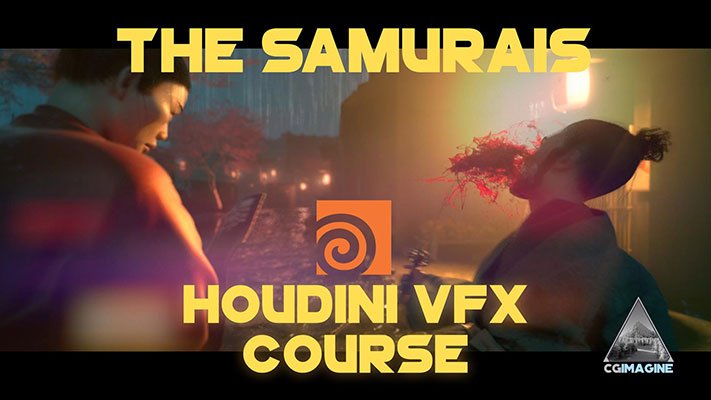
Epic VFX Creation with Houdini: The Samurais' Secrets
Diogo Guerreiro | Duration: 10:52 h | Video: H264 1920x1080 | Audio: AAC 44,1 kHz 2ch | 25,7 GB | Language: English

Explore "The Samurais," an extraordinary journey into the world of visual effects (VFX) using Houdini. This course transcends the basics, taking you from the serene ambiance of falling rain to the intense dynamics of battle scenes, revealing techniques and secrets reserved for the industry's pros. Under the guidance of Diogo Guerreiro, a Senior FX Artist at MPC in Montreal, you'll push the boundaries of your creative abilities and transform your visions into breathtaking realities with unparalleled precision and artistry.

This immersive experience is not just about mastering Houdini; it's a pathway to becoming a consummate pro-FX artist. Diogo invites you to interact directly with him on his Discord Channel, offering a unique opportunity to connect, ask questions, and share insights with fellow enthusiasts and the instructor himself.

Main Takeaways:

• Master procedural stone road creation for dynamic scenes.
• Create realistic rain FX, including splashes, drips, and their interactions with characters and buildings.
• Generate ripple effects from rain and character movements in puddles.
• Learn the art of retiming FX and character motion for cinematic impact.
• Craft detailed skin laceration and blood burst effects for heightened realism.
• Discover procedural skin cut techniques with material X for intricate VFX.
• Utilize Vellum and Flip to design comprehensive decapitation FX.
• Explore advanced rendering setups with Solaris and Karma XPU for professional-quality outputs.

Homepage


539557808_28-recache-decapitation_s.jpg


80168b0bbad29632db43da7a1c902b06.jpg


Data Science Bundle: 180 Hands-On Projects - Course 2 of 3
Last updated 9/2024
MP4 | Video: h264, 1280x720 | Audio: AAC, 44.1 KHz, 2 Ch Language: English | Duration: 42h 14m | Size: 20 GB

Build & Deploy 180 Projects - Data Science, Machine Learning, Deep Learning (Python, Flask, Django, AWS, Azure Cloud)


What you'll learn
Master the essentials of Machine Learning using Python, the go-to language for Data Science.
Learn to build robust Machine Learning models that can withstand real-world uncertainties.
Gain insights into the end-to-end product workflow of the Machine Learning lifecycle, ensuring you understand each phase deeply.
Acquire the skills needed to deploy Machine Learning models, making them functional in a live environment.
Develop a strong intuition for choosing the right Machine Learning models for different tasks.
Empower yourself to conduct powerful data analyses that can drive decision-making processes.
Learn data-cleaning techniques to handle and remove outliers, ensuring data quality.
Equip yourself with skills that are in high demand, increasing your chances of getting hired as a Data Scientist.

Requirements
Basic knowledge of machine learning

Description
Unleash your data science mastery in this dynamic course! Learn to build and deploy machine learning, AI, NLP models, and more using Python and web frameworks like Flask and Django. Elevate your projects to the cloud with Heroku, AWS, Azure, GCP, IBM Watson, and Streamlit. Get ready to turn data into powerful solutions!Enrolling in this course is a transformative decision for several compelling reasons. This dynamic program is meticulously designed to take you on a journey from theory to practical, hands-on mastery.Firstly, you'll delve into the exciting world of real-world machine learning and data-driven projects, offering you invaluable skills to solve complex problems. Secondly, this course empowers you to unleash your data science prowess. You'll not only learn to build and deploy machine learning, AI, and NLP models but also gain proficiency in using Python and web frameworks like Flask and Django. Elevate your projects to the cloud with Heroku, AWS, Azure, GCP, IBM Watson, and Streamlit, making your creations accessible to the world.Moreover, you'll navigate the entire project lifecycle, from ideation to deployment, gaining practical experience at every step. By working on real industry-inspired projects, you'll develop the confidence and skills needed to excel in the real worldIn This Course, We Are Going To Work On 60 Real World Projects Listed Below:Data Science Projects:project-1: Developing an AI Chatbot using GPT-3.5Project-2: American Sign Language Detection with CNNProject-3: Builtup Area Classification using K-Means and DNNProject-4: Clustering COVID-19 Research Articles using Vector EmbeddingsProject-5: Crop Recommendation and Yield Prediction ModelProject-6: Generating Images with DCGAN ArchitectureProject-7: Seizure Prediction using EEG Signals and SVMProject-8: Music Genre Classification using SpectrometersProject-9: Disease Detection from Symptoms using Transformers and TokenizerProject-10: Text Summarization with Advanced TechniquesProject-11: SentimentSense: Deciphering Sentiments - Sentiment Analysis Django App on HerokuProject-12: AttritionMaster: Navigating the Path of Employee Attrition - Django ApplicationProject-13: PokeSearch: Legendary Pokemon Quest - Django App Adventure on HerokuProject-14: FaceFinder: Unmasking Hidden Faces - Face Detection with Streamlit MagicProject-15: FelineCanine: Pawsitively Classy - Cats Vs Dogs Classification Flask AppProject-16: RevGenius: Predicting Revenue Gems - Customer Revenue Prediction on HerokuProject-17: VoiceGender: Vocal Clues Unveiled - Gender Prediction from Voice on HerokuProject-18: EatSuggest: A Culinary Companion - Restaurant Recommendation SystemProject-19: JoyRank: Spreading Happiness - Happiness Ranking Django App on HerokuProject-20: WildFireWarn: Taming the Inferno - Forest Fire Prediction Django App on HerokuProject-21: SonicWaveWhisper: Echoes of Prediction - Sonic Wave Velocity Prediction using Signal Processing TechniquesProject-22: PressureQuest: Delving into Pore Pressure - Estimation of Pore Pressure using Machine LearningProject-23: SoundSorcerer: Enchanting Audio Processing - Audio Processing using MLProject-24: TextTalker: Unveiling Textual Secrets - Text Characterization using Speech RecognitionProject-25: AudioMaestro: Harmonizing Audio Classifications - Audio Classification using Neural NetworksProject-26: VoiceCompanion: Your AI Voice Assistant - Developing a Voice AssistantProject-27: SegmentSense: Uncovering Customer Segments - Customer SegmentationProject-28: FIFAPhenom: Scoring Goals with FIFA 2019 AnalysisProject-29: SentimentWeb: Surfing the Waves of Web Scraped Sentiments - Sentiment Analysis of Web Scraped DataProject-30: VinoVirtuoso: Unveiling the Essence of Red Wine - Determining Red Vine QualityProject-31: PersonaProbe: Decoding Customer Personalities - Customer Personality AnalysisProject-32: LiterateNation: A Journey into India's Literacy Landscape - Literacy Analysis in IndiaProject-33: CropGuide: Cultivating Crop Knowledge with PyQt5 and SQLite - Building Crop Guide ApplicationProject-34: PassKeeper: Safeguarding Secrets with PyQt5 and SQLite - Building Password Manager ApplicationProject-35: NewsNow: Unveiling the News with Python - Create A News ApplicationProject-36: GuideMe: Guiding You Along the Way - Create A Guide Application with PythonProject-37: ChefWeb: Savoring Culinary Delights - Building The Chef Web Application with Django, PythonProject-38: SyllogismSolver: Unlocking the Logic of Inference - Syllogism-Rules of Inference Solver Web ApplicationProject-39: VisionCraft: Crafting Visual Experiences - Building Vision Web Application with Django, PythonProject-40: BudgetPal: Navigating Financial Paths - Building Budget Planner Application with PythonPower BI Projects:project-41: Road Accident Analysis: Relations and Time IntelligenceProject-42: Generic Sales Analysis for Practice: Data TransformationProject-43: Maven Toy Sales Analysis: Transformations and DAXProject-44: Maven Pizza Sales Analysis: Transformations and DAXProject-45: IT Spend Analysis: Variance of Global IT FirmProject-46: Sales Data Analysis: Generic Super Market SalesProject-47: Foods and Beverages Sales Analysis DashboardProject-48: Budget vs. Actual Spending Analysis DashboardProject-49: HR Analytics Dashboard: Attrition AnalysisProject-50: E-commerce Super Store Sales AnalysisTableau Projects:project-51: Video Game Sales Dashboard: Gaming MarketProject-52: IMDB Movie Review Dataset Dashboard: Film InsightsProject-53: Goodreads Dataset Dashboard: Book AnalysisProject-54: Friends Sitcom Dashboard: TV Series Data AnalysisProject-55: Amazon Sales Dashboard: Online Retail InsightsProject-56: Hollywood's Most Profitable Stories Dashboard: Film AnalysisProject-57: Netflix Dashboard: Streaming Service PerformanceProject-58: TripAdvisor Hotel Review Dataset: Travel AnalysisProject-59: Breaking Bad Dashboard: TV Series InsightsProject-60: Customer Personality Analysis: Marketing and Sales StrategiesTips: Create A 60 Days Study Plan , Spend 1-2hrs Per Day, Build 60 Projects In 60 Days.The Only Course You Need To Become A Data Scientist, Get Hired And Start A New CareerNote: This Course Is Worth Of Your Time And Money, Enroll Now Before Offer Expires.

Who this course is for
Beginners in data science


Homepage

534775509_data_science_bundle_180_hands-on_projects_-_course_2_of_3.jpg


Download from RapidGator


Download from Keep2Share


Premium Links



Password: Most populated continent?
 
77c2061001049b22756e1a58604e260b.jpg


Data Science Bundle: 180 Hands-On Projects - Course 3 of 3 by Pianalytix
Last updated 9/2024
MP4 | Video: h264, 1280x720 | Audio: AAC, 44.1 KHz, 2 Ch Language: English | Duration: 53h 34m | Size: 24.2 GB

Build & Deploy 180 Projects - Data Science, Machine Learning, Deep Learning (Python, Flask, Django, AWS, Azure Cloud)


What you'll learn
Equip yourself with skills that are in high demand, increasing your chances of getting hired as a Data Scientist.
Apply Machine Learning to real-world scenarios, making you job-ready.
Get exposure to Deep Learning, Transfer Learning, and Neural Networks, expanding your skill set.
Master the essentials of Machine Learning using Python, the go-to language for Data Science.
Learn to build robust Machine Learning models that can withstand real-world uncertainties.
Acquire techniques to fine-tune and improve your Machine Learning models for better performance.
Develop a strong intuition for choosing the right Machine Learning models for different tasks.
Empower yourself to conduct powerful data analyses that can drive decision-making processes.

Requirements
Basic knowledge of machine learning

Description
Enroll in this course for an immersive learning experience with compelling benefits . You'll gain hands-on experience in practical machine learning and data-driven projects . Develop proficiency in Python, Flask, Django, and cloud deployment on platforms like Heroku, AWS, Azure, GCP, and Streamlit .This course guides you through the entire project lifecycle, from ideation to deployment, with a focus on real-world applications . It bridges the gap between data analytics and business strategy, making it suitable for both newcomers and seasoned practitioners . With 60 diverse projects, you can build a robust portfolio at your own pace .Don't miss this opportunity to advance your data science career and make a real impact in today's data-rich world . Enroll now before the offer expires and transform your future .In This Course, We Are Going To Work On 60 Real World Projects Listed Below:Data Science Projects:project-1: CarPricer: Fueling Car Prices - Build Car Prices Prediction App on HerokuProject-2: LoveCounter: Counting Affairs - Build Affair Count Django App on HerokuProject-3: ShroomSense: Unveiling Fungal Delights - Build Shrooming Predictions App on HerokuProject-4: PlayRater: Play Store Insights - Google Play App Rating Prediction on HerokuProject-5: BankGuru: Banking on Customer Predictions - Build Bank Customers Predictions Django App on HerokuProject-6: ArtSculptor: Sculpting Artistic Insights - Build Artist Sculpture Cost Prediction Django App on HerokuProject-7: MediCost: Healing Insights - Build Medical Cost Predictions Django App on HerokuProject-8: PhishGuard: Safeguarding the Web - Phishing Webpages Classification Django App on HerokuProject-9: FashionFit: Fit for Style - Clothing Fit-Size Predictions Django App on HerokuProject-10: TextSim: Unveiling Textual Connections - Build Similarity In-Text Django App on HerokuProject-11: ForgeryFinder: Unmasking Pan Card Tampering with AI - Deploy On HerokuProject-12: BreedRover: Fetching Dog Breeds with a Flask TwistProject-13: AquaMark: Immortalizing Images with Watermark Wizardry - Deploy On HerokuProject-14: SignSense: Navigating the Road with Traffic Sign DetectionProject-15: TextXtract: Unlocking Secrets Hidden in ImagesProject-16: PlantWhisperer: Decoding Nature's Language for Plant Disease PredictionProject-17: AutoTrack: Counting Cars and Unleashing Traffic Insights with FlaskProject-18: FaceSwap Pro: Transform Faces and Dive into a World of FunProject-19: FeatheredForecast: Predicting Bird Species with Flask FeathersProject-20: VisualIntel: Exploring Visual Intelligence with Intel Image ClassificationProject-21: HeartBeatHero: Defending Hearts with Eval ML - Heart Attack Risk PredictionProject-22: FraudGuardian: Shielding Finances with Pycaret - Credit Card Fraud DetectionProject-23: SkyHighForecaster: Soaring through Fare Predictions - Flight Fare PredictionProject-24: FuelProphet: Fueling Future Insights - Petrol Price ForecastingProject-25: ChurnSavior: Safeguarding Customer Loyalty - Bank Customer Churn PredictionProject-26: AirQInsight: Breathing Easy with TPOT - Air Quality Index PredictorProject-27: RainMaster: Unveiling Precipitation Patterns - Rain Prediction using ML models & PyCaretProject-28: PizzaCraver: Predicting Pizza Prices - Pizza Price Prediction using ML and EVALMLProject-29: IPLOracle: Unlocking Cricket Magic - IPL Cricket Score Prediction using TPOTProject-30: BikeRider: Pedaling through Rentals - Predicting Bike Rentals Count using ML and H2O Auto MLProject-31: ConcreteWizard: Building Strong Foundations - Concrete Compressive Strength Prediction using Auto KerasProject-32: HomePriceWhiz: Navigating the Housing Market - Bangalore House Price Prediction using Auto SK LearnProject-33: LifeSaver: Predicting Hospital Outcomes - Hospital Mortality Prediction using PyCaretProject-34: CareerPro: Elevating Professional Paths - Employee Evaluation for Promotion using ML and Eval Auto MLProject-35: HydraH2O: Quenching the Thirst for Drinking Water Potability - Drinking Water Potability Prediction using ML and H2O Auto MLProject-36: GameQuest: Unlocking the World of Video Game Sales AnalysisProject-37: TicTacToEvolved: A Strategic Battle of Wits - Build Tic Tac Toe GameProject-38: PassGenie: Creating Secure Passwords - Random Password Generator Website using DjangoProject-39: PortfolioPro: Showcasing Your Skills - Building Personal Portfolio Website using DjangoProject-40: TodoTracker: Organizing Tasks Together - Todo List Website For Multiple UsersProject-41: CryptoPlanner: Riding the Waves of Crypto - Crypto Coin Planner GUI ApplicationProject-42: TweetBot: Your Personal Twitter Companion - Your Own Twitter Bot - Python, Request, API, Deployment, TweepyProject-43: DictBuilder: Crafting a Personal Dictionary - Create A Python Dictionary using Python, Tkinter, JSONProject-44: EggCatcher: A Fun Game of Precision - Egg-Catcher Game using PythonProject-45: RoutineTracker: Keeping Your Day on Track - Personal Routine Tracker Application using PythonProject-46: ScreenPet: Unleashing the Pet on Your Screen - Building Screen-Pet using Tkinter & CanvasProject-47: CaterpillarGame: A Journey of Transformation - Building Caterpillar Game using Turtle and PythonProject-48: HangmanMaster: Cracking the Word Code - Building Hangman Game using PythonProject-49: SmartCalc: Math Made Easy - Developing our own Smart Calculator using Python and TkinterProject-50: SecretSteganography: Hiding Messages in Images - Image-based steganography using Python and pillowsPower BI Projects:project-51: Patient Summary Dashboard: Medical RecordsProject-52: Global Super Store Sales Data AnalysisProject-53: Boston Housing Dataset Dashboard: Real EstateProject-54: Crime in Los Angeles: Yearly City AnalysisProject-55: IMDB Movie Dataset Dashboard: Movie ComparisonProject-56: Hotel Reservation Dashboard: Global Hotel BusinessProject-57: Toy Sales Data Analysis: Practice DatasetProject-58: Netflix Stock Price Dashboard: Business AnalysisProject-59: Personal Finance Management Dashboard: Financial InsightsProject-60: A Deep Dive into Bank Customer Churn with Power BITips: Create A 60 Days Study Plan , Spend 1-2hrs Per Day, Build 60 Projects In 60 Days .The Only Course You Need To Become A Data Scientist, Get Hired And Start A New CareerNote: This Course Is Worth Of Your Time And Money, Enroll Now Before Offer Expires .

Who this course is for
Beginners in data science


Homepage

534838064_data_science_bundle_180_hands-on_projects_-_course_3_of_3.jpg


Download from RapidGator


Download from Keep2Share


Premium Links



Password: Most populated continent?
 
a7447441777945121af53b16f6d183fa.jpg


TTC - Redefining Reality: The Intellectual Implications of Modern Science
Last updated 11/2024
MP4 | Video: h264, 1280x720 | Audio: AAC, 44.1 KHz, 2 Ch Level: Beginner | Genre: eLearning | Language: English + subtitle | Duration: 36 Lessons ( 18h 10m ) | Size: 15.2 GB

No subject is bigger than reality itself, and nothing is more challenging to understand, since what counts as reality is undergoing continual revision and has been for centuries. For example, the matter that comprises all stars, planets, and living things turns out to be just a fraction of what actually exists. Moreover, we think that we control our actions, but data gathering systems can predict, with astonishing accuracy, when we will get up in the morning, what items we will buy, and even whom we will marry.

The quest to pin down what's real and what's illusory is both philosophical and scientific. At its core, it is nothing less than the metaphysical search for ultimate reality that goes back to the ancient Greeks. And for the last 400 years, this search has been increasingly guided by scientists, who create theories and test them in order to define reality and then redefine it as new theories replace old.
In physics, biology, psychology, economics, and many other fields, defining reality is a task that needs frequent updates. Consider these once solid facts that were later thrown into doubt
Space and time: Nothing is more real to us than our experience of space and time, which is why one of the greatest revolutions in human thought is Einstein's discovery that these two seemingly stable features of the universe are surprisingly fluid in ways that defy common sense.
Matter: It seems obvious that matter down to the smallest scale should have measurable properties: it's either here or there, it's spinning this way or that. But quantum mechanics shows that subatomic particles are in many places and states at the same time - until you measure them.
Mathematics: What could be more ironclad than the truths of mathematics? Yet in the 1930s, Kurt Godel showed that the field was built on shifting sands - that no set of axioms designed to serve as the foundation of mathematics could be both self-consistent and complete.
Life-giving sun: Plants need sunlight; animals eat plants or other animals; therefore all life on Earth ultimately depends on the sun. This seemed indisputable, until scientists discovered colonies of life in the dark ocean depths, feeding on mineral-rich hot fluids from volcanic vents.
When faced with reversals such as these, it's tempting to give up and conclude that nothing will ever be certain. But there's a more rewarding way to look at it, which is that every successful new theory is an improvement on its predecessor, drawing the net ever more tightly around reality, whose form is gradually coming into focus.
Redefining Reality: The Intellectual Implications of Modern Science gives you the thrill of this exciting quest in 36 wide-ranging lectures that touch on many aspects of the ceaseless search for reality, both scientific and philosophical. From the birth of the universe to brain science, award-winning Professor of Philosophy Steven Gimbel of Gettysburg College shows that separating the real from the illusory is an exhilarating intellectual adventure.
And since dealing with reality is an experience we all share, this course is designed for people of all backgrounds. No prior training in science or philosophy is assumed. Furthermore, the richness of Professor Gimbel's presentation assures that even those who have studied this problem in depth will find new connections and unexpected insights. Dr. Gimbel's thoroughness makes Redefining Reality an unrivaled introduction to key themes in the history of science and philosophy.
The How and Why of Reality
You begin with the contrasting views of two of the most influential philosophers who ever lived: Plato and Aristotle. According to Plato, reality resides in an abstract world of forms that can only be perceived by the mind; while for Aristotle, reality is right here in this world. It was this elevation of the material realm by Aristotle that launched what we think of as science.
Science was part of philosophy until the 16th and 17th centuries. The turning point came with Isaac Newton's laws of motion and principle of universal gravitation, which showed that the world is governed by natural laws. Newton's supremely successful mathematical theory established science as a separate mode of inquiry and provided a model for the ambitions of all future scientists. Henceforth, science was devoted to explaining how the world works. Speculation about why it works the way it does remained the province of philosophy.
A striking case of when a philosophical subject suddenly became scientific occurred in 1965, with the discovery of the fossil radio signal from the big bang, the moment when the universe can be said to have begun. Before this discovery, the notion of a beginning to time was largely theological. After, it was a scientific problem that could be quantified and explored in detail. In Redefining Reality, you examine scores of similar examples of reality in transition, including these
Ghost in a machine: Traditionally, doctors saw the human body as a closed system inhabited by a soul - a "ghost in a machine." The discovery of disease-causing microbes led to a new paradigm: the body as a fortress under attack. Today there's a revised view: microbes are considered crucial to human life.
Economics: Newton's success in physics inspired the field of economics. But attempts to predict the complexities of production, consumption, and trade defied exact mathematical analysis. Recent theories have revised our view of economic reality by factoring in the human tendency for irrational economic choices.
Artificial intelligence: Can machines think? One current view is that a machine capable of human-like responses to questions would indeed have a mind. But philosopher John Searle's famous "Chinese Room" thought experiment suggests that the imitation of outward behavior is not enough to constitute a mind.
Free will: One outcome of today's revolution in big data is that computers can now predict what individuals will do in many situations, including who is likely to commit a crime. These techniques challenge the age-old belief that we have free will - that our actions are the result of deliberate personal choices.
The Art of Reality
Scientists and philosophers are not alone in grappling at an intellectual level with reality. Some of the most accessible interpretations are by painters, novelists, filmmakers, and other artists, whose works not only draw on the latest discoveries but also sometimes inspire them. Professor Gimbel includes examples in practically every lecture, such as the following
Alice in Wonderland: Written by mathematician Charles Dodgson (whose pen name was Lewis Carroll), Alice's adventures can be read as an investigation of the paradoxical worlds that are possible when logic is set loose. Wonderland represents the death of the rationalist project.
Pointillism, cubism, and surrealism: These new modes of representation in the visual arts arose concurrently with the triumph of the atomic theory of matter and the radical new picture of reality offered by relativity and quantum mechanics.
Reality TV: The legacy of Darwin and his successors pervades one of modern media's most popular genres: reality television. From Survivor to Top Chef, these unscripted shows illustrate such Darwinian ideas as survival of the fittest and creative adaptation.
Hybrids and chimeras: Ancient myths spanning many cultures depict winged horses, minotaurs, mermaids, griffins, and other impossible crosses between different creatures. These stories prefigure today's real hybrids produced by genetic engineering.
A distinguished teacher, scholar, and author, Professor Gimbel has a gift for giving clear and concise explanations of concepts that can be notoriously difficult, such as special and general relativity, the Heisenberg uncertainty principle, Godel's incompleteness theorem, chaos theory, and string theory. He also has a detective's instincts for connecting the dots, marshaling evidence to spotlight historical trends. One trend that you will learn about in Redefining Reality is the gradual redefinition of humans, for we have developed the power to alter our own reality in major ways - to defeat diseases, compensate for disabilities, enhance our mental well-being, and augment our intellect with computers. Where is that trend going? Take this fascinating course to find out.

What Will You Learn?
Understand how the concept of relativity came to be, and how it has changed over time.
Learn how psychology and sociology have had a major impact in defining reality.
Discover what the future of reality might hold with the advent of virtual reality.


537025890_redefining_reality_the_intellectual_implications_of_modern_science.jpg


Download from RapidGator


Download from Keep2Share


Premium Links



2507d5b833eba34660fe571f4f019928.jpg


Ecstatic Dance & Conscious Dance Facilitator Training
Published 11/2024
MP4 | Video: h264, 1920x1080 | Audio: AAC, 44.1 KHz
Language: English | Size: 28.31 GB | Duration: 21h 11m

A Comprehensive Course in Ecstatic Dance and Conscious Dance Facilitation


What you'll learn
Start an ecstatic dance or conscious dance community
Facilitate ecstatic dance or conscious dance groups & workshops
Develop a unique vision and philosophy for your ecstatic or conscious dance events
Structure powerful ecstatic dance sessions

Requirements
Experience attending ecstatic or conscious dance events as a participant

Description
This course will teach you everything you need to know about ecstatic dance and conscious dance facilitation. It was created to provide an affordable and accessible facilitator training program so that these wonderful dance practices can be shared more widely. If you are passionate about conscious dance or ecstic dance, but wish to avoid costly training programs: this is the course for you!The course is comprehensive: it will cover everything you need to know in order to establish and grow a successful ecstatic dance and/or conscious dance community. It covers the following topics:1. Introduction: The Nature & Benefits of Ecstatic Dance & Conscious Dance2. The History of Ecstatic Dance, Ritualistic Dance & Dance in Religious Settings3. Modern Approaches to Ecstatic Dance & Conscious Dance4. Practical Matters: Organising & Operating Ecstatic & Conscious Dance Events5. Creating & Developing Your Ecstatic Dance or Conscious Dance Philosophy6. Structuring Ecstatic Dance & Conscious Dance Sessions7. Selecting Music for Ecstatic & Conscious Dance8. Applying Principles from Dance Movement Therapy (DMT)9. Financial, Legal, and Health & Safety Considerations10. Growing Your Ecstatic Dance or Conscious Dance CommunityIn this course Adam Godwin (MA) advocates an experimental and integrative approach to creating new and unique ecstatic and conscious dance practices. Instead of teaching about just one specific approach to conscious and ecstatic dance (such as 5Rhythms, Open Floor, or Biodanza) this course explores a massive variety of approaches: both ancient and modern! By the end of the course you will be able to create your own ecstatic or conscious dance philosophy and practice; and you'll know how to establish and grow your unique dance community.The course includes the following:Over 20 hours of exclusive video contentA 70+ page printable guide and workbookA printable 'Facilitator Guidance Phrase' guideA printable 'Dancer Feedback Sheet' to use at the end of dance sessionsAn E-Book: 'The Philosophy of Dance: A Complete Overview of Key Philosophers & Thinkers'* (.pdf & Kindle format)A massive range of external resources & links to enhance learningInteractive quiz questions to assess learning throughout the courseThe course was designed for people who have no prior facilitator training. However, those currently serving as ecstatic dance or conscious dance facilitators will find the course both useful as a refresher and to deepen their knowledge with more advanced sections - such as 'applying Principles from Dance Movement Therapy (DMT)' which explores the theories and practices that have evolved in dance-based approaches to psychotherapy more generally.It was designed with the following people in mind:• Anyone who wishes to share their love of conscious or ecstatic dance• Those wishing to start their own ecstatic dance or conscious dance community• People wishing to organise and facilitate ecstatic or conscious dance events• Conscious/Ecstatic Dance Facilitators who want to enhance their practice• Dance Movement Therapists wishing to broaden their approach• General Dance Teachers & Instructors wishing to explore new approaches & modalitiesThe course will also be of interest and relevance to students of dance; for example, those undergoing courses such as Dance Performance, Performing Arts, Choreography and Creative Practice, Dance Studies, Musical Theatre and Dance, and Dance Science at university level.Earn An Ecstatic Dance & Conscious Start Facilitator Training Certificate!Upon completion of the course students are automatically given a certificate by Udemy. An additional (very pretty) certificate can be claimed once 100% of video content has been completed and all quiz questions have been answered (with a 95%+ success rate). Whilst this certificate is not formally accredited, it will serve as valuable evidence for the substantial learning you will accrue in this course and provide you with all the required theoretical and practical knowledge to suceed as a facilitator.By the end of the course you will be able to:1. Create your own unique philosophy of conscious or ecstatic dance2. Establish your own ecstatic dance or conscious dance community3. Design & structure powerful ecstatic and conscious dance sessions4. Incorporate ideas from ancient and modern approaches to conscious and ecstatic dance5. Integrating theories and practices from Dance Movement Therapy (DMT)6. Develop, promote & grow a financially sustainable (and profitable!) practice7. Bring a powerful spiritual and therapeutic practice into the lives of countless peopleI hope you'll register today and that you'll find the course interesting, enjoyable, and useful. My hope is that by working together we can share this powerful spiritual and therapeutic practice with people in your local community and around the world!Yours faithfully,Adam Godwin (MA)Udemy InstructorPlease note: This course seeks to train facilitators in 'Ecstatic Dance & Conscious Dance' as a general practice and not in any one specific modality of conscious dance or ecstatic dance (e.g. 5Rythms or any other approach discussed in the course)The aim of this course is to allow you to create your own approach to conscious and ecstatic dance practice based on your own unique philosophy whilst drawing on ancient and modern approaches to conscious and ecstatic dance. Whilst we will study many different contemporary approaches to conscious dance and ecstatic dance, this course does not qualify (or seek to qualify) students to serve as facilitators of those specific approaches, or of any specific pre-established approach (such as 5Rythms, Open Floor, Biodanza etc.) as these practices are legally protected in terms of trademarks, copyright, etc. This course is not a substitute for formal training in specific pre-existing ecstatic dance or conscious dance approaches that already have training programs led by the organisations they are assosicated with (such as 5Rythms, Open Floor, or Biodanza etc). If you wish to call yourself, for example, 'A 5Rythms Facilitator' you must do training that is approved and accredited by the appropraite organisation (i.e. not me!). Such training is beyond the scope of this course. I encourage the use of the titles 'Conscious Dance Facilitator', 'Ecstatic Dance Facilitator' or 'Conscious & Ecstatic Dance Facilitator' (etc). The term "Conscious Dance Facilitator" is a more general term that encompasses various movement and dance practices aimed at promoting mindfulness and self-awareness. This term is not tied to a specific trademarked methodology and is used broadly across different disciplines. Likewise, the term "Ecstatic Dance" is not trademarked and is considered an open-source practice. This means that anyone can organise or facilitate an Ecstatic Dance (or an ecstatic dance) without needing specific certification or authorization. The aim of this course is to substantiate your use of such terms with comprehensive training.This course refers to 'ecstatic dance' in its broadest possible conception: whilst we look at 'Ecstatic Dance' as a distinct form of conscious dance and a formalised approach to ecstatic dance, the training and assosciate certificate refer to 'Ecstatic Dance & Conscious Dance' in terms of this broader conception of 'ecstatic dance'. This course is also ideal in serving as an affordable foundational springboard before training in specific established modalities (such as 5Rythms, Open Floor, or Biodanza etc) for those who wish to do so. The fifth section of the course will help you create your own unique philosophy of conscious and ecstatic dance practice and facilitation so that you can operate without reference to pre-established approaches (such as 5Rythms, Open Floor, Biodanza etc.) You must not claim to be trained in specific pre-existing conscious and ecstatic dance modalities with reference to this course.Nonetheless: this course is comprehensive, complete, and entirely sufficient for anyone who wishes to start their own conscious or ecstatic dance practice based on their own unique philosophy - a philosophy this course will help you to develop and formalise!

Overview
Section 1: Introduction

Lecture 1 Course Introduction

Lecture 2 The Nature of Ecstatic Dance & Conscious Dance

Lecture 3 Features of Ecstatic & Conscious Dance Events

Lecture 4 The Benefits of Engaging in Ecstatic Dance & Conscious Dance

Section 2: The History of Ecstatic Dance, Ritualistic Dance & Dance in a Religious Setting

Lecture 5 Studying The History of Ecstatic Dance

Lecture 6 Prehistoric Dance

Lecture 7 Ancient Egyptian Dance Rituals

Lecture 8 Sumerian Dance Culture

Lecture 9 Sacred Dance in The Indus Valley Civilization

Lecture 10 Minoan Dance

Lecture 11 Ritual Dances in Ancient Greece

Lecture 12 Dance in Ancient Hebrew Culture

Lecture 13 Ancient Indian Dance

Lecture 14 Aztec Dance

Lecture 15 Medieval Christian Liturgical Dance

Lecture 16 Sufi Mystical Dance & The Dance of The Dervishes

Lecture 17 Native American Dance Rituals

Lecture 18 African Tribal Dance

Lecture 19 Kathak Dance

Lecture 20 Haitian Vodou Dance

Lecture 21 Brazilian Candomblé Dance

Lecture 22 Balinese Sacred Dance Forms

Lecture 23 Shinto Kagura Dance

Lecture 24 Modern Pagan Dance

Lecture 25 Neo-Shamanic Dance

Section 3: Modern Approaches to Ecstatic Dance & Conscious Dance

Lecture 26 Learning From Modern Approaches to Ecstatic & Conscious Dance

Lecture 27 5Rhythms

Lecture 28 Contact Improvisation

Lecture 29 Biodanza

Lecture 30 Open Floor

Lecture 31 Ecstatic Dance

Lecture 32 Soul Motion

Lecture 33 Dance of Liberation

Lecture 34 Movement Medicine

Lecture 35 Dance Mandala

Lecture 36 Ecstatic Awakening Dance

Lecture 37 Trance Dance

Lecture 38 Azul

Lecture 39 Nia

Lecture 40 Moving on...

Section 4: Practical Matters: Organising and Operating Ecstatic Dances & Conscious Dances

Lecture 41 Before We Begin...Consider The Barebones Approach...

Lecture 42 Choosing The Best Location for Ecstatic & Conscious Dance Events

Lecture 43 Making The Space Feel More Sacred...

Lecture 44 Building a Team

Lecture 45 Scheduling Your Ecstatic & Conscious Dance Group Meetings

Lecture 46 Establishing Ground Rules for Ecstatic & Conscious Dance Attendees

Section 5: Creating & Developing Your Ecstatic Dance or Conscious Dance Philosophy

Lecture 47 Creating & Developing Your Ecstatic Dance or Conscious Dance Philosophy

Section 6: Structuring Sessions

Lecture 48 General Principles

Lecture 49 Opening Your Sessions

Lecture 50 Warm-Up Activities

Lecture 51 Exercises & Activities for Ecstatic & Conscious Dance

Lecture 52 Guidance Phrases, General Affirmations, and The Principles of Hypnotic Language

Lecture 53 Closing Your Sessions

Section 7: Music & Mixing

Lecture 54 The Speaker System

Lecture 55 Choosing The Best Music for YOUR Dances

Lecture 56 Creating Mixes & Playlists

Lecture 57 Using Ready-Made Ecstatic and Conscious Dance Playlists, Mixes, & Sets

Section 8: Applying Principles from Dance Movement Therapy (DMT)

Lecture 58 Dance Movement Therapy (DMT) - Introduction & Overview

Lecture 59 The Relationship Between Dance Movement Therapy & Ecstatic or Consious Dance

Lecture 60 Learning from Dance Movement Therapy - Approaches, Activities & Exercises (1/2)

Lecture 61 Learning from Dance Movement Therapy - Approaches, Activities & Exercises (2/2)

Lecture 62 The Applications & Efficacy of Dance Movement Therapy (DMT)

Section 9: Finances

Lecture 63 Financial Considerations of Ecstatic & Conscious Dance Facilitation

Section 10: Social Media, Marketing, & Growing Your Dance Community Over Time

Lecture 64 Social Media, Marketing, & Growing Your Dance Community Over Time

Section 11: Health, Safety & Legal Considerations

Lecture 65 Health, Safety, and Legal Considerations for Facilitators

Section 12: Continuing Your Professional Development as an Ecstatic Dance Facilitator

Lecture 66 Professional Development in Ecstatic Dance & Conscious Dance Facilitation

Section 13: Claim Your Certificate

Lecture 67 Claiming Your Certificate

Section 14: Final Thoughts

Lecture 68 Congratulations & Thank You!

Section 15: Bonus Resources

Lecture 69 Bonus Resources

Anyone interested in running ecstatic dance or conscious dance events


536740879_ecstatic_dance_conscious_dance_facilitator_training.jpg


Download from RapidGator


Download from Keep2Share


Premium Links



78eddb079278fbcde0a45bef5b3a1e3b.jpg


HTML&CSS Tutorial and Projects Course (Flexbox&Grid)
Last updated 10/2024
Duration: 40h 14m | Video: .MP4, 1280x720 30 fps | Audio: AAC, 48 kHz, 2ch | Size: 23.8 GB
Genre: eLearning | Language: English

Web Development for absolute beginners.Learn HTML5 and CSS3 from scratch by building 20+ amazing real world projects.


What you'll learn
Learn HTML5 from scratch.
Learn CSS3 from scratch.
Create responsive real world projects from scratch.
Learn CSS Grid and Flexbox Layout Modules.
Learn where to get free images, custom fonts.
Learn how to work with font-awesome icons
Learn where to get custom color palettes.

Requirements
No programming/coding experience as we will start from absolute scratch
Any computer - Mac, PC.
Any Text Editor. We will download Brackets Text Editor but will be able follow along with any text editor.
Any Web Browser. Chrome,Firefox.(Chrome is requirement only if wants to use Brackets Live Preview).
All required software is free!!!!

Description
If you want to start your career in Web Development, HTML and CSS are essential skills to have because they are foundational languages of the web.

HTML stands for Hyper Text Markup Language. In short HTML is a markup language that is used developing web pages.

CSS stands for Cascading Style Sheets. In short CSS is a language responsible for layout and styling of the web pages.

In this course we will cover both languages from the scratch and by the end of the course become HTML and CSS ninjas by building Responsive Real World Projects.

Why you should take this course?

Reason Number ONE - You Will Understand the Web Better.

Knowing the HTML and CSS and how they are used to create web pages is essential for web developer as they are building blocks of every web page.

Reason Number TWO - You Will be able to Create Websites.

Once you will know HTML and CSS you will be able to create a personal,unique web page for yourself.

Reason Number THREE - Start a Web Career.

For anybody who wants to pursue a career in Web Development knowledge of HTML and CSS is required.

Reason Number FOUR - You Will Progress to Another Programming Languages with Greater Ease.

Once you know the fundamentals of HTML and CSS you will be able to pick up languages like Javascript with greater ease.

Reason Number FIVE - We Will Learn HTML and CSS from Scratch and Will Use it to Build Responsive Real Life Projects.

Not only we will learn the theory of HTML and CSS step by step. We also will apply our knowledge by building Real Life Projects.

Who this course is for
Anyone who wants to learn Web Development from scratch.

Homepage


539742298_292-gallery-css_s.jpg


c834d6bfe299a66ca34aefbc7b22d5ef.jpg


Apache Spark and PySpark for Data Engineering and Big Data
Published 11/2024
Created by Uplatz Training
MP4 | Video: h264, 1280x720 | Audio: AAC, 44.1 KHz, 2 Ch
Genre: eLearning | Language: English | Duration: 49 Lectures ( 45h 51m ) | Size: 20 GB

Learn Apache Spark and PySpark to build scalable data pipelines, process big data, and implement effective ML workflows.


What you'll learn
Understand Big Data Fundamentals: Explain the key concepts of big data and the evolution from Hadoop to Spark.
Learn Spark Architecture: Describe the core components and architecture of Apache Spark, including RDDs, DataFrames, and Datasets.
Set Up Spark: Install and configure Spark in local and standalone modes for development and testing.
Write PySpark Programs: Create and run PySpark applications using Python, including basic operations on RDDs and DataFrames.
Master RDD Operations: Perform transformations and actions on RDDs, such as map, filter, reduce, and groupBy, while leveraging caching and persistence.
Work with SparkContext and SparkSession: Understand their roles and effectively manage them in PySpark applications.
Work with DataFrames: Create, manipulate, and optimize DataFrames for structured data processing.
Run SQL Queries in SparkSQL: Use SparkSQL to query DataFrames and integrate SQL with DataFrame operations.
Handle Various Data Formats: Read and write data in formats such as CSV, JSON, Parquet, and Avro while optimizing data storage with partitioning and bucketing.
Build Data Pipelines: Design and implement batch and real-time data pipelines for data ingestion, transformation, and aggregation.
Learn Spark Streaming Basics: Process real-time data using Spark Streaming, including working with structured streaming and integrating with Kafka.
Optimize Spark Applications: Tune Spark applications for performance by understanding execution models, DAGs, shuffle operations, and memory management.
Leverage Advanced Spark Features: Utilize advanced DataFrame operations, including joins, aggregations, and window functions, for complex data transformations.
Explore Spark Internals: Gain a deep understanding of Spark's execution model, Catalyst Optimizer, and techniques like broadcasting and partitioning.
Learn Spark MLlib Basics: Build machine learning pipelines using Spark MLlib, applying algorithms like linear regression and logistic regression.
Develop Real-Time Streaming Applications: Implement stateful streaming, handle late data, and manage fault tolerance with checkpointing in Spark Streaming.
Work on Capstone Projects: Design and implement an end-to-end data pipeline, integrating batch and streaming data processing with machine learning.
Prepare for Industry Roles: Apply Spark to real-world use cases, enhance resumes with Spark skills, prepare for technical interviews in data and ML engineering.

Requirements
Enthusiasm and determination to make your mark on the world!

Description
A warm welcome to the Apache Spark and PySpark for Data Engineering and Big Data course by Uplatz.Apache Spark is like a super-efficient engine for processing massive amounts of data. Imagine it as a powerful tool that can handle information that's way too big for a single computer to deal with. It does this by distributing the work across a cluster of computers, making the entire process much faster.Spark and PySpark provide a powerful and efficient way to process and analyze large datasets, making them essential tools for data scientists, engineers, and anyone working with big data.Key features of Spark that make it special:Speed: Spark can process data incredibly fast, even petabytes of it, because it distributes the workload and does a lot of the processing in memory.Ease of Use: Spark provides simple APIs in languages like Python, Java, Scala, and R, making it accessible to a wide range of developers.Versatility: Spark can handle various types of data processing tasks, including:Batch processing: Analyzing large datasets in bulk.Real-time streaming: Processing data as it arrives, like social media feeds or sensor data.Machine learning: Building and training AI models.Graph processing: Analyzing relationships between data points, like in social networks.PySpark is specifically designed for Python users who want to harness the power of Spark. It's essentially a Python API for Spark, allowing you to write Spark applications using familiar Python code.How PySpark brings value to the table:pythonic Interface: PySpark lets you interact with Spark using Python's syntax and libraries, making it easier for Python developers to work with big data.Integration with Python Ecosystem: You can seamlessly integrate PySpark with other Python tools and libraries, such as Pandas and NumPy, for data manipulation and analysis.Community Support: PySpark has a large and active community, providing ample resources, tutorials, and support for users.Apache Spark and PySpark for Data Engineering and Big Data - Course CurriculumThis course is designed to provide a comprehensive understanding of Spark and PySpark, from basic concepts to advanced implementations, to ensure you well-prepared to handle large-scale data analytics in the real world. The course includes a balance of theory, hands-on practice including project work.Introduction to Apache SparkIntroduction to Big Data and Apache Spark, Overview of Big DataEvolution of Spark: From Hadoop to SparkSpark Architecture OverviewKey Components of Spark: RDDs, DataFrames, and DatasetsInstallation and SetupSetting Up Spark in Local Mode (Standalone)Introduction to the Spark Shell (Scala & Python)Basics of PySparkIntroduction to PySpark: Python API for SparkPySpark Installation and ConfigurationWriting and Running Your First PySpark ProgramUnderstanding RDDs (Resilient Distributed Datasets)RDD Concepts: Creation, Transformations, and ActionsRDD Operations: Map, Filter, Reduce, GroupBy, etc.Persisting and Caching RDDsIntroduction to SparkContext and SparkSessionSparkContext vs. SparkSession: Roles and ResponsibilitiesCreating and Managing SparkSessions in PySparkWorking with DataFrames and SparkSQLIntroduction to DataFramesUnderstanding DataFrames: Schema, Rows, and ColumnsCreating DataFrames from Various Data Sources (CSV, JSON, Parquet, etc.)Basic DataFrame Operations: Select, Filter, GroupBy, etc.Advanced DataFrame OperationsJoins, Aggregations, and Window FunctionsHandling Missing Data and Data Cleaning in PySparkOptimizing DataFrame OperationsIntroduction to SparkSQLBasics of SparkSQL: Running SQL Queries on DataFramesUsing SQL and DataFrame API TogetherCreating and Managing Temporary Views and Global ViewsData Sources and FormatsWorking with Different File Formats: Parquet, ORC, Avro, etc.Reading and Writing Data in Various FormatsData Partitioning and BucketingHands-on Session: Building a Data PipelineDesigning and Implementing a Data Ingestion PipelinePerforming Data Transformations and AggregationsIntroduction to Spark StreamingOverview of Real-Time Data ProcessingIntroduction to Spark Streaming: Architecture and BasicsAdvanced Spark Concepts and OptimizationUnderstanding Spark InternalsSpark Execution Model: Jobs, Stages, and TasksDAG (Directed Acyclic Graph) and Catalyst OptimizerUnderstanding Shuffle OperationsPerformance Tuning and OptimizationIntroduction to Spark Configurations and ParametersMemory Management and Garbage Collection in SparkTechniques for Performance Tuning: Caching, Partitioning, and BroadcastingWorking with DatasetsIntroduction to Spark Datasets: Type Safety and PerformanceConverting between RDDs, DataFrames, and DatasetsAdvanced SparkSQLQuery Optimization Techniques in SparkSQLUDFs (User-Defined Functions) and UDAFs (User-Defined Aggregate Functions)Using SQL Functions in DataFramesIntroduction to Spark MLlibOverview of Spark MLlib: Machine Learning with SparkWorking with ML Pipelines: Transformers and EstimatorsBasic Machine Learning Algorithms: Linear Regression, Logistic Regression, etc.Hands-on Session: Machine Learning with Spark MLlibImplementing a Machine Learning Model in PySparkHyperparameter Tuning and Model EvaluationHands-on Exercises and Project WorkOptimization Techniques in PracticeExtending the Mini-Project with MLlibReal-Time Data Processing and Advanced StreamingAdvanced Spark Streaming ConceptsStructured Streaming: Continuous Processing ModelWindowed Operations and Stateful StreamingHandling Late Data and Event Time ProcessingIntegration with KafkaIntroduction to Apache Kafka: Basics and Use CasesIntegrating Spark with Kafka for Real-Time Data IngestionProcessing Streaming Data from Kafka in PySparkFault Tolerance and CheckpointingEnsuring Fault Tolerance in Streaming ApplicationsImplementing Checkpointing and State ManagementHandling Failures and Recovering Streaming ApplicationsSpark Streaming in ProductionBest Practices for Deploying Spark Streaming ApplicationsMonitoring and Troubleshooting Streaming JobsScaling Spark Streaming ApplicationsHands-on Session: Real-Time Data Processing PipelineDesigning and Implementing a Real-Time Data PipelineWorking with Streaming Data from Multiple SourcesCapstone Project - Building an End-to-End Data PipelineProject IntroductionOverview of Capstone Project: End-to-End Big Data PipelineDefining the Problem Statement and Data SourcesData Ingestion and PreprocessingDesigning Data Ingestion Pipelines for Batch and Streaming DataImplementing Data Cleaning and Transformation WorkflowsData Storage and ManagementStoring Processed Data in HDFS, Hive, or Other Data StoresManaging Data Partitions and Buckets for PerformanceData Analytics and Machine LearningPerforming Exploratory Data Analysis (EDA) on Processed DataBuilding and Deploying Machine Learning ModelsReal-Time Data ProcessingImplementing Real-Time Data Processing with Structured StreamingIntegrating Streaming Data with Machine Learning ModelsPerformance Tuning and OptimizationOptimizing the Entire Data Pipeline for PerformanceEnsuring Scalability and Fault ToleranceIndustry Use Cases and Career PreparationIndustry Use Cases of Spark and PySparkDiscussing Real-World Applications of Spark in Various IndustriesCase Studies on Big Data Analytics using SparkInterview Preparation and Resume BuildingPreparing for Technical Interviews on Spark and PySparkBuilding a Strong Resume with Big Data SkillsFinal Project PreparationPresenting the Capstone Project for Resume and Instructions helpLearning Spark and PySpark offers numerous benefits, both for your skillset and your career prospects. By learning Spark and PySpark, you gain valuable skills that are in high demand across various industries. This knowledge can lead to exciting career opportunities, increased earning potential, and the ability to tackle challenging data problems in today's data-driven world.Benefits of Learning Spark and PySparkHigh Demand Skill: Spark and PySpark are among the most sought-after skills in the big data industry. Companies across various sectors rely on these technologies to process and analyze their data, creating a strong demand for professionals with expertise in this area.Increased Earning Potential: Due to the high demand and specialized nature of Spark and PySpark skills, professionals proficient in these technologies often command higher salaries compared to those working with traditional data processing tools.Career Advancement: Mastering Spark and PySpark can open doors to various career advancement opportunities, such as becoming a Data Engineer, Big Data Developer, Data Scientist, or Machine Learning Engineer.Enhanced Data Processing Capabilities: Spark and PySpark allow you to process massive datasets efficiently, enabling you to tackle complex data challenges and extract valuable insights that would be impossible with traditional tools.Improved Efficiency and Productivity: Spark's in-memory processing and optimized execution engine significantly speed up data processing tasks, leading to improved efficiency and productivity in your work.Versatility and Flexibility: Spark and PySpark can handle various data processing tasks, including batch processing, real-time streaming, machine learning, and graph processing, making you a versatile data professional.Strong Community Support: Spark and PySpark have large and active communities, providing ample resources, tutorials, and support to help you learn and grow.Career ScopeData Engineer: Design, build, and maintain the infrastructure for collecting, storing, and processing large datasets using Spark and PySpark.Big Data Developer: Develop and deploy Spark applications to process and analyze data for various business needs.Data Scientist: Utilize PySpark to perform data analysis, machine learning, and statistical modeling on large datasets.Machine Learning Engineer: Build and deploy machine learning models using PySpark for tasks like classification, prediction, and recommendation.Data Analyst: Analyze large datasets using PySpark to identify trends, patterns, and insights that can drive business decisions.Business Intelligence Analyst: Use Spark and PySpark to extract and analyze data from various sources to generate reports and dashboards for business intelligence.

Who this course is for
Data Engineers: Professionals seeking to build scalable big data pipelines using Apache Spark and PySpark.
Machine Learning Engineers: Engineers aiming to integrate big data frameworks into machine learning workflows for distributed model training and prediction.
Anyone aspiring for a career in Data Engineering, Big Data, Data Science, and Machine Learning.
Data Scientists: Those looking to process and analyze large datasets efficiently using Spark's advanced capabilities.
Newbies and beginners interested in data engineering, machine learning, AI research, and data science.
ETL Developers: Developers interested in transitioning from traditional ETL tools to modern, distributed big data processing systems.
Solution Architects: Professionals who design enterprise-level solutions and need expertise in scalable big data frameworks.
Data Architects: Experts responsible for designing data systems who want to incorporate Spark into their architecture for performance and scalability.
Software Engineers: Developers moving into data-intensive applications or big data engineering roles.
IT Professionals: Generalists looking to expand their knowledge of distributed computing and big data frameworks.
Students and Fresh Graduates: Aspiring data engineers, scientists, or analysts with foundational programming knowledge, eager to enter the big data space.
Database Administrators: DBAs aiming to understand modern big data processing to complement their database expertise.
Technical Managers and Architects: Leaders who need a foundational understanding of Spark and PySpark to manage teams and projects effectively.
Cloud Engineers: Engineers developing data workflows on cloud platforms like AWS, Azure, or Google Cloud.


536505071_apache_spark_and_pyspark_for_data_engineering_and_big_data.jpg


Download from RapidGator


Download from Keep2Share


Premium Links



8032da549ec332e02472cbcf0cef081d.jpg


MasterClass - The Magic of Menopause with Halle Berry and Leading Experts
.MP4, AVC, 1920x1080, 24 fps | English, AAC, 2 Ch | 1 h 34 m | 2.97 GB

Discover menopause essentials with Halle Berry and top experts. Learn how hormones impact your physical, emotional, and mental health, and gain insights to better understand this transformative life stage.


539565750_the-magic-of-menopause-with-halle-berry-and-leading-experts_s.jpg


7ab599a234809ef3859fa4ac9e427bca.jpg


AZ 305 - Diseno de soluciones de infraestructura de Azure
Last updated 12/2024
Created by Fabian Calderon Marin
MP4 | Video: h264, 1280x720 | Audio: AAC, 44.1 KHz, 2 Ch
Level: Expert | Genre: eLearning | Language: Spanish + subtitle | Duration: 358 Lectures ( 43h 27m ) | Size: 20.3 GB

Diseña tus soluciones de infraestructura en Microsoft Azure, incluye preguntas reales de estudio para el examen.


What you'll learn
Describir los componentes arquitectónicos principales de Azure
Descripción de los servicios de proceso y redes de Azure
Descripción de los servicios de almacenamiento de Azure
Descripción de la identidad, el acceso y la seguridad de Azure
Plataforma de adopción de la nube de Microsoft para Azure
Introducción al Marco de arquitectura de Microsoft Azure
Gobernanza del diseño
Diseño de soluciones de autenticación y autorización
Diseño de una solución para registrar y supervisar recursos de Azure
Descripción de estrategias de alta disponibilidad y recuperación ante desastres
Diseño de una solución para las copias de seguridad y la recuperación ante desastres
Diseño de una solución de almacenamiento de datos para datos no relacionales
Diseño de una solución de almacenamiento de datos para datos relacionales
Diseño de la integración de datos
Diseño de una solución de proceso de Azure
Diseño de la arquitectura de un aplicación
Diseño de soluciones de red
Diseño de migraciones
Introducción al Marco de arquitectura de Microsoft Azure
Marco de buena arquitectura de Microsoft Azure: optimización de costos
Marco de arquitectura de Microsoft Azure: Excelencia operativa
Marco de arquitectura de Microsoft Azure: eficiencia del rendimiento
Marco de arquitectura de Microsoft Azure: confiabilidad
Marco de arquitectura de Microsoft Azure: Seguridad
Introducción a Microsoft Cloud Adoption Framework para Azure
Preparación para una adopción satisfactoria de la nube con una estrategia bien definida
Preparación para la adopción de la nube con un plan basado en datos
Elección de la mejor zona de aterrizaje de Azure para admitir los requisitos de las operaciones en la nube
Uso de la metodología de migración de Cloud Adoption Framework para migrar la carga de trabajo a la nube
Solución de riesgos tangibles con la metodología de control de Cloud Adoption Framework para Azure
Garantía de que la optimización y las operaciones son estables en todas las cargas de trabajo compatibles implementadas en la nube
Innovación en aplicaciones mediante el uso de tecnologías en la nube de Azure
Preparación para la seguridad en la nube mediante Microsoft Cloud Adoption Framework para Azure

Requirements
Experiencia en Azure: Tener conocimientos básicos de los servicios de Azure, ya que este curso está enfocado en el diseño de soluciones avanzadas en la nube de Azure.
Conocimientos en redes, almacenamiento y seguridad: Se espera que los participantes comprendan conceptos de redes, seguridad, recuperación ante desastres, y alta disponibilidad en entornos de nube y de TI.
Habilidades en administración de identidad: Familiaridad con la administración de identidades y el control de acceso en entornos de TI, especialmente en el contexto de Microsoft Entra ID..
Conocimientos en virtualización: Experiencia en tecnologías de virtualización y administración de servidores, ya que el diseño de soluciones en la nube implica arquitecturas basadas en máquinas virtuales, contenedores y otras tecnologías de virtualización.

Description
En este curso se enseña a los arquitectos de soluciones de Azure a diseñar soluciones de infraestructura. Los temas del curso abordan la gobernanza, el proceso, la arquitectura de aplicaciones, el almacenamiento, la integración de datos, la autenticación, las redes, la continuidad empresarial y las migraciones. El curso combina las clases con casos prácticos para demostrar los principios básicos de diseño de arquitecto.Los alumnos aptos tienen experiencia y conocimientos de operaciones de TI como las redes, la virtualización, la identidad, la seguridad, la continuidad del negocio, la recuperación ante desastres, las plataformas de datos, el presupuesto y la gobernanza. Los alumnos también tienen experiencia en el diseño y arquitectura de soluciones. Antes de participar en este curso, los alumnos deben tener experiencia previa en la implementación o administración de recursos de Azure y conocimientos conceptuales sólidos de:Tecnologías de proceso de Azure, como máquinas virtuales, contenedores y soluciones sin servidorRedes virtuales de Azure, para incluir equilibradores de cargaTecnologías de Azure Storage (bases de datos y no estructuradas)Conceptos generales de diseño de aplicaciones, como mensajería y alta disponibilidadSus responsabilidades en este rol incluyen asesorar a las partes interesadas y traducir los requisitos empresariales en diseños para soluciones de Azure que se alineen con Azure Well-Architected Framework y Cloud Adoption Framework para Azure. En este rol, implementará soluciones en Azure asociándose con otros roles, entre los que se incluyen:DesarrolladoresAdministradoresIngenieros de seguridadIngenieros de datosConviértete en el Arquitecto Cloud que las empresas necesitan!¿Estás listo para liderar el futuro en la nube? Inscríbete en AZ-305 - Diseño de Soluciones de Infraestructura de Azure y lleva tus habilidades de arquitectura al siguiente nivel. Conviértete en el diseñador de soluciones Cloud que las empresas buscan para construir infraestructuras seguras, escalables y de alto rendimiento.¿Por qué AZ-305?Domina la vanguardia de la nube: Aprende a diseñar infraestructuras modernas en Azure, ¡el ecosistema que transforma industrias!Alcanza el siguiente nivel profesional: Prepárate para una de las certificaciones más valoradas y reconocidas a nivel global.Experiencia práctica: No solo aprenderás la teoría, ¡también aplicarás conocimientos reales en proyectos prácticos guiados por expertos en Azure!Únete y Sé el Diseñador del Mañana!!

Who this course is for
Arquitectos de Soluciones en la Nube: Profesionales responsables de diseñar y estructurar soluciones tecnológicas en entornos de nube.
Ingenieros de Sistemas y Redes: Especialistas en infraestructura que desean aprender a migrar y administrar redes y sistemas en la plataforma de Azure.
Administradores de TI: Personal de tecnología que busca mejorar sus habilidades en el diseño y la implementación de arquitecturas de nube para sus organizaciones.
Desarrolladores de Software: Programadores interesados en comprender cómo diseñar aplicaciones escalables y seguras utilizando los servicios de Azure.
Consultores de TI: Profesionales que asesoran a empresas en la adopción de tecnologías de nube y requieren conocimientos profundos sobre el diseño de soluciones en Azure.
Especialistas en DevOps: Expertos en la integración y despliegue continuo que desean aprender a optimizar arquitecturas de aplicaciones en la nube.
Ingenieros de Seguridad en la Nube: Profesionales enfocados en la ciberseguridad que desean entender las mejores prácticas de seguridad en arquitecturas de Azure.
Gerentes de Proyectos de TI: Líderes que gestionan proyectos de migración a la nube y necesitan una comprensión técnica para tomar decisiones informadas.
Emprendedores y CTOs de Startups Tecnológicas: Fundadores y directores de tecnología que quieren aprender a construir y escalar infraestructuras en la nube para sus negocios.
Analistas de Negocio y Estrategas de TI: Consultores y analistas que asesoran a empresas en la planificación de su infraestructura tecnológica y desean entender las posibilidades de Azure para optimizar operaciones y costos.

Homepage


540317995_24-migracion-paas-azure-sql-instancia-administrada-requerimientos_s.jpg


d2f7795f8eba379e9865e6b8e50c95ca.jpg


2024 Python Bootcamp | Learn Python Programming Masterclass
Last updated 12/2024
MP4 | Video: h264, 1920x1080 | Audio: AAC, 44.1 KHz
Language: English | Size: 26.58 GB | Duration: 59h 5m

Complete Python Bootcamp | Learn Python Programming Masterclass with Practical Code (Notes + Source Code) in 99 Days.


What you'll learn
You will be 100% Cleared, How to work with Python Properly
At the end of Course, you will become a Python Developer, just need to do practice
You will learn, How to solve Real World Problems using Python Coding
You will learn Complete Core Python topics as Basics, Operators, Data Types, Flow Control, Functions etc
You will learn, how to Create a Project in Python for your practice
You will get Python related Assignments and Tasks for your Programming Improvement
You will get Special Support, if you face any issue while Learning with us
You will be able to solve Real World Problems, if you do hard work and if you cleared topics as we discussed in this master Python programming course
You will learn how to Create and Execute Python files in Different Methods
You will be able to create a website project at the end of this Python Programming Course
You will be able to learn python data science, python django, machine learning python and more advance Python based technology after this course
You will learn python programming masterclass with theoratical concepts as well as practical
Python bootcamp will be helpful for students to become a professioanl Python developer to work in Python based industries.

Requirements
There is no prerequisite for learning Python but it is best to have already knowledge of programming language as data types, variables, if-else, loops, function, etc
You did not need to buy any software etc for this course
You did not to learn any other programming langauge like C, C++, PHP etc
You should have to hard-working and make practices and write Python code with me, this the main requirement for this course
You should have your laptop or mobile phone to get video lectures and attempt assignments + Quiz

Description
2023 Python Bootcamp | Learn Python Programming Masterclass If you are thinking to enroll in a Python Bootcamp to enhance your programming skills and learn the latest trends and techniques in Python programming, you are at the right place to make enrollment in Python Bootcamp In the next turn, we are updating this course with these contents:pandas with programming examplesNumpy OpenpyXL for working with ExcelMore Problems and SolutionsAdvanced Python Programming concepts with examplesPython Mini Projects for your practicePython Automation Tkinter Tutorials + Tkinter Projects Python Django FrameworkIntroduction to Python Programming Course The Learn Python Programming Masterclass is a comprehensive online course that boasts over 32 hours of video lectures covering everything from the basics of Python programming to more advanced topics like web development and machine learning. With 4+ star reviews from over 43,000 students in 160+ countries, this masterclass has proven to be a valuable resource for anyone looking to enhance their programming skills. The course is taught by experienced instructors who have a wealth of knowledge and practical experience in Python programming. With hands-on projects and quizzes, learners get the chance to apply what they learn and test their understanding of the concepts covered. The course also offers lifetime access, allowing learners to revisit and review the material at their own pace. With Python's increasing popularity in the tech industry, this masterclass provides a great opportunity to enhance your skills and stand out in the competitive job market.What is Python Bootcamp?Python Bootcamp is an intensive learning program that helps individuals develop their Python programming skills. The program is designed to teach everything from the basics of programming to more advanced topics like web development. Python Bootcamp is ideal for anyone who wants to learn Python programming language and start a career in technology. The program covers a range of topics, including data structures, Loops, Decision Making, Functions, object-oriented programming, and more. Participants will also gain hands-on experience through practical projects that help them apply their newly acquired knowledge in real-world scenarios. With the growing demand for Python developers in the job market, Python Bootcamp provides a great opportunity for individuals to enhance their skills and stand out in the competitive job market.Learn Python Programming Masterclass The Learn Python Programming Masterclass is a comprehensive online course designed to teach individuals the ins and outs of Python programming language. The course covers everything from the basics of programming to advanced topics like web development. With hands-on projects and quizzes, learners get the chance to apply what they learn and test their understanding of the concepts covered. The course is taught by experienced instructors who have a wealth of knowledge and practical experience in Python programming. By the end of the course, learners will have gained the skills and confidence they need to start a career in technology or take on more challenging programming tasks. With Python's increasing popularity in the tech industry, this masterclass provides a great opportunity to enhance your skills and stay ahead of the competition.Learn Python Programming in 99 Days of CODE100 days of code for Python students is the best but everything (Concepts, Examples, quizzes, assignments, problems with solutions) you will learn in 99 days of code. Python programming in 99 days is a comprehensive learning program that aims to teach individuals the fundamentals of Python programming language in a structured and efficient manner. The program is designed to be completed in 99 days, with each day covering a new concept or topic. This approach ensures that learners progress steadily and have a solid understanding of the language by the end of the program. Python programming in 99 days covers a wide range of topics, including data types, control structures, functions, object-oriented programming, web development, and more. The program is suitable for beginners who have no prior programming experience and for experienced programmers who want to enhance their skills in Python. With daily exercises and quizzes, learners get the chance to apply what they learn and test their understanding of the concepts covered. Python programming in 99 days is a great way to acquire a new skill or take your programming career to the next level.99 Days of Python BootcampLearn Python Programming in 99 Days with Theoretical concepts, Practical, Examples, Assignments, Problems & Solutions, etcWhat you will get in this course Regularly!Video Lectures Source CodeNotesAssignmentsQuizSpecial Support for StudentsCourse for those, who are interested to become a successful Python DeveloperPython which is developed by Guido van Rossum is the general-purpose programming language that is used to create any kind of software using its powerful and standard libraries.There is a number of standard libraries that are developed with Python you can work with any field to get required functionalities like in Web development, AI, ML, Data Science, Data analytics, etc. I created this course (Faisal Zamir -- JafriCode) which contains everything related to Python from introduction to Python to creating an application with Python and providing home assignments to all students. The different topics as Installation & setup, Basic Python Syntax, Variables & Constants, If else, Loops, functions, lists, tuples, dictionaries, date and time, creating applications, etc.Our Uniqueness (We Focus Always):You should know that we always focus on something, QualityClear TopicsExamples Assignments ExercisesAdvantages of this Python BootcampWhen you Enroll in this course you will get the following advantages:Surely, you will get Video LecturesWe will Provide Assignments for your PracticeWe will Provide Problems and their solutionWe will Provide PPT Notes and other Notes when requiringWe will provide all Source Code as we write in the CourseProper Management in Study MaterialsAt the End of the Python Bootcamp CourseAfter completing the Python Masterclass course, students can expect to have gained a solid understanding of Python programming language and the ability to apply their knowledge to a wide range of tasks. Here are some of the things that students can do after completing the course:Develop their own Python-based applications, including web applications and games.Use Python for data analysis and visualization, which is essential in fields like data science, finance, and marketing.Build and deploy machine learning models using Python, which is becoming increasingly popular in the tech industry.Work as a Python developer for companies that use Python in their technology stacks.Pursue further studies in Python programming, data science, or machine learning.Contribute to open-source Python projects and build their portfolio to showcase their skills to potential employers.Start a freelancing career and offer Python-based development services to clients.Use Python to automate tasks and increase productivity in their workplace or personal projects.Build their own APIs (Application Programming Interfaces) using Python and Flask, which is a popular web framework for Python.Develop their own data-driven web applications using Django, another popular web framework for Python.Use Python to build chatbots and natural language processing applications, which are becoming increasingly popular in customer service and e-commerce industries.Work as a Python consultant and provide expert advice on Python-based solutions to companies and clients.Pursue a career as a Python instructor and teach Python to other aspiring programmers.Use Python to develop mobile applications using frameworks like Kivy or Pygame.Create their own packages and libraries in Python and contribute to the Python community.Overall, the Python Masterclass course provides a solid foundation for students to pursue a variety of career paths in technology, data science, and machine learning.Thank you!Best Regards Faisal Zamir

The Master in Python Programming course is for those interested students who want to become a good Python Developer,Also, this course is for those students who want to improve their programming skill,This course is for those students who want to learn artificial intelligence, data science, data analysis, and web development. After this course, they will be able to do that.


Homepage


540123587_186-required-arguments-in-function-python_s.jpg


e9274ad2304f36b04802f15b6b7d439a.jpg


Mastery Of Bootstrap 5 - Unlock Bootstrap From Basic To Pro
Published 11/2024
Created by Pamch Tutor M.Ed
MP4 | Video: h264, 1280x720 | Audio: AAC, 44.1 KHz, 2 Ch Level: Intermediate | Genre: eLearning | Language: English | Duration: 366 Lectures ( 73h 5m ) | Size: 46 GB

Easy Step-by-Step Guide To Gain Practical Mastery of Bootstrap 5 || Creating Responsive Web Layouts ||


What you'll learn
Learn how to link Bootstrap in your projects using Bootstrap CDN or by using the downloaded complete Bootstrap folder.
Learn how to use Bootstrap's responsive Stack (Horizontal/Vertical Stack) to design website layouts
Learn how to use Bootstrap's Row columns and Flex design to create different website layouts
Master the Bootstrap's responsive navbar, navs, pills and tabs, offcanvas, dropdown menu.
Understand the mastery of Bootstrap's 12 column-grid system to design different website layouts
Explore how to structure Bootstrap's alert, modal, toast, popover, tooltips.
Mastery of Bootstrap's carousel and how to customize it
Use Bootstrap's classes (icons, links, float, sizing, spacing, text, bg-color, display, position, border) to style your elements quickly and efficiently.
Master the art of using Bootstrap to structure pagination, buttons, badges, progress bar, breadcrumb
Mastery of Bootstrap's flexible scrollspy, accordion, collapse layouts.
Apply Bootstrap's classes to structure Table, List groups, Cards, Forms

Requirements
You already know how to code with HTML and CSS. You have a good understanding of CSS
Already know how to work with Flexbox, though not a must.
You will need a laptop that has a code editor installed - e.g. Visual Studio Code, Sublime text, etc. I will be using Visual Studio Code

Description
I'm thrilled to have you here!!! This is a COMPREHENSIVE Bootstrap 5 course**Please Note: This Bootstrap course DOES NOT INCLUDE Map or SASS or Mixins or SASS Customization. This course DOES NOT INCLUDE installing Bootstrap through NPM.Thank you for purchasing this comprehensive Bootstrap course. In this course, we will be able to demystify Bootstrap and understand the why behind the what in Bootstrap 5. I can't wait to guide you through this powerful tool that will transform your web development skills using the Bootstrap framework. If you're a beginner in Bootstrap and you are trying to get a grip of website layout development or you are an experienced developer looking to upgrade your front-end skills, this course is designed to provide you with a solid foundation and practical knowledge to build stunning, responsive websites with ease.At the end of this course:- You will be able to design and craft a premium website with different pages using the functionality of Bootstrap frameworkWhy this course? - Learn how to link Bootstrap in your projects using Bootstrap CDN or locally by using the downloaded complete Bootstrap folder.- Understand the mastery of Bootstrap's 12 column-grid system to design different website layouts - Learn how to use Bootstrap's Row columns and Flex design to create different website layouts - Learn how to use Bootstrap's responsive Stack (Horizontal/Vertical Stack) to design website layouts- Mastery of Bootstrap's carousel and how to customize it - Mastery of Bootstrap's scrollspy, accordion, collapse layouts.- Master the Bootstrap's responsive navbar, nav, pills and tabs, offcanvas, dropdown menu.- Apply Bootstrap's classes to structure Table, List groups, Cards, Forms- Master the art of using Bootstrap to structure pagination, buttons, badges, progress bar, breadcrumb- Explore how to structure Bootstrap's alert, modal, toast, popover, tooltips.- Use Bootstrap's classes (icons, links, float, sizing, spacing, text, bg-color, display, position, border) to style your elements quickly and efficientlyWhy Bootstrap?Bootstrap is the most popular front-end development framework in the world. Bootstrap can help you create a great website and get your website up and running in a short period of time. Bootstrap is very easy to get started - all you need is a good understanding of HTML and CSS.With Bootstrap, you can achieve a consistent and professional-looking design across your mobile application. It offers a set of predefined styles and themes that can be easily customized to match your brand's identity. Bootstrap is created with modern web browsers in mind and it is compatible with all modern browsers such as Chrome, Firefox, Safari, Internet Explorer, etc.With Bootstrap, developers can save time and effort by utilizing pre-designed components, as well as the grid system for creating responsive layouts. It also provides numerous styling options and utilities to enhance the overall appearance and functionality of websites.Bootstrap is widely used by web developers to streamline the web development process and create consistent and visually appealing user interfaces.The grid system in Bootstrap 5.* comes with a new, more flexible layout. It introduces a new gap utility and no longer relies on floats.There are lot more things you can do with Bootstrap.You can easily create responsive websites.You can work with text utilities, shadow, opacity, border, links, background colours, etc.You can quickly create multi-column layout with pre-defined classes.You can quickly create different variation of navigation bar.Enroll now and enjoy the trip into Bootstrap 5 Framework.

Who this course is for
This course is structured for a web design enthusiast looking to upgrade your Bootstrap skills, and for any front-end web developer who needs a solid foundation and practical knowledge to build responsive websites with Bootstrap.
This course is for beginners in Bootstrap BUT you need to have a good understanding of CSS


537244315_mastery_of_bootstrap_5_-_unlock_bootstrap_from_basic_to_pro.jpg


Download from RapidGator


Download from Keep2Share


Premium Links


Zurück
Oben Unten