• Regeln für den Video-Bereich:

    In den Börsenbereich gehören nur Angebote die bereits den Allgemeinen Regeln entsprechen.

    Einteilung

    - Folgende Formate gehören in die angegeben Bereiche:
    - Filme: Encodierte Filme von BluRay, DVD, R5, TV, Screener sowie Telesyncs im Format DivX, XviD und x264.
    - DVD: Filme im Format DVD5, DVD9 und HD2DVD.
    - HD: Encodierte Filme mit der Auflösung 720p oder darüber von BluRay, DVD, R5, TV, Screener sowie Telesyncs im Format x264.
    - 3D: Encodierte Filme von BluRay, die in einem 3D Format vorliegen. Dies gilt auch für Dokus, Animation usw.
    - Serien: Cartoon/Zeichentrick, Anime, Tutorials, Dokumentationen, Konzerte/Musik, Sonstiges sind demnach in die entsprechenden Bereiche einzuordnen, auch wenn sie beispielsweise im High Definition-Format oder als DVD5/DVD9/HD2DVD vorliegen. Ausnahme 3D.
    - Bereich Englisch: Englische Releases gehören immer in diesen Bereich.
    - Bereich Talk: Der Bereich, in dem über die Releases diskutiert werden kann, darf, soll und erwünscht ist.


    Angebot/Beitrag erstellen

    - Ein Beitrag darf erst dann erstellt werden, wenn der Upload bei mindestens einem OCH komplett ist. Platzhalter sind untersagt.
    - Bei einem Scenerelease hat der Threadtitel ausschließlich aus dem originalen, unveränderten Releasenamen zu bestehen. Es dürfen keine Veränderungen wie z.B. Sterne, kleine Buchstaben o.ä. vorgenommen werden. Ausnahme Serienbörse:
    - Bei einem Sammelthread für eine Staffel entfällt aus dem Releasename natürlich der Name der Folge. Beispiel: Die Simpsons S21 German DVDRip XviD - ITG
    - Dementsprechend sind also u.a. verboten: Erweiterungen wie "Tipp", "empfehlenswert", "only", "reup", usw. / jegliche andere Zusatzinformation oder Ergänzung, welche nicht in obiger Beschreibung zu finden ist.

    Aufbau des Angebots und Threadtitel

    Der Titel nach folgendem Muster erstellt zu werden. <Name> [3D] [Staffel] [German] <Jahr> <Tonspur> [DL] [Auflösung] <Quelle> <Codec> - <Group>
    Beispiel: The Dark Knight German 2008 AC3 DVDRip XviD - iND
    Beispiel: The Dark Knight 2008 DTS DL BDRip x264 - iND
    Beispiel: The Dark Knight 2008 AC3 DL BDRip XviD - iND
    Beispiel: The Dark Knight German 2008 AC3 720p BluRay x264 iND
    Beispiel: The Dark Knight 2008 DTS DL 1080p BluRay x264 iND
    Beispiel: Die Simpsons S01 German AC3 DVDRip XviD iND
    Beispiel: Die Simpsons S20 German AC3 720p BluRay x264 iND
    Beispiel: Sword Art Online II Ger Sub 2014 AAC 1080p WEBRip x264 - peppermint
    Entsprechend sind also u.a. verboten: Sonderzeichen wie Klammern, Sterne, Ausrufezeichen, Unterstriche, Anführungszeichen / Erweiterungen wie "Tipp", "empfehlenswert", "only", "reup", usw. / jegliche andere Zusatzinformation oder Ergänzung, welche nicht in obiger Beschreibung zu finden ist
    Ausnahmen hiervon können in den Bereichen geregelt sein.

    Die Beiträge sollen wie folgt aufgebaut werden:
    Überschrift entspricht dem Threadtitel
    Cover
    kurze Inhaltsbeschreibung
    Format, Größe, Dauer sind gut lesbar für Downloader außerhalb des Spoilers zu vermerken
    Nfo sind immer Anzugeben und selbige immer im Spoiler in Textform.
    Sind keine Nfo vorhanden z.B. Eigenpublikationen, sind im Spoiler folgende Dateiinformationen zusätzlich anzugeben :
    Quelle
    Video (Auflösung und Bitrate)
    Ton (Sprache, Format und Bitrate der einzelnen Spuren)
    Untertitel (sofern vorhanden)
    Hosterangabe in Textform außerhalb eines Spoiler mit allen enthaltenen Hostern.
    Bei SD kann auf diese zusätzlichen Dateiinformationen verzichtet werden.

    Alle benötigten Passwörter sind, sofern vorhanden, in Textform im Angebot anzugeben.
    Spoiler im Spoiler mit Kommentaren :"Schon Bedankt?" sind unerwünscht.


    Releases

    - Sind Retail-Release verfügbar, sind alle anderen Variationen untersagt. Ausnahmen: Alle deutschen Retail-Release sind CUT, in diesem Fall sind dubbed UNCUT-Release zulässig.
    - Im Serien-Bereich gilt speziell: Wenn ein Retail vor Abschluss einer laufenden Staffel erscheint, darf diese Staffel noch zu Ende gebracht werden.62
    - Gleiche Releases sind unbedingt zusammenzufassen. Das bedeutet, es ist zwingend erforderlich, vor dem Erstellen eines Themas per Suchfunktion zu überprüfen, ob bereits ein Beitrag mit demselben Release besteht. Ist dies der Fall, ist der bereits vorhandene Beitrag zu verwenden.
    - P2P und Scene Releases dürfen nicht verändert oder gar unter einem iND Tag eingestellt werden.


    Support, Diskussionen und Suche

    - Supportanfragen sind entweder per PN oder im Bereich Talk zu stellen.
    - Diskussionen und Bewertungen sind im Talk Bereich zu führen. Fragen an die Uploader haben ausschließlich via PN zu erfolgen, und sind in den Angeboten untersagt.
    - Anfragen zu Upload-Wünschen sind nur im Bereich Suche Video erlaubt. Antworten dürfen nur auf Angebote von MyBoerse.bz verlinkt werden.


    Verbote

    - Untersagt sind mehrere Formate in einem einzigen Angebotsthread, wie beispielsweise das gleichzeitige Anbieten von DivX/XviD, 720p und 1080p in einem Thread. Pro Format, Release und Auflösung ist ein eigener Thread zu eröffnen.
    - Grundsätzlich ebenso verboten sind Dupes. Uploader haben sich an geeigneter Stelle darüber zu informieren, ob es sich bei einem Release um ein Dupe handelt.
    - Gefakte, nur teilweise lauffähige oder unvollständige Angebote sind untersagt. Dies gilt auch für eigene Publikationen, die augenscheinlich nicht selbst von z.B. einer DVD gerippt wurden. Laufende Serien, bei denen noch nicht alle Folgen verfügbar sind, dürfen erstellt und regelmäßig geupdatet werden.
    - Untersagt sind Angebote, welche nur und ausschließlich in einer anderen Sprache als deutsch oder englisch vorliegen. Ausnahmen sind VORHER mit den Moderatoren zu klären.


    Verstoß gegen die Regeln

    - Angebote oder Beiträge, die gegen die Forenregeln verstoßen, sind über den "Melden"-Button im Beitrag zu melden.
  • Bitte registriere dich zunächst um Beiträge zu verfassen und externe Links aufzurufen.

*** Bestes IPTV *** bester Preis *** gratis Test ***


Englische Tutorials

75ecd7a24dc0d60864b94a7dc6d22daa.jpeg


MasterClass - Joanna Gaines - Designing a Home That Tells Your Story
.MP4, AVC, 1920x1080, 24 fps | English, AAC, 2 Ch | 1 h 26 m | 3.52 GB

Self-taught design legend and founder of Magnolia Joanna Gaines shares her design process. Cut through the confusion, discover your design North Star, and bring your dream home to life-no matter where you live.


539565123_joanna-gaines-designing-a-home-that-tells-your-story_s.jpg


ef2ac7a56d3c746c6803d0110b5c35ca.jpg


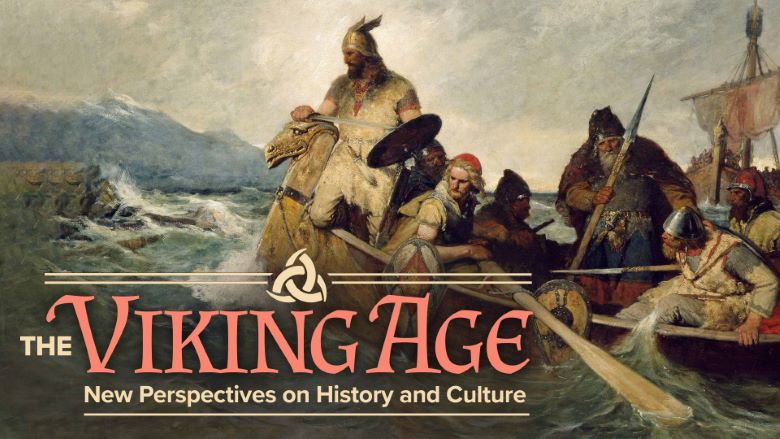
TTC - The Viking Age: New Perspectives on History and Culture
Released 11/2024
By Jennifer Paxton, PhD
MP4 | Video: h264, 1280x720 | Audio: AAC, 44.1 KHz, 2 Ch
Genre: eLearning | Language: English | Duration: 12 Lessons ( 6h 42m ) | Size: 5.58 GB

In AD 793, a band of Scandinavian pirates descended on the British island of Lindisfarne, where they murdered unsuspecting monks and looted lavish monasteries. For the next two centuries, these terrifying barbarians wreaked havoc on communities stretching from York to Constantinople-through sporadic raiding, strategic kidnappings, or all-out war. A new age had dawned on Europe: the Age of the Viking.

Today, the Vikings are remembered as ferocious pagan warriors. Their weaponry, maritime technologies, and fiery burial practices have become the stuff of legend. Their religious beliefs and the gods they worshiped are enduring sources of inspiration across art, literature, and popular culture. But is there more to the Viking story? What role did violence and religion actually play in Scandinavia and its global outposts? To what extent did England, Ireland, and France change after Viking raids and subsequent conquests? How did women attain power, wealth, and status in a rigidly patriarchal society? How did widespread Christian conversion transform Viking politics and society? And what kinds of relationships did Viking raiders and traders have with the likes of Russia, Ukraine, Byzantium, China, and the Islamic Caliphate?

Dive deeply into these questions and many more with The Viking Age: New Perspectives on History and Culture, a 12-lecture course aimed at correcting course on the Viking period. Your expert is Dr. Jennifer Paxton, a professor of history at the Catholic University of America and a widely published scholar of the Viking Age. Using a combination of literary, textual and archaeological evidence, you will

Unpack the social, political, and material conditions that pushed men, women, and even whole families out of Scandinavia in the 8th century;
Dismantle common Viking tropes, from the Vikings' unique propensity for violence to the myth of the sea burial;
Get to know the Norse goddesses and saga shieldmaidens who challenged assumptions about Viking women, as well as real life queens, weavers, and local leaders who wielded outsized influence as women in Viking society;
Reconstruct the famed battles and raids that made Scandinavian warriors so famous-with a critical eye toward the source material and whose interests it served; and
Follow the Vikings not only to Lindisfarne and Normandy but also to Newfoundland, Greenland, and Kyivan Rus.

Who Were the Vikings?
The Viking Age: New Perspectives on History and Culture paints a very different picture of the Vikings than we are used to. It shifts the focus from the horned helmets and bloody raids to look at the slaves, farmers, and traders who lived across the Viking world-not only in Scandinavia but also in Kyivan Rus, the Danelaw, Constantinople, and beyond. It focuses on Viking women, interrogating the source material and scholarship that had for decades counted them out. It challenges common assumptions about Viking as an identity, by examining archeological records and bone fragments. And it overturns popular myths about the Viking people, from what they wore to how they buried their dead.

You'll also explore the Viking world in its political, topographical, economic, cultural, and material complexities. As you learn about the diverse religious practices that structured Viking society, from feasting to sacrifice, you'll also assess how the rise of Christianity transformed Scandinavia on a macro and micro scale. You'll investigate violence and honor as ideologies and how they impacted Vikings and their allies and adversaries across Europe. You'll interrogate how the Viking Age is periodized and studied. And you'll understand how Britain and continental Europe transformed at the hand of their Viking tormentors, looking closely at the conditions that gave rise to raiding in the first place, while also tracing the political and religious developments that brought Viking dominance to an end.

From East to West: Vikings around the World
The Vikings extended their reach well beyond Sweden, Norway, and Denmark. A globetrotting group, the seafaring men from up North touched dozens of polities across the world. They traded with Islamic merchants and Byzantine weavers. They raided the English and Estonian coasts. They erected settlements in Iceland and Greenland. And they set up cities for trading in Ireland and Russia. We cannot understand the Viking Age without following its protagonists on all their seafaring and river crossing adventures, whether for raiding, trading, or permanent settlement.

Across 12 lectures, evaluate how the Vikings engaged with
Russia and Ukraine. Follow the Vikings up the Dnieper and Volga Rivers to see how they built up trading meccas in Kyivan Rus, Novgorod, and Staraya Lagoda. And unpack the politically charged controversies that surround the Rus people and their connection to western Europe.
Asia and the Islamic Caliphate. Trace the carnelian beads found at a famed Viking burial site in Repton, England all the way back to India. And determine how eastern goods like silk, silver, and even a statue of the Buddha made their way to Scandinavia.
Byzantium. Head southward to explore Viking trading and raiding in the city of Constantinople. And learn about the legendary Varangian Guard.
Iceland. Accompany Vikings settlers across choppy Atlantic Ocean waters to Iceland to see how they established a highly successful settlement there. And investigate the thrilling Icelandic sagas that continue to influence literature today.
England and Scotland. Journey across the North Sea to Britain, examining the raids, winter camps, and full-scale military campaigns that characterized Viking exploits on the island. And see how Anglo-Saxon kings defended their kingdoms against the pressure.
Ireland and France. Study Viking incursions into Ireland and the legacy it left behind. And dive behind the history of Normandy, a French province settled and controlled by the Viking warrior Rollo.
Greenland. Track Viking adventures in the Western Hemisphere, beginning with Greenland. And investigate why Scandinavian settlers could not tough it out in the icy region.
Vinland. Travel with the Vikings to investigate their farthest western outposts. And study the footprint Viking explorers left behind, using archeological evidence and popular saga tales.
By the course's end, your understanding of the Vikings' footprint-not just within Scandinavia but around the world-will be much fuller and more illuminated. Your conception of the Vikings in the appropriate social, political, and cultural contexts will be clearer, whether that is in Norway, France, or Kyivan Rus. And you will have followed the Viking world's most ambitious raiders, traders, and settlers up and down riverways, unto the battlefield, and through resettlement around the globe, enriching your understanding of the real Viking Age.

What Will You Learn?
Evaluate the Vikings impressive global reach by investigating Viking outposts near and far

Follow raiders, traders, and settlers across sea and river routes

Study early raids in Estonia, trade settlements in Kyivan Rus, and the Varangian Guard in Constantinople

Track beaded, silver, and silk goods as they moved from the Islamic Caliphate and East Asia and into Viking households

Determine how Viking sailors navigated their way across choppy Atlantic Ocean waters to set up settlements-both permanent and temporary-in North America

Reevaluate Viking exploits in England, Ireland, and France using archeological techniques like stable isotope and ancient DNA analysis

Homepage


537698154_the_viking_age_new_perspectives_on_history_and_culture.jpg


Download from RapidGator


Download from Keep2Share


Premium Links

 
f13b2a3038019a0e3cac56089b8291b8.jpg


Kali Linux Tutorial For Beginners
Last updated 5/2022
MP4 | Video: h264, 1280x720 | Audio: AAC, 44.1 KHz, 2 Ch
Genre: eLearning | Language: English | Duration: 88 lectures (7h 41m) | Size: 2.62 GB

#1 Ranking Kali Linux Tutorial! Learn from the pros how to use Kali Linux easily and quickly


What you'll learn
Perform basic to advanced tasks in Kali Linux
Hack your way through multiple customized targets
Learn how the good guys hack and how the bad guys hack (and get your hands on the credit cards!)
Understand how native Linux commands can be used by hackers
Build up a Linux target from scratch to hack with Kali Linux
A lot more!

Requirements
Basic understanding of concepts such as IP addresses, NAT, client, server etc.
Basic understanding of ethical hacking concepts such as ports scanning, vulnerability scanning etc.
Desire to become and ethical hacker and willingness to learn and persevere

Description
Note: Course updated for Kali 2020

You want to learn hacking with Kali Linux but you do not know where to start? Do you find the command line confusing and intimidating? If yes, this is the perfect course for you. In this Kali Linux tutorial, we start you off with the assumption that you know absolutely nothing about Linux! Starting from scratch you will build up your knowledge on how to use Kali Linux and before you know it you will become fluent with the basic tools and commands not just in Kali, but in most Linux systems.

===

Completing this short, impactful course was the smartest 11 dollars I have spent this year! The material was relevant and provided a great refresher for concepts I knew about but hadn't exercised in awhile, and it introduced to me entirely new methods for scanning and imposing hacks. I will continually come back to the course to reinforce my understanding of the material. Money well spent. - Carl Bradford ★★★★★

===

"This course was incredibly helpful and I learned a lot as a complete linux noob and am definitely more knowledgable and confident in not only the OS itself, but also the specialized Kali distro." - Olivia R. McLaughlin ★★★★★

===

The course is divided into three parts.

Part 1 - Basics

Commands to help you navigate any Linux system

Add/remove software and update/upgrade your system

Archive and compress files and folders

Use wildcards to make daily tasks easier

Part 2 - Administration

Editing files

Configuring and managing services

Managing users, groups and permissions

Chaining multiple commands for greater effect

Part 3 - Hacking

Download a minimal Linux and build it from scratch

Hack it with Kali Linux!

Part 4 - Shells

Understanding bind shells

Understanding reverse shell

Understanding web shells

Part 5 - Hacking Like The Bad Guys

Exploiting replicas of real life vulnerabilities

Getting access and creating backdoors

Stealing credit card information

By the end of the course you will have the skills to

Use common Linux commands like hackers do

Build a Linux target from scratch

Hack the target using what your learnt in the Kali Linux tutorial

Create shell and backdoors

Understand and replicate what the bad guys do

Please note that this course builds up on some ethical hacking concepts taught in the Hacking For Beginners ethical hacking course. This is another course provided by Hackers Academy

===

"This is what was required to start using kali linux for ethical hacking purpose i'm really thankful to the author and the udemy team to provide me and other n00bs like me a free platform where we can learn basics. To all other folks don't wait to enroll if you're new to linux. This guy is a genius" - Syed Mohammad Raza ★★★★★

Who this course is for
You have no prior experience with Linux and would like to learn how to use Kali Linux
You have basic understanding of ethical hacking and want to learn how to do it using Kali Linux
You want to learn how to create targets and hack them using Kali Linux


Homepage


540840837_10-hacking-with-kali-linux_s.jpg


9c096f811a17b24f4453c8fd3b6dc834.jpg


The Ultimate Blender 3D Animated Short AI Course
Last updated 11/2024
Created by Alex Cordebard
MP4 | Video: h264, 1920x1080 | Audio: AAC, 44.1 KHz, 2 Ch Level: All | Genre: eLearning | Language: English + subtitle | Duration: 231 Lectures ( 58h 43m ) | Size: 54.5 GB

Creating Animated Shorts with the Power of AI. Blender 4.3+ Compatible!


What you'll learn
Learn how to use AI in your Blender animation workflow to create a full animated short.
Learn how to use AI for story, reference images, motion capture, 3d scanning, texturing, sound design & more.
Learn how to create a full animated short in Blender from story, modeling, rigging, texturing, environment creation, animating to music & sound effects.
By the end of this course you will have created a full ANIMATED SHORT and learned the skills from A-Z to do so while incorporating AI into your workflow.

Requirements
All you need to do is download Blender which is free and then grab your mouse and keyboard and join me on this adventure!

Description
Fully Compatible for Blender 4.2+Embark on a transformative 50+ hour journey into the realm of animation as we guide you through the intersection of artistic creativity and cutting-edge technology. In this comprehensive course, you will learn how to leverage the power of Blender 3D, a leading open-source 3D creation suite, to breathe life into your animated short films using the transformative capabilities of Artificial Intelligence (AI).What You'll Learn:Blender 3D Essentials: Gain a solid foundation in Blender 3D, mastering its interface, tools, and essential techniques for 3D modeling, texturing, and animation.AI Integration with Blender: Explore the seamless integration of AI technologies into your Blender workflow. Learn to harness the potential of machine learning for enhanced creativity.Conceptualizing Your Short Film: Dive into the art of storytelling and develop a compelling narrative for your animated short. Using AI we will see how to create storylines for animated shorts.Character Reference Images with AI: Explore how AI can aid in the creation of character reference images, providing a foundation for character design while preserving your artistic vision.Character Design and Rigging: Learn to create captivating characters and rig them for animation. Discover how AI can assist in character design and even generate character animations based on specific styles. We will be taking a look at multiple AI rigging and animation options for our workflowModeling Your Characters: We will learn how to model characters from scratch with the proper major loops.Adding Clothes to Characters: Learn multiple ways to add clothing to your characters including a jacket, pants, boots, belt and more.Learn How to Texture Your Characters: We will learn how to texture the characters and their clothing using AI generated textures and nodes.Learn How to Use Mixamo to Rig & Animate: Learn how to rig and animate characters using mixamo & how to combine Mixamo animations for a seamless look.Learn The Ins & Outs of the Rigify Addon: Learn how to use the Rigify addon properly & all of its settings. See how to easily setup and animate using Rigify in conjunction with motion capture.Scene Composition and Lighting: Master the art of scene composition and lighting to evoke emotion and atmosphere in your animated short.AI-Driven Animation Techniques: Delve into advanced animation techniques, including AI-assisted motion capture and procedural animation. Understand how AI algorithms can enhance the fluidity and realism of your animations.AI-Generated Textures: Elevate your visual aesthetics with AI-generated textures. Explore how AI can assist in creating realistic and visually stunning textures for your 3D models.3D Scanning and AI Integration: Unlock the potential of 3D scanning, enhanced by AI algorithms. Learn to seamlessly integrate real-world elements into your animated short, expanding the scope of your storytelling.AI-Infused Sound Design: Immerse your audience in an auditory experience with AI-powered sound design. Learn to integrate music and sound effects seamlessly, enhancing the emotional impact of your animated short.Rendering and Post-Production: Understand the rendering process in Blender and explore post-production techniques to polish your animated short. This course is not just a tutorial; it's an immersive experience that takes you from A to Z in creating an animated short using Blender 3D and AI. Embrace the future of animation, where AI is a powerful ally in your creative arsenal, enhancing your skills and expanding the possibilities of your storytelling. Join us and redefine what's possible in the world of animated shorts.

Who this course is for
This course is for anyone who wants to learn how to use AI in their Blender workflow.
This course is for anyone who wants to create an animated short using Blender & learn all the skills for doing so.
This course is NOT for someone who wants to quickly create an animation using AI as there is still a lot of manual work involved.


537734134_the_ultimate_blender_3d_animated_short_ai_course.jpg


Download from RapidGator


Download from Keep2Share


Premium Links



a699e8af961a6eae778b1e5fee1fc60a.jpg


Sdet Interview Prepration
Published 11/2024
MP4 | Video: h264, 1920x1080 | Audio: AAC, 44.1 KHz
Language: English | Size: 29.96 GB | Duration: 20h 57m

Ace SDET Interviews Fast with Real-World Projects


What you'll learn
Prepare for SDET Interview while creating an awesome automation framework
Learn how to write clean test scripts
Build real world test automation framework that you can showcase in your resume
Learn How to use Java OOP correctly in your Test Automation Framework

Requirements
Basic Java Knowledge will help

Description
Are you preparing for an SDET interview and feeling overwhelmed by the sheer volume of topics to master? Our SDET Interview Mastery Course is here to fast-track your success! This self-paced, beginner-friendly course is specifically designed for manual testers transitioning to automation and for anyone looking to solidify their fundamentals.Through real-world projects and hands-on learning, you will:Revise Core Java Concepts: Build a Java console application while mastering Object-Oriented Programming (OOP).Understand Test Automation Basics: Learn the principles and best practices of automation testing.Master Selenium WebDriver: Gain expertise in web automation with real-world examples.Work on Real-World Projects: Apply your knowledge to project assignments that simulate industry scenarios.This is the Latest Interview Question which one of my student from SDET Master Class had faced! So I thought it would be helpful for people preparing for Automation Testing interviews!Now In this course we will revise Java and create and automation framework and integrate it with GitHub actions and archive the test reports in the GitHub pagesWhether you are new to automation or looking to strengthen your SDET skills, this course provides lifetime access to high-quality materials, empowering you to revisit and sharpen your expertise anytime.Take the first step toward a thriving SDET career by combining theory, practical implementation, and project-based learning. Enroll now and be interview-ready in no time!

Overview
Section 1: Introduction

Lecture 1 Introduction

Section 2: Building a console based application in java

Lecture 2 Building a console based appln in java

Section 3: Test Automation Framework Creation

Lecture 3 Test Automation Framework Creation Part 01

Lecture 4 Test Automation Framework Creation Part 02

Lecture 5 Test Automation Creation Framework Part 03

Lecture 6 Test Automation Creation Framework Part 04

Lecture 7 Test Automation Creation Framework Part 05

Lecture 8 Test Automation Creation Framework Part 06

Manual Testers Learning Automation Testing,Automation Engineer Preparing for Interview


537930192_sdet_interview_prepration.jpg


Download from RapidGator


Download from Keep2Share


Premium Links



bef89084cfb387c10514b99c9755c872.jpg


Advance Program in Strategic Management
Last updated 6/2024
MP4 | Video: h264, 1280x720 | Audio: AAC, 44.1 KHz, 2 Ch Language: English | Duration: 25h 38m | Size: 25.1 GB

Complete guide applicable to Strategic Management at global corporate level with different models and case studies


What you'll learn
You will learn the key factors in Strategic Management. Strategic Leadership Managing the strategy making process for competitive advantage.
The strategy making process A MODEL OF THE STRATEGIC PLANNING PROCESS. External Analysis
The identification of Opportunities and Threats. Internal Analysis; Distinctive Competencies, Competitive Advantage, and Profitability.
Building competitive advantage through business level strategy like Zynga Finds a New Strategy to Compete in Online Social gaming.
You will be able to learn about Strategic Implications (Crossing the Chasm). Strategy and technology (The rise of cloud computing).
Strategy in the Global Environment: The Globalization of Production and Markets. Corporate-Level strategy;
Horizontal Integration, Vertical Integration and Strategic outsourcing (The rapid consolidation of the U. S Airline industry).
Entering New Industries; Internal New Ventures. Entering new industries; Acquisition. Functional structure; Grouping by function. Product structure;
Learn about Geographic structure; Expanding by location. Matrix and product team structures; Competing in fast changing high tech environments.
Analyzing a case study and writing a case study analysis (What is case study analysis)
Best buy Sustainable customer centricity model. Whole foods market; 2010 How to grow in an increasingly competitive market.
Herman Miller; A case of Reinvention and Renewal (Background). Wells Fargo; The future of a community bank.
Learn about Challenges after the financial crisis (Credit Rating). Staples (Introduction). The Apollo group (Introduction).
The evolution of the small package express delivery industry 1973-2010. Airborne Express ;
The Underdog (Introduction). Internet search and the Growth of Google. Search engines. Employee Ownership and the Entrepreneurial spirit; The case of HCSS
KCI Technologies,Inc. Engineering the Future, One Employee at a Time. The home video game industry.
1968 to 2010.. Tomtom new competition everywhere (Synopsis). Alarm ringing; Nokia in 2010.(Market leader in trouble)
Learn American Airlines since de regulations; A thirty year experience,1978-2007. Blockbuster, Netflix, and the Media Entertainment Rental Industry in 2011
How SAP's Business model and strategies made it the global business software leader
How Amazon Became the Leading Online Retailer by 2011(Amazon's Beginnings: The Online Bookstore Business). Is Yahoo!'s Business Model still Working
CEMEX's Acquisition Strategy-The Acquisition of Rinker Group. The Rise and Fall of Eastman Kodak: Will It Survive
Boeing Commercial Aircraft in 2011Nike: Sweatshops and Business Ethics


Requirements
You should have an interest in Strategic Management.
An interest in Managing the strategy making process for competitive advantage. Competencies, Competitive Advantage, and Profitability
Be interested in getting the knowledge of Strategic Implications. Strategy and technology. Strategy in the Global Environment: The Globalization of Production and Markets.


Description
DescriptionTake the next step in your career! Whether you're an up-and-coming professional, an experienced executive, aspiring manager, budding Professional. This course is an opportunity to sharpen your strategic management capabilities, increase your efficiency for professional growth and make a positive and lasting impact in the business or organizationWith this course as your guide, you learn how toAll the basic functions and skills required Strategic managementTransform Strategic Leadership Managing the strategy making process for competitive advantage Get access to recommended templates and formats for the detail's information related to business environment.Learn useful case studies, understanding the Strategic Implications (Crossing the Chasm). Strategy and technology (The rise of cloud computing). Strategy in the Global Environment: The Globalization of Production and Markets with useful forms and frameworksInvest in yourself today and reap the benefits for years to comeThe Frameworks of the Course· Engaging video lectures, case studies, assessment, downloadable resources and interactive exercises. This course is created to Learn about Strategic Management. Strategic Leadership External Analysis The identification of Opportunities and Threats. Internal Analysis; Distinctive Competencies, Competitive Advantage, and Profitability. Building competitive advantage through business level strategy (Zynga Finds a New Strategy to Compete in Online Social gaming. about Strategic Implications (Crossing the Chasm). Strategy and technology (The rise of cloud computing). Strategy in the Global Environment: The Globalization of Production and Markets.· Entering New Industries; Internal New Ventures. Entering new industries; Acquisition. Functional structure; Grouping by function. Product structure; Implementing a wide product line. Geographic structure; Expanding by location. Matrix and product team structures; Competing in fast changing high tech environments. Analyzing a case study and writing a case study analysis (What is case study analysis). Best buy Sustainable customer centricity model. Whole foods market; 2010 How to grow in an increasingly competitive market. Herman Miller; A case of Reinvention and Renewal (Background). Wells Fargo; The future of a community bankThe course includes multiple Case studies, resources like formats-templates-worksheets-reading materials, quizzes, self-assessment, film study and assignments to nurture and upgrade your Strategic Management knowledge in details.In the first part of the course, you'll learn the details of the in Strategic Management. Strategic Leadership Managing the strategy making process for competitive advantage. The strategy making process A MODEL OF THE STRATEGIC PLANNING PROCESS. External Analysis The identification of Opportunities and Threats. Internal Analysis; Distinctive Competencies, Competitive Advantage, and Profitability. Building competitive advantage through business level strategy (Zynga Finds a New Strategy to Compete in Online Social gaming.In the middle part of the course, you'll learn how to develop a knowledge Geographic structure; Expanding by location. Matrix and product team structures; Competing in fast changing high tech environments. Analyzing a case study and writing a case study analysis (What is case study analysis). Best buy Sustainable customer centricity model. Whole foods market; 2010 How to grow in an increasingly competitive market. Herman Miller; A case of Reinvention and Renewal (Background). Wells Fargo; The future of a community bank.In the final part of the course, you'll develop the knowledge related to the Is Yahoo!'s Business Model Working in 2011? CEMEX Acquisition Strategy-The Acquisition of Rinker Group. The Rise and Fall of Eastman Kodak: Will It Survive Beyond 2012? Boeing Commercial Aircraft in 2011, Nike Sweatshops and Business Ethic1. Strategic Leadership Managing the strategy making process for competitive advantage2. The Strategy-Making Process3. External Analysis4. Internal Analysis5. Building competitive advantage through business level strategy6. Strategic Implications7. Strategy and technology8. Strategy in the global environment9. Corporate-Level Strategy: Horizontal Integration, Vertical Integration, and Strategic Outsourcing10. Entering New Industries11. Entering New Industries12. Functional structure13. Structure14. Geographic structure15. Matrix and product team structure16. Analyzing a Case Study and Writing a Case Study Analysis25 Strategic Management Industry Model and AnalysisAssignmentsDownloadable Resources and Templates1. Marketing Proposal2. Brand Guidelines3. Business Case4. Decision5. Mission and Vision6. Project Proposal 1 and 27. Project Scope8. Strategy9. Research Scope10. Progress Report

Who this course is for
Professionals with Strategic management, strategic planning knowledge who wants to see themselves well established in the strategic management.
New professionals who are looking to see them successful in strategic planning of business
Existing executive board directors, managing directors who is looking to get more engagement and innovation from their teams and organizations


Homepage

537698508_advance_program_in_strategic_management.jpg


Download from RapidGator


Download from Keep2Share


Premium Links



8d0240d9d09e6ce4a8f03265a34279b1.jpg


Mastering Earned Value Management
Published 11/2024
MP4 | Video: h264, 1280x720 | Audio: AAC, 44.1 KHz
Language: English | Size: 27.70 GB | Duration: 13h 52m

Earned Value Management to enhance project success


What you'll learn
Allocate Costs to the Project Activities to Support Earned Value Management and Analysis
Identify the Earned Value Parameters and Apply these on Projects
Determine the project schedule and cost status using the EVM parameters and method
Determine the costs at completion
Add probability aspects to the Project Evaluation and make objective decisions

Requirements
Understanding of Basic PM Principles
Basic knowledge of statistics

Description
Short Course Description:The online course "Master Class in Earned Value Management" provides the tools and techniques to evaluate the project's project performance related to schedule and cost. Based on the financial parameters and estimations we can evaluate the financial performance of the project and provide the project manager with objective information to make the necessary decisions and implement measures.Earned Value Management is a method developed to better understand project progress. The classical approach to project follow-up, based on schedule and cost, does not provide a good understanding and leads to wrong interpretations.Earned Value Management was introduced to better understand the progress by introducing the concept of "earned value". With this new concept, it is possible to estimate the expected end date of the project and the final cost.Many years of experience with Earned Value Management and its application in many projects have proven successful and have positively impacted project success.You can use the certificate of the course to claim the training hours for your certification application or to claim PDUs when you are PMI certified. You can claim 35 hours or 35 PDUs based on the talent triangle, this means:Technical: 20Strategic & Business: 10Leadership: 5Provider: De Ceuster Academy @ APraCom, s.r.o.ContentThe Need for Earned Value ManagementDefining Earned Value ParametersProject Budgeting and the Missing LinoActivities and Allocating CostsProject Status and the Schedule and Cost VariancesSchedule and Cost Performance IndicesDifferent Estimates at CompletionChallenging the Project ManagerIntroducing Earned Schedule ManagementEarned Value Management and Three-Point EstimationsUsing Earned Value Parameters for Project EvaluationEvaluation of EVM and ConclusionsFinal Project "Gorillas in the Mist"Course Final ReviewLearning OutcomesAt the end of the course, the participants will be able to:Explain why Earned Value Management is Necessary to Report Project Progress EffectivelyDefine the Three Basic Earned Value Parameters PV, EV, and ACDescribe the "Missing Link" between the Project Schedule and the S-curveDetermine the Way to Allocate Costs over ActivitiesDetermine the Project Schedule and Cost Positions using the Schedule Variance, the Cost Variance, the Schedule Performance Index, and the Cost Performance IndexCalculate the Different Estimates at CompletionChallenge the Project Manager over the Project StatusExplain the Issue with Schedule Variance and the Reason for Earned Schedule ManagementApply the Principles of Three Point Estimation on the Estimates at CompletionInterpret the Earned Value Parameters for Project EvaluationEvaluate Earned Value Management and its LimitationsApply Earned Value Management on Projects

Overview
Section 1: Introduction

Lecture 1 introducing the course

Lecture 2 Content of the EVM Course

Lecture 3 Learning Outcomes of the EVM Course

Section 2: Lesson 1: The Need for Earned Value Management

Lecture 4 1.1 Content of Lesson 1

Lecture 5 1.2 Learning Outcomes of Lesson 1

Lecture 6 1.3 The Project Julia from Activities to Precedence Diagram

Lecture 7 1.4 Project Julia Arrow Diagram

Lecture 8 1.5 Project Julia: Forward Pass

Lecture 9 1.6 Project Julia: Backward Pass

Lecture 10 1.7 Project Julia: Slack and Critical Path(s)

Lecture 11 1.8 Project Julia: Gantt and Budget in ES Position

Lecture 12 1.9 Project Julia: Gantt and Budget in LS Position

Lecture 13 1.10 Project Julia: Gantt and Budget in Planned Start Position

Lecture 14 1.11 Critical Path Position of the Project

Lecture 15 1.12 The Project Cost Baseline and the S-curve

Lecture 16 1.13 The Project Budget

Lecture 17 1.14 The Budget and Cost Situations

Lecture 18 1.15 Comparing the Money spant with the Cost Baseline or S-curve

Lecture 19 1.16 Evaluating the Real Situation

Section 3: Lesson 2: Defining the Earned Value Parameters

Lecture 20 2.1 Content of Lesson 2

Lecture 21 2.2 Learning Outcomes of Lesson 2

Lecture 22 2.3 Defining the Planned Value and the S-curve

Lecture 23 2.4 Defining Earned Value

Lecture 24 2.5 Defining Actual Cost

Lecture 25 2.6 Evaluating the Schedule Position of the Project

Lecture 26 2.7 Evaluating the Cost Position of the Project

Lecture 27 2.8 The Nine Schedule and Cost Positions in a Graph

Lecture 28 2.9 Project "Widgets": PV, EV, and AC

Section 4: Lesson 3: Project Budgeting and the Missing Link

Lecture 29 3.1 Content of Lesson 3

Lecture 30 3.2 Content of Lesson 3

Lecture 31 3.3 Origin of Earned Value Management

Lecture 32 3.4 The Missing Link: Deliverables and the Cost Curve

Lecture 33 3.5 What Happens during Project Execution

Section 5: Lesson 4: Activities and Cost Allocation

Lecture 34 4.1 Content of Lesson 4

Lecture 35 4.2 Learning Outcomes of Lesson 4

Lecture 36 4.3 Activities and Cost Allocation

Lecture 37 4.4 Level of Effort Activities

Lecture 38 4.5 Earned Value Management and Level of Effort Activities

Lecture 39 4.6 Principles of Cost Allocation over the Duration of the Activities

Lecture 40 4.7 Cost Loading for Activities with a Duration up to 2 Periods

Lecture 41 4.8 Cost Loading for Activities with a Duration > 2 Periods

Lecture 42 4.9 Overview of Cost Loading for Short and Long Duration Activities

Section 6: Lesson 5: Project Status and Schedule and Cost Variances

Lecture 43 5.1 Content of Lesson 5

Lecture 44 5.2 Learning Outcomes of Lesson 5

Lecture 45 5.3 The Basic Earned Value Parameters

Lecture 46 5.4 Some Examples of Schedule and Cost Positions

Lecture 47 5.5 Defining the Schedule Variance

Lecture 48 5.6 Defining the Cost Variance

Lecture 49 5.7 Schedule and Cost Variances as Percentages

Lecture 50 5.8 Project "Widgets": Schedule and Cost Variances

Section 7: Lesson 6: Schedule and Cost Performance Indexes

Lecture 51 6.1 Content of Lesson 6

Lecture 52 6.2 Learning Outcomes of Lesson 6

Lecture 53 6.3 The Advantages of Defining Performance Indexes

Lecture 54 6.4 Overview of the Performance Indexes and Use

Lecture 55 6.5 Defining the Schedule Performance Index

Lecture 56 6.6 Defining the Cost Performance Index

Lecture 57 6.7 Defining the Cost Schedule Index

Lecture 58 6.8 Project "Widgets": Calculating the SPI, CPI, and CSI

Section 8: Lesson 7: The Different Estimates at Completion

Lecture 59 7.1 Content of Lesson 7

Lecture 60 7.2 Learning Outcomes of Lesson 7

Lecture 61 7.3 Estimates at Completion and Project Evaluation

Lecture 62 7.4 Principle of Extrapolatiopn

Lecture 63 7.5 Estimating the Expected Duration of the Project by Extrapolation

Lecture 64 7.7 Estimating the Final Costs by Extrapolation

Lecture 65 7.6 Formula to Calculate the Revised Total Duration of the Project

Lecture 66 7.8 Defining the Different Estimates at Completion

Lecture 67 7.9 The Project Manager's Estimate

Lecture 68 7.10 The Mathematical Estimate

Lecture 69 7.11 The CPI - based Estimate

Lecture 70 7.12 The CSI - based Estimate

Lecture 71 7.13 Defining the 3-period CPI

Lecture 72 7.14 Defining the Weighted CPI

Lecture 73 7.15 The To-Complete-Performanc-index

Lecture 74 7.16 The Variance at Completion

Lecture 75 7.17 Project "Widgets": Calculating the Estimates at Completion

Section 9: Lesson 8: Challenging the Project Manager

Lecture 76 8.1 Content of Lesson 8

Lecture 77 8.2 Learning Outcomes of Lesson 8

Lecture 78 8.3 The Project Manager Knows it All?

Lecture 79 8.4 The Project Manager in Charge of the Project

Lecture 80 8.5 The PM and Reporting Financial Status

Lecture 81 8.6 The Project Manager and the Schedule

Section 10: Lesson 9: Introducing Earned Schedule Management

Lecture 82 9.1 Content of Lesson 9

Lecture 83 9.2 Learning Outcomes of Lesson 9

Lecture 84 9.3 Schedule Variance Schortcoming

Lecture 85 9.4 Introducing Time-based Schedule Variance

Lecture 86 9.5 Finding the Time for which PV = EV

Lecture 87 9.6 Calculating the Time Variance

Section 11: Lesson 10: Earned Value Management and Three-point Estimates

Lecture 88 10.1 Content Lesson 10

Lecture 89 10.2 Learning Outcomes Lesson 10

Lecture 90 10.3 Why Introduce PERT and 3Point Estimation to EVM?

Lecture 91 10.4 Probability Distributions for PERT and 3Point Estimation

Lecture 92 10.5 The Beta Distribution

Lecture 93 10.6 The Triangular Distribution

Lecture 94 10.7 The Normal Distribution

Lecture 95 10.8 The PERT and the 3Point Formulas

Lecture 96 10.9 Applying the PERT and 3Point Formulas on the EACs

Lecture 97 10.10 Application of PERT and 3Point on "Widgets""

Lecture 98 10.11 Probability Curves for the EACs

Section 12: Lesson 11: Using Earned Value Parameters for Project Evaluation

Lecture 99 11.1 Content Lesson 11

Lecture 100 11.2 Learning Outcomes Lesson 11

Lecture 101 11.3 The Project, the Business Case, and the Statement of Work

Lecture 102 11.4 The Original Financial Parameters of the Business Case

Lecture 103 11.5 The Profit and Loss of Contracts and SoW

Lecture 104 11.6 Project "Arbogast": The Original Estimates

Lecture 105 11.7 Project "Arbogast": Effect of Schedule on the Financial Parameters

Lecture 106 11.8 Project "Arbogast": Effect of Costs on the Financial Parameters

Lecture 107 11.9 Project "Arbogast": Effect of Schedule and Cost on the Financial Parameters

Lecture 108 11.10 The Project Manager and the Viability of the Project

Lecture 109 11.11 The Project Manager, the Sponsor, and the Stakeholders

Section 13: Lesson 12: Evaluation of EVM and Conclusions

Lecture 110 12.1 Content of Lesson 12

Lecture 111 12.2 Learning Outcomes of Lesson 12

Lecture 112 12.3 Possible Issues with EVM

Lecture 113 12.4 Getting the Correct Data and Information

Lecture 114 12.5 What Data Should be Collected?

Lecture 115 12.6 Possible Issues with the EVM Parameters

Lecture 116 12.7 Possible Issues with EV - Case 1

Lecture 117 12.8 Possible Issues with EV - Case 2

Lecture 118 12.9 Possible Issues with EV - Case 3

Lecture 119 12.10 Possible Issues with AC

Lecture 120 12.11 Validity of Schedule and Cost Information

Section 14: Lesson 13: Final Project "Gorillas in the Mist"

Lecture 121 13.1 Content of Lesson 13

Lecture 122 13.2 Content of Lesson 13

Lecture 123 13.3 Introducing the Final Project "Gorillas in the Mist""

Lecture 124 13.4 Project "Gorillas in the Mist": Precedence, Duration, and Cost

Lecture 125 13.5 Creating the Precedence Diagram

Lecture 126 13.6 Forward Pass, Backward Pass, Slack, and the Critical Path

Lecture 127 13.7 Gantt Chart in ES and LS

Lecture 128 13.8 Finding the Planned Start for all Activities

Lecture 129 13.9 EV and AC Information from Start till Period 7, and Graph of PV, EV, and AC

Lecture 130 13.10 Schedule and Cost Variance over Time

Lecture 131 13.11 SPI, CPI, and CSI over Time

Lecture 132 13.12 Estimates at Completion over Time

Lecture 133 13.13 PERT and 3Point Estimates over Time

Project Managers,Program Managers,Financial Manager dealing with Projects,Project Sponsors and Stakeholders


537932808_mastering_earned_value_management.jpg


Download from RapidGator


Download from Keep2Share


Premium Links



cc6b8c621fb76fcfbacdccba69b8b28e.jpg


TTC - World War II A Military and Social History
Last updated 11/2024
MP4 | Video: h264, 1280x720 | Audio: AAC, 44.1 KHz, 2 Ch
Genre: eLearning | Language: English | Duration: 30 Lessons ( 15h 10m ) | Size: 12.7 GB

Fifty-five million people died in the Second World War, the greatest conflict in human history.

Fifty years later, these lectures ask and answer important questions about this war
Might Hitler have been stopped sooner?
Should Roosevelt have foreseen Pearl Harbor?
Could more lives have been saved as the Holocaust became known?
Did Truman have to use the atomic bomb at Hiroshima and Nagasaki?
Did the Allies come closer to losing World War II than we would like to think?
The origins and expansion of the war in Europe and the Pacific are examined. Military and political strategies and failures are analyzed. Social and economic effects of the war are assessed.


538156321_world_war_ii_a_military_and_social_history.jpg


Download from RapidGator


Download from Keep2Share


Premium Links


c4c14464c540f5a4218125968bbf0585.jpg


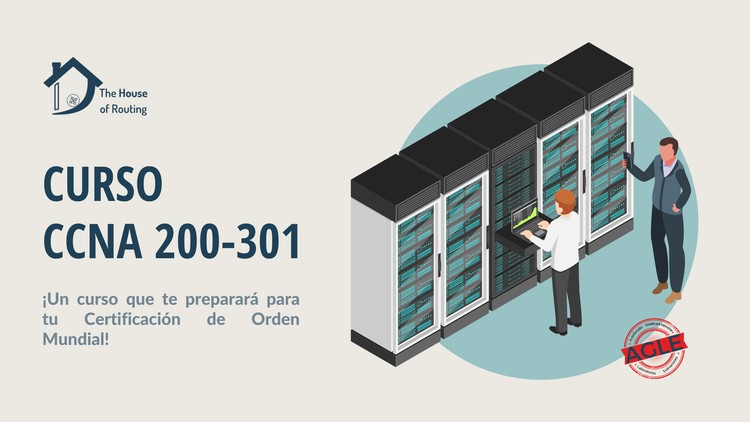
CCNA 200-301 by Jesus Espinoza
Last updated 11/2024
Created by Jesus Espinoza
MP4 | Video: h264, 1280x720 | Audio: AAC, 44.1 KHz, 2 Ch Level: Intermediate | Genre: eLearning | Language: Spanish + subtitle | Duration: 179 Lectures ( 37h 54m ) | Size: 21.3 GB

Curso CCNA 200-301 v1.1


What you'll learn
Configurar Switches Cisco
Configurar Routers Cisco
Administración del IOS de Cisco
Redes Inalámbricas de Cisco
Direccionamiento IPv4
Configuración de OSPF
Direccionamiento IPv6
Listas de Control de Acceso
Servicios IP
Arquitectura de Redes IP
Fundamentos de Software Defined Networking
Fundamentos de Automatización y Programabilidad de la Red Cisco

Requirements
Uso del Computador
Uso de Internet
Conocimientos Básicos de Redes

Description
El Curso para la Certificación CCNA 200-301 v1.1, ha sido diseñado para brindarte los recursos, conocimientos y prácticas necesarias para convertirte en un Especialista de Redes Cisco.Aprende las tecnologías para configurar y administrar equipos Cisco como todo un Profesional de Redes de nivel Internacional.Con este curso especializado en tecnologías Cisco Systems, podrás preparte para presentar tu exámen de Certificación CCNA 200-301 v1.1, además de transformarte en un Especialista en Equipos Cisco y Tecnologías de Internet mientras aprendes y dominas, cada uno de los temas del entrneamiento. Desde la administración del IOS de Cisco hasta lograr el dominio de las tecnologías en enrutamiento, switching, seguridad, redes inalámbricas,redes wan, fundamentos de cloud computing y virtualizacion, programabilidad y automatizacion de la red, IPv4 e IPv6. En esta nueva versión CCNA 200-301 v1.1, tambien aprendeas los prinicipios y fundamentos aprenderás Machine Learning e Inteligencia Artificial aplicado a las redes de datos, Infraestructura como Código y Terraform así como operaciones adicionales de STP como Root Guard y Loop Guard.¡Y con el estudio disciplinado y contínuo de este curso, dominarás cada tema del exámen internacional CCNA y estarás a un paso del lograr tu Certificación CCNA 200-301 v1.1!Jesus Espinoza

Who this course is for
Aspirantes de la Certificación CCNA 200-301
Estudiantes Universitarios de Redes, Informática y Telecomunicaciones.
Profesionales del Mundo IT


537986870_ccna_200-301.jpg


Download from RapidGator


Download from Keep2Share


Premium Links



6992c04a234e85f4d8b02227d88d20a0.jpg


Complete JavaScript Programming Course: Beginner to Advanced
Published 11/2024
Created by GeeksforGeeks (GfG)
MP4 | Video: h264, 1280x720 | Audio: AAC, 44.1 KHz, 2 Ch Level: Beginner | Genre: eLearning | Language: English + subtitle | Duration: 147 Lectures ( 41h 58m ) | Size: 40.6 GB

JavaScript Programming 2025: This complete JavaScript course covers everything. Become a skilled JavaScript developer


What you'll learn
Javascript
Programming
Coding
Development

Requirements
No programming experience required

Description
The Complete JavaScript Programming Course: From Beginner to Advanced is designed to help you master JavaScript, one of the most popular programming languages.In this full JavaScript course, you will learn the fundamentals of JS - understanding syntax, variables, data types, operators, and expressions. You'll explore essential control structures like if-else statements, loops, and functions to develop a solid programming foundation. We'll also get into core concepts such as arrays, objects, and string handling, alongside hands-on exercises.As you progress to advanced topics, you will learn about the Document Object Model (DOM) for dynamic content manipulation, event handling, and working with the browser API. We'll cover object-oriented programming (OOP) principles in JavaScript, asynchronous programming using promises and async/await, and explore advanced features like closures, prototypes, and JavaScript modules.You'll work on real-world projects to apply your skills and build a strong programming foundation. Whether you're new to coding or looking to enhance your JavaScript expertise, this full JavaScript course provides everything you need to become a confident and skilled JavaScript developer. Perfect for beginners, aspiring web developers, as well as professionals.Complete JavaScript Course - Highlights:Get 40+ hours of premium recorded content.Practice with 50+ problems and 100+ MCQs.Work on 10 real-world projects.Engage in multiple Machine Coding Interview Problems.Complete assignments for skill enhancement.Participate in 10+ contests for progress tracking.Bonus content covers essential topics like hoisting, call stack, and moreHands-on exercises for practical learning with 24/7 Doubt Assistance.Why Learn JavaScript?Popularity: It's one of the most widely used programming languages, making it valuable for job opportunities and collaboration.Versatility: JavaScript is versatile and can be used for both front-end and back-end development.Interactivity: JavaScript allows you to create dynamic and interactive web pages that respond to user actions.Career Opportunities: Learning JavaScript opens doors to careers in web development, mobile app development (using frameworks like React Native), and more.Who Should Enroll in the JavaScript Course:Beginners: People with no programming experience who want to start learning JavaScript.Students: College and university students aiming to strengthen their web development skills and gain practical experience.Aspiring Web Developers: Those interested in building dynamic and interactive websites and becoming full-stack developers.Working Professionals: Professionals looking to deepen their understanding of JavaScript and learn advanced web development concepts.Prerequisites:NO JavaScript knowledge is required.Basic HTML and CSS knowledge is recommended but not a must-haveCourse Materials:Online Resources: Access to coding platforms and exercises for hands-on practice.Software: Guidance on setting up the JavaScript development environment, including browser tools and IDEs.

Who this course is for
Beginner Javascript Developers


538175057_complete_javascript_programming_course_beginner_to_advanced.jpg


Download from RapidGator


Download from Keep2Share


Premium Links



a78391f62931912609e576839e234353.jpeg


Permaculture Design Certificate Course
English | .MP4 | aac, 48000 Hz, stereo | h264, yuv420p, 720x480, 29.97 fps(r) | 7.38 GB | Duration: 54:20:27 Genre: E-learning

This is a course offered by some of the "early greats" of our time in Permaculture, Bill Mollison and Geoff Lawton. As with everything "Permie", take this knowledge, make it your own, pass it on.
From their website:
The Permaculture Design Certificate Course was filmed in September 2005 at The University of Melbourne, using a professional production team. The entire course is presented by Bill Mollison and Geoff Lawton. Each disc has (+/-) 4.5 hours of content, 58.5 hours total for the set. The last disc finishes up Chapter 14, student questions, the design assignment, graduation, round table and conclusion to the course.

There were 13 hours of the course devoted to students producing their designs (2 hours with Geoff mentoring, students also worked after class hours to complete their designs) the student design presentations (7.5 hours, big class!), the graduation day, round table, conclusion, and the where to from here? discussion (6 hours). The entire footage of these 13 hours is reduced to a delightful 60 minute (+/-) collage for the viewer.

538168077_permaculture_design_certificate_course.jpg


Download from RapidGator


Download from Keep2Share


Premium Links
 
8f8ca34ffc922d249ef00f2a8733fa2d.jpg


Gender, Nation and Conquest in the High Middle Ages: Nest of Deheubarth
Last updated 11/2024
MP4 | Video: h264, 1280x720 | Audio: AAC, 44.1 KHz, 2 Ch
Genre: eLearning | Language: English | Duration: 24 Lessons ( 12h 23m ) | Size: 10.4 GB

As the last millennium dawned, Europe didn't amount to much. Illiteracy, starvation, and disease were the norm. In fact, Europe in the year 1000 was one of the world's more stagnant regions-an economically undeveloped, intellectually derivative, and geopolitically passive backwater. Three short centuries later, all this had changed dramatically. A newly invigorated cluster of European societies revived city life, spawned new spiritual and intellectual movements and educational institutions, and began, for reasons both sacred and profane, to expand at the expense of neighbors who traditionally had expanded at Europe's expense.

The Revival of Europe
In this course you examine how and why Europeans achieved this stunning turnaround. By its conclusion, you will be able to describe and analyze the social, intellectual, religious, and political transformations that underlay this midsummer epoch of the medieval world.

But why were "the Middle Ages"-the period from 1000 to 1300-so designated?
Petrarch, writing in the 1300s, defined the period of "literary and artistic rot" in Europe after the sack of Rome in A.D. 410 as an Age of Darkness. The idea of the Middle Ages originates with Petrarch's concept, even though he did not use the term himself. The Latin term "medium aevum" (the Middle Age) first appeared in the 15th century.

Themes and Topics You'll Cover
The first eight lectures treat medieval society: the warrior aristocracy of knights, castellans, counts, and dukes; the free and unfree peasants whose work in the fields made the existence of medieval society possible; and the townspeople, the artisans and merchants who represented the newest arrivals on the medieval scene.

Lectures 9-16 examine the intellectual and religious history of high medieval Europe. You study monks and the monastic life, charismatic preachers such as Francis of Assisi, and theologians such as Thomas Aquinas. You examine the lives of those who found themselves outside the religious mainstream, especially the heretics and Jews of high medieval Europe.

The final eight lectures discuss the major political developments and events between 1000 and 1300, including the First Crusade, the Norman Conquest of England, and the granting of Magna Carta.

The key events, entities, and personalities you will learn about include
The demographic, climatic, and technological changes that set the stage for Europe's resurgence
The three groups-"those who work, those who fight, and those who pray"-who formed the backbone of medieval society
An in-depth look at the renewed world of cities, artisans, merchants, and commercial exchange that shaped the high-medieval scene in crucial ways
The ongoing struggles between popes and emperors
The significance of figures as diverse as William the Conqueror, Pope Gregory VII, Abelard, Emperor Frederick II, King Philip II Augustus of France, Saint Benedict, Bernard of Clairvaux and Hildegard of Bingen
The institutions of knighthood, feudalism, the church and monasticism, the Scholastic university, and the urban guild
The situations of marginalized groups such as peasants, urban workingfolk, women, Jews, and heretics.
Attention to Detail Makes the Difference

Professor Philip Daileader's course is filled with memorable details as he unfolds this story. For example
Europe's population doubled between 1000 and 1300. Life expectancies were probably not much higher than age 25 around 1000, but closer to 35 by 1300. In addition to the unexplained disappearance of bubonic plague and dry, warm climatic conditions known as the "little optimum," the most important factors in this growth spurt were simple farming implements-the newly introduced heavy plow and the horse collar. This allowed a growing population to have enough to eat for the first time ever.

The aristocracy's violence, especially its private wars and robbery and treatment of peasantry, was one of the great social problems of the High Middle Ages. To tame and civilize the warrior aristocracy, medieval clergy devised various methods such as the Peace and Truce of God movements, that granted immunity from nobles' violence to certain defenseless groups. Such movements were generally ineffective because clerics had to rely on religious sanctions and, ultimately, the nobles' own consciences-pledges for good behavior were generally forgotten almost immediately.

Around the year 1000, to become a knight one merely had to secure the necessary equipment. The original tournaments for knights were nothing but huge and deadly free-for-alls held in open areas with no regard for any nearby personal property. Chivalry was invented to diminish this violence. By 1300, the European nobility was a largely hereditary class with specific legal privileges. Nobles proudly proclaimed their bloodlines through coats of arms and family names (which had not existed in 1000). Knighthood was restricted to those who had undergone a specific dubbing ceremony.

The first books for manners were called "courtesy books" and written by clergy trying to curb the nobility's revolting table manners. Unfortunately, hardly anyone the books were meant for could read, so they were a complete failure.

Professor Daileader comments on the question: "Why study medieval history?"
"This question might be, and has been, answered in many ways. Let me suggest just one

"To understand what is truly distinctive about the world in which we live, you need to know what came before.

"The modern world is the product of the medieval world. ... It is impossible to understand the thoughts and actions of Luther, Galileo, or Voltaire, for example, without understanding that in the Middle Ages all were very conscious of medieval history, and the medieval period informed what they wrote and did.

"Likewise, in order to understand such important modern events as the French Revolution or the 19th-century unifications of Germany and Italy, one must understand the Middle Ages as well, because these events were informed by the medieval past and were attempts to deal with its legacy.

"Most importantly, I hope that by the end of this course, you will share my own desire to learn and understand more about the Middle Ages, and that you will use this course as a springboard from which to launch your own deeper investigations into medieval history."

Harold McFarland, editor of Readers Preference Reviews, writes: "In a series of 24 well-crafted lectures, Philip Daileader, a professor at the College of William and Mary, leads the listener on a fascinating trip through the facts and fables of the history of the High Middle Ages. An excellent lecturer whose knowledge and enthusiasm for the subject shows through at all times, it was a pleasure to listen to the lectures."


Homepage


538156313_the_high_middle_ages.jpg


Download from RapidGator


Download from Keep2Share


Premium Links


Zurück
Oben Unten