• Regeln für den Video-Bereich:

    In den Börsenbereich gehören nur Angebote die bereits den Allgemeinen Regeln entsprechen.

    Einteilung

    - Folgende Formate gehören in die angegeben Bereiche:
    - Filme: Encodierte Filme von BluRay, DVD, R5, TV, Screener sowie Telesyncs im Format DivX, XviD und x264.
    - DVD: Filme im Format DVD5, DVD9 und HD2DVD.
    - HD: Encodierte Filme mit der Auflösung 720p oder darüber von BluRay, DVD, R5, TV, Screener sowie Telesyncs im Format x264.
    - 3D: Encodierte Filme von BluRay, die in einem 3D Format vorliegen. Dies gilt auch für Dokus, Animation usw.
    - Serien: Cartoon/Zeichentrick, Anime, Tutorials, Dokumentationen, Konzerte/Musik, Sonstiges sind demnach in die entsprechenden Bereiche einzuordnen, auch wenn sie beispielsweise im High Definition-Format oder als DVD5/DVD9/HD2DVD vorliegen. Ausnahme 3D.
    - Bereich Englisch: Englische Releases gehören immer in diesen Bereich.
    - Bereich Talk: Der Bereich, in dem über die Releases diskutiert werden kann, darf, soll und erwünscht ist.


    Angebot/Beitrag erstellen

    - Ein Beitrag darf erst dann erstellt werden, wenn der Upload bei mindestens einem OCH komplett ist. Platzhalter sind untersagt.
    - Bei einem Scenerelease hat der Threadtitel ausschließlich aus dem originalen, unveränderten Releasenamen zu bestehen. Es dürfen keine Veränderungen wie z.B. Sterne, kleine Buchstaben o.ä. vorgenommen werden. Ausnahme Serienbörse:
    - Bei einem Sammelthread für eine Staffel entfällt aus dem Releasename natürlich der Name der Folge. Beispiel: Die Simpsons S21 German DVDRip XviD - ITG
    - Dementsprechend sind also u.a. verboten: Erweiterungen wie "Tipp", "empfehlenswert", "only", "reup", usw. / jegliche andere Zusatzinformation oder Ergänzung, welche nicht in obiger Beschreibung zu finden ist.

    Aufbau des Angebots und Threadtitel

    Der Titel nach folgendem Muster erstellt zu werden. <Name> [3D] [Staffel] [German] <Jahr> <Tonspur> [DL] [Auflösung] <Quelle> <Codec> - <Group>
    Beispiel: The Dark Knight German 2008 AC3 DVDRip XviD - iND
    Beispiel: The Dark Knight 2008 DTS DL BDRip x264 - iND
    Beispiel: The Dark Knight 2008 AC3 DL BDRip XviD - iND
    Beispiel: The Dark Knight German 2008 AC3 720p BluRay x264 iND
    Beispiel: The Dark Knight 2008 DTS DL 1080p BluRay x264 iND
    Beispiel: Die Simpsons S01 German AC3 DVDRip XviD iND
    Beispiel: Die Simpsons S20 German AC3 720p BluRay x264 iND
    Beispiel: Sword Art Online II Ger Sub 2014 AAC 1080p WEBRip x264 - peppermint
    Entsprechend sind also u.a. verboten: Sonderzeichen wie Klammern, Sterne, Ausrufezeichen, Unterstriche, Anführungszeichen / Erweiterungen wie "Tipp", "empfehlenswert", "only", "reup", usw. / jegliche andere Zusatzinformation oder Ergänzung, welche nicht in obiger Beschreibung zu finden ist
    Ausnahmen hiervon können in den Bereichen geregelt sein.

    Die Beiträge sollen wie folgt aufgebaut werden:
    Überschrift entspricht dem Threadtitel
    Cover
    kurze Inhaltsbeschreibung
    Format, Größe, Dauer sind gut lesbar für Downloader außerhalb des Spoilers zu vermerken
    Nfo sind immer Anzugeben und selbige immer im Spoiler in Textform.
    Sind keine Nfo vorhanden z.B. Eigenpublikationen, sind im Spoiler folgende Dateiinformationen zusätzlich anzugeben :
    Quelle
    Video (Auflösung und Bitrate)
    Ton (Sprache, Format und Bitrate der einzelnen Spuren)
    Untertitel (sofern vorhanden)
    Hosterangabe in Textform außerhalb eines Spoiler mit allen enthaltenen Hostern.
    Bei SD kann auf diese zusätzlichen Dateiinformationen verzichtet werden.

    Alle benötigten Passwörter sind, sofern vorhanden, in Textform im Angebot anzugeben.
    Spoiler im Spoiler mit Kommentaren :"Schon Bedankt?" sind unerwünscht.


    Releases

    - Sind Retail-Release verfügbar, sind alle anderen Variationen untersagt. Ausnahmen: Alle deutschen Retail-Release sind CUT, in diesem Fall sind dubbed UNCUT-Release zulässig.
    - Im Serien-Bereich gilt speziell: Wenn ein Retail vor Abschluss einer laufenden Staffel erscheint, darf diese Staffel noch zu Ende gebracht werden.62
    - Gleiche Releases sind unbedingt zusammenzufassen. Das bedeutet, es ist zwingend erforderlich, vor dem Erstellen eines Themas per Suchfunktion zu überprüfen, ob bereits ein Beitrag mit demselben Release besteht. Ist dies der Fall, ist der bereits vorhandene Beitrag zu verwenden.
    - P2P und Scene Releases dürfen nicht verändert oder gar unter einem iND Tag eingestellt werden.


    Support, Diskussionen und Suche

    - Supportanfragen sind entweder per PN oder im Bereich Talk zu stellen.
    - Diskussionen und Bewertungen sind im Talk Bereich zu führen. Fragen an die Uploader haben ausschließlich via PN zu erfolgen, und sind in den Angeboten untersagt.
    - Anfragen zu Upload-Wünschen sind nur im Bereich Suche Video erlaubt. Antworten dürfen nur auf Angebote von MyBoerse.bz verlinkt werden.


    Verbote

    - Untersagt sind mehrere Formate in einem einzigen Angebotsthread, wie beispielsweise das gleichzeitige Anbieten von DivX/XviD, 720p und 1080p in einem Thread. Pro Format, Release und Auflösung ist ein eigener Thread zu eröffnen.
    - Grundsätzlich ebenso verboten sind Dupes. Uploader haben sich an geeigneter Stelle darüber zu informieren, ob es sich bei einem Release um ein Dupe handelt.
    - Gefakte, nur teilweise lauffähige oder unvollständige Angebote sind untersagt. Dies gilt auch für eigene Publikationen, die augenscheinlich nicht selbst von z.B. einer DVD gerippt wurden. Laufende Serien, bei denen noch nicht alle Folgen verfügbar sind, dürfen erstellt und regelmäßig geupdatet werden.
    - Untersagt sind Angebote, welche nur und ausschließlich in einer anderen Sprache als deutsch oder englisch vorliegen. Ausnahmen sind VORHER mit den Moderatoren zu klären.


    Verstoß gegen die Regeln

    - Angebote oder Beiträge, die gegen die Forenregeln verstoßen, sind über den "Melden"-Button im Beitrag zu melden.
  • Bitte registriere dich zunächst um Beiträge zu verfassen und externe Links aufzurufen.

*** Bestes IPTV *** bester Preis *** gratis Test ***


Englische Tutorials

20020.jpg


TTC - Ancient Writing and the History of the Alphabet
Released 5/2023
MP4 | Video: h264, 1280x720 | Audio: AAC, 44.1 KHz, 2 Ch
Genre: eLearning | Language: English | Duration: 16 Lessons (6h 21m) | Size: 5.3 GB


The ubiquity of the written word in our everyday lives can make it easy to forget how recent the development of writing and literacy are in the span of human history. But writing is, in fact, a very recent phenomenon if we take a step back and look at the big picture of human development. Even if we simply limit our view to the existence of language, writing still occupies a small segment of time. Writing in its earliest forms, particularly, is very different than what we are familiar with today.

The ubiquity of the written word in our everyday lives can make it easy to forget how recent the development of writing and literacy are in the span of human history. But writing is, in fact, a very recent phenomenon if we take a step back and look at the big picture of human development. Even if we simply limit our view to the existence of language, writing still occupies a small segment of time. Writing in its earliest forms, particularly, is very different than what we are familiar with today.

So, when and where did writing first emerge? Why did early humans find it necessary to record their thoughts in a visual medium? How did cultures that had relied solely on spoken language for thousands of years create symbols that could carry meaning? And how did all the many scripts and systems that developed over the centuries lead us to the 26-letter alphabet of the English language?

Embark on a journey to the very beginning of writing as a tool of language and see how the many threads of history and linguistics came together to create the alphabet that forms the foundation of English writing. Your guide is Professor John McWhorter of Columbia University and in the 16 lectures of Ancient Writing and the History of the Alphabet, he will help you navigate the complex linguistic and cultural history behind one of our most crucial tools of communication. With his trademark humor and conversational style, Professor McWhorter makes this larger-than-life history as entertaining as it is enlightening.

The Birth of Writing

If humans lived for tens and perhaps hundreds of thousands of years as a species with spoken language yet without writing, why was writing developed? We may speak about writing and literacy in lofty terms today while simultaneously taking it for granted but the truth is the earliest writing systems came about for limited uses that would gradually expand over time. The earliest known form of writing, cuneiform, began as a simple way to keep accounts, before it developed into a more abstract system of symbols that represented sound. Egyptian hieroglyphics likely took their inspiration from Mesopotamian cuneiform and were a hybrid of pictograms (symbols directly representing tangible things) and phonetic complements (symbols that represented sounds).

These early systems show the progression of writing from directly representative to a more abstract form that used symbols for sounds rather than objects or ideas, though neither ever progressed to a full alphabet-based system. Hieroglyphics did, however, likely influence the creation of the earliest known alphabet, which would in turn greatly shape the way languages like Aramaic and Greek would build their writing systems and influence languages around the world.

As Professor McWhorter shows you the development and evolution of writing systems, you will go on a sojourn across continents and through time to see how many seemingly unrelated languages share elements that can be easy to miss. With this foundation in place, you will be ready to embark on a fascinating journey through the creation of the English-language alphabet and see how the many threads of writing development can converge in unexpected ways.

Know Your ABCs

To better understand the development of the alphabet, you will look at multiple aspects of language, both as it is written and as it is spoken. Professor McWhorter breaks down his examination of the alphabet by focusing on letters in an order he believes is most crucial to understanding their historical and linguistic roots, highlighting the key elements you need to trace the origins and gradual transformations of these deceptively simple symbols. As you follow along, you will have the opportunity to consider the answers to some of the big questions of language, such as

If the shape of a letter is completely abstract and has nothing to do visually with the sound it represents, how do letters come to look the way they do?
Why do the sounds letters make change over time? Why do things like vowel shifts happen while the symbols effectively stay the same?
Why does the alphabet have a set order when the order is effectively arbitrary? How was the order established and why does it stay the same over time?
How are some letters able to represent completely different sounds based on their placement in a word? Why does a letter like C exist when we already have S and K to make its respective sounds?
What can writing systems teach us about the history of the people that developed them? What traces of culture and geography can we uncover when we look at the evolution of the written word?
How did punctuation first develop?
These and other questions highlight not just how arbitrary or abstract much of our language use is, but they also help us understand the development of language itself and its connection to the culture and social conditions of its origins. The only way to truly understand why our writing systems operate the way they do is to look at where they come from and how they have been altered again and again as they have converged, transformed, and branched over time.

A History in Letters

So, what does the development of the alphabet tell us about language? Aside from the simple pleasure of understanding the roots of one of our most used tools of communication, the origins of the alphabet highlight a key element of language: connection. As peoples and cultures have encountered one another over the centuries, their languages have deeply influenced each other both directly and indirectly.

Very few writing systems were built from the ground up and in isolation. Instead, nearly every script was inspired and influenced by others, revealing the ways humans have always influenced one another across the ages. Language barriers certainly exist, and yet the thousands of languages spoken and written around the world share ancestors and key features that can be traced through every era. From the very beginning of its development, writing has had the unique dual role of recording history on the page and encoding it within its own symbols and structures.

As you will see throughout Ancient Writing and the History of the Alphabet, the alphabet is not the result of careful planning and perfect efficiency. Rather, it is the product of a multiplicity of human interactions and chance encounters, from trade and migration to slavery and war, and everything in between. Some letters have straightforward origins, while others have gone through spectacular and unpredictable transformations. As you trace the movements and evolutions that helped shape the writing we use today, you will have the opportunity to see language in a whole new way, one that connects us in ways you may have never realized.




406690597_ancient_writing_and_the_history_of_the_alphabet.jpg


40820.jpg


TTC - A Brand Called You
Released 3/2023
MP4 | Video: h264, 1280x720 | Audio: AAC, 44.1 KHz, 2 Ch
Genre: eLearning | Language: English | Duration: 22 Lessons (4h 48m) | Size: 3.92 GB


What do you want to be when you grow up?

Most of us spend a lot of our childhoods and early adulthood being asked this deceptively simple question. While some people seemed to have a solid idea of their future from a young age, many of us simply didn t have an answer and some of us still don t, no matter our age or level of success. And while many of us were asked what we wanted to be, even if we knew our general direction, the path to get there was often a mystery. Whether you are pursuing your dream or still haven t figured out what that dream might be, one thing is certain: Ultimately, everything starts first from your heart and then you can work outward to discover and achieve your goals.

In the 22 engaging lessons of A Brand Called You, graphic designer and educator Debbie Millman teaches you the techniques to sell yourself in a way that is meaningful, honest, and authentic because you do have to sell who you are to get where you want to go. From her own experiences in the design world, Debbie will help you develop the tools to articulate who you are, what you are doing, and what you want. She also will provide you with guidance on how to make your dream become a reality. With her honest and relatable style, Debbie will show you how to market yourself without selling out.

Know Thyself

Before you can achieve your goals in the wider world, you need to know what you want and what it might take to get there. Your career, like your life, is a journey and not a destination. Fame, power, and influence are often objectives, yet they are goals that never remain stagnant and rarely last very long. With this in mind, Debbie outlines why you need to have a positive mindset, stay curious, and allow yourself room to continually grow into your talent and embrace new possibilities.

Part of knowing who you are and what you want is knowing what you don t want, as well as acknowledging your own limitations. And as you are progressing through your journey, it is important to remember that not every limitation is a hindrance and that some positive elements can even hold you back. For example, you will consider some of the essentials of success that are more complex than they first appear

Knowledge. Not knowing something is not necessarily a limitation Every time you acknowledge what you don t know, you open the door to a learning opportunity that can help you along the way.
Confidence. A lack of confidence is not a hindrance once you realize that it is not actually confidence that you need It s courage. You will not walk into every situation feeling like you know exactly what to do, and that s okay.
Harmony. While no one wants to feel stressed or uncomfortable in interviews or collaborations, you need to be wary of false harmony, where the situation is not going well, but no one is acknowledging the negative mood taking shape.
Failure. While failure may seem like the opposite of success, in many ways it is a step toward it. Failing is an inevitable part of the process of honing a craft or learning a new skill. Failing can present valuable lessons, while also testing your dedication to your ultimate goals.
These, and other principles, are often cast as purely positive or purely negative. Yet, as Debbie highlights, there are many dimensions to every aspect of branding, and it is crucial to balance presenting yourself in the best possible light with sincerity and trustworthiness.

The Personal and the Practical

After you have spent some time considering the personal and internal aspects of branding and communication, you will then see how to bring your best self into real-world situations. With a better idea of what you want and who you are, you will then implement what you have learned to do

Create a meaningful mission statement to guide your endeavors;
Craft a strong r sum and cover letter;
Get the interviews you want and present your best self;
Promote yourself and your work with integrity;
Set big goals for your career and your future; and more.
This fusion of the personal and the practical makes A Brand Called You a unique entry in the ever-expanding world of career guidance and self-help. Building a career and a pathway for success however you may personally define achievement is about more than following an outline or checking items off a list. By approaching your goals with a look at yourself first, you can better understand not only what you want to accomplish, but also how best achieve your desires without sacrificing integrity, honesty, or self-respect.

What Will You Learn?
Find out the truth about what it takes to get a job that you love

Gain tools to articulate who you are, why you are here, what you want, and how you can make that happen

Discover techniques to sell yourself in a way that is meaningful and honest and authentic, without selling out or selling your soul

Learn tactics to help you get out there


406690490_a_brand_called_you.jpg


80600.jpg


TTC - The World of Beer: Tastes of History, Science, and Culture
Released 7/2023
MP4 | Video: h264, 1280x720 | Audio: AAC, 44.1 KHz, 2 Ch
Genre: eLearning | Language: English | Duration: 12 Lessons (7h 6m) | Size: 5.91 GB


There s a lot more to beer than just what s in your can, bottle, or glass. With every sip, you partake in a complex ritual that goes back thousands of years, to the earliest moments in human civilization.

Beer has been with us for millennia, and will likely be with us for another millennia, still. And while beer has always been and always will be primarily about enjoyment, your enjoyment of your favorite IPA or stout, or mass-produced light lager, expands when you see human culture through the lens of beer.

Have you ever wondered

How early humans first came upon the idea of brewing beer?
Why particular styles of beer emerged where and when they did?
What happens, at a scientific level, during the beer brewing process?
How politics and social mores have influenced how we consume beer?
What global brewing trends we can expect to see in the near future?
These and other questions are at the heart of The World of Beer: Tastes of History, Science, and Culture. J Jackson-Beckham, the Founder and Principal of Crafted for All, has crafted an engaging, immersive, and highly interactive series that takes a look at subjects from history and mythology to botany and marketing to economics and religion, all through the lens of beer. In 12 lessons, this Certified Cicerone (think the beer-world equivalent of a sommelier) invites you to taste the incredible diversity of brewed beverages through a case of beer from around the world. Designed as the perfect beer and knowledge pairing, each lesson features one to two tastings that encapsulate a different aspect of beer s myriad importance.

Instead of asking what the great wide world can teach us about beer, Jackson-Beckham asks: What can beer teach us about the great wide world? Find a comfortable seat, a clean glass, and discover the fascinating answers for yourself.

Learn the Best Way to Enjoy Beer

Before you, ahem, hop around the world and across time with this one-of-a-kind beer adventure, Jackson-Beckham teaches you the basics on how to properly taste all the amazing beer you ll encounter. (The guidebook that comes with this course includes a full list of the beers you ll sample, as well as suggestions on where to purchase them.)

You ll learn and get to practice the four sensory markers that define different styles of beer

Appearance, which relies on everything from the color and clarity of the beer to the structure of the foam that tops your glass;
Aroma, which you notice when you pour the beer into your glass, when you take a whiff up close, and when you breathe out after your first sip;
Mouthfeel, or how the beer feels when you hold it in your mouth and then swallow, and which captures characteristics like carbonation, fullness, and alcoholic strength; and
Flavor, the main event that reveals which of five basic tastes the beer satisfies: bitterness, sweetness, sourness, and occasionally saltiness and savory-ness.
And here s a fun fact about beer drinking (just one of many you ll find in every lesson): Never, under any circumstances, put your glassware in the freezer. Freezing coats your glass with microscopic ice crystals that greatly accelerate decarbonation. Not only do frozen glasses lead to prematurely flat beer, but an ice-cold beer numbs your taste buds which makes for a bland, unenjoyable sensory experience.

Beer History in a Glass

What makes The World of Beer: Tastes of History, Science, and Culture such a unique way to learn about this famous beverage is that Jackson-Beckham uses different beers all of which you get to taste alongside her as a gateway to deeper lessons about where beer comes from, how it s made, how it s been incorporated into ancient mythology and modern politics, and where it may go in the future.

These unique beers run the gamut of appearances, aromas, mouthfeels, and flavors. Here are just a few of the many beers you ll learn about in this series, and what they tell us about the role of beer in world culture. If you choose to drink alongside Jackson-Beckham, it will be the best homework you ve ever had.

India Pale Ale (IPA): IPAs are the best-selling style of craft beer in the United States, and highlight the power of hops. Historians believe it wasn t until the sixth century AD that hops began to appear in beer. The Benedictine nun Saint Hildegard of Bingen hypothesized the bitterness of hops as having useful preservative effects on beer and she was right.
Doppelbock: This classic German beer has its roots in monastic traditions. During the so-called Dark Ages, monasteries took up brewing on a large scale, including St. Gallen in present-day Switzerland, which became the first truly large-scale brewery in Europe. The brewing operations alone involved hundreds of monks, servants, and students.
Cream Ale: Homegrown American beer styles were pushed to the margins during Prohibition, but some, like the cream ale, survived. This style emerged in the 19th century as a competitive alternative to German-brewed lagers and combines established English ale traditions with the crispness and lightness of the (then new) lager craze.
Rauchbier: One style of beer in which you can clearly taste the importance of geography in beer brewing is Rauchbier, or smoked beer. Still made in places like the Schlenkerla brewpub in south-central Germany, these beers are probably one of the few ways you can get a sense of the smokiness most pre-medieval European beers would have had.
Whether you re learning about the first written records of beer from ancient Mesopotamia, the influence of alewives on popular conceptions of witches, the rise of English pub culture and multinational brewing corporations, or even recent brewing trends like minimally invasive fermentation, this course will captivate you with every lesson and every sip.

The World of Beer: Tastes of History, Science, and Culture is proof that beer is more than just a beverage. It s a veritable time machine.

What Will You Learn?
Learn the step-by-step method for evaluating the sensory aspects of beer

Examine what archaeology reveals about how beer was first brewed and enjoyed

Discover how beer brewing adapted to sweeping political and economic changes

Explore the role beer played in social rituals, from folk songs to popular games

Take a closer look at how modern breweries are changing the brewing landscape


406690312_the_world_of_beer_tastes_of_history_science_and_culture.jpg


30410.jpg


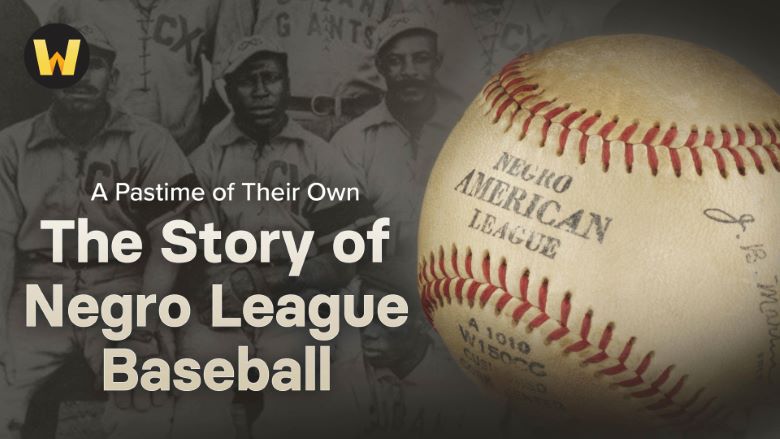
TTC - A Pastime of Their Own: The Story of Negro League Baseball
Released 2/2023
MP4 | Video: h264, 1280x720 | Audio: AAC, 44.1 KHz, 2 Ch
Genre: eLearning | Language: English | Duration: 12 Lessons (6h 11m) | Size: 5.1 GB


Satchel Paige. Josh Gibson. Jackie Robinson. These all-star baseball players conjure up an image of the golden age of the game, as well as a time in America when the world was dramatically divided by race. Most of us know the story of Robinson breaking the color barrier to become the first Black major league player, but the history leading up to that dramatic moment is a powerful story of athletic prowess, business development, and cultural change

A Pastime of Their Own: The Story of Negro League Baseball is your chance to delve into this fascinating history. Taught by Professor Louis Moore of Grand Valley State University, these 12 scintillating lectures take you onto the field, through the locker rooms, and into the smoky back rooms of the business world in Chicago, New York, Philadelphia, Kansas City, and other great American cities.

Although little is known about the game before the Civil War, the story of Black baseball players, teams, leagues, and businesspeople mirrors the social history of America from the 1850s through World War II. For instance, you might be surprised to learn that in the era of Reconstruction, baseball was an integrated sport. The game was particularly important for Black Americans working for self-determination and you could often find pickup games at Juneteenth celebrations in the 1860s and 1870s.

But as Reconstruction gave way to Jim Crow, so, too, did an infamous gentleman s agreement segregate baseball into white and Black teams hampering athletes but opening doors to Black businesspeople seeking economic success around the game. Among other topics, Louis introduces you to

Legends like Bud Fowler, Rube Foster, and Gus Greenlee who took their knowledge of the game and applied it to the business of ball;
The best teams in Black baseball, such as the Philadelphia Pythians and the Kansas City Monarchs;
Classic games such as the first Black World Series and the perennial favorite East-West Classic; and
Some of the best players to ever set foot on a baseball diamond, including Oscar Charleston, Moses Fleetwood Walker, Larry Doby, and many others.
From the creation of Negro Leagues to players who became stars, and from cross-town rivalries to the struggles of breaking the color barrier, the hidden history of Black baseball is one of the greatest sports histories ever recorded. A Pastime of Their Own: The Story of Negro League Baseball gives you a fast-paced survey of this magnificent story.

Play Ball! Reconstructing the Origins of Black Baseball

As America s pastime, baseball has symbolized many things: the spirit of competition; the good cheer at friendly neighborhood gatherings; the mobility of a growing nation; and the autonomy of individual players, managers, and owners to assert their independence and find a place in the American economy.

For Black Americans newly emancipated after the Civil War, baseball was a perfect vehicle to prove their merit in a nation transformed. Although the game was integrated in the Reconstruction years, you can find a foreshadowing of segregation in the manner in which late-19th-century media covered the sport.

As Louis lays out, only Black media covered Black games. One of the first box scores ever recorded was the 1859 matchup between the Henson Club of Jamaica Long Island and the Unknowns of Weeksville, Brooklyn. The only reason we know about this game is thanks to the Weekly Anglo-African newspaper.

Despite the lack of fanfare, Black ball quickly moved from a regional activity to a national game, with teams all over the country.

Batter Up! Building the Leagues of Their Own

The promise of equality in Reconstruction soon gave way to the passage of Jim Crow and segregation laws. In baseball, white team owners quietly laid out a gentleman s agreement in the 1880s never to allow a Black man to play in the major leagues leading to a parallel history of Black and white baseball, with segregated fields and segregated teams.

Within this tragic story, however, Louis shows the innovations and resilience of Black ball players and businesspeople. In this course, you will meet people like Bud Fowler, one of the best players in the nation who led an early effort to create a professional Black baseball organization in the late 19th century.

In the early 20th century, Andrew Rube Foster Black baseball s first true superstar built a successful team based on his style of play ( small ball ). He then went on to create the Negro National League, which served as both a way to solve the economic challenges of owning a baseball team and a symbol of Black social and economic progress.

Soon, thereafter, rival Ed Bolden created the Eastern Colored League, and the two Black baseball leagues lifted up the game but faced challenges during the Great Depression.

Grand Slam! The End of an Era

As you will discover throughout this survey, the story of Black baseball reflects the larger history of America. When the Depression clobbered the nation, league owners and team managers struggled to make ends meet. Players had to forego paychecks.

Yet time and again, Louis draws out a story of triumph over tragedy. Out of this era rose some of the greatest players in the game, including Josh Gibson (commonly referred to as the Black Babe Ruth ), Satchel Paige (one of the most successful and famous players in the Negro Leagues), and Oscar Charleston (manager and first baseman extraordinaire).

Following the Depression, World War II changed everything, highlighting the color line in America s pastime and the equal worth of Black citizens. With urging from the Black press and the undeniable talent in the Negro Leagues, white major league owners recognized integration was inevitable.

Louis explores the story of Jackie Robinson and then Larry Doby breaking through the color barrier changing baseball forever. It was truly an end of an era, and a triumphant finale to A Pastime of Their Own: The Story of Negro League Baseball.

What Will You Learn?
Learn about the origins of Black baseball during the Civil War

Trace the rise of the Negro Leagues in the late 19th century

Explore how economic interests drove the story of Black baseball

Study the great teams and players from the Civil War to World War II

See how the history of Black baseball mirrors the history of America


406690519_a_pastime_of_their_own_the_story_of_negro_league_baseball.jpg


80630.jpg


TTC - America s Great Trails
Released 10/2022
MP4 | Video: h264, 1280x720 | Audio: AAC, 44.1 KHz, 2 Ch
Genre: eLearning | Language: English | Duration: 6 Lessons (2h 41m) | Size: 2.22 GB


What would make someone leave everything behind and walk hundreds or thousands of miles on rough terrain? Hiking is not just a physical journey but, perhaps more important, an internal one

What would make someone leave everything behind and walk hundreds or thousands of miles on rough terrain? Hiking is not just a physical journey but, perhaps more important, an internal one. Millions of travelers each year partake in this outdoor ritual on some level, whether for a day, a weekend, or many months, to immerse themselves in a special culture that has birthed unique traditions such as trail names, trail magic receiving or giving small acts of kindness and forging unforgettable bonds with kindred spirits along the way.

Now's your chance to sample life on six of the most spectacular wilderness trails in North America from the comfort of your own home. Guiding you through the visually arresting course America's Great Trails is expert Mick Davie journalist, Emmy award-winning documentary filmmaker, and avid outdoorsman. Mick will take you on an adventure through the rugged heart of the continent, revealing its most closely held secrets in six stunning episodes.

The Wild West

Mick begins with one of the most iconic, visually diverse trails on the planet: the Pacific Crest Trail (PCT). Declared a National Scenic Route in 1968, this extraordinary route stretches 2,650 miles from the border of Mexico to the border of Canada. Completing this trail can be a life-changing event. On the PCT, you will brave every extreme of landscape and climate imaginable, from desert to glacier and everything in between. At the heart of this trail is the El Capitan, a 3,000-foot granite rock face taller than any human structure ever built.

Called the A-to-Z trail because it starts in Arches and ends in Zion, the remote and challenging route of cliffs and canyons of the Hayduke Trail is the elite hiker's dream. Its 812-mile route links six National Parks, including the Grand Canyon. Hiking the Hayduke is not as easy as saying your ABCs. Some of the fascinating details that Mick highlights in this course

It was founded 25 years ago by two hikers, Mike Cornella and Joe Mitchell, to thread together multiple parks.
It has been described by National Geographic Adventure magazine as the greatest hike in the United States.
It begins at Arches, a museum of geological wonders featuring more than 2,000 natural sandstone arches, rocks, and strange formations carved naturally over millions of years.
Several famous movies have been filmed along the trail, such as Indiana Jones and the Last Crusade and Thelma and Louise.
If you're inspired to tackle the Hayduke Trail, you're in for a great adventure but be prepared and build up your stamina by completing some of the other trails first.

Ocean Views and Unfinished Business

A difficult and relatively new trail, the Pacific Northwest Trail (PNW) has much less inland hiking. Instead, you hike along saltwater bays, islands, and even the ocean. With a fantastic range of wildlife habitats along the way, from wolves to whales, this trail has excitement galore for any nature enthusiast, especially one who prefers solitude you can go for days seeing more bears than people.

When you undertake the 1,200-mile journey of the PNW, you will cross

Seven mountain ranges,
Seven national forests,
Three states, and
Three national parks.
The Continental Divide Trail (CDT) arguably the most rugged, remote, and hazardous of them all boasts 3,100 miles and an ominous origin story involving a cook bludgeoning a trail builder to death for criticizing his cooking. The CDT is known as the "wild child" of the trail family, since it is only 70% fully completed, with lots of road walking and off-trail travel involved. Designated as a National Scenic Trail in 1978, a map created by the Forest Service is available. Maps are also available of the ever-changing route forged over the years by trailblazing thru-hikers who made their way with compass and map and published their paths in guidebooks, articles, and online.

Journey to the Past

The Great Allegheny Passage (GAP) is a relatively short, mild trail from Pittsburgh, Pennsylvania, to Cumberland, Maryland. At just 150 miles long, the hike is not a test of endurance on wild and impossible terrain; rather, it is more a trip into America's past, with urban landscapes and wide, well-kept paths easy for hikers and perfect for bikers.

From the very first step, the GAP oozes history, spanning the story of the country's founding and the dawning of the Industrial Age to the region's rebirth, providing a destination for more than a million adventure enthusiasts every year. It boasts historic towns and attractions such as Ohiopyle, an 18th-century settlement, and "The Ruins Project," a mosaic museum.

The Appalachian Trail (AT) is known to be the most social hiking trail in the United States, although there is enough solitude on the trail if that's what you're seeking. In terms of name recognition, the AT is as well-known as Mount Everest. The "twin" to the Pacific Crest Trail in the west, it is one of the most established and famous trails of them all. Traversing over 2,100 miles through 14 states, the AT attracts over 3 million hikers, yearly.

Mick will make its history come alive as he shares incredible stories of the human spirit connected to it, including the experiences of

Grandma Gatewood, the first woman, at age 67, to complete the trail;
Bill Irwin, the first blind person to thru-hike it with his guide dog; and
Thomas Jefferson, who famously stood on Jefferson's Rock in 1783.
More so than for any other National Scenic Trail, it is close to civilization at many accessible points, making it the perfect trail for you to escape the city's grind, while opening yourself to connecting with kindred spirits hiking the trail.

Do you feel the call of the wild?

Whether you're curious to learn more about America's breathtaking natural beauty or you re at a point where you need inspiration for adventure, America's Great Trails will be an abundant feast for all of your senses. Be inspired as Mick guides you to rediscover your connection to the natural world and the joy and wonder to be found in exploring it. His joyful enthusiasm and deep knowledge of these trails will make even the most reluctant hiker curious to visit these amazing places even if it s just from the comfort of your own home.

If you're lucky enough to traverse these natural wonders, you will experience a unique phenomenon. After the arduous journey, a strange feeling washes over you, one that early pioneers who walked these same trails must have had: the realization that you have not conquered nature, nor tamed it. You've lived in it, communed with it, adapted to it, and slowly started to understand it. And in doing so, you have begun to understand yourself.


406690499_america-s_great_trails.jpg


80180.jpg


TTC - Where Our Food Really Comes From
Released 4/2023
MP4 | Video: h264, 1280x720 | Audio: AAC, 44.1 KHz, 2 Ch
Genre: eLearning | Language: English | Duration: 8 Lessons (3h 14m) | Size: 2.6 GB


It s dinner time, and you re making grandma s famous lasagna. The ingredients in front of you include things like high-quality noodles, jarred tomato sauce, sweet Italian sausage, mozzarella cheese, fresh basil, and more, and it all came from your local grocery store nothing too fancy

It s dinner time, and you re making grandma s famous lasagna. The ingredients in front of you include things like high-quality noodles, jarred tomato sauce, sweet Italian sausage, mozzarella cheese, fresh basil, and more, and it all came from your local grocery store nothing too fancy. You trust the brands you bought, after all, and the supermarket you went to, and the recipe your grandmother passed down. But what do you actually know about the products you brought home? Where did the meat, the sauce, the cheese come from? Where do these ingredients fit in a larger global food supply chain? And what would grandma s lasagna require if it were to be prepared at a professional venue like a college cafeteria where they feed thousands of people items like lasagna every single day?

Get to the bottom of these questions and more with Where Our Food Really Comes From, an eight-lecture course that explores the history, design, technology, and labor behind the foods you know and love. Certified Master Chef Brad Barnes will be your guide. He is a published author and strategic food business development consultant who has worked with a range of food service establishments to develop wholesome yet practical menus, procure quality food products, and service diverse clientele. He has firsthand experience not just as a chef but also as a consultant and a culinary leader deep in the weeds of the food business. No one is better equipped to talk about how food gets grown, delivered, processed, and consumed.

With Brad at the helm, see how food products are cultivated on farms, ranches, and fisheries throughout the world. Explore the intricacies of the food industry, moving from its delicate supply chain to the fascinating psychology behind its most sophisticated marketing tactics. Learn about your own power as a consumer, generated through the choices you make and the opinions you choose to vocalize. Dive into food service, a broad and vibrant sector that encompasses fine-dining, senior living centers, hospitals, and college dormitories. Analyze the modern grocery store and why it works the way it does. And see how we can contend with problems facing the modern food industry in the 21st century, from food insecurity to food waste.

Making, Manufacturing, Marketing

In today s world, food rarely comes directly from the farm to your table. Enter the modern food industry, an intricate and well-coordinated web of growers, ranchers, fishers, packers, truck drivers, manufacturers, and inspectors that stretches across whole continents. While certainly not a perfect system, this international conglomerate of machines, farms, and labor does a pretty good job at feeding large segments of the world s population.

Where Our Food Really Comes From breaks down how each part of the food distribution web works together to deliver food to your local grocery store, hospital dining hall, or favorite restaurant. In just eight lectures, discover what it takes to grow and transport food products like tomatoes and fish. Study the economics behind growing, producing, and marketing food at such a large scale. Explore how food brands utilize customer data to bring you to products you know and love. And figure out where exactly you fit into the process as a consumer; a customer; and an eater, most of all.

But you won t do this work uncritically. Our modern food industry as efficient as it is does not and sometimes cannot adequately feed everybody. As you examine this amazing-but-flawed system, Brad will help you zero in on the many problems that come with the way we currently grow and distribute food, such as

Malnourishment and Food Deserts. What groups lack access to good, nutritious food, and why? And how can the least fortunate places acquire, access, and afford healthier products?
Environmental Disaster and Food Waste. What can we do to limit food waste and promote a greener way of procuring food? What role can universities, nonprofits, and the government play in solving this distinct problem?
Labor Exploitation. How much work goes into picking, transporting, and preparing our food? What can we as a collective do to ensure that food workers and cooks are treated and compensated fairly?
As you will discover, you have a role to play in all of this, too. Brad will show you how you can empower yourself as a consumer, the ever-important end piece in the greater global food supply chain. He will teach how to navigate a growing assortment of food labels. And he will illustrate you can use your voice to bring our modern food system into the 21st century where sustainability, worker justice, strong public health, and consumer activism matter more than ever.

Food s Final Destination

Once food is grown, processed, and distributed, it has to be sold to us either as a retail product or part of a prepared dish at a restaurant. Brad examines both, presenting a sharp and thorough exploration of how the food retail and food service industry tick, in both theory and in practice. He starts with retail, carefully deconstructing the anatomy of a grocery store from the frozen aisle to shelf slots, paying special attention to how human psychology informs its layout and the sales it offers. He then helps you evaluate three major retail strategies to see how supermarkets attract new and retain current customers. He shows how retailers use customer data to refine and reform their marketing strategies.

Then, turn your attention to food service, a diverse industry that spans everything from five-course fine dining to army mess halls. With a trained master chef and food consultant as your expert, dive into the mind of a chef to see how it all works behind the scenes. Ask and answer: How can we distinguish between different kinds of food service establishments the local diner, the hospital cafeteria, the grocery store hot food bar? What kinds of skills are important when it comes to running a professional kitchen? Do factors like location, clientele, ingredient availability, and community preferences affect a menu at a restaurant? And what are the new trends in food service, and who pioneered them?

In the end, Where Our Food Really Comes From is more than just a detailed sketch of our modern food industry. It approaches the system fairly and humanely, highlighting its strengths as well as its weaknesses. It shows us that there are people powering our food, from farmers to truck drivers to seasoned chefs like Brad. And it illustrates that we are not passive but active and engaged participants who can work to make sure our food industry is ethical, just, and sustainable.


406690652_where_our_food_really_comes_from.jpg


29xztdkopkxhaudhob2tm7viw4.jpg


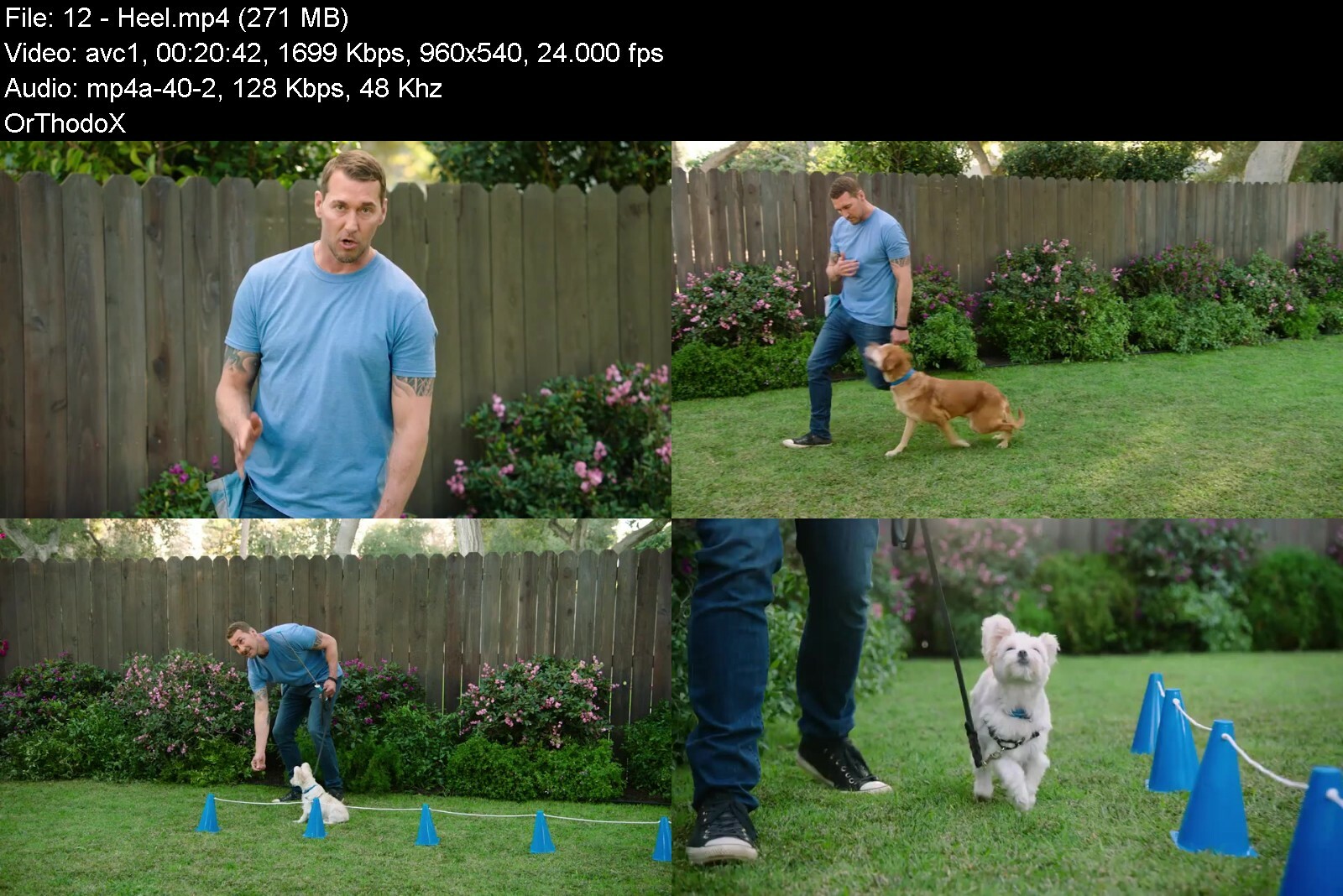
MasterClass - Brandon McMillan Teaches Dog Training
Video: .MP4, AVC, 960x540, 24 fps | Audio: English, AAC, 44.1 KHz, 2 Ch | Duration: 2h 58m | 2.28 GB

The Emmy-winning host of Lucky Dog, Brandon McMillan is an expert trainer dedicated to building relationships between humans and animals. In his MasterClass, Brandon shares his simple, effective training system to help you develop trust and control with your dog. From using commands like sit, stay, and down to fixing barking and digging, you ll learn how to improve your dog s behavior and create a lifelong bond.

Brandon McMillan is a master animal trainer. From working with animals for film and television to training dogs to perform specialized tasks to assist disabled veterans, he has dedicated his life to improving relationships between animals and humans. On his hit show Lucky Dog on CBS, Brandon demonstrates his training system, which he has simplified to the 7 Common Commands. With his personal mission to rescue dogs from shelters and rehabilitate them for a life with a family, Brandon has become a powerful voice for animal advocacy and activism.

In this online class, you ll learn about:

Variables That Make Your Dog Unique
Trust & Groundwork for Training
Training Foundations & the 7 Common Commands
Signaling Commands & Leash Techniques
Sit
Down
Stay
No
Off
Come
Heel
Behavior: Housebreaking
Behavior: Door Dashing
Behavior: Digging, Chewing, Barking


masterclassbrandonmcmuuf8g.jpg


maxresdefaultv8dy2.jpg


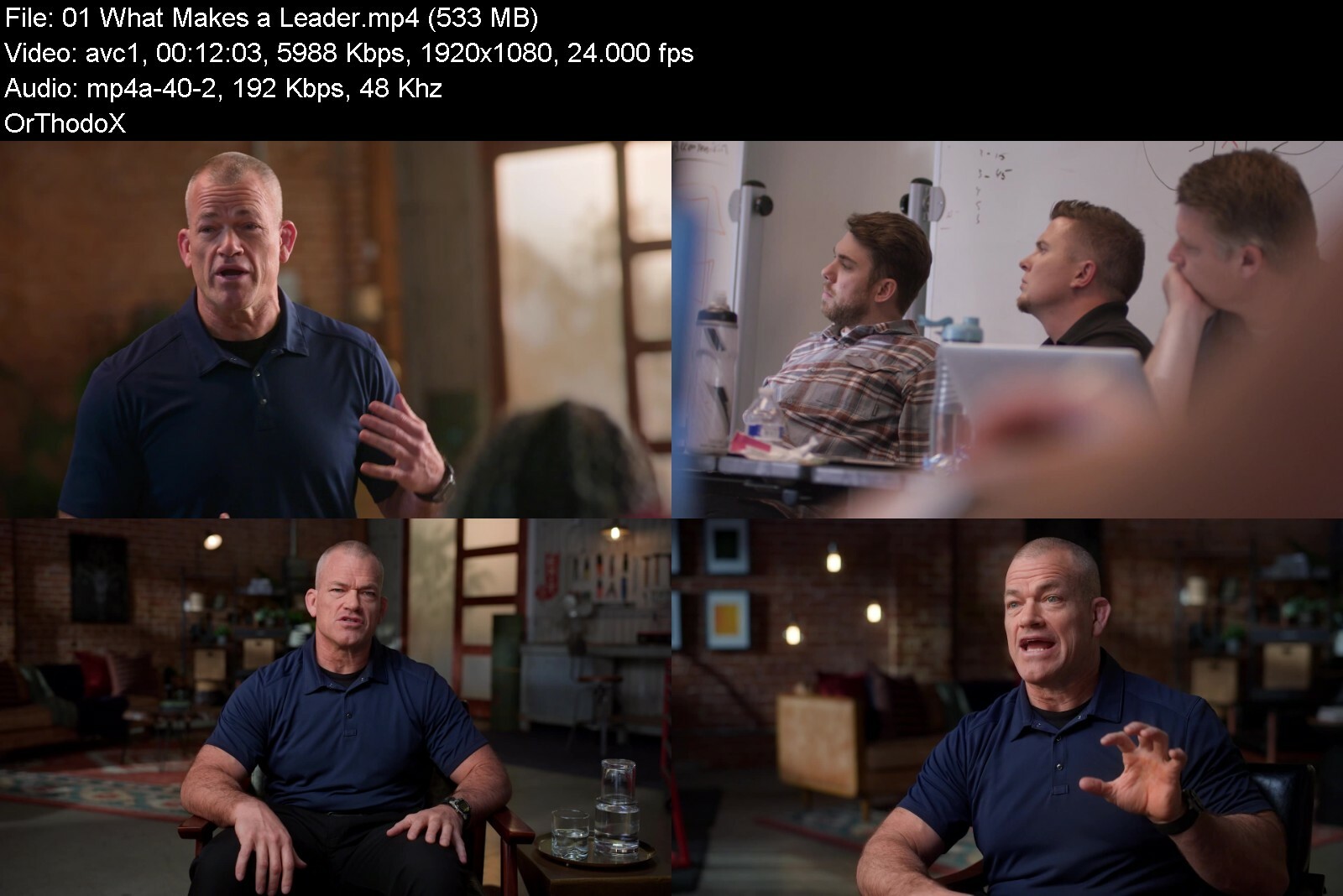
MasterClass - Critical Leadership Training with Navy SEAL Officer Jocko Willink
Released 9/2023
MP4 | Video: h264, 1920x1080 | Audio: AAC, 44.1 KHz, 2 Ch
Genre: eLearning | Language: English + Subs | Duration: 10 Lessons ( 1h 11m ) | Size: 3.1 GB


Step in, step up, and raise the bar. Join bestselling author and decorated Navy SEAL veteran Jocko Willink for critical leadership training.

Critical missions. Life-or-death scenarios. Split-second decisions. Former Navy SEAL officer Jocko Willink knows what it s like to lead under extreme pressure. But drop your drill instructor expectations at the door. In this class, the bestselling author and leadership coach teaches you how to keep your cool, build rapport, and take care of your people. Own your leadership potential and drive success from any level.


criticalleadershiptra55dpa.jpg


originalhec24.jpg


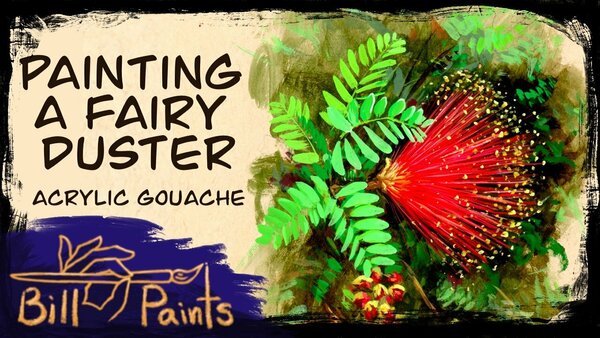
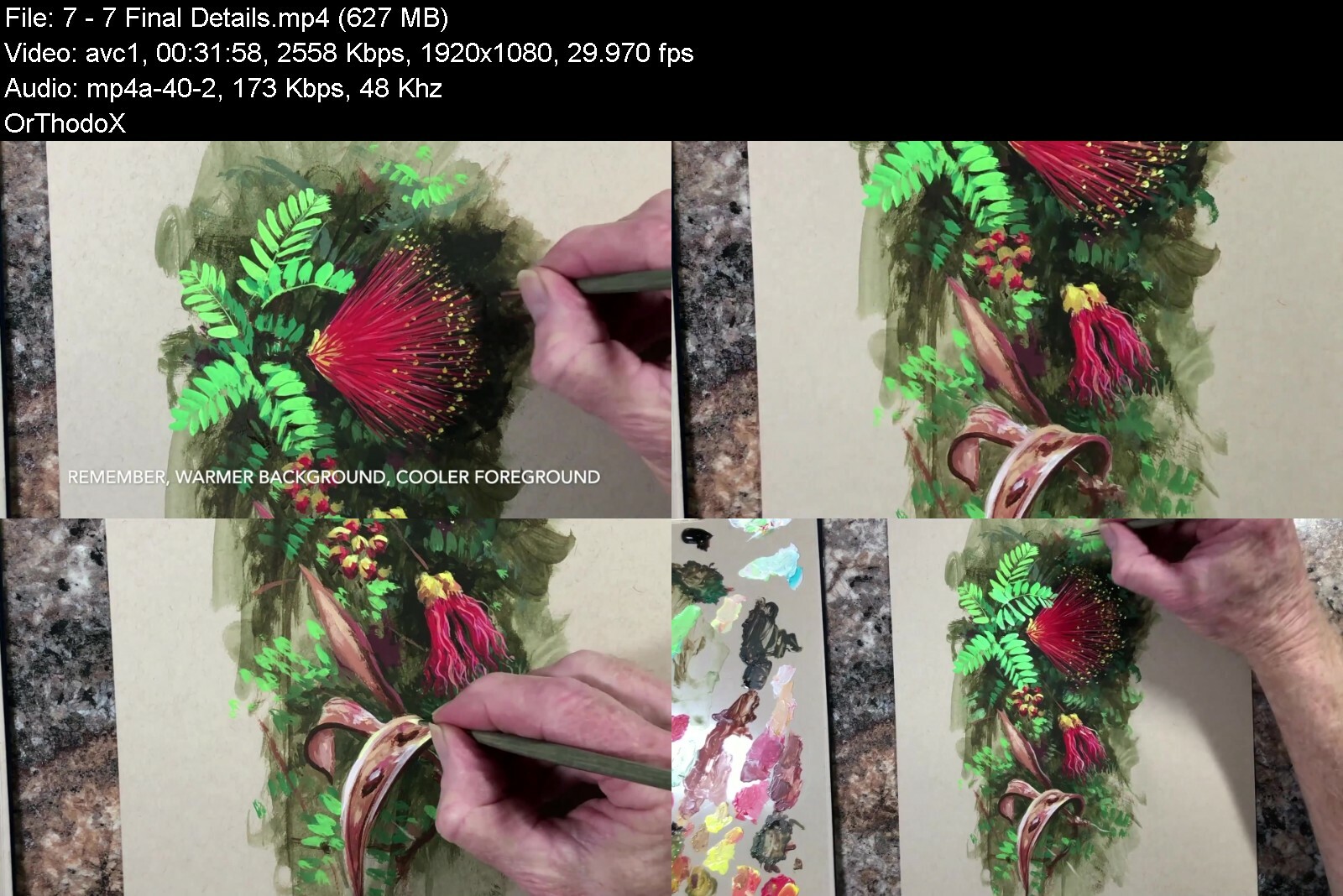
Masterclass - Painting a Baja Fairy Duster
Video: .MP4, 1920x1080, 30 fps | Audio: AAC, 48 kHz, 2ch | Duration: 1h 54m Genre: eLearning | Language: English | Size: 2.28 GB

In this Masterclass, I'm painting a Baja Fairy Duster from start to finish. This started out as a commission to create a bookmark for Desert Survivors Nursery in Tucson. I decided to record the entire process so that I could show you how I painted it. The flowers of the Baja Fairy Duster are an eye-catching shade of bright red that is a hummingbird magnet. In this illustration I painted the flower buds, the full flower, the spent flower and the seed pods - basically the entire flower-cycle.
I painted this in Acrylic Gouache, but the technique is 90% the same whether you are using Traditional Gouache, Casein, Acrylic or Acryla Gouache.
After finishing the painting, I scanned it and brought it into Adobe Photoshop so I could crop it, add text and prepare it for export to the Printers to make the printed bookmarks. I give you a brief glimpse into this process, although a full blown lesson is Photoshop is best left for its own freestanding class.

masterclasspaintingabtucfp.jpg


10240.jpg


TTC - Understanding Cognitive Biases
Released 1/2023
MP4 | Video: h264, 1280x720 | Audio: AAC, 44.1 KHz, 2 Ch
Genre: eLearning | Language: English | Duration: 24 Lessons (10h 51m) | Size: 9.06 GB

As you read this sentence, your brain has just processed about 20 million bits of information. In fact, every second of every day, your brain processes about 11 million bits. And yet, that astonishing number just isn t enough to get you through your day. Consequently, your brain takes some shortcuts and it s those shortcuts, called heuristics, that make it all work.

Some shortcuts are completely benign and helpful such as your ability to recognize your child even if half his face is in shadow or your ability to imagine tomorrow even though you will never actually see it. But other heuristics are faulty and can bias your decision-making inappropriately. In Understanding Cognitive Biases, you will learn how to recognize these biases for what they are, counteract them when necessary, and even use them to your advantage in some instances.

In 24 fascinating lectures, Dr. Alexander B. Swan uses examples from psychology experiments, history, politics, movies, TV, comics, social media, and more to illustrate dozens of cognitive biases that affect us all. You re not alone in your sometimes irrational judgments and interpretations of events or people. But you can learn how to make better decisions no matter what shortcuts your brain wants to take!

How Many Biases?

Although it might come as a shock, research shows that each of us has close to 200 biases. Unlike a prejudice, which usually means a preconceived negative opinion about a group or class of people, you can be biased in favor of something or against it. For example, you might be biased toward healthy foods, the color blue, or a certain type of music. We each have our own preferences that are unlikely to cause any negative effects in our decision-making.

The shortcuts of cognitive biases, however when the brain fills in gaps of solid, reliable information with a lot of guesswork for efficiency s sake can lead to errors of memory and judgment, and can cause faulty decision-making with unintended, even dire, consequences. For example, take confirmation bias. This tendency to consider only information that confirms our existing beliefs can cause us to make incorrect assumptions about the cause of a coworker s behavior, misinterpret experimental data, or even make disastrous engineering decisions resulting in injuries ... or worse.

In this course, you will explore the causes of confirmation bias, our use of stereotypes, our predisposition toward the status quo, and many more biases, including some you may have never heard of

Pareidolia. This is our tendency to perceive meaning from vague and random stimuli. Our brains are primed to find patterns, especially faces. In 1976, when the Viking 1 spacecraft photographed the Cydonia region of Mars, many people s pareidolia caused them to see a face in the landscape that became associated with a supposed Martian civilization.
Cryptomnesia. This is a tendency for a person to believe they created a particular thought or idea when the actual source was a memory. This occurs when your brain makes a source monitoring error storing a memory without storing its source. One of the most famous examples of cryptomnesia is Helen Keller s publication of The Frost King; although she was sure her book was an original work, it was not.
Reactance. Remember back to your teen years when you wanted to do the opposite of whatever you were told to do? Although you didn t know it at the time, you were exhibiting reactance bias, the tendency to act in ways that are opposite to the rules in place, especially when you believe your freedom will be curtailed. One of the problems with this very common bias is that your reactance could lead you to do something unsafe; sometimes, the rules are there for a reason.
Unraveling the Bias

If these cognitive biases are such an ingrained aspect of our brain functioning, can we have any control over them? Absolutely. In Understanding Cognitive Biases, Dr. Swan will discuss many tactics you can and should use to avoid the consequences of unchecked cognitive biases. These include

Increasing Your Awareness of Biases. We need to be aware of cognitive biases and recognize them when they show up. It s amazing how easy it is to identify cognitive bias when it s exhibited by someone else, but it s much more difficult to recognize it in ourselves. However, this is an important first step in fighting off faulty reasoning and associated outcomes.
Slowing Down. Humans use dual process thinking. We have fast, automatic, and heuristic processing to keep us moving efficiently from one thing to the next, which is where most of our cognitive biases show up. But we can also access slow, deliberate, logical processing if we want to. Are we motivated to look for solid, valid information outside our own belief system, even if it takes a bit of effort? Or are we content to just confirm our own worldview, whether or not it s accurate?
Journaling. For those who journal, and those who have been wanting to try this wonderful habit, writing down some of your activities, thoughts, and concerns can be a great way to combat cognitive bias. For example, journaling during a multi-day vacation can help unravel the peak-end bias that affects how we retain memories; having group members journal their individual experiences and thoughts can help work against groupthink; and journaling every day can also help prevent the creation and maintenance of false memories.
Using Cognitive Bias to Accomplish Your Goals

Some of the heuristics your brain uses to make up for its slow processing can also be used to help you reach your goals. These include

Testing Effect, Generation Effect, and Spacing Effect. Understanding how to use these memory phenomena to your own benefit can help improve your studying and learning and increase memory retention.
Observer Bias. The next time you re trying to teach someone anything at all, you can certainly use the cues of observer bias where we see what we expect rather than what is necessarily there to improve response and learning.
Status Quo Bias. While this bias can sometimes work against us by making us afraid of change, we can also use it to examine situations closely and choose the status quo when it really is to our benefit.
Dr. Swan leaves the course asking one final and impactful question. Once you understand how many cognitive biases work in our lives (biases that sit quietly in the dark ), their evolutionary causes, and their many potential negative impacts, where do you want to go from here? Do you want to allow the status quo bias to keep every other cognitive bias in place or, with your new knowledge, do you want to begin working on strategies to mitigate and reduce their impacts? The choice is yours.


Homepage


_4b437b3c7c1495e0f04ffb21ab5b9633.jpeg


maxresdefault16e1x.jpg


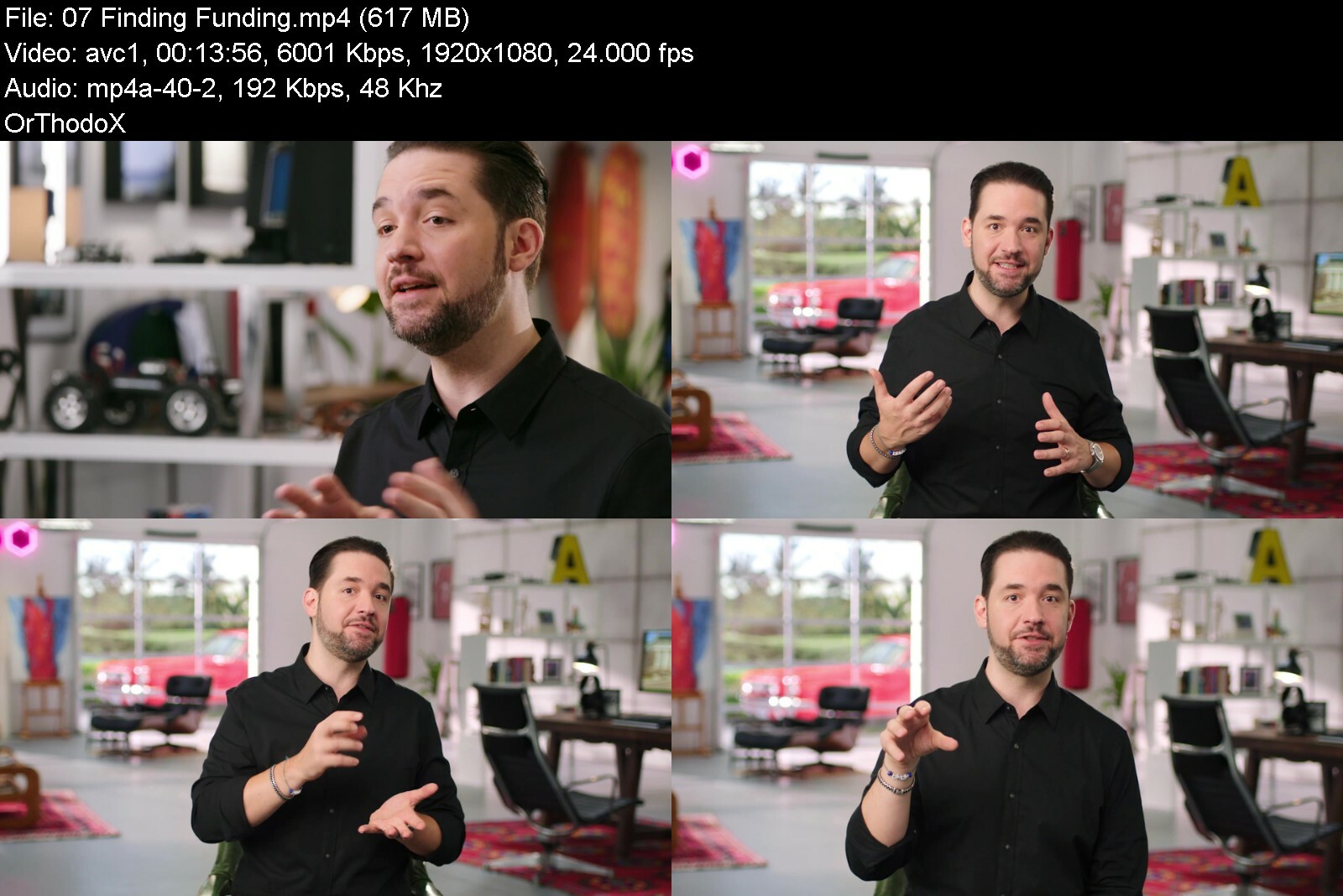
MasterClass - Alexis Ohanian Teaches Building Your Startup
Released 2/2023
MP4 | Video: h264, 1920x1080 | Audio: AAC, 44.1 KHz, 2 Ch
Genre: eLearning | Language: English + Subs | Duration: 16 Lessons (2h 17m) | Size: 6 GB


Reddit cofounder Alexis Ohanian teaches you how to turn an idea into a startup. Get the advice he s shared through his VC fund, Seven Seven Six.

That was only the start: From growing billion-dollar companies to championing female founders, Ohanian shaped culture. Now he wants to lead tomorrow s innovators. Learn how to turn an idea into a startup with advice Alexis has shared with other entrepreneurs through his VC fund, Seven Seven Six.


alexisohanianteachesbcudm0.jpg


3291530-89c6-4.jpg


| TTC | Yoga Is Breath- Pranayama of Ashtanga Vinyasa Yoga
Last updated 11/2022
Created by Christos Fydanis
MP4 | Video: h264, 1280x720 | Audio: AAC, 44.1 KHz, 2 Ch
Genre: eLearning | Language: English + srt | Duration: 40 Lectures ( 5h 58m ) | Size: 3.3 GB


Teacher Training Course An amazing journey to breathe including techniques for expanding the lungs / breathing / bandhas


What you'll learn
Breathing technics: Ujjayi / Nadi Shodhana (Sama & Visama Vrrti) / Bhastrika (Kapalabhati) / Sheetali
Pranayama sequences for beginners - middle & advance practicioners
How to read and write your own pranayama sequence
The 4 stages of breathing: Belly / Chest / Clavicle / Full Yogic breathing
The Traditional Pranayama sequence from Sri Pattabhi Jois
Techniques and Asanas for expanding the capacity of your lungs
What bandhas are and how to practice them: Mulha Bandha / Uddiyana Bandha / Jalandhara Bandha
How to use bandhas during Pranayama to control your energy inside your body
Kriyas and cleansing breath techniques to prepare your body before Pranayama and Asanas
Bonus Pranayama sequences at the end of the course

Requirements
Familiar with bandhas would be a plus

Description
In this course we will go step by step to a wonderful journey into Pranayama and Breath. We will learn asanas for expanding our lungs capacity, how to write and read Pranayama sequences, practice Pranayama sequences from beginner level to advanced, how to use bandhas (locks/seals) during Pranayama but the most important thing is that we will feel our breath, we will learn how it works and how it can influences our energy levels. They wrote about the course:* I was looking for a course to help me in my own Yoga Instructor Development. Studying all online from the beginning, I was feeling overwhelmed by some of the complex study areas of Yoga, such as Pranayama, that are hardly understandable through the books I had been offered to study. Thanks to this class, everything is now much clearer and not only I understand the whole concept of Pranayama but I feel as well confident to teach it in my future classes. The structure is clear and coherent, the information is relevant and rich and the quizzes add a fun touch to the class! Wholeheartedly recommended to whoever seeks a comprehensive approach of the technics of breathing in Yoga! - Lisa Fras* Very interesting step by step approach with clear instructions and sequences. Very helpful and very complete and detailed pdf files included - Sanne Djaroud* This is a very organized course with valuable notes and descriptive videos. Information and level is given step by step so that you can absorb the khowledge clearly and by degrees - Evangelia Theodosiadou

Who this course is for
Everyone who wants to learn the traditional pranayama sequence of Ashtanga Vinyasa Yoga
Is suitable for all practinioners and teachers in all Yoga systems
Is suitable for anyone who wants to learn to breathe deeper and explore his/her limits


406682844_ttc__yoga_is_breath-_pranayama_of_ashtanga_vinyasa_yoga.jpg


Zurück
Oben Unten