• Regeln für den Video-Bereich:

    In den Börsenbereich gehören nur Angebote die bereits den Allgemeinen Regeln entsprechen.

    Einteilung

    - Folgende Formate gehören in die angegeben Bereiche:
    - Filme: Encodierte Filme von BluRay, DVD, R5, TV, Screener sowie Telesyncs im Format DivX, XviD und x264.
    - DVD: Filme im Format DVD5, DVD9 und HD2DVD.
    - HD: Encodierte Filme mit der Auflösung 720p oder darüber von BluRay, DVD, R5, TV, Screener sowie Telesyncs im Format x264.
    - 3D: Encodierte Filme von BluRay, die in einem 3D Format vorliegen. Dies gilt auch für Dokus, Animation usw.
    - Serien: Cartoon/Zeichentrick, Anime, Tutorials, Dokumentationen, Konzerte/Musik, Sonstiges sind demnach in die entsprechenden Bereiche einzuordnen, auch wenn sie beispielsweise im High Definition-Format oder als DVD5/DVD9/HD2DVD vorliegen. Ausnahme 3D.
    - Bereich Englisch: Englische Releases gehören immer in diesen Bereich.
    - Bereich Talk: Der Bereich, in dem über die Releases diskutiert werden kann, darf, soll und erwünscht ist.


    Angebot/Beitrag erstellen

    - Ein Beitrag darf erst dann erstellt werden, wenn der Upload bei mindestens einem OCH komplett ist. Platzhalter sind untersagt.
    - Bei einem Scenerelease hat der Threadtitel ausschließlich aus dem originalen, unveränderten Releasenamen zu bestehen. Es dürfen keine Veränderungen wie z.B. Sterne, kleine Buchstaben o.ä. vorgenommen werden. Ausnahme Serienbörse:
    - Bei einem Sammelthread für eine Staffel entfällt aus dem Releasename natürlich der Name der Folge. Beispiel: Die Simpsons S21 German DVDRip XviD - ITG
    - Dementsprechend sind also u.a. verboten: Erweiterungen wie "Tipp", "empfehlenswert", "only", "reup", usw. / jegliche andere Zusatzinformation oder Ergänzung, welche nicht in obiger Beschreibung zu finden ist.

    Aufbau des Angebots und Threadtitel

    Der Titel nach folgendem Muster erstellt zu werden. <Name> [3D] [Staffel] [German] <Jahr> <Tonspur> [DL] [Auflösung] <Quelle> <Codec> - <Group>
    Beispiel: The Dark Knight German 2008 AC3 DVDRip XviD - iND
    Beispiel: The Dark Knight 2008 DTS DL BDRip x264 - iND
    Beispiel: The Dark Knight 2008 AC3 DL BDRip XviD - iND
    Beispiel: The Dark Knight German 2008 AC3 720p BluRay x264 iND
    Beispiel: The Dark Knight 2008 DTS DL 1080p BluRay x264 iND
    Beispiel: Die Simpsons S01 German AC3 DVDRip XviD iND
    Beispiel: Die Simpsons S20 German AC3 720p BluRay x264 iND
    Beispiel: Sword Art Online II Ger Sub 2014 AAC 1080p WEBRip x264 - peppermint
    Entsprechend sind also u.a. verboten: Sonderzeichen wie Klammern, Sterne, Ausrufezeichen, Unterstriche, Anführungszeichen / Erweiterungen wie "Tipp", "empfehlenswert", "only", "reup", usw. / jegliche andere Zusatzinformation oder Ergänzung, welche nicht in obiger Beschreibung zu finden ist
    Ausnahmen hiervon können in den Bereichen geregelt sein.

    Die Beiträge sollen wie folgt aufgebaut werden:
    Überschrift entspricht dem Threadtitel
    Cover
    kurze Inhaltsbeschreibung
    Format, Größe, Dauer sind gut lesbar für Downloader außerhalb des Spoilers zu vermerken
    Nfo sind immer Anzugeben und selbige immer im Spoiler in Textform.
    Sind keine Nfo vorhanden z.B. Eigenpublikationen, sind im Spoiler folgende Dateiinformationen zusätzlich anzugeben :
    Quelle
    Video (Auflösung und Bitrate)
    Ton (Sprache, Format und Bitrate der einzelnen Spuren)
    Untertitel (sofern vorhanden)
    Hosterangabe in Textform außerhalb eines Spoiler mit allen enthaltenen Hostern.
    Bei SD kann auf diese zusätzlichen Dateiinformationen verzichtet werden.

    Alle benötigten Passwörter sind, sofern vorhanden, in Textform im Angebot anzugeben.
    Spoiler im Spoiler mit Kommentaren :"Schon Bedankt?" sind unerwünscht.


    Releases

    - Sind Retail-Release verfügbar, sind alle anderen Variationen untersagt. Ausnahmen: Alle deutschen Retail-Release sind CUT, in diesem Fall sind dubbed UNCUT-Release zulässig.
    - Im Serien-Bereich gilt speziell: Wenn ein Retail vor Abschluss einer laufenden Staffel erscheint, darf diese Staffel noch zu Ende gebracht werden.62
    - Gleiche Releases sind unbedingt zusammenzufassen. Das bedeutet, es ist zwingend erforderlich, vor dem Erstellen eines Themas per Suchfunktion zu überprüfen, ob bereits ein Beitrag mit demselben Release besteht. Ist dies der Fall, ist der bereits vorhandene Beitrag zu verwenden.
    - P2P und Scene Releases dürfen nicht verändert oder gar unter einem iND Tag eingestellt werden.


    Support, Diskussionen und Suche

    - Supportanfragen sind entweder per PN oder im Bereich Talk zu stellen.
    - Diskussionen und Bewertungen sind im Talk Bereich zu führen. Fragen an die Uploader haben ausschließlich via PN zu erfolgen, und sind in den Angeboten untersagt.
    - Anfragen zu Upload-Wünschen sind nur im Bereich Suche Video erlaubt. Antworten dürfen nur auf Angebote von MyBoerse.bz verlinkt werden.


    Verbote

    - Untersagt sind mehrere Formate in einem einzigen Angebotsthread, wie beispielsweise das gleichzeitige Anbieten von DivX/XviD, 720p und 1080p in einem Thread. Pro Format, Release und Auflösung ist ein eigener Thread zu eröffnen.
    - Grundsätzlich ebenso verboten sind Dupes. Uploader haben sich an geeigneter Stelle darüber zu informieren, ob es sich bei einem Release um ein Dupe handelt.
    - Gefakte, nur teilweise lauffähige oder unvollständige Angebote sind untersagt. Dies gilt auch für eigene Publikationen, die augenscheinlich nicht selbst von z.B. einer DVD gerippt wurden. Laufende Serien, bei denen noch nicht alle Folgen verfügbar sind, dürfen erstellt und regelmäßig geupdatet werden.
    - Untersagt sind Angebote, welche nur und ausschließlich in einer anderen Sprache als deutsch oder englisch vorliegen. Ausnahmen sind VORHER mit den Moderatoren zu klären.


    Verstoß gegen die Regeln

    - Angebote oder Beiträge, die gegen die Forenregeln verstoßen, sind über den "Melden"-Button im Beitrag zu melden.
  • Bitte registriere dich zunächst um Beiträge zu verfassen und externe Links aufzurufen.

*** Bestes IPTV *** bester Preis *** gratis Test ***


Englische Tutorials

96c344d3856756c1b1706e5bf95f4914.jpg


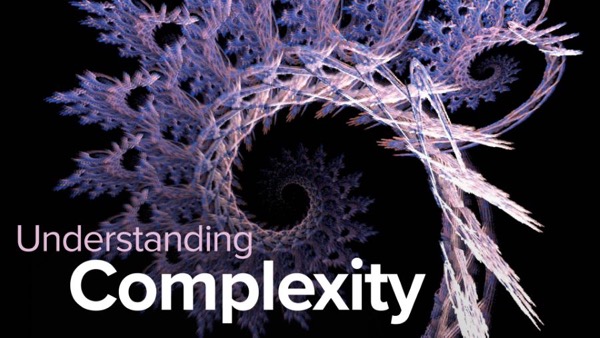
TTC - Understanding Complexity
Last updated 5/2024
MP4 | Video: h264, 1280x720 | Audio: AAC, 44.1 KHz, 2 Ch
Genre: eLearning | Language: English | Duration: 12 Lessons ( 6h 9m ) | Size: 5.14 GB


Recent years have seen the introduction of concepts from the new and exciting field of complexity science that have captivated the attention of economists, sociologists, engineers, businesspeople, and many others.

These include

tipping points, the sociological term used to describe moments when unique or rare phenomena become more commonplace;
the wisdom of crowds, the argument that certain types of groups harness information and make decisions in more effective ways than individuals;
six degrees of separation, the idea that it takes no more than six steps to find some form of connection between two random individuals; and
emergence, the idea that new properties, processes, and structures can emerge unexpectedly from complex systems.
Interest in these intriguing concepts is widespread because of the utility of this field. Complexity science can shed light on why businesses or economies succeed and fail, how epidemics spread and can be stopped, and what causes ecological systems to rebalance themselves after a disaster.

In fact, complexity science is a discipline that may well hold the key to unlocking the secrets of some of the most important forces on Earth. But it's also a science that remains largely unknown, even among well-educated people.

Now you can discover and grasp the fundamentals and applications of this amazing field with Understanding Complexity. Professor Scott E. Page-one of the field's most highly regarded teachers, researchers, and real-world practitioners-introduces you to this vibrant and still evolving discipline. In 12 lucid lectures, you learn how complexity science helps us understand the nature and behavior of systems formed of financial markets, corporations, native cultures, governments, and more.

What Makes a System Complex?

What defines a system as complex, as opposed to being merely


524792163_understanding_complexity.jpg


Download from RapidGator


Download from Keep2Share


Premium Links


Archive password: largest_country_in_the_world_by_population
 
2ffaa5f65394c2b63a6d1f0f054bd2e1.jpg


PMP Certification Exam Prep Course 35 PDU Contact Hours/PDU
Last updated 10/2024
MP4 | Video: h264, 1920x1080 | Audio: AAC, 44.1 KHz
Language: English | Size: 40.34 GB | Duration: 35h 4m

Get your PMP Certification with this course. Fully updated for the Current PMP Exam


What you'll learn
35 Hours of project management education/training
PMBOK Guide 7th Edition, PMBOK Guide 6th Edition, Agile Practice Guide
Students will learn to pass the PMP Certification Exam on the first try.
All 49 PMBOK processes will be covered in depth
All EVM, communication, and estimating formulas
Exam tips and tricks
Introduction to agile project management
400+ Exam Like Questions


Requirements
No requirements.


Description
This course has been fully updated for the Current PMP exam and is now over 35 hours of content with 350+ videos. Covers PMBOK Guide 7th Edition, Process Groups: A Practice Guide, Agile Practice Guide, and more. Passing the PMP certification exam is a must for any individual looking to move up the corporate ladder in any company. This course will cover all the topics needed to pass your PMP exam on the first try. This course includes coverage of traditional, Agile and hybrid projects. This course is taught by Instructor and PMP author Andrew Ramdayal. Andrew has over 60 certifications and is the author of Amazon Bestselling PMP Study Guide, PMP Exam Prep Simplified. Andrew has taught this course to thousands of students around the world both in the classroom and online. This course will include the following:35 hours of project management education needed to take your PMP exam.Based on the latest PMP Examination Content Outline35+ Hours of expert instruction from a certified PMP Instructor and one of Amazon best selling authors for the PMP exam books.350+ Videos400+ realistic exam questionsCourse Slides and PDF's with all the processes and formulas Expert instructions filling out the PMP applicationFull-length mock examEvery year we help thousands to pass their PMP certification exam and we can help you also. This course is presented by TIA Education Group and taught by instructor Andrew Ramdayal.

Overview
Section 1: Introduction

Lecture 1 About Me

Section 2: Exam Details

Lecture 2 PMP Process

Lecture 3 How to Ask me Questions Live

Lecture 4 PMP Requirements

Lecture 5 PMP Exam

Lecture 6 PMP Questions

Lecture 7 My PMP Exam Simulator

Lecture 8 Taking the PMP Exam

Lecture 9 Time Management on the PMP

Lecture 10 Examination Content Outline

Lecture 11 Secrets to Passing Your PMP

Lecture 12 Maintaining the PMP

Lecture 13 Materials used to create this course

Section 3: Course Information and Exam Info

Lecture 14 Course Intro

Lecture 15 Using Udemy

Lecture 16 Certificate of Completion

Lecture 17 PMP Application

Lecture 18 Layout of this class

Lecture 19 How to study

Lecture 20 5 Things to do the day before your PMP Exam

Section 4: Project Management Terms

Lecture 21 What is a Project

Lecture 22 What is Project Management

Lecture 23 What is Program Management

Lecture 24 Project Management Office

Lecture 25 What is Portfolio Management

Lecture 26 Operations Management

Lecture 27 What is the value of the project

Lecture 28 Projects enable changes

Lecture 29 Phases and Deliverables

Lecture 30 Project Life Cycle

Lecture 31 Project Governance

Lecture 32 Stakeholders

Lecture 33 Roles of a Project manager

Lecture 34 What are milestones

Lecture 35 Project Bosses

Lecture 36 Product vs Project Management

Lecture 37 Areas of a project

Lecture 38 Project Management Approaches

Lecture 39 Organizational Structures

Lecture 40 Risk vs. Issues vs. Assumptions vs. Constraints

Lecture 41 Project Constraints

Lecture 42 Emotional Intelligence

Lecture 43 Leadership vs. Management

Section 5: Project Management Principles

Lecture 44 Introduction to PM Principles

Lecture 45 PMI Code of Ethics and Professional Conduct

Lecture 46 The 12 Principles of project management

Lecture 47 Stewardship

Lecture 48 Team

Lecture 49 Stakeholders

Lecture 50 Value

Lecture 51 Systems Thinking

Lecture 52 Leadership

Lecture 53 Tailoring

Lecture 54 Quality

Lecture 55 Complexity

Lecture 56 Risk

Lecture 57 Adaptability and Resiliency

Lecture 58 Change

Section 6: Project Management Domains

Lecture 59 Project Performance Domains intro

Lecture 60 Stakeholder Performance Domain

Lecture 61 Team Performance Domain

Lecture 62 Development Approach Life Cycle Performance Domain

Lecture 63 Planning performance domain

Lecture 64 Work performance domain

Lecture 65 Delivery Performance Domain

Lecture 66 Measurement Performance Domain

Lecture 67 Uncertainty Performance Domain

Section 7: Introduction to Traditional/Predictive Project Project Management

Lecture 68 Introduction to Traditional Project Management

Lecture 69 Introduction to the process groups

Lecture 70 49 Process of Traditional Project Management

Lecture 71 5 Process Groups

Lecture 72 Processes ITTO's

Lecture 73 Enterprise Environmental Factors

Lecture 74 Organization Process Assets

Lecture 75 Project Documents

Lecture 76 Project Management Plan

Lecture 77 Expert Judgement

Lecture 78 Data Gathering, Analysis, Representation, and Decision Making

Lecture 79 Interpersonal and Team Skills

Lecture 80 Meetings

Lecture 81 PMIS

Lecture 82 Change Request

Lecture 83 Work Performance Data, Info and report

Lecture 84 Updates

Section 8: Processes to Manage a Traditional/Predictive Project

Lecture 85 Develop Project Charter

Lecture 86 Identify stakeholders

Lecture 87 Develop Project Management Plan

Lecture 88 Plan Scope Management

Lecture 89 Collect Requirements

Lecture 90 Define Scope

Lecture 91 Create WBS

Lecture 92 Plan Schedule Management

Lecture 93 Define Activities

Lecture 94 Sequence Activities

Lecture 95 Estimate Activity Durations

Lecture 96 PERT Formula

Lecture 97 Develop Schedule

Lecture 98 Critical Path Method Intro

Lecture 99 Critical Path Method

Lecture 100 Calculate Critical Path

Lecture 101 Calculate float or slack

Lecture 102 Forward Pass

Lecture 103 Backward Pass

Lecture 104 Free Float

Lecture 105 CPM Practice 1

Lecture 106 CPM Practice 2

Lecture 107 CPM Practice 2 Answer

Lecture 108 Plan Cost Management

Lecture 109 Estimate Cost

Lecture 110 Determine Budget

Lecture 111 Plan Quality Management

Lecture 112 Plan Resources Management

Lecture 113 Estimate Activity Resources

Lecture 114 Plan Communication Management

Lecture 115 Plan Risk Management

Lecture 116 Identify Risks

Lecture 117 Perform Qualitative Risk Analysis

Lecture 118 Preform Quantitative Risk Analysis

Lecture 119 Plan Risk Response

Lecture 120 Plan Procurement Management

Lecture 121 Plan Stakeholder Engagement

Lecture 122 End of Planning

Lecture 123 Executing

Lecture 124 Direct and manage Project work

Lecture 125 Manage Project Knowledge

Lecture 126 Manage Quality

Lecture 127 Acquire Resources

Lecture 128 Develop Team

Lecture 129 OSCAR Model

Lecture 130 Drexler Sibbet Team Model

Lecture 131 Manage Team

Lecture 132 People Management Terms

Lecture 133 MBTI

Lecture 134 Project Communications

Lecture 135 Implement Risk Responses

Lecture 136 Conduct Procurements

Lecture 137 Manage Stakeholder Engagement

Lecture 138 End of Executing

Lecture 139 Intro to Monitoring and Controlling

Lecture 140 Monitor and Control Project Work

Lecture 141 Perform Integrated Change Control

Lecture 142 Validate Scope

Lecture 143 Control Scope, Schedule Cost

Lecture 144 Earned Value Management Intro

Lecture 145 Earned Value Management

Lecture 146 Earned Value Management Formulas

Lecture 147 Earned Value Management Scenario 1

Lecture 148 Earned Value Management Scenario 2 Problem

Lecture 149 Earned Value Management Scenario 2 Answers

Lecture 150 EVM Formulas Tips

Lecture 151 Control Quality

Lecture 152 Control Resources

Lecture 153 Monitor Communication

Lecture 154 Monitor Risk

Lecture 155 Control Procurements

Lecture 156 Monitor Stakeholder Engagement

Lecture 157 Close Project or Phase

Lecture 158 How to take the upcoming quizzes

Section 9: Agile Project Management Methods and Delivery

Lecture 159 What is agile

Lecture 160 Agile vs. Traditional PM

Lecture 161 Agile Benefits

Lecture 162 Inverting the triangle

Lecture 163 Agile Manifesto

Lecture 164 Agile Manifesto Values

Lecture 165 Individuals and interactions over processes and tools

Lecture 166 Working software over comprehensive documentation

Lecture 167 Customer collaboration over contract negotiation

Lecture 168 Responding to change over following a plan

Lecture 169 Agile Guiding Principles

Lecture 170 Agile Methods

Lecture 171 Agile Process

Lecture 172 Scrum

Lecture 173 Scrum Activities

Lecture 174 Scrum Artifacts

Lecture 175 Extreme Programming

Lecture 176 XP Roles

Lecture 177 XP Practices

Lecture 178 Basic Terminology review

Lecture 179 Lean Development

Lecture 180 Kanban Development

Lecture 181 Other agile methods

Lecture 182 Agile declaration of Interdependence

Lecture 183 Agile mindset

Lecture 184 Leading Effectively

Lecture 185 Value-Driven Delivery

Lecture 186 Early Value Delivery

Lecture 187 Reduce Waste

Lecture 188 Assessing Value - Financial metrics

Lecture 189 Accounting on agile projects

Lecture 190 Key Performance Indicators

Lecture 191 Regulatory Compliance

Lecture 192 Risk Management

Lecture 193 How Customers Conduct Value Prioritization

Lecture 194 Different Prioritization Techniques

Lecture 195 Kano Analysis

Lecture 196 Delivering Value Incrementally

Lecture 197 Minimal Viable Product

Lecture 198 Tools for Agile Projects

Lecture 199 Limit WIP

Lecture 200 Cumulative Flow Diagrams

Lecture 201 Agile Contracting

Lecture 202 Verifying and Validating

Section 10: Agile Stakeholder Management

Lecture 203 Stakeholder Stewardship

Lecture 204 Educating People about agile

Lecture 205 Engaging Stakeholders

Lecture 206 Methods of Stakeholder Engagement

Lecture 207 Agile Chartering

Lecture 208 Definition of Done

Lecture 209 Set a shared vision

Lecture 210 Agile Modeling

Lecture 211 Personas

Lecture 212 Communicating with stakeholders

Lecture 213 Green Zone and Red Zone

Lecture 214 How to conduct a workshop

Lecture 215 Brainstorming

Lecture 216 Collaboration Games

Lecture 217 Using Critical Soft Skills

Lecture 218 Emotional Intelligence

Lecture 219 Negotiation

Lecture 220 Active Listening

Lecture 221 Facilitation

Lecture 222 Conflict Resolution

Lecture 223 Participatory Decision Models

Lecture 224 People Over Processes

Lecture 225 Development Team roles

Lecture 226 Building Agile teams

Lecture 227 Safe place

Lecture 228 Models of team development

Lecture 229 Tuckman Five stages of team development

Lecture 230 Training, coaching, and mentoring

Lecture 231 Team Spaces

Lecture 232 Burn and Velocity charts

Section 11: Agile Planning, Problem Resolution and Continuous Improvement

Lecture 233 What is adaptive planning

Lecture 234 Agile Plans

Lecture 235 Progressive Elaboration

Lecture 236 Value Decomposition and Design the product box

Lecture 237 Coarse Requirements

Lecture 238 Timeboxing

Lecture 239 Estimation

Lecture 240 Ideal Time

Lecture 241 User Stories

Lecture 242 User Story Backlog

Lecture 243 Assigning points to the stories using Fibonacci Sequence

Lecture 244 Story Points and T-Shirt Sizing

Lecture 245 Wideband Delphi

Lecture 246 Using Planning Poker to assign story points

Lecture 247 Story Maps and Product Roadmaps

Lecture 248 Iterations and Spikes

Lecture 249 Iteration and Release Planning

Lecture 250 Understand how problems happens

Lecture 251 Technical Debt

Lecture 252 Success and Failure Modes

Lecture 253 Lead time and Cycle time

Lecture 254 Defects

Lecture 255 Variances and Control Limits

Lecture 256 Risk Management

Lecture 257 Fixing Problems

Lecture 258 Kaizen

Lecture 259 Customize Processes

Lecture 260 Value Stream Maps

Lecture 261 Project Pre-Mortems

Lecture 262 Retrospective Intro

Lecture 263 Set the stage

Lecture 264 Gather Data

Lecture 265 Generate insights

Lecture 266 Decide what to to do

Lecture 267 Close the retrospective

Lecture 268 Team self-assessment

Section 12: Hybrid Project Management

Lecture 269 Hybrid Introduction

Lecture 270 Definable vs. Uncertainty

Lecture 271 Four Life Cycles

Lecture 272 Hybrid Method 1

Lecture 273 Hybrid Method 2

Lecture 274 Hybrid Method 3

Lecture 275 Hybrid method 4

Lecture 276 Hybrid Fit for purpose

Section 13: Ethics and Professional Responsibilities

Lecture 277 Professional Reponsibilities and Ethics

Lecture 278 Truth

Lecture 279 Laws

Lecture 280 Gifts and Donations

Lecture 281 Permission

Lecture 282 PMI

Section 14: PMP Application

Lecture 283 Application Introduction

Lecture 284 Application requirements

Lecture 285 Members vs. Non-members cost

Lecture 286 Starting the Application

Lecture 287 PM Experience

Lecture 288 Writing the Description

Lecture 289 PMI Audit

Section 15: PMP Examination Content Outline Review

Lecture 290 ECO Introduction

Lecture 291 Domain 1 Task 1

Lecture 292 Domain 1 Task 2

Lecture 293 Domain 1 Task 3

Lecture 294 Domain 1 Task 4

Lecture 295 Domain 1 Task 5

Lecture 296 Domain 1 Task 6

Lecture 297 Domain 1 Task 7

Lecture 298 Domain 1 Task 8

Lecture 299 Domain 1 Task 9

Lecture 300 Domain 1 Task 10

Lecture 301 Domain 1 Task 11

Lecture 302 Domain 1 Task 12

Lecture 303 Domain 1 Task 13

Lecture 304 Domain 1 Task 14

Lecture 305 Domain 2 Task 1

Lecture 306 Domain 2 Task 2

Lecture 307 Domain 2 Task 3

Lecture 308 Domain 2 Task 4

Lecture 309 Domain 2 Task 5

Lecture 310 Domain 2 Task 6

Lecture 311 Domain 2 Task 7

Lecture 312 Domain 2 Task 8

Lecture 313 Domain 2 Task 9

Lecture 314 Domain 2 Task 10

Lecture 315 Domain 2 Task 11

Lecture 316 Domain 2 Task 12

Lecture 317 Domain 2 Task 13

Lecture 318 Domain 2 Task 14

Lecture 319 Domain 2 Task 15

Lecture 320 Domain 2 Task 16

Lecture 321 Domain 2 Task 17

Lecture 322 Domain 3 Task 1

Lecture 323 Domain 3 Task 2

Lecture 324 Domain 3 Task 3

Lecture 325 Domain 3 Task 4

Section 16: Mindset

Lecture 326 PM Mindset

Lecture 327 Traditional Mindset Part 1

Lecture 328 Traditional Mindset Part 2

Lecture 329 Traditional Mindset Part 3

Lecture 330 Traditional Mindset Part 4

Lecture 331 Traditional Mindset Part 5

Lecture 332 Traditional Mindset Part 6

Lecture 333 Agile Mindset Part 1

Lecture 334 Agile Mindset Part 2

Lecture 335 Agile Mindset Part 3

Lecture 336 Agile Mindset Part 4

Lecture 337 Agile Mindset Part 5

Lecture 338 Agile Mindset Part 6

Section 17: Exam Tips and Conclusion

Lecture 339 49 Process Flow

Lecture 340 Outputs by Process Groups

Lecture 341 Project Documents Descriptions

Lecture 342 General Tips

Lecture 343 Study Tips

Section 18: Drag and Drop Questions

Lecture 344 Drag and Drop Questions

Lecture 345 Drag and Drop 1

Lecture 346 Drag and Drop 2

Lecture 347 Drag and Drop 3

Lecture 348 Drag and Drop 4

Lecture 349 Drag and Drop 5

Lecture 350 Drag and Drop 6

Lecture 351 Drag and Drop 7

Lecture 352 Drag and Drop 8

Lecture 353 Drag and Drop 9

Lecture 354 Drag and Drop 10

Lecture 355 Drag and Drop 11

Lecture 356 Drag and Drop 12

Lecture 357 Drag and Drop 13

Lecture 358 Drag and Drop 14

Lecture 359 100 Drag and Drop Questions in 1 Video

Section 19: Mock Exam

Lecture 360 The End

Lecture 361 Bonus Lecture

All students looking to become PMP Certified.


Homepage


536402228_288-writing-the-description_s.jpg


a7b38b3152f9b996d536994759cbd257.jpg


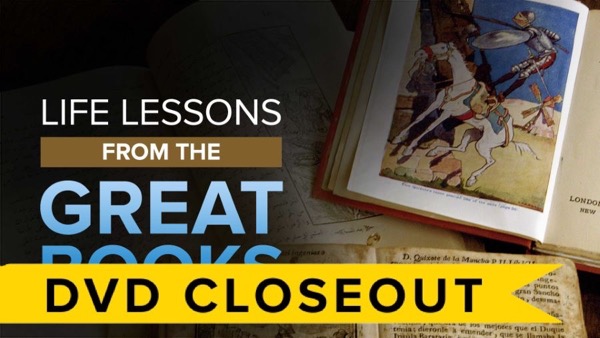
TTC - Life Lessons from the Great Books
Last updated 8/2024
MP4 | Video: h264, 1280x720 | Audio: AAC, 44.1 KHz, 2 Ch
Genre: eLearning | Language: English | Duration: 36 Lessons ( 18h 11m) | Size: 15.2 GB


For every important moment and stage in your life, there is a Great Book that can offer you invaluable lessons and place your unique experiences in a larger perspective.

Some of history's greatest authors have written about timeless themes and trying points in our lives. If you're unlucky in love, you can seek sympathy in Goethe's epistolary novel, The Sufferings of Young Werther, and its title character's frustrations with unrequited love. If you're looking to explore new environments, you can follow along with Lewis and Clark in their detailed journals as they journey through the Louisiana Territory. And if you're trying to lead a noble and hard-working life, you can learn from Albert Schweitzer, whose autobiography Out of My Life and Thought details his work providing medical care in a remote African village.

In Life Lessons from the Great Books, Professor J. Rufus Fears of the University of Oklahoma-a marvelous storyteller with deep historical knowledge-shows you how some of Western civilization's greatest literary masterpieces can speak to you and provide guidance in your life across the gulf of time and culture. Rich in historical perspective and infused with layers of meaning, these 36 lectures reveal the wealth of insight these enduring works can provide in your life. You'll come to see that each of these works-whether written 2,000, 200, or 20 years ago-remain relevant to all of us.

What Makes a Book "Great"?

According to Professor Fears, four characteristics define a Great Book

Its focus on great themes such as love, courage, and patriotism
Its composition in a noble language
Its ability to speak to readers across the ages
Its ability to speak to readers not as groups, but as individuals
In Life Lessons from the Great Books, you focus on more than three dozen works that span the timeline of Western history, from ancient Greece and Rome to the modern age. Each of these 36 books provides insights not only into the human experience of their particular time and place but also into your own situation.

Great Books are touchstones to history and the story of humanity. Every Great Book you explore in this course-from the Odyssey and the Gospel of John to Hamlet and Animal Farm-is a unique expression of the human spirit and a fountain of advice, from how to conduct yourself in times of trouble to how to better appreciate the simple moments in your life.

In addition to pointing out the merits and virtues of each text in the course, Professor Fears explains how authors learned from and influenced each other, and how certain texts are interrelated.

"We will be very concerned in our course not with just what each one of these books says, but also with how it has built upon the lessons of the books that have come before and how it contributes to an ongoing current of intellectual excitement and dialogue," he notes.

Great Themes, Enduring Life Lessons

The lectures in Life Lessons from the Great Books are grouped into six broad themes that run through history's most compelling stories. Each of these themes is universal-we've all, at some point or another, felt the pangs of love or tried to steel our souls with courage. In exploring these themes within the context of these Great Books, you learn new ideas about both the works themselves and the broad scope of the human condition.

The Unconquerable Human Spirit: Why can your spirit endure so much hardship without crumbling? Fyodor Dostoevsky displays the inner battle of the human spirit against sensuousness, violence, and mystery in The Brothers Karamazov. Similarly, Elie Wiesel's Night presents a single individual struggling to survive during one of history's darkest moments: the Holocaust.
Youth and Old Age: How can you cope with the trials and tribulations of youth? Of old age? Goethe's The Sufferings of Young Werther remains an enduring statement about the passions of youth, while Cicero's "On Old Age" counsels us on the importance of old age and the wisdom that comes with it.
Romance and Love: Why can love bring both pain and pleasure? How can you overcome heartache? Great Books such as Tristan and Isolde (with its depiction of chivalric romance) and Macbeth (with Lady Macbeth's use of love to manipulate her husband) help you understand love in all its complex forms.
Adventure and Courage: How can you find the strength within yourself to face life's many challenges? T. E. Lawrence's Seven Pillars of Wisdom, which charts the soldier's experiences in the Middle East during World War I, reveals how one can reinvent oneself in new environments and discover inner strengths.
Laughter and Irony: How can humor help to console you in times of trouble? How can it offer us unique perspectives on horrible situations? See how George Orwell's Animal Farm uses pointed satire as an opportunity to skewer Communist ideals.
Patriotism: What is the true meaning of patriotism? President George Washington's farewell address called for the avoidance of savage partisan strife-a message that still rings true in today's world. President Theodore Roosevelt's Autobiography offers you timeless views on patriotic characteristics such as honesty and integrity.
A Storyteller Who Brings Literature to Life

An extraordinary orator, Professor Fears possesses a passion, knowledge, and authority that shine through in each of these inspirational lectures. You quickly understand why he has earned 25 teaching awards in his distinguished career.

His deep knowledge of classical history sheds new light on these literary masterpieces. With each lecture in Life Lessons from the Great Books, you discover fascinating new vantage points from which to view classic works.

Professor Fears's analogies between ancient dilemmas and their modern-day counterparts close the gap between literature and your daily life; they show you how these resonant themes are not new to the modern human condition but instead have been felt throughout history. You take solace in the realization that the ancient Greeks, medieval scholars, and our country's Founding Fathers all experienced social struggles, ethical dilemmas, and personal challenges similar to those we all face.

If you haven't read these Great Books before, the warmth of Professor Fears's storytelling and his insightful approach to literature will have you heading to the library to learn more. And if you've already read these works, you'll discover new themes and ideas that will help you get more out of them.

Regardless of your previous familiarity with these works, you'll come to understand why these masterpieces remain eternal testaments to the variety of human experience and the powerful ways in which literature can guide and inspire us.


524780954_life_lessons_from_the_great_books.jpg


Download from RapidGator


Download from Keep2Share


Premium Links


Archive password: largest_country_in_the_world_by_population
 
5e4feb0091c58fcc04d80265d8b0681a.jpg


SANS - FOR500: Windows Forensic Analysis
Language: English | Video: H264 1280x1080 | Audio: AAC 16 kHz mono | Duration: 39h 35m | 80.7 GB

FOR500: Windows Forensic Analysis will teach you to:

Conduct in-depth forensic analysis of Windows operating systems and media exploitation on Windows XP, Windows 7, Windows 8/8.1, Windows 10, Windows 11 and Windows Server products.

Identify artifact and evidence locations to answer crucial questions, including application execution, file access, data theft, external device usage, cloud services, device geolocation, file download, anti-forensics, and detailed system and user activity.
Become tool-agnostic by focusing your capabilities on analysis instead of how to use a particular tool.
Extract critical findings and build an in-house forensic capability via a variety of free, open-source, and commercial tools provided within the SANS Windows SIFT Workstation.

FOR500 starts with an intellectual property theft and corporate espionage case that took over six months to create. You work in the real world, so your training should include real-world practice data. Our instructor course development team used incidents from their own investigations and experiences to create an incredibly rich and detailed scenario designed to immerse students in an actual investigation. The case demonstrates the latest artifacts and technologies an investigator might encounter while analyzing Windows systems. The detailed workbook teaches the tools and techniques that every investigator should employ step by step to solve a forensic case. The tools provided can be used long after the end of class.

Please note that this is an analysis-focused course; FOR500 does not cover the basics of evidentiary handling, the "chain of custody," or introductory drive acquisition. The course authors update FOR500 aggressively to stay current with the latest artifacts and techniques discovered. This course is perfect for you if you are interested in in-depth and current Microsoft Windows Operating System forensics and analysis for any incident that occurs. If you have not updated your Windows forensic analysis skills in the past three years or more, this course is essential.

CONTENT

- 1x eBook Exercise Workbook Section 1 & 2
- first ISO: "500.21.1B hide01.ir.iso" -> Stack Memory Challenge (data to analyze using during exercise)
- second ISO: "500.21.2A hide01.ir.iso" -> SIFT Workstation (VM) + Tools

535733078_day-1_s.jpg


2e3b2748d5af7b953da7eefdaa1367db.jpg


TTC - How Railways Transformed the World
Released 6/2024
MP4 | Video: h264, 1280x720 | Audio: AAC, 44.1 KHz, 2 Ch
Genre: eLearning | Language: English | Duration: 24 Lessons ( 11h 32m ) | Size: 9.63 GB


Railways are one of the most important inventions in modern history.

While most of us have experienced railways as passengers, and through media, a deeper look at railways shows a historical phenomenon of astonishing proportions. Rail travel brought the first overland mass transport of both people and goods, spanning continents and linking communities and nations with unprecedented speed and efficiency. The effects of this innovation on the way of life of people around the world have been incalculable.

In the 24 richly illustrated lectures of How Railways Transformed the World, Professor Patrick N. Allitt of Emory University takes you on a deep dive into the history, lore, and the multiple dimensions of trains and rail travel. An eminent historian and a lifelong railway enthusiast, Professor Allitt infuses the lectures with a vast and discerning knowledge of trains and train travel as he discusses the importance of railways throughout history and throughout the world, also presenting extensive material about rail travel today. Through his grand and sprawling narrative and engrossing storytelling, you'll witness the creation and development of rail technology, the railway industry, and railway culture, which has had such profound effects on lives around the world.

As just one example of the importance of railways in history, linking the East and West Coasts of the United States by rail turned a cross-country journey of five or six months into just five or six days. By revolutionizing travel and transport, trains radically changed the way we experience the world, even altering humanity's sense of time.

Remarkable milestones of railways include

In the 19th century, railroads made large-scale farming possible on the Great Plains of the United States, allowing for the vast export of agricultural produce, altering the entire world food market and virtually banishing famine.
The Swiss St. Gotthard railway, connecting Germany with Italy, changed the face of European commerce, and was the most significant engineering feat to affect world trade other than the Suez Canal.
In their integral roles in the unification of Germany, Italy, Canada, and Australia, railways played a pivotal part in the creation of new nations.
The building of the US transcontinental railroad was almost certainly the largest engineering project in world history at that time and transformed the United States into a continent-spanning power.
The transformations in Europe brought about by railways between 1830 and 1880 occurred more rapdily than changes in the previous 500 years of European history.
Presented in breathtaking scope and detail in the 24 lectures of this course, you will see the extraordinary development and impact of railways from their beginning in the early 19th century to futuristic train travel of today.

A Revolutionary Technology

Rail travel has altered human life in numerous ways. Railways largely brought the invention of tourism, as skillful entrepreneurs, making use of railroads, promoted large-scale, organized pleasure travel for the first time. Railways founded towns and cities, sparked immigration and settlement around the world, drove social and political change, and influenced the outcome of major wars. Rail travel has fired the imaginations of great writers, artists, and filmmakers. It has significantly changed urban life, linking communities with cities, and creating suburban living. In these ways and others, railways have been central to the creation of the connected, modern world we know of today.

A central feature of Professor Allitt's presentation is the sheer pleasure, allure, and appeal of trains and train travel. In the 21st century, rail travel continues to offer a myriad of the most enjoyable and memorable ways of seeing our planet, through the richly diverse scenery and majestic landscapes seen on rail journeys around the world. Within this course, in addition to the unfolding of railway history, you'll learn where you can experience the best of railway travel today, with details and film footage of great rail journeys across Britain, North America, Europe, Africa, and Asia.

Through this delightful immersion into the phenomenon of railways in How Railways Transformed the World, you'll contemplate important questions of economics, politics, industrial societies, culture, and more as you take a fresh and compelling look at the world history of the last 200 years.

A New Horizon for Human Living

In a panoramic view of railway history and culture, you'll explore key developments of railways, such as

The Beginnings: Steam and Iron. Encounter the brilliant inventors who first mounted steam engines on wheels, like Richard Trevithick and George Stephenson, whose locomotive Rocket reached the unheard-of speed of 30 mph in 1829. Track the evolving technology of smooth metal wheels on smooth metal rails; rack and pinion railways; and the engineering marvels of viaducts, spirals, switchbacks, and tunnels that drove the railway revolution.
A Radically Changing World. With the 19th-century explosion of railways across Britain, the United States, and Europe, observe how rail travel quickly altered the fabric of human life by galvanizing urbanization and the Industrial Revolution; dramatically increasing mobility; making possible the nationwide marketing of goods; sparking organized labor; and pioneering tourism in places from England, Scotland, and the European continent to Florida, Niagara, and the Western United States.
Railways in Politics, Empire, and War. Learn how governments, from the beginning, made use of railways in significant ways. Note 19th-century German thinkers' promotion of railways as a way of encouraging central government; witness the widespread use of railroads in the colonial empires of the French, British, and Germans; and delve into the integral wartime use of railways in conflicts from the Crimean and Franco-Prussian Wars to the two World Wars.
Great Train Journeys of the World. Throughout the course, learn where you can experience the best of rail travel today, and travel with Professor Allitt on some of the world's most unforgettable railways. Visualize the dramatic terrain on South Africa's Rovos Rails trains and glimpse superlative trains and scenery on Switzerland's Jungfrau and Bernina railways, India's Darjeeling railway, England's Settle to Carlisle line, Colorado's Cumbres & Toltec Scenic Railway, and many others.
Rail Travel in Culture and Art. Examine the use of railway settings in great novels, from Dickens and Tolstoy to Graham Greene and more; see how train travel has been depicted in art, by painters such as Monet, Turner, Edward Hopper, and Thomas Hart Benton; trace the use of railways in great films, from silent classics to Renoir, Hitchcock, and beyond; and explore some of the most magnificent architecture of the modern world: great train stations.
Railways and the Future. From the advent of diesel-powered and "streamlined" trains in the 20th century, chart the development of advancing rail systems, and railways as "green" technology. Mark today's high-speed trains in Japan, France, Spain, and China, reaching speeds of 200 mph; delve into cutting-edge rail systems, highlighting magnetic levitation and "hyperloop" technology, which envisions trains traveling at up to 700 mph.

A Globally Beloved Means of Travel

Across the span of this course, you'll discover the remarkable phenomenon of railway heritage, nostalgia, and preservation-a worldwide activity that keeps historic railroads and their artifacts very much alive. Here, you'll enjoy visits to great railway museums across Europe and the United States, such as England's National Railway Museum, Train World in Belgium, and the Railroad Museum of Pennsylvania. You'll also glimpse a rich range of preserved historic railways, such as Britain's Bluebell Railway, Spain's Ferrocarril de Sóller, Norway's Flåm Railway, and numerous others.

In the 24 enthralling lectures ofHow Railways Transformed the World, you'll enjoy the fascinating history and lore of an invention that forever changed human life.


524776544_how_railways_transformed_the_world.jpg


Download from RapidGator


Download from Keep2Share


Premium Links


Archive password: largest_country_in_the_world_by_population
 
b64aee8e7f48656cfce69e115aea1b97.jpg


TTC - World Heritage Sites II: 12 More of the World's Greatest Places
Released 5/2024
MP4 | Video: h264, 1280x720 | Audio: AAC, 44.1 KHz, 2 Ch
Genre: eLearning | Language: English | Duration: 12 Lessons ( 6h 6m ) | Size: 5.11 GB


The United Nations Educational, Scientific and Cultural Organization (UNESCO) continues to designate and bring attention to World Heritage sites across our planet. UNESCO World Heritage sites are special places in the world that stand as superlative creations of human genius and of nature: masterpieces of architecture and archaeology, sublime works of art, classic cityscapes, and awe-inspiring wonders of science and the natural world.

World Heritage sites are considered to hold global significance for all of humankind-places that bear witness to the development of our civilization, and to the stunning natural beauty of Earth. Designation as a World Heritage Site means that a place tells us something profound about the human experience-and/or our planet's remarkable ecosphere-in different times and places.

Our first foray into World Heritage sites celebrated UNESCO's remarkable initiative, exploring a rich sampling of these sites across the globe. But there are so many more amazing sights to see, and we knew we needed to visit even more of these astonishing locales. In this exciting sequel, World Heritage Sites II: 12 More of the World's Greatest Places, you'll delve into a dozen more extraordinary treasures of archaeology, architecture, art, engineering, and our natural environment.

Once again, the sites are personally selected and guided by esteemed historian Justin M. Jacobs of the American University, who has spent his career studying unique places that reveal the world to us, and our place in it. And, as before, Justin's richly diverse itinerary takes you around the world, from iconic places to locations that are less traveled but no less extraordinary

The West Norwegian Fjords. Globally beloved for their breathtaking scenery, these waterways within Norway's coastal mountains astonish visitors as they reflect Norwegian cultural history.
Japan's White Heron Castle, Himeji. A remnant of Japan's fascinating feudal past, this phenomenal edifice stands as a symbol of Japanese culture and its glorious visual aesthetics.
Iraq's Samarra, Pearl of the Desert. The splendorous royal city of the mighty Abbasid caliphs boasts palatial architecture, stunning mosques, and superb decoration.
Rice Terraces of the Philippines. As dazzling to the eye as they are brilliant in their engineering, the rice fields of the Ifugao people are a masterwork of human ingenuity.
The Cliff Palace of Mesa Verde. On the Colorado Plateau, one of the most extraordinary prehistoric ruins in the Americas is the magnificent cliffside homes of the Ancestral Puebloans.
Jewels of Nature and Human Culture

The 12 richly evocative lectures of World Heritage Sites II introduce you to some of the greatest cultural and natural wonders of our planet, highlighting a range of unforgettable sites across the world. In this course, you'll not only experience the sites themselves, but you'll also gain rich lessons in the history and culture related to the sites. You'll learn about the creation of the sites and, in many cases, about the symbiotic connection between a natural landscape and its human inhabitants.

As an example, you'll visit two mountains of sublime aesthetic beauty, Mount Tai and Mount Emei in China, whose peaks have drawn Buddhist, Daoist, and Confucian pilgrims for centuries. In exploring these treasured landscapes, you'll witness how the trails that take you up to the mountain peaks are adorned with a remarkable array of sacred architecture-temples, shrines, pavilions, staircases, and monumental poetic inscriptions-and are deeply linked with devotional ritual.

A Globe-Spanning Spectrum of Sites

As you travel the planet with Justin, the inquiry takes you far beyond the typical tourist experience. In visiting the sites, you'll incorporate penetrating historical research, diagrams, maps, and the insights of the latest scholarship, enhancing your appreciation of places such as

The Great Wall(s) of China. In approaching this legendary emblem of Chinese culture, dispel the myth that it was ever a single, continuous wall, as you trace the many defensive walls built along China's northern frontier over 2,000 years. Highlighting the iconic walls of the Ming Dynasty emperors, study their majestic architecture and dramatic history.
Rock-Hewn Churches of Ethiopia. Investigate a group of the most unusual and distinctive churches in the world. Contemplate the astonishing construction of these religious spaces, a millennium ago, as each church was excavated from a single block of soft volcanic rock. Uncover the elaborate decoration of the churches, reflecting the unique Christian traditions of Ethiopia.
India's Incredible Mountain Railways. Make the trek into the Himalayas mountain range and the Nilgiri Mountains in India on three remarkable and still-functioning 19th- and early 20th-century railroads. Grasp the ingenious engineering that enables the trains to ascend soaring mountains, and the political and economic reasons these unusual rail systems were built, as you take in India's dizzying mountain scenery.
Sacred Bagan of Myanmar. One of Asia's most spectacular archaeological sites, the plain of Bagan in Myanmar contains several thousand Buddhist temples, shrines, and stupas. Delve into the history of the Bagan Empire, why its monarchs envisioned this stunning plethora of religious architecture, and visit a range of the region's exquisite and beloved temples.
Old Havana of Cuba. Discover what makes Havana unique among New World cities, as an extraordinary architectural treasure. Relive the city's colorful past as a trading hub for Spanish conquistadors and a later playground for international travelers, and uncover the layers of history in its elegant plazas and boulevards, imposing forts, and colonial-era churches and mansions.
Brazil's Futurist Capital: Brasília. Finally, a thoroughly unusual phenomenon: an entirely new, purpose-built city-Brazil's capital constructed in the 1950s. Investigate the utopian vision of its modernist architects and planners, visit its extraordinary municipal and residential structures, and reflect on the contradictions between the vision for the city and the realities of its realization.

Places that Reveal the World to Us

In World Heritage Sites II: 12 More of the World's Greatest Places, you'll cultivate a detailed and sophisticated understanding of our common humanity as you see how it's been expressed in some of the most magical works of humankind and nature. Each of these treasured World Heritage sites is unique. And each one tells you something exceptional about life on our planet.


524796640_world_heritage_sites_ii_12_more_of_the_world-s_greatest_places.jpg


Download from RapidGator


Download from Keep2Share


Premium Links


Archive password: largest_country_in_the_world_by_population
 
9f230762365cd3bc5566fcda6720c1b3.jpg


Female Assassin Game Character Creation in Blender
Published 11/2024
Created by Victory3D LLC
MP4 | Video: h264, 1280x720 | Audio: AAC, 44.1 KHz, 2 Ch
Genre: eLearning | Language: English | Duration: 156 Lectures ( 72h 1m ) | Size: 72.7 GB

Learn how to Sculpt, Model, Texture a Character in Blender and Render in Unreal Engine


What you'll learn
Learn all about Blender's essential sculpting tools
Lear how to add intricate details and refine female anatomy
Lear how to create clean, animation-ready topology
Learn the principles of texturing mapping
Learn how to create realistic skin, cloth, and weapon textures in Substance Painter
Learn the powerful features of Unreal Engine
Learn how to create materials, dynamic lighting, and cameras in Unreal Engine
Learn how to become a professional character artist

Requirements
Basic knowledge of Blender, Substance Painter and Unreal Engine is required.

Description
Instructor InfoCorazon Bryant is a professional 3d artist currently working for the government creating real-time 3d models for military training. She has over 25 years of experience with art in the realm of both traditional and digital. What ignites her to wake up every morning is knowing that she will be able to use her artistic talent to help with protecting our country's national security and she also finds fulfillment in teaching and inspiring students to surpass their own wildest expectations.Course InfoAre you ready to unleash your artistic potential and step into the world of game character design? Do you want to be prepared with the skills and techniques needed to bring your character to life? Then join me, Corazon Bryant, a professional 3d artist and educator. On this journey, you will learn how to create a breathtaking female assassin from scratch!In this immersive course, I will guide you through every step of the character creation pipeline. Beginning with an introduction to Blender's essential sculpting tools. We will create a base mesh that serves as the foundation for our character. We will dive into dynamic sculpting to add intricate details, refine anatomy, and capture the essence of our female assassin. We will explore the brushes, modifiers, and techniques that will elevate your sculpting skills to a professional level.Then we move on to retopologizing. I will show you the step by step techniques on how to create clean, animation ready topology and strategies to maintain detail while reducing poly count. We will then learn the principles of texture mapping and how to efficiently unwrap our model. We will learn how to use Substance Painter to create realistic skin, clothing, and weapon textures. We will discover how to layer materials, apply decals, and utilize smart materials to enhance the visual fidelity of our character. We will get familiar with the powerful features of Unreal Engine and how to import our character seamlessly. We will learn how to create materials that reflect our character's unique style and how to set up dynamic lighting that showcases our work in the best light. You will create a visually striking scene to render your character while learning tips on camera angles and composition to make your assassin truly stand out.Whether you're a beginner eager to explore 3D art or an experienced artist looking to refine your skills, this course is designed for you. By the end of our journey, you'll have not only created a stunning female assassin character but also gained invaluable knowledge and skills that will empower your future projects in game design.Enroll now and take the first step toward becoming a master character artist!

Who this course is for
This course is for those who want to acquire invaluable knowledge and skills that will empower their future projects in game design


531160087_female_assassin_game_character_creation_in_blender.jpg


Download from RapidGator


Download from Keep2Share


Premium Links


bf0440eea0c632c41d6676a2a184c261.jpg


Investment Banking Learning Path: Practical Skills Mastery
Published 11/2024
Created by EDUCBA Bridging the Gap
MP4 | Video: h264, 1280x720 | Audio: AAC, 44.1 KHz, 2 Ch
Genre: eLearning | Language: English | Duration: 714 Lectures ( 84h 7m ) | Size: 40.1 GB

IB| Excel| FSA| Modeling| Valuation| MBO| M&A| IPO| PE| LBO| VC| Pitchbook| Portfolio| Fin. Instruments| Restructuring


What you'll learn
Introduction to Investment Banking: Overview of investment banking roles, functions, and how banks facilitate financial transactions.
Financial Statement Analysis: Learning to analyze balance sheets, income statements, and cash flow statements for business insights.
Valuation Techniques: Understanding DCF, comparable company analysis, and precedent transaction analysis for valuing businesses and assets.
Mergers and Acquisitions (M&A): Exploring M&A strategies, deal structuring, and the financial modeling involved in transactions.
IPO and Equity Offerings: Understanding the process, pricing, and strategy behind initial public offerings and equity raises.
Debt Capital Markets: Introduction to bonds, loans, and other debt instruments, plus techniques for debt structuring.
Financial Modeling: Building financial models from scratch, including revenue, expense, and cash flow projections.
Leveraged Buyouts (LBOs): Analyzing leveraged buyout structures, including financing, exit strategies, and risk assessments.
Pitchbook and Presentation Skills: Crafting pitchbooks for investment banking proposals and mastering presentation techniques.
Industry Insights and Trends: Exploring major sectors, market trends, and economic indicators impacting investment banking.
Ethics and Professional Conduct: Emphasizing best practices, regulatory compliance, and ethical considerations in investment banking.

Requirements
Basic Financial Knowledge: Familiarity with accounting principles, financial statements, and basic finance concepts (e.g., balance sheets, income statements, etc.).
Mathematical Skills: Comfort with mathematics, especially in areas like percentages, ratios, and basic algebra, which are key for financial modeling.
Microsoft Excel Proficiency: A working knowledge of Excel, as it is essential for financial modeling, data analysis, and calculations.
Analytical Skills: Strong analytical skills will be helpful, particularly for understanding complex financial data and market trends.
While prior exposure to finance or economics is helpful, it's not mandatory, as the course starts with foundational topics and gradually builds up to advanced concepts.

Description
IntroductionInvestment banking is a dynamic and multifaceted field that drives financial markets and corporate growth through services like underwriting, mergers, acquisitions, and capital raising. This course is designed to offer a comprehensive overview of investment banking, beginning with fundamental concepts, distinctions between types of banks, and insights into the intricate roles within an investment bank. By the end, students will not only understand the industry structure but also gain hands-on skills in financial analysis and modeling using tools such as MS Excel.Section 1: Introduction to Investment BankingIn this introductory section, we delve into the core functions of investment banking and its essential role in the global economy. Starting with an overview, students learn the key differences between investment banks and other types of banks, including retail and commercial banks. Following this, we discuss the buy-side and sell-side of investment banking, covering asset management companies (AMCs), and examine how research supports investment decisions. The section also explores roles in sales, trading, and equity research, highlighting how banks help companies raise capital through IPOs and private placements. Students will gain insight into underwriting processes and understand the roles of market makers and M&A advisors. Lastly, we break down the structure of an investment bank, helping students grasp how various divisions operate synergistically to support clients' financial goals.Section 2: MS Excel for Investment Banking AnalysisExcel is an indispensable tool in investment banking analysis, and this section introduces students to essential Excel skills. Beginning with the basics, students learn about navigating Excel's interface, formatting data, and performing fundamental mathematical operations. They move on to advanced functions, including conditional formatting, pivot tables, and chart creation, which are vital for data visualization. Practical applications include working with complex formulas, logical functions like IF and SWITCH, and data validation. By the end of this section, students will have gained robust Excel skills, enabling them to analyze and present financial data effectively.Section 3: Financial Statements & Analysis (FSA) FoundationFinancial statements provide critical insights into a company's performance and are central to investment banking analysis. This section covers the primary financial statements: the income statement, balance sheet, and cash flow statement. Students learn the structure and components of each statement, from revenue recognition to the importance of cash flows, and gain a deep understanding of accounting principles. By analyzing real-world examples, they explore how these statements fit into the business cycle and support financial decision-making.Section 4: FSA - Income StatementIn this section, students delve into the income statement, starting with basic formats and calculations for profit margins. Topics include non-recurring items, changes in accounting estimates, and various methods of revenue recognition, such as percentage completion and installment methods. By analyzing a company's income statement before and after adjustments, students gain practical skills in income statement analysis and learn to evaluate profitability more effectively.Section 5: FSA - Balance SheetThis section covers the intricacies of the balance sheet, focusing on assets, liabilities, and equity. Students learn about current assets like cash and receivables, inventory valuation, and long-term assets such as goodwill. They also explore current and long-term liabilities, risk profiles, and shareholder equity. Through case studies, students gain insights into real-world applications, enabling them to assess a company's financial health accurately.Section 6: FSA - Cash Flows AnalysisThe cash flow statement is crucial in assessing a company's liquidity and financial flexibility. Students learn to prepare cash flow statements using both the direct and indirect methods and gain a comprehensive understanding of cash flows from operating, investing, and financing activities. Through exercises and real-world examples, they become adept at analyzing cash flow trends and their implications.Section 7: FSA - FSA TechniquesIn this section, students are introduced to foundational FSA techniques such as horizontal and vertical analysis, which help in understanding changes in financial data over time. The course also covers ratio analysis, including activity, liquidity, solvency, and profitability ratios. By analyzing cash conversion cycles, working capital, and returns on equity, students develop skills to evaluate a company's operational efficiency and financial stability.Section 8: FSA - Earnings Per Share (EPS)Understanding Earnings Per Share (EPS) is essential in valuing a company. This section explains basic and diluted EPS, showing how factors like stock dividends and stock splits affect EPS calculations. Students work through practical examples, including stock options and convertible securities, to understand how EPS reflects a company's profitability and performance.Section 9: Income Tax - Understanding Income Tax ConceptsInvestment banking analysis requires a solid grasp of tax implications on financial statements. This section introduces deferred tax assets and liabilities, valuation allowances, and the impact of tax rate changes. Students learn how to interpret tax effects on the financial statements, gaining a well-rounded understanding of corporate tax considerations.Section 10: Shareholder's EquityIn this section, students explore components of shareholder equity, including common and treasury stock, retained earnings, and dividends. They learn about comprehensive income, preference shares, and stock splits, equipping them to assess changes in ownership value and the impact on shareholder wealth.Section 11: Equity Research & Financial Modeling - Tesla Inc.The course culminates with a capstone project focused on Tesla Inc. Students conduct an in-depth equity research analysis, analyzing Tesla's historical data, sales performance, and financial statements. They learn to project revenue, forecast operating expenses, and develop a comprehensive financial model for Tesla, using techniques covered throughout the course.Section 12: Valuation Techniques - DCFThis section focuses on the Discounted Cash Flow (DCF) method, a fundamental valuation technique used to estimate the value of an investment based on its expected future cash flows. The lectures introduce DCF concepts, including terminal value, cost of capital, net debt, and sensitivity analysis, and walk students through the detailed steps of predicting cash flows and determining terminal values. Real-world case studies are employed to provide practical experience, enabling students to gain hands-on knowledge in applying DCF for valuation. Additionally, there's a comparison between DCF and other valuation methods, such as comparable company analysis.Section 13: Valuation Techniques - Relative ValuationIn this section, students delve into relative valuation, which involves comparing a company's value with that of similar entities to determine its worth. Various multiples, like P/E ratio, EV/EBITDA, and P/B ratio, are examined alongside their advantages and limitations. The lectures also cover methods for finding comparable companies, equity value vs. enterprise value, and benchmarking. Practical exercises involve analyzing real companies' financial data, helping students understand how to apply these techniques effectively.Section 14: Management Buyout (MBO)This section explores Management Buyouts (MBOs), where a company's management team purchases the organization. The topics cover the MBO process, types of buyouts, funding sources, valuation, and price determination. Using examples, students learn about financing options, capital gains, and acquisition pricing. The lectures also discuss scenarios where MBOs may be favorable, along with potential challenges and criteria for successful buyouts.Section 15: Bankruptcy Liquidation and Corporate RestructuringThis section discusses the financial distress stages and corporate restructuring options. Students learn about bankruptcy types, insolvency concepts, liquidation, and related calculations, including the Z-Score model and Absolute Priority Rule (APR). Emphasis is placed on restructuring methods, salvage value, and reorganization of unsecured debt. These topics are illustrated with real-world cases to build understanding of managing distressed assets.Section 16: Funding Mergers and AcquisitionsIn this section, students explore funding strategies for mergers and acquisitions (M&A), including stock swaps, cash payments, and external commercial borrowing. The lectures examine the effects of M&A on earnings per share (EPS) and total earnings. Various payment methods are discussed, and students gain insight into how financing decisions affect merger outcomes. Practical examples aid in understanding how M&A is financed and its impact on both companies involved.Section 17: Investment Banking Case Study - HP and CompaqUsing the case of HP and Compaq's merger, this section provides an in-depth look at M&A from an investment banking perspective. Topics covered include outstanding shares, tax implications, market reactions, stock and cash payment options, and capital structure impacts. The analysis aims to highlight the complex decisions and consequences surrounding a high-profile merger.Section 18: Leveraged RecapitalizationThis section covers leveraged recapitalization, a strategy in which a company restructures its capital by increasing debt to pay dividends or repurchase shares. Topics include the purpose and process of leveraged recapitalization, asset and liability restructuring, and ways of executing a leveraged recap. Students learn through case studies, including Sealed Air Corporation, to understand how leveraged recapitalizations can impact shareholders and overall financial strategy.Section 19: Mergers and Acquisitions (M&A)Students explore various aspects of M&A, including types of mergers (horizontal, vertical, and conglomerate), parties involved, and synergies created. The section introduces metrics like the Herfindahl-Hirschman Index for measuring market concentration and discusses earnings bootstrapping. Real examples and scenarios help illustrate M&A dynamics.Section 20: Cash Flow and Comparable CompaniesThis section emphasizes free cash flow and comparable company analysis (CCA) as key metrics in valuation. Students learn about calculating cash flow, analyzing companies, and understanding the advantages and limitations of CCA. Lectures cover acquisition costs and other factors that can impact valuation and investment decisions.Section 21: Goodwill and AcquisitionThis section explores goodwill in the context of acquisitions, discussing how goodwill is calculated and its accounting implications. Topics include divestitures, restructuring, and tax considerations. Comparable transaction analysis is also introduced to help students evaluate acquisition value based on similar deals.Section 22: Synergy and its BenefitsStudents examine synergies in M&A, focusing on how combined assets can create value beyond standalone capabilities. Topics include value generation, cost reduction, and operational and financial restructuring. Case studies, especially from East Asia, provide examples of how synergies drive strategic mergers.Section 23: Securing Asset LendersThe final section discusses asset-backed lending, mezzanine, and subordinated debt as tools for securing company assets and fostering growth. The lectures also cover corporate restructuring strategies in international contexts, examining findings from the UK and Canada. Various debt structures and growth types are discussed as means of achieving corporate control and strategic restructuring.Section 24: Capital Market & Financial InstrumentsIn this section, we explore the intricate world of capital markets and the diverse financial instruments that operate within them. The opening lectures provide an introduction to financial markets, discussing their critical role in the economy, and classify them into various types. We differentiate between the money market and the capital market, outlining their unique functions and characteristics. The capital markets are further dissected into equity markets, debt markets, and derivative markets, with detailed discussions on the instruments prevalent in these areas. A key focus is on equity shares, covering their defining characteristics, advantages for both issuers and investors, and the potential disadvantages that issuers may face. Preference shares are also examined, detailing their types, characteristics, advantages, and disadvantages for both issuers and investors.Debentures take center stage next, with an in-depth analysis of their characteristics, advantages, disadvantages, and classifications. This discussion extends into the realm of derivatives, where we explore their characteristics, advantages, disadvantages, and classifications, offering a comprehensive understanding of these complex financial instruments.The section also encompasses mutual funds, defining their structure, advantages, disadvantages, and classifications. Capital market intermediaries are introduced, with a series of lectures dedicated to their various roles in the market ecosystem. The intricacies of stock exchanges and the trade life cycle are explored, detailing the processes from order types to corporate actions, culminating in a thorough examination of the regulatory environment that governs capital markets.Section 25: IPO - Understanding Process and MarketsThis section delves into the Initial Public Offering (IPO) process, beginning with an introduction to IPO modeling and the features of the primary market. The advantages and disadvantages of IPOs are outlined, followed by a detailed examination of the IPO process itself, including methods for determining offer prices and the book-building process. The significance of IPO grading and factors considered in grading are discussed, alongside the roles of credit rating agencies and merchant banks in facilitating IPOs. The green shoe option and the role of stabilizing agents are also covered, providing a holistic view of how IPOs function in capital markets.Section 26: IPO - Fund RaisingHere, we continue our exploration of IPOs, focusing specifically on fund-raising aspects. The lectures cover valuation techniques and key assumptions made during the IPO process, along with an analysis of profit and loss statements in the context of fund-raising. We discuss the impact of depreciation, amortization, and interest on loans, alongside taxation considerations. The section also includes cash flow statements and balance sheet analyses relevant to fund-raising activities. Valuation methods such as Discounted Cash Flow (DCF) and EBITDA are explained, and we differentiate between IPOs and Follow-on Public Offers (FPOs), concluding with a summary of fund-raising strategies.Section 27: IPOs And FPOs - Valuation TechniquesThis section examines the various valuation techniques relevant to IPOs and FPOs. We introduce investment banking concepts, including underwriting and book-building processes, and discuss the advantages and disadvantages of both IPOs and FPOs. The lectures further explore quantitative and qualitative factors influencing IPO valuations, highlighting primary and secondary shares, deal sizes, and gross proceeds. The distinctions between IPOs and FPOs are clarified, providing valuable insights into these important capital-raising mechanisms.Section 28: Private EquityIn this section, we explore the landscape of private equity, beginning with its definition and the structure of private equity funds. We examine the fee structures typical in private equity, along with expected returns and deal structuring techniques. Different forms of deal structuring, including pre-money and post-money valuations, participating preferred shares, and liquidation preferences, are analyzed. The lectures also cover private equity strategies, investments, and the critical role that banks play in this space. We discuss the value of private equity investments and the intricacies of private equity structuring, including financial engineering concepts.Section 29: LBOThis section introduces the concept of Leveraged Buyouts (LBOs), starting with who qualifies for an LBO and illustrating the concept with various real-world examples. We delve into LBO structures and financing, outlining the advantages and disadvantages associated with them. Key topics include valuation methodologies, cash flow considerations, and the overall capital structure in LBO transactions. The section discusses transaction details and operational assumptions, culminating in a focus on calculating free cash flows and Internal Rate of Return (IRR), along with insights into transaction multiples.Section 30: Venture CapitalHere, we provide an overview of venture capital modeling, including its history, life cycle, and the broad framework of venture capital investments. Key topics include free cash flow examples and company valuation methods, emphasizing pre- and post-money valuations. The structure of capitalization tables is explained, along with techniques for calculating investor returns and total equity valuation. The internal rate of returns and free cash flow calculations are presented, summarizing the financial modeling process essential for venture capital.Section 31: Assets and Liability ManagementThis section focuses on the principles of asset and liability management (ALM), discussing capital management systems and the implications of periodic and mismatch asset and liability management. Key concepts such as liquidity gap reports and revised interest income are covered, alongside calculations for Macaulay duration and yield to maturity (YTM) in bond duration. We explore cash flow calculations, rate shifts, and the overall impact of asset and liability considerations in financial management.Section 32: Portfolio ManagementIn this section, we introduce portfolio management concepts and modern portfolio theory, discussing investment clients and pension plans. The steps in the portfolio management process are outlined, along with a detailed examination of pooled investments such as mutual funds. Return calculations, expected returns, variance, covariance, and correlation are discussed extensively. Risk aversion, indifference curves, and utility theory applications are explored, leading to insights into the Capital Market Line (CML) and the Capital Asset Pricing Model (CAPM).Section 33: Pitchbook PreparationThe final section covers pitchbook preparation, beginning with an overview of types of pitchbooks and the art of writing one. Examples from notable companies such as Dell and Autonomy illustrate the principles of effective pitchbook design. We discuss key highlights and principles in pitchbook preparation, including the importance of agendas, partnership highlights, and strategies for creating impactful presentations. This comprehensive exploration equips participants with the knowledge to effectively prepare pitchbooks for various financial scenarios.ConclusionBy the end of this course, students will have acquired a comprehensive understanding of investment banking operations, financial statement analysis, and advanced Excel techniques. Equipped with these skills, they will be ready to excel in roles within the investment banking industry, performing complex analyses and making informed financial decisions. Whether aspiring to work in M&A, equity research, or financial modeling, students will leave with a strong foundation and practical skills to launch their careers in investment banking.

Who this course is for
Aspiring Investment Bankers: Those who want to pursue a career in investment banking and need a comprehensive foundation in the field.
Finance Students and Graduates: Individuals studying finance, economics, or business who wish to deepen their understanding of investment banking principles and practices.
Professionals in Related Fields: Analysts, accountants, or consultants looking to transition into investment banking or improve their financial modeling skills.
Entrepreneurs and Business Owners: Those interested in learning how investment banks assess companies, structure deals, and make valuation decisions that impact corporate growth.
Self-Learners and Career Changers: Anyone with a keen interest in finance and capital markets who wants to explore investment banking from a beginner to an advanced level, regardless of their current profession.


530338383_investment_banking_learning_path_practical_skills_mastery.jpg


Download from RapidGator


Download from Keep2Share


Premium Links


Archive password: third_planet_from_the_sun
 
5500a449a6162135169d49b9c319050c.jpg


TTC - African American History: From the African Coast to the Civil War
Released 2/2024
MP4 | Video: h264, 1280x720 | Audio: AAC, 44.1 KHz, 2 Ch
Genre: eLearning | Language: English | Duration: 24 Lessons ( 12h 30m ) | Size: 10.4 GB

The history of the United States is inextricably linked to the terrible legacy of slavery. Even before the colonies revolted against England and were consolidated into a nation, enslaved Africans were a crucial part of the story. The legacies of slavery and abolition are still felt keenly today as African Americans have faced significant obstacles to obtaining the fundamental rights of freedom and citizenship. The consistent struggle among African Americans to gain their human rights lives at the heart of the American experiment in democracy.

The story of the Black freedom struggle begins in the colonial and antebellum eras when the vast majority of African Americans lived as enslaved people. A rigorous look at these times reveals vital facts that run contrary to many common conceptions of the past

We tend to think of the Northern United States as a region that was opposed to slavery, but in fact, slavery was first made legal in Massachusetts. New England was long a thriving hub of the trade in humans, and free African Americans faced extreme anti-Black violence in the North throughout the era of slavery.
Far from the passive victims they have often been portrayed as in media and in pro-slavery propaganda, enslaved Africans Americans fought for their freedom from the earliest days of slavery, leveraging the legal system through multiple and ongoing lawsuits contesting the legality of slavery and petitioning for justice and equal treatment under the law.
During the era of slavery there were numerous armed uprisings by the enslaved against slaveholders, extending from the colonial era through the decades before the Civil War.
What finally gave victory to the Union in the Civil War was not Northern military successes, but the collapse of the Confederacy due to the mass exodus of enslaved African Americans from their places of forced labor.
In African American History: From the African Coast to the Civil War, you'll take a deep and penetrating look at the role that African Americans have played in building our nation and in the unfolding of the American democratic system. Taught by esteemed historian Professor Leslie Alexander of Rutgers University, these 24 engrossing lectures bring to light incisive and highly revealing perspectives on African Americans and their integral participation in our national life across 400 years.

As you will see, no understanding of the United States and its history could be remotely complete without an appreciation of the lives, the contribution, and the historical challenges of African Americans.

Lives of Severe Hardship and Fierce Commitment

You'll begin your look at the long era of slavery with an examination of how people from Western Africa were sold into bondage by European powers, and the unspeakable inhumanity of the transatlantic trade in humans and the slavery system in North America. As a central feature of the course, you'll learn how enslaved African Americans lived under that system.

But there are two other major themes to explore, which bring alive the extraordinary richness and complexity of this story. First, you'll discover how enslaved African Americans created meaningful lives in the face of their circumstances, retaining and assimilating their cultural heritage, resisting the oppression of slaveholders, and creating a myriad of ways to cope and endure in the face of enslavement. Secondly, you'll vividly witness how African Americans, both enslaved and free, worked tirelessly for liberty and justice throughout the entire era of enslavement, making use of every available resource-political, legal, intellectual, theological, and social-in an unending pursuit of freedom and human rights.

Owing to its treatment of slavery and racism, this course contains material that some may find shocking. Professor Alexander does not shy away from the truth, describing the suffering and hardships that African Americans have endured without looking away. Through the story of their enslavement and unrelenting battle for freedom, she demonstrates, with tremendous poignancy, how African Americans held this nation's feet to the flames-compelling US citizens to come to grips with the country's founding principles of liberty and equality.

A Crucible of Rights and Justice

A magnetic storyteller, Professor Alexander delivers the lectures as a multilayered historical narrative, leading from the origins of the European trade in humans in the 15th century to the harrowing events of the 1860s, when the conflicts surrounding slavery erupted into civil war. Within this epic story, you'll explore

The American System of Slavery. Across six lectures, investigate the complex civilizations of West Africa, the rise of European expansionism, the origins of the transatlantic trade in humans, the brutality and inhumanity of the slave trade, the horrors of the sea journey of the enslaved to the Americas, and how slavery took root in colonial American society.
Living in the Face of Bondage. Learn how enslaved Africans endured through maintaining their culture and religious practices, traditional medicine, music, dance forms, and through developing new kinds of social bonds; travel into enslaved life on rural plantations; and take stock of the horrific cruelty as well as the legal disenfranchisement that undergirded the slavery system.
The Culture of Resistance. Assess the spectrum of ways in which enslaved Africans worked against the system of enslavement, such as bringing and winning "freedom suits" in courts, setting legal precedents against slavery, mounting armed rebellions, developing a "liberation theology," deceiving and undermining slaveholders, protecting each other from harm, and more.
An Imperfect Freedom. Examine how emancipation took place in the North and study its aftermath; learn how newly thriving Black communities were stymied by pervasive white hostility, restriction of economic opportunity, denial of voting rights, and significant violence, leading to movements of Black nationalism and emigration.
Abolition and the Abolitionists. Follow the work of both Black and white abolitionists in the antislavery movements that grew in the antebellum era; learn how Black activists used the power of the written word to critically influence the current of opinion; and study the work of Black abolitionists David Walker, Maria Stewart, Frederick Douglass, Sojourner Truth, and others.
The Fracturing of a Nation. Relive the deepening economic and political controversies over slavery that bitterly divided the North and South; learn about the role of the Union's Black soldiers in turning the tide of the Civil War; assess the draft-related mob violence against Black people in New York City, and the effects of the Emancipation Proclamation.

Breaking the Chains

Throughout African American History: From the African Coast to the Civil War, Professor Alexander brings rich dimensions to the narrative by her detailed evocation of historical moments and exploration of individual lives. Within the lectures, you'll hear the stories of

the capture and enslavement of future activist Olaudah Equiano;
the guerilla army of colonial-era freedom fighter Colonel Tye;
the legal battle of Northern segregation protester Elizabeth Jennings;
the daring work of passionate abolitionist Henry Highland Garnet;
the heartrending ordeal of courageous fugitive Margaret Garner;
the military espionage of legendary activist Harriet Tubman; and many more.
As revealed in these richly informative lectures, the story of African Americans reflects the loftiest ideals, the most troubling challenges, and the gravest wrongs of American society. African American History: From the African Coast to the Civil War reveals the measure of a people of unbreakable spirit, and of the deepest human dimensions of American democracy.


Homepage


525475041_african_american_history_from_the_african_coast_to_the_civil_war.jpg


Download from RapidGator


Download from Keep2Share


Premium Links


Archive password: largest_country_in_the_world_by_population
 
869237e1e10d994963af6cbd6df5378d.jpg


TTC - Warping Reality: Inside the Psychology of Cults
Released 10/2024
MP4 | Video: h264, 1280x720 | Audio: AAC, 44.1 KHz, 2 Ch
Genre: eLearning | Language: English | Duration: 12 Lessons ( 6h 15m ) | Size: 5.23 GB

Many of us have a deep, personal drive to seek inner fulfillment. We want to grow as individuals, explore our own potential, and make an important and lasting contribution to the world. It's easy to run into groups that promise to help us along the way, and some of these groups are sincere. When a group, or even a charismatic individual, promises to help us meet our goals but then corrupts our good intentions for their own gain-when they exploit people in an organized fashion-that's when the situation turns into something destructive. That's when you may have become a member of a cult. And it can happen much more easily than you might think.

In the 12 fascinating lectures of Warping Reality: Inside the Psychology of Cults, you will learn about some of the most widely known cults of modern times. But unlike any standard news reporting or documentary about groups like The Peoples Temple, the Manson "Family," the Branch Davidians, Heaven's Gate, Children of God, Unification Church, or NXIVM, your expert, Dr. Wind Goodfriend, will help you explore the psychology of these cults. How could these cult leaders have committed such heinous crimes under the guise of "helping" members in their development? And why is it so easy for cults to bring people into the fold?

There are thousands of cults in existence right now, so working to understand how cults operate-and why even skeptical, well-informed people can fall prey to their promises-is a crucial undertaking for the sake of your safety and that of your loved ones.

Meeting Former Cult Members

In this course, you will not only learn about cults, but you will also meet two former cult members who are willing to share their stories. They explain what led them to join these groups, what they had hoped to get from the groups versus the reality, and why they each stayed for over a decade before walking away.

You'll meet Alexandra Amor, author of the award-winning Cult, A Love Story, as well as numerous other books, both fiction and nonfiction. Alexandra discusses her involvement with a cult called The Circle located in British Columbia. When she joined, it seemed to be just a group of people who were all interested in spiritual growth, with a leader who could help guide Alexandra's spiritual maturation.

You'll also meet Tom Heinzen, a professor emeritus of psychology and author and coauthor of several books. Tom joined a group called Salem Acres in rural Illinois. It seemed to be a group of very loving people who were simply working the land of a rundown farm and building apartments. Alexandra and Tom eventually realized the groups they had joined were not for their benefit-not at all.

Dr. Goodfriend will introduce you to the "eight deadly sins" (identified by Robert J. Lifton) that are often used to characterize cults. These traits become more than simple bullet points or guidelines when revealed through the real-world experiences of Alexandra and Tom. The traits include

Milieu Control. This type of control involves the control of all communication within the group and also between the group and the outside world.
Demand for Purity. Cult members receive constant judgment from the cult leader and the group members. Standards of behavior are set impossibly high, with the cult leader being the only judge. Punishments are imposed when group members step over the line.
Doctrine over Person. The cult leader gaslights members to the point that they question their own instincts and perceptions, warping their own thoughts and memories.
The Psychology of Cult Leaders

Many books and documentaries have described cult leaders, but here you will dive below the surface to reach the "why" of these charismatic and destructive individuals. What is the psychological profile of a cult leader? What are the personality traits or circumstances that contribute to the cult leader's rare ability to amass a loyal following and their malevolent mindset?

Most cult leaders suffered through a traumatic childhood. For those individuals, their childhood trauma left them with a pathological need to control everything and everyone in their environment as a way of avoiding that same hurt ever again. If that pathology is combined with the ability of a master manipulator, the individual can control a large following.

When analyzing the "why" of a cult leader's behavior, you will consider three major psychological factors

Narcissistic Personality Disorder. This disorder is noted in people who have a grandiose sense of their own importance and believe they are destined for greatness. Some psychologists believe this is actually a mask for deep-seated insecurity, which could be one reason they cannot tolerate anyone questioning their authority.
Antisocial Personality Disorder. People with this disorder may behave impulsively and/or violently and may be manipulative and avoid responsibility. Both people with this disorder and narcissists can exhibit a chilling lack of empathy for others.
Psychopathology. While "psychopath" is not an official diagnosis, it is a term often used in the criminal justice system. It can include the disordered traits listed above, as well as a superficial charm. Without this key feature of superficial charm, cult leaders wouldn't be able to attract a consistent stream of new followers.
You Would Never Join a Cult . Would You?

Chances are each of us is certain we would never join a cult. We like to think that we would never be so gullible as to give up all our possessions and freedoms simply because some fake guru told us to. We would never cut all communication with our family just because a charismatic grifter said our earthly ties were destroying our spiritual ascent. We would certainly never allow our children to be sexually abused by a self-proclaimed prophet who said it was for the benefit of the group's salvation.

And yet many thousands have done these things-and worse. In 1978, more than 900 members of Jim Jones' Peoples Temple were murdered (including 300 children) or committed "revolutionary suicide" because Jim Jones told them to.

We imagine cult members to be desperate, ignorant, hopeless individuals who would follow any leader and believe any doctrine. But that is not at all what social scientists have found. Instead, they have found that people who enter a cult are from all educational levels, religions, and economic and ethnic backgrounds. As a group, they are neither desperate nor ignorant.

While a common profile of a typical cult member doesn't seem to exist, cult members do seem to have several things in common. They tend to be

Going through some type of major life transition;
"Seekers" who are looking for a purpose in life or a community to be a part of; and
Capable, industrious, and well-liked people who believe the cult will help them become a better person or help them make the world a better place.
It is not the cult members who were interested in cult membership to abuse and betray others, but it is the cult leader who has lied to, manipulated, and used their members in fraudulent and violent ways. Learning about cults, and the psychology of their leaders, is the best way to limit their ability to gain control over our communities, loved ones, and ourselves.

What Will You Learn?
Meet some of the most heinous cults in modern history

Discover the tactics cult leaders use to control their followers

Define the "eight deadly sins" that are used to identify cult-like communities

Homepage


524798346_warping_reality_inside_the_psychology_of_cults.jpg


Download from RapidGator


Download from Keep2Share


Premium Links


Archive password: largest_country_in_the_world_by_population
 
ccf68aee3d9e5c3b09cd88d8d4798695.jpg


Marvelous Designer Course For Archviz
Denis Gandra | Duration: 16+ h | Video: HVC1 1920x1080 | Audio: AAC 48 kHz 2ch | 20,8 GB | Language: English

Learn to master one of the most powerful software in the world to CREATE CINEMATOGRAPHIC quality FABRICS and conquer the financial, geographic and time freedom you've always dreamed of!

This course will show you, 3D Artist or Architect, what you need to know about Marvelous Designer to further enhance your architectural presentations, bringing interactivity to them! Including exporting to Unreal Engine.

The course has over 16 hours of content, no filler or fluff! Divided into 12 modules with the step by step created to promote the best for your learning. Even if you have ZERO experience in animation or fabrics, I will introduce you to each button of the software and teach you how to think strategically to become an expert in this tool for fabrics in Archviz.

Homepage


537083308_01-export-to-other-software-mp4.jpg


7b5cb5a71572e4a5516d09d8011d4a1b.jpg


TTC - Big Data: How Data Analytics Is Transforming the World
Last updated 4/2024
MP4 | Video: h264, 1280x720 | Audio: AAC, 44.1 KHz, 2 Ch
Genre: eLearning | Language: English | Duration: 24 Lessons ( 12h 37m ) | Size: 10.6 GB


Data is everywhere, shedding light on all aspects of life. Retailers know what's selling and who's buying. Pollsters test opinions on everything from candidates to consumer goods. Doctors follow their patients' vital signs. Social networks register the interactions of millions. Sensors measure the changing weather. And as athletes play, fans collect exhaustive statistics on their performance.

If something can be measured, then in all likelihood a vast archive of data is already being compiled-and it is growing daily. Often, the data is unprocessed, waiting for someone to analyze it and discover new, valuable knowledge about the world.

This is the role of data analytics, a powerful set of tools for making sense of datasets of all sizes-from a personal exercise log to the massive collections of "big data" that define our information age. From science to sales, from sociology to sports, data analytics is unraveling the fascinating secrets hidden in numbers, patterns, relationships, and information of every kind.

Consider these examples

Cell phone science: If you are an avid user of your cell phone, try downloading several months of your calling data. You may see daily and long-term patterns in your usage that surprise you. Plus, any changes in your routine, such as a vacation, will show up prominently.
Hardball analytics: The book and film Moneyball tell how the Oakland A's overcame one of the smallest budgets in major league baseball to assemble a division-winning team. The secret? Managers used overlooked data analytics to hire undervalued, high-performing players.
Presidential prediction: In the 2012 presidential election, statistician Nate Silver and a few others correctly predicted the winner of all 50 states and the District of Columbia. Here, weighting criteria make it possible to analyze data collected by hundreds of pollsters from thousands of distinct polls.
In our age of accelerating progress in so many fields, it's easy to lose sight of the underlying innovation that makes this revolution possible. In case after case, the big breakthrough comes from data analytics, the mathematical magic that turns undigested information into life-transforming insights and advances.

Big Data: How Data Analytics Is Transforming the World introduces you to the key concepts, methods, and accomplishments of this versatile approach to problem solving. Taught by Professor Tim Chartier, an award-winning Associate Professor of Mathematics and Computer Science at Davidson College, these 24 half-hour lectures give you the big picture on big data, highlighting the crucial role of data analytics in today's world and the even greater impact it will have in the future.

A Course for Data Users at All Levels

You need no expertise in mathematics to follow this exciting story. Professor Chartier explains the basic computational techniques used in data analytics, but his focus is on how these ideas are applied and the amazing results they achieve. His wealth of case histories and his many helpful graphics make Big Data both accessible and entertaining. Those who will benefit from his presentation include

those in business, government, science, and other endeavors, who want a view into what data analytics can do for them;
the intellectually curious, eager to investigate the role of computing and "data scraping" in the modern-day miracles of the information age;
math enthusiasts who relish seeing a wide range of mathematical techniques address practical challenges;
those considering, or already pursuing, work with data and aspiring to explore the full scope of their remarkable field; and
anyone who relies on the Internet, smart phones, social media, or other tools that make them a participant in the data analytics revolution.

Big Data at Work

The volume, velocity, and variety of available data have increased at an astonishing rate during the last twenty years. That is to say, there are vast amounts of stockpiled data, and more is being generated constantly; the speed at which data is used, updated, and overturned in favor of newer data continues to accelerate; and data comes from many different sources and can be put to diverse uses. The miracle of data analytics is that ingenious algorithms are able to process this data deluge, which has been compared to trying to drink from a fire hose of information.

For instance, in just fifteen minutes the number of photos uploaded to Facebook exceeds the total number of photographs stored in the New York Public Library's photo archives. Yet you can see a picture on your Facebook news feed within seconds after it's posted. A high-speed computer algorithm allows the flood of imagery to be managed in a way that's both timely and orderly. Professor Chartier explains how programmers achieve such feats by focusing only on the data that's crucial to a specific task, while ignoring everything that's irrelevant.

Big Data takes you behind the scenes to witness many examples of data analysis in action, including the following

Google Flu Trends: Google search queries on flu symptoms have sometimes proved more accurate and up-to-date at plotting the spread of flu than reports issued by doctors and hospitals. Explore the pitfalls and enormous potential of Internet traffic for charting many different trends.
Online recommendations: Predictive analytics deals with forecasting the future, a task taken very seriously by companies like Netflix and Amazon that aim to predict what customers want. Learn how Netflix came up with an impressively accurate movie recommendation algorithm.
March Madness: A classic exercise in data analytics is predicting the playoff winners of the NCAA basketball tournament, held every March. Follow the system for filling the game brackets, designed by Professor Chartier, and see how it applies to many other problems.
But big data and data analytics can also be a mixed blessing. While the field has revolutionized fraud detection, making many kinds of transactions much more secure, it has the potential to threaten personal privacy in ways that can be hard to spot. In this course, you learn that one of the best defenses for privacy is to know how data is compiled and processed, and which activities are the most compromising.

A Tool for Everyone

Honored as the Mathematical Association of America's first ever Math Ambassador, Professor Chartier is a champion of the fun, challenge, and breathtaking power of mathematics-qualities that are beautifully illustrated in data analytics.

He especially relishes the links between sports and math. Not only does data analytics give you deep insight into the relative qualities of players, but it can establish a theoretical limit on performance-as when you learn how to estimate the fastest possible time for the 100-meter dash.

Professor Chartier also describes how simple analysis improved his own performance as a swimmer-which illustrates a key point: data analytics can be put to use by anybody for any problem that involves a dataset, no matter what size.

With Big Data, you discover tools that are transforming the world and that you can use to transform your own life. It's like watching a thrilling spectator sport that invites you to suit up and join the action!


525475043_big_data_how_data_analytics_is_transforming_the_world.jpg


Download from RapidGator


Download from Keep2Share


Premium Links


Archive password: largest_country_in_the_world_by_population
 
Zurück
Oben Unten