• Regeln für den Video-Bereich:

    In den Börsenbereich gehören nur Angebote die bereits den Allgemeinen Regeln entsprechen.

    Einteilung

    - Folgende Formate gehören in die angegeben Bereiche:
    - Filme: Encodierte Filme von BluRay, DVD, R5, TV, Screener sowie Telesyncs im Format DivX, XviD und x264.
    - DVD: Filme im Format DVD5, DVD9 und HD2DVD.
    - HD: Encodierte Filme mit der Auflösung 720p oder darüber von BluRay, DVD, R5, TV, Screener sowie Telesyncs im Format x264.
    - 3D: Encodierte Filme von BluRay, die in einem 3D Format vorliegen. Dies gilt auch für Dokus, Animation usw.
    - Serien: Cartoon/Zeichentrick, Anime, Tutorials, Dokumentationen, Konzerte/Musik, Sonstiges sind demnach in die entsprechenden Bereiche einzuordnen, auch wenn sie beispielsweise im High Definition-Format oder als DVD5/DVD9/HD2DVD vorliegen. Ausnahme 3D.
    - Bereich Englisch: Englische Releases gehören immer in diesen Bereich.
    - Bereich Talk: Der Bereich, in dem über die Releases diskutiert werden kann, darf, soll und erwünscht ist.


    Angebot/Beitrag erstellen

    - Ein Beitrag darf erst dann erstellt werden, wenn der Upload bei mindestens einem OCH komplett ist. Platzhalter sind untersagt.
    - Bei einem Scenerelease hat der Threadtitel ausschließlich aus dem originalen, unveränderten Releasenamen zu bestehen. Es dürfen keine Veränderungen wie z.B. Sterne, kleine Buchstaben o.ä. vorgenommen werden. Ausnahme Serienbörse:
    - Bei einem Sammelthread für eine Staffel entfällt aus dem Releasename natürlich der Name der Folge. Beispiel: Die Simpsons S21 German DVDRip XviD - ITG
    - Dementsprechend sind also u.a. verboten: Erweiterungen wie "Tipp", "empfehlenswert", "only", "reup", usw. / jegliche andere Zusatzinformation oder Ergänzung, welche nicht in obiger Beschreibung zu finden ist.

    Aufbau des Angebots und Threadtitel

    Der Titel nach folgendem Muster erstellt zu werden. <Name> [3D] [Staffel] [German] <Jahr> <Tonspur> [DL] [Auflösung] <Quelle> <Codec> - <Group>
    Beispiel: The Dark Knight German 2008 AC3 DVDRip XviD - iND
    Beispiel: The Dark Knight 2008 DTS DL BDRip x264 - iND
    Beispiel: The Dark Knight 2008 AC3 DL BDRip XviD - iND
    Beispiel: The Dark Knight German 2008 AC3 720p BluRay x264 iND
    Beispiel: The Dark Knight 2008 DTS DL 1080p BluRay x264 iND
    Beispiel: Die Simpsons S01 German AC3 DVDRip XviD iND
    Beispiel: Die Simpsons S20 German AC3 720p BluRay x264 iND
    Beispiel: Sword Art Online II Ger Sub 2014 AAC 1080p WEBRip x264 - peppermint
    Entsprechend sind also u.a. verboten: Sonderzeichen wie Klammern, Sterne, Ausrufezeichen, Unterstriche, Anführungszeichen / Erweiterungen wie "Tipp", "empfehlenswert", "only", "reup", usw. / jegliche andere Zusatzinformation oder Ergänzung, welche nicht in obiger Beschreibung zu finden ist
    Ausnahmen hiervon können in den Bereichen geregelt sein.

    Die Beiträge sollen wie folgt aufgebaut werden:
    Überschrift entspricht dem Threadtitel
    Cover
    kurze Inhaltsbeschreibung
    Format, Größe, Dauer sind gut lesbar für Downloader außerhalb des Spoilers zu vermerken
    Nfo sind immer Anzugeben und selbige immer im Spoiler in Textform.
    Sind keine Nfo vorhanden z.B. Eigenpublikationen, sind im Spoiler folgende Dateiinformationen zusätzlich anzugeben :
    Quelle
    Video (Auflösung und Bitrate)
    Ton (Sprache, Format und Bitrate der einzelnen Spuren)
    Untertitel (sofern vorhanden)
    Hosterangabe in Textform außerhalb eines Spoiler mit allen enthaltenen Hostern.
    Bei SD kann auf diese zusätzlichen Dateiinformationen verzichtet werden.

    Alle benötigten Passwörter sind, sofern vorhanden, in Textform im Angebot anzugeben.
    Spoiler im Spoiler mit Kommentaren :"Schon Bedankt?" sind unerwünscht.


    Releases

    - Sind Retail-Release verfügbar, sind alle anderen Variationen untersagt. Ausnahmen: Alle deutschen Retail-Release sind CUT, in diesem Fall sind dubbed UNCUT-Release zulässig.
    - Im Serien-Bereich gilt speziell: Wenn ein Retail vor Abschluss einer laufenden Staffel erscheint, darf diese Staffel noch zu Ende gebracht werden.62
    - Gleiche Releases sind unbedingt zusammenzufassen. Das bedeutet, es ist zwingend erforderlich, vor dem Erstellen eines Themas per Suchfunktion zu überprüfen, ob bereits ein Beitrag mit demselben Release besteht. Ist dies der Fall, ist der bereits vorhandene Beitrag zu verwenden.
    - P2P und Scene Releases dürfen nicht verändert oder gar unter einem iND Tag eingestellt werden.


    Support, Diskussionen und Suche

    - Supportanfragen sind entweder per PN oder im Bereich Talk zu stellen.
    - Diskussionen und Bewertungen sind im Talk Bereich zu führen. Fragen an die Uploader haben ausschließlich via PN zu erfolgen, und sind in den Angeboten untersagt.
    - Anfragen zu Upload-Wünschen sind nur im Bereich Suche Video erlaubt. Antworten dürfen nur auf Angebote von MyBoerse.bz verlinkt werden.


    Verbote

    - Untersagt sind mehrere Formate in einem einzigen Angebotsthread, wie beispielsweise das gleichzeitige Anbieten von DivX/XviD, 720p und 1080p in einem Thread. Pro Format, Release und Auflösung ist ein eigener Thread zu eröffnen.
    - Grundsätzlich ebenso verboten sind Dupes. Uploader haben sich an geeigneter Stelle darüber zu informieren, ob es sich bei einem Release um ein Dupe handelt.
    - Gefakte, nur teilweise lauffähige oder unvollständige Angebote sind untersagt. Dies gilt auch für eigene Publikationen, die augenscheinlich nicht selbst von z.B. einer DVD gerippt wurden. Laufende Serien, bei denen noch nicht alle Folgen verfügbar sind, dürfen erstellt und regelmäßig geupdatet werden.
    - Untersagt sind Angebote, welche nur und ausschließlich in einer anderen Sprache als deutsch oder englisch vorliegen. Ausnahmen sind VORHER mit den Moderatoren zu klären.


    Verstoß gegen die Regeln

    - Angebote oder Beiträge, die gegen die Forenregeln verstoßen, sind über den "Melden"-Button im Beitrag zu melden.
  • Bitte registriere dich zunächst um Beiträge zu verfassen und externe Links aufzurufen.

*** Bestes IPTV *** bester Preis *** gratis Test ***


Englische Tutorials

Marketing Fundamentals: Introduction into Digital Marketing
4808892f3814o8dyc.jpg


Marketing Fundamentals: Introduction into Digital Marketing
Published 08/2022
MP4 | Video: h264, 1280x720 | Audio: AAC, 44.1 KHz, 2 Ch
Genre: eLearning | Language: English + srt | Duration: 111 lectures (14h 16m) | Size: 7 GB


Digital Marketing, Social Media, Copywriting, SEO & More. HQ Voice Over. Animated Explainers Making Learning Easy & Fun.


What you'll learn
Enjoy the Complete Introduction into Digital Marketing, Social Media, & SEO for Beginners. HQ Voice Over. Animated Explainers Making Learning Easy & Fun.
Learn the Essentials about Product Marketing, Affiliate Marketing, Growth Hacking, YouTube Marketing, Facebook Marketing, Instagram Marketing & More.
Learn the Process of Search Engine Optimisation. Start with Keywords Research. Continue with Content Creation. Accomplishing with Link Building Campaign.
Understand Why you Do Not Need Any Coding Skills to Create and Optimise your Website. Learn the Fundamentals about Google Analytics & Google Tag Manager.
Enjoy the Introduction into Copywriting, Content Writing & Content Marketing for Beginners. HQ Voice Over. Animated Explainers Making Learning Easy & Fun.
Our Course will Teach you Essential Fundamentals you Need To Know to Create Highly Persuasive Content from Scratch. Develop Creative Sales Techniques Today.
Even If you're a Complete Beginner, our Course Will Teach you All Essentials you Need to Know about Professional Copywriting and Psychology of Persuasion.
Learn AIDA. Understand the Essential Stages of the Customer Journey to Purchase - and How to Angle All your Content to Move Prospects Smoothly to the Sale.
Requirements
An Internet Connection. No Previous Knowledge of Digital Marketing is Required at All. Only Determination and a Hunger to Learn. We will Teach you the Rest.
Description
Hi and welcome to our introduction to the basics of Digital Marketing, Social Media, and SEO. Make sure you're sitting comfortably, as you're about to get a comprehensive overview of everything related to digital marketing. This Digital Marketing Course is filled with HQ animated explainers with HQ voice overs followed by interactive quizzes and practical writing assignments. Learning made fun and organic!
If you want to be successful online today, you MUST have strong Digital marketing skills as internet business has never been more competitive. In this introduction, we'll outline the basics of SEO, Digital Marketing and Social Media and break each of these topics down, so you understand the most essential things you need to know. You'll learn key tips for Facebook Ads, Google Ads, Instagram, Email, and Twitter Marketing, Growth Hacking, and so much more.
In this Digital Marketing Course for Beginners, we've outlined the most crucial pieces of information on the most important topics related to digital marketing, social media, and SEO. This is a core first step on your learning journey as it will help you to quickly lay down the foundations and is a great place to start if you want a career in digital marketing or want to be successful marketing online.
What is Digital Marketing?
Digital marketing is vital if you have a business or want to sell anything online. Even if you're just looking to build profile, you need a strong internet presence, if you want people to know you exist. The purpose of Digital Marketing is to raise awareness, connect with people who are interested in what you're offering, and persuade them to take actions you want. It uses digital forms of communication like the web, smartphones, social media platforms, and search engines, as a medium to reach potential customers.
Just like traditional marketing, digital marketing, is about finding prospective customers and broadcasting your message to them in the right place, in the right tone, and at the right time.
Digital Marketing has one major advantage over traditional marketing as you can use analytics tools to monitor your campaigns in real time, so you can swiftly adjust your approach. Typically, it would cost more and take longer to make these kinds of adjustments, but with Digital Marketing it's easier to course correct than it would be if you had invested in a print ad.
What is Social Media?
Social Media is an umbrella term to describe online platforms focused on community-based communication, such as Facebook, Twitter, and Instagram. Platforms like this use content sharing and post interaction, and most of there is content produced being from the users not the owners of the platform. Social media also includes curation sites such as wikis, as well as professional networking platforms like LinkedIn.
Due to the massive reach of Social Media, good social media marketing skills are now essential for anyone looking to attract the maximum number of customers online.
What is SEO?
SEO, or Search engine optimization, is the science of attracting specific types of traffic to a website using a search engine. To master SEO, you need to create high-value content with high authority backlinks and include keywords in that content that your ideal customers search for.
SEO is never a one size fits all solution, to be successful, you must take a bespoke approach. That means you need to optimise your site for the type of search engine you want it to rank highly on, like Google, Amazon, or Bing. SEO typically focuses on scoring highly organic search results, not paid or sponsored traffic, but you can also use it in paid ads, to maximise their reach.
As search engines attempt to give the most suitable answer to each person's search query, you must ensure a search engine views your site as the most appropriate match.
Every search engine uses a different algorithm to determine what the best result to a search query is. This will include a combination of different factors, including the quality of your content and backlinks, how many visitors your site has, and your website's speed and uptime.
Modern SEO is complex, and mastering it takes more than just getting the right meta tags. It includes understanding how rich snippets, video, and featured snippets work to enhance your rankings as well as the importance of voice search and Video SEO. If you want to be successful using Google Search, you also need to understand how Google Rank Brain scores your website and must optimise your site to score highly on Google's algorithm.
Local SEO is also becoming more critical, and you will need to learn the basics of this, especially since nearly half of all Google searches now have a local intent. Near Me searches have grown even faster, exploding at a rate of 150% more than local searches alone.
Mastering SEO also includes understanding Technical SEO, which focuses on priming your website for crawling and indexing by search engines. It's important you don't neglect this aspect, as without it search engines will find it much more difficult to access, crawl, and index your website. As a result, you will rank much lower. The reason this process is referred to as "Technical SEO" is because it has nothing to do with promoting your website and or the type of SEO you include in your content.
How can Copywriting & Content Marketing benefit you?
From your sales pages to your press releases, video scripts, blog post headlines meta descriptions, and email campaigns to your Facebook posts and Press releases, knowing how to create great copy will help your marketing efforts enormously. When you learn how to do it right, you'll be able to get higher conversion rates on key pages, improve the structure of your blogs, get more engagement in social media, and have many more people share your content.
Most importantly of all, you'll be able to understand your customer's needs, which will help you connect with your target audience much better. To create truly great copy, you first need to know your audience. You must understand what drives them, their hopes, dreams, thoughts, fears and desires.
Once you have this knowledge, you'll be able to write copy that immediately connects with the people you're trying to reach, because you'll be speaking their language. This will make all your content 100% more effective, and you'll find it easier to be able to get people to take the action you want.
Knowing how to write good copy is an essential marketing skill, that will help you boost your reach, sell more, and get more customer engagement. It will also make you much more employable, according to the National Association of Colleges and Employers, 73% of employers want to hire people with strong writing skills.
How to create content for YouTube?
In this guide, you'll learn how to plan content that appeals to your audience, how to shoot for success, and define your own unique content style. You'll also discover some easy editing tricks that will polish up your videos to a professional looking standard.
You'll learn.
How to plan for a perfect shoot
How to create a memorable video style
How to shoot great content that your viewers will love
How to easily edit your videos
How to choose the most effective equipment - and get it at the best price
And more tips and techniques to take your YouTube game up a notch
We've really passionate about helping our students produce great content for YouTube as we know this is the No1 essential key to success on the platform. No matter how great is your marketing, if your content sucks, you won't get the viewers you deserve. With this essential guide, you'll be able to quickly and inexpensively create amazing content that will score you the likes, shares, and comments you want.
All you need to get started is a willingness to learn and the ability to put our advice into practice - if you have this, we will help you do the rest! Remember, it may take a little bit of time and effort, but we know you can do this, and we've got you covered.
Why to focus on the first 15 seconds?
The first 15 seconds of your video is so important that YouTube even mentions this - because this is the make-or-break time period where your viewers will decide whether to continue watching or go elsewhere.
If you can wow viewers with an enticing first 15 seconds, chances are you'll have hooked them in, and they'll stay on to watch the rest of your content. Regardless of how much planning you intend to do, it's always worthwhile thoroughly planning out this part of your video.
To create a truly great first 15 seconds, you first need a "hook", which is something that will get people initially excited, so they want to stick around to watch what's coming next. Think about your target viewer demographic when creating your hook, what is it they want to learn or find out about and how can you communicate that they'll get this if they stick around?
How to use the YouTube Cards?
YouTube Cards allow you to add interactive elements to your content and this is an extremely useful feature if you're looking to promote something. Cards can be used to get almost anything you can imagine in front of your audience, from your merchandise to your blog, as well as your other content, and playlists.
Viewers can see your YouTube Cards whether they are watching on a mobile device or on a desktop, and you should certainly make use of this feature, as Cards can give you a helpful boost, where you need it most.
How to find affordable high-performance equipment?
If you do want to invest in some equipment to shoot with, we'll show you how to pick up an affordable, high-quality right that will take your YouTube content to the next level.
How to plan shooting?
Planning is also an important component when it comes to your actual video shoot. There are several elements you will need to prepare beforehand, from setting up your lighting to deciding on the camera angles you will be using in your video.
If you plan your shoot in advance and think ahead to the editing stage, you'll save yourself a lot of editing time. You'll also get a far better result when you actually hit the record button.
When you enrol, you also get
Course Materials and Tuition Worth at Least $1.200 - you get it all - for a tiny fraction of the cost!!
Handy PDF & MP3 packed with useful and Extra Resources you can download from our Resource Centre
Interactive Quizzes & Writing Assignments
Lifetime access & Lifetime updates
Udemy certificate of completion - ready for download
30-day money back guaranteed by Udemy
Fast & friendly support in the Q&A section - ask me a question anytime
We really hope you will love learning all about Digital Marketing!
We look forward to welcoming you on board as my newest student!
Yours
Ing. Tomas Moravek & Team
Internet Efficiency Awarded Digital Marketing Expert
Who this course is for
For You.
B2B, B2C, Entrepreneurs, Start-ups, Marketers, Influencers, Facebook Admins, Facebook Editors, Social Media Marketers, Facebook Marketers, Content Creators, Creatives, Copywriters, Graphic Designers, Advertisers, Real Estate Agents, Job Seekers, Local Businesses, Website Owners, Website Admins, SEO Help Seekers, SEO Content Creators, Website Creators, Bloggers, Etc.


marketingfundamentalsaad95.jpg


Download from RapidGator


Download from DDownload



Sculpt 3D Printable Rogues with Zbrush and Autodesk Maya

2b6dzqzun3aameryzj14zxkcmd.jpg


Sculpt 3D Printable Rogues With Zbrush And Autodesk Maya
Last updated 6/2020
MP4 | Video: h264, 1280x720 | Audio: AAC, 44.1 KHz
Language: English | Size: 14.54 GB | Duration: 18h 33m

Create a Whole Thieves Guild of Unique Rogue Models


What you'll learn
Learn how to digitally sculpt in the industry leading software: zbrush
Learn how to navigate zbrush
Learn to use many brushes: what each does and when to use them
Learn how to create many various weapons and armors
Learn how to pose your characters
Learn how to optimize your characters for 3d printing
Learn beginning skills of hard surface modeling in the industry leading software: Autodesk Maya
Learn to navigate Autodesk Maya
Learn how to export beautiful renders of your models

Requirements
Must be able to speak the English Language
Must have a computer with internet access
You will need access to Zbrush - free 30 day trial is available for first time users
You will need access to Autodesk Maya - free 30 day trial is available for first time users
A drawing tablet is highly recommended

Description
Created with the absolute first timer in mind, this course will teach you to become proficient in many of Autodesk Maya and Zbrush's more complex features - some of which are unknown to more advanced users. By the end of this course, you will have the knowledge and skills to create professional-quality 3D models fit for 3D printing and sales.*This course builds on our previous course:*"Sculpting Male Characters in Zbrush", but it is not necessary to have taken that class before this one. This course is completely approachable to a first time beginner using Zbrush and Autodesk Maya. Join our lead 3D Modeler Josh O'hala as he recreates the exact same Rogue models that we sell to customers as well as unique models created just for this course. You will be guided through our professional production pipeline:You will learn how to become comfortable navigating Zbrush.You will learn how to add simple geometry to your project which will be used later. Learn to create many weapons and Armors Learn to create various accessories to bring your Rogues to lifeYou will learn how to use many commonly used brushes as well as specialized brushes to create beautiful and accurate sculpts. The lessons learned will be reinforced as Josh guides you through creating many Rogue models. You will learn how to pose your Rogues to create many variations of models. You will learn how to optimize your models for 3D printing.You will learn the process of making your model 3D printable.and much more! visit us on youtube (runeforge studios) for examples of our models and tutorials.
Overview
Section 1: Introduction
Lecture 1 Introduction
Lecture 2 What you'll need
Lecture 3 What you'll need - Part 2
Lecture 4 Before We Get Started
Section 2: Creating Sword and Dagger base mesh with Autodesk Maya
Lecture 5 Opening Maya
Lecture 6 Modeling Keybinds
Lecture 7 Importing Reference Images
Lecture 8 Shaping the Sword Blade
Lecture 9 Creating the Sharp Edge
Lecture 10 Smoothing and Sharpening Edges
Lecture 11 Creating Sword Handle
Lecture 12 Turning Sword into Dagger
Section 3: Creating Throwing knife Base Mesh in Maya
Lecture 13 Throwing Knife
Section 4: Creating Large Crossbow Base Mesh in Maya
Lecture 14 Large Crossbow - Part 1
Lecture 15 Large Crossbow - Part 2
Section 5: Creating Hand Crossbow Base Mesh in Maya
Lecture 16 Hand Crossbow - Part 1
Lecture 17 Hand Crossbow - Part 2
Section 6: Getting Started in Zbrush
Lecture 18 Opening Zbrush
Lecture 19 General Navigation
Lecture 20 Dynamesh and Zremesher
Lecture 21 General Use Brushes
Section 7: Enhancing Sword in Zbrush
Lecture 22 Sword - Part 1
Lecture 23 Sword - Part 2
Section 8: Enhancing the Dagger in Zbrush
Lecture 24 Dagger
Section 9: Enhancing the Throwing Knife in Zbrush
Lecture 25 Throwing Knife
Section 10: Enhancing Heavy Crossbow in Zbrush
Lecture 26 Heavy Crossbow - Part 1
Lecture 27 Heavy Crossbow - Part 2
Lecture 28 Heavy Crossbow - Part 3
Lecture 29 Heavy Crossbow - Part 4
Lecture 30 Crossbow Bolt - Part 1
Lecture 31 Crossbow Bolt - Part 2
Section 11: Enhancing Hand Crossbow in Zbrush
Lecture 32 Hand Crossbow - Part 1
Lecture 33 Hand Crossbow - Part 2
Lecture 34 Hand Crossbow - Part 3
Section 12: Sculpting a Bow in Zbrush
Lecture 35 Bow - Part 1
Lecture 36 Bow - Part 2
Lecture 37 Bow - Part 3
Section 13: Creating a Base Mesh Tool
Lecture 38 Bringing in Human Base Mesh
Section 14: Sculpting the Hood
Lecture 39 Hood - Part 1
Lecture 40 Hood - Part 2
Lecture 41 Hood - Part 3
Section 15: Sculpting the Chest Armor
Lecture 42 Chest Armor - Part 1
Lecture 43 Chest Armor - Part 2
Lecture 44 Chest Armor - Part 3
Lecture 45 Chest Armor - Part 4
Section 16: Sculpting Pouch and Coin Purse
Lecture 46 Sculpting the Side Pouch
Lecture 47 Sculpting the Coin Purse
Section 17: Sculpting Shoulderpads
Lecture 48 Shoulderpads
Section 18: Sculpting the Handguards
Lecture 49 Handguards - Part 1
Lecture 50 Handguards - Part 2
Section 19: Sculpting Boots
Lecture 51 Boots - Part 1
Lecture 52 Boots - Part 2
Section 20: Sculpting the Belt
Lecture 53 Belt
Section 21: Sculpting the Leg Guards
Lecture 54 Leg Guards - Part 1
Lecture 55 Leg Guards - Part 2
Section 22: Sculpting the Crotch Flap
Lecture 56 Crotch Flap
Section 23: Prepping Your Assets
Lecture 57 Importing the Weapons
Lecture 58 Combining the Props
Lecture 59 Lowering Poly Count
Section 24: Sculpting Quivers
Lecture 60 Sculpting Arrow Quiver
Lecture 61 Sculpting Bolt Quiver
Section 25: Posing Legs for First Position
Lecture 62 Posing the Legs - Part 1
Lecture 63 Posing the Legs - Part 2
Lecture 64 Touch ups
Section 26: Sculpting the Cloak
Lecture 65 Cloak - Part 1
Lecture 66 Cloak - Part 2
Lecture 67 Cloak - Part 3
Lecture 68 Cloak - Part 4
Section 27: Dagger and Sword Pose
Lecture 69 Dagger and Sword Pose - Part 1
Lecture 70 Dagger and Sword Pose - Part 2
Section 28: Dagger and Hand Crossbow Pose
Lecture 71 Dagger and Hand Crossbow Pose - Part 1
Lecture 72 Dagger and Hand Crossbow Pose - Part 2
Lecture 73 Dagger and Hand Crossbow Pose - Part 3
Section 29: Fat Rogue
Lecture 74 Prepping Fat Rogue - Part 1
Lecture 75 Prepping Fat Rogue - Part 2
Lecture 76 Prepping Fat Rogue - Part 3
Lecture 77 Prepping Fat Rogue - Part 4
Lecture 78 Prepping Fat Rogue - Part 5
Lecture 79 Posing Fat Rogue - Part 1
Lecture 80 Posing Fat Rogue - Part 2
Lecture 81 Posing Fat Rogue - Part 3
Lecture 82 Posing Fat Rogue - Part 4
Section 30: Muscular Rogue
Lecture 83 Prepping Muscular Rogue - Part 1
Lecture 84 Prepping Muscular Rogue - Part 2
Lecture 85 Posing Muscular Rogue - Part 1
Lecture 86 Muscular Pose - Part 2
Lecture 87 Muscular Pose - Part 3
Lecture 88 Muscular Pose - Part 4
Section 31: Dadbod Rogue
Lecture 89 Prepping the Dadbod Rogue
Lecture 90 Prepping the Dadbod Rogue - Part 2
Lecture 91 Posing the Dadbod Rogue - Part 1
Lecture 92 Posing the Dadbod Rogue - Part 2
Section 32: Strongman Rogue
Lecture 93 Prepping the Strongman Rogue
Lecture 94 Posing the Strongman Rogue - Part 1
Lecture 95 Posing the Strongman Rogue - Part 2
Lecture 96 Posing the Strongman Rogue - Part 3
Section 33: Finishing Touches
Lecture 97 Dynameshing and Decimating
Lecture 98 Sizing and Placing on Bases
Section 34: Rendering
Lecture 99 Render Settings
Lecture 100 Rendering a Turntable
Section 35: Preparing for 3D Printing
Lecture 101 Making Ready for 3D Print
Lecture 102 Sizing, Repairing, and Printing
This course is intended for anyone who wants to learn how to create professional quality digital sculptures.,This course is intended for anyone who wants to learn how to create their own models for 3D printing.,This course is intended for anyone who wants to learn how to create their own miniatures for tabletop games.


sculpt3dprintablerogu60dm4.jpg


Download from RapidGator


Download from DDownload



REST API Automation with RestSharp & HTTP Client

w2phuubghoe43cjss05svdocrl.jpg


REST API Automation with RestSharp & HTTP Client
Last updated 08/2022
Genre: eLearning | MP4 | Video: h264, 1280x720 | Audio: AAC, 44.1 KHz
Language: English | Size: 7.19 GB | Duration: 170 lectures • 13h 6m


What you'll learn
How to design Automation Framework for API automation
HTTP Client library and its usage for API Testing
Different type of Authentication Mechanism used with API
RestSharp framework and its usage for API Testing
Synchronous and Asynchronous execution Pattern
Continuous Integration and Continuous Deployment.

Requirements
Basic understanding of C# language and OOPS concept such as Class, Object, Interface etc.
Basic understanding of Visual Studio IDE
Basic understanding of Post Man Client
Basic understanding of Windows OS
Basic understanding of Tomcat will be an additional advantage

Description
**The course has been updated with the latest version of the RestSharp framework**
Currently, the IT industry is moving towards Micro Service based architecture. And it is very important to understand what are RESTful API and Web services. This course is all about that.
The Course is divided into 3 sections
In the 1st section, I will have a detailed discussion about the RESTful API and Webservices
In the 2nd section, I will discuss the HTTP Client library and how to use them for testing RESTful API
In the 3rd section, I will discuss the RestSharp framework and how to use it for API testing
I will also discuss synchronous and asynchronous execution. And how to run the test in parallel
In this course, I will also discuss some real-time APIs of the application. Such a Drop Box and JIRA
While going through this course, I will also develop a framework for testing. The source code of the framework will be provided for download
Unit Testing Framework MSTest
MSTest Framework
HTTP Client for API Testing
GET Request
Assertion and Validation
POST Request
PUT Request
DELETE Request
Authentication
Synchronous and Asynchronous Execution
Synchronous and Asynchronous Execution - Introduction
Synchronous Execution's of Test
Asynchronous Execution of Test
Asynchronous Execution of Test - Failed Scenario
Redefining HelperClass with Async & Await Implementation
Asynchronous Execution with Task Factory
Fetch the returned value from asynchronous task
Parallel execution with RunSettings File
RestSharp Framework
GET Request
Framework Design & Implementation
POST Request
PUT Request
Delete Request
Authentication
Token Based Authentication - DropBox API
Session Based Authentication - JIRA API
Who this course is for
This course is designed for both Developers and testers
Manual/Automation test engineers who want to learn API automation
Best for developers and testers who are planning to build automation framework
Test Engineer who wants to implement the RestSharp framework for API automation


Download from RapidGator


Download from DDownload


Human Origins, History Of India And All About Hindu Religion

f9fvgo4gcutvuhxfhktfh4ocjh.jpg


Human Origins, History Of India And All About Hindu Religion
Published 8/2022
MP4 | Video: h264, 1280x720 | Audio: AAC, 44.1 KHz
Language: English | Size: 5.12 GB | Duration: 3h 59m

Reach and Win Hindus for Christ


What you'll learn
This course offers a comprehensive explanation of human origins, and how we all come into existence. From there, it focuses on India and Hindu Religion.
The content is incredible. I have not only done a lot of research but also presented most of the content out of my own personal experience and my memory.
The project, I am sure, would receive a lot of applause and also some hatred because I have not presented the facts as the world typically teaches in schools.
Everything has been explained from a biblical standpoint. If you don't believe in the Bible, then this content is NOT for you. Theory of Evolution is a BIG LIE.

Requirements
There are no pre-requisites required except that you should be able to read and understand good English.

Description
Do you want to learn about the Hindu Religion in great detail? Your purpose could be anything. Whether you are that person who is genuinely interested in learning about other religions of the world or whether you are a believer of Christ, have the heart to reach and win Hindus effectively to Christ. Or whether you want to learn all about Yoga and the ins and outs of the process of salvation according to the Hindu religion. Or just if you are curious to know why there are 330 million gods and goddesses in the Hindu religion.In this incredible 2-Part video course, I have taught everything from Human Origins and the global flood, to how various ancient religions, cultures, languages, and Nations were formed. From there, I have attempted to make a connection to Ancient India where you will learn all about the History of India, their languages, their ancient wisdom, and their age-old culture. Then, you would move on to part 2 where I have explained everything about the Hindu religion. If you are not interested in learning about the first part, you can begin directly from part 2 as well which itself is around 3 hours of teaching. I will also add a bonus section later where I will encourage all of you to find out who are we, why are we here on earth, what is our purpose and where will we go based on what Jesus has taught us, in the Bible. Not just that, I will also explain the true meaning of being free in Christ. Yes, in Christ, there is freedom, an incredible amount of freedom. I*will also add a Q &*A video. Please check back in a month's time.
Overview
Section 1: Human Origins and the Global Flood
Lecture 1 Introduction
Lecture 2 The Original Sin and the Curse of God
Lecture 3 Noah and the Ark
Lecture 4 The Effects of the Global Flood
Lecture 5 The Failure of the Scientists
Lecture 6 The Global Flood Legends of the World
Section 2: New Civilizations of Earth after the Flood
Lecture 7 The First Rebellion after the Flood
Lecture 8 The Second Judgement of God
Lecture 9 The Evil New World Order
Lecture 10 Earliest Civilizations of the New Earth
Lecture 11 Introduction to Aryan Civilization
Lecture 12 Roots of all Languages of Current Day
Lecture 13 Language was Invented by God
Lecture 14 The Advent of the New Tower of Babel
Lecture 15 All Man-made Religions are False
Lecture 16 5 Categories of All Man-made Religions
Section 3: History of Ancient India
Lecture 17 Are Indians/ Hindus related to Noah?
Lecture 18 Lineage of the Aryans, the First Indians
Lecture 19 The Aryans and the Ophirs
Lecture 20 History of Sanskrit, the Aryan Language
Lecture 21 All about the Current Indian Languages
Lecture 22 Introduction to Indus Valley Civilization
Lecture 23 History of Names of India and Hindustan
Lecture 24 The Lineage of the Muslims
Lecture 25 India is also Bharata and Jambudwipa
Lecture 26 Sanatana Dharma, The Hindu Religion
Section 4: The Core Belief of the Hindu Religion
Lecture 27 Introduction and a Disclaimer
Lecture 28 The Philosophy of the Advaita Vedanta
Lecture 29 Why are all Hindus Agnostic?
Lecture 30 What did GOD say about the Hindus?
Lecture 31 What did GOD say about the Atheists?
Lecture 32 The Sin of Idol Worship or Idolatry
Section 5: Monistic Pantheism of the Hindu Religion
Lecture 33 Introduction
Lecture 34 Why are Hindus committing Idolatry?
Lecture 35 Unpardonable but yet a Redeemable Sin
Lecture 36 The Basic Philosophy of Hindu Religion
Lecture 37 The Spread of Misinformation on Vedas
Section 6: The Hindu Schools of Thought
Lecture 38 A Recap of the Basic Hindu Philosophy
Lecture 39 Beliefs of Vaishnavites and the Shaivites
Lecture 40 Beliefs of the Vaishnavites are Saner
Lecture 41 The Truth on 330M Gods and Goddesses
Section 7: Ten Incarnations and Theory of Evolution
Lecture 42 Introduction to the 10 Avatars of Vishnu
Lecture 43 1. The Fish or Matsya Avatar
Lecture 44 2. The Tortoise or Kurma Avatar
Lecture 45 3. The Boar or Varaha Avatar
Lecture 46 4. The Man-Lion or Narasimha Avatar
Lecture 47 5. The Dwarf or Vamana Avatar
Lecture 48 6. Rama of the Axe or Parasurama Avatar
Lecture 49 7. The Rama Avatar
Lecture 50 8. The Krishna Avatar
Lecture 51 9. The Enlightened or the Buddha Avatar
Lecture 52 10. The Kalki Avatar
Lecture 53 Why do Hindus believe in Evolution?
Section 8: Cults of ISKCON & Christ Consciouness
Lecture 54 What is a Cult?
Lecture 55 Why is ISKCON a Cult?
Lecture 56 Self-Help Doctrine of Bhagavad-Gita
Lecture 57 History & Beliefs of Hare Krishna Cult
Lecture 58 The Cult of Christ Consciousness
Lecture 59 Absolute Truth for all Mankind
Section 9: The Hindu Concept of Salvation and Karma
Lecture 60 Introduction to the Hindu Salvation
Lecture 61 The Addiction of the Hindus
Lecture 62 The Hindu Process of Salvation
Lecture 63 The Philosophy of Karma Explained
Lecture 64 The Applications of Karma Philosophy
Lecture 65 The Hindus are Consciously Hopeless
Lecture 66 The Hindus NEED Jesus Christ
Section 10: Yoga and the Types of Yoga
Lecture 67 Introduction to Yoga
Lecture 68 Evil of Yoga and Eastern Meditation
Lecture 69 A Recap of the Hindu Sanatana Dharma
Lecture 70 The Big Fat Lie of Sanatana Dharma
Lecture 71 The True meaning of Yoga and its Types
Lecture 72 What is Raja Yoga or Kriya Yoga?
Lecture 73 Karma Yoga and Nishkaama Karma
Lecture 74 The Common Practice of Bhakti Yoga
Lecture 75 The True Goal of a Hindu Prayer
Lecture 76 Jnana Yoga and Summary of all 4 Yogas
Section 11: Caste System in Hindu Society
Lecture 77 What does the Vedas really teach?
Lecture 78 The Prajapati and the Caste System
Lecture 79 What made the Hindus invent Castes?
Lecture 80 Why do Hindus not believe in the Bible?
Lecture 81 Weakness of Hindus regarding Caste
Lecture 82 Positives of the Hindu Vedic Science
Section 12: Differences - Hinduism & Bible
Lecture 83 1. Hindus focus on Realization of Self
Lecture 84 2. No Conflict with Anything in this World
Lecture 85 Christians have Conflict with Everything
Lecture 86 3. The Home of Hindus is World itself
Lecture 87 4. Absence of a Common Doctrine
Section 13: How to Reach and Win Hindus?
Lecture 88 God is One and the Path is also One
Lecture 89 First: Understand the mindset of Hindus
Lecture 90 Avoid Radicalized Hindus of Hindutwa
Lecture 91 Second: Just Love the Hindus as they are
Lecture 92 Third: Create an intentional Conflict
Lecture 93 Fourth: Build Longterm Relationships
Lecture 94 Summary: Love Love and Only Love
This course is for literally anyone - from a school student to a 90 year old man. It is based on the religion of Christianity, although I don't consider myself belonging to Christianity. I belong to Christ.


humanoriginshistoryof4ifjx.jpg


Download from RapidGator


Download from DDownload

 
Sculpting Male Characters In Zbrush

o2sxiaopkj3ds578pgzcstych7.jpg


Sculpting Male Characters In Zbrush
Last updated 9/2020
MP4 | Video: h264, 1280x720 | Audio: AAC, 44.1 KHz
Language: English | Size: 15.64 GB | Duration: 19h 25m

5 different Body Types, Faces, and Hair Styles!


What you'll learn
Learn how to digitally sculpt in the industry leading software: zbrush
Learn how to navigate zbrush
Learn to use many brushes: what each does and when to use them
Learn how to create five different body types, faces, and hair styles
Learn how to pose your character
Learn how to optimize your model for 3D printing

Requirements
Must be able to speak the English Language
Must have a computer with internet access
You will need access to Zbrush free 30 day trial is available for first time users
A drawing tablet is highly recommended

Description
Created with the absolute first timer in mind, this course will teach you to become proficient in many of Zbrush's more complex features - many of which are unknown to more advanced users. By the end of this course, you will have the knowledge and skills to create professional-quality 3D models fit for 3D printing and sales.*Join our lead 3D Modeler Josh O'hala as he creates several body types for all of your male character needs. You will be guided through our professional production pipeline:You will learn how to become comfortable navigating Zbrush.You will learn how to add simple geometry to your project which will be used later. Learn to create multiple faces and hairstyles. Learn to age your characters.You will learn how to use many commonly used brushes as well as specialized brushes to create beautiful and accurate sculpts. The lessons learned will be reinforced as Josh guides you through creating multiple male body types. You will learn how to optimize your models for 3D printing.and much more! visit us on youtube (runeforge studios) for examples of our models and tutorials.
Overview
Section 1: Introduction
Lecture 1 Introduction
Lecture 2 What you'll need
Section 2: Getting Started
Lecture 3 Opening Zbrush
Lecture 4 Viewport Navigation
Section 3: Skinny/Fit Body
Lecture 5 Adding in Base Mesh and Reference Images
Lecture 6 Marking out Chest and Abs
Lecture 7 Filling out the Chest and Abs
Lecture 8 Basic Arm Muscles
Lecture 9 Upper Back and Neck Muscles
Lecture 10 Back - Part 2
Lecture 11 Side Muscles (Serratus)
Lecture 12 Hands
Lecture 13 Marking out the Legs
Lecture 14 Filling out the Legs
Lecture 15 Finishing Details
Section 4: Muscular / Jacked Body
Lecture 16 Altering Body Proportions
Lecture 17 Altering Chest Area
Lecture 18 Altering Neck Area
Lecture 19 Altering the Arms
Lecture 20 Altering the Back
Lecture 21 Altering the Legs
Lecture 22 Finishing up the Muscular Body type
Section 5: "Dadbod" Body Style
Lecture 23 Altering Chest and Stomach Area
Lecture 24 Altering Torso and Back
Lecture 25 Altering Arms
Lecture 26 Altering legs
Lecture 27 Finishing Touches
Section 6: Fat / Obese Body
Lecture 28 Altering Proportions
Lecture 29 Shaping the Body
Lecture 30 Defining the Chest and Stomach
Lecture 31 Altering the Back
Lecture 32 Altering the Legs
Lecture 33 Altering the Arms
Section 7: Strongman Body
Lecture 34 Altering Proportions
Lecture 35 Altering Torso and Arms
Lecture 36 Finishing up the Strongman
Section 8: Splitting up the Models
Lecture 37 Splitting up the fat body
Lecture 38 Splitting up the Dadbod
Lecture 39 Splitting up the Fit Body
Lecture 40 Splitting up the Muscular Body
Section 9: Hands
Lecture 41 Starting the Hands
Lecture 42 Creating a finger
Lecture 43 Combining Fingers and Palm
Lecture 44 Finishing Resting Hand
Lecture 45 Alternate Hand Position
Section 10: Face and Hair
Lecture 46 Strongman Head part 1
Lecture 47 Strongman Head part 2
Lecture 48 Strongman Head Part 3
Lecture 49 Strongman Head part 4
Lecture 50 Strongman Head Part 5
Lecture 51 Strongman Head Part 6
Lecture 52 Strongman Hair 1
Lecture 53 Strongman Hair 2
Lecture 54 Strongman Hair 3
Lecture 55 Muscular Head Part 1
Lecture 56 Muscular Head Part 2
Lecture 57 Muscular Head Part 3
Lecture 58 Muscular Head Part 4
Lecture 59 Muscular Head Part 5
Lecture 60 Muscular Hair
Lecture 61 Fit Head Part 1
Lecture 62 Fit Head Part 2
Lecture 63 Fit Head Part 3
Lecture 64 Fit Head part 4
Lecture 65 Fit Head Part 5
Lecture 66 Fit Head Part 6
Lecture 67 Fit Hair
Lecture 68 Fit Head touchup
Lecture 69 Dadbod Head Part 1
Lecture 70 Dadbod Head Part 2
Lecture 71 Dadbod Head Part 3
Lecture 72 Dadbod Head Part 4
Lecture 73 Dadbod Hair Part 1
Lecture 74 Dadbod Hair Part 2
Lecture 75 Dadbod Hair Touch up
Lecture 76 Fat Head Part 1
Lecture 77 Fat Head Part 2
Lecture 78 Fat Head Part 3
Lecture 79 Fat Head Part 4
Lecture 80 Fat Head Part 5
Lecture 81 Fat Hair Part 1
Lecture 82 Fat Head Touch Up
Lecture 83 Placing Heads on Bodies
Section 11: Aging Faces
Lecture 84 Aging a Face - (Concept and Theory)
Lecture 85 Fit Head - Old
Lecture 86 Muscular Face - Old
Lecture 87 Strongman Face - Old
Lecture 88 Dadbod Face - Old
Lecture 89 Fat Face - Old
Section 12: Aging Bodies
Lecture 90 Aging Bodies - Explanation
Lecture 91 Aging Fat Body
Lecture 92 Aging Dadbod Part 1
Lecture 93 Aging Dadbod Part 2
Section 13: Finishing it all up
Lecture 94 Dynameshing Everything Together Part 1
Lecture 95 Dynameshing Everything Together Part 2
Section 14: Preparing for 3D Printing
Lecture 96 Sizing and Preparing for Print
Lecture 97 Repairing and Printing
This course is intended for anyone who wants to learn how to create professional quality digital sculptures.,This course is intended for anyone who wants to learn how to create their own models for 3D printing.,This course is intended for anyone who wants to learn how to create their own miniatures for tabletop games.,This course is intended for anyone who is looking to enhance their skills of sculpting male humans.,This course is designed to be approachable by beginners.


sculptingmalecharacteq4cns.jpg


Download from RapidGator


Download from DDownload



Complete Fingerstyle Guitar Megacourse: Beginner To Expert

zqalbiiqoyhfnw2y13gphwmech.jpg


Complete Fingerstyle Guitar Megacourse: Beginner To Expert
Last updated 6/2022
MP4 | Video: h264, 1280x720 | Audio: AAC, 44.1 KHz
Language: English | Size: 14.42 GB | Duration: 11h 13m

Learn how to play Fingerstyle Guitar like a pro with this step-by-step course!


What you'll learn
How to play the guitar
The basics and techniques of Fingerstyle Guitar
How to read music
How to play different songs
The principles of different playing positions
The guitar gear and how to use it properly
How to tune the guitar and change the strings
Different playing positions
The chords and chord progressions
Advanced guitar techniques
Music theory

Requirements
No previous knowledge of guitar-playing required!
A desire to learn!
A positive attitude!

Description
Learn the Fingerstyle Guitar!Play like a pro!Have you always wanted to play Fingerstyle guitar like a pro? Maybe you want to advance your guitar skills by learning yet another variation of the instrument, or perhaps you are a new aspiring musician and are taking your first steps in guitar playing. No matter if you're a casual musician or hoping to make a career out of it, fingerstyle guitar isn't only for the pros. You can take your guitar skills to the next level - and I'm here to teach you how. My name is Alejandro Zuloaga and I will be your instructor who will guide you through these lessons. I am a musician as well as music producer and sound engineer who has been playing guitar for almost 20 years. I have also been teaching music and music production courses to students from all ages and levels and I am thrilled to start this journey with all of you.During this course you're going to learn everything about playing Fingerstyle guitar, from understanding all the basics, playing positions, and techniques, to reading music and learning new songs. You'll master all the scales and chords. Finally, I'll show you different advanced techniques and how to put them to practice by playing different songs.Our instructors have years of experience not only in guitar playing, but also in teaching, and the expertly-crafted syllabus is designed to be easy to follow and thorough. We've even included plenty of examples and tablatures for you to play and study. That's why this is the only Fingerstyle Guitar course you'll ever need to learn and play Fingerstyle Guitar like a pro!Start playing today!After taking this course, you will be able to:play the Fingerstyle GuitarUnderstand the guitar techniques and tricksPlay different songs on the guitarRecognize different types of gear and what serves you the bestRead music from tablature
Overview
Section 1: Introduction
Lecture 1 Welcome to the course
Lecture 2 Overview of the course
Section 2: Fingerstyle Guitar
Lecture 3 History
Lecture 4 Artists to listen
Section 3: Practice Method
Lecture 5 How to Practice
Lecture 6 Metronome
Section 4: Introduction to the Guitar
Lecture 7 Name of Guitar Parts
Lecture 8 Types of Guitars and Strings
Lecture 9 Accessories (Capo/Picks/Fingernails)
Section 5: Tuning the Guitar
Lecture 10 Changing Steel Strings
Lecture 11 Changing Nylon Strings
Section 6: Playing Position
Lecture 12 Playing Position
Section 7: Playing the Guitar
Lecture 13 Playing the Guitar
Section 8: Reading Music
Lecture 14 Reading Music
Section 9: Chords
Lecture 15 Open Chords
Lecture 16 Common Chords Progressions
Lecture 17 How to Practice
Section 10: Patterns
Lecture 18 Simple Strumming Patterns
Lecture 19 Simple Fingerpicking Patterns
Lecture 20 Knocking on Heaven's Door
Lecture 21 Hallelujah
Section 11: 7th Chords
Lecture 22 7th Chords
Section 12: Mixing, Strumming and Fingerpicking
Lecture 23 Mixing, Strumming and Fingerpicking
Section 13: Songs Practice
Lecture 24 Love me Do
Lecture 25 Wagon Wheel
Section 14: Scales
Lecture 26 Scale Theory
Lecture 27 How to Practice Scales
Lecture 28 Open Scales
Section 15: Chords in Different Positions
Lecture 29 Chords in Different Positions
Section 16: Minor 7 and Major 7
Lecture 30 Minor 7 and Major 7
Section 17: Patterns Pt. 2
Lecture 31 Thumb Patterns
Lecture 32 More Strumming Patterns
Lecture 33 Take me Home Country Roads
Section 18: Travis Picking
Lecture 34 Putting it together
Section 19: Good Riddance (Time of your Life)
Lecture 35 Chord Progression
Lecture 36 Fingerpicking Pattern
Lecture 37 Putting it together
Section 20: Don't Think Twice, It's Alright
Lecture 38 Chord Progression
Lecture 39 Fingerpicking Pattern
Lecture 40 Putting it together
Section 21: Dust in the Wind
Lecture 41 Chord Progression
Lecture 42 Fingerpicking Pattern
Lecture 43 Putting it together
Section 22: Advanced Techniques
Lecture 44 Slides
Lecture 45 Hammer-ons
Lecture 46 Pull-offs
Section 23: Fast Car
Lecture 47 Chord Progression
Lecture 48 Fingerpicking Pattern
Lecture 49 Putting it together
Section 24: Across the Universe
Lecture 50 Intro and Chord Progression
Lecture 51 Fingerpicking Pattern
Lecture 52 Putting it together
Section 25: Music Theory
Lecture 53 Tonal Center and Intervals
Lecture 54 Chord Functions
Lecture 55 Major and Relative Minor
Lecture 56 Circle of 5ths
Section 26: Scales Pt. 2
Lecture 57 Major Scales
Lecture 58 Minor Scales
Lecture 59 Pentatonic Scales
Lecture 60 Inversions
Section 27: Homeward Bound
Lecture 61 Intro
Lecture 62 Chord Progression
Lecture 63 Fingerpicking and Strumming
Lecture 64 Putting it together
Section 28: More Advanced Techniques
Lecture 65 Palm Muting
Lecture 66 Slapping
Section 29: The A Team
Lecture 67 Chord Progression
Lecture 68 Strumming Pattern
Lecture 69 Putting it together
Section 30: Alternate Tunings
Lecture 70 Open D
Lecture 71 Open D and Examples
Section 31: The Cave
Lecture 72 Intro and Verse
Lecture 73 Chorus
Lecture 74 Bridge
Lecture 75 Putting it together
Section 32: Tenerife Sea
Lecture 76 Chords
Lecture 77 Strumming Pattern and Fingerpicking
Lecture 78 Putting it together
Section 33: Road Trippin
Lecture 79 Chords and Patterns
Lecture 80 Putting it together
Section 34: Conclusion
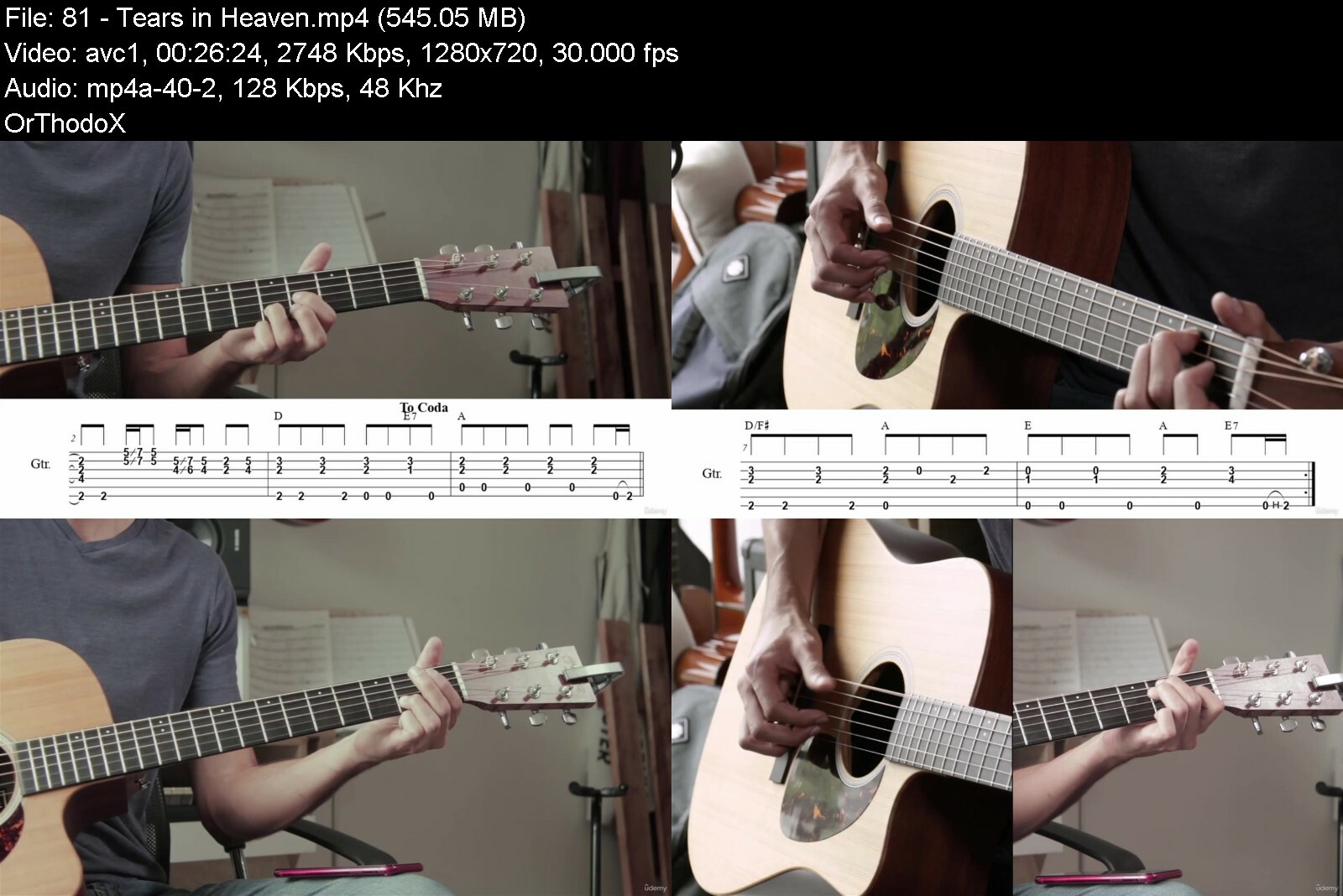
Lecture 81 Tears in Heaven
Lecture 82 Congratulations
Lecture 83 Last Words
Anyone who wants to learn to play the guitar - no experience needed!,Musicians/Guitar players who want to learn new styles,Anyone with specialized needs (professional musicians, guitarists, music teachers)


completefingerstylegu0sis0.jpg


Download from RapidGator


Download from DDownload


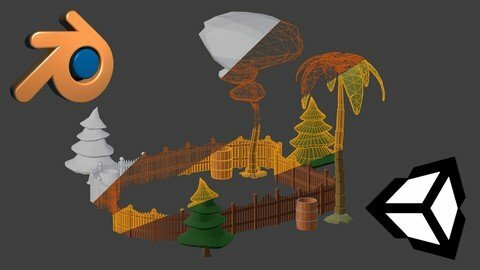
3D Modeling In Blender 2.8 For Unity Video Game Developers

mvxyzs5dbirgoh7zahzn2atcks.jpg


3D Modeling In Blender 2.8 For Unity Video Game Developers
Last updated 10/2019
MP4 | Video: h264, 1280x720 | Audio: AAC, 44.1 KHz
Language: English | Size: 6.13 GB | Duration: 7h 45m

Indie Video Game Developers Learn How to Design Low-Poly 3D Props for Prototyping Games with Blender 2.8 & Unity 2018.2


What you'll learn
3D modeling in Blender 2.8
Simple low-poly props
Tools, Shortcuts, Tips & Tricks

Requirements
Students must know their way around the computer
Students should want to make models for video game design
3 Button mouse with Scrollwheel highly recommended
Full computer keyboard with Numeric Keypad highly recommended

Description
In this course, students will learn the basic core components of building 3D models using Blender 2.8 and Unity 2018.2. The lessons contained within the course allow the student to gradually learn important tools used for everyday modeling, while providing simple objects to practice on which give the tools more meaning through practical hands on experience.As the course progresses, you'll be introduced to new tools, and then given the task of creating a simple prop that makes use of the new information you have acquired while continuing to reinforce previously learned material all along the journey.By the end of this course, you should be able to construct basic 3D props for your Unity Prototype Games. With enough practice and experience, you'll be well on your way to publishing your first game.
Overview
Section 1: Getting Started
Lecture 1 What You Will Learn
Lecture 2 Textures Used in This Course
Lecture 3 Custom Startup File
Lecture 4 General Navigation
Lecture 5 A Note About Cheat Sheets
Section 2: Low-Poly Barrel
Lecture 6 Select, Delete & Undo
Lecture 7 Add Mesh
Lecture 8 Increment Snapping
Lecture 9 Loop Cut & Slide
Lecture 10 Scale
Lecture 11 Inset
Lecture 12 Extrude
Lecture 13 Shading Types: Wireframe & Solid
Lecture 14 Loop Select
Lecture 15 Duplicate & Separate Selection
Lecture 16 Convert to Curve (from Mesh)
Lecture 17 Curve: Bevel
Lecture 18 Join
Lecture 19 UV Unwrap: Cube Projection
Lecture 20 New Material
Lecture 21 UV Selections: Vertex, Edge, Face & Island
Lecture 22 UV: Weld Tools
Lecture 23 Barrel Model: Start to Finish (from Scratch)
Section 3: Low-Poly Trees
Lecture 24 Collections: Hide
Lecture 25 Subdivide & Triangulate
Lecture 26 Sculpting Workspace
Lecture 27 Proportional Editing (Tree Trunk)
Lecture 28 Offset Edge Loop Cut (Tree Branching)
Lecture 29 Smooth Tool (Branch Segment Smoothing)
Lecture 30 Organic Adjustments: Tree Bottom
Lecture 31 Organic Adjustments: Tree Top
Lecture 32 Rip Region (Rocks)
Lecture 33 Flat Color Materials (No UVs Required)
Lecture 34 Palm Tree Trunk
Lecture 35 Leaf Shape (Plane)
Lecture 36 Leaf Sag (Bezier Curve)
Lecture 37 Leaf Solidify
Lecture 38 Leaf Tears (Rip Region)
Lecture 39 Leaf Colors (Assign Materials)
Lecture 40 Duplicating in Object Mode
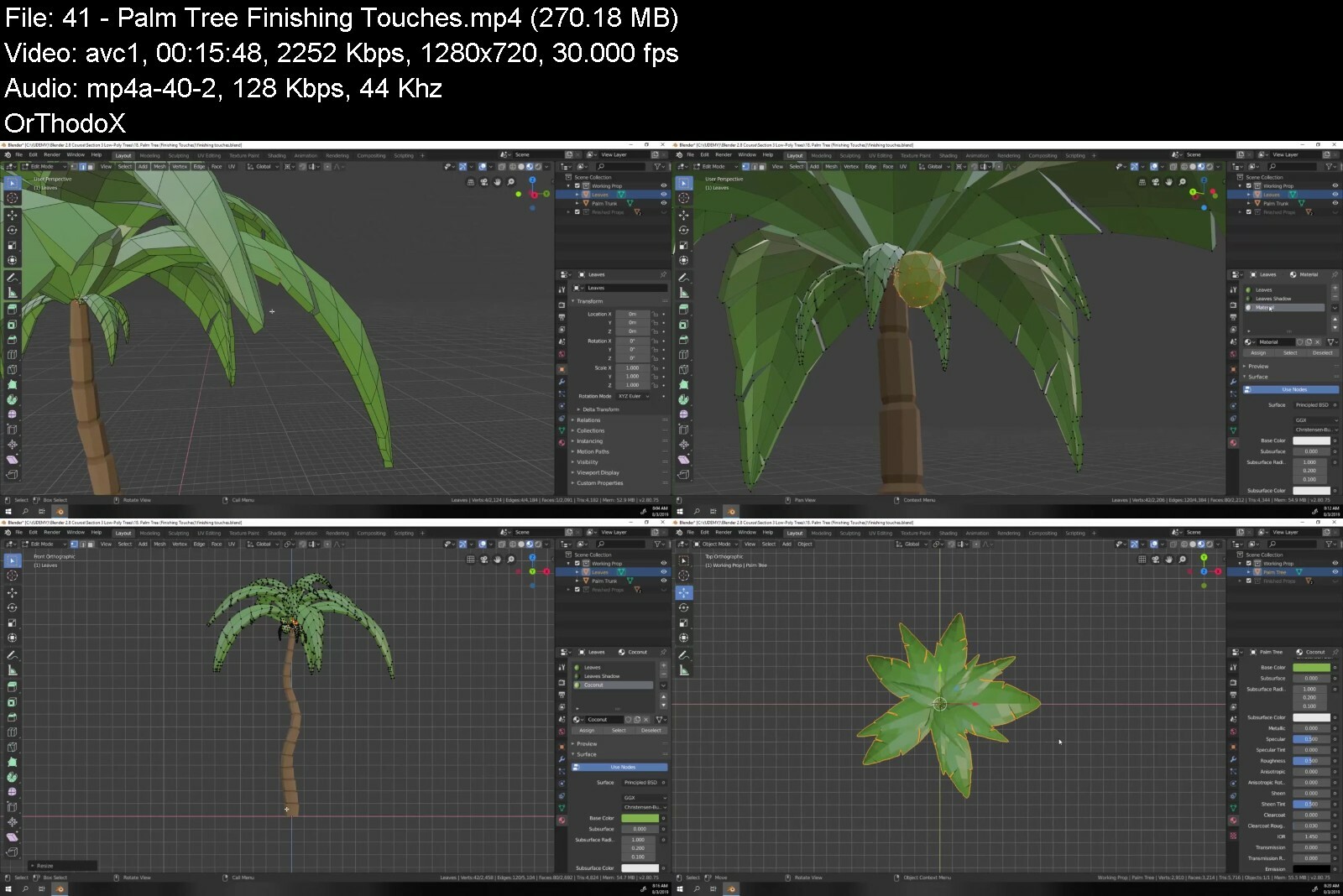
Lecture 41 Palm Tree Finishing Touches
Lecture 42 Pine Tree Top
Lecture 43 Pine Tree Trunk
Lecture 44 Pine Tree Materials
Section 4: Low-Poly Picket Fence
Lecture 45 Fence Post & Cap
Lecture 46 Mirror Modifier (Modular Fence Post)
Lecture 47 Fence Rails
Lecture 48 Bezier Curve (Fence Path)
Lecture 49 Array Modifier (Repeating Fence)
Lecture 50 Curve Modifier (Curved Fence)
Lecture 51 Fine Tuning & Smoothing (Fence Details)
Lecture 52 Floating Geometry (Fence Pickets)
Lecture 53 Multiple Materials (Picket Fence)
Lecture 54 Fence Gate
Section 5: Loose Ends
Lecture 55 Reducing Polys
Lecture 56 Improved Gate
Lecture 57 Scaling All Props
Lecture 58 Export from Blender & Import into Unity
Lecture 59 Assign Textures to Materials in Unity
Lecture 60 Seamless Textures
Lecture 61 3D Text
Lecture 62 Quick Favorites
Lecture 63 BONUS LECTURE: More Courses by Billy McDaniel
New Blender users with no experience in 3D modeling,Experienced Blender users who are new to Blender 2.8,Experienced modelers who are proficient in other software, but curious about the new Blender 2.8.


3dmodelinginblender28fzdoo.jpg


Download from RapidGator


Download from DDownload


Udemy - Linux Fundamentals for IT Professionals

203323675f34lnfmd.jpg


Udemy - Linux Fundamentals for IT Professionals
Instructors: Durga Viswanatha Raju Gadiraju
9 sections • 68 lectures • 8h 8m total length
Video: MP4 1280x720 44 KHz | English + Sub
Updated 8/2022 | Size: 6.3 GB

Linux Commands for day to day usage and basics of Shell Scripting with Case Studies.


What you'll learn
Setup Ubuntu Linux on Windows using wsl
Getting Started with Linux Shell Commands using commands such as pwd, help, etc
Listing files and folders in Linux File System using ls
Filtering files and folders in Linux File System using commands such as find
Processing Data in Files using Linux Commands using commands such cat, tail, head, more, cut, sort, uniq, etc
Understanding File and Folder Properties and also commands to change the ownership as well as permissions
Managing Files and Folders in Linux using commands such as cp, mv, rm, etc along with awk for the automation
Basic System Commands in Linux such as lscpu, free, df, du, etc to get CPU, memory, free or available as well as used storage respectively
Comparing Files and Folders in Linux using diff
Variables and Environment Variables in Linux including commands such as env and concepts related to PATH Environment Variable
Getting Started with AWS to provision EC2 Instances to explore SSH, networking concepts, scp, etc
Overview of SSH to interact with remote servers which includes all key concepts such as sshd, configuration files, running commands remotely, etc
Basic Networking Concepts such as different ip addresses, ports using Linux including telnet command to troubleshoot networking issues
Copy Files and Folders between Multiple Systems using scp including fine tuning the performance of scp
Troubleshooting Application issues using find and grep in Linux
Monitoring and Managing Linux Servers using System Commands such as uptime, ps, lost, top, etc
Overview of Developer Tools for Linux using Windows - notepad++, winscp, visual studio code, etc
Overview of Ansible for Server Automation - Running Commands, Playbooks, Variables, Profiles, etc
Overview of Automation using Python on Linux - using os, subprocess, modules
Show more
Show less
Requirements
PC or Mac with decent configurationAt least 8 GB RAM, i5 or equivalent processorCPU with dual core or with higher configuration
Description
As part of this course, you will learn most of the important Linux commands that can come in handy while working in Linux-based environments.
Here are the high-level details of the Linux Commands that are covered as part of this hands-on course.
You will get started by having an appropriate environment to practice. Windows users can set up Ubuntu 20.04 using wsl.
Once the environment is ready, you will understand how to get started with basic Linux Commands.
The most commonly used command in Linux is ls. It is used to list the files. We will see different variations of ls by going through all the relevant arguments.
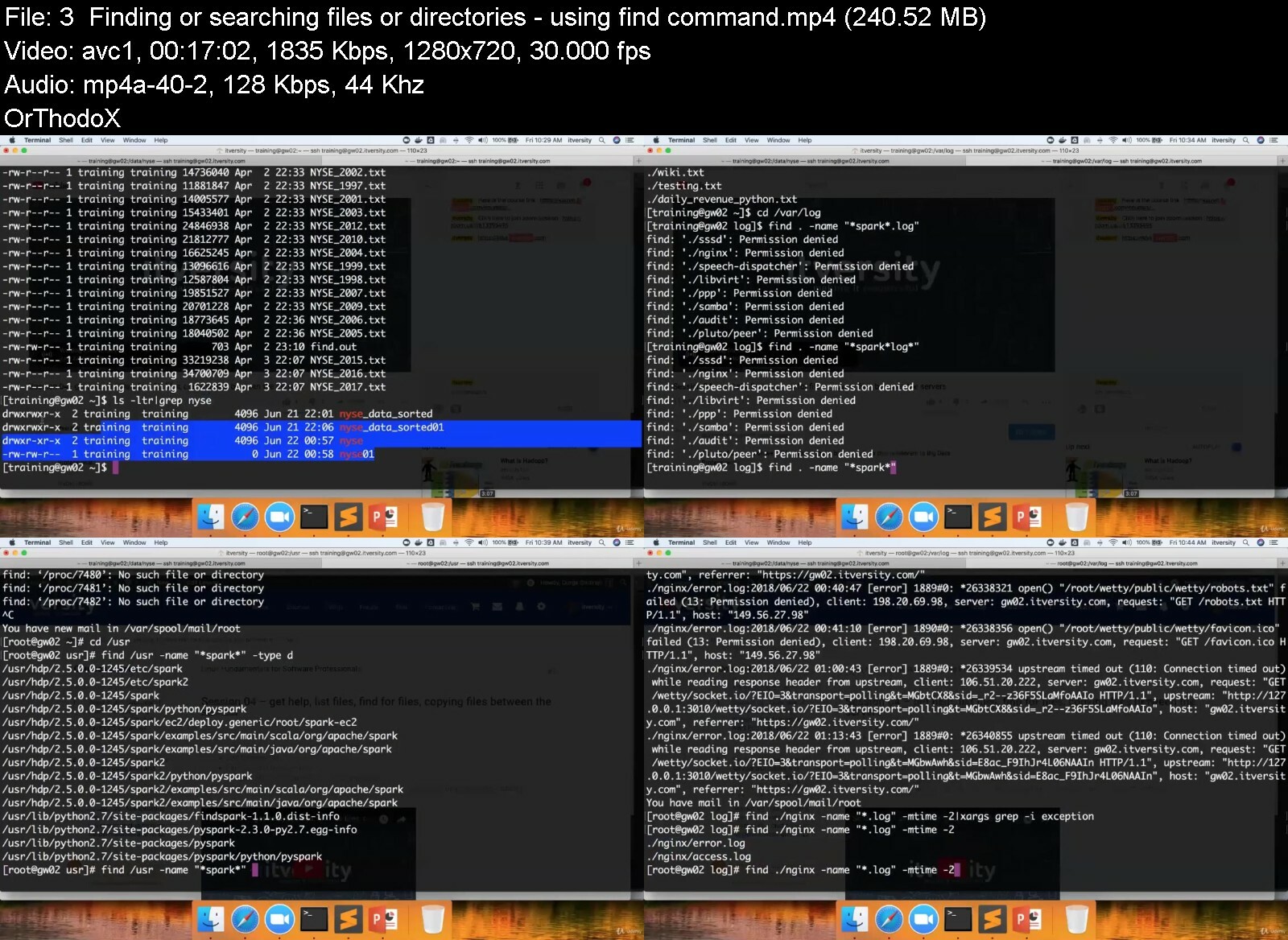
One of the powerful Linux commands and also my favorite is "find". It helps us to filter the files and directories based on name, type, modified time, etc. You will learn how to use the find command effectively from the perspective of finding the files based on the criteria.
As we understand how to get details related to files and folders in Linux, we will go through the details related to previewing the data in files using important Linux commands such as cat, tail, more, etc. Also, we will review Linux commands such as cut, sort, uniq to process the data. All these commands are typically used against text files.
After going through details related to ls, find commands as well as commands related to processing data in files, we will walk you through the details related to file and folder properties in Linux. You will get an overview of commands such as useradd, userdel, chmod, etc which are typically associated with file permissions.
One of the key aspects related to files and folders is to manage them effectively. We will go through the details about managing files and folders using Linux commands such as cp for copy, mv for move or rename, rm for delete or remove, tar to build uncompressed as well as compressed tar balls. Also, you will get a taste of the awk command to automate some of the common tasks such as reorganizing the files based on patterns.
The core components of a computer are nothing but CPU, Memory, and Storage. In this section or module, you will be learning Linux commands such as lscpu to get CPU;details, free to get memory details, and then df and du to get storage details.
At times, we need to make sure the data is in files as well as codebase to troubleshoot the production issues or bugs in QA. In this section, you will learn how to use the Linux command called diff to compare files and folders and review the differences.
Environment Variables are the ones that can impact the sessions logged in by users in Linux. As part of this section, you will be learning details related to Variables, Environment Variables. Also, you will understand how to list all the Environment Variables using Linux commands such env, and how to get a value of a Variable or Environment Variable using the Linux command echo. On top of these things, you will also learn all important aspects related to one of the most important Environment Variables called PATH.
As we gain a decent amount of knowledge related to Linux commands using a single server, it is time for us to explore other important commands such as ssh, scp, pssh, pscp, etc which require more than one Linux System or Server. Also, we need to go through basic networking concepts. To learn commands to interact between the servers as well as to understand basic networking concepts, we will get started with AWS to provision Ubuntu-based virtual machines. These Virtual Machines will be used in the subsequent sections to learn the concepts mentioned earlier as part of this bullet point.
Once we go through the details about getting started with AWS, we will focus on learning all key concepts related to SSH such as sshd daemon, updating ssh config files, and restarting sshd using systemctl or service command. Also, we will go through the details related to passwordless login and also ability to run commands remotely via ssh. We will also understand how to set up parallel ssh and then run commands on multiple Linux systems in parallel.
To be comfortable with learning in a Linux environment, it is very important for one to understand key concepts such as different types of IP;Addresses, Port Numbers, relationships between applications and databases with ports, etc. In this section, we will go through all important networking concepts using apache2, MongoDB, etc.
Once we are comfortable with SSH, it is time for us to use tools such as scp which uses ssh under the hood to copy files and folders between the Linux Systems. We will also explore parallel scp to copy files in parallel to multiple target systems from one source system. Also, we will go through the details related to speeding up the copy using different techniques which include submitting multiple scp commands using nohup.
One of the important aspects for any IT Engineer is to troubleshoot the application issues deployed in Linux by reviewing logs generated by applications. After going through scp, you will learn how to troubleshoot issues by using grep and find against log files of the applications deployed on the Linux Server.
To ensure that we can monitor and manage Linux Servers, we not only need to understand how to manage applications and databases in Linux but also need to understand the performance of the applications. For managing applications and databases on a Linux server, one should be familiar with commands such as apt to install applications and systemctl or service to manage the life cycle of applications and databases. To monitor, one should be familiar with commands such as ps, lsof, top, etc. You will learn how to monitor and manage applications as well as databases using examples such as ssh, apache2, mongodb, jupyterlab, etc.
As we learned quite a few commands and tools on Linux, now it is time for us to work on increasing productivity by using appropriate tools, especially for Windows users. You will see the relevance and also how to setup tools such as notepad++, winscp, visual studio code with remote development extension, git tools for Windows, etc.
Organizations will end up having hundreds of servers to support their applications. However, these hundreds of servers need to follow a handful of templates. Using Server Automation tools like Ansible, we should be able to automate the process of configuring a large number of servers using a handful of templates. You will get an overview of Ansible covering some of the core concepts of Ansible such as running commands, inventory, playbooks, variables, roles, etc.
Also, you will understand how to use programming languages like Python to take care of automation by using modules such as os, glob, subprocess, etc.

Homepage

linuxfundamentalsfori79i0d.jpg


Download from RapidGator


Download from DDownload


Dehydrating Vegan Meals for Backpacking & Camping

483249464bf4lscfb.jpg


Dehydrating Vegan Meals for Backpacking & Camping
Published 08/2022
MP4 | Video: h264, 1280x720 | Audio: AAC, 44.1 KHz, 2 Ch
Genre: eLearning | Language: English | Duration: 94 lectures (9h 21m) | Size: 12.3 GB


Including basic dehydrating and preparation for all dehydrating projects


What you'll learn
Learn basic dehydrating techniques in order to dry fruits and vegetables, showing how to prepare, how to pre-treatments, blanching, conditioning and rehydration
Cook and dehydrate vegan meals for backpacking and camping, for short time storage and stocking up at homes and for travellers in campers and RVs
Learn how to create meals from fruits and vegetables previously dehydrated, recipes to put together meals for backpacking, camping, home use, RVs and campers.
Learn how to create dehydrated delicious snacks, how to make Quick N Easy dehydrated meals and some other uses for your dehydrator.
How to dehydrate food for any unforeseen circumstances and for travel.
Requirements
There are no pre-requisites for this course, however you will need some basic dehydrating equipment to get you started.
Basic cooking and kitchen skills
You don't need to be vegan to do this course
Description
Welcome to my course "Dehydrating Vegan Meals for Backpacking & Camping".
This course was initially designed to help people prepare & dehydrate delicious, nutritious meals for themselves at a fraction of the cost of prepared camping meals. As the course grew, it necessitated the explanation of basic dehydrating, equipment, food preparation and methods.
This course therefore is also a great start for anyone wanting to learn more about dehydrating, even though they may not use it for the said purpose of creating camping and hiking meals. It is also not necessary to be vegan, as there is plenty of information for all dietary preferences.
The information is also useful for those who live on the road in their campers, trailers and RVs. When you are staying in a camp grounds or anywhere that has access to water and power, it is a good time to spend dehydrating produce for the next leg of your adventure. Preparing these meals whilst in a camper (RV), etc makes travelling on the road much easier and less stressful. More food can be carried when storage space is at a minimum.
Getting outside in the Great Outdoors is always beneficial for your health and wellbeing. Once the stress of having to spend a lot of time creating meals is gone, life on the road is enjoyable and stress free. You only have to rehydrate and heat your meals.
Then all that is left is to EAT your homemade delicious food.
When exploring you can carry dehydrated fruits, snacks and vegetables to satisfy your appetite, along with your family and travelling companions.
I also include some healthy Raw Food snacks that can be enjoyed on your adventures.
This course incorporates information on Equipment and Vacuum Sealing along with some short-term storage ideas.
In this course I cover basic preparation and instructions on dehydrating a large variety of single items. I then show you how to prepare and cook whole meals that can be dehydrated, vacuumed sealed and taken with you. We then move on to Dry Meals, which involves making up meals from your single dehydrated products, shown in the Basic (single items) section.
Then I show you some breakfast ideas, some Quick N Easy ideas for when you are strapped for time, some delicious Snacks and some interesting extra videos with other deydrating ideas.
ENJOY !!!!!
Who this course is for
This course was created to help backpackers and campers prepare their own home cooked and dehydrated vegan meals.
For those wanting to learn basic dehydrating techniques for fruits and vegetables, which can be used for home use - whether you use it for camping or not.


dehydratingveganmealstefgm.jpg


Download from RapidGator


Download from DDownload


The Complete Pega Developer course by Pega Portal - Rakesh

424331268be811elo.jpg


The Complete Pega Developer course by Pega Portal - Rakesh
Published 08/2022
MP4 | Video: h264, 1280x720 | Audio: AAC, 44.1 KHz, 2 Ch
Genre: eLearning | Language: English + srt | Duration: 187 lectures (41h 30m) | Size: 19.9 GB


Pega Developer - Pega 8.6 - System Architect (CSA) / Senior System Architect (CSSA)


What you'll learn
All the basics of Pega
Includes 42 sections, 183+ Videos
Complete implementation/practical based knowledge
Advanced topics like Integration, background processing jobs, etc
Tips and tricks to implemement your functionality
Requirements
There are no prerequisites to join this course. But if you know something about the web development, database or APIs, that will be helpful.
Description
The motto of this course is to provide the best training to you. There are many online courses available and for that, you will need to spend around 100 to 300 US Dollars. At some places, the amount is even more. And Even after spending this much of amount, you will not get the proper training. Unlike the online courses, this course is not only affordable, but it will provide you all the knowledge which is required for a Senior Pega Developer. And as, it is on Udemy, you can watch and complete this course at your convenience.
In this course, we will go through all the topics of the Pega right from the beginning like Downloading the Pega software, first-time login, application creation, and till creating the package and deploying it. This course will also include advanced topics like Integration and Background Processing as well. The course content has been designed with the topics from CSA and CSSA courses.
This course is totally practical-based. The intention is to provide the complete practical knowledge so that anyone can immediately start working on any Pega Development project after completing this course.
Not only this, it will help you to clear your concepts which will help you to clear the CSA and CSSA certifications.
I have designed and updated this course based on my experience and the feedback I have received so far.
Who this course is for
Freshers
Testers
Production Support Analysts
Developers working on the other technologies
Junior Pega Developers
Business Architects


thecompletepegadeveloywi3z.jpg


Download from RapidGator


Download from DDownload



MasterClass - Judd Apatow Teaches Comedy

masterclassjuddapatowq0c6u.jpg


MasterClass - Judd Apatow Teaches Comedy
MP4 | Video: AVC 1280 x 720 | Audio: AAC 48 Khz 2ch | Duration: 06:34:19 | 7.38 GB
Genre: eLearning | Language: English

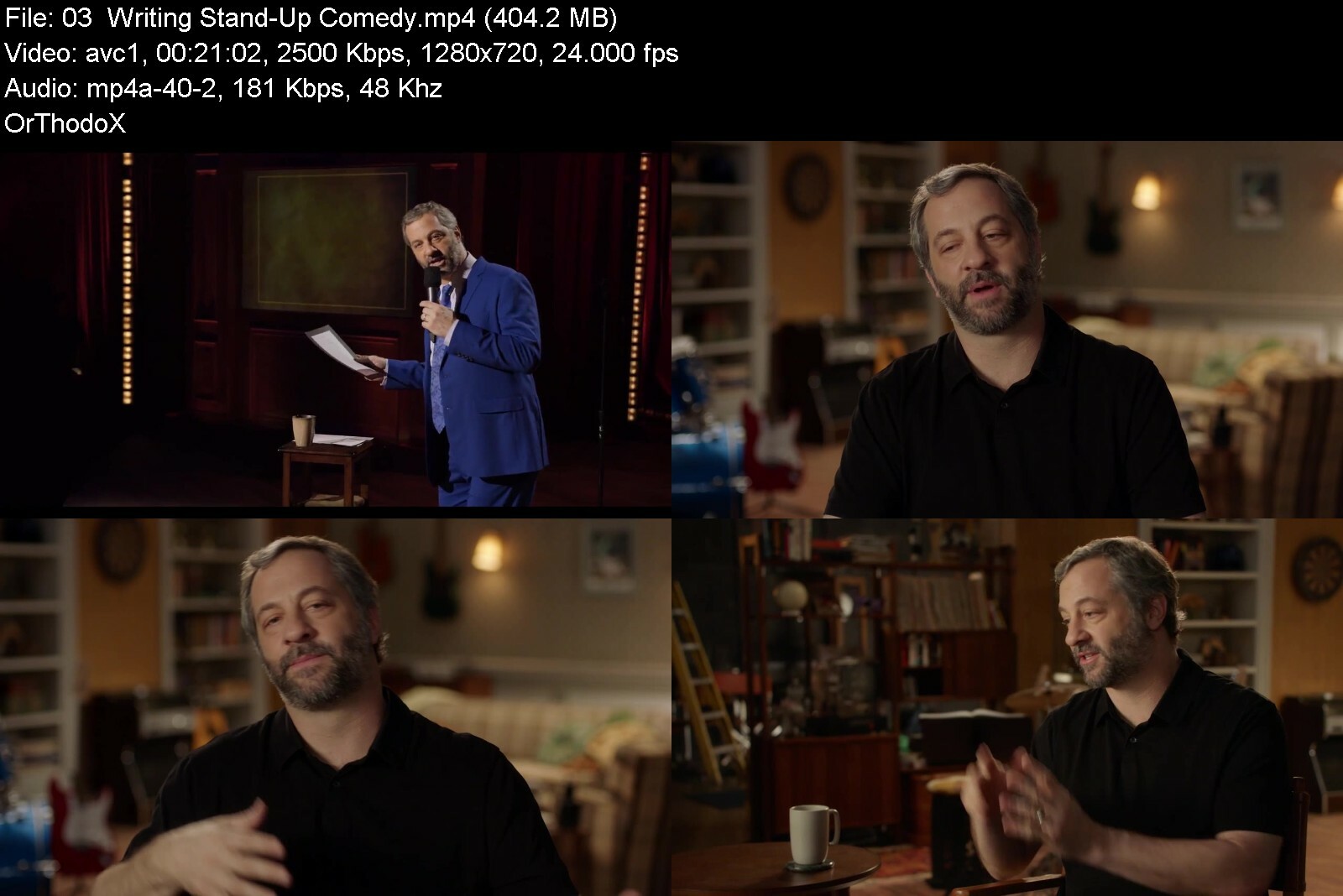
No joke: at age 15, Judd Apatow took a dishwashing job at a comedy club to watch the acts. Today, he's the comedic genius behind hits including The 40-Year-Old Virgin, Knocked Up, Bridesmaids, and Freaks and Geeks. In his first-ever online comedy class, the Emmy Award winner teaches you how to create hilarious storylines, write great stand-up, and direct movies that leave audiences laughing.

masterclassjuddapatowf1d0r.jpg


Download from RapidGator


Download from DDownload


Dreamweaver Essentials

sllhsr0dwwegck3e8m0njv4fbi.jpg


Dreamweaver Essentials
Last updated 12/2020
MP4 | Video: h264, 1280x720 | Audio: AAC, 44.1 KHz
Language: English | Size: 7.35 GB | Duration: 10h 33m

Get the most out of Dreamweaver and web design!


What you'll learn
By the end of this course, you'll be able to use Dreamweaver confidently.

Requirements
Basic computer skills

Description
Dreamweaver-The go-to web design tool for creative professionals. Expert video trainer, artist, and designer Geoff Blake introduces you to the world of Dreamweaver and web design in this monster 10-plus hour training course, packed with tricks, techniques, and hands-on tasks-made specially to be an easy, non-jargonny approach for Dreamweaver CS3 and CS4 users. Master key concepts and explore the array of possibilities, particularly in the world of Cascading Style Sheets with Geoff Blake as your guide. You'll not only learn the secrets and master the techniques, but you're sure to have a whole lot of fun along the way!
Overview
Section 1: Introduction
Lecture 1 Hello and Welcome
Lecture 2 Ten Ton Dreamweaver Essentials Project Files
Section 2: Web Design Fundamentals
Lecture 3 HTML Fundamentals
Lecture 4 CSS Fundamentals
Lecture 5 Three Challenges In Web Design, Pt 1
Lecture 6 Three Challenges In Web Design, Pt 2
Lecture 7 Dreamweaver's Role In Web Design
Section 3: Working in the Dreamweaver Interface
Lecture 8 Getting Started in Dreamweaver
Lecture 9 The Dreamweaver CS3 Interface
Lecture 10 The Dreamweaver CS4 Interface
Lecture 11 Customizing Dreamweaver's Interface
Lecture 12 Using Dreamweaver's History Panel
Lecture 13 Working with the Snippets Panel
Lecture 14 Exploring Other Panels
Lecture 15 Fast Selecting with the Tag Selector
Lecture 16 Saving Dreamweaver Workspaces
Lecture 17 Viewing Code in Dreamweaver
Lecture 18 Understanding Code Visually
Section 4: Managing Websites in Dreamweaver
Lecture 19 Defining A New Site
Lecture 20 Managing Multiple Sites
Lecture 21 Arranging File Structure
Lecture 22 Setting Up Index Files
Lecture 23 Uploading Files
Lecture 24 Using the Assets Panel
Lecture 25 Task #1: Define Your Own Site in Dreamweaver
Section 5: Adding Text and Page Structure
Lecture 26 Sample File Layout Tour & Free Resources
Lecture 27 Inserting Structural Headings
Lecture 28 Creating Numbered and Bulleted Lists and Sublists
Lecture 29 Inserting Special Characters
Lecture 30 Horizontal Rules & Property Inspector Limitations
Lecture 31 Previewing in Web Browsers, Adding Browsers, Online Browser Resources
Section 6: Getting Started with CSS
Lecture 32 Creating & Applying a Basic Style in Dreamweaver CS3
Lecture 33 Creating & Applying a Basic Style in Dreamweaver CS4
Lecture 34 Two Methods For Applying Styles & Understanding the Background Code
Lecture 35 Editing Styles Using the CSS Styles Panel
Lecture 36 Introducing the CSS Rule Definition Dialog Box
Section 7: Going Further with CSS
Lecture 37 The Three Fundamental CSS Rule Types
Lecture 38 About The Two Types Of Style Sheets
Lecture 39 Creating CSS Class Rules
Lecture 40 Adding A Border And Padding To A Class
Lecture 41 The Cranial Stuff: The CSS Box Model And How Widths Are Measured In CSS
Lecture 42 Using The Box Model To Create A Class Sidebar
Lecture 43 Controlling HTML With CSS.With Redefined HTML Tags
Lecture 44 Work Even Faster By Duplicating Styles
Lecture 45 Redefining The Page Text
Lecture 46 Redefining Bulleted Or Numbered Lists
Lecture 47 Creating Styles In Dreamweaver CS4
Lecture 48 Task #2: Think You're So Big? Try Creating This CSS Rule!
Lecture 49 Technique #1: Simple Typography Control With CSS!
Lecture 50 Technique #2: Alright, Now For Advanced CSS Typography!
Section 8: Managing Internal and External Style Sheets
Lecture 51 Moving Internal Styles to an External Style Sheet
Lecture 52 Disconnecting and Reconnecting an External Style Sheet
Lecture 53 Editing Rules within an External Style Sheet
Lecture 54 Editing Style Sheets Without Dreamweaver
Lecture 55 Moving Styles Between Style Sheets
Lecture 56 Working Faster with External Style Sheets
Lecture 57 External Style Sheets with Dreamweaver CS4
Section 9: Working With Tables
Lecture 58 Table Basics in Dreamweaver
Lecture 59 Inserting Content and Table Oddities
Lecture 60 Selecting Table Components
Lecture 61 Traditional Table Formatting
Lecture 62 Using CSS to Control Table Formatting
Section 10: Inserting Images
Lecture 63 Understanding Graphics in Web Design
Lecture 64 Inserting & Formatting Images
Lecture 65 Controlling Images with CSS
Lecture 66 Dreamweaver's Image Editing Commands
Lecture 67 Editing Images Outside of Dreamweaver
Lecture 68 Setting Background Images
Lecture 69 Using Smart Objects with Dreamweaver CS4
Lecture 70 Technique #3: Using Images for Typography
Lecture 71 Technique #4: From Illustrator to Photoshop to Dreamweaver
Lecture 72 Technique #5: Soft-Edged Transparency with PNGs
Section 11: Creating Hyperlinks
Lecture 73 Creating Links From Text & Images
Lecture 74 Linking to Other Websites
Lecture 75 Linking to an Email Address
Lecture 76 Linking to PDFs & Other Files
Lecture 77 Linking to A Specific Location on a Page
Lecture 78 Creating Image Maps
Lecture 79 Hyperlink Formatting with CSS
Lecture 80 Technique #6: Creating Rollover Buttons with CSS
Lecture 81 Technique #7: Site Rollout: From a Single-Page to a Multi-Page Website
Lecture 82 Task#3 Design Your Page Layout
Section 12: Traditional Page Layout with Tables
Lecture 83 Setting Up a Basic Layout Structure
Lecture 84 Refining the Layout with Nested Tables
Lecture 85 Inserting the Layout's Images & Text
Lecture 86 Further Layout Refinement
Section 13: Modern Page Layout with Divs
Lecture 87 Getting Started with Divs
Lecture 88 Creating the Basic Layout Blocks
Lecture 89 Nesting Divs Within Other Divs
Lecture 90 Refining the Layout with Additional Div's
Lecture 91 Task #4: Create the Remaining Div's
Lecture 92 Task #4 Bailout
Lecture 93 Inserting the Layout's Images & Text
Lecture 94 Applying a Frame to the Layout
Lecture 95 Further Layout Adjustments
Lecture 96 Technique #8: Centering A Div-Based Layout
Section 14: Diggin' Into Interactivity And Multimedia!
Lecture 97 Creating Rollover Buttons And Effects
Lecture 98 Introducing Spry Widgets
Lecture 99 Inserting Flash Content
Lecture 100 Adding In Audio And Video
Lecture 101 Throwin' In Flash Video
Section 15: Wrappin' Up Ten Ton Dreamweaver
Lecture 102 Final Site Management Techniques
Lecture 103 Goodbye, And Where To Go From Here
Section 16: Bonus Material
Lecture 104 Bonus Lecture
New users or those upgrading from an older version


dreamweaveressentials2ndp2.jpg


Download from RapidGator


Download from DDownload


Zurück
Oben Unten