• Regeln für den Video-Bereich:

    In den Börsenbereich gehören nur Angebote die bereits den Allgemeinen Regeln entsprechen.

    Einteilung

    - Folgende Formate gehören in die angegeben Bereiche:
    - Filme: Encodierte Filme von BluRay, DVD, R5, TV, Screener sowie Telesyncs im Format DivX, XviD und x264.
    - DVD: Filme im Format DVD5, DVD9 und HD2DVD.
    - HD: Encodierte Filme mit der Auflösung 720p oder darüber von BluRay, DVD, R5, TV, Screener sowie Telesyncs im Format x264.
    - 3D: Encodierte Filme von BluRay, die in einem 3D Format vorliegen. Dies gilt auch für Dokus, Animation usw.
    - Serien: Cartoon/Zeichentrick, Anime, Tutorials, Dokumentationen, Konzerte/Musik, Sonstiges sind demnach in die entsprechenden Bereiche einzuordnen, auch wenn sie beispielsweise im High Definition-Format oder als DVD5/DVD9/HD2DVD vorliegen. Ausnahme 3D.
    - Bereich Englisch: Englische Releases gehören immer in diesen Bereich.
    - Bereich Talk: Der Bereich, in dem über die Releases diskutiert werden kann, darf, soll und erwünscht ist.


    Angebot/Beitrag erstellen

    - Ein Beitrag darf erst dann erstellt werden, wenn der Upload bei mindestens einem OCH komplett ist. Platzhalter sind untersagt.
    - Bei einem Scenerelease hat der Threadtitel ausschließlich aus dem originalen, unveränderten Releasenamen zu bestehen. Es dürfen keine Veränderungen wie z.B. Sterne, kleine Buchstaben o.ä. vorgenommen werden. Ausnahme Serienbörse:
    - Bei einem Sammelthread für eine Staffel entfällt aus dem Releasename natürlich der Name der Folge. Beispiel: Die Simpsons S21 German DVDRip XviD - ITG
    - Dementsprechend sind also u.a. verboten: Erweiterungen wie "Tipp", "empfehlenswert", "only", "reup", usw. / jegliche andere Zusatzinformation oder Ergänzung, welche nicht in obiger Beschreibung zu finden ist.

    Aufbau des Angebots und Threadtitel

    Der Titel nach folgendem Muster erstellt zu werden. <Name> [3D] [Staffel] [German] <Jahr> <Tonspur> [DL] [Auflösung] <Quelle> <Codec> - <Group>
    Beispiel: The Dark Knight German 2008 AC3 DVDRip XviD - iND
    Beispiel: The Dark Knight 2008 DTS DL BDRip x264 - iND
    Beispiel: The Dark Knight 2008 AC3 DL BDRip XviD - iND
    Beispiel: The Dark Knight German 2008 AC3 720p BluRay x264 iND
    Beispiel: The Dark Knight 2008 DTS DL 1080p BluRay x264 iND
    Beispiel: Die Simpsons S01 German AC3 DVDRip XviD iND
    Beispiel: Die Simpsons S20 German AC3 720p BluRay x264 iND
    Beispiel: Sword Art Online II Ger Sub 2014 AAC 1080p WEBRip x264 - peppermint
    Entsprechend sind also u.a. verboten: Sonderzeichen wie Klammern, Sterne, Ausrufezeichen, Unterstriche, Anführungszeichen / Erweiterungen wie "Tipp", "empfehlenswert", "only", "reup", usw. / jegliche andere Zusatzinformation oder Ergänzung, welche nicht in obiger Beschreibung zu finden ist
    Ausnahmen hiervon können in den Bereichen geregelt sein.

    Die Beiträge sollen wie folgt aufgebaut werden:
    Überschrift entspricht dem Threadtitel
    Cover
    kurze Inhaltsbeschreibung
    Format, Größe, Dauer sind gut lesbar für Downloader außerhalb des Spoilers zu vermerken
    Nfo sind immer Anzugeben und selbige immer im Spoiler in Textform.
    Sind keine Nfo vorhanden z.B. Eigenpublikationen, sind im Spoiler folgende Dateiinformationen zusätzlich anzugeben :
    Quelle
    Video (Auflösung und Bitrate)
    Ton (Sprache, Format und Bitrate der einzelnen Spuren)
    Untertitel (sofern vorhanden)
    Hosterangabe in Textform außerhalb eines Spoiler mit allen enthaltenen Hostern.
    Bei SD kann auf diese zusätzlichen Dateiinformationen verzichtet werden.

    Alle benötigten Passwörter sind, sofern vorhanden, in Textform im Angebot anzugeben.
    Spoiler im Spoiler mit Kommentaren :"Schon Bedankt?" sind unerwünscht.


    Releases

    - Sind Retail-Release verfügbar, sind alle anderen Variationen untersagt. Ausnahmen: Alle deutschen Retail-Release sind CUT, in diesem Fall sind dubbed UNCUT-Release zulässig.
    - Im Serien-Bereich gilt speziell: Wenn ein Retail vor Abschluss einer laufenden Staffel erscheint, darf diese Staffel noch zu Ende gebracht werden.62
    - Gleiche Releases sind unbedingt zusammenzufassen. Das bedeutet, es ist zwingend erforderlich, vor dem Erstellen eines Themas per Suchfunktion zu überprüfen, ob bereits ein Beitrag mit demselben Release besteht. Ist dies der Fall, ist der bereits vorhandene Beitrag zu verwenden.
    - P2P und Scene Releases dürfen nicht verändert oder gar unter einem iND Tag eingestellt werden.


    Support, Diskussionen und Suche

    - Supportanfragen sind entweder per PN oder im Bereich Talk zu stellen.
    - Diskussionen und Bewertungen sind im Talk Bereich zu führen. Fragen an die Uploader haben ausschließlich via PN zu erfolgen, und sind in den Angeboten untersagt.
    - Anfragen zu Upload-Wünschen sind nur im Bereich Suche Video erlaubt. Antworten dürfen nur auf Angebote von MyBoerse.bz verlinkt werden.


    Verbote

    - Untersagt sind mehrere Formate in einem einzigen Angebotsthread, wie beispielsweise das gleichzeitige Anbieten von DivX/XviD, 720p und 1080p in einem Thread. Pro Format, Release und Auflösung ist ein eigener Thread zu eröffnen.
    - Grundsätzlich ebenso verboten sind Dupes. Uploader haben sich an geeigneter Stelle darüber zu informieren, ob es sich bei einem Release um ein Dupe handelt.
    - Gefakte, nur teilweise lauffähige oder unvollständige Angebote sind untersagt. Dies gilt auch für eigene Publikationen, die augenscheinlich nicht selbst von z.B. einer DVD gerippt wurden. Laufende Serien, bei denen noch nicht alle Folgen verfügbar sind, dürfen erstellt und regelmäßig geupdatet werden.
    - Untersagt sind Angebote, welche nur und ausschließlich in einer anderen Sprache als deutsch oder englisch vorliegen. Ausnahmen sind VORHER mit den Moderatoren zu klären.


    Verstoß gegen die Regeln

    - Angebote oder Beiträge, die gegen die Forenregeln verstoßen, sind über den "Melden"-Button im Beitrag zu melden.
  • Bitte registriere dich zunächst um Beiträge zu verfassen und externe Links aufzurufen.

*** Bestes IPTV *** bester Preis *** gratis Test ***


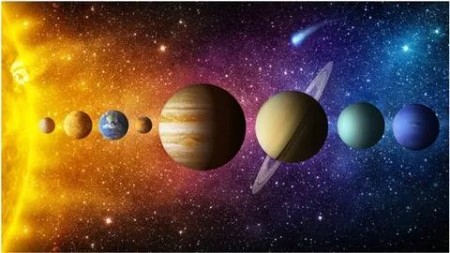
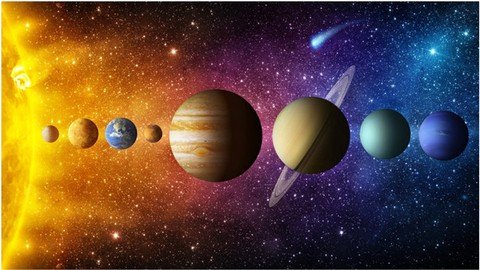
Udemy - A Journey Through The Solar System

babymore87

MyBoerse.bz Pro Member
8878fc8049dbf8634490f029b47871e4.jpeg

Free Download Udemy - A Journey Through The Solar System
Published 10/2024
MP4 | Video: h264, 1920x1080 | Audio: AAC, 44.1 KHz
Language: English | Size: 3.45 GB | Duration: 4h 16m
Formation of Universe, Galaxies, Planets, Moons, Star, Sun properties, Rotation vs Revolution, Moon and Apollo Mission.

What you'll learn
To gain a comprehensive understanding of the Universe and its components, including galaxies, solar systems, planets, and moons.
You will have the opportunity to navigate from a broad overview, such as the Big Bang, to the specific context of Earth as your current location.
Acquiring extensive knowledge regarding each planet within our solar system, including Mercury, Venus, Earth, Mars, Jupiter, Saturn, Uranus, and Neptune.
To conduct a thorough examination of the Sun, including its composition, rotation, atmosphere, sunspots, solar wind, and the effects on Earth.
To gain an in-depth knowledge of the Earth, including its structure, rotation, revolution, the moon, the distinction between Sidereal and Solar Days.
To explore the theories surrounding moon formation and examine its appearance from both the North and South Poles
Requirements
No Prerequisites for this course
No age limit
No subject knowledge required
Family friendly and Kid friendly course
Description
This course will initiate with an examination of the solar system and Earth, subsequently leading into an analysis of the universe's origins. The course aims to explore the origins of various phenomena, including the Solar System, the Earth, and the Big Bang. Additionally, gaining a deeper understanding of stars and galaxies by concentrating on our galaxy, the Milky Way, and our star, the Sun. Examining the sun in detail along with associated terminologies including solar wind, solar flare, the Sun, sunspot, composition, rotation, atmosphere, and internal structure. The origin of Earth, along with its rotation, revolution, and the reasons for its slowing, will be examined. Additionally, the concepts of sidereal and solar days will be addressed. Together with the methods for demonstrating Earth's rotation and the principles of gravity along with its measurements. Next, we will explore the theories surrounding moon formation and examine its appearance from both the North and South Poles.Each chapter contains various modules and topics. Each Module contains a Videos and Notes page, which includes a link to the main video. Kindly ensure that you observe and pay close attention to all of the lectures.Each video will have its content provided at intervals. Kindly review these Notes thoroughly (if applicable). This course presents a unique approach, and prior experience with the subject matter will not substitute for the careful attention required during the lectures.We will conduct Problem-based exercises, where you will discover the results of each problem outlined in the Videos and Notes, along with a diverse array of additional problems that explore the topics in greater detail and illuminate the landscape we aim to comprehend. It is advisable to take a moment to reflect after reviewing a Worked Problem. Students are advised to attempt to solve these Worked Problems independently before referring to the answers provided in the Click to reveal section. Ensure that you thoroughly review all the Problems along with their corresponding solutions. This component is crucial to the course, and your advancement is contingent upon it.
Overview
Section 1: Understanding Universe, Galaxy, Solar System, and Earth
Lecture 1 Introduction to the course
Lecture 2 What is Universe? How Big is Universe?
Lecture 3 The Birth of the Universe: The Big Bang, Radiation & Matter Era, Age and Events
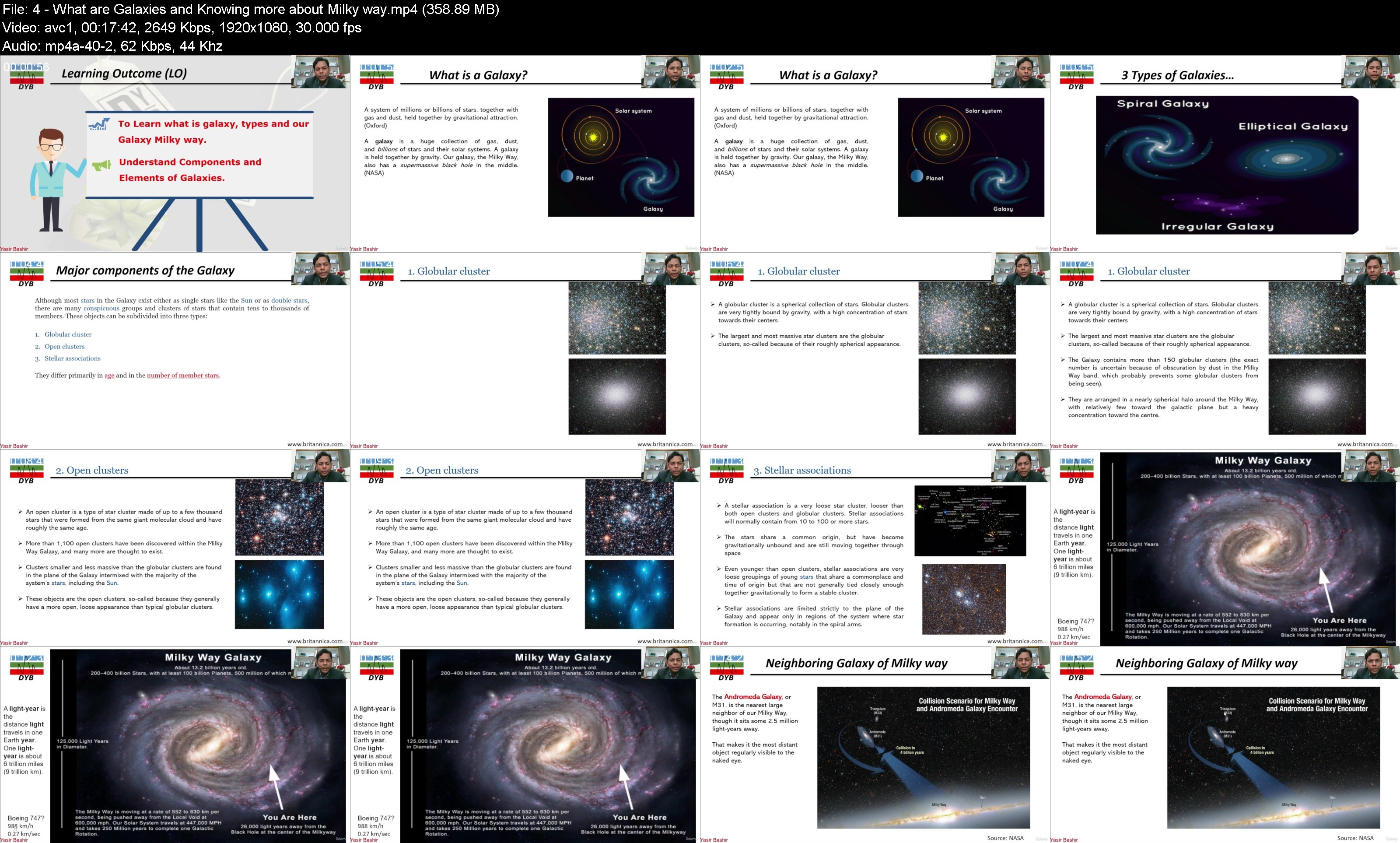
Lecture 4 What are Galaxies and Knowing more about Milky way
Section 2: Solar System and Planets
Lecture 5 Understanding Solar System and Hands-on visualization of Planets
Lecture 6 Planets, Inner, Outer, Asteroid belt, Kuiper belt, Oort cloud
Lecture 7 Knowing more about Mercury, Venus, Earth & Mars
Lecture 8 knowing more about the Jupiter, Saturn, Uranus & Neptune
Lecture 9 Kepler's Law of Planetary Motion: All three laws explained
Section 3: Sun as Star of Solar System
Lecture 10 What is a Star, Types & Classifications, G types of Stars
Lecture 11 The Sun, Composition, Rotation, Atmosphere & Internal Structure
Lecture 12 Solar Wind and Its effect on Earth
Lecture 13 Sunspot and Its effect on Earth
Lecture 14 Sunspot Events, Observation & Applications
Section 4: Our Beloved Earth
Lecture 15 Origin of Earth's Rotation, Revolution and slowing reason
Lecture 16 Sideral and Solar day
Lecture 17 How We Prove Earth Rotation - Hooke Vs Foucault pendulum
Lecture 18 Earth's Gravity & It's Measurements, Free Air Correction
Section 5: Moon :The Earth's Natural Satellite
Lecture 19 Theories of Moon Formation
Lecture 20 The Motion of Moon: How It Looks From North and South Pole
Lecture 21 Selenology/Geology of Moon and Topographic Map
Lecture 22 What are Moon's Craters? The Biggest Crater of Moon
Lecture 23 Apollo Mission, 45 Days on Moon
Individuals with an interest in space and our solar system,Earth Science Students,Who are willing to start their studies in Space Science,Individuals seeking to expand their understanding of the Sun, Earth, and Moon
Screenshot
Homepage


Recommend Download Link Hight Speed | Please Say Thanks Keep Topic Live
No Password - Links are Interchangeable

 

0353f230faa3f4a5aac4e3babbf92a16.jpg

A Journey Through The Solar System
Published 10/2024
MP4 | Video: h264, 1920x1080 | Audio: AAC, 44.1 KHz
Language: English | Size: 3.45 GB | Duration: 4h 16m​

Formation of Universe, Galaxies, Planets, Moons, Star, Sun properties, Rotation vs Revolution, Moon and Apollo Mission.

What you'll learn

To gain a comprehensive understanding of the Universe and its components, including galaxies, solar systems, planets, and moons.

You will have the opportunity to navigate from a broad overview, such as the Big Bang, to the specific context of Earth as your current location.

Acquiring extensive knowledge regarding each planet within our solar system, including Mercury, Venus, Earth, Mars, Jupiter, Saturn, Uranus, and Neptune.

To conduct a thorough examination of the Sun, including its composition, rotation, atmosphere, sunspots, solar wind, and the effects on Earth.

To gain an in-depth knowledge of the Earth, including its structure, rotation, revolution, the moon, the distinction between Sidereal and Solar Days.

To explore the theories surrounding moon formation and examine its appearance from both the North and South Poles

Requirements

No Prerequisites for this course

No age limit

No subject knowledge required

Family friendly and Kid friendly course

Description

This course will initiate with an examination of the solar system and Earth, subsequently leading into an analysis of the universe's origins. The course aims to explore the origins of various phenomena, including the Solar System, the Earth, and the Big Bang. Additionally, gaining a deeper understanding of stars and galaxies by concentrating on our galaxy, the Milky Way, and our star, the Sun. Examining the sun in detail along with associated terminologies including solar wind, solar flare, the Sun, sunspot, composition, rotation, atmosphere, and internal structure. The origin of Earth, along with its rotation, revolution, and the reasons for its slowing, will be examined. Additionally, the concepts of sidereal and solar days will be addressed. Together with the methods for demonstrating Earth's rotation and the principles of gravity along with its measurements. Next, we will explore the theories surrounding moon formation and examine its appearance from both the North and South Poles.Each chapter contains various modules and topics. Each Module contains a Videos and Notes page, which includes a link to the main video. Kindly ensure that you observe and pay close attention to all of the lectures.Each video will have its content provided at intervals. Kindly review these Notes thoroughly (if applicable). This course presents a unique approach, and prior experience with the subject matter will not substitute for the careful attention required during the lectures.We will conduct Problem-based exercises, where you will discover the results of each problem outlined in the Videos and Notes, along with a diverse array of additional problems that explore the topics in greater detail and illuminate the landscape we aim to comprehend. It is advisable to take a moment to reflect after reviewing a Worked Problem. Students are advised to attempt to solve these Worked Problems independently before referring to the answers provided in the Click to reveal section. Ensure that you thoroughly review all the Problems along with their corresponding solutions. This component is crucial to the course, and your advancement is contingent upon it.

Overview

Section 1: Understanding Universe, Galaxy, Solar System, and Earth

Lecture 1 Introduction to the course

Lecture 2 What is Universe? How Big is Universe?

Lecture 3 The Birth of the Universe: The Big Bang, Radiation & Matter Era, Age and Events

Lecture 4 What are Galaxies and Knowing more about Milky way

Section 2: Solar System and Planets

Lecture 5 Understanding Solar System and Hands-on visualization of Planets

Lecture 6 Planets, Inner, Outer, Asteroid belt, Kuiper belt, Oort cloud

Lecture 7 Knowing more about Mercury, Venus, Earth & Mars

Lecture 8 knowing more about the Jupiter, Saturn, Uranus & Neptune

Lecture 9 Kepler's Law of Planetary Motion: All three laws explained

Section 3: Sun as Star of Solar System

Lecture 10 What is a Star, Types & Classifications, G types of Stars

Lecture 11 The Sun, Composition, Rotation, Atmosphere & Internal Structure

Lecture 12 Solar Wind and Its effect on Earth

Lecture 13 Sunspot and Its effect on Earth

Lecture 14 Sunspot Events, Observation & Applications

Section 4: Our Beloved Earth

Lecture 15 Origin of Earth's Rotation, Revolution and slowing reason

Lecture 16 Sideral and Solar day

Lecture 17 How We Prove Earth Rotation - Hooke Vs Foucault pendulum

Lecture 18 Earth's Gravity & It's Measurements, Free Air Correction

Section 5: Moon :The Earth's Natural Satellite

Lecture 19 Theories of Moon Formation

Lecture 20 The Motion of Moon: How It Looks From North and South Pole

Lecture 21 Selenology/Geology of Moon and Topographic Map

Lecture 22 What are Moon's Craters? The Biggest Crater of Moon

Lecture 23 Apollo Mission, 45 Days on Moon

Individuals with an interest in space and our solar system,Earth Science Students,Who are willing to start their studies in Space Science,Individuals seeking to expand their understanding of the Sun, Earth, and Moon

w2OYBC4q_o.jpg

 
Zurück
Oben Unten