


• Regeln für den Video-Bereich:

    In den Börsenbereich gehören nur Angebote die bereits den Allgemeinen Regeln entsprechen.

    Einteilung

    - Folgende Formate gehören in die angegeben Bereiche:
    - Filme: Encodierte Filme von BluRay, DVD, R5, TV, Screener sowie Telesyncs im Format DivX, XviD und x264.
    - DVD: Filme im Format DVD5, DVD9 und HD2DVD.
    - HD: Encodierte Filme mit der Auflösung 720p oder darüber von BluRay, DVD, R5, TV, Screener sowie Telesyncs im Format x264.
    - 3D: Encodierte Filme von BluRay, die in einem 3D Format vorliegen. Dies gilt auch für Dokus, Animation usw.
    - Serien: Cartoon/Zeichentrick, Anime, Tutorials, Dokumentationen, Konzerte/Musik, Sonstiges sind demnach in die entsprechenden Bereiche einzuordnen, auch wenn sie beispielsweise im High Definition-Format oder als DVD5/DVD9/HD2DVD vorliegen. Ausnahme 3D.
    - Bereich Englisch: Englische Releases gehören immer in diesen Bereich.
    - Bereich Talk: Der Bereich, in dem über die Releases diskutiert werden kann, darf, soll und erwünscht ist.


    Angebot/Beitrag erstellen

    - Ein Beitrag darf erst dann erstellt werden, wenn der Upload bei mindestens einem OCH komplett ist. Platzhalter sind untersagt.
    - Bei einem Scenerelease hat der Threadtitel ausschließlich aus dem originalen, unveränderten Releasenamen zu bestehen. Es dürfen keine Veränderungen wie z.B. Sterne, kleine Buchstaben o.ä. vorgenommen werden. Ausnahme Serienbörse:
    - Bei einem Sammelthread für eine Staffel entfällt aus dem Releasename natürlich der Name der Folge. Beispiel: Die Simpsons S21 German DVDRip XviD - ITG
    - Dementsprechend sind also u.a. verboten: Erweiterungen wie "Tipp", "empfehlenswert", "only", "reup", usw. / jegliche andere Zusatzinformation oder Ergänzung, welche nicht in obiger Beschreibung zu finden ist.

    Aufbau des Angebots und Threadtitel

    Der Titel nach folgendem Muster erstellt zu werden. <Name> [3D] [Staffel] [German] <Jahr> <Tonspur> [DL] [Auflösung] <Quelle> <Codec> - <Group>
    Beispiel: The Dark Knight German 2008 AC3 DVDRip XviD - iND
    Beispiel: The Dark Knight 2008 DTS DL BDRip x264 - iND
    Beispiel: The Dark Knight 2008 AC3 DL BDRip XviD - iND
    Beispiel: The Dark Knight German 2008 AC3 720p BluRay x264 iND
    Beispiel: The Dark Knight 2008 DTS DL 1080p BluRay x264 iND
    Beispiel: Die Simpsons S01 German AC3 DVDRip XviD iND
    Beispiel: Die Simpsons S20 German AC3 720p BluRay x264 iND
    Beispiel: Sword Art Online II Ger Sub 2014 AAC 1080p WEBRip x264 - peppermint
    Entsprechend sind also u.a. verboten: Sonderzeichen wie Klammern, Sterne, Ausrufezeichen, Unterstriche, Anführungszeichen / Erweiterungen wie "Tipp", "empfehlenswert", "only", "reup", usw. / jegliche andere Zusatzinformation oder Ergänzung, welche nicht in obiger Beschreibung zu finden ist
    Ausnahmen hiervon können in den Bereichen geregelt sein.

    Die Beiträge sollen wie folgt aufgebaut werden:
    Überschrift entspricht dem Threadtitel
    Cover
    kurze Inhaltsbeschreibung
    Format, Größe, Dauer sind gut lesbar für Downloader außerhalb des Spoilers zu vermerken
    Nfo sind immer Anzugeben und selbige immer im Spoiler in Textform.
    Sind keine Nfo vorhanden z.B. Eigenpublikationen, sind im Spoiler folgende Dateiinformationen zusätzlich anzugeben :
    Quelle
    Video (Auflösung und Bitrate)
    Ton (Sprache, Format und Bitrate der einzelnen Spuren)
    Untertitel (sofern vorhanden)
    Hosterangabe in Textform außerhalb eines Spoiler mit allen enthaltenen Hostern.
    Bei SD kann auf diese zusätzlichen Dateiinformationen verzichtet werden.

    Alle benötigten Passwörter sind, sofern vorhanden, in Textform im Angebot anzugeben.
    Spoiler im Spoiler mit Kommentaren :"Schon Bedankt?" sind unerwünscht.


    Releases

    - Sind Retail-Release verfügbar, sind alle anderen Variationen untersagt. Ausnahmen: Alle deutschen Retail-Release sind CUT, in diesem Fall sind dubbed UNCUT-Release zulässig.
    - Im Serien-Bereich gilt speziell: Wenn ein Retail vor Abschluss einer laufenden Staffel erscheint, darf diese Staffel noch zu Ende gebracht werden.62
    - Gleiche Releases sind unbedingt zusammenzufassen. Das bedeutet, es ist zwingend erforderlich, vor dem Erstellen eines Themas per Suchfunktion zu überprüfen, ob bereits ein Beitrag mit demselben Release besteht. Ist dies der Fall, ist der bereits vorhandene Beitrag zu verwenden.
    - P2P und Scene Releases dürfen nicht verändert oder gar unter einem iND Tag eingestellt werden.


    Support, Diskussionen und Suche

    - Supportanfragen sind entweder per PN oder im Bereich Talk zu stellen.
    - Diskussionen und Bewertungen sind im Talk Bereich zu führen. Fragen an die Uploader haben ausschließlich via PN zu erfolgen, und sind in den Angeboten untersagt.
    - Anfragen zu Upload-Wünschen sind nur im Bereich Suche Video erlaubt. Antworten dürfen nur auf Angebote von MyBoerse.bz verlinkt werden.


    Verbote

    - Untersagt sind mehrere Formate in einem einzigen Angebotsthread, wie beispielsweise das gleichzeitige Anbieten von DivX/XviD, 720p und 1080p in einem Thread. Pro Format, Release und Auflösung ist ein eigener Thread zu eröffnen.
    - Grundsätzlich ebenso verboten sind Dupes. Uploader haben sich an geeigneter Stelle darüber zu informieren, ob es sich bei einem Release um ein Dupe handelt.
    - Gefakte, nur teilweise lauffähige oder unvollständige Angebote sind untersagt. Dies gilt auch für eigene Publikationen, die augenscheinlich nicht selbst von z.B. einer DVD gerippt wurden. Laufende Serien, bei denen noch nicht alle Folgen verfügbar sind, dürfen erstellt und regelmäßig geupdatet werden.
    - Untersagt sind Angebote, welche nur und ausschließlich in einer anderen Sprache als deutsch oder englisch vorliegen. Ausnahmen sind VORHER mit den Moderatoren zu klären.


    Verstoß gegen die Regeln

    - Angebote oder Beiträge, die gegen die Forenregeln verstoßen, sind über den "Melden"-Button im Beitrag zu melden.
  • Bitte registriere dich zunächst um Beiträge zu verfassen und externe Links aufzurufen.

*** Bestes IPTV *** bester Preis *** gratis Test ***


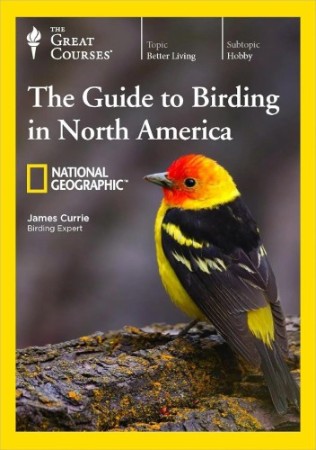
TTC Video The National Geographic Guide to Birding in North America

AgentofHeart

MyBoerse.bz Pro Member

698857066_yxusj-j1x00gw05eg6.jpg

TTC Video - The National Geographic Guide to Birding in North America
.MP4, AVC, 1280x720, 30 fps | English, AAC, 2 Ch | 12h 31m | 12.2 GB
Lecturer: James Currie, Safari Guide National Geographic | Course No. 7782​

Birds have often held a special fascination for humanity. Venerated as deities and powerful symbols in the mythology of ancient Egypt, China, the Maya, and other cultures, through the millennia birds have remained mysterious, magnetic, and irresistible. In the 18th and 19th centuries, naturalists traveled the earth in search of the most resplendent avian species, and the advent of science has only increased interest in the amazingly varied world of birds. Today this fascination continues in the modern activity of birding, a passionate and well organized pursuit for people around the world.

Birding is a pastime that enriches and challenges hobbyists on multiple levels. Going beyond basic bird identification, birding includes a far-reaching look into matters such as bird behavior, migration, habitats, conservation, and the science behind them. Ultimately, birding offers the opportunity to participate in the systematic study of birds, and to help science advance its understanding of them. As such, birding involves direct contact with one of our primary treasures of wildlife, and some of the most beautiful of all living creatures.

Now, The National Geographic Guide to Birding in North America, taught by internationally respected birding expert James Currie, takes you deeply into this compelling, delightful, and multifaceted field, focusing on the astounding wealth of bird species found in North America.

Among the world's top birding territories, North America-encompassing the United States, Canada, and Mexico-holds a special place. With its rich geographical diversity and wide range of wildlife habitats, North America is a paradise of bird species, and an inexhaustible field of interest for birders from around the globe. From iconic species such as the soaring California Condor, the fiery-pink American flamingo, and the magnificent frigatebird to the raptors, wading birds, forest and desert dwellers, seabirds, and the melodious songbirds that populate our own neighborhoods, North America offers one of the most outstanding spectrums of bird species in the world.

Discover the Remarkable Lives and Incredible Diversity of Birds

The National Geographic Guide to Birding in North America introduces you to the joys of birding and bird identification in 24 engaging and richly enjoyable lectures, which cover the field in comprehensive detail. Across the span of the course, you'll explore important components of birding, such as


  • []the essentials of bird anatomy and taxonomy, and how this knowledge helps you critically in the field;
    []a thorough study of how to identify birds, plus related topics such as birding by ear, and birding at night;
    []key optical equipment for birding, highlighting binoculars and spotting scopes, and how to use them; and
    []the exciting activity of locating, approaching, and observing birds in the field.

You'll also take a detailed look at the vast range of North American bird species, using the forthcoming 7th edition of the classic National Geographic Field Guide to the Birds of North America as a foundation and reference, as well as learning about further important facets of birding, such as how to photograph birds, the best North American birding locations, and important elements of bird conservation.

In their remarkable scope and detail, these lectures are of great value not only for beginning birders, but for experienced enthusiasts who would like to extend and enrich their knowledge. Employing the vast resources of National Geographic, the renowned leader in wildlife and nature education, the course takes you into the field, using filmed demonstrations, location videos, and audio recordings of birdsong, as well as an abundance of visual images. With their substantial material on bird photography, these 24 content-rich lessons are a valuable reference for photographers and will deepen your appreciation of the wonders of the world around you, in the extraordinary lives of the birds which surround us yet often go unnoticed.

Learn the Many Enthralling Facets of Birding

Mr. Currie brings a lifetime of birding experience and a breathtaking knowledge of the avian world to this course, opening doors to every aspect of this world-spanning activity. A warm and inspiring lecturer, he devotes the course's first half to a study of birding's core elements, including:


  • []Bird Identification-In building bird identification skills, learn to recognize orders, families, and species of birds by specific physical characteristics, such as their shape or silhouette, size, color, and anatomical features; additionally, study many other factors which aid in the challenges of identification, encompassing birds' flight patterns, habitats, geographic ranges, feeding habits, and more;
    []The Roles and Dazzling Variety of Bird Plumage-Investigate the functions and different types of bird feathers and plumage variations; observe how many species pass through multiple plumage phases within their lifetime; how others undergo radical seasonal changes in plumage; and how evolution produces the shimmering colors of species such as the green jay, the eared quetzal, and the roseate spoonbill;
    []The Extraordinary Phenomenon of Birdsong-Learn how to recognize bird calls, and about the astonishing ways birds vocalize to communicate; discover how many melodic bird songs are actually "boasts"; how some birds have a repertoire of different alarm calls; and how specific species actually develop regional "dialects";
    []Avian Migration-Study the remarkable story of migration, as it manifests in numerous bird species; investigate awe-inspiring examples, from the 25,000-mile seasonal flight of the arctic tern to the spring roosting in Nebraska of half a million sandhill cranes;
    []The Marvel of Bird Behavior-Grasp how knowledge of bird behavior aids identification; take account of striking behavioral features such as the western grebe's dramatic, synchronized mating ritual; the white pelican's group "herding" of fish; and the mockingbird's ability to learn over 200 different songs, mimicking other species and environmental sounds;
    []Encountering Birds in the Field-Learn key field methods for observing birds; stealth techniques for tracking and approaching birds; ways to attract birds by mimicking bird calls and predators; and how to bring birds into your own yard or surroundings.

Explore North America's Limitless Birding Opportunities

Spanning the North American continent, you'll delve into the specifics of bird habitats, from forest and desert to wetlands, chaparral, and tundra, finding the unique avian species that make them their home, as well as how to observe birds in these types of terrain. You'll also study the principle flyways of bird migration across North America, from east to west and north to south, and the spectacles of migrating species you can observe in each.

After you have learned the basics of birding, you'll devote six lectures to a panoramic view of the bird species of North America, using vivid color images of our miraculous range of birdlife. Beginning with pelagic (ocean) birds, you'll encounter waterfowl and shorebirds, raptors, and bird families containing the cuckoos, woodpeckers, hummingbirds, kingfishers, and many others, before taking a three-lecture tour of the Passerine order, the largest group, comprising the perching or songbirds. Finally, from the Alaska Maritime National Wildlife Refuge to Florida's Dry Tortugas National Park, you'll investigate 23 of the top North American birding spots, locations which attract many hundreds of species.

Throughout the course, Mr. Currie speaks eloquently of the need for conservation of our precious bird species, and what we as individuals can do to protect endangered birds and their habitats. You'll also learn about organizations that promote avian welfare, and how you can participate directly in their efforts, both at home and in the field.

The National Geographic Guide to Birding in North America is your key to the extraordinary world of birds and birding-in your own backyard as well as across our majestic continent; an endlessly diverse and rewarding pursuit which offers you a lifetime of pleasure and discovery.


698857092_yxusj-47a2dmz50h0t.jpg

Fo5uZZBD_o.jpg


cc2588c7bc202c3b82384c8f2d025dc2.jpg

TTC Video - The National Geographic Guide to Birding in North America
.MP4, AVC, 1280x720, 30 fps | English, AAC, 2 Ch | 12h 31m | 12.2 GB
Lecturer: James Currie, Safari Guide National Geographic | Course No. 7782​

Birds have often held a special fascination for humanity. Venerated as deities and powerful symbols in the mythology of ancient Egypt, China, the Maya, and other cultures, through the millennia birds have remained mysterious, magnetic, and irresistible. In the 18th and 19th centuries, naturalists traveled the earth in search of the most resplendent avian species, and the advent of science has only increased interest in the amazingly varied world of birds. Today this fascination continues in the modern activity of birding, a passionate and well organized pursuit for people around the world.

Birding is a pastime that enriches and challenges hobbyists on multiple levels. Going beyond basic bird identification, birding includes a far-reaching look into matters such as bird behavior, migration, habitats, conservation, and the science behind them. Ultimately, birding offers the opportunity to participate in the systematic study of birds, and to help science advance its understanding of them. As such, birding involves direct contact with one of our primary treasures of wildlife, and some of the most beautiful of all living creatures.

Now, The National Geographic Guide to Birding in North America, taught by internationally respected birding expert James Currie, takes you deeply into this compelling, delightful, and multifaceted field, focusing on the astounding wealth of bird species found in North America.

Among the world's top birding territories, North America-encompassing the United States, Canada, and Mexico-holds a special place. With its rich geographical diversity and wide range of wildlife habitats, North America is a paradise of bird species, and an inexhaustible field of interest for birders from around the globe. From iconic species such as the soaring California Condor, the fiery-pink American flamingo, and the magnificent frigatebird to the raptors, wading birds, forest and desert dwellers, seabirds, and the melodious songbirds that populate our own neighborhoods, North America offers one of the most outstanding spectrums of bird species in the world.

Discover the Remarkable Lives and Incredible Diversity of Birds

The National Geographic Guide to Birding in North America introduces you to the joys of birding and bird identification in 24 engaging and richly enjoyable lectures, which cover the field in comprehensive detail. Across the span of the course, you'll explore important components of birding, such as

  • the essentials of bird anatomy and taxonomy, and how this knowledge helps you critically in the field;
  • a thorough study of how to identify birds, plus related topics such as birding by ear, and birding at night;
  • key optical equipment for birding, highlighting binoculars and spotting scopes, and how to use them; and
  • the exciting activity of locating, approaching, and observing birds in the field.

You'll also take a detailed look at the vast range of North American bird species, using the forthcoming 7th edition of the classic National Geographic Field Guide to the Birds of North America as a foundation and reference, as well as learning about further important facets of birding, such as how to photograph birds, the best North American birding locations, and important elements of bird conservation.

In their remarkable scope and detail, these lectures are of great value not only for beginning birders, but for experienced enthusiasts who would like to extend and enrich their knowledge. Employing the vast resources of National Geographic, the renowned leader in wildlife and nature education, the course takes you into the field, using filmed demonstrations, location videos, and audio recordings of birdsong, as well as an abundance of visual images. With their substantial material on bird photography, these 24 content-rich lessons are a valuable reference for photographers and will deepen your appreciation of the wonders of the world around you, in the extraordinary lives of the birds which surround us yet often go unnoticed.

Learn the Many Enthralling Facets of Birding

Mr. Currie brings a lifetime of birding experience and a breathtaking knowledge of the avian world to this course, opening doors to every aspect of this world-spanning activity. A warm and inspiring lecturer, he devotes the course's first half to a study of birding's core elements, including:

  • Bird Identification-In building bird identification skills, learn to recognize orders, families, and species of birds by specific physical characteristics, such as their shape or silhouette, size, color, and anatomical features; additionally, study many other factors which aid in the challenges of identification, encompassing birds' flight patterns, habitats, geographic ranges, feeding habits, and more;
  • The Roles and Dazzling Variety of Bird Plumage-Investigate the functions and different types of bird feathers and plumage variations; observe how many species pass through multiple plumage phases within their lifetime; how others undergo radical seasonal changes in plumage; and how evolution produces the shimmering colors of species such as the green jay, the eared quetzal, and the roseate spoonbill;
  • The Extraordinary Phenomenon of Birdsong-Learn how to recognize bird calls, and about the astonishing ways birds vocalize to communicate; discover how many melodic bird songs are actually "boasts"; how some birds have a repertoire of different alarm calls; and how specific species actually develop regional "dialects";
  • Avian Migration-Study the remarkable story of migration, as it manifests in numerous bird species; investigate awe-inspiring examples, from the 25,000-mile seasonal flight of the arctic tern to the spring roosting in Nebraska of half a million sandhill cranes;
  • The Marvel of Bird Behavior-Grasp how knowledge of bird behavior aids identification; take account of striking behavioral features such as the western grebe's dramatic, synchronized mating ritual; the white pelican's group "herding" of fish; and the mockingbird's ability to learn over 200 different songs, mimicking other species and environmental sounds;
  • Encountering Birds in the Field-Learn key field methods for observing birds; stealth techniques for tracking and approaching birds; ways to attract birds by mimicking bird calls and predators; and how to bring birds into your own yard or surroundings.

Explore North America's Limitless Birding Opportunities

Spanning the North American continent, you'll delve into the specifics of bird habitats, from forest and desert to wetlands, chaparral, and tundra, finding the unique avian species that make them their home, as well as how to observe birds in these types of terrain. You'll also study the principle flyways of bird migration across North America, from east to west and north to south, and the spectacles of migrating species you can observe in each.

After you have learned the basics of birding, you'll devote six lectures to a panoramic view of the bird species of North America, using vivid color images of our miraculous range of birdlife. Beginning with pelagic (ocean) birds, you'll encounter waterfowl and shorebirds, raptors, and bird families containing the cuckoos, woodpeckers, hummingbirds, kingfishers, and many others, before taking a three-lecture tour of the Passerine order, the largest group, comprising the perching or songbirds. Finally, from the Alaska Maritime National Wildlife Refuge to Florida's Dry Tortugas National Park, you'll investigate 23 of the top North American birding spots, locations which attract many hundreds of species.

Throughout the course, Mr. Currie speaks eloquently of the need for conservation of our precious bird species, and what we as individuals can do to protect endangered birds and their habitats. You'll also learn about organizations that promote avian welfare, and how you can participate directly in their efforts, both at home and in the field.

The National Geographic Guide to Birding in North America is your key to the extraordinary world of birds and birding-in your own backyard as well as across our majestic continent; an endlessly diverse and rewarding pursuit which offers you a lifetime of pleasure and discovery.


cyyTI4IO_o.jpg

 
Zurück
Oben Unten