• Regeln für den Video-Bereich:

    In den Börsenbereich gehören nur Angebote die bereits den Allgemeinen Regeln entsprechen.

    Einteilung

    - Folgende Formate gehören in die angegeben Bereiche:
    - Filme: Encodierte Filme von BluRay, DVD, R5, TV, Screener sowie Telesyncs im Format DivX, XviD und x264.
    - DVD: Filme im Format DVD5, DVD9 und HD2DVD.
    - HD: Encodierte Filme mit der Auflösung 720p oder darüber von BluRay, DVD, R5, TV, Screener sowie Telesyncs im Format x264.
    - 3D: Encodierte Filme von BluRay, die in einem 3D Format vorliegen. Dies gilt auch für Dokus, Animation usw.
    - Serien: Cartoon/Zeichentrick, Anime, Tutorials, Dokumentationen, Konzerte/Musik, Sonstiges sind demnach in die entsprechenden Bereiche einzuordnen, auch wenn sie beispielsweise im High Definition-Format oder als DVD5/DVD9/HD2DVD vorliegen. Ausnahme 3D.
    - Bereich Englisch: Englische Releases gehören immer in diesen Bereich.
    - Bereich Talk: Der Bereich, in dem über die Releases diskutiert werden kann, darf, soll und erwünscht ist.


    Angebot/Beitrag erstellen

    - Ein Beitrag darf erst dann erstellt werden, wenn der Upload bei mindestens einem OCH komplett ist. Platzhalter sind untersagt.
    - Bei einem Scenerelease hat der Threadtitel ausschließlich aus dem originalen, unveränderten Releasenamen zu bestehen. Es dürfen keine Veränderungen wie z.B. Sterne, kleine Buchstaben o.ä. vorgenommen werden. Ausnahme Serienbörse:
    - Bei einem Sammelthread für eine Staffel entfällt aus dem Releasename natürlich der Name der Folge. Beispiel: Die Simpsons S21 German DVDRip XviD - ITG
    - Dementsprechend sind also u.a. verboten: Erweiterungen wie "Tipp", "empfehlenswert", "only", "reup", usw. / jegliche andere Zusatzinformation oder Ergänzung, welche nicht in obiger Beschreibung zu finden ist.

    Aufbau des Angebots und Threadtitel

    Der Titel nach folgendem Muster erstellt zu werden. <Name> [3D] [Staffel] [German] <Jahr> <Tonspur> [DL] [Auflösung] <Quelle> <Codec> - <Group>
    Beispiel: The Dark Knight German 2008 AC3 DVDRip XviD - iND
    Beispiel: The Dark Knight 2008 DTS DL BDRip x264 - iND
    Beispiel: The Dark Knight 2008 AC3 DL BDRip XviD - iND
    Beispiel: The Dark Knight German 2008 AC3 720p BluRay x264 iND
    Beispiel: The Dark Knight 2008 DTS DL 1080p BluRay x264 iND
    Beispiel: Die Simpsons S01 German AC3 DVDRip XviD iND
    Beispiel: Die Simpsons S20 German AC3 720p BluRay x264 iND
    Beispiel: Sword Art Online II Ger Sub 2014 AAC 1080p WEBRip x264 - peppermint
    Entsprechend sind also u.a. verboten: Sonderzeichen wie Klammern, Sterne, Ausrufezeichen, Unterstriche, Anführungszeichen / Erweiterungen wie "Tipp", "empfehlenswert", "only", "reup", usw. / jegliche andere Zusatzinformation oder Ergänzung, welche nicht in obiger Beschreibung zu finden ist
    Ausnahmen hiervon können in den Bereichen geregelt sein.

    Die Beiträge sollen wie folgt aufgebaut werden:
    Überschrift entspricht dem Threadtitel
    Cover
    kurze Inhaltsbeschreibung
    Format, Größe, Dauer sind gut lesbar für Downloader außerhalb des Spoilers zu vermerken
    Nfo sind immer Anzugeben und selbige immer im Spoiler in Textform.
    Sind keine Nfo vorhanden z.B. Eigenpublikationen, sind im Spoiler folgende Dateiinformationen zusätzlich anzugeben :
    Quelle
    Video (Auflösung und Bitrate)
    Ton (Sprache, Format und Bitrate der einzelnen Spuren)
    Untertitel (sofern vorhanden)
    Hosterangabe in Textform außerhalb eines Spoiler mit allen enthaltenen Hostern.
    Bei SD kann auf diese zusätzlichen Dateiinformationen verzichtet werden.

    Alle benötigten Passwörter sind, sofern vorhanden, in Textform im Angebot anzugeben.
    Spoiler im Spoiler mit Kommentaren :"Schon Bedankt?" sind unerwünscht.


    Releases

    - Sind Retail-Release verfügbar, sind alle anderen Variationen untersagt. Ausnahmen: Alle deutschen Retail-Release sind CUT, in diesem Fall sind dubbed UNCUT-Release zulässig.
    - Im Serien-Bereich gilt speziell: Wenn ein Retail vor Abschluss einer laufenden Staffel erscheint, darf diese Staffel noch zu Ende gebracht werden.62
    - Gleiche Releases sind unbedingt zusammenzufassen. Das bedeutet, es ist zwingend erforderlich, vor dem Erstellen eines Themas per Suchfunktion zu überprüfen, ob bereits ein Beitrag mit demselben Release besteht. Ist dies der Fall, ist der bereits vorhandene Beitrag zu verwenden.
    - P2P und Scene Releases dürfen nicht verändert oder gar unter einem iND Tag eingestellt werden.


    Support, Diskussionen und Suche

    - Supportanfragen sind entweder per PN oder im Bereich Talk zu stellen.
    - Diskussionen und Bewertungen sind im Talk Bereich zu führen. Fragen an die Uploader haben ausschließlich via PN zu erfolgen, und sind in den Angeboten untersagt.
    - Anfragen zu Upload-Wünschen sind nur im Bereich Suche Video erlaubt. Antworten dürfen nur auf Angebote von MyBoerse.bz verlinkt werden.


    Verbote

    - Untersagt sind mehrere Formate in einem einzigen Angebotsthread, wie beispielsweise das gleichzeitige Anbieten von DivX/XviD, 720p und 1080p in einem Thread. Pro Format, Release und Auflösung ist ein eigener Thread zu eröffnen.
    - Grundsätzlich ebenso verboten sind Dupes. Uploader haben sich an geeigneter Stelle darüber zu informieren, ob es sich bei einem Release um ein Dupe handelt.
    - Gefakte, nur teilweise lauffähige oder unvollständige Angebote sind untersagt. Dies gilt auch für eigene Publikationen, die augenscheinlich nicht selbst von z.B. einer DVD gerippt wurden. Laufende Serien, bei denen noch nicht alle Folgen verfügbar sind, dürfen erstellt und regelmäßig geupdatet werden.
    - Untersagt sind Angebote, welche nur und ausschließlich in einer anderen Sprache als deutsch oder englisch vorliegen. Ausnahmen sind VORHER mit den Moderatoren zu klären.


    Verstoß gegen die Regeln

    - Angebote oder Beiträge, die gegen die Forenregeln verstoßen, sind über den "Melden"-Button im Beitrag zu melden.
  • Bitte registriere dich zunächst um Beiträge zu verfassen und externe Links aufzurufen.

*** Bestes IPTV *** bester Preis *** gratis Test ***


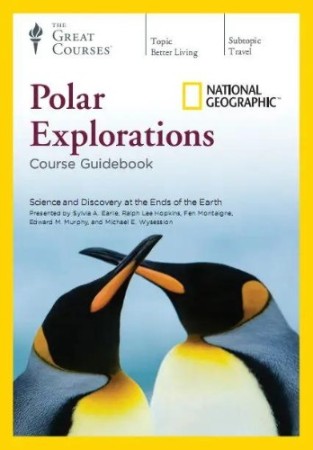
TTC Video National Geographic Polar Explorations

AgentofHeart

MyBoerse.bz Pro Member

700243167_yxusj-i40h105lst9t.jpg

TTC Video - National Geographic Polar Explorations
2015 | Course No. 3502 | .MKV, x264, 784 kbps, 1024x576 | English, AAC, 96 kbps, 2 Ch | 22x30 mins | + PDF Guidebook | 4.61 GB
Lecturers: Ph.D. Michael E. Wysession, Ph.D. Edward M. Murphy, Ph. D. Sylvia A. Earle, Ralph Lee Hopkins, Fen Montaigne​

Enchanting and otherworldly in their beauty, the polar regions are some of the most isolated and least understood places on Earth. Until relatively recently, few non-indigenous people had experienced their immense majesty. And yet, while remote, these extreme environments are endlessly fascinating, and eminently worthy of witnessing firsthand, especially if you are prepared to understand what you are seeing.

Now, Polar Explorations, a one-of-a-kind educational journey created in collaboration with National Geographic, provides you a 360-degree view of the Arctic and Antarctica in 22 visually stunning lectures plus bonus video: Unforgettable Moments from National Geographic's Polar Trips. A travelogue, science class, and history lesson rolled into one comprehensive course, Polar Explorations provides you with the context necessary to fully appreciate the splendor of the poles, including insights into:

geology,
astronomy,
zoology,
oceanography,
history,
culture, and
photographing unique subjects.

Whether you've always dreamed of an expedition to these incredible ice-bound worlds or you're simply curious about the wonders they hold, this course transports you to some of the most intriguing and alien places on the planet. Through powerful, rare images and extensive video, these lectures offer you a captivating, in-depth look at what makes these places so exceptional and why they beg to be studied. This spectacular footage, shot on location during voyages with National Geographic Expeditions-the travel program of the National Geographic Society-provides you with an immersive experience unmatched by anything short of actually journeying to the ends of the Earth.

Take this opportunity to venture to the polar regions and you'll witness breathtaking sights unparalleled on our planet, including:

Antarctic ice sheets covering an area one-and-a-half times the size of the United States and up to three miles deep (representing 90% of the world's ice and 70% of its fresh water);
magnificent blue icebergs and massive calving glaciers;
periods when the sun and the moon are continuously visible and never set;
astonishing seabirds, from penguins and puffins to skuas and petrels;
bizarre sea-based life-forms such as diatoms and sea butterflies; and
other remarkable wildlife in action, including polar bears, Arctic foxes, walruses, narwhals, seals, and orcas (also known as killer whales).

An Educational Adventure Led by Five Noted Authorities

Not only does this unforgettable educational journey feature spectacular National Geographic footage but also it presents a multidisciplinary team of renowned instructors hand-picked by National Geographic and The Great Courses, who share their expert insights on these ever-changing places.

You'll begin with Pulitzer-Prize nominated journalist and National Geographic magazine contributing writer Fen Montaigne on the question of why people journey to the poles-from intrepid 19th-century explorers like Ernest Shackleton to today's leading scientists-and discover an answer more complicated than you might imagine.

Directing your attention skyward to explore the regions' unique relationship with the heavens is Edward Murphy, Associate Professor of Astronomy at the University of Virginia. Adopting an astronomer's-eye view of the poles, you'll investigate:

why the sun behaves differently at the North Pole, rising and setting only once each year;
how Antarctica has changed throughout history, with evidence showing it was once a jungle-covered landscape;
why Antarctica is the world's best place to conduct certain kinds of astronomical research;
what causes seasons and how they're experienced at the poles; and
spectacular auroras and other unique polar phenomena.

Next, Michael Wysession, Associate Professor of Earth and Planetary Sciences at Washington University in St. Louis, reveals the fascinating geology and geography of the poles, from how they were formed to how they continue to evolve. You'll come to understand the differences between the Arctic and Antarctic environments-the former a vast frozen ocean surrounded by diverse landscapes, the latter an icy desert continent-as well as their many similarities. Professor Wysession also illuminates how conditions in each location drive the global conveyor belt of ocean currents and winds that heat and cool the earth.

Surviving in a Frigid World

In addition to the marvelous footage of ice, snow, and ocean you'll witness in these lectures, Polar Explorations shines a spotlight on the many amazing forms of life that call the polar regions home. Some of the wildlife you encounter will be familiar, such as the polar bears of the Arctic and Antarctica's many penguin species. Others may be somewhat foreign, from the microscopic creatures that live beneath the surface of the sea ice to the amazing Arctic tern-a bird that makes pole-to-pole migrations of 40,000 miles a year or more. You'll also take a deep dive into marine ecosystems with National Geographic Explorer-in-Residence and marine conservationist Sylvia Earle, who explains the central importance of sea ice to virtually every living thing in polar waters-from the tiniest phytoplankton to the largest whales.

You'll come to understand the interdependence these creatures have with each other-and with the ice-in these delicate ecosystems, as well as the history of human-wildlife interactions. Particularly eye-opening are lectures on the native peoples of the Arctic, including the Inuit of North America and Sami of Eurasia, who have made their home in Alaska, Canada, Greenland, Russia, and the Nordic countries for millennia. Equally thought-provoking are the findings in zoology, oceanography, physics, and climatology emerging from research stations at both poles. This research, as you'll discover through riveting stories of triumph and tragedy, wouldn't be possible without the efforts of American and European explorers of the 19th and 20th centuries who risked their lives to map the unknown reaches of both poles, opening these frontiers to science.

A Photographer's dream Come to Life

For those who plan to visit the polar regions, learning how to take compelling photographs in these unusual environments will aid in capturing memories of the abundant wildlife and stunning panoramas. For this reason, the course concludes with a pair of lessons on polar photography presented by Ralph Lee Hopkins, the founder and director of the onboard photography program for the National Geographic-Lindblad Expeditions fleet. These lectures provide special insight into the unique opportunities and unexpected trials of photography at the ends of the earth.

Hopkins, who has two decades of Antarctic and Arctic experience, addresses not only the basics of preparation and gear, but also offers advice on overcoming the creative challenges of shooting at the poles, such as white-on-white vistas and animals in action. With these expert tips and tricks added to your repertoire, you'll find yourself better prepared to take stunning photographs that capture the true majesty of these frozen worlds.

Journey to Awe-Inspiring Environments

Our unique partnership with National Geographic affords us the rare opportunity to bring lifelong learners and prospective travelers a truly cross-disciplinary lecture series that taps into the life experiences and expertise of top professionals and professors in their fields. The course is lavishly illustrated with rare and unique footage from National Geographic trips and scientific explorations, custom-made animations, and historical photos and film. Maps, charts, diagrams, and studio demonstrations are also employed throughout these lessons to enhance your comprehension.

Polar Explorations is a veritable feast for the eyes, but this comprehensive course does so much more than showcase the beauty of these remarkable locales. It gives you the scientific and cultural context necessary to understand their unique nature and irreplaceable value-not only to the people and wildlife that inhabit them, but to all humanity.
01. A Passion for the Poles
02. Seasons at the Poles
03. Connections between the Poles
04. The Saga of Arctic Exploration
05. The Icy Heart of Polar Seas
06. Geology of the Arctic Circle
07. Science and Spirits of the Arctic Sky
08. Indigenous Peoples of the Arctic
09. Greenland and Arctic Islands
10. Terrestrial Mammals in the Changing Arctic
11. Seabirds of the Arctic and Antarctic
12. Marine Mammals, from Whales to Walruses
13. The Race for the South Pole
14. Geological Features of Antarctica
15. Antarctica's Window on the Universe
16. Diving under Polar Ice
17. Resource Development in Polar Seas
18. South Georgia and Macquarie
19. Living among the Penguins
20. Antarctica: A Continent for Science
21. Basics of Polar Photography
22. Photographing Polar Landscapes

700243252_yxusj-pq6629t9x9ok.jpg

zYjJ1FJf_o.jpg


a56d0b08363daf8cf75fb835d4e55d0a.jpg

TTC Video - National Geographic Polar Explorations
2015 | Course No. 3502 | .MKV, x264, 784 kbps, 1024x576 | English, AAC, 96 kbps, 2 Ch | 22x30 mins | + PDF Guidebook | 4.61 GB
Lecturers: Ph.D. Michael E. Wysession, Ph.D. Edward M. Murphy, Ph. D. Sylvia A. Earle, Ralph Lee Hopkins, Fen Montaigne​

Enchanting and otherworldly in their beauty, the polar regions are some of the most isolated and least understood places on Earth. Until relatively recently, few non-indigenous people had experienced their immense majesty. And yet, while remote, these extreme environments are endlessly fascinating, and eminently worthy of witnessing firsthand, especially if you are prepared to understand what you are seeing.

Now, Polar Explorations, a one-of-a-kind educational journey created in collaboration with National Geographic, provides you a 360-degree view of the Arctic and Antarctica in 22 visually stunning lectures plus bonus video: Unforgettable Moments from National Geographic's Polar Trips. A travelogue, science class, and history lesson rolled into one comprehensive course, Polar Explorations provides you with the context necessary to fully appreciate the splendor of the poles, including insights into:

geology,
astronomy,
zoology,
oceanography,
history,
culture, and
photographing unique subjects.

Whether you've always dreamed of an expedition to these incredible ice-bound worlds or you're simply curious about the wonders they hold, this course transports you to some of the most intriguing and alien places on the planet. Through powerful, rare images and extensive video, these lectures offer you a captivating, in-depth look at what makes these places so exceptional and why they beg to be studied. This spectacular footage, shot on location during voyages with National Geographic Expeditions-the travel program of the National Geographic Society-provides you with an immersive experience unmatched by anything short of actually journeying to the ends of the Earth.

Take this opportunity to venture to the polar regions and you'll witness breathtaking sights unparalleled on our planet, including:

Antarctic ice sheets covering an area one-and-a-half times the size of the United States and up to three miles deep (representing 90% of the world's ice and 70% of its fresh water);
magnificent blue icebergs and massive calving glaciers;
periods when the sun and the moon are continuously visible and never set;
astonishing seabirds, from penguins and puffins to skuas and petrels;
bizarre sea-based life-forms such as diatoms and sea butterflies; and
other remarkable wildlife in action, including polar bears, Arctic foxes, walruses, narwhals, seals, and orcas (also known as killer whales).

An Educational Adventure Led by Five Noted Authorities

Not only does this unforgettable educational journey feature spectacular National Geographic footage but also it presents a multidisciplinary team of renowned instructors hand-picked by National Geographic and The Great Courses, who share their expert insights on these ever-changing places.

You'll begin with Pulitzer-Prize nominated journalist and National Geographic magazine contributing writer Fen Montaigne on the question of why people journey to the poles-from intrepid 19th-century explorers like Ernest Shackleton to today's leading scientists-and discover an answer more complicated than you might imagine.

Directing your attention skyward to explore the regions' unique relationship with the heavens is Edward Murphy, Associate Professor of Astronomy at the University of Virginia. Adopting an astronomer's-eye view of the poles, you'll investigate:

why the sun behaves differently at the North Pole, rising and setting only once each year;
how Antarctica has changed throughout history, with evidence showing it was once a jungle-covered landscape;
why Antarctica is the world's best place to conduct certain kinds of astronomical research;
what causes seasons and how they're experienced at the poles; and
spectacular auroras and other unique polar phenomena.

Next, Michael Wysession, Associate Professor of Earth and Planetary Sciences at Washington University in St. Louis, reveals the fascinating geology and geography of the poles, from how they were formed to how they continue to evolve. You'll come to understand the differences between the Arctic and Antarctic environments-the former a vast frozen ocean surrounded by diverse landscapes, the latter an icy desert continent-as well as their many similarities. Professor Wysession also illuminates how conditions in each location drive the global conveyor belt of ocean currents and winds that heat and cool the earth.

Surviving in a Frigid World

In addition to the marvelous footage of ice, snow, and ocean you'll witness in these lectures, Polar Explorations shines a spotlight on the many amazing forms of life that call the polar regions home. Some of the wildlife you encounter will be familiar, such as the polar bears of the Arctic and Antarctica's many penguin species. Others may be somewhat foreign, from the microscopic creatures that live beneath the surface of the sea ice to the amazing Arctic tern-a bird that makes pole-to-pole migrations of 40,000 miles a year or more. You'll also take a deep dive into marine ecosystems with National Geographic Explorer-in-Residence and marine conservationist Sylvia Earle, who explains the central importance of sea ice to virtually every living thing in polar waters-from the tiniest phytoplankton to the largest whales.

You'll come to understand the interdependence these creatures have with each other-and with the ice-in these delicate ecosystems, as well as the history of human-wildlife interactions. Particularly eye-opening are lectures on the native peoples of the Arctic, including the Inuit of North America and Sami of Eurasia, who have made their home in Alaska, Canada, Greenland, Russia, and the Nordic countries for millennia. Equally thought-provoking are the findings in zoology, oceanography, physics, and climatology emerging from research stations at both poles. This research, as you'll discover through riveting stories of triumph and tragedy, wouldn't be possible without the efforts of American and European explorers of the 19th and 20th centuries who risked their lives to map the unknown reaches of both poles, opening these frontiers to science.

A Photographer's dream Come to Life

For those who plan to visit the polar regions, learning how to take compelling photographs in these unusual environments will aid in capturing memories of the abundant wildlife and stunning panoramas. For this reason, the course concludes with a pair of lessons on polar photography presented by Ralph Lee Hopkins, the founder and director of the onboard photography program for the National Geographic-Lindblad Expeditions fleet. These lectures provide special insight into the unique opportunities and unexpected trials of photography at the ends of the earth.

Hopkins, who has two decades of Antarctic and Arctic experience, addresses not only the basics of preparation and gear, but also offers advice on overcoming the creative challenges of shooting at the poles, such as white-on-white vistas and animals in action. With these expert tips and tricks added to your repertoire, you'll find yourself better prepared to take stunning photographs that capture the true majesty of these frozen worlds.

Journey to Awe-Inspiring Environments

Our unique partnership with National Geographic affords us the rare opportunity to bring lifelong learners and prospective travelers a truly cross-disciplinary lecture series that taps into the life experiences and expertise of top professionals and professors in their fields. The course is lavishly illustrated with rare and unique footage from National Geographic trips and scientific explorations, custom-made animations, and historical photos and film. Maps, charts, diagrams, and studio demonstrations are also employed throughout these lessons to enhance your comprehension.

Polar Explorations is a veritable feast for the eyes, but this comprehensive course does so much more than showcase the beauty of these remarkable locales. It gives you the scientific and cultural context necessary to understand their unique nature and irreplaceable value-not only to the people and wildlife that inhabit them, but to all humanity.
01. A Passion for the Poles
02. Seasons at the Poles
03. Connections between the Poles
04. The Saga of Arctic Exploration
05. The Icy Heart of Polar Seas
06. Geology of the Arctic Circle
07. Science and Spirits of the Arctic Sky
08. Indigenous Peoples of the Arctic
09. Greenland and Arctic Islands
10. Terrestrial Mammals in the Changing Arctic
11. Seabirds of the Arctic and Antarctic
12. Marine Mammals, from Whales to Walruses
13. The Race for the South Pole
14. Geological Features of Antarctica
15. Antarctica's Window on the Universe
16. Diving under Polar Ice
17. Resource Development in Polar Seas
18. South Georgia and Macquarie
19. Living among the Penguins
20. Antarctica: A Continent for Science
21. Basics of Polar Photography
22. Photographing Polar Landscapes

SKGpr3ew_o.jpg

 
Zurück
Oben Unten