



• Regeln für den Video-Bereich:

    In den Börsenbereich gehören nur Angebote die bereits den Allgemeinen Regeln entsprechen.

    Einteilung

    - Folgende Formate gehören in die angegeben Bereiche:
    - Filme: Encodierte Filme von BluRay, DVD, R5, TV, Screener sowie Telesyncs im Format DivX, XviD und x264.
    - DVD: Filme im Format DVD5, DVD9 und HD2DVD.
    - HD: Encodierte Filme mit der Auflösung 720p oder darüber von BluRay, DVD, R5, TV, Screener sowie Telesyncs im Format x264.
    - 3D: Encodierte Filme von BluRay, die in einem 3D Format vorliegen. Dies gilt auch für Dokus, Animation usw.
    - Serien: Cartoon/Zeichentrick, Anime, Tutorials, Dokumentationen, Konzerte/Musik, Sonstiges sind demnach in die entsprechenden Bereiche einzuordnen, auch wenn sie beispielsweise im High Definition-Format oder als DVD5/DVD9/HD2DVD vorliegen. Ausnahme 3D.
    - Bereich Englisch: Englische Releases gehören immer in diesen Bereich.
    - Bereich Talk: Der Bereich, in dem über die Releases diskutiert werden kann, darf, soll und erwünscht ist.


    Angebot/Beitrag erstellen

    - Ein Beitrag darf erst dann erstellt werden, wenn der Upload bei mindestens einem OCH komplett ist. Platzhalter sind untersagt.
    - Bei einem Scenerelease hat der Threadtitel ausschließlich aus dem originalen, unveränderten Releasenamen zu bestehen. Es dürfen keine Veränderungen wie z.B. Sterne, kleine Buchstaben o.ä. vorgenommen werden. Ausnahme Serienbörse:
    - Bei einem Sammelthread für eine Staffel entfällt aus dem Releasename natürlich der Name der Folge. Beispiel: Die Simpsons S21 German DVDRip XviD - ITG
    - Dementsprechend sind also u.a. verboten: Erweiterungen wie "Tipp", "empfehlenswert", "only", "reup", usw. / jegliche andere Zusatzinformation oder Ergänzung, welche nicht in obiger Beschreibung zu finden ist.

    Aufbau des Angebots und Threadtitel

    Der Titel nach folgendem Muster erstellt zu werden. <Name> [3D] [Staffel] [German] <Jahr> <Tonspur> [DL] [Auflösung] <Quelle> <Codec> - <Group>
    Beispiel: The Dark Knight German 2008 AC3 DVDRip XviD - iND
    Beispiel: The Dark Knight 2008 DTS DL BDRip x264 - iND
    Beispiel: The Dark Knight 2008 AC3 DL BDRip XviD - iND
    Beispiel: The Dark Knight German 2008 AC3 720p BluRay x264 iND
    Beispiel: The Dark Knight 2008 DTS DL 1080p BluRay x264 iND
    Beispiel: Die Simpsons S01 German AC3 DVDRip XviD iND
    Beispiel: Die Simpsons S20 German AC3 720p BluRay x264 iND
    Beispiel: Sword Art Online II Ger Sub 2014 AAC 1080p WEBRip x264 - peppermint
    Entsprechend sind also u.a. verboten: Sonderzeichen wie Klammern, Sterne, Ausrufezeichen, Unterstriche, Anführungszeichen / Erweiterungen wie "Tipp", "empfehlenswert", "only", "reup", usw. / jegliche andere Zusatzinformation oder Ergänzung, welche nicht in obiger Beschreibung zu finden ist
    Ausnahmen hiervon können in den Bereichen geregelt sein.

    Die Beiträge sollen wie folgt aufgebaut werden:
    Überschrift entspricht dem Threadtitel
    Cover
    kurze Inhaltsbeschreibung
    Format, Größe, Dauer sind gut lesbar für Downloader außerhalb des Spoilers zu vermerken
    Nfo sind immer Anzugeben und selbige immer im Spoiler in Textform.
    Sind keine Nfo vorhanden z.B. Eigenpublikationen, sind im Spoiler folgende Dateiinformationen zusätzlich anzugeben :
    Quelle
    Video (Auflösung und Bitrate)
    Ton (Sprache, Format und Bitrate der einzelnen Spuren)
    Untertitel (sofern vorhanden)
    Hosterangabe in Textform außerhalb eines Spoiler mit allen enthaltenen Hostern.
    Bei SD kann auf diese zusätzlichen Dateiinformationen verzichtet werden.

    Alle benötigten Passwörter sind, sofern vorhanden, in Textform im Angebot anzugeben.
    Spoiler im Spoiler mit Kommentaren :"Schon Bedankt?" sind unerwünscht.


    Releases

    - Sind Retail-Release verfügbar, sind alle anderen Variationen untersagt. Ausnahmen: Alle deutschen Retail-Release sind CUT, in diesem Fall sind dubbed UNCUT-Release zulässig.
    - Im Serien-Bereich gilt speziell: Wenn ein Retail vor Abschluss einer laufenden Staffel erscheint, darf diese Staffel noch zu Ende gebracht werden.62
    - Gleiche Releases sind unbedingt zusammenzufassen. Das bedeutet, es ist zwingend erforderlich, vor dem Erstellen eines Themas per Suchfunktion zu überprüfen, ob bereits ein Beitrag mit demselben Release besteht. Ist dies der Fall, ist der bereits vorhandene Beitrag zu verwenden.
    - P2P und Scene Releases dürfen nicht verändert oder gar unter einem iND Tag eingestellt werden.


    Support, Diskussionen und Suche

    - Supportanfragen sind entweder per PN oder im Bereich Talk zu stellen.
    - Diskussionen und Bewertungen sind im Talk Bereich zu führen. Fragen an die Uploader haben ausschließlich via PN zu erfolgen, und sind in den Angeboten untersagt.
    - Anfragen zu Upload-Wünschen sind nur im Bereich Suche Video erlaubt. Antworten dürfen nur auf Angebote von MyBoerse.bz verlinkt werden.


    Verbote

    - Untersagt sind mehrere Formate in einem einzigen Angebotsthread, wie beispielsweise das gleichzeitige Anbieten von DivX/XviD, 720p und 1080p in einem Thread. Pro Format, Release und Auflösung ist ein eigener Thread zu eröffnen.
    - Grundsätzlich ebenso verboten sind Dupes. Uploader haben sich an geeigneter Stelle darüber zu informieren, ob es sich bei einem Release um ein Dupe handelt.
    - Gefakte, nur teilweise lauffähige oder unvollständige Angebote sind untersagt. Dies gilt auch für eigene Publikationen, die augenscheinlich nicht selbst von z.B. einer DVD gerippt wurden. Laufende Serien, bei denen noch nicht alle Folgen verfügbar sind, dürfen erstellt und regelmäßig geupdatet werden.
    - Untersagt sind Angebote, welche nur und ausschließlich in einer anderen Sprache als deutsch oder englisch vorliegen. Ausnahmen sind VORHER mit den Moderatoren zu klären.


    Verstoß gegen die Regeln

    - Angebote oder Beiträge, die gegen die Forenregeln verstoßen, sind über den "Melden"-Button im Beitrag zu melden.
  • Bitte registriere dich zunächst um Beiträge zu verfassen und externe Links aufzurufen.

++ Premium IPTV ++ 7000 Live Sender ++ UHD Qualität ++ Mediathek mit 18.000 Inhalten ++


VenneTV


The Complete Oracle SQL Bootcamp (2025)

AgentofHeart

MyBoerse.bz Pro Member
8eb7820a2c79359fee84e367fe7de14c.jpg

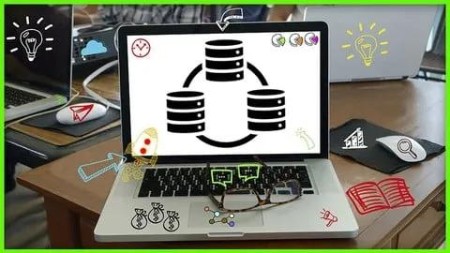
The Complete Oracle SQL Bootcamp (2025)
2025-01-05
MP4 | Video: h264, 1920x1080 | Audio: AAC, 44.1 KHz
Language: English (US) | Size: 20.69 GB | Duration: 38h 22m​

Become an In-demand SQL Professional! Pass Oracle SQL 1Z0-071 (OCA) Certification Exam Confidently!

What you'll learn
Pass Oracle 1Z0-071 SQL Database SQL Certification Exam easily on your first try!
Be Able to Answer any SQL Interview Questions Confidently!
Become a Job-Ready SQL Developer by Learning All the Skills You will Need!
Learn Oracle SQL by Professionally Designed Content Step by Step!
Write, Read and Analyze Any SQL Queries Easily and Learn How to Play with Data!
Solve any SQL-related Problems by Yourself Creating Analytical Solutions!
Test Your SQL Skills with Hundreds of Hands-on Examples, Quizzes, Challenges!
Lifetime Support from the Instructors. Get a Well-Organized Recap Document!

Requirements
Nothing more than a working computer; all PC, Mac or Linux, etc. users are all welcome.
No previous programming experience is required!
No paid tools are required!

Description
Welcome to the MOST COMPREHENSIVE Oracle SQL Bootcamp Course on the planet!Latest Course Updates:(Feb 2025) : Brand New Content (Managing Oracle Privileges and Roles) was added!(Jan 2025) : Brand New Content (Using Oracle FLASHBACK Technologies) was updated!(Dec 2024) : 3-Real SQL(Over 200+ High-Quality Questions) Certification Exam Samples are added! (Sep 2024) : More Quiz Questions were added!Important Notice: This course will be continuously getting updated with more lectures, quizzes, and assessments to enhance your knowledge of Oracle SQL.Are you a student ready to learn SQL for your lessons?Do you want to get a better job?Are you bored with watching a lot of stuff, but could not learn anything? Do you think you know SQL, but you cannot write SQL codes?Are you looking for a really professional course?Then this is the course you are looking for.You are in the right place!In this course, all the subjects are explained in professional order. If you are new to SQL, no problem! You can easily learn all the details of SQL. If you already know SQL and want to improve, this course explains all the details including all of the subjects. After completing this course, you will learn all that you need to know. If you don't see something in this course, it means you really don't need to know it for now. Coding can be learned with coding. A course that has no example is not a course at all. And there are hundreds and hundreds of codes in this course. So come on, what are you waiting for? Get this course, and go get a better job!Topics covered in the Complete Oracle SQL Bootcamp 2023 Course:Database Concepts & TerminologiesWhat is a Database?What is the Oracle Database?What is a pluggable database?What is SQL?What is a database table?What is Relational-Database Management System (RDBMS)?What is the Entity-relationship model in SQL?What is a database schema? Installing Oracle Sample Schemas (HR, SH, OE, IX, etc.)Introduction to Database ObjectsDownloading and Installing the Oracle Database (Version 12c, 18c, 19c, 21c, etc.)Downloading the Oracle Database Installation FileInstalling Oracle Database into Your Local ComputerWorking with a Database via a Virtual MachineDownloading and Installing a Virtualization Software (Virtual Box, VMWare)Downloading Pre-built Virtual Machine ImageImporting Virtual Machine into Virtualization SoftwareConfiguring, Using, and Working with Virtual Machines through Virtualization SoftwareDownloading, Installing, Configuring, and Using the Oracle SQL Developer SoftwareConnecting to the Oracle Database Using SQL Developer and SQL PlusConfiguring SQL Developer for the first useConfiguring Network Connections to work with Oracle Sample SchemasWorking with Oracle Live SQLIntroduction to Oracle Live SQL PlatformHow to use Oracle Live SQLRetrieving Data from the Database Using SELECT StatementsWhat is NULL?SELECT StatementsUsing Column Aliases in SQLDISTINCT and UNIQUE Operators in SQLConcatenation Operators in SQLThe Quote (q) Operator in SQLFiltering & Restricting Data returned by SQL Queries using the WHERE ClauseUsing the WHERE Clause in SQLUsing Oracle Comparison Operators in SQLBETWEEN AND Operator in SQLIN Operator in SQLLIKE Operator in SQLIS NULL Operator in SQL Logical Operators in SQL: AND Logical OperatorOR Logical OperatorNOT Logical OperatorOracle Rules of Precedence in SQLSorting Data using the ORDER BY ClauseUsing the ORDER BY ClauseUsing the ASC and DESC OperatorsUsing the NULLS FIRST and NULLS LAST OperatorsUsing the FETCH Clause Using Oracle Substitution VariablesWhat are Substitution Variables? Double Ampersand (&&) and DEFINE & UNDEFINE CommandsACCEPT and PROMPT CommandsSET VERIFY ON / SET VERIFY OFF CommandsUsing Oracle Single-Row Functions to Customize the Query OutputsIntroduction to Oracle Single-Row FunctionsCharacter FunctionsCase Conversion FunctionsUPPER FunctionLOWER FunctionINITCAP FunctionCharacter Manipulation FunctionsSUBSTR Function in SQL LENGTH Function in SQL CONCAT Function in SQL INSTR Function in SQL TRIM Function in SQL LTRIM and RTRIM Functions in SQL REPLACE Function in SQL LPAD and RPAD Functions in SQL Numeric Functions ROUND Function in SQLTRUNC Function in SQL CEIL Function in SQL FLOOR Function in SQL MOD Function in SQLNested SQL Group Functions Date Data Types and SQL Date FunctionsDate Data Types DATE Data Type in SQLTIMESTAMP Data Type in SQL TIMESTAMP WITH TIME ZONE Data Type in SQL TIMESTAMP WITH LOCAL TIME ZONE Data Type in SQLOracle Date Functions SYSDATE Function in SQLCURRENT_DATE Function in SQLSESSIONTIMEZONE Function in SQLSYSTIMESTAMP Function in SQLCURRENT_TIMESTAMP Function in SQLDate Manipulation FunctionsADD_MONTHS FunctionMONTHS_BETWEEN FunctionROUND FunctionTRUNC FunctionEXTRACT FunctionNEXT_DAY FunctionLAST_DAY FunctionOracle Conversion Functions TO_CHAR Function in SQLTO_NUMBER Function in SQLTO_DATE Function in SQLNull Related Functions in SQLNVL FunctionNVL2 FunctionNULLIF FunctionCOALESCE FunctionConditional Expressions in SQLCASE Expressions in SQLDECODE Function in SQLReporting Aggregated Data Using the Group FunctionsIntroduction to Oracle Group FunctionsAVG Function in SQLCOUNT Function in SQLMAX Function in SQLMIN Function in SQLLISTAGG Function in SQLOverview of Group Functions in SQLDisplaying Data from Multiple Tables Using JoinsWhat is a SQL Join?Join Types in Oracle SQLHow to Create a Join in SQLNatural JoinJoin with the USING ClauseHandling Ambiguous Column Names While Joining Multiple TablesInner Join (Join with the ON Clause)Multiple Join OperationsRestricting JoinsSelf-JoinNon-Equijoins (Joining Unequal Tables)Outer Joins in SQLLEFT OUTER JOIN (LEFT JOIN)RIGHT OUTER JOIN (RIGHT JOIN)FULL OUTER JOIN (FULL JOIN)Cross Join (Cartesian Product or Cross Product)Oracle's Old Style Join Syntax (Comparison of ANSI vs. Non-ANSI SQL Join Syntaxes)Using & Building & Analyzing SubqueriesWhat is a Subquery in SQL?How to Use Subqueries in SQL?Subquery Types in SQL:Single-Row Subqueries in SQLMultiple-Row Subqueries in SQLMultiple-Column Subqueries in SQLSCALAR Subqueries in SQLCorrelated Subqueries in SQLUsing Subqueries as a TableUsing the EXISTS Operator (Semijoins in SQL)Using the NOT EXISTS OperatorWorking with Oracle SET OperatorsWhat are SET Operators and Why are They Used?UNION OperatorUNION ALL OperatorMINUS OperatorINTERSECT OperatorCombining Multiple Queries Using Multiple SET Operators in Complex SQL QueriesUsing Data Manipulation Language (DML) StatementsINSERT Statement UPDATE Statement DELETE StatementMERGE StatementMultiple INSERT StatementsUnconditional INSERT (INSERT ALL) Statements Conditional INSERT ALL StatementsConditional INSERT FIRST StatementsPivot Insert in SQLUsing Transaction Control Language (TCL) StatementsWhat is a transaction in SQL?TCL CommandsCOMMIT and ROLLBACK Statements in SQLRow Locking Mechanism in SQLSAVEPOINT Statement in SQLFOR UPDATE Statement in SQLUsing Data Definition Language (DDL) StatementsWhat are Data Definition Language StatementsNaming Rules & Naming Conventions in OracleCreating Tables using the CREATE TABLE statementsCREATE TABLE AS SELECT (CTAS) Statement in OracleALTER TABLE StatementMarking Columns Unused (Using The SET UNUSED Clause)READ-ONLY Tables in SQLDROP TABLE StatementTRUNCATE TABLE StatementCOMMENT StatementRENAME StatementCreating, Using, Working, and Managing ConstraintsWhat is a Constraint in SQL?Oracle Constraint TypesNOT NULL ConstraintUNIQUE ConstraintPRIMARY KEY ConstraintFOREIGN KEY ConstraintThe ON DELETE CASCADE ClauseThe ON DELETE SET NULL ClauseCHECK ConstraintAdding Constraints via ALTER TABLE StatementsDropping (Removing) ConstraintsCascading Constraints in OracleRenaming ConstraintsEnabling / Disabling ConstraintsStatus of Constraints Deferring (Deferrable) ConstraintsCreating, Using, and Managing Database Views in DetailsWhat is a Database View and What is it Used for?View Types in OracleCreating Simple ViewsCreating Complex ViewsModifying ViewsPerforming DML Operations with ViewsUsing the WITH CHECK OPTION Clause in SQLUsing the WITH READ ONLY Clause on ViewsManaging Objects Using Oracle Data Dictionary ViewsWhat are Data Dictionary views in Oracle?The DICTIONARY View (The Main Dictionary)USER, ALL, DBA, and V$ Prefixes in Data Dictionary ViewsUSER_OBJECTS, ALL_OBJECTS, and DBA_OBJECTS ViewsUSER_TABLES, ALL_TABLES, and DBA_TABLES Data Dictionary ViewsUSER_TAB_COLUMNS Data Dictionary ViewUSER_CONSTRAINTS Data Dictionary ViewUSER_CONS_COLUMNS Data Dictionary ViewUSER_VIEWS Data Dictionary ViewUSER_TAB_COMMENTS and USER_COL_COMMENTS Data Dictionary ViewsCreating and Using, Working with Sequences in SQLWhat is a Sequence?Creating SequencesModifying SequencesUsing SequencesUsing Sequences as Default ValuesSequence CachingThe USER_SEQUENCES ViewUsing the IDENTITY Column in OracleCreating and Using SynonymsWorking with IndexesManaging Schema ObjectsRetrieving Data By Using SubqueriesManipulating Data By Using SubqueriesControlling User Access in DetailsManaging Data in Different Time ZonesBENEFITS OF TAKING THIS SQL COURSE:Knowing SQL can get you a better job or improve the one you have and it can earn you 150k+ (USD) per/year in the IT Industry. It's a skill that will put you more in demand in the biggest technology companies in the IT industry, and make your software life easier, this is why it's so popular and backed by Oracle. This course will help you quickly get up to speed with Oracle SQL. I will demystify the query skill and help you understand the essential concepts of how to write SQL codes easily and think analytically against the problem in your company.STUDENT REVIEWS PROVE THIS COURSE'S WORTH: Those who have reviewed the course have pointed out that the instruction is clear and easy to follow, as well as thorough and highly informative. Other students enjoy the use of relevant examples throughout the course, as these make the content even easier to comprehend.Many students had also taken other SQL courses in the past, only to find that this SQL course was their favorite. They enjoyed the structure of the content and the high-quality audio/video.Check out all of the great reviews in the review section . a lot of happy students :)IMPORTANT NOTE:Knowing SQL is "mandatory" for any IT Professional and having good SQL knowledge will be a "GREAT PLUS" for you!If you want to Become a Job-Ready SQL Professional who can pass any Oracle SQL Exam confidently, this course will be the next step for you!So let's do this! I'll see you in the first lecture!

Who this course is for:
Anyone willing to step into the software development career!, Anyone dreaming to get a well-paid SQL Development Job!, Anyone planning to Pass the Oracle 1Z0-071 (OCA) exam!, Anyone who wants to Become an in-demand SQL Professional!

For More Courses Visit & Bookmark Your Preferred Language Blog
From Here: - - - - - - - -

DlOR79Tb_o.jpg


7c928d67be730d6b618d21cd05241810.jpg

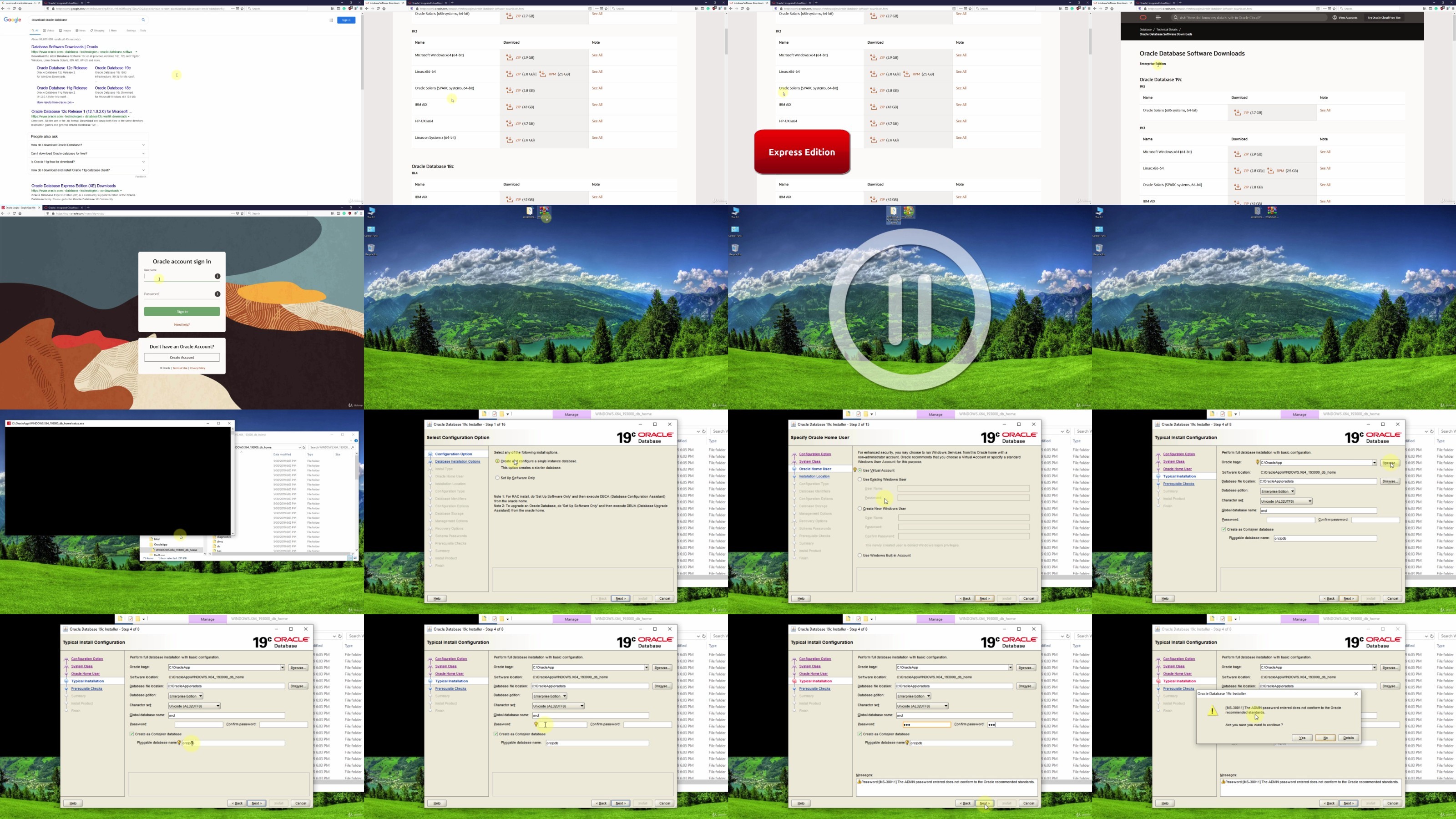
The Complete Oracle SQL Bootcamp (2025)
2025-01-05
MP4 | Video: h264, 1920x1080 | Audio: AAC, 44.1 KHz
Language: English (US) | Size: 20.69 GB | Duration: 38h 22m​

What you'll learn
Pass Oracle 1Z0-071 SQL Database SQL Certification Exam easily on your first try!
Be Able to Answer any SQL Interview Questions Confidently!
Become a Job-Ready SQL Developer by Learning All the Skills You will Need!
Learn Oracle SQL by Professionally Designed Content Step by Step!
Write, Read and Analyze Any SQL Queries Easily and Learn How to Play with Data!
Solve any SQL-related Problems by Yourself Creating Analytical Solutions!
Test Your SQL Skills with Hundreds of Hands-on Examples, Quizzes, Challenges!
Lifetime Support from the Instructors. Get a Well-Organized Recap Document!

Requirements
Nothing more than a working computer; all PC, Mac or Linux, etc. users are all welcome.
No previous programming experience is required!
No paid tools are required!

Description
Welcome to the MOST COMPREHENSIVE Oracle SQL Bootcamp Course on the planet!Latest Course Updates:(Feb 2025) : Brand New Content (Managing Oracle Privileges and Roles) was added!(Jan 2025) : Brand New Content (Using Oracle FLASHBACK Technologies) was updated!(Dec 2024) : 3-Real SQL(Over 200+ High-Quality Questions) Certification Exam Samples are added! (Sep 2024) : More Quiz Questions were added!Important Notice: This course will be continuously getting updated with more lectures, quizzes, and assessments to enhance your knowledge of Oracle SQL.Are you a student ready to learn SQL for your lessons?Do you want to get a better job?Are you bored with watching a lot of stuff, but could not learn anything? Do you think you know SQL, but you cannot write SQL codes?Are you looking for a really professional course?Then this is the course you are looking for.You are in the right place!In this course, all the subjects are explained in professional order. If you are new to SQL, no problem! You can easily learn all the details of SQL. If you already know SQL and want to improve, this course explains all the details including all of the subjects. After completing this course, you will learn all that you need to know. If you don't see something in this course, it means you really don't need to know it for now. Coding can be learned with coding. A course that has no example is not a course at all. And there are hundreds and hundreds of codes in this course. So come on, what are you waiting for? Get this course, and go get a better job!Topics covered in the Complete Oracle SQL Bootcamp 2023 Course:Database Concepts & TerminologiesWhat is a Database?What is the Oracle Database?What is a pluggable database?What is SQL?What is a database table?What is Relational-Database Management System (RDBMS)?What is the Entity-relationship model in SQL?What is a database schema? Installing Oracle Sample Schemas (HR, SH, OE, IX, etc.)Introduction to Database ObjectsDownloading and Installing the Oracle Database (Version 12c, 18c, 19c, 21c, etc.)Downloading the Oracle Database Installation FileInstalling Oracle Database into Your Local ComputerWorking with a Database via a Virtual MachineDownloading and Installing a Virtualization Software (Virtual Box, VMWare)Downloading Pre-built Virtual Machine ImageImporting Virtual Machine into Virtualization SoftwareConfiguring, Using, and Working with Virtual Machines through Virtualization SoftwareDownloading, Installing, Configuring, and Using the Oracle SQL Developer SoftwareConnecting to the Oracle Database Using SQL Developer and SQL PlusConfiguring SQL Developer for the first useConfiguring Network Connections to work with Oracle Sample SchemasWorking with Oracle Live SQLIntroduction to Oracle Live SQL PlatformHow to use Oracle Live SQLRetrieving Data from the Database Using SELECT StatementsWhat is NULL?SELECT StatementsUsing Column Aliases in SQLDISTINCT and UNIQUE Operators in SQLConcatenation Operators in SQLThe Quote (q) Operator in SQLFiltering & Restricting Data returned by SQL Queries using the WHERE ClauseUsing the WHERE Clause in SQLUsing Oracle Comparison Operators in SQLBETWEEN AND Operator in SQLIN Operator in SQLLIKE Operator in SQLIS NULL Operator in SQL Logical Operators in SQL: AND Logical OperatorOR Logical OperatorNOT Logical OperatorOracle Rules of Precedence in SQLSorting Data using the ORDER BY ClauseUsing the ORDER BY ClauseUsing the ASC and DESC OperatorsUsing the NULLS FIRST and NULLS LAST OperatorsUsing the FETCH Clause Using Oracle Substitution VariablesWhat are Substitution Variables? Double Ampersand (&&) and DEFINE & UNDEFINE CommandsACCEPT and PROMPT CommandsSET VERIFY ON / SET VERIFY OFF CommandsUsing Oracle Single-Row Functions to Customize the Query OutputsIntroduction to Oracle Single-Row FunctionsCharacter FunctionsCase Conversion FunctionsUPPER FunctionLOWER FunctionINITCAP FunctionCharacter Manipulation FunctionsSUBSTR Function in SQL LENGTH Function in SQL CONCAT Function in SQL INSTR Function in SQL TRIM Function in SQL LTRIM and RTRIM Functions in SQL REPLACE Function in SQL LPAD and RPAD Functions in SQL Numeric Functions ROUND Function in SQLTRUNC Function in SQL CEIL Function in SQL FLOOR Function in SQL MOD Function in SQLNested SQL Group Functions Date Data Types and SQL Date FunctionsDate Data Types DATE Data Type in SQLTIMESTAMP Data Type in SQL TIMESTAMP WITH TIME ZONE Data Type in SQL TIMESTAMP WITH LOCAL TIME ZONE Data Type in SQLOracle Date Functions SYSDATE Function in SQLCURRENT_DATE Function in SQLSESSIONTIMEZONE Function in SQLSYSTIMESTAMP Function in SQLCURRENT_TIMESTAMP Function in SQLDate Manipulation FunctionsADD_MONTHS FunctionMONTHS_BETWEEN FunctionROUND FunctionTRUNC FunctionEXTRACT FunctionNEXT_DAY FunctionLAST_DAY FunctionOracle Conversion Functions TO_CHAR Function in SQLTO_NUMBER Function in SQLTO_DATE Function in SQLNull Related Functions in SQLNVL FunctionNVL2 FunctionNULLIF FunctionCOALESCE FunctionConditional Expressions in SQLCASE Expressions in SQLDECODE Function in SQLReporting Aggregated Data Using the Group FunctionsIntroduction to Oracle Group FunctionsAVG Function in SQLCOUNT Function in SQLMAX Function in SQLMIN Function in SQLLISTAGG Function in SQLOverview of Group Functions in SQLDisplaying Data from Multiple Tables Using JoinsWhat is a SQL Join?Join Types in Oracle SQLHow to Create a Join in SQLNatural JoinJoin with the USING ClauseHandling Ambiguous Column Names While Joining Multiple TablesInner Join (Join with the ON Clause)Multiple Join OperationsRestricting JoinsSelf-JoinNon-Equijoins (Joining Unequal Tables)Outer Joins in SQLLEFT OUTER JOIN (LEFT JOIN)RIGHT OUTER JOIN (RIGHT JOIN)FULL OUTER JOIN (FULL JOIN)Cross Join (Cartesian Product or Cross Product)Oracle's Old Style Join Syntax (Comparison of ANSI vs. Non-ANSI SQL Join Syntaxes)Using & Building & Analyzing SubqueriesWhat is a Subquery in SQL?How to Use Subqueries in SQL?Subquery Types in SQL:Single-Row Subqueries in SQLMultiple-Row Subqueries in SQLMultiple-Column Subqueries in SQLSCALAR Subqueries in SQLCorrelated Subqueries in SQLUsing Subqueries as a TableUsing the EXISTS Operator (Semijoins in SQL)Using the NOT EXISTS OperatorWorking with Oracle SET OperatorsWhat are SET Operators and Why are They Used?UNION OperatorUNION ALL OperatorMINUS OperatorINTERSECT OperatorCombining Multiple Queries Using Multiple SET Operators in Complex SQL QueriesUsing Data Manipulation Language (DML) StatementsINSERT Statement UPDATE Statement DELETE StatementMERGE StatementMultiple INSERT StatementsUnconditional INSERT (INSERT ALL) Statements Conditional INSERT ALL StatementsConditional INSERT FIRST StatementsPivot Insert in SQLUsing Transaction Control Language (TCL) StatementsWhat is a transaction in SQL?TCL CommandsCOMMIT and ROLLBACK Statements in SQLRow Locking Mechanism in SQLSAVEPOINT Statement in SQLFOR UPDATE Statement in SQLUsing Data Definition Language (DDL) StatementsWhat are Data Definition Language StatementsNaming Rules & Naming Conventions in OracleCreating Tables using the CREATE TABLE statementsCREATE TABLE AS SELECT (CTAS) Statement in OracleALTER TABLE StatementMarking Columns Unused (Using The SET UNUSED Clause)READ-ONLY Tables in SQLDROP TABLE StatementTRUNCATE TABLE StatementCOMMENT StatementRENAME StatementCreating, Using, Working, and Managing ConstraintsWhat is a Constraint in SQL?Oracle Constraint TypesNOT NULL ConstraintUNIQUE ConstraintPRIMARY KEY ConstraintFOREIGN KEY ConstraintThe ON DELETE CASCADE ClauseThe ON DELETE SET NULL ClauseCHECK ConstraintAdding Constraints via ALTER TABLE StatementsDropping (Removing) ConstraintsCascading Constraints in OracleRenaming ConstraintsEnabling / Disabling ConstraintsStatus of Constraints Deferring (Deferrable) ConstraintsCreating, Using, and Managing Database Views in DetailsWhat is a Database View and What is it Used for?View Types in OracleCreating Simple ViewsCreating Complex ViewsModifying ViewsPerforming DML Operations with ViewsUsing the WITH CHECK OPTION Clause in SQLUsing the WITH READ ONLY Clause on ViewsManaging Objects Using Oracle Data Dictionary ViewsWhat are Data Dictionary views in Oracle?The DICTIONARY View (The Main Dictionary)USER, ALL, DBA, and V$ Prefixes in Data Dictionary ViewsUSER_OBJECTS, ALL_OBJECTS, and DBA_OBJECTS ViewsUSER_TABLES, ALL_TABLES, and DBA_TABLES Data Dictionary ViewsUSER_TAB_COLUMNS Data Dictionary ViewUSER_CONSTRAINTS Data Dictionary ViewUSER_CONS_COLUMNS Data Dictionary ViewUSER_VIEWS Data Dictionary ViewUSER_TAB_COMMENTS and USER_COL_COMMENTS Data Dictionary ViewsCreating and Using, Working with Sequences in SQLWhat is a Sequence?Creating SequencesModifying SequencesUsing SequencesUsing Sequences as Default ValuesSequence CachingThe USER_SEQUENCES ViewUsing the IDENTITY Column in OracleCreating and Using SynonymsWorking with IndexesManaging Schema ObjectsRetrieving Data By Using SubqueriesManipulating Data By Using SubqueriesControlling User Access in DetailsManaging Data in Different Time ZonesBENEFITS OF TAKING THIS SQL COURSE:Knowing SQL can get you a better job or improve the one you have and it can earn you 150k+ (USD) per/year in the IT Industry. It's a skill that will put you more in demand in the biggest technology companies in the IT industry, and make your software life easier, this is why it's so popular and backed by Oracle. This course will help you quickly get up to speed with Oracle SQL. I will demystify the query skill and help you understand the essential concepts of how to write SQL codes easily and think analytically against the problem in your company.STUDENT REVIEWS PROVE THIS COURSE'S WORTH: Those who have reviewed the course have pointed out that the instruction is clear and easy to follow, as well as thorough and highly informative. Other students enjoy the use of relevant examples throughout the course, as these make the content even easier to comprehend.Many students had also taken other SQL courses in the past, only to find that this SQL course was their favorite. They enjoyed the structure of the content and the high-quality audio/video.Check out all of the great reviews in the review section . a lot of happy students :)IMPORTANT NOTE:Knowing SQL is "mandatory" for any IT Professional and having good SQL knowledge will be a "GREAT PLUS" for you!If you want to Become a Job-Ready SQL Professional who can pass any Oracle SQL Exam confidently, this course will be the next step for you!So let's do this! I'll see you in the first lecture!

Who this course is for:
Anyone willing to step into the software development career!, Anyone dreaming to get a well-paid SQL Development Job!, Anyone planning to Pass the Oracle 1Z0-071 (OCA) exam!, Anyone who wants to Become an in-demand SQL Professional!

For More Courses Visit & Bookmark Your Preferred Language Blog
From Here:--------


KYJfx8Rb_o.jpg

 
Zurück
Oben Unten