



• Regeln für den Video-Bereich:

    In den Börsenbereich gehören nur Angebote die bereits den Allgemeinen Regeln entsprechen.

    Einteilung

    - Folgende Formate gehören in die angegeben Bereiche:
    - Filme: Encodierte Filme von BluRay, DVD, R5, TV, Screener sowie Telesyncs im Format DivX, XviD und x264.
    - DVD: Filme im Format DVD5, DVD9 und HD2DVD.
    - HD: Encodierte Filme mit der Auflösung 720p oder darüber von BluRay, DVD, R5, TV, Screener sowie Telesyncs im Format x264.
    - 3D: Encodierte Filme von BluRay, die in einem 3D Format vorliegen. Dies gilt auch für Dokus, Animation usw.
    - Serien: Cartoon/Zeichentrick, Anime, Tutorials, Dokumentationen, Konzerte/Musik, Sonstiges sind demnach in die entsprechenden Bereiche einzuordnen, auch wenn sie beispielsweise im High Definition-Format oder als DVD5/DVD9/HD2DVD vorliegen. Ausnahme 3D.
    - Bereich Englisch: Englische Releases gehören immer in diesen Bereich.
    - Bereich Talk: Der Bereich, in dem über die Releases diskutiert werden kann, darf, soll und erwünscht ist.


    Angebot/Beitrag erstellen

    - Ein Beitrag darf erst dann erstellt werden, wenn der Upload bei mindestens einem OCH komplett ist. Platzhalter sind untersagt.
    - Bei einem Scenerelease hat der Threadtitel ausschließlich aus dem originalen, unveränderten Releasenamen zu bestehen. Es dürfen keine Veränderungen wie z.B. Sterne, kleine Buchstaben o.ä. vorgenommen werden. Ausnahme Serienbörse:
    - Bei einem Sammelthread für eine Staffel entfällt aus dem Releasename natürlich der Name der Folge. Beispiel: Die Simpsons S21 German DVDRip XviD - ITG
    - Dementsprechend sind also u.a. verboten: Erweiterungen wie "Tipp", "empfehlenswert", "only", "reup", usw. / jegliche andere Zusatzinformation oder Ergänzung, welche nicht in obiger Beschreibung zu finden ist.

    Aufbau des Angebots und Threadtitel

    Der Titel nach folgendem Muster erstellt zu werden. <Name> [3D] [Staffel] [German] <Jahr> <Tonspur> [DL] [Auflösung] <Quelle> <Codec> - <Group>
    Beispiel: The Dark Knight German 2008 AC3 DVDRip XviD - iND
    Beispiel: The Dark Knight 2008 DTS DL BDRip x264 - iND
    Beispiel: The Dark Knight 2008 AC3 DL BDRip XviD - iND
    Beispiel: The Dark Knight German 2008 AC3 720p BluRay x264 iND
    Beispiel: The Dark Knight 2008 DTS DL 1080p BluRay x264 iND
    Beispiel: Die Simpsons S01 German AC3 DVDRip XviD iND
    Beispiel: Die Simpsons S20 German AC3 720p BluRay x264 iND
    Beispiel: Sword Art Online II Ger Sub 2014 AAC 1080p WEBRip x264 - peppermint
    Entsprechend sind also u.a. verboten: Sonderzeichen wie Klammern, Sterne, Ausrufezeichen, Unterstriche, Anführungszeichen / Erweiterungen wie "Tipp", "empfehlenswert", "only", "reup", usw. / jegliche andere Zusatzinformation oder Ergänzung, welche nicht in obiger Beschreibung zu finden ist
    Ausnahmen hiervon können in den Bereichen geregelt sein.

    Die Beiträge sollen wie folgt aufgebaut werden:
    Überschrift entspricht dem Threadtitel
    Cover
    kurze Inhaltsbeschreibung
    Format, Größe, Dauer sind gut lesbar für Downloader außerhalb des Spoilers zu vermerken
    Nfo sind immer Anzugeben und selbige immer im Spoiler in Textform.
    Sind keine Nfo vorhanden z.B. Eigenpublikationen, sind im Spoiler folgende Dateiinformationen zusätzlich anzugeben :
    Quelle
    Video (Auflösung und Bitrate)
    Ton (Sprache, Format und Bitrate der einzelnen Spuren)
    Untertitel (sofern vorhanden)
    Hosterangabe in Textform außerhalb eines Spoiler mit allen enthaltenen Hostern.
    Bei SD kann auf diese zusätzlichen Dateiinformationen verzichtet werden.

    Alle benötigten Passwörter sind, sofern vorhanden, in Textform im Angebot anzugeben.
    Spoiler im Spoiler mit Kommentaren :"Schon Bedankt?" sind unerwünscht.


    Releases

    - Sind Retail-Release verfügbar, sind alle anderen Variationen untersagt. Ausnahmen: Alle deutschen Retail-Release sind CUT, in diesem Fall sind dubbed UNCUT-Release zulässig.
    - Im Serien-Bereich gilt speziell: Wenn ein Retail vor Abschluss einer laufenden Staffel erscheint, darf diese Staffel noch zu Ende gebracht werden.62
    - Gleiche Releases sind unbedingt zusammenzufassen. Das bedeutet, es ist zwingend erforderlich, vor dem Erstellen eines Themas per Suchfunktion zu überprüfen, ob bereits ein Beitrag mit demselben Release besteht. Ist dies der Fall, ist der bereits vorhandene Beitrag zu verwenden.
    - P2P und Scene Releases dürfen nicht verändert oder gar unter einem iND Tag eingestellt werden.


    Support, Diskussionen und Suche

    - Supportanfragen sind entweder per PN oder im Bereich Talk zu stellen.
    - Diskussionen und Bewertungen sind im Talk Bereich zu führen. Fragen an die Uploader haben ausschließlich via PN zu erfolgen, und sind in den Angeboten untersagt.
    - Anfragen zu Upload-Wünschen sind nur im Bereich Suche Video erlaubt. Antworten dürfen nur auf Angebote von MyBoerse.bz verlinkt werden.


    Verbote

    - Untersagt sind mehrere Formate in einem einzigen Angebotsthread, wie beispielsweise das gleichzeitige Anbieten von DivX/XviD, 720p und 1080p in einem Thread. Pro Format, Release und Auflösung ist ein eigener Thread zu eröffnen.
    - Grundsätzlich ebenso verboten sind Dupes. Uploader haben sich an geeigneter Stelle darüber zu informieren, ob es sich bei einem Release um ein Dupe handelt.
    - Gefakte, nur teilweise lauffähige oder unvollständige Angebote sind untersagt. Dies gilt auch für eigene Publikationen, die augenscheinlich nicht selbst von z.B. einer DVD gerippt wurden. Laufende Serien, bei denen noch nicht alle Folgen verfügbar sind, dürfen erstellt und regelmäßig geupdatet werden.
    - Untersagt sind Angebote, welche nur und ausschließlich in einer anderen Sprache als deutsch oder englisch vorliegen. Ausnahmen sind VORHER mit den Moderatoren zu klären.


    Verstoß gegen die Regeln

    - Angebote oder Beiträge, die gegen die Forenregeln verstoßen, sind über den "Melden"-Button im Beitrag zu melden.
  • Bitte registriere dich zunächst um Beiträge zu verfassen und externe Links aufzurufen.

*** Bestes IPTV *** bester Preis *** gratis Test ***


Sports Biomechanics Analyze & Optimize Athletic Performance

Tutorials

MyBoerse.bz Pro Member
d684d90c3c04b5e10008501a17cf6a59.jpeg

Free Download Sports Biomechanics Analyze & Optimize Athletic Performance
Published 3/2024
Created by Emil Cordes
MP4 | Video: h264, 1280x720 | Audio: AAC, 44.1 KHz, 2 Ch
Genre: eLearning | Language: English | Duration: 63 Lectures ( 3h 30m ) | Size: 2.55 GB

Understand The Physics Of Sports: The Diagnostics Of Athleticism, The Musculoskeletal System, Motion Analysis & More
What you'll learn:
Learn which methods and diagnostics are used to measure an athlete's performance
Understand how the muscular system works
Get to know the tasks and the fields of work for sports biomechanics
Learn about the structure and functioning of the skeletal system
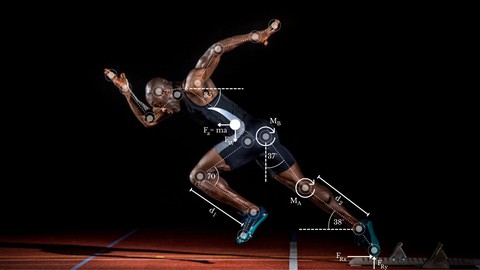
Understand the biomechanics that allow the best technique for sprinting
Get to know the most essential tools that are used for motion analysis in the industry
Understand how the non-contractile components of the body contribute to an increased performance
Learn how we generate force
Understand the effect of training surfaces and shoes on athletic performance
Get to know the biomechanical principles that describe the physics of all movements
Requirements:
No prior knowledge needed
Description:
GET TO KNOW THE BIOMECHANICS OF SPORTS TO UNDERSTAND, ANALYZE AND OPTIMIZE ATHLETIC PERFORMANCE!In this course, we go deep into the science of human movement in order to understand the biomechanics of sports. The goal is to break down motion into its physics in order to analyze and optimize athletic performance.For that, we first need to understand the anatomy and physiology of the musculoskeletal system. Then, we use different tests, methods and principles to capture the diagnostics and the biomechanics of different movements in sports. Ultimately, with all the prior knowledge that we have gained, we look at the most common tools and devices that are used in the industry for motion analysis.If You Are Curious And Want To Pursue A Career In Biomechanics, Check Out This Course.As a studied biomechanist myself, I study the science of human locomotion and find ways to analyze and optimize movements. This course contains lots of valuable scientifically proven knowledge that I have gained over the years studying and working in the field of biomechanics, put together into 60+ lectures and 3.5 hours of content. Let me share it with you!After finishing this course, you will be able to:Understand the anatomy and the function of the skeletal systemUnderstand structure of the muscular system and the functioning of muscle contractionKnow how to break down movements into its physical propertiesApply different methods to different vertical jump tests to calculate the jump heightUnderstand the biomechanics of sprintingKnow the most common tools used for motion analysis in the industryThe following topics will be covered in this course:Introduction Into Sports BiomechanicsHow can we define sports biomechanics?What are the tasks and what are some possible fields of work for sports biomechanics?Which terms are used in the biomechanics to describe locations and movements?The Skeletal SystemWhat's the structure of bones and joints?What does "stress shielding" mean and why is it bad?What's the structure and function of tendons and ligaments?The Muscular SystemWhich types of muscle are there and how are they built?How do muscles contract and how does it affect force generation?How do muscles and tendons work together to ensure optimal elasticity?Jumping DiagnosticsWhat are the goals of jumping diagnostics?Which different jump tests are there and when should they be used?Which methods are there to calculate different performance parameters like the jump height?Sprint BiomechanicsIn which biomechanical phases can we devide a 100 m sprint?What are the differences in the technique and the biomechanics in each phase?What are the effects of supporting systems (shoes, prostheses etc.) on the sprint performance?Biomechanical PrinciplesHow can we use physics to describe movements in sports?Why do we have the biomechanical principles and how can they help us to understand motion?What are the characteristics of each biomechanical principle?Motion AnalysisWhat are the objectives of motion tracking?Which tools for the analysis of human movement exist in the industry?How can we further analyze data obtained from motion tracking systems?Training SurfacesWhat are the effects of footwear constructions on athletic performance?What are the effects of training surfaces on athletic performance?What are the biomechanical and performance benefits of training barefoot?Of course, there is a 30-day money-back guarantee from Udemy. Feel free to enroll now to see if this course is for you!
Who this course is for:
Anyone who is interested in the biomechanics of sports
Athletes, trainers and coaches who want to learn more about the science of movement
Homepage


Recommend Download Link Hight Speed | Please Say Thanks Keep Topic Live
No Password - Links are Interchangeable

 
8c5e0ac1e1db779bc302db6a8c5ae138.jpg


Sports Biomechanics: Analyze & Optimize Athletic Performance
Published 3/2024
MP4 | Video: h264, 1920x1080 | Audio: AAC, 44.1 KHz
Language: English​
| Size: 1.85 GB[/center]
| Duration: 3h 30m
Understand The Physics Of Sports: The Diagnostics Of Athleticism, The Musculoskeletal System, Motion Analysis & More

What you'll learn

Learn which methods and diagnostics are used to measure an athlete's performance

Understand how the muscular system works

Get to know the tasks and the fields of work for sports biomechanics

Learn about the structure and functioning of the skeletal system

Understand the biomechanics that allow the best technique for sprinting

Get to know the most essential tools that are used for motion analysis in the industry

Understand how the non-contractile components of the body contribute to an increased performance

Learn how we generate force

Understand the effect of training surfaces and shoes on athletic performance

Get to know the biomechanical principles that describe the physics of all movements

Requirements

No prior knowledge needed

Description

GET TO KNOW THE BIOMECHANICS OF SPORTS TO UNDERSTAND, ANALYZE AND OPTIMIZE ATHLETIC PERFORMANCE!In this course, we go deep into the science of human movement in order to understand the biomechanics of sports. The goal is to break down motion into its physics in order to analyze and optimize athletic performance.For that, we first need to understand the anatomy and physiology of the musculoskeletal system. Then, we use different tests, methods and principles to capture the diagnostics and the biomechanics of different movements in sports. Ultimately, with all the prior knowledge that we have gained, we look at the most common tools and devices that are used in the industry for motion analysis.If You Are Curious And Want To Pursue A Career In Biomechanics, Check Out This Course.As a studied biomechanist myself, I study the science of human locomotion and find ways to analyze and optimize movements. This course contains lots of valuable scientifically proven knowledge that I have gained over the years studying and working in the field of biomechanics, put together into 60+ lectures and 3.5 hours of content. Let me share it with you!After finishing this course, you will be able to:Understand the anatomy and the function of the skeletal systemUnderstand structure of the muscular system and the functioning of muscle contractionKnow how to break down movements into its physical propertiesApply different methods to different vertical jump tests to calculate the jump heightUnderstand the biomechanics of sprintingKnow the most common tools used for motion analysis in the industryThe following topics will be covered in this course:Introduction Into Sports BiomechanicsHow can we define sports biomechanics?What are the tasks and what are some possible fields of work for sports biomechanics?Which terms are used in the biomechanics to describe locations and movements?The Skeletal SystemWhat's the structure of bones and joints?What does "stress shielding" mean and why is it bad?What's the structure and function of tendons and ligaments?The Muscular SystemWhich types of muscle are there and how are they built?How do muscles contract and how does it affect force generation?How do muscles and tendons work together to ensure optimal elasticity?Jumping DiagnosticsWhat are the goals of jumping diagnostics?Which different jump tests are there and when should they be used?Which methods are there to calculate different performance parameters like the jump height?Sprint BiomechanicsIn which biomechanical phases can we devide a 100 m sprint?What are the differences in the technique and the biomechanics in each phase?What are the effects of supporting systems (shoes, prostheses etc.) on the sprint performance?Biomechanical PrinciplesHow can we use physics to describe movements in sports?Why do we have the biomechanical principles and how can they help us to understand motion?What are the characteristics of each biomechanical principle?Motion AnalysisWhat are the objectives of motion tracking?Which tools for the analysis of human movement exist in the industry?How can we further analyze data obtained from motion tracking systems?Training SurfacesWhat are the effects of footwear constructions on athletic performance?What are the effects of training surfaces on athletic performance?What are the biomechanical and performance benefits of training barefoot?Of course, there is a 30-day money-back guarantee from Udemy. Feel free to enroll now to see if this course is for you!

Overview

Section 1: Introduction Into Sports Biomechanics

Lecture 1 Welcome To The Course!

Lecture 2 Course Structure & Overview

Lecture 3 Definition Of Sports Biomechanics

Lecture 4 Planes & Axes

Lecture 5 Location & Movement Terminology

Section 2: The Skeletal System: Bones, Joints, Tendons & Ligaments

Lecture 6 Structure & Function Of Bones

Lecture 7 Bone Types

Lecture 8 Stress Shielding

Lecture 9 Anatomy & Functioning Of Joints

Lecture 10 Joint Types

Lecture 11 Anatomy Of The Knee Joint

Lecture 12 Structure & Function Of Tendons & Ligaments

Lecture 13 Ligaments Of The Knee Joint

Lecture 14 Meniscus

Section 3: The Muscular System: Function Of Muscles, Muscle Contraction & Force Generation

Lecture 15 Muscle Types

Lecture 16 Structure Of Skeletal Muscle

Lecture 17 Muscle Contraction

Lecture 18 Quick Reminder!

Lecture 19 Force-Length Relationship

Lecture 20 Muscle Fiber Types

Lecture 21 Muscle Architectures

Lecture 22 Forms Of Muscle Contraction

Lecture 23 Force-Velocity Relationship

Lecture 24 Stretch Shortening Cycle

Lecture 25 Cocontraction

Lecture 26 Muscle Hypertrophy

Section 4: Jumping Diagnostics: Tests & Methods

Lecture 27 Goals Of Jumping Diagnostics

Lecture 28 Squat Jump Test

Lecture 29 Countermovement Jump Test

Lecture 30 Drop Jump Test

Lecture 31 Impulse Method

Lecture 32 Integration Method

Lecture 33 Time-Of-Flight Method

Section 5: Sprint Biomechanics: Biomechanical Properties Of Each Phase

Lecture 34 Initial Phase

Lecture 35 Acceleration Phase

Lecture 36 Maximal Velocity Phase

Lecture 37 Force Generating Components

Lecture 38 Energy Storage & Release

Lecture 39 Effects Of Shoes On Sprinting

Section 6: Biomechanical Principles: Breaking Down Movements & Sports

Lecture 40 Definition Of The Biomechanical Principles

Lecture 41 Principle Of The Optimal Acceleration Path

Lecture 42 Velocity-Time Curve

Lecture 43 Principle Of The Optimal Tendency In The Acceleration Curve

Lecture 44 Principle Of Initial Force

Lecture 45 Principle Of (Temporal) Coordination Of Individual Impulses

Lecture 46 Principle Of Counteraction And Rotational Recoil

Lecture 47 Principle Of Momentum Conservation

Section 7: Motion Analysis: Tools & Strategies

Lecture 48 Motion Tracking: Objectives

Lecture 49 Inertial Measurement Unit (IMU)

Lecture 50 Force & Pressure Plates

Lecture 51 2D Motion Analysis

Lecture 52 3D Motion Analysis

Lecture 53 Data Analysis

Lecture 54 Thank You!

Section 8: Training Surfaces

Lecture 55 Effects Of Footwear Constructions On Performance

Lecture 56 Effects Of The Training Surface

Lecture 57 Training In Sand

Lecture 58 Barefoot Training

Lecture 59 Trampolin Training

Section 9: Additional Content

Lecture 60 Location & Movement Terminology

Lecture 61 Joint & Bone Types

Lecture 62 Muscle Map

Lecture 63 Bone Map

Anyone who is interested in the biomechanics of sports,Athletes, trainers and coaches who want to learn more about the science of movement

363506399_rg.png


374887060_banner_240-32.png


361444878_fikper.png


Sports Biomechanics Analyze & Optimize Athletic Performance
 
Zurück
Oben Unten