• Regeln für den Video-Bereich:

    In den Börsenbereich gehören nur Angebote die bereits den Allgemeinen Regeln entsprechen.

    Einteilung

    - Folgende Formate gehören in die angegeben Bereiche:
    - Filme: Encodierte Filme von BluRay, DVD, R5, TV, Screener sowie Telesyncs im Format DivX, XviD und x264.
    - DVD: Filme im Format DVD5, DVD9 und HD2DVD.
    - HD: Encodierte Filme mit der Auflösung 720p oder darüber von BluRay, DVD, R5, TV, Screener sowie Telesyncs im Format x264.
    - 3D: Encodierte Filme von BluRay, die in einem 3D Format vorliegen. Dies gilt auch für Dokus, Animation usw.
    - Serien: Cartoon/Zeichentrick, Anime, Tutorials, Dokumentationen, Konzerte/Musik, Sonstiges sind demnach in die entsprechenden Bereiche einzuordnen, auch wenn sie beispielsweise im High Definition-Format oder als DVD5/DVD9/HD2DVD vorliegen. Ausnahme 3D.
    - Bereich Englisch: Englische Releases gehören immer in diesen Bereich.
    - Bereich Talk: Der Bereich, in dem über die Releases diskutiert werden kann, darf, soll und erwünscht ist.


    Angebot/Beitrag erstellen

    - Ein Beitrag darf erst dann erstellt werden, wenn der Upload bei mindestens einem OCH komplett ist. Platzhalter sind untersagt.
    - Bei einem Scenerelease hat der Threadtitel ausschließlich aus dem originalen, unveränderten Releasenamen zu bestehen. Es dürfen keine Veränderungen wie z.B. Sterne, kleine Buchstaben o.ä. vorgenommen werden. Ausnahme Serienbörse:
    - Bei einem Sammelthread für eine Staffel entfällt aus dem Releasename natürlich der Name der Folge. Beispiel: Die Simpsons S21 German DVDRip XviD - ITG
    - Dementsprechend sind also u.a. verboten: Erweiterungen wie "Tipp", "empfehlenswert", "only", "reup", usw. / jegliche andere Zusatzinformation oder Ergänzung, welche nicht in obiger Beschreibung zu finden ist.

    Aufbau des Angebots und Threadtitel

    Der Titel nach folgendem Muster erstellt zu werden. <Name> [3D] [Staffel] [German] <Jahr> <Tonspur> [DL] [Auflösung] <Quelle> <Codec> - <Group>
    Beispiel: The Dark Knight German 2008 AC3 DVDRip XviD - iND
    Beispiel: The Dark Knight 2008 DTS DL BDRip x264 - iND
    Beispiel: The Dark Knight 2008 AC3 DL BDRip XviD - iND
    Beispiel: The Dark Knight German 2008 AC3 720p BluRay x264 iND
    Beispiel: The Dark Knight 2008 DTS DL 1080p BluRay x264 iND
    Beispiel: Die Simpsons S01 German AC3 DVDRip XviD iND
    Beispiel: Die Simpsons S20 German AC3 720p BluRay x264 iND
    Beispiel: Sword Art Online II Ger Sub 2014 AAC 1080p WEBRip x264 - peppermint
    Entsprechend sind also u.a. verboten: Sonderzeichen wie Klammern, Sterne, Ausrufezeichen, Unterstriche, Anführungszeichen / Erweiterungen wie "Tipp", "empfehlenswert", "only", "reup", usw. / jegliche andere Zusatzinformation oder Ergänzung, welche nicht in obiger Beschreibung zu finden ist
    Ausnahmen hiervon können in den Bereichen geregelt sein.

    Die Beiträge sollen wie folgt aufgebaut werden:
    Überschrift entspricht dem Threadtitel
    Cover
    kurze Inhaltsbeschreibung
    Format, Größe, Dauer sind gut lesbar für Downloader außerhalb des Spoilers zu vermerken
    Nfo sind immer Anzugeben und selbige immer im Spoiler in Textform.
    Sind keine Nfo vorhanden z.B. Eigenpublikationen, sind im Spoiler folgende Dateiinformationen zusätzlich anzugeben :
    Quelle
    Video (Auflösung und Bitrate)
    Ton (Sprache, Format und Bitrate der einzelnen Spuren)
    Untertitel (sofern vorhanden)
    Hosterangabe in Textform außerhalb eines Spoiler mit allen enthaltenen Hostern.
    Bei SD kann auf diese zusätzlichen Dateiinformationen verzichtet werden.

    Alle benötigten Passwörter sind, sofern vorhanden, in Textform im Angebot anzugeben.
    Spoiler im Spoiler mit Kommentaren :"Schon Bedankt?" sind unerwünscht.


    Releases

    - Sind Retail-Release verfügbar, sind alle anderen Variationen untersagt. Ausnahmen: Alle deutschen Retail-Release sind CUT, in diesem Fall sind dubbed UNCUT-Release zulässig.
    - Im Serien-Bereich gilt speziell: Wenn ein Retail vor Abschluss einer laufenden Staffel erscheint, darf diese Staffel noch zu Ende gebracht werden.62
    - Gleiche Releases sind unbedingt zusammenzufassen. Das bedeutet, es ist zwingend erforderlich, vor dem Erstellen eines Themas per Suchfunktion zu überprüfen, ob bereits ein Beitrag mit demselben Release besteht. Ist dies der Fall, ist der bereits vorhandene Beitrag zu verwenden.
    - P2P und Scene Releases dürfen nicht verändert oder gar unter einem iND Tag eingestellt werden.


    Support, Diskussionen und Suche

    - Supportanfragen sind entweder per PN oder im Bereich Talk zu stellen.
    - Diskussionen und Bewertungen sind im Talk Bereich zu führen. Fragen an die Uploader haben ausschließlich via PN zu erfolgen, und sind in den Angeboten untersagt.
    - Anfragen zu Upload-Wünschen sind nur im Bereich Suche Video erlaubt. Antworten dürfen nur auf Angebote von MyBoerse.bz verlinkt werden.


    Verbote

    - Untersagt sind mehrere Formate in einem einzigen Angebotsthread, wie beispielsweise das gleichzeitige Anbieten von DivX/XviD, 720p und 1080p in einem Thread. Pro Format, Release und Auflösung ist ein eigener Thread zu eröffnen.
    - Grundsätzlich ebenso verboten sind Dupes. Uploader haben sich an geeigneter Stelle darüber zu informieren, ob es sich bei einem Release um ein Dupe handelt.
    - Gefakte, nur teilweise lauffähige oder unvollständige Angebote sind untersagt. Dies gilt auch für eigene Publikationen, die augenscheinlich nicht selbst von z.B. einer DVD gerippt wurden. Laufende Serien, bei denen noch nicht alle Folgen verfügbar sind, dürfen erstellt und regelmäßig geupdatet werden.
    - Untersagt sind Angebote, welche nur und ausschließlich in einer anderen Sprache als deutsch oder englisch vorliegen. Ausnahmen sind VORHER mit den Moderatoren zu klären.


    Verstoß gegen die Regeln

    - Angebote oder Beiträge, die gegen die Forenregeln verstoßen, sind über den "Melden"-Button im Beitrag zu melden.
  • Bitte registriere dich zunächst um Beiträge zu verfassen und externe Links aufzurufen.

*** Bestes IPTV *** bester Preis *** gratis Test ***


Special Purpose Entities (Spes) And Structured Finance

babymore87

MyBoerse.bz Pro Member

f8e0b2cb0027f6f2501726ff52d9ed8b.jpeg

Free Download Special Purpose Entities (Spes) And Structured Finance
Published 10/2024
MP4 | Video: h264, 1920x1080 | Audio: AAC, 44.1 KHz
Language: English | Size: 745.63 MB | Duration: 2h 18m
Unlock the complexities of SPEs and gain essential insights into their strategic use in finance and business!

What you'll learn
Introduction to Special Purpose Entities (SPEs): Understand the basic structure and definition of SPEs, their role in modern finance.
SPE Structure and Uses: Learn about the various structural components of SPEs and their common uses in the financial world, including securitization.
Types of SPVs: Gain knowledge of different types of Special Purpose Vehicles (SPVs), including joint ventures and other variations.
Advantages and Disadvantages: Explore the benefits and potential drawbacks of using SPEs in business, including risk management, regulatory compliance.
Enron Case Study: Analyze the infamous Enron scandal and its use of SPEs to manipulate financial statements. Understand the Sarbanes-Oxley Act (SOX) act.
Accounting Guidelines for SPEs: Study the accounting practices and guidelines for managing SPEs, including asset consolidation, off-balance-sheet reporting.
Application of SPEs in Real-World Scenarios: Work through examples and case studies to apply the theoretical knowledge of SPEs in practical settings.
By the end of the course, students will be equipped to understand, structure, and assess the use of Special Purpose Entities in business.
Requirements
Basic Knowledge of Finance and Accounting: A fundamental understanding of financial concepts such as balance sheets, income statements, and general accounting principles will be helpful.
Understanding of Corporate Structures: Familiarity with general business structures, including how companies are organized and how different entities interact financially.
Introductory Business Law: Basic knowledge of legal concepts surrounding business operations, especially related to corporate governance and regulatory frameworks, will be useful.
Critical Thinking and Analytical Skills: The course involves analyzing case studies and understanding complex financial structures, so strong analytical and problem-solving skills are encouraged.
Interest in Corporate Finance and Risk Management: A keen interest in learning about financial innovations, risk management strategies, and the use of Special Purpose Entities in structuring financial transactions.
Description
Special Purpose Entities (SPEs) are pivotal tools in modern finance, serving a wide range of functions from risk management to securitization. This course provides a comprehensive guide to understanding SPEs, their structures, uses, and the associated advantages and disadvantages. Through real-world examples like Enron and the Sarbanes-Oxley Act (SOX), students will gain in-depth insights into how SPEs are used in business practices and the regulatory frameworks governing them. This course will also explore accounting guidelines, securitization structures, and the broader implications of SPEs in financial markets.Section 1: IntroductionThis introductory section lays the foundation for understanding Special Purpose Entities (SPEs). Students will learn what SPEs are, their importance in business, and how they are used in complex financial transactions. The first lecture introduces the concept of SPEs, followed by a deeper dive into the practical applications and significance of these entities in modern finance.Section 2: SPE StructureThe second section covers the structural components of SPEs. It explains how they are set up, their common uses, and the different securitization structures that can be employed. Students will learn how features like purpose and flexibility make SPEs attractive for managing financial risks and facilitating specific business objectives, such as the isolation of assets or liabilities.Section 3: Types of SPEsThis section explores the various types of Special Purpose Vehicles (SPVs), a key variant of SPEs. Students will understand the differences between SPVs and other structures like joint ventures, learning how different types of entities are structured for specific financial goals.Section 4: Advantages and DisadvantagesIn this section, students will evaluate the pros and cons of using SPEs. By examining real-world cases, students will understand why organizations use SPEs and the risks involved, including the potential for financial mismanagement or misuse. This section provides crucial insights into the decision-making process regarding SPE utilization.Section 5: Enron and the Sarbanes-Oxley Act (SOX)Section five takes a critical look at the infamous Enron scandal, focusing on the misuse of SPEs to hide debt and inflate profits. This case study is essential for understanding the regulatory environment around SPEs and the introduction of the Sarbanes-Oxley Act (SOX) as a response to corporate mismanagement. Students will analyze the legal and ethical implications of using SPEs for financial manipulation.Section 6: Accounting GuidelinesThis section provides detailed guidance on accounting principles and standards related to SPEs. Students will learn about the accounting guidelines, including those for investment funds and securitization vehicles. The section also covers the transparency requirements and regulatory compliance needed to ensure that SPEs are used ethically and legally.Section 7: ExampleThe final section of the course presents a series of practical examples that allow students to apply their knowledge. Working through these examples, students will learn how to structure, evaluate, and manage SPEs effectively, preparing them for real-world challenges in finance and business.Conclusion:By the end of this course, students will have a thorough understanding of Special Purpose Entities (SPEs), their structures, uses, and regulatory frameworks. They will be able to assess the advantages and disadvantages of using SPEs in business, understand the ethical implications through case studies like Enron, and apply this knowledge to real-world scenarios in accounting and financial analysis.
Overview
Section 1: Introduction
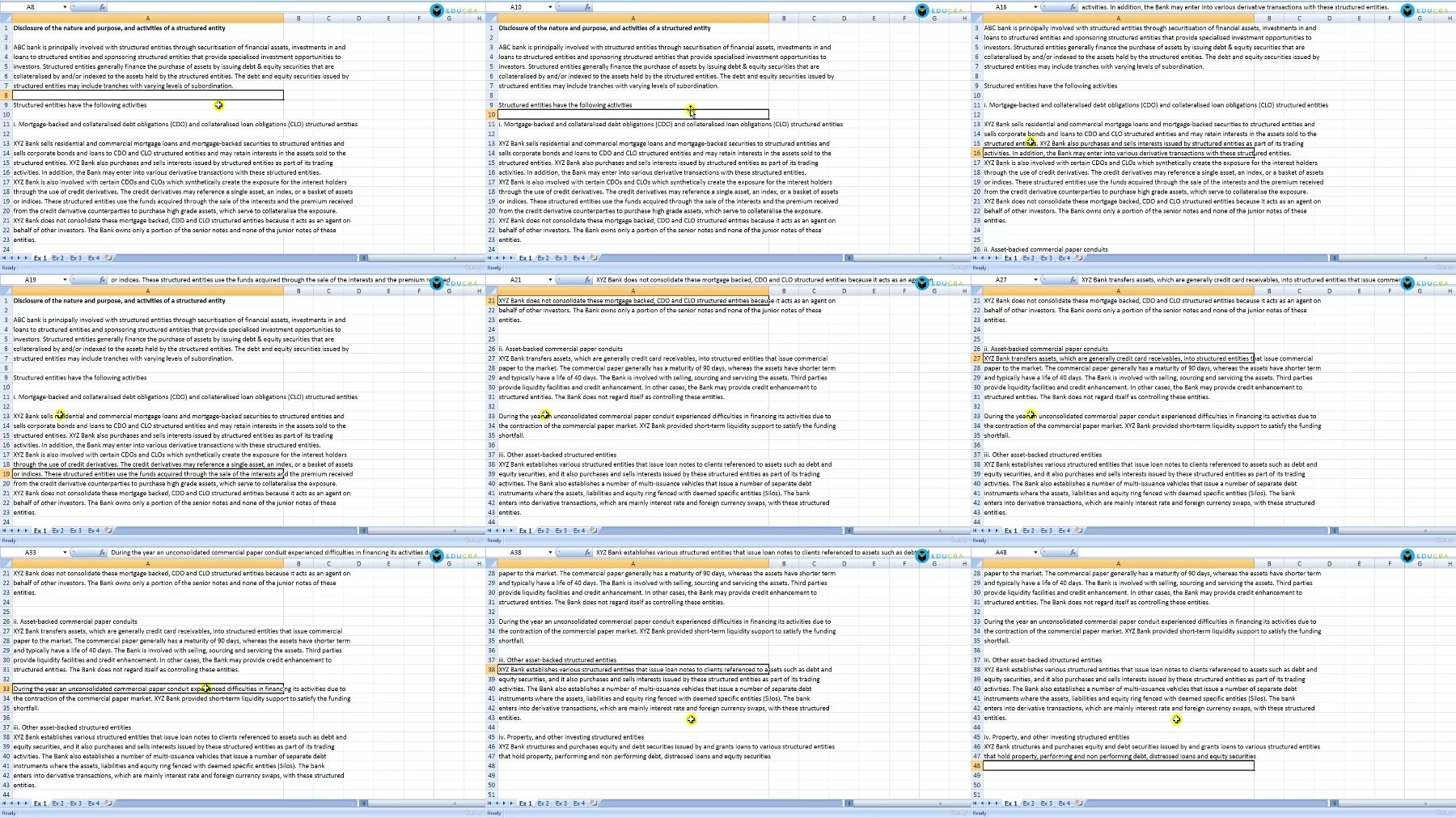
Lecture 1 Introduction to Special Purpose Entity
Section 2: SPE Structure
Lecture 2 SPE Structure
Lecture 3 Common Uses
Lecture 4 Securitization Structure
Lecture 5 Features and Purpose
Section 3: Types
Lecture 6 Types of SPV
Lecture 7 Types of SPV Continues
Lecture 8 Joint Venture
Section 4: Advantages and Disadvantages
Lecture 9 SPE Users
Lecture 10 Advantages and Disadvantages
Lecture 11 How to use SPE
Section 5: Enron and Sox Act
Lecture 12 Enron
Lecture 13 Enron - SPE
Lecture 14 Enron SPE Continues
Lecture 15 Sox Act
Section 6: Accounting Guidelines
Lecture 16 Accounting Guidelines
Lecture 17 Accounting Guidelines Continues
Lecture 18 Investment Funds Managed
Lecture 19 Secularization Vehicles
Section 7: Example
Lecture 20 Working on Example 1
Lecture 21 Working on Example 2
Lecture 22 Working on Example 3
Lecture 23 Working on Example 4
Finance and Accounting Professionals: Individuals working in finance, accounting, or auditing who want to deepen their understanding of Special Purpose Entities (SPEs) and their role in financial transactions.,Corporate Finance Students: Students pursuing finance or accounting degrees who seek to enhance their knowledge of SPEs, securitization structures, and related accounting guidelines.,Risk Management Professionals: Those involved in assessing and managing financial risks in organizations, particularly in industries that use SPVs for financial structuring.,Corporate Governance Experts: Individuals who want to understand the regulatory environment around SPEs, particularly in the wake of scandals like Enron, and the implications of laws such as the Sarbanes-Oxley Act (SOX).,Legal Advisors: Lawyers and consultants who advise businesses on financial structures, mergers and acquisitions, or regulatory compliance involving SPEs and securitization.,Investment Analysts: Professionals or students interested in investment strategies that use SPVs and securitization to manage risk or achieve specific financial goals.
Screenshot
Homepage


Recommend Download Link Hight Speed | Please Say Thanks Keep Topic Live
No Password - Links are Interchangeable

 

0e610e7852bba28a1f985e063b302d42.jpg

Special Purpose Entities (Spes) And Structured Finance
Published 10/2024
MP4 | Video: h264, 1920x1080 | Audio: AAC, 44.1 KHz
Language: English | Size: 745.63 MB | Duration: 2h 18m​

Unlock the complexities of SPEs and gain essential insights into their strategic use in finance and business!

What you'll learn

Introduction to Special Purpose Entities (SPEs): Understand the basic structure and definition of SPEs, their role in modern finance.

SPE Structure and Uses: Learn about the various structural components of SPEs and their common uses in the financial world, including securitization.

Types of SPVs: Gain knowledge of different types of Special Purpose Vehicles (SPVs), including joint ventures and other variations.

Advantages and Disadvantages: Explore the benefits and potential drawbacks of using SPEs in business, including risk management, regulatory compliance.

Enron Case Study: Analyze the infamous Enron scandal and its use of SPEs to manipulate financial statements. Understand the Sarbanes-Oxley Act (SOX) act.

Accounting Guidelines for SPEs: Study the accounting practices and guidelines for managing SPEs, including asset consolidation, off-balance-sheet reporting.

Application of SPEs in Real-World Scenarios: Work through examples and case studies to apply the theoretical knowledge of SPEs in practical settings.

By the end of the course, students will be equipped to understand, structure, and assess the use of Special Purpose Entities in business.

Requirements

Basic Knowledge of Finance and Accounting: A fundamental understanding of financial concepts such as balance sheets, income statements, and general accounting principles will be helpful.

Understanding of Corporate Structures: Familiarity with general business structures, including how companies are organized and how different entities interact financially.

Introductory Business Law: Basic knowledge of legal concepts surrounding business operations, especially related to corporate governance and regulatory frameworks, will be useful.

Critical Thinking and Analytical Skills: The course involves analyzing case studies and understanding complex financial structures, so strong analytical and problem-solving skills are encouraged.

Interest in Corporate Finance and Risk Management: A keen interest in learning about financial innovations, risk management strategies, and the use of Special Purpose Entities in structuring financial transactions.

Description

Special Purpose Entities (SPEs) are pivotal tools in modern finance, serving a wide range of functions from risk management to securitization. This course provides a comprehensive guide to understanding SPEs, their structures, uses, and the associated advantages and disadvantages. Through real-world examples like Enron and the Sarbanes-Oxley Act (SOX), students will gain in-depth insights into how SPEs are used in business practices and the regulatory frameworks governing them. This course will also explore accounting guidelines, securitization structures, and the broader implications of SPEs in financial markets.Section 1: IntroductionThis introductory section lays the foundation for understanding Special Purpose Entities (SPEs). Students will learn what SPEs are, their importance in business, and how they are used in complex financial transactions. The first lecture introduces the concept of SPEs, followed by a deeper dive into the practical applications and significance of these entities in modern finance.Section 2: SPE StructureThe second section covers the structural components of SPEs. It explains how they are set up, their common uses, and the different securitization structures that can be employed. Students will learn how features like purpose and flexibility make SPEs attractive for managing financial risks and facilitating specific business objectives, such as the isolation of assets or liabilities.Section 3: Types of SPEsThis section explores the various types of Special Purpose Vehicles (SPVs), a key variant of SPEs. Students will understand the differences between SPVs and other structures like joint ventures, learning how different types of entities are structured for specific financial goals.Section 4: Advantages and DisadvantagesIn this section, students will evaluate the pros and cons of using SPEs. By examining real-world cases, students will understand why organizations use SPEs and the risks involved, including the potential for financial mismanagement or misuse. This section provides crucial insights into the decision-making process regarding SPE utilization.Section 5: Enron and the Sarbanes-Oxley Act (SOX)Section five takes a critical look at the infamous Enron scandal, focusing on the misuse of SPEs to hide debt and inflate profits. This case study is essential for understanding the regulatory environment around SPEs and the introduction of the Sarbanes-Oxley Act (SOX) as a response to corporate mismanagement. Students will analyze the legal and ethical implications of using SPEs for financial manipulation.Section 6: Accounting GuidelinesThis section provides detailed guidance on accounting principles and standards related to SPEs. Students will learn about the accounting guidelines, including those for investment funds and securitization vehicles. The section also covers the transparency requirements and regulatory compliance needed to ensure that SPEs are used ethically and legally.Section 7: ExampleThe final section of the course presents a series of practical examples that allow students to apply their knowledge. Working through these examples, students will learn how to structure, evaluate, and manage SPEs effectively, preparing them for real-world challenges in finance and business.Conclusion:By the end of this course, students will have a thorough understanding of Special Purpose Entities (SPEs), their structures, uses, and regulatory frameworks. They will be able to assess the advantages and disadvantages of using SPEs in business, understand the ethical implications through case studies like Enron, and apply this knowledge to real-world scenarios in accounting and financial analysis.

Overview

Section 1: Introduction

Lecture 1 Introduction to Special Purpose Entity

Section 2: SPE Structure

Lecture 2 SPE Structure

Lecture 3 Common Uses

Lecture 4 Securitization Structure

Lecture 5 Features and Purpose

Section 3: Types

Lecture 6 Types of SPV

Lecture 7 Types of SPV Continues

Lecture 8 Joint Venture

Section 4: Advantages and Disadvantages

Lecture 9 SPE Users

Lecture 10 Advantages and Disadvantages

Lecture 11 How to use SPE

Section 5: Enron and Sox Act

Lecture 12 Enron

Lecture 13 Enron - SPE

Lecture 14 Enron SPE Continues

Lecture 15 Sox Act

Section 6: Accounting Guidelines

Lecture 16 Accounting Guidelines

Lecture 17 Accounting Guidelines Continues

Lecture 18 Investment Funds Managed

Lecture 19 Secularization Vehicles

Section 7: Example

Lecture 20 Working on Example 1

Lecture 21 Working on Example 2

Lecture 22 Working on Example 3

Lecture 23 Working on Example 4

Finance and Accounting Professionals: Individuals working in finance, accounting, or auditing who want to deepen their understanding of Special Purpose Entities (SPEs) and their role in financial transactions.,Corporate Finance Students: Students pursuing finance or accounting degrees who seek to enhance their knowledge of SPEs, securitization structures, and related accounting guidelines.,Risk Management Professionals: Those involved in assessing and managing financial risks in organizations, particularly in industries that use SPVs for financial structuring.,Corporate Governance Experts: Individuals who want to understand the regulatory environment around SPEs, particularly in the wake of scandals like Enron, and the implications of laws such as the Sarbanes-Oxley Act (SOX).,Legal Advisors: Lawyers and consultants who advise businesses on financial structures, mergers and acquisitions, or regulatory compliance involving SPEs and securitization.,Investment Analysts: Professionals or students interested in investment strategies that use SPVs and securitization to manage risk or achieve specific financial goals.

5kAT7Nz5_o.jpg

 
Zurück
Oben Unten