



• Regeln für den Audio-Bereich:

    Allgemeine Boardregeln: MyBoerse-bz-Regelwerk Regelwerk Audioboerse

    1. Das richtige Forum

    Wähle ein passendes Unterforum für dein Angebot

    2. Doppelte Threads vermeiden / Ein Thread pro Interpret


    Da es hier langsam ausartet mit gleichen Interpreten, aber verschiedenen Jahren, gilt ab sofort: Nur noch ein Thread pro Interpret, unabhängig von der Jahreszahl der verschiedenen Alben. Wünschenswert wäre es wenn ihr den Titel ab sofort so benennt: Interpret - Diskographie

    Um Doppelpost zu vermeiden, nutze vor dem Posten die Suchenfunktion. Gibt es schon einen passenden Thread, dann poste Dein Angebot dort hinein. Für einzelne Alben einer Sammlung bzw. Hörbuchreihen bitte in den passenden Sammelthreads posten.

    3. Der richtige Titel

    Gib dem Thread einen einfachen aber vernünftigen Titel, der zum Angebot passt. Um den Thread besser über die Suche zu finden, solltest du einen normalen Titel benutzen. Bei Threads in den Foren Musik, HQ Audio / Lossless und Soundtracks / OST immer das Jahr am Ende des Threadtitels in Klammern angeben, z.B.: Interpretname - Albumname (2016)

    4. Die richtigen Angaben

    Ein Thread/Thema in der Audio-Börse muss dem User Informationen über das Angebot geben können.

    Pflichtangaben:

    Bild des Uploads
    Genre
    Bitrate der Musik Datei: in Kbit/s
    Hoster
    Größe in MB oder GB
    Tracklist

    Optional: Angabe wenn Cover dabei sind.


    Sollte ein Angebot diese Pflichtangaben nicht beinhalten, wird der Verfasser darauf hingewiesen. Sollte dieses dann nicht geändert werden, werden die Beiträge gelöscht.

    (Sollte der Upload nicht als mp3 vorliegen, sondern als ogg/Bin/Cue o.Ä., dann ist dies auch eine Pflichtangabe)

    5. Defekte/nicht verfügbare Links und andere Probleme mit einem Upload

    Sollte ein Upload down sein, dann meldet es per PN dem Uploader. Gibt es zwei Threads zum gleichen Thema oder ein Upload im falschen Forum, dann meldet dies via "Beitrag melden" Funktion, diese befindet sich neben dem Bedanken-Button.

    6. Reupp- /Hosteranfragen
    Reuppanfragen oder auch Anfragen ob es bei einem anderen Hoster geuppt werden kann, bitte direkt per PN an den Uploader und nicht in den Thread.
  • Bitte registriere dich zunächst um Beiträge zu verfassen und externe Links aufzurufen.

*** Bestes IPTV *** bester Preis *** gratis Test ***


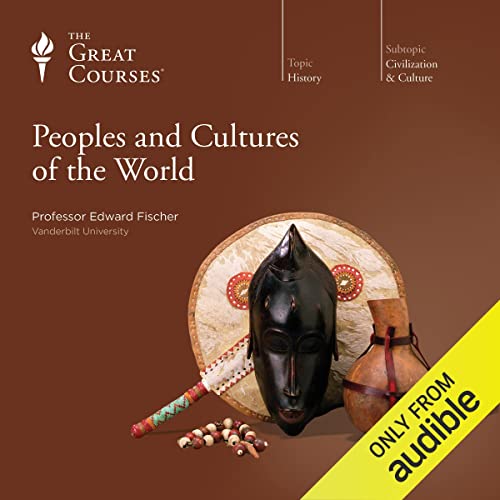
Peoples and Cultures of the World [TTC Audio]

Srbija

MyBoerse.bz Pro Member
fc85272383c738d2d2feb2a9ae251a96.jpg


Peoples and Cultures of the World by Edward Fischer, The Great Courses
English | 2013 | ISBN: N/A | ASIN: B00DTO45KK | MP3@64 Kbps | Duration: 12:08 h | PDF | 336 Mb

As the "science of humanity," anthropology can help us understand virtually anything about ourselves, from our political and economic systems, to why we get married, to how we decide to buy a particular bottle of wine. This 24-lecture course reveals the extraordinary power of anthropology - and its subspecialty, cultural anthropology - as a tool to understand the world's varied human societies, including our own.
Is there such a thing as progress? Are modern nations really happier and better off than "primitive" hunter-gatherer societies?
How common is cannibalism today? What are the different types of cannibalism, and the beliefs associated with them?
What's the difference between a "matriarchal" and a "matrilineal" society? Which is more common among world cultures?

These lectures will immerse you in the world of the Trobriand Islanders of Melanesia; the Yanomam of the Brazilian Amazon; the Dobe Ju'hoansi or Kung Bushmen of Botswana and Namibia; and other indigenous peoples.
Professor Fischer leads an excursion through cultural practices that often seem, to us, quirky, exotic, and even repulsive - marriages that include as many as 20 husbands, matrilineal societies, magic spirits and witchcraft, cannibalism, and incest - practices that will make you question your assumptions about what is natural, or what is human nature.

As you review these customs, the professor describes the issues that cultural anthropologists face in dealing with them. For example, what should anthropologists do in cases such as female circumcision or ritualized rape, in which customs seriously conflict with our own sense of morality and human rights?
Professor Fischer also applies the lessons of cultural anthropology to our own culture by considering the U.S. economy and consumer behavior. Is our economy really based on rational decision making? If so, why do we eat cattle and pigs, but not horses? Why are we willing to shop around to save $10 on a clock radio, but not on a big-screen TV?
You will grow to appreciate how valuable an understanding of cultural anthropology is in a world of ever-increasing globalization, in which members of even the most remote cultures come into more frequent and more influential contact through international travel, migration, business, and the Internet.


 
Zurück
Oben Unten