


• Regeln für den Video-Bereich:

    In den Börsenbereich gehören nur Angebote die bereits den Allgemeinen Regeln entsprechen.

    Einteilung

    - Folgende Formate gehören in die angegeben Bereiche:
    - Filme: Encodierte Filme von BluRay, DVD, R5, TV, Screener sowie Telesyncs im Format DivX, XviD und x264.
    - DVD: Filme im Format DVD5, DVD9 und HD2DVD.
    - HD: Encodierte Filme mit der Auflösung 720p oder darüber von BluRay, DVD, R5, TV, Screener sowie Telesyncs im Format x264.
    - 3D: Encodierte Filme von BluRay, die in einem 3D Format vorliegen. Dies gilt auch für Dokus, Animation usw.
    - Serien: Cartoon/Zeichentrick, Anime, Tutorials, Dokumentationen, Konzerte/Musik, Sonstiges sind demnach in die entsprechenden Bereiche einzuordnen, auch wenn sie beispielsweise im High Definition-Format oder als DVD5/DVD9/HD2DVD vorliegen. Ausnahme 3D.
    - Bereich Englisch: Englische Releases gehören immer in diesen Bereich.
    - Bereich Talk: Der Bereich, in dem über die Releases diskutiert werden kann, darf, soll und erwünscht ist.


    Angebot/Beitrag erstellen

    - Ein Beitrag darf erst dann erstellt werden, wenn der Upload bei mindestens einem OCH komplett ist. Platzhalter sind untersagt.
    - Bei einem Scenerelease hat der Threadtitel ausschließlich aus dem originalen, unveränderten Releasenamen zu bestehen. Es dürfen keine Veränderungen wie z.B. Sterne, kleine Buchstaben o.ä. vorgenommen werden. Ausnahme Serienbörse:
    - Bei einem Sammelthread für eine Staffel entfällt aus dem Releasename natürlich der Name der Folge. Beispiel: Die Simpsons S21 German DVDRip XviD - ITG
    - Dementsprechend sind also u.a. verboten: Erweiterungen wie "Tipp", "empfehlenswert", "only", "reup", usw. / jegliche andere Zusatzinformation oder Ergänzung, welche nicht in obiger Beschreibung zu finden ist.

    Aufbau des Angebots und Threadtitel

    Der Titel nach folgendem Muster erstellt zu werden. <Name> [3D] [Staffel] [German] <Jahr> <Tonspur> [DL] [Auflösung] <Quelle> <Codec> - <Group>
    Beispiel: The Dark Knight German 2008 AC3 DVDRip XviD - iND
    Beispiel: The Dark Knight 2008 DTS DL BDRip x264 - iND
    Beispiel: The Dark Knight 2008 AC3 DL BDRip XviD - iND
    Beispiel: The Dark Knight German 2008 AC3 720p BluRay x264 iND
    Beispiel: The Dark Knight 2008 DTS DL 1080p BluRay x264 iND
    Beispiel: Die Simpsons S01 German AC3 DVDRip XviD iND
    Beispiel: Die Simpsons S20 German AC3 720p BluRay x264 iND
    Beispiel: Sword Art Online II Ger Sub 2014 AAC 1080p WEBRip x264 - peppermint
    Entsprechend sind also u.a. verboten: Sonderzeichen wie Klammern, Sterne, Ausrufezeichen, Unterstriche, Anführungszeichen / Erweiterungen wie "Tipp", "empfehlenswert", "only", "reup", usw. / jegliche andere Zusatzinformation oder Ergänzung, welche nicht in obiger Beschreibung zu finden ist
    Ausnahmen hiervon können in den Bereichen geregelt sein.

    Die Beiträge sollen wie folgt aufgebaut werden:
    Überschrift entspricht dem Threadtitel
    Cover
    kurze Inhaltsbeschreibung
    Format, Größe, Dauer sind gut lesbar für Downloader außerhalb des Spoilers zu vermerken
    Nfo sind immer Anzugeben und selbige immer im Spoiler in Textform.
    Sind keine Nfo vorhanden z.B. Eigenpublikationen, sind im Spoiler folgende Dateiinformationen zusätzlich anzugeben :
    Quelle
    Video (Auflösung und Bitrate)
    Ton (Sprache, Format und Bitrate der einzelnen Spuren)
    Untertitel (sofern vorhanden)
    Hosterangabe in Textform außerhalb eines Spoiler mit allen enthaltenen Hostern.
    Bei SD kann auf diese zusätzlichen Dateiinformationen verzichtet werden.

    Alle benötigten Passwörter sind, sofern vorhanden, in Textform im Angebot anzugeben.
    Spoiler im Spoiler mit Kommentaren :"Schon Bedankt?" sind unerwünscht.


    Releases

    - Sind Retail-Release verfügbar, sind alle anderen Variationen untersagt. Ausnahmen: Alle deutschen Retail-Release sind CUT, in diesem Fall sind dubbed UNCUT-Release zulässig.
    - Im Serien-Bereich gilt speziell: Wenn ein Retail vor Abschluss einer laufenden Staffel erscheint, darf diese Staffel noch zu Ende gebracht werden.62
    - Gleiche Releases sind unbedingt zusammenzufassen. Das bedeutet, es ist zwingend erforderlich, vor dem Erstellen eines Themas per Suchfunktion zu überprüfen, ob bereits ein Beitrag mit demselben Release besteht. Ist dies der Fall, ist der bereits vorhandene Beitrag zu verwenden.
    - P2P und Scene Releases dürfen nicht verändert oder gar unter einem iND Tag eingestellt werden.


    Support, Diskussionen und Suche

    - Supportanfragen sind entweder per PN oder im Bereich Talk zu stellen.
    - Diskussionen und Bewertungen sind im Talk Bereich zu führen. Fragen an die Uploader haben ausschließlich via PN zu erfolgen, und sind in den Angeboten untersagt.
    - Anfragen zu Upload-Wünschen sind nur im Bereich Suche Video erlaubt. Antworten dürfen nur auf Angebote von MyBoerse.bz verlinkt werden.


    Verbote

    - Untersagt sind mehrere Formate in einem einzigen Angebotsthread, wie beispielsweise das gleichzeitige Anbieten von DivX/XviD, 720p und 1080p in einem Thread. Pro Format, Release und Auflösung ist ein eigener Thread zu eröffnen.
    - Grundsätzlich ebenso verboten sind Dupes. Uploader haben sich an geeigneter Stelle darüber zu informieren, ob es sich bei einem Release um ein Dupe handelt.
    - Gefakte, nur teilweise lauffähige oder unvollständige Angebote sind untersagt. Dies gilt auch für eigene Publikationen, die augenscheinlich nicht selbst von z.B. einer DVD gerippt wurden. Laufende Serien, bei denen noch nicht alle Folgen verfügbar sind, dürfen erstellt und regelmäßig geupdatet werden.
    - Untersagt sind Angebote, welche nur und ausschließlich in einer anderen Sprache als deutsch oder englisch vorliegen. Ausnahmen sind VORHER mit den Moderatoren zu klären.


    Verstoß gegen die Regeln

    - Angebote oder Beiträge, die gegen die Forenregeln verstoßen, sind über den "Melden"-Button im Beitrag zu melden.
  • Bitte registriere dich zunächst um Beiträge zu verfassen und externe Links aufzurufen.

*** Bestes IPTV *** bester Preis *** gratis Test ***


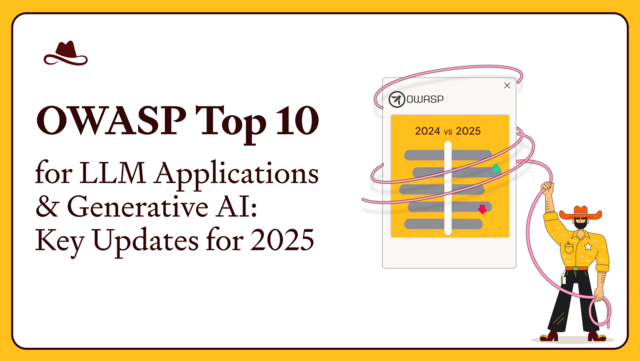
Owasp Top 10 For Llm Applications (2025)

wowojeh111

MyBoerse.bz Pro Member
67a9f15bf02e77ba1b32d691-OWASP-TOP-10.png

Owasp Top 10 For Llm Applications (2025)
Published 5/2025
Created by Cyberdefense Learning
MP4 | Video: h264, 1280x720 | Audio: AAC, 44.1 KHz, 2 Ch
Level: All | Genre: eLearning | Language: English | Duration: 72 Lectures ( 6h 5m ) | Size: 3.86 GB
LLM Security in Practice


What you'll learn
Understand the top 10 security risks in LLM-based applications, as defined by the OWASP LLM Top 10 (2025).
Identify real-world vulnerabilities like prompt injection, model poisoning, and sensitive data exposure - and how they appear in production systems.
Learn practical, system-level defense strategies to protect LLM apps from misuse, overuse, and targeted attacks.
Gain hands-on knowledge of emerging threats such as agent-based misuse, vector database leaks, and embedding inversion.
Explore best practices for secure prompt design, output filtering, plugin sandboxing, and rate limiting.
Stay ahead of AI-related regulations, compliance challenges, and upcoming security frameworks.
Build the mindset of a secure LLM architect - combining threat modeling, secure design, and proactive monitoring.
Requirements
No deep security background is required - just basic familiarity with how LLM applications work.
Ideal for developers, architects, product managers, and AI engineers working with or integrating large language models.
Some understanding of prompts, APIs, or tools like GPT, LangChain, or vector databases is helpful - but not mandatory.
Curiosity about LLM risks and a desire to build secure AI systems is all you really need.
Comfort with reading or writing basic prompt examples, or experience using LLMs like ChatGPT, Claude, or similar tools.
A general understanding of how software applications interact with APIs or user input will make concepts easier to grasp.
Description
Large Language Models (LLMs) like GPT-4, Claude, Mistral, and open-source alternatives are transforming the way we build applications. They're powering chatbots, copilots, retrieval systems, autonomous agents, and enterprise search - quickly becoming central to everything from productivity tools to customer-facing platforms.But with that innovation comes a new generation of risks - subtle, high-impact vulnerabilities that don't exist in traditional software architectures. We're entering a world where inputs look like language, exploits hide inside documents, and attackers don't need code access to compromise your system.This course is built around the OWASP Top 10 for LLM Applications (2025) - the most comprehensive and community-vetted security framework for generative AI systems available today.Whether you're working with OpenAI's APIs, Anthropic's Claude, open-source LLMs via Hugging Face, or building proprietary models in-house, this course will teach you how to secure your LLM-based architecture from design through deployment.You'll go deep into the vulnerabilities that matter most:How prompt injection attacks hijack model behavior with just a few well-placed words.How data and model poisoning slip through fine-tuning pipelines or vector stores.How sensitive information leaks, not through bugs, but through prediction.How models can be tricked into using tools, calling APIs, or consuming resources far beyond what you intended.And how LLM systems can be scraped, cloned, or manipulated without ever touching your backend.But more importantly - you'll learn how to stop these risks before they start.This isn't a high-level overview or a dry list of threats. It's a practical, story-driven, security-focused deep dive into how modern LLM apps fail - and how to build ones that don't.
Who this course is for
AI developers and engineers building or integrating LLMs into real-world applications.
Security professionals looking to understand how traditional threat models evolve in the context of AI.
Product managers, architects, and tech leads who want to make informed decisions about deploying LLMs safely.
Startup founders and CTOs working on AI-driven products who need to get ahead of risks before they scale.
Anyone curious about the vulnerabilities behind large language models - and how to build systems that can stand up to real-world threats.
AI/ML developers working with GPT, Claude, or open-source LLMs who want to understand and prevent security risks in their applications.
Security engineers and AppSec teams who need to expand their threat models to include prompt injection, model misuse, and AI supply chain risks.
Product managers and tech leads overseeing LLM-integrated products - including chatbots, copilots, agents, and retrieval-based systems.
Software architects and solution designers who want to build secure-by-default LLM pipelines from the ground up.
DevOps and MLOps professionals responsible for deployment, monitoring, and safe rollout of AI capabilities across cloud platforms.
AI startup founders, CTOs, and engineering managers who want to avoid high-cost mistakes as they scale their LLM offerings.
Security researchers and red teamers interested in exploring the new attack surfaces introduced by generative AI tools.
Regulatory, privacy, or risk teams trying to understand where LLM behavior intersects with legal and compliance obligations.
Educators, analysts, and advanced learners who want a practical understanding of the OWASP Top 10 for LLMs - beyond the headlines.
Anyone responsible for designing, deploying, or defending LLM-powered systems - regardless of whether you write code yourself.
Homepage

 
Zurück
Oben Unten