



• Regeln für den Video-Bereich:

    In den Börsenbereich gehören nur Angebote die bereits den Allgemeinen Regeln entsprechen.

    Einteilung

    - Folgende Formate gehören in die angegeben Bereiche:
    - Filme: Encodierte Filme von BluRay, DVD, R5, TV, Screener sowie Telesyncs im Format DivX, XviD und x264.
    - DVD: Filme im Format DVD5, DVD9 und HD2DVD.
    - HD: Encodierte Filme mit der Auflösung 720p oder darüber von BluRay, DVD, R5, TV, Screener sowie Telesyncs im Format x264.
    - 3D: Encodierte Filme von BluRay, die in einem 3D Format vorliegen. Dies gilt auch für Dokus, Animation usw.
    - Serien: Cartoon/Zeichentrick, Anime, Tutorials, Dokumentationen, Konzerte/Musik, Sonstiges sind demnach in die entsprechenden Bereiche einzuordnen, auch wenn sie beispielsweise im High Definition-Format oder als DVD5/DVD9/HD2DVD vorliegen. Ausnahme 3D.
    - Bereich Englisch: Englische Releases gehören immer in diesen Bereich.
    - Bereich Talk: Der Bereich, in dem über die Releases diskutiert werden kann, darf, soll und erwünscht ist.


    Angebot/Beitrag erstellen

    - Ein Beitrag darf erst dann erstellt werden, wenn der Upload bei mindestens einem OCH komplett ist. Platzhalter sind untersagt.
    - Bei einem Scenerelease hat der Threadtitel ausschließlich aus dem originalen, unveränderten Releasenamen zu bestehen. Es dürfen keine Veränderungen wie z.B. Sterne, kleine Buchstaben o.ä. vorgenommen werden. Ausnahme Serienbörse:
    - Bei einem Sammelthread für eine Staffel entfällt aus dem Releasename natürlich der Name der Folge. Beispiel: Die Simpsons S21 German DVDRip XviD - ITG
    - Dementsprechend sind also u.a. verboten: Erweiterungen wie "Tipp", "empfehlenswert", "only", "reup", usw. / jegliche andere Zusatzinformation oder Ergänzung, welche nicht in obiger Beschreibung zu finden ist.

    Aufbau des Angebots und Threadtitel

    Der Titel nach folgendem Muster erstellt zu werden. <Name> [3D] [Staffel] [German] <Jahr> <Tonspur> [DL] [Auflösung] <Quelle> <Codec> - <Group>
    Beispiel: The Dark Knight German 2008 AC3 DVDRip XviD - iND
    Beispiel: The Dark Knight 2008 DTS DL BDRip x264 - iND
    Beispiel: The Dark Knight 2008 AC3 DL BDRip XviD - iND
    Beispiel: The Dark Knight German 2008 AC3 720p BluRay x264 iND
    Beispiel: The Dark Knight 2008 DTS DL 1080p BluRay x264 iND
    Beispiel: Die Simpsons S01 German AC3 DVDRip XviD iND
    Beispiel: Die Simpsons S20 German AC3 720p BluRay x264 iND
    Beispiel: Sword Art Online II Ger Sub 2014 AAC 1080p WEBRip x264 - peppermint
    Entsprechend sind also u.a. verboten: Sonderzeichen wie Klammern, Sterne, Ausrufezeichen, Unterstriche, Anführungszeichen / Erweiterungen wie "Tipp", "empfehlenswert", "only", "reup", usw. / jegliche andere Zusatzinformation oder Ergänzung, welche nicht in obiger Beschreibung zu finden ist
    Ausnahmen hiervon können in den Bereichen geregelt sein.

    Die Beiträge sollen wie folgt aufgebaut werden:
    Überschrift entspricht dem Threadtitel
    Cover
    kurze Inhaltsbeschreibung
    Format, Größe, Dauer sind gut lesbar für Downloader außerhalb des Spoilers zu vermerken
    Nfo sind immer Anzugeben und selbige immer im Spoiler in Textform.
    Sind keine Nfo vorhanden z.B. Eigenpublikationen, sind im Spoiler folgende Dateiinformationen zusätzlich anzugeben :
    Quelle
    Video (Auflösung und Bitrate)
    Ton (Sprache, Format und Bitrate der einzelnen Spuren)
    Untertitel (sofern vorhanden)
    Hosterangabe in Textform außerhalb eines Spoiler mit allen enthaltenen Hostern.
    Bei SD kann auf diese zusätzlichen Dateiinformationen verzichtet werden.

    Alle benötigten Passwörter sind, sofern vorhanden, in Textform im Angebot anzugeben.
    Spoiler im Spoiler mit Kommentaren :"Schon Bedankt?" sind unerwünscht.


    Releases

    - Sind Retail-Release verfügbar, sind alle anderen Variationen untersagt. Ausnahmen: Alle deutschen Retail-Release sind CUT, in diesem Fall sind dubbed UNCUT-Release zulässig.
    - Im Serien-Bereich gilt speziell: Wenn ein Retail vor Abschluss einer laufenden Staffel erscheint, darf diese Staffel noch zu Ende gebracht werden.62
    - Gleiche Releases sind unbedingt zusammenzufassen. Das bedeutet, es ist zwingend erforderlich, vor dem Erstellen eines Themas per Suchfunktion zu überprüfen, ob bereits ein Beitrag mit demselben Release besteht. Ist dies der Fall, ist der bereits vorhandene Beitrag zu verwenden.
    - P2P und Scene Releases dürfen nicht verändert oder gar unter einem iND Tag eingestellt werden.


    Support, Diskussionen und Suche

    - Supportanfragen sind entweder per PN oder im Bereich Talk zu stellen.
    - Diskussionen und Bewertungen sind im Talk Bereich zu führen. Fragen an die Uploader haben ausschließlich via PN zu erfolgen, und sind in den Angeboten untersagt.
    - Anfragen zu Upload-Wünschen sind nur im Bereich Suche Video erlaubt. Antworten dürfen nur auf Angebote von MyBoerse.bz verlinkt werden.


    Verbote

    - Untersagt sind mehrere Formate in einem einzigen Angebotsthread, wie beispielsweise das gleichzeitige Anbieten von DivX/XviD, 720p und 1080p in einem Thread. Pro Format, Release und Auflösung ist ein eigener Thread zu eröffnen.
    - Grundsätzlich ebenso verboten sind Dupes. Uploader haben sich an geeigneter Stelle darüber zu informieren, ob es sich bei einem Release um ein Dupe handelt.
    - Gefakte, nur teilweise lauffähige oder unvollständige Angebote sind untersagt. Dies gilt auch für eigene Publikationen, die augenscheinlich nicht selbst von z.B. einer DVD gerippt wurden. Laufende Serien, bei denen noch nicht alle Folgen verfügbar sind, dürfen erstellt und regelmäßig geupdatet werden.
    - Untersagt sind Angebote, welche nur und ausschließlich in einer anderen Sprache als deutsch oder englisch vorliegen. Ausnahmen sind VORHER mit den Moderatoren zu klären.


    Verstoß gegen die Regeln

    - Angebote oder Beiträge, die gegen die Forenregeln verstoßen, sind über den "Melden"-Button im Beitrag zu melden.
  • Bitte registriere dich zunächst um Beiträge zu verfassen und externe Links aufzurufen.

*** Bestes IPTV *** bester Preis *** gratis Test ***


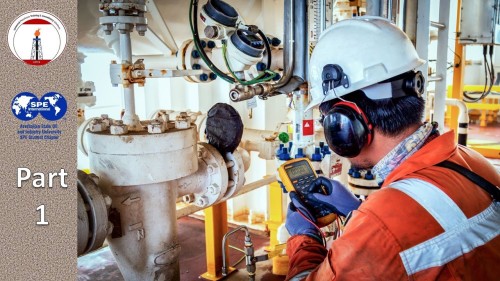
Oil Well Instrumentation And Control Systems

hopaxom869

MyBoerse.bz Pro Member
b94243fe1acd79ed94a872802510fb22.jpg

Oil Well Instrumentation And Control Systems
Published 10/2024
MP4 | Video: h264, 1920x1080 | Audio: AAC, 44.1 KHz
Language: English | Size: 586.74 MB | Duration: 1h 4m​

Safety, Monitoring, and Best Practices in Upstream Oil and Gas operation
What you'll learn
Fundamentals of Oil Well Instrumentation - Understanding key instruments like pressure, temperature, flow, and level measurement devices.
Types of Control Systems - Master the roles of PLC, DCS, and SCADA in automating oil well operations.
Safety Interlocks and Emergency Shutdowns - Learn how safety interlocks and ESD systems prevent accidents and ensure operational safety.
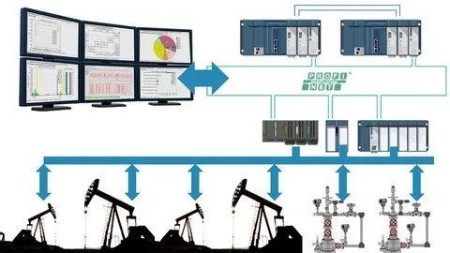
Integration of Sensors and Transmitters - Discover how sensors and transmitters work together for real-time monitoring in oil wells.
Industry Standards and Hazardous Area Classification - Gain insights into key safety regulations and classifications in oil well instrumentation.
Troubleshooting and Maintenance of Oil Well Instruments - Learn practical techniques for troubleshooting common instrumentation issues.
Calibration Techniques for Sensors and Instruments - Understand how to calibrate and maintain instruments for accurate readings and optimal performance.
Requirements
Basic Understanding of Oil and Gas Operations
Basic Understanding of instrumentation and Control
Description
Are you ready to dive into the world of oil well operations and understand how instrumentation and control systems ensure safe, efficient, and productive oil extraction? This course is your gateway to mastering the essential skills needed to monitor, control, and maintain oil well operations-whether you're a newcomer to the field or looking to expand your knowledge.Why Enroll in This Course?Oil wells are intricate systems where precision and safety are paramount. Instrumentation and control systems play a critical role in real-time monitoring, automation, and ensuring operational safety. This course provides a comprehensive, practical approach to understanding these systems, with a special focus on safety interlocks, emergency shutdowns, and industry regulations that protect both the environment and human life.What You Will Learn:Core Concepts of Oil Well Instrumentation: Get a detailed understanding of pressure, temperature, flow, and level measurement devices used in oil wells.Integration of Control Systems: Learn about the different types of control systems (PLC, DCS, SCADA) and how they are used to automate oil well operations.Safety and Emergency Systems: Gain insights into safety interlocks, emergency shutdown (ESD) systems, and fire and gas detection systems essential for preventing accidents in oil wells.Industry Standards and Regulations: Understand the key safety standards and hazardous area classifications for oil well instrumentation and control systems.Hands-on Approach to Calibration and Maintenance: Master the techniques of calibrating and maintaining sensors, instruments, and safety systems for optimal performance.Who Should Take This Course?Freshers and Newcomers: If you're just entering the field of oil and gas or looking to enhance your foundational knowledge in oil well instrumentation and control systems, this course is perfect for you.Field Engineers and Technicians: Professionals seeking to expand their expertise in instrumentation, control systems, and safety interlocks in oil well operations.Health, Safety, and Environmental (HSE) Professionals: Those interested in understanding how instrumentation and control systems contribute to oil well safety.Course Highlights:Step-by-Step Learning: The course is designed to take you from the fundamentals of oil well operations to advanced safety systems.Real-World Case Studies: Learn from practical examples and case studies of successful instrumentation and control implementations in oil wells.Engaging Visual Content: Visual aids, diagrams, and real-world imagery to help reinforce complex concepts.Up-to-Date with Industry Trends: Stay informed on the latest technology and standards in oil well instrumentation and control systems.Why This Course Stands OutWith 20 years of experience in instrumentation and control engineering, I've designed this course to offer both theoretical knowledge and hands-on expertise. You won't just learn the "what," but also the "how" and "why" behind every system used in oil well operations.By the end of this course, you will not only understand how to monitor and control oil wells but also how to troubleshoot common issues, ensuring safe and efficient operations.Enroll Now!Take the first step towards mastering oil well instrumentation and control systems. Join now to gain the skills that are in demand across the oil and gas industry!
Overview
Section 1: Introduction
Lecture 1 Introduction to course
Lecture 2 Overview of Oil Well Operations
Lecture 3 Importance of Instrumentation in Oil Well Monitoring
Lecture 4 Key Components of an Oil Well Instrumentation System
Lecture 5 Role of Control Systems in Oil Wells
Lecture 6 Industry Standards and Regulations
Section 2: Field Instrumentation for Oil Well Monitoring
Lecture 7 Pressure Measurement Instruments
Lecture 8 Temperature Measurement Instruments
Lecture 9 Flow Measurement Devices
Lecture 10 Level Measurement Instruments
Lecture 11 Integration of Sensors and Transmitters in Oil Wells
Section 3: Control Systems in Oil Wells
Lecture 12 Overview of Control Systems in the Oil Industry
Lecture 13 Communication Protocols in Oil Well Control Systems
Lecture 14 Data Acquisition and Real-Time Monitoring
Lecture 15 Control Room Interface HMI and Operator Panel
Section 4: Safety Interlocks and Shutdown Systems
Lecture 16 Importance of Safety Interlocks in Oil Wells
Lecture 17 Emergency Shutdown Systems (ESD) for Oil Wells
Lecture 18 Fire and Gas Detection Systems
Lecture 19 Best Practices for Maintaining Safety Systems
Section 5: Safety and Hazard Mitigation in Oil Well Operations
Lecture 20 Safety Standards in Oil Wells
Lecture 21 Hazardous Area Classification and Instrumentation
Lecture 22 Remote Shutdown and Isolation Techniques
Section 6: Oil Well Instrumentation Network Architecture
Lecture 23 Instrumentation and Control System Network Overview
Lecture 24 Wiring and Cabling Best Practices in Oil Wells
Lecture 25 Redundancy and Fail-Safe Design
Lecture 26 Remote Monitoring and Control via SCADA Systems
Section 7: Maintenance and Troubleshooting of Oil Well Instrumentation
Lecture 27 Routine Maintenance Procedures
Lecture 28 Troubleshooting Common Instrumentation Issues
Engineering or technical students who want to learn about the practical applications of instrumentation and control in oil well operations.,Instrumentation Engineers,Instrumentation Technicians,Automation and Control System Enthusiasts
Screenshot

 

7b173dac37cae56b43cf13f06b9ecf7c.jpg

Oil Well Instrumentation And Control Systems
Published 10/2024
MP4 | Video: h264, 1920x1080 | Audio: AAC, 44.1 KHz
Language: English | Size: 586.74 MB | Duration: 1h 4m​

Safety, Monitoring, and Best Practices in Upstream Oil and Gas operation

What you'll learn
Fundamentals of Oil Well Instrumentation - Understanding key instruments like pressure, temperature, flow, and level measurement devices.
Types of Control Systems - Master the roles of PLC, DCS, and SCADA in automating oil well operations.
Safety Interlocks and Emergency Shutdowns - Learn how safety interlocks and ESD systems prevent accidents and ensure operational safety.
Integration of Sensors and Transmitters - Discover how sensors and transmitters work together for real-time monitoring in oil wells.
Industry Standards and Hazardous Area Classification - Gain insights into key safety regulations and classifications in oil well instrumentation.
Troubleshooting and Maintenance of Oil Well Instruments - Learn practical techniques for troubleshooting common instrumentation issues.
Calibration Techniques for Sensors and Instruments - Understand how to calibrate and maintain instruments for accurate readings and optimal performance.

Requirements
Basic Understanding of Oil and Gas Operations
Basic Understanding of instrumentation and Control

Description
Are you ready to dive into the world of oil well operations and understand how instrumentation and control systems ensure safe, efficient, and productive oil extraction? This course is your gateway to mastering the essential skills needed to monitor, control, and maintain oil well operations-whether you're a newcomer to the field or looking to expand your knowledge.Why Enroll in This Course?Oil wells are intricate systems where precision and safety are paramount. Instrumentation and control systems play a critical role in real-time monitoring, automation, and ensuring operational safety. This course provides a comprehensive, practical approach to understanding these systems, with a special focus on safety interlocks, emergency shutdowns, and industry regulations that protect both the environment and human life.What You Will Learn:Core Concepts of Oil Well Instrumentation: Get a detailed understanding of pressure, temperature, flow, and level measurement devices used in oil wells.Integration of Control Systems: Learn about the different types of control systems (PLC, DCS, SCADA) and how they are used to automate oil well operations.Safety and Emergency Systems: Gain insights into safety interlocks, emergency shutdown (ESD) systems, and fire and gas detection systems essential for preventing accidents in oil wells.Industry Standards and Regulations: Understand the key safety standards and hazardous area classifications for oil well instrumentation and control systems.Hands-on Approach to Calibration and Maintenance: Master the techniques of calibrating and maintaining sensors, instruments, and safety systems for optimal performance.Who Should Take This Course?Freshers and Newcomers: If you're just entering the field of oil and gas or looking to enhance your foundational knowledge in oil well instrumentation and control systems, this course is perfect for you.Field Engineers and Technicians: Professionals seeking to expand their expertise in instrumentation, control systems, and safety interlocks in oil well operations.Health, Safety, and Environmental (HSE) Professionals: Those interested in understanding how instrumentation and control systems contribute to oil well safety.Course Highlights:Step-by-Step Learning: The course is designed to take you from the fundamentals of oil well operations to advanced safety systems.Real-World Case Studies: Learn from practical examples and case studies of successful instrumentation and control implementations in oil wells.Engaging Visual Content: Visual aids, diagrams, and real-world imagery to help reinforce complex concepts.Up-to-Date with Industry Trends: Stay informed on the latest technology and standards in oil well instrumentation and control systems.Why This Course Stands OutWith 20 years of experience in instrumentation and control engineering, I've designed this course to offer both theoretical knowledge and hands-on expertise. You won't just learn the "what," but also the "how" and "why" behind every system used in oil well operations.By the end of this course, you will not only understand how to monitor and control oil wells but also how to troubleshoot common issues, ensuring safe and efficient operations.Enroll Now!Take the first step towards mastering oil well instrumentation and control systems. Join now to gain the skills that are in demand across the oil and gas industry!

5EgUjf6d_o.jpg

 
Zurück
Oben Unten