



• Regeln für den Video-Bereich:

    In den Börsenbereich gehören nur Angebote die bereits den Allgemeinen Regeln entsprechen.

    Einteilung

    - Folgende Formate gehören in die angegeben Bereiche:
    - Filme: Encodierte Filme von BluRay, DVD, R5, TV, Screener sowie Telesyncs im Format DivX, XviD und x264.
    - DVD: Filme im Format DVD5, DVD9 und HD2DVD.
    - HD: Encodierte Filme mit der Auflösung 720p oder darüber von BluRay, DVD, R5, TV, Screener sowie Telesyncs im Format x264.
    - 3D: Encodierte Filme von BluRay, die in einem 3D Format vorliegen. Dies gilt auch für Dokus, Animation usw.
    - Serien: Cartoon/Zeichentrick, Anime, Tutorials, Dokumentationen, Konzerte/Musik, Sonstiges sind demnach in die entsprechenden Bereiche einzuordnen, auch wenn sie beispielsweise im High Definition-Format oder als DVD5/DVD9/HD2DVD vorliegen. Ausnahme 3D.
    - Bereich Englisch: Englische Releases gehören immer in diesen Bereich.
    - Bereich Talk: Der Bereich, in dem über die Releases diskutiert werden kann, darf, soll und erwünscht ist.


    Angebot/Beitrag erstellen

    - Ein Beitrag darf erst dann erstellt werden, wenn der Upload bei mindestens einem OCH komplett ist. Platzhalter sind untersagt.
    - Bei einem Scenerelease hat der Threadtitel ausschließlich aus dem originalen, unveränderten Releasenamen zu bestehen. Es dürfen keine Veränderungen wie z.B. Sterne, kleine Buchstaben o.ä. vorgenommen werden. Ausnahme Serienbörse:
    - Bei einem Sammelthread für eine Staffel entfällt aus dem Releasename natürlich der Name der Folge. Beispiel: Die Simpsons S21 German DVDRip XviD - ITG
    - Dementsprechend sind also u.a. verboten: Erweiterungen wie "Tipp", "empfehlenswert", "only", "reup", usw. / jegliche andere Zusatzinformation oder Ergänzung, welche nicht in obiger Beschreibung zu finden ist.

    Aufbau des Angebots und Threadtitel

    Der Titel nach folgendem Muster erstellt zu werden. <Name> [3D] [Staffel] [German] <Jahr> <Tonspur> [DL] [Auflösung] <Quelle> <Codec> - <Group>
    Beispiel: The Dark Knight German 2008 AC3 DVDRip XviD - iND
    Beispiel: The Dark Knight 2008 DTS DL BDRip x264 - iND
    Beispiel: The Dark Knight 2008 AC3 DL BDRip XviD - iND
    Beispiel: The Dark Knight German 2008 AC3 720p BluRay x264 iND
    Beispiel: The Dark Knight 2008 DTS DL 1080p BluRay x264 iND
    Beispiel: Die Simpsons S01 German AC3 DVDRip XviD iND
    Beispiel: Die Simpsons S20 German AC3 720p BluRay x264 iND
    Beispiel: Sword Art Online II Ger Sub 2014 AAC 1080p WEBRip x264 - peppermint
    Entsprechend sind also u.a. verboten: Sonderzeichen wie Klammern, Sterne, Ausrufezeichen, Unterstriche, Anführungszeichen / Erweiterungen wie "Tipp", "empfehlenswert", "only", "reup", usw. / jegliche andere Zusatzinformation oder Ergänzung, welche nicht in obiger Beschreibung zu finden ist
    Ausnahmen hiervon können in den Bereichen geregelt sein.

    Die Beiträge sollen wie folgt aufgebaut werden:
    Überschrift entspricht dem Threadtitel
    Cover
    kurze Inhaltsbeschreibung
    Format, Größe, Dauer sind gut lesbar für Downloader außerhalb des Spoilers zu vermerken
    Nfo sind immer Anzugeben und selbige immer im Spoiler in Textform.
    Sind keine Nfo vorhanden z.B. Eigenpublikationen, sind im Spoiler folgende Dateiinformationen zusätzlich anzugeben :
    Quelle
    Video (Auflösung und Bitrate)
    Ton (Sprache, Format und Bitrate der einzelnen Spuren)
    Untertitel (sofern vorhanden)
    Hosterangabe in Textform außerhalb eines Spoiler mit allen enthaltenen Hostern.
    Bei SD kann auf diese zusätzlichen Dateiinformationen verzichtet werden.

    Alle benötigten Passwörter sind, sofern vorhanden, in Textform im Angebot anzugeben.
    Spoiler im Spoiler mit Kommentaren :"Schon Bedankt?" sind unerwünscht.


    Releases

    - Sind Retail-Release verfügbar, sind alle anderen Variationen untersagt. Ausnahmen: Alle deutschen Retail-Release sind CUT, in diesem Fall sind dubbed UNCUT-Release zulässig.
    - Im Serien-Bereich gilt speziell: Wenn ein Retail vor Abschluss einer laufenden Staffel erscheint, darf diese Staffel noch zu Ende gebracht werden.62
    - Gleiche Releases sind unbedingt zusammenzufassen. Das bedeutet, es ist zwingend erforderlich, vor dem Erstellen eines Themas per Suchfunktion zu überprüfen, ob bereits ein Beitrag mit demselben Release besteht. Ist dies der Fall, ist der bereits vorhandene Beitrag zu verwenden.
    - P2P und Scene Releases dürfen nicht verändert oder gar unter einem iND Tag eingestellt werden.


    Support, Diskussionen und Suche

    - Supportanfragen sind entweder per PN oder im Bereich Talk zu stellen.
    - Diskussionen und Bewertungen sind im Talk Bereich zu führen. Fragen an die Uploader haben ausschließlich via PN zu erfolgen, und sind in den Angeboten untersagt.
    - Anfragen zu Upload-Wünschen sind nur im Bereich Suche Video erlaubt. Antworten dürfen nur auf Angebote von MyBoerse.bz verlinkt werden.


    Verbote

    - Untersagt sind mehrere Formate in einem einzigen Angebotsthread, wie beispielsweise das gleichzeitige Anbieten von DivX/XviD, 720p und 1080p in einem Thread. Pro Format, Release und Auflösung ist ein eigener Thread zu eröffnen.
    - Grundsätzlich ebenso verboten sind Dupes. Uploader haben sich an geeigneter Stelle darüber zu informieren, ob es sich bei einem Release um ein Dupe handelt.
    - Gefakte, nur teilweise lauffähige oder unvollständige Angebote sind untersagt. Dies gilt auch für eigene Publikationen, die augenscheinlich nicht selbst von z.B. einer DVD gerippt wurden. Laufende Serien, bei denen noch nicht alle Folgen verfügbar sind, dürfen erstellt und regelmäßig geupdatet werden.
    - Untersagt sind Angebote, welche nur und ausschließlich in einer anderen Sprache als deutsch oder englisch vorliegen. Ausnahmen sind VORHER mit den Moderatoren zu klären.


    Verstoß gegen die Regeln

    - Angebote oder Beiträge, die gegen die Forenregeln verstoßen, sind über den "Melden"-Button im Beitrag zu melden.
  • Bitte registriere dich zunächst um Beiträge zu verfassen und externe Links aufzurufen.

*** Bestes IPTV *** bester Preis *** gratis Test ***


Network Address Translation - Cisco ASA and ASAx Firewalls

0nelove

MyBoerse.bz Pro Member

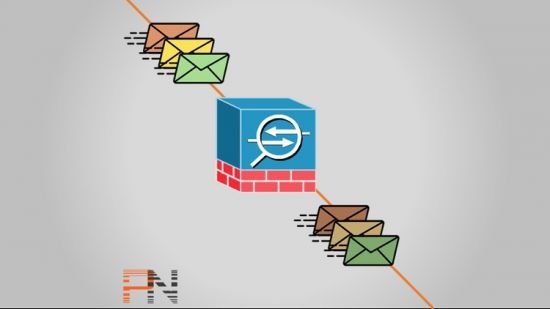
th_NeJZL8OjZbqdLowNCXo9LdQmKPf4UacF.jpg

MP4 | Video: h264, 1280x720 | Audio: AAC, 44.1 KHz, 2 Ch
Genre: eLearning | Language: English + srt | Duration: 25 lectures (3h 54m) | Size: 1.34 GB


EVERYTHING you need to know about NAT, and its configuration and verification on Cisco ASA and ASAx Firewalls.
What you'll learn:
Network Address Translation (NAT)
Static NAT, Static PAT, Dynamic PAT, Dynamic NAT, Policy NAT, Twice NAT, Identity NAT, NAT Exemption
Syntax and Configuration of NAT on Cisco ASA and ASAx Firewalls
Operation and Verification of NAT on Cisco ASA and ASAx Firewalls

Requirements
Basic understanding of computer networks

Description
This course has three modules.

The first module will teach you Everything there is to know about Network Address Translation: Why it exists, How it it works, What happens to packets as they get translated. This module will explain every type of translation: Static NAT, Static PAT, Dynamic PAT, and Dynamic NAT. You'll learn about each of these in a way that is completely vendor agnostic -- the concepts you learn here will apply to any vendor and any platform. You'll then learn how these four types of translations are used in Policy NAT and Twice NAT.

The second module will teach you the Syntax and Configuration of every type of NAT. There are two ways to configure NAT on a Cisco ASA and ASAx Firewall, and those two ways are Auto NAT and Manual NAT. Both of these methods require the use of objects, so this module starts with by defining and configuring objects. Then we discuss Auto NAT, when to use it and how to configure it. Then we talk through Manual NAT and provide configuration examples of every type of NAT it can configure. That leads us into an illustration of NAT Exemption. Finally, we finally wrap up with a discussion on NAT precedence and the order in which NAT statements are evaluated by the ASA..

Lastly, the third module will circle back to the concepts learned in the first module, and actually prove and demonstrate every claim that was made about NAT. The goal of this course is not only to tell you how NAT works, but also to prove it to you so you can see it for yourself.

Who this course is for
Network Engineers / Admins looking to Truly understand NAT
CCNA/CCNP Security Certification candidates
Anyone who configures or troubleshoots NAT on a Cisco Firewall

 

ae0596d088d41a724c6f29bf551fc062.jpg

Network Address Translation - Cisco ASA and ASAx Firewalls
Duration: 3h 54m | .MP4 1280x720, 30 fps(r) | AAC, 44100 Hz, 2ch | 1.56 GB
Genre: eLearning | Language: English​

EVERYTHING you need to know about NAT, and its configuration and verification on Cisco ASA and ASAx Firewalls.

What you'll learn
Network Address Translation (NAT)
Static NAT, Static PAT, Dynamic PAT, Dynamic NAT, Policy NAT, Twice NAT, Identity NAT, NAT Exemption
Syntax and Configuration of NAT on Cisco ASA and ASAx Firewalls
Operation and Verification of NAT on Cisco ASA and ASAx Firewalls

Requirements
Basic understanding of computer networks

Description
This course has three modules.

The first module will teach you Everything there is to know about Network Address Translation: Why it exists, How it it works, What happens to packets as they get translated. This module will explain every type of translation: Static NAT, Static PAT, Dynamic PAT, and Dynamic NAT. You'll learn about each of these in a way that is completely vendor agnostic - the concepts you learn here will apply to any vendor and any platform. You'll then learn how these four types of translations are used in Policy NAT and Twice NAT.

The second module will teach you the Syntax and Configuration of every type of NAT. There are two ways to configure NAT on a Cisco ASA and ASAx Firewall, and those two ways are Auto NAT and Manual NAT. Both of these methods require the use of objects, so this module starts with by defining and configuring objects. Then we discuss Auto NAT, when to use it and how to configure it. Then we talk through Manual NAT and provide configuration examples of every type of NAT it can configure. That leads us into an illustration of NAT Exemption. Finally, we finally wrap up with a discussion on NAT precedence and the order in which NAT statements are evaluated by the ASA..

Lastly, the third module will circle back to the concepts learned in the first module, and actually prove and demonstrate every claim that was made about NAT. The goal of this course is not only to tell you how NAT works, but also to prove it to you so you can see it for yourself.

Who this course is for:
Network Engineers / Admins looking to Truly understand NAT
CCNA/CCNP Security Certification candidates
Anyone who configures or troubleshoots NAT on a Cisco Firewall


R6ZkFnSq_o.jpg

 
Zurück
Oben Unten