• Regeln für den Video-Bereich:

    In den Börsenbereich gehören nur Angebote die bereits den Allgemeinen Regeln entsprechen.

    Einteilung

    - Folgende Formate gehören in die angegeben Bereiche:
    - Filme: Encodierte Filme von BluRay, DVD, R5, TV, Screener sowie Telesyncs im Format DivX, XviD und x264.
    - DVD: Filme im Format DVD5, DVD9 und HD2DVD.
    - HD: Encodierte Filme mit der Auflösung 720p oder darüber von BluRay, DVD, R5, TV, Screener sowie Telesyncs im Format x264.
    - 3D: Encodierte Filme von BluRay, die in einem 3D Format vorliegen. Dies gilt auch für Dokus, Animation usw.
    - Serien: Cartoon/Zeichentrick, Anime, Tutorials, Dokumentationen, Konzerte/Musik, Sonstiges sind demnach in die entsprechenden Bereiche einzuordnen, auch wenn sie beispielsweise im High Definition-Format oder als DVD5/DVD9/HD2DVD vorliegen. Ausnahme 3D.
    - Bereich Englisch: Englische Releases gehören immer in diesen Bereich.
    - Bereich Talk: Der Bereich, in dem über die Releases diskutiert werden kann, darf, soll und erwünscht ist.


    Angebot/Beitrag erstellen

    - Ein Beitrag darf erst dann erstellt werden, wenn der Upload bei mindestens einem OCH komplett ist. Platzhalter sind untersagt.
    - Bei einem Scenerelease hat der Threadtitel ausschließlich aus dem originalen, unveränderten Releasenamen zu bestehen. Es dürfen keine Veränderungen wie z.B. Sterne, kleine Buchstaben o.ä. vorgenommen werden. Ausnahme Serienbörse:
    - Bei einem Sammelthread für eine Staffel entfällt aus dem Releasename natürlich der Name der Folge. Beispiel: Die Simpsons S21 German DVDRip XviD - ITG
    - Dementsprechend sind also u.a. verboten: Erweiterungen wie "Tipp", "empfehlenswert", "only", "reup", usw. / jegliche andere Zusatzinformation oder Ergänzung, welche nicht in obiger Beschreibung zu finden ist.

    Aufbau des Angebots und Threadtitel

    Der Titel nach folgendem Muster erstellt zu werden. <Name> [3D] [Staffel] [German] <Jahr> <Tonspur> [DL] [Auflösung] <Quelle> <Codec> - <Group>
    Beispiel: The Dark Knight German 2008 AC3 DVDRip XviD - iND
    Beispiel: The Dark Knight 2008 DTS DL BDRip x264 - iND
    Beispiel: The Dark Knight 2008 AC3 DL BDRip XviD - iND
    Beispiel: The Dark Knight German 2008 AC3 720p BluRay x264 iND
    Beispiel: The Dark Knight 2008 DTS DL 1080p BluRay x264 iND
    Beispiel: Die Simpsons S01 German AC3 DVDRip XviD iND
    Beispiel: Die Simpsons S20 German AC3 720p BluRay x264 iND
    Beispiel: Sword Art Online II Ger Sub 2014 AAC 1080p WEBRip x264 - peppermint
    Entsprechend sind also u.a. verboten: Sonderzeichen wie Klammern, Sterne, Ausrufezeichen, Unterstriche, Anführungszeichen / Erweiterungen wie "Tipp", "empfehlenswert", "only", "reup", usw. / jegliche andere Zusatzinformation oder Ergänzung, welche nicht in obiger Beschreibung zu finden ist
    Ausnahmen hiervon können in den Bereichen geregelt sein.

    Die Beiträge sollen wie folgt aufgebaut werden:
    Überschrift entspricht dem Threadtitel
    Cover
    kurze Inhaltsbeschreibung
    Format, Größe, Dauer sind gut lesbar für Downloader außerhalb des Spoilers zu vermerken
    Nfo sind immer Anzugeben und selbige immer im Spoiler in Textform.
    Sind keine Nfo vorhanden z.B. Eigenpublikationen, sind im Spoiler folgende Dateiinformationen zusätzlich anzugeben :
    Quelle
    Video (Auflösung und Bitrate)
    Ton (Sprache, Format und Bitrate der einzelnen Spuren)
    Untertitel (sofern vorhanden)
    Hosterangabe in Textform außerhalb eines Spoiler mit allen enthaltenen Hostern.
    Bei SD kann auf diese zusätzlichen Dateiinformationen verzichtet werden.

    Alle benötigten Passwörter sind, sofern vorhanden, in Textform im Angebot anzugeben.
    Spoiler im Spoiler mit Kommentaren :"Schon Bedankt?" sind unerwünscht.


    Releases

    - Sind Retail-Release verfügbar, sind alle anderen Variationen untersagt. Ausnahmen: Alle deutschen Retail-Release sind CUT, in diesem Fall sind dubbed UNCUT-Release zulässig.
    - Im Serien-Bereich gilt speziell: Wenn ein Retail vor Abschluss einer laufenden Staffel erscheint, darf diese Staffel noch zu Ende gebracht werden.62
    - Gleiche Releases sind unbedingt zusammenzufassen. Das bedeutet, es ist zwingend erforderlich, vor dem Erstellen eines Themas per Suchfunktion zu überprüfen, ob bereits ein Beitrag mit demselben Release besteht. Ist dies der Fall, ist der bereits vorhandene Beitrag zu verwenden.
    - P2P und Scene Releases dürfen nicht verändert oder gar unter einem iND Tag eingestellt werden.


    Support, Diskussionen und Suche

    - Supportanfragen sind entweder per PN oder im Bereich Talk zu stellen.
    - Diskussionen und Bewertungen sind im Talk Bereich zu führen. Fragen an die Uploader haben ausschließlich via PN zu erfolgen, und sind in den Angeboten untersagt.
    - Anfragen zu Upload-Wünschen sind nur im Bereich Suche Video erlaubt. Antworten dürfen nur auf Angebote von MyBoerse.bz verlinkt werden.


    Verbote

    - Untersagt sind mehrere Formate in einem einzigen Angebotsthread, wie beispielsweise das gleichzeitige Anbieten von DivX/XviD, 720p und 1080p in einem Thread. Pro Format, Release und Auflösung ist ein eigener Thread zu eröffnen.
    - Grundsätzlich ebenso verboten sind Dupes. Uploader haben sich an geeigneter Stelle darüber zu informieren, ob es sich bei einem Release um ein Dupe handelt.
    - Gefakte, nur teilweise lauffähige oder unvollständige Angebote sind untersagt. Dies gilt auch für eigene Publikationen, die augenscheinlich nicht selbst von z.B. einer DVD gerippt wurden. Laufende Serien, bei denen noch nicht alle Folgen verfügbar sind, dürfen erstellt und regelmäßig geupdatet werden.
    - Untersagt sind Angebote, welche nur und ausschließlich in einer anderen Sprache als deutsch oder englisch vorliegen. Ausnahmen sind VORHER mit den Moderatoren zu klären.


    Verstoß gegen die Regeln

    - Angebote oder Beiträge, die gegen die Forenregeln verstoßen, sind über den "Melden"-Button im Beitrag zu melden.
  • Bitte registriere dich zunächst um Beiträge zu verfassen und externe Links aufzurufen.

*** Bestes IPTV *** bester Preis *** gratis Test ***


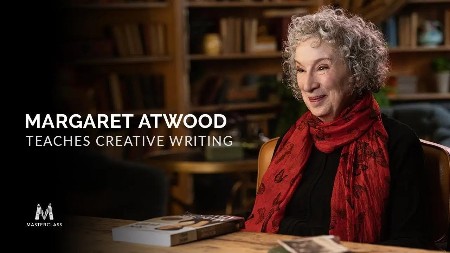
Masterclass - Margaret Atwood Teaches Creative Writing

vpsamz

MyBoerse.bz Pro Member
7mrjp2.jpg


Masterclass - Margaret Atwood Teaches Creative Writing

.MP4, AVC, 1500 kbps, 1280x720 | English, AAC, 192 kbps, 2 Ch | 3+ hours | + PDF Workbook | 2.23 GB

The art of powerful storytelling

Called the “Prophet of Dystopia,” Margaret Atwood is one of the most influential literary voices of our generation. In her first-ever online class, the author of The Handmaid’s Tale teaches how she crafts compelling stories—from historical to speculative fiction—that remain timeless and relevant. Explore Margaret’s creative process for developing ideas into novels with strong structures and nuanced characters.

8msjnf.jpg


04f446c2b231f0ce2b8c2a4c0d886222.jpg

Masterclass - Margaret Atwood Teaches Creative Writing
.MP4, AVC, 1500 kbps, 1280x720 | English, AAC, 192 kbps, 2 Ch | 3+ hours | + PDF Workbook | 2.23 GB​

The art of powerful storytelling

Called the "Prophet of Dystopia," Margaret Atwood is one of the most influential literary voices of our generation. In her first-ever online class, the author of The Handmaid's Tale teaches how she crafts compelling stories-from historical to speculative fiction-that remain timeless and relevant. Explore Margaret's creative process for developing ideas into novels with strong structures and nuanced characters.

01. Introduction
Meet your new instructor: Man Booker Prize-winning author Margaret Atwood. In your first lesson, Margaret shares her perspective on the art of writing and who ultimately gives your book its meaning.

02. Getting Started as a Writer
Margaret encourages you to find your own path, overcome obstacles like fear, and start writing by sharing her own writer's story and creative process.

03. Story and Plot
Learn what makes a strong plot. Margaret advises you to study myths, fairy tales, and other historical works of literature so that you can use them as building blocks for your stories.

04. Structuring Your Novel: Layered Narratives and Other Variations
Margaret illustrates the myriad ways you can structure your story and create a multi-layered narrative, using the classic tales Little Red Riding Hood, Arabian Nights, and her own novel The Blind Assassin as examples.

05. Who Tells the Story: Narrative Point of View
Choosing the right point of view to tell your story from involves a lot of trial and error. Margaret explains the impact this decision has on your story, and offers an exercise to help you explore the effects of various points of view.

06. Point of View Case Studies
In this chapter, Margaret discusses her use of multiple points of view in Alias Grace, and why she wrote The Handmaid's Tale from the first person point of view.

07. Bringing Characters to Life Through Detail
Actions and reactions reveal character, but so do details the writer thoughtfully weaves into the story. Margaret offers concrete tools to help you create nuanced, well-developed characters you know by heart.

08. Creating Compelling Characters
Margaret teaches why the most compelling characters are often not very likeable, and delves into how gender plays into our expectations about character.

09. Writing Through Roadblocks
Learn Margaret's advice for overcoming challenges such as constant interruption, writer's block, or a narrative problem you can't figure out how to solve.

10. Crafting Dialogue
Margaret teaches how to use dialogue to reveal character and story, and discusses the importance of making your dialogue authentic to the time and place in which your narrative transpires.

11. Revealing the World Through Sensory Imagery
The more specific your details, the more engaged your readers. Learn how Margaret uses The Handmaid's Tale to illustrate her approach to imagery.

12. Prose Style and Texture
Learn the difference between style and description as Margaret illustrates two different prose style extremes-baroque and plainsong.

13. Working With Time in Fiction
Margaret explains the significance of time in fiction, and offers advice on keeping readers oriented without compromising your story structure.

14. The Door to Your Book: The Importance of the First Five Pages
From Melville to Dickens, Margaret shares some of her favorite opening lines and underscores the value of making your first five pages utterly compelling.

15. Writing the Middle and Ending
Margaret teaches her approach to keeping readers engaged through the middle of your book and discusses the merits of closed and open endings to your story.

16. Revision: Seeing Your Work Anew
For Margaret, revision is an opportunity to take a fresh look at your book and consider new possibilities. Learn the value of soliciting feedback from select readers, and the importance of a good line editor.

17. The Novel and the Shifting Sands of Genre
Margaret discusses the evolution of the novel and asserts that the writer's objective should be to stay true to the foundational elements of storytelling, regardless of genre.

18. Speculative Fiction
Learn Margaret's approach to writing speculative fiction and her advice on how to generate ideas and build your world in this genre.

19. Speculative Fiction Case Study: The Handmaid's Tale
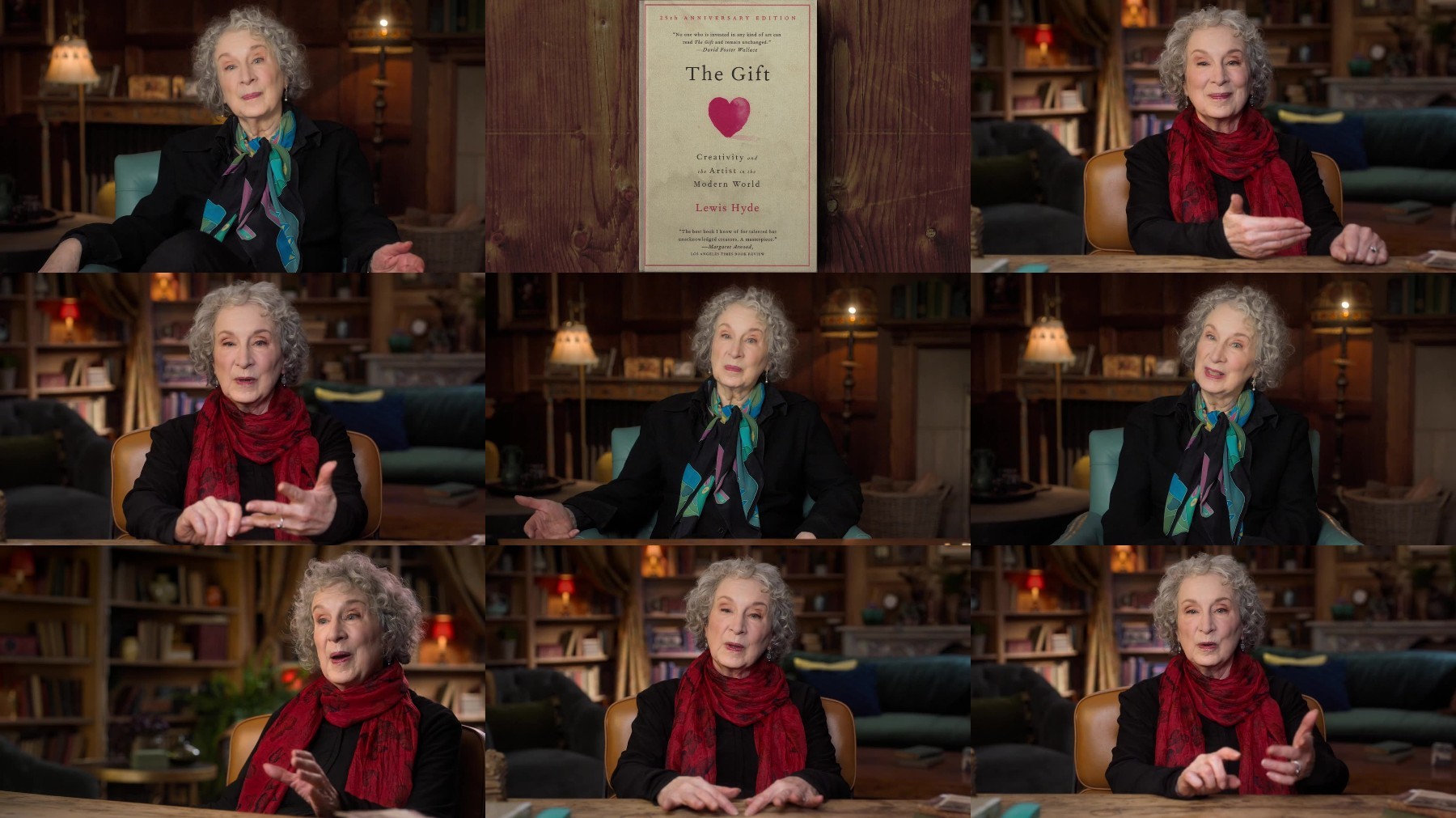
Margaret reveals the ideas and research that inspired The Handmaid's Tale, offering a first-hand look at some of these materials.

20. Research and Historical Accuracy
Getting details right is critical in historical fiction and can lend believability to any story. Margaret emphasizes this point but also shows how to avoid letting research slow you down.

21. The Writer's Path
Margaret reveals the one book she recommends to all writers, and shares inspirational stories from writers past and present to encourage you to persevere despite the obstacles you may confront.

22. The Business of Being a Writer
From finding an agent, to getting published, and dealing with negative reviews, Margaret offers her perspective on the business of being a writer.

23. Parting Words
Margaret bids her students farewell, sharing her desire to pass on her wisdom to the next generation of writers.


kHBh4jmr_o.jpg


3231e5bbc22aeb27556c054d176491fc.jpg

Masterclass - Margaret Atwood Teaches Creative Writing
.MP4, AVC, 1500 kbps, 1280x720 | English, AAC, 192 kbps, 2 Ch | 3+ hours | + PDF Workbook | 2.23 GB​

The art of powerful storytelling

Called the "Prophet of Dystopia," Margaret Atwood is one of the most influential literary voices of our generation. In her first-ever online class, the author of The Handmaid's Tale teaches how she crafts compelling stories-from historical to speculative fiction-that remain timeless and relevant. Explore Margaret's creative process for developing ideas into novels with strong structures and nuanced characters.

01. Introduction
Meet your new instructor: Man Booker Prize-winning author Margaret Atwood. In your first lesson, Margaret shares her perspective on the art of writing and who ultimately gives your book its meaning.

02. Getting Started as a Writer
Margaret encourages you to find your own path, overcome obstacles like fear, and start writing by sharing her own writer's story and creative process.

03. Story and Plot
Learn what makes a strong plot. Margaret advises you to study myths, fairy tales, and other historical works of literature so that you can use them as building blocks for your stories.

04. Structuring Your Novel: Layered Narratives and Other Variations
Margaret illustrates the myriad ways you can structure your story and create a multi-layered narrative, using the classic tales Little Red Riding Hood, Arabian Nights, and her own novel The Blind Assassin as examples.

05. Who Tells the Story: Narrative Point of View
Choosing the right point of view to tell your story from involves a lot of trial and error. Margaret explains the impact this decision has on your story, and offers an exercise to help you explore the effects of various points of view.

06. Point of View Case Studies
In this chapter, Margaret discusses her use of multiple points of view in Alias Grace, and why she wrote The Handmaid's Tale from the first person point of view.

07. Bringing Characters to Life Through Detail
Actions and reactions reveal character, but so do details the writer thoughtfully weaves into the story. Margaret offers concrete tools to help you create nuanced, well-developed characters you know by heart.

08. Creating Compelling Characters
Margaret teaches why the most compelling characters are often not very likeable, and delves into how gender plays into our expectations about character.

09. Writing Through Roadblocks
Learn Margaret's advice for overcoming challenges such as constant interruption, writer's block, or a narrative problem you can't figure out how to solve.

10. Crafting Dialogue
Margaret teaches how to use dialogue to reveal character and story, and discusses the importance of making your dialogue authentic to the time and place in which your narrative transpires.

11. Revealing the World Through Sensory Imagery
The more specific your details, the more engaged your readers. Learn how Margaret uses The Handmaid's Tale to illustrate her approach to imagery.

12. Prose Style and Texture
Learn the difference between style and description as Margaret illustrates two different prose style extremes-baroque and plainsong.

13. Working With Time in Fiction
Margaret explains the significance of time in fiction, and offers advice on keeping readers oriented without compromising your story structure.

14. The Door to Your Book: The Importance of the First Five Pages
From Melville to Dickens, Margaret shares some of her favorite opening lines and underscores the value of making your first five pages utterly compelling.

15. Writing the Middle and Ending
Margaret teaches her approach to keeping readers engaged through the middle of your book and discusses the merits of closed and open endings to your story.

16. Revision: Seeing Your Work Anew
For Margaret, revision is an opportunity to take a fresh look at your book and consider new possibilities. Learn the value of soliciting feedback from select readers, and the importance of a good line editor.

17. The Novel and the Shifting Sands of Genre
Margaret discusses the evolution of the novel and asserts that the writer's objective should be to stay true to the foundational elements of storytelling, regardless of genre.

18. Speculative Fiction
Learn Margaret's approach to writing speculative fiction and her advice on how to generate ideas and build your world in this genre.

19. Speculative Fiction Case Study: The Handmaid's Tale
Margaret reveals the ideas and research that inspired The Handmaid's Tale, offering a first-hand look at some of these materials.

20. Research and Historical Accuracy
Getting details right is critical in historical fiction and can lend believability to any story. Margaret emphasizes this point but also shows how to avoid letting research slow you down.

21. The Writer's Path
Margaret reveals the one book she recommends to all writers, and shares inspirational stories from writers past and present to encourage you to persevere despite the obstacles you may confront.

22. The Business of Being a Writer
From finding an agent, to getting published, and dealing with negative reviews, Margaret offers her perspective on the business of being a writer.

23. Parting Words
Margaret bids her students farewell, sharing her desire to pass on her wisdom to the next generation of writers.


zEA803FK_o.jpg


4cbd552fbfd081306f0950bb06cf1b30.jpg

Masterclass - Margaret Atwood Teaches Creative Writing
.MP4, AVC, 1500 kbps, 1280x720 | English, AAC, 192 kbps, 2 Ch | 3+ hours | + PDF Workbook | 2.23 GB​

The art of powerful storytelling

Called the "Prophet of Dystopia," Margaret Atwood is one of the most influential literary voices of our generation. In her first-ever online class, the author of The Handmaid's Tale teaches how she crafts compelling stories-from historical to speculative fiction-that remain timeless and relevant. Explore Margaret's creative process for developing ideas into novels with strong structures and nuanced characters.

01. Introduction
Meet your new instructor: Man Booker Prize-winning author Margaret Atwood. In your first lesson, Margaret shares her perspective on the art of writing and who ultimately gives your book its meaning.

02. Getting Started as a Writer
Margaret encourages you to find your own path, overcome obstacles like fear, and start writing by sharing her own writer's story and creative process.

03. Story and Plot
Learn what makes a strong plot. Margaret advises you to study myths, fairy tales, and other historical works of literature so that you can use them as building blocks for your stories.

04. Structuring Your Novel: Layered Narratives and Other Variations
Margaret illustrates the myriad ways you can structure your story and create a multi-layered narrative, using the classic tales Little Red Riding Hood, Arabian Nights, and her own novel The Blind Assassin as examples.

05. Who Tells the Story: Narrative Point of View
Choosing the right point of view to tell your story from involves a lot of trial and error. Margaret explains the impact this decision has on your story, and offers an exercise to help you explore the effects of various points of view.

06. Point of View Case Studies
In this chapter, Margaret discusses her use of multiple points of view in Alias Grace, and why she wrote The Handmaid's Tale from the first person point of view.

07. Bringing Characters to Life Through Detail
Actions and reactions reveal character, but so do details the writer thoughtfully weaves into the story. Margaret offers concrete tools to help you create nuanced, well-developed characters you know by heart.

08. Creating Compelling Characters
Margaret teaches why the most compelling characters are often not very likeable, and delves into how gender plays into our expectations about character.

09. Writing Through Roadblocks
Learn Margaret's advice for overcoming challenges such as constant interruption, writer's block, or a narrative problem you can't figure out how to solve.

10. Crafting Dialogue
Margaret teaches how to use dialogue to reveal character and story, and discusses the importance of making your dialogue authentic to the time and place in which your narrative transpires.

11. Revealing the World Through Sensory Imagery
The more specific your details, the more engaged your readers. Learn how Margaret uses The Handmaid's Tale to illustrate her approach to imagery.

12. Prose Style and Texture
Learn the difference between style and description as Margaret illustrates two different prose style extremes-baroque and plainsong.

13. Working With Time in Fiction
Margaret explains the significance of time in fiction, and offers advice on keeping readers oriented without compromising your story structure.

14. The Door to Your Book: The Importance of the First Five Pages
From Melville to Dickens, Margaret shares some of her favorite opening lines and underscores the value of making your first five pages utterly compelling.

15. Writing the Middle and Ending
Margaret teaches her approach to keeping readers engaged through the middle of your book and discusses the merits of closed and open endings to your story.

16. Revision: Seeing Your Work Anew
For Margaret, revision is an opportunity to take a fresh look at your book and consider new possibilities. Learn the value of soliciting feedback from select readers, and the importance of a good line editor.

17. The Novel and the Shifting Sands of Genre
Margaret discusses the evolution of the novel and asserts that the writer's objective should be to stay true to the foundational elements of storytelling, regardless of genre.

18. Speculative Fiction
Learn Margaret's approach to writing speculative fiction and her advice on how to generate ideas and build your world in this genre.

19. Speculative Fiction Case Study: The Handmaid's Tale
Margaret reveals the ideas and research that inspired The Handmaid's Tale, offering a first-hand look at some of these materials.

20. Research and Historical Accuracy
Getting details right is critical in historical fiction and can lend believability to any story. Margaret emphasizes this point but also shows how to avoid letting research slow you down.

21. The Writer's Path
Margaret reveals the one book she recommends to all writers, and shares inspirational stories from writers past and present to encourage you to persevere despite the obstacles you may confront.

22. The Business of Being a Writer
From finding an agent, to getting published, and dealing with negative reviews, Margaret offers her perspective on the business of being a writer.

23. Parting Words
Margaret bids her students farewell, sharing her desire to pass on her wisdom to the next generation of writers.


M71OSYo4_o.jpg

 
Zurück
Oben Unten