



• Regeln für den Dokumente-Bereich:

    In den Börsenbereich gehören nur Angebote die bereits den Allgemeinen Regeln entsprechen.

    Allgemeines:

    Nicht erlaubt im Dokumente-Bereich sind:

    - indizierte Titel (inkl. Comics)
    - extremistische Werke, Zeitschriften und Comics (egal, welche Richtung)
    - jegliche Art von Pornographie
    - Anleitungen zu kriminellen Handlungen, gleich welcher Art
    - sadistische, menschenverachtende oder ähnliche Werke

    Nutzt den "Bedanken"-Button, bei Sammelthreads führen jegliche Kommentare, positiv wie negativ, sehr schnell zu einer Unübersichtlichkeit des Threads. Downmeldungen sind an den Uploader zu richten

    Vor dem Einstellen zu beachten:

    - Suchfunktion

    Vergewissert euch, dass es euer Dokument noch nicht im Board gibt, Doppelposts werden kommentarlos gelöscht. Ist es schon vorhanden, tragt es als Mirror im bestehenden Post ein.

    - Threadtitel

    Idealerweise ist sofort zu erkennen um was es sich handelt. Verseht euren Titel mit den relevanten Informationen, das hilft euch und damit auch uns und allen Suchenden erheblich weiter.

    Beispiel: [Thriller] Dan Brown - Inferno oder bei Magazinen:

    Computerbild - 14/2014 (es muss ersichtlich sein, um welche Ausgabe und welches Magazin es sich handelt)

    Folgende Präfixe stehen im Unterforum "Unterhaltung" zur Verfügung:

    [Humor]
    [Drama]
    [Erotik]
    [Fantasy]
    [Krimi]
    [Roman]
    [Thriller]
    [Horror]
    [Science Fiction]

    Inhalt des Beitrags:

    Folgende Pflichtangaben gilt es einzuhalten:

    - Autor
    - Titel
    - Präfix
    - Cover
    - Genre
    - Inhaltsbeschreibung
    - enthaltene Formate
    - Gesamtgröße des Downloads
    - Hoster
    - ggf. Passwort

    Nicht erlaubt sind alle Dateien, die den Download unnötig aufblähen um eine Affiliategrenze zu erreichen, wie zB. mp3-files, übergroße Bilder, etc.

    Ebenso nicht erlaubt sind sämtliche Dateien mit DRM, persönlichen Daten, etc., diese werden kommentarlos zu eurem eigenem Schutz gelöscht.

    Achtet bitte bei der Konvertierung der Formate auf die Lesbarkeit, ein epub, was nur einfach durch Calibre gejagt wird um ein PDF zu erhalten, ist zu 99% eben nicht lesbar. Wenn ihr es nicht könnt, dann lasst es besser oder lest euch ein, wie man es richtig macht.


    Unterforum Comics:

    Threadtitel:

    Ähnlich, wie bei Unterhaltung und Magazinen, sollte der Titel alle relevanten Informationen enthalten, hier bitte

    - den Titel des Comics
    - den Verlag (einige Comics sind in verschiedenen Verlagen erschienen)
    - das Erscheinungsjahr

    Erlaubt sind folgende Formate:

    - CBR
    - CBZ

    Grundsätzlich gilt: jede Version eines Comics erhält einen eigenen Thread, Ersteller eines Comics können ihre Bände gerne mit dem Zusatz (Original-Release) versehen.

    Bei Unsicherheiten zur korrekten Benennung bitte die Informationen von www.comicguide.de nutzen.

    Inhalt des Beitrags:

    Pflichtangaben hier sind:

    - Titel des Bandes und ggf. Nummer
    - Cover
    - falls bekannt technische Daten (DPI, Breite, Speicherqualität)
    - Größe des Downloads
    - Hoster
    - ggf. Passwort
    - falls bekannt Releasenamen
  • Bitte registriere dich zunächst um Beiträge zu verfassen und externe Links aufzurufen.

*** Bestes IPTV *** bester Preis *** gratis Test ***


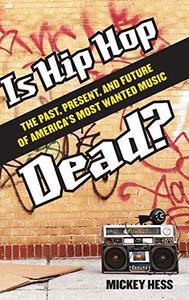
Is Hip Hop Dead The Past, Present, and Future of America's Most Wanted Music

visoft

MyBoerse.bz Pro Member

d1141e9d6b8bc073c7a7f0c2a03e34d6.jpeg

Is Hip Hop Dead?: The Past, Present, and Future of America's Most Wanted Music By Mickey Hess
2007 | 206 Pages | ISBN: 0275994619 | PDF | 1 MB
Hip hop is remarkably self-critical as a genre. In lyrics, rappers continue to debate the definition of hip hop and question where the line between underground artist and mainstream crossover is drawn, who owns the culture and who runs the industry, and most importantly, how to remain true to the culture's roots while also seeking fame and fortune. The tension between the desires to preserve hip hop's original culture and to create commercially successful music promotes a lyrical war of words between mainstream and underground artists that keeps hip hop very much alive today. In response to criticisms that hip hop has suffered or died in its transition to the mainstream, this book seeks to highlight and examine the ongoing dialogue among rap artists whose work describes their own careers.Proclamations of hip hop's death have flooded the airwaves. The issue may have reached its boiling point in Nas's 2006 album Hip Hop is Dead . Nas's album is driven by nostalgia for a mythically pure moment in hip hop's history, when the music was motivated by artistic passion, instead of base commercialism. In the course of this same album, however, Nas himself brags about making money for his particular record label. These and similar contradictions are emblematic of the complex forces underlying the dialogue that keeps hip hop a vital element of our culture. Is Hip Hop Dead? seeks to illuminate the origins of hip hop nostalgia and examine how artists maintain control of their music and culture in the face of corporate record companies, government censorship, and the standardization of the rap image.Many hip hop artists, both mainstream and underground, use their lyrics to engage in a complex dialogue about rhyme skills versus record sales, and commercialism versus culture. This ongoing dialogue invigorates hip hop and provides a common ground upon which we can reconsider many of the developments in the industry over the past 20 years. Building from black traditions that value knowledge gained from personal experience, rappers emphasize the importance of street knowledge and its role in forging a career in the music business. Lyrics adopt models of the self-made man narrative, yet reject the trajectories of white Americans like Benjamin Franklin who espoused values of prudence, diligence, and delayed gratification. Hip hop's narratives instead promote a more immediately viable gratification through crime and extend this criminal mentality to their work in the music business. Through the lens of hip hop, and the threats to hip hop culture, author Mickey Hess is able to confront a range of important issues, including race, class, criminality, authenticity, the media, and personal identity.


Recommend Download Link Hight Speed | Please Say Thanks Keep Topic Live

 
Zurück
Oben Unten