




Published 6/2022
MP4 | Video: h264, 1280x720 | Audio: AAC, 44.1 KHz
Language: English | Size: 3.58 GB | Duration: 3h 0m
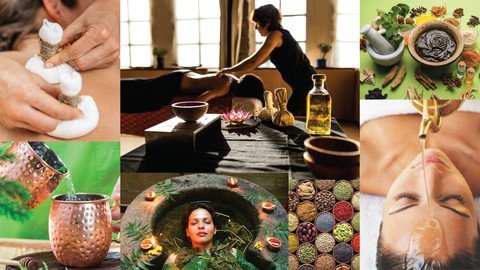
Study Ayurvedic Medicine, the most used eastern medicinal practice, with body, mind and spiritual practices.
What you'll learn
Discover the Psychology of the Doshas
Study the traditional History of Ayurveda
Understand lifestyle balance for each Dosha
Look at Ayurvedic Dinacharya and its benefits
Discover the Daily cycles of Dinacharya
Learn an Ideal Routine for Ayurveda Dinacharya
Learn about The Brahmi Muhurta?
Discover how to work with Ayurvedic Oral Cleaning
Study Ayurvedic Oil Pulling and learn how to work with it
Understand Ayurvedic Massage
Learn Self-abhyanga massage procedures
Learn how to use Ayurvedic or Herbal oils for Ayurvedic massage
Learn all about the Ayurvedic Bath
Study the ritual of the Ayurvedic bath
Learn about the Ayurvedic Meal's Eight Factors
How to prepare and Ayurvedic Meal
Study Incompatible food combinations in Ayurveda
Learn the Traditional History of Ayurveda
Requirements
Please take our Ayurvedic Foundation Course First
Description
Hello and welcome to our Advanced level Ayurvedic Medicine course. Building on the foundations of our beginner's course we are going to continue to look into the amazing world of Ayurveda, the oldest healthcare wisdom in the east.In this course, you will not only continue your study of Ayurvedic theory but also learn how to apply this knowledge to your daily life, to preserve your health.In this course, you will learn the Ayurvedic daily health care practices, the herbal preparations, and therapies that you can safely and easily practice on your own.All the herbs and therapies prescribed in this course are completely safe and effective. They have been successfully used for over 5000 thousand years .We will look at the spiritual history behind Ayurveda and study the Dosha's in a greater depth.We will discover daily routines to support Dosha balance and lifestyle tips for each Dosha, helping you to maintain optimum health.Oil pulling, herbal remedies, massage, bathing and how to create an Ayurvedic meal are all covered in this level.The content of this course has been expertly written especially for the Academy of Ancient Magik by Ayurvedic Doctor, Dr Kanika Verma. The content will be presented by Alexandra Gabriel. This course is accredited and endorsed by the International Association of Therapists.What you will learnAyurveda's HistoryAyurveda's OriginWhat is Heaven?Traditional History of AyurvedaAncient Ayurvedic CommunitiesThe Atreya's CommunityThe Dhanvantari CommunityThe physiology of the Doshas Lifestyle Balance for each Dosha (food habits, sleep pattern, daily routine, water intake, exercise, meals, meditation)What is Ayurvedic Dinacharya?The meaning of DinacharyaDaily cycles of DinacharyaIdeal Routine for Ayurveda DinacharyaDinacharya's BenefitsWhat is The Brahmi Muhurta?What should one do during the Brahma Muhurata?Things not to do in Brahma Muhurta DharmashastraAyurvedic Oral CleaningAyurvedic Tongue CareAyurvedic Oil pulling in detailWhat is the best way to perform oil pulling?What are the advantages of oil pulling?Ayurvedic MassageSelf-abhyanga massage procedureUsing Ayurvedic or Herbal oils for Ayurvedic massagePrecautions for Self-massageAyurvedic BathingAll about Ayurvedic BathThe ritual of the Ayurvedic bathProcedure for Special Ayurvedic bathHow to make ubtan pastePrecautions for daily Ayurvedic bathEight factors of an ideal Ayurvedic mealWhat is Ahaar (food) prakrati?Prakrati or the body constitutionKaran or the method of PreparationSanyog or the food combinationsRashi or the quantity of foodDesh or the natural habitatKaal or the time of food consumptionUpyogsanstha or the usage directionsUpyokta or the characteristics of the consumerIncompatible Food CombinationsAyurvedic way of drinking waterRules for Daily Water Intake according to AyurvedaAyurvedic Nasya What Is It and How Do I Use It?Ideal sleep habits according to AyurvedaSleep tips for each DoshaAbout the Author - Vaidya Kanika Verma is an Ayurveda Consultant(BAMS, MMS, PGDPC, PGDVA) with a focus on Preventive Ayurveda. She specializes in Ritucharya consultation (Ayurvedic Preventive seasonal therapy) and Satvavjaya (Ayurvedic mental health management), with more than 10 years of experience.Kanika is also a qualified psychotherapist with a specialization in mindfulness. She loves to combine mental healing along with physical treatment. Her knowledge of Vedic medical astrology adds to her diagnosis and disease prediction abilities. Kanika believes that everyone can stay perennially healthy by simplifying the mind, diet, and lifestyle. Her two published books echo her opinion on simplicity and a flexible health approach.Ageless Life with Ayurvedic Ritucharya (2016)Zero-Time Mindfulness (2019) available on amazon kindle. You can visit her blog for more information Course RequirementsYou need to complete our Herbalism - Beginners Ayurvedic Medicine Diploma Course to be eligible for your Advanced Ayurvedic Medicine Diploma Course Certificate.
Overview
Section 1: Introduction
Lecture 1 Introduction to this Advanced Ayurvedic Course and What You Will Learn.
Lecture 2 Medical Disclaimer
Section 2: Section 1 - Ayurveda's History
Lecture 3 Lecture 2 - Ayurveda's History an Introduction
Lecture 4 Lecture 3 - Ayurveda - The Life's Book
Lecture 5 Lecture 4 - What is Heaven?
Lecture 6 Lecture 5 - Traditional History of Ayurveda
Lecture 7 Lecture 6 - The Atreya's Community
Lecture 8 Lecture 7 - The Dhanvantari Community
Section 3: Section 2 - The physiology of the Doshas
Lecture 9 Lecture 8 - The Physiology of Vata
Lecture 10 Lecture 9 - Physiology of Pitta
Lecture 11 Lecture 10 - Physiology of Kapha
Section 4: Section 3 - Lifestyle Balance
Lecture 12 Lecture 11 - Ideal Lifestyle for vata balance
Lecture 13 Lecture 12 -Ideal Lifestyle for pitta balance
Lecture 14 Lecture 13 - Ideal Lifestyle for kapha balance
Section 5: Section 4 - Ayurvedic Dinacharya?
Lecture 15 Lecture 14 - What is Ayurvedic Dinacharya?
Lecture 16 Lecture 15 - Daily cycles of Dinacharya
Lecture 17 Lecture 16 - Ideal Routine for Ayurveda Dinacharya
Lecture 18 Lecture 17 - Dinacharya' s Benefits
Section 6: Section 5 -The Brahmi Muhurta
Lecture 19 Lecture 18 -What is The Brahmi Muhurta?
Lecture 20 Lecture 19 - What should one do during the Brahma Muhurata?
Lecture 21 Lecture 20- Things not to do in Brahma Muhurta Dharmashastra
Section 7: Section 6 - Ayurvedic Oral Cleaning
Lecture 22 Lecture 21 - Ayurvedic Oral Cleaning
Lecture 23 Lecture 22 - Importance of Dental Care Routine in Ayurveda
Lecture 24 Lecture 23 - Functions of Bodhaka Kapha in the oral cavity
Lecture 25 Lecture 24 - Understanding Ayurvedic concept of Tooth health
Lecture 26 Lecture 25 - Ayurvedic Oral Care Routine
Lecture 27 Lecture 26- Benefits of Good Oral Health
Section 8: Section 7 - Ayurvedic Oil pulling
Lecture 28 Lecture 27 - Ayurvedic Oil pulling in detail
Lecture 29 Lecture 28 - What is the best way to perform oil pulling?
Lecture 30 Lecture 29 - What are the advantages of oil pulling?
Section 9: Section 8 - Ayurvedic Massage
Lecture 31 Lecture 30 - Ayurvedic Massage
Lecture 32 Lecture 31 - Self-abhyanga massage procedure
Lecture 33 Lecture 32 - Using Ayurvedic or Herbal oils for Ayurvedic massage
Section 10: Section 9 - Ayurvedic Bathing
Lecture 34 Lecture 33 -All about the Ayurvedic Bath
Lecture 35 Lecture 34 - The ritual of the Ayurvedic bath
Lecture 36 Lecture 35 - Procedure for Special Ayurvedic bath
Lecture 37 Lecture 36 - Precautions for daily Ayurvedic bath
Lecture 38 Lecture 37 - General Benefits of a daily bath
Section 11: Section 10 - Eight factors of an ideal Ayurvedic meal
Lecture 39 Lecture 38 - Eight factors of an ideal Ayurvedic meal
Lecture 40 Lecture 39 - The Ayurvedic Meal's Eight Factors
Lecture 41 Lecture 40 - Prakrati
Section 12: Section 11 - Eight Factors of an Ideal Ayurvedic Meal (Part 2)
Lecture 42 Lecture 41 - Eight Factors of an Ideal Ayurvedic Meal (Part 2)
Lecture 43 Lecture 42 - The Mango Case Study
Section 13: Section 12 - Incompatible Food Combinations
Lecture 44 Lecture 43 - What is an incompatible food combination and why it is bad?
Lecture 45 Lecture 44 - Ayurvedic Bad Food Combinations
Lecture 46 Lecture 45 - How to reduce the harmful effects of bad food combinations?
Lecture 47 Lecture 46 - Body Conditioning to Bad Food Combinations
Section 14: Section 13 - The Ayurvedic way of drinking water
Lecture 48 Lecture 47 - The Ayurvedic way of drinking water
Lecture 49 Lecture 48- Rules for Daily Water Intake according to Ayurveda
Lecture 50 Lecture 49 - Additional Ayurvedic Tips for drinking water
Lecture 51 Lecture 50 - What are the advantages of drinking water properly?
Section 15: Section 14 - Ayurvedic Nasya: What Is It and How Do I Use It?
Lecture 52 Lecture 51 - Importance of nasal health
Lecture 53 Lecture 52 - Types of Nasya
Lecture 54 Lecture 53 - Procedure for general Ayurvedic nasya
Lecture 55 Lecture 54 - General Benefits of Nasya
Lecture 56 Lecture 55 - The safety profile of Nasya
Section 16: Section 15 - Ideal sleep habits according to Ayurveda
Lecture 57 Lecture 56 - Ideal sleep habits according to Ayurveda
Lecture 58 Lecture 57 - Good Sleep for Vata Body Type
Lecture 59 Lecture 58 - Good Sleep for Pitta Body Type
Lecture 60 Lecture 59 - Good Sleep for Kapha Body Type
Section 17: Further Study and Certification
Lecture 61 Further Reading
Anyone interested in Ayurveda
Homepage
Recommend Download Link Hight Speed | Please Say Thanks Keep Topic Live
Links are Interchangeable - No Password - Single Extraction
