



• Regeln für den Dokumente-Bereich:

    In den Börsenbereich gehören nur Angebote die bereits den Allgemeinen Regeln entsprechen.

    Allgemeines:

    Nicht erlaubt im Dokumente-Bereich sind:

    - indizierte Titel (inkl. Comics)
    - extremistische Werke, Zeitschriften und Comics (egal, welche Richtung)
    - jegliche Art von Pornographie
    - Anleitungen zu kriminellen Handlungen, gleich welcher Art
    - sadistische, menschenverachtende oder ähnliche Werke

    Nutzt den "Bedanken"-Button, bei Sammelthreads führen jegliche Kommentare, positiv wie negativ, sehr schnell zu einer Unübersichtlichkeit des Threads. Downmeldungen sind an den Uploader zu richten

    Vor dem Einstellen zu beachten:

    - Suchfunktion

    Vergewissert euch, dass es euer Dokument noch nicht im Board gibt, Doppelposts werden kommentarlos gelöscht. Ist es schon vorhanden, tragt es als Mirror im bestehenden Post ein.

    - Threadtitel

    Idealerweise ist sofort zu erkennen um was es sich handelt. Verseht euren Titel mit den relevanten Informationen, das hilft euch und damit auch uns und allen Suchenden erheblich weiter.

    Beispiel: [Thriller] Dan Brown - Inferno oder bei Magazinen:

    Computerbild - 14/2014 (es muss ersichtlich sein, um welche Ausgabe und welches Magazin es sich handelt)

    Folgende Präfixe stehen im Unterforum "Unterhaltung" zur Verfügung:

    [Humor]
    [Drama]
    [Erotik]
    [Fantasy]
    [Krimi]
    [Roman]
    [Thriller]
    [Horror]
    [Science Fiction]

    Inhalt des Beitrags:

    Folgende Pflichtangaben gilt es einzuhalten:

    - Autor
    - Titel
    - Präfix
    - Cover
    - Genre
    - Inhaltsbeschreibung
    - enthaltene Formate
    - Gesamtgröße des Downloads
    - Hoster
    - ggf. Passwort

    Nicht erlaubt sind alle Dateien, die den Download unnötig aufblähen um eine Affiliategrenze zu erreichen, wie zB. mp3-files, übergroße Bilder, etc.

    Ebenso nicht erlaubt sind sämtliche Dateien mit DRM, persönlichen Daten, etc., diese werden kommentarlos zu eurem eigenem Schutz gelöscht.

    Achtet bitte bei der Konvertierung der Formate auf die Lesbarkeit, ein epub, was nur einfach durch Calibre gejagt wird um ein PDF zu erhalten, ist zu 99% eben nicht lesbar. Wenn ihr es nicht könnt, dann lasst es besser oder lest euch ein, wie man es richtig macht.


    Unterforum Comics:

    Threadtitel:

    Ähnlich, wie bei Unterhaltung und Magazinen, sollte der Titel alle relevanten Informationen enthalten, hier bitte

    - den Titel des Comics
    - den Verlag (einige Comics sind in verschiedenen Verlagen erschienen)
    - das Erscheinungsjahr

    Erlaubt sind folgende Formate:

    - CBR
    - CBZ

    Grundsätzlich gilt: jede Version eines Comics erhält einen eigenen Thread, Ersteller eines Comics können ihre Bände gerne mit dem Zusatz (Original-Release) versehen.

    Bei Unsicherheiten zur korrekten Benennung bitte die Informationen von www.comicguide.de nutzen.

    Inhalt des Beitrags:

    Pflichtangaben hier sind:

    - Titel des Bandes und ggf. Nummer
    - Cover
    - falls bekannt technische Daten (DPI, Breite, Speicherqualität)
    - Größe des Downloads
    - Hoster
    - ggf. Passwort
    - falls bekannt Releasenamen
  • Bitte registriere dich zunächst um Beiträge zu verfassen und externe Links aufzurufen.

*** Bestes IPTV *** bester Preis *** gratis Test ***


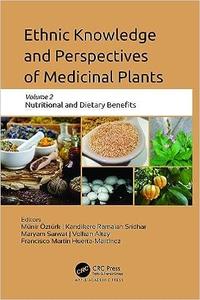
Ethnic Knowledge and Perspectives of Medicinal Plants Volume 2 Nutritional and Dietary Benefits

visoft

MyBoerse.bz Pro Member
997672247a6eb4a4a747cd8f7ce0b81b.jpeg

Free Download Ethic Knowledge and Perspectives of Medicinal Plants
by Münir Öztürk

English | 2023 | ISBN: 1774912295 | 667 pages | True PDF | 28.5 MB
This new 2-volume set aims to share and preserve ethnic and traditional knowledge of herbal medicine and treatments, while also emphasizing the link between biodiversity, human nutrition, and food security. Ethnic Knowledge and Perspectives of Medicinal Plants is divided into two volumes, with volume 1 focusing on the traditional use of curative properties and treatment strategies of medicinal plants, and volume 2 addressing the varied nutritional and dietary benefits of medicinal plants and the practice of Ayurveda. Both volumes stress the importance of bioresources for human nutrition and nutraceuticals based on ethnic knowledge and the need for efforts to protect biodiversity in many regions rich with medicinal plants.​

Exploring the benefits of medicinal plants in disease prevention, treatment, and management, Volume 1 discusses the traditional use of medicinal plants as promising therapeutics for cancer, liver conditions, COVID-19, and other human ailments. It examines the efficacy of Ayurvedic and Chinese herbal medicine, Indian traditional medicine, and other ethnic herbal practices used by indigenous peoples of Azerbaijan, South America, Turkey, India, etc. A variety of plants are discussed, and the ethnomedicinal applications of over 100 wild mushrooms for their medicinal and healthcare purposes are elaborated on.
While volume 1 focuses primarily on natural plant resources for addressing specific health issues, volume 2 looks at traditional medicinal plant use for their nutritional and dietary benefits, while also encouraging the preservation of biodiversity for healthy and sustainable diets. The volume presents information on over 2200 vascular plant taxa from 127 families as well as many taxa from leaf parts, fruits, underground parts, floral parts, seeds, and more that have potential use as edible food plants. Ethnic knowledge on the wild edible mushrooms is an emerging area, which is unique and is dependent on the folk knowledge of tribals; this volume discusses the unique nutritional attributes of wild edible mushrooms (206 species belonging to 73 genera) in Southern India. The authors look at various lichens as nutritional aids and medicine and as flavoring agents and spices. Fucoidans derived from the seaweeds (and spirulina) are described for their antioxidant activity, nutritional and anti-aging properties, antiviral activities, anti-cancer properties, anti-diabetic properties, and more. The authors also examine how ethnicity affects healthcare/nutritive systems at different levels through various dynamics such as lower income, inability for services uptake, disputes among different ethnic groups, cultural attitudes (some ethnic group are vegetarian), lack of socio-economic resources, and disease prevalence.
Together, these two important volumes aim to preserve and disseminate the valuable ethnic knowledge of medicinal plants gained over thousands of years and to promote the value of integrating and safeguarding biodiversity.

Links are Interchangeable - Single Extraction

 
Zurück
Oben Unten