• Regeln für den Video-Bereich:

    In den Börsenbereich gehören nur Angebote die bereits den Allgemeinen Regeln entsprechen.

    Einteilung

    - Folgende Formate gehören in die angegeben Bereiche:
    - Filme: Encodierte Filme von BluRay, DVD, R5, TV, Screener sowie Telesyncs im Format DivX, XviD und x264.
    - DVD: Filme im Format DVD5, DVD9 und HD2DVD.
    - HD: Encodierte Filme mit der Auflösung 720p oder darüber von BluRay, DVD, R5, TV, Screener sowie Telesyncs im Format x264.
    - 3D: Encodierte Filme von BluRay, die in einem 3D Format vorliegen. Dies gilt auch für Dokus, Animation usw.
    - Serien: Cartoon/Zeichentrick, Anime, Tutorials, Dokumentationen, Konzerte/Musik, Sonstiges sind demnach in die entsprechenden Bereiche einzuordnen, auch wenn sie beispielsweise im High Definition-Format oder als DVD5/DVD9/HD2DVD vorliegen. Ausnahme 3D.
    - Bereich Englisch: Englische Releases gehören immer in diesen Bereich.
    - Bereich Talk: Der Bereich, in dem über die Releases diskutiert werden kann, darf, soll und erwünscht ist.


    Angebot/Beitrag erstellen

    - Ein Beitrag darf erst dann erstellt werden, wenn der Upload bei mindestens einem OCH komplett ist. Platzhalter sind untersagt.
    - Bei einem Scenerelease hat der Threadtitel ausschließlich aus dem originalen, unveränderten Releasenamen zu bestehen. Es dürfen keine Veränderungen wie z.B. Sterne, kleine Buchstaben o.ä. vorgenommen werden. Ausnahme Serienbörse:
    - Bei einem Sammelthread für eine Staffel entfällt aus dem Releasename natürlich der Name der Folge. Beispiel: Die Simpsons S21 German DVDRip XviD - ITG
    - Dementsprechend sind also u.a. verboten: Erweiterungen wie "Tipp", "empfehlenswert", "only", "reup", usw. / jegliche andere Zusatzinformation oder Ergänzung, welche nicht in obiger Beschreibung zu finden ist.

    Aufbau des Angebots und Threadtitel

    Der Titel nach folgendem Muster erstellt zu werden. <Name> [3D] [Staffel] [German] <Jahr> <Tonspur> [DL] [Auflösung] <Quelle> <Codec> - <Group>
    Beispiel: The Dark Knight German 2008 AC3 DVDRip XviD - iND
    Beispiel: The Dark Knight 2008 DTS DL BDRip x264 - iND
    Beispiel: The Dark Knight 2008 AC3 DL BDRip XviD - iND
    Beispiel: The Dark Knight German 2008 AC3 720p BluRay x264 iND
    Beispiel: The Dark Knight 2008 DTS DL 1080p BluRay x264 iND
    Beispiel: Die Simpsons S01 German AC3 DVDRip XviD iND
    Beispiel: Die Simpsons S20 German AC3 720p BluRay x264 iND
    Beispiel: Sword Art Online II Ger Sub 2014 AAC 1080p WEBRip x264 - peppermint
    Entsprechend sind also u.a. verboten: Sonderzeichen wie Klammern, Sterne, Ausrufezeichen, Unterstriche, Anführungszeichen / Erweiterungen wie "Tipp", "empfehlenswert", "only", "reup", usw. / jegliche andere Zusatzinformation oder Ergänzung, welche nicht in obiger Beschreibung zu finden ist
    Ausnahmen hiervon können in den Bereichen geregelt sein.

    Die Beiträge sollen wie folgt aufgebaut werden:
    Überschrift entspricht dem Threadtitel
    Cover
    kurze Inhaltsbeschreibung
    Format, Größe, Dauer sind gut lesbar für Downloader außerhalb des Spoilers zu vermerken
    Nfo sind immer Anzugeben und selbige immer im Spoiler in Textform.
    Sind keine Nfo vorhanden z.B. Eigenpublikationen, sind im Spoiler folgende Dateiinformationen zusätzlich anzugeben :
    Quelle
    Video (Auflösung und Bitrate)
    Ton (Sprache, Format und Bitrate der einzelnen Spuren)
    Untertitel (sofern vorhanden)
    Hosterangabe in Textform außerhalb eines Spoiler mit allen enthaltenen Hostern.
    Bei SD kann auf diese zusätzlichen Dateiinformationen verzichtet werden.

    Alle benötigten Passwörter sind, sofern vorhanden, in Textform im Angebot anzugeben.
    Spoiler im Spoiler mit Kommentaren :"Schon Bedankt?" sind unerwünscht.


    Releases

    - Sind Retail-Release verfügbar, sind alle anderen Variationen untersagt. Ausnahmen: Alle deutschen Retail-Release sind CUT, in diesem Fall sind dubbed UNCUT-Release zulässig.
    - Im Serien-Bereich gilt speziell: Wenn ein Retail vor Abschluss einer laufenden Staffel erscheint, darf diese Staffel noch zu Ende gebracht werden.62
    - Gleiche Releases sind unbedingt zusammenzufassen. Das bedeutet, es ist zwingend erforderlich, vor dem Erstellen eines Themas per Suchfunktion zu überprüfen, ob bereits ein Beitrag mit demselben Release besteht. Ist dies der Fall, ist der bereits vorhandene Beitrag zu verwenden.
    - P2P und Scene Releases dürfen nicht verändert oder gar unter einem iND Tag eingestellt werden.


    Support, Diskussionen und Suche

    - Supportanfragen sind entweder per PN oder im Bereich Talk zu stellen.
    - Diskussionen und Bewertungen sind im Talk Bereich zu führen. Fragen an die Uploader haben ausschließlich via PN zu erfolgen, und sind in den Angeboten untersagt.
    - Anfragen zu Upload-Wünschen sind nur im Bereich Suche Video erlaubt. Antworten dürfen nur auf Angebote von MyBoerse.bz verlinkt werden.


    Verbote

    - Untersagt sind mehrere Formate in einem einzigen Angebotsthread, wie beispielsweise das gleichzeitige Anbieten von DivX/XviD, 720p und 1080p in einem Thread. Pro Format, Release und Auflösung ist ein eigener Thread zu eröffnen.
    - Grundsätzlich ebenso verboten sind Dupes. Uploader haben sich an geeigneter Stelle darüber zu informieren, ob es sich bei einem Release um ein Dupe handelt.
    - Gefakte, nur teilweise lauffähige oder unvollständige Angebote sind untersagt. Dies gilt auch für eigene Publikationen, die augenscheinlich nicht selbst von z.B. einer DVD gerippt wurden. Laufende Serien, bei denen noch nicht alle Folgen verfügbar sind, dürfen erstellt und regelmäßig geupdatet werden.
    - Untersagt sind Angebote, welche nur und ausschließlich in einer anderen Sprache als deutsch oder englisch vorliegen. Ausnahmen sind VORHER mit den Moderatoren zu klären.


    Verstoß gegen die Regeln

    - Angebote oder Beiträge, die gegen die Forenregeln verstoßen, sind über den "Melden"-Button im Beitrag zu melden.
  • Bitte registriere dich zunächst um Beiträge zu verfassen und externe Links aufzurufen.


Englische Tutorials

dcfda30c5f62b8d2fd92565eecd80b6e.jpg


Fundamentals of Design for Additive Manufacturing
Published 5/2026
Created by Dr. Pankaj Kumar
MP4 | Video: h264, 1920x1080 | Audio: AAC, 44.1 KHz, 2 Ch Level: Beginner | Genre: eLearning | Language: English | Duration: 32 Lectures ( 19h 10m ) | Size: 27.41 GB

Master DfAM principles, topology optimization, and process modeling with MATLAB to design high-performance, print-ready


What you'll learn
⚡ Understand the concept and importance of Design for Additive Manufacturing
⚡ Differentiate between traditional manufacturing design and AM-based design
⚡ Apply design rules for FDM, SLA, SLS, DMLS/SLM, and binder jetting
⚡ Design parts with reduced support, better strength, lower weight, and improved printability
⚡ Use concepts such as topology optimization, lattice structures, part consolidation, and generative design
⚡ Evaluate part orientation, support requirement, surface quality, dimensional accuracy, and post-processing needs
⚡ Prepare a complete DfAM-based product redesign case study

Requirements
❗ Basic Understanding of Engineering Drawing / CAD

Description

Unlock the true potential of 3D printing and transition from a traditional manufacturing mindset to the frontier of advanced engineering design.
Additive Manufacturing (AM) offers unprecedented geometric freedom, but hardware alone cannot revolutionize production-it requires a fundamental shift in how we design.Fundamentals of Design for Additive Manufacturing (DfAM) is a masterclass engineered for students, researchers, and professional engineers who want to bridge the gap between digital concepts, computational simulation, and flawless physical production.

This course goes far beyond basic 3D printing tutorials. You will dive deep into the physics, mathematical principles, and process-specific constraints that govern industrial AM. From mastering the geometric rules of polymer and metal systems to leveragingTopology Optimization (TO) to generate organic, load-path-following geometries, you will gain the exact skills needed to design components that are lighter, stronger, and completely optimized for the printer bed.
Who Is This Course For?

✨Mechanical & Materials Engineers looking to specialize in next-generation manufacturing technologies.

✨Product Designers & CAD Technicians eager to master topology optimization and complex lattice structures.

✨R&D Researchers & Academics seeking a rigorous, simulation-backed approach to AM process modeling.

✨Engineering Students wanting a competitive, industry-ready skill set that bridges practical design with computational engineering.

✨ Requirements

✨Basic CAD Familiarity: Comfort with standard 3D modeling software (e.g., Fusion 360, SolidWorks, AutoCAD) is highly recommended.

✨Foundational Engineering Concepts: A basic understanding of standard materials (polymers/metals) and introductory physics/mechanics.

✨No prior additive manufacturing or MATLAB experience is required-we build from the fundamentals upward!

Who this course is for
⭐ Mechanical engineering students
⭐ Design engineers
⭐ Additive manufacturing researchers
⭐ Faculty members teaching 3D printing or advanced manufacturing
⭐ Startups working on prototypes and lightweight products
⭐ Industry professionals working in aerospace, biomedical, automotive, tooling, and manufacturing


748106258_9-_2-1_dfam_design_considerations-part1.jpg


Premium Links


Download from RapidGator


03e732b81c0032b579dc4f94c06f7480.jpg


Large Game Environment Creation - UE5 Tutorial Course
Last updated 4/2024
MP4 | Video: h264, 1920x1080 | Audio: AAC, 44.1 KHz, 2 Ch Language: English + subtitle | Duration: 41h 49m | Size: 61.75 GB

Learn how a professional environment artist works when creating large environments for games.


What you'll learn
Learn how to build large environments in Unreal Engine 5
Learn how to model in Maya 2022
Learn how to create procedural materials in Substance Designer
Learn everything you need to know to create environments for games
Bonus - Lighting your environment with Tilmann Milde (EA Lighting Art Director)


Requirements
For this course you will already need a basic understanding of Unreal Engine, Maya and Substance


Description

Large Game Environment Creation - In-Depth Tutorial Course
Learn how a professional environment artist works when creating large environments for games. You'll learn techniques like Modular Modeling, Procedural Texturing, High to low poly modeling, Sculpting, Composition, Level Art, Lighting - and much more!

*Environment based on the concept art from Luis Medina*

MAYA, SUBSTANCE, AND UNREAL ENGINE 5
All the modeling will be done in Maya, However, the techniques used are universal and can be replicated in any other 3d modeling package. Sculpting will be done using Zbrush and the materials will be created using Substance Designer and previewed in marmoset toolbag 4. The environment will be built in the brand-new Unreal Engine 5 and the lighting will use the new Lumen system. Next to this, we will also use Substance Painter to generate masks.

In this course, you will learn everything you need to know to create the final results that you see in the images and trailers. Next to this, the same techniques can be applied to almost any type of environment.

32.5 HOURS!
This course contains over 32.5 hours of content - You can follow along with every single step - The course does enclose a few small-time lapses, this is just to speed up very repetitive tasks, the rest is done in real-time.

We will start by going over our reference and planning and then continue to create a blockout version of our environment. We will be using modular modeling techniques to create all the pieces and later on take them to final.
We will also be using Zbrush to sculpt more detailed pieces like the pillars. We will set up all these pieces in UE5 and already build our environment. Then we will move on to create our procedural materials.
Once those are done, we will do the UV-Unwrapping of our models and apply our materials.
We will then export everything to UE5, set up our materials and shaders, and get started with the composition, lighting, and general improvement of our environment.
We will leave the course off with general polishing and also adding some megascans statues to push the quality even more.

SKILL LEVEL
This game art tutorial is perfect for students who have some familiarity with a 3d Modeling tool like Maya, Substance Designer/Painter, Zbrush, and Unreal Engine - Everything in this tutorial will be explained in detail. However, if you have never touched any modeling or texturing tools before we recommend that you first watch an introduction tutorial of those programs (you can find many of these for free on YouTube or paid on this very website)

TOOLS USED
- Maya 2022

- Substance 3D Designer and Substance 3D Painter

- Zbrush 2021

- Unreal Engine 5

- Marmoset Toolbag 4

YOUR INSTRUCTOR
Emiel Sleegers is a senior environment artist currently working in the AAA Game Industry. He's worked on games like The Division 2 + DLC at Ubisoft, Forza Horizon 3 at Playground Games, and as a Freelancer on multiple projects as an Environment Artist and Material Artist.

CHAPTER SORTING
There's a total of 89videos split into easy-to-digest chapters.
All the videos will have logical naming and are numbered to make it easy to find exactly the ones you want to follow.

SOURCE FILES
Please note that this project does not come with any source files or extra content due to platform limitations. If you want all source files & extra content like un-timelapsed footage please look us up on ArtStation, Gumroad or FlippedNormals

Who this course is for
This course is perfect for intermediate to advanced artists wanting to push their skills to the next level


Homepage

748106271_100-_88-polishing_our_scene_part2.jpg


Premium Links


Download from RapidGator


14f51a7f8f1fe7cdb7af2115b27705d4.jpg


Drawing Masterclass: From Beginner to Advanced Drawing
Published 6/2026
Created by Mind Stack
MP4 | Video: h264, 1920x1080 | Audio: AAC, 44.1 KHz, 2 Ch Level: All Levels | Genre: eLearning | Language: English | Duration: 62 Lectures ( 31h 3m ) | Size: 34.3 GB

Learn drawing, shading, perspective, anatomy, character design, realism, manga, and sketching from beginner to advanced


What you'll learn
⚡ Master drawing fundamentals including linework, shapes, shading, and perspective
⚡ Draw portraits, facial features, characters, animals, objects, and environments
⚡ Learn realism, manga/anime, cartoon, graffiti, and stylized drawing techniques
⚡ Build confidence, artistic fundamentals, and your own unique drawing style

Requirements
❗ No prior drawing experience is required. Just bring basic drawing materials, consistency, and a willingness to practice.

Description
If you have always wanted to learn how to draw but felt overwhelmed, stuck, or unsure where to begin,this course is for you.

This completeDrawing Masterclass is designed to guide you step by step from theabsolute fundamentals all the way toadvanced artistic skills. Whether you want to draw for fun, improve your sketching abilities, create characters, study realism, or develop your own art style, this course gives you astructured path to grow with confidence.

We begin with the true foundations of drawing: understanding tools, masteringlinework, buildingshapes and forms, and learning how artists turn simple structures into believable drawings. Instead of rushing into complicated artwork, you will buildstrong artistic fundamentals that make every future drawing easier, cleaner, and more consistent.

As the course progresses, you will dive intolight, shadow, values, shading techniques, blending, and perspective, learning how to createdepth, realism, and dimension in your artwork. You will practice1-point, 2-point, and 3-point perspective while learning how professional artists construct scenes and environments.

You will also explore- Gesture drawing and dynamic poses
✅Facial anatomy and portrait drawing
✅ Eyes, noses, mouths, ears, and hair
✅Character drawing and stylization
✅ Drawing animals, objects, clothing, and environments
✅Realism, manga/anime, cartoon, graffiti, and academic drawing styles
✅ Using references correctly without becoming dependent on them
✅ Building your ownartistic style and creative identity

Throughout the course, you will completeguided practice sessions that help turn theory into real drawing ability. The goal is not just to watch lessons, but to actively draw, improve, and build confidence through repetition and practical exercises.

This course keeps thingsapproachable and beginner-friendly while still giving youdeep artistic knowledge that can support years of growth. Concepts are explained clearly and visually so you understand not only what to draw, butwhy things work the way they do.

By the end of the course, you will have a much stronger understanding ofform, anatomy, perspective, shading, composition, and artistic expression, along with the confidence to create your own drawings from imagination and reference alike.

Whether you dream of becoming an illustrator, concept artist, manga artist, hobbyist, or simply want a creative skill you can enjoy for life, this course will give you thetools, structure, and confidence to improve steadily and consistently.

Let's start drawing together.

Who this course is for
⭐ Anyone who wants to learn drawing from beginner to advanced, including hobbyists, aspiring artists, illustrators, manga fans, and creative learners.


748627913_39-_full_portrait_drawing.jpg


Premium Links


Download from RapidGator


badfb5b0edb094aa49feefc9a1c5b083.jpg


The Ultimate Mastering Megacourse for Logos Bible Software
Last updated 7/2022
MP4 | Video: h264, 1280x720 | Audio: AAC, 44.1 KHz, 2 Ch Language: English + subtitle | Duration: 46h 56m | Size: 22.86 GB

The most comprehensive video training for Logos Bible Software on the planet.


What you'll learn
Learn every feature in Logos Bible Software: beginners, intermediate, and advance
Learn how to study the Bible better with Logos Bible Software
Filled with practical tips, tricks, helps
The Technical is made simple and accessible
You will become an expert and efficient with Logos

Requirements
Logos Bible Software 9 / Logos Bible Software 8 (with limitations)

Description
More than five times the video training content of any related courses.

This 46+ hours training course will take you through every feature of Logos Bible Software for Bible Study. It's for every type of user: Beginner, Intermediate, and Advanced. There are tips, tricks, and practical helps you won't find in our training programs. Plus, we will teach your how to study the Bible, provide free downloads to help organize your studies.

Who is John Fallahee, your trainer?

John has nearly 25 years of Logos Bible Software experience. He has founded LearnLogos back in 2009 and has trained thousands of individuals, students, professors, and preachers in over 60 countries. John understands Inductive Bible study as a Precept trained leader, but also understands exegesis/hermeneutics being a graduate of the Master's Seminary with an Masters of Divinity. John has almost completed his PhD dissertation from Southern Baptist Theological Seminary on Sermon Preparation with Logos Bible Software.

Training Topics (Get ready for a long list of topics!)

NEW FEATURES (2 Hours, 22 minutes)

VIDEO # DESCRIPTION
1 The New Interface: Dark Mode and More (15:30)

2 The New Counseling Guide (9:40)

3 Adding Images to Notes (5:32)

4 Passage Guide Improvements (5:50)

5 Bible Books Explorer (13:33)

6 Charts & Graphs (10:58)

7 New Factbook, Part 1 (1:53)

8 New Factbook, Part 2 (16:08)

9 Reading Plans: PC/MAC and Mobile Device (7:32)

10 Verse Scanner for Logos Mobile (2:47)

11 Shortcut Toolbar Folder (5:09)

12 Documents Details & Sharing (8:08)

13 Sermon Document (23:26)

14 Sermon Manager (11:24)

15 Main Menu: Factbook :)50)

16 Main Menu: Command Box (4:16)

INTERLINEAR BIBLES (2 Hours, 9 Minutes)
17 Interlinear Bible, Part 1 (34:56)

18 Interlinear Bible, Part 2 (12:06)

19 Interlinear Bible, Part 3 (18:01)

20 Interlinear Bible, Part 4 (17:18)

21 Interlinear Bible, Part 5 (19:00)

22 Bible Reference Box (5:17)

23 Inline Searching (12:37)

24 Book Navigation Tools (9:48)

THE MAIN MENU (42 Minutes)
25 Home (5:06)

26 Library, Part 1: Overview (29:55)

27 Library, Part 2: Prioritize Resources (7:02)

SEARCHING (1 Hour, 39 Minutes)
28 Bible Searching (20:43)

29 Basic Searching (15:09)

30 Media Searching (12:34)

31 Clause Searching (7:39)

32 Morph Search (21:38)

33 Syntax Searching (22:00)

COMMAND BOX (15:15)
34 Command Box Overview (15:15)

DOCS (USER DOCUMENTS) (3 Hours, 21 Minutes)
35 Docs Interface Overview (9:02)

36 Yours, Group, Public (5:56)

37 Document Types Overview OVERVIEW (3:59)

38 Bibliography (12:36)

39 Canvas (21:34)

40 Clippings (09:27)

41 Morph Query (14:02)

42 Passage List (23:39)

43 Prayer List (8:07)

44 Reading Plan (13:54)

45 Sentence Diagram (18:51)

46 Sermon:See video #13 for the primary training, this video is for updates (3:40)

47 Syntax Search (21:48)

48 Visual Filter (15:29)

49 Word Find Puzzle (4:26)

50 Word List (7:36)

51 Organizing Your Documents (6:48)

GUIDES (3 Hours, 23 Minutes)
52 Guides Interface Overview and Menu (5:03)

53 Differences Between a Guide and Workflow (4:17)

54 Finding Free Guides & Workflows (4:26)

55 Started Workflows and More (7:41)

56 Basic Bible Study (4:58)

57 Biblical Person Study (6:07)

58 Biblical Place Study (3:49)

59 Biblical Theme Study (4:48)

60 Biblical Topic Study (3:38)

61 Devotional (2:27)

62 English Word Study (4:04)

63 Expository Sermon Preparation (13:22)

64 Inductive Bible Study (7:56)

65 John Piper's Ask Questions Method (3:46)

66 Lectio Divina (3:51)

67 Michael Heiser's Bible Research Method (5:17)

68 Passage Exegesis (5:26)

69 Praying Scripture (3:36)

70 Precept Chapter Study (4:07)

71 Ralph West's Weaving the Textual Web (10:22)

72 Theological Topic Study (4:44)

73 Topical Sermon Preparation (6:52)

74 Word Study - Original Language (5:56)

75 Custom Workflows (0:32)

76 Exegetical Guide (9:12)

77 Passage Guide (15:47)

78 Sermon Starter Guide (4:13)

79 Theology Guide (4:45)

80 Topic Guide (3:13)

81 Bible Word Study (9:46)

82 Counseling Guide - Updated (3:20)

83 Custom Guides (0:27)

84 Bible Reference Guides (1:52)

85 Topic Guides (0:57)

86 Word Guides (1:13)

87 Sermon Theme Guides (1:31)

88 Theology Guides (1:01)

89 Counseling Guides (1:04)

90 Completed Workflows (1:18)

91 Make a New Guide (4:59)

92 Make a New Workflow (9:46)

TOOLS (7 Hours)
93 Tools Interface Overview and Menu (2:19)

Content
94 Canvas (17:11)

95 Charts & Graphs, Part 2 - Update (3:35) - See Video #6 for Part 1

96 Guide Editor (0:47) - See Video 91

97 Highlighting (26:45)

98 Media (15:22)

99 Notes (22:19)

100 Self Tests (2:28)

101 Sentence Diagram (14:23)

102 Sermon Builder / Sermon Document - Update Only - See Video 13 (8:00)

103 Sermon Manager - Update Only - See Video 14 (5:39)

104 Wikipedia in the Menu (1:50)

Passage
105 Copy Bible Verses (12:57)

106 Explorer (4:31)

107 Passage Analysis (10:03)

108 Text Comparison (8:00)

Reference
109 Atlas (6:15)

110 Bible Browser (6:35)

111 Bible Sense Lexicon (7:47)

112 Concordance (7:38)

113 Courses (6:40)

114 Factbook: Update - See Videos 7 & 8 (5:09)

115 Reading Lists (4:46)

116 Timeline (6:47)

Lookup
117 Cited By (4:20)

118 Information (8:59)

119 Power Lookup (7:09)

120 Pronunciation (4:40)

121 Search - See Videos #28-33, 47

Library
122 Collections (22:59)

123 Favorites (8:51)

124 History (3:28)

Social
125 Community Notes (6:27)

Utilities
126 Faithlife Assistant (2:17)

127 Personal Books (8:11)

128 Program Settings (7:43)

Interactive Media
129 Ancient Inscriptions (2:35)

130 Before and After: Biblical Sites (2:00)

131 Bible Books Explorer (11:55)

132 Bible Outline Browser (4:58)

133 Bible People Visual Timelines (1:32)

134 Biblical Event Navigator (4:58)

135 Canon Comparison (3:30)

136 Commandments of the Law (3:11)

137 Counting the Ten Commandments (2:40)

138 Days of Creation (0:57)

139 An Empty Tomb (1:17)

140 Exploring Biblical Manuscripts (1:53)

141 Greek Alphabet Tutor (2:19)

142 Hebrew Alphabet Tutor (1:26)

143 Hebrew Bible Manuscript Explorer (2:11)

144 Hebrew Cantillations (4:11)

145 Interactive Infographics from the Faithlife Study Bible (1:19)

146 Interlinear Explorer (2:21)

147 Israelite Feasts and Sacrifices (4:49)

148 Listen and Learn: Greek (2:01)

149 Miracles of the Bible (4:22)

150 Morphology Charts (4:34)

151 Names of God (3:41)

152 Narrative Character Maps (3:43)

153 New Testament Manuscript Explorer (2:51)

154 New Testament Use of the Old Testament (4:11)

155 Numeric Converter (3:20)

156 Parallel Gospel Reader (4:41)

157 Proverbs Explorer (3:26)

158 Psalms Explorer (5:28)

159 Reverse Interlinear Explorer (4:28)

160 Septuagint Manuscript Explorer (3:01)

161 Speaking to God (3:31)

162 Synopsis of Samuel, Kings, and Chronicles (3:46)

163 Systematic Theologies (2:20)

164 Text Converter (2:20)

165 Weights & Measures Converter (3:30)

166 Who Killed Goliath (1:28)

MISCELLANEOUS (45 Minutes)
167 Manuals, Dataset Documentation & Glossaries (6:51)

168 Bible Harmony (6:38)

169 Understanding the 66 Book Types (27:06)

170 Getting Free Books (5:15)

95 LOGOS 9 PRACTICAL TIPS AND HACKS (BEST OF THE VIP VIDEO SHORTS) (16 Hours, 38 Minutes)
171 How to find a proverb related to a subject or passage (7:06)

172 Searching 'Search Fields' (10:55)

173 3 Methods for finding all the questions in the Bible and organizing them in a passage list. (11:23)

174 Get a Passage List with the Mobile Reference Scanner (3:45)

175 Triple Language Search (10:52)

176 Searching for Repeating Words and Ideas (16:52)

177 Image Searching (7:35)

178 Louw-Nida: 5ws & H + More (11:04)

179 Searching for Prophecies related to Christ (17:41)

180 Searching for Battles in the Bible (9:41)

181 Three Essential "Shortcuts" Strategies (10:53)

182 Searching for sounds for alliterating and rhyming (7:13)

183 Find the meaning of Biblical names (7:41)

184 Extracting Bible Passages (4:00)

185 Finding Applications within Your Devotional Resources (6:35)

186 How to Leverage the Passage List for Better Searching (14:04)

187 Find Cross-References for a Topic (10:21)

188 Hebrew to Greek Word Studies (7:43)

189 How to find synonyms and antonyms (10:01)

190 Root Word Searching (7:09)

191 Leveraging Custom Guides (8:08)

192 Finding Maps related to the passage you are studying (10:22)

193 Searching Figures of Speech (6:50)

194 How to Search Lists in Logos Bible Software (12:05)

195 Studying NT Greek Words in the OT (12:24)

196 Searching Vesified and Non-Versified Resources (6:26)

197 How to Semantic/Domain/Sense Search (9:57)

198 Determine the Range of Meaning with Louw-Nida Easily (6:25)

199 Finding Great Quotes by Authors (10:34)

200 Get Extra Help: Public Documents Feature (8:50)

201 How to Customize Your Book Information (15:46)

202 Advanced Media Searches (10:41)

203 Textual Variants Made Easier (11:54)

204 Optimizing Your Bible for Viewing and Studying (9:00)

205 Adding Images to Notes (8:31)

206 Shortcut Toolbar Folders (4:27)

207 Search and Organize Your Commentaries (4:48)

208 Counseling Yourself with the Word and Counseling Guide (8:27)

209 Get More Info Quickly on a Passage with the Cited By Feature (12:41)

210 Tag Multiple Books at Once (7:56)

211 Search for Hymns Related to the Passage Your Studying (6:31)

212 Get More From Favorites and Bookmarks Feature (5:34)

213 Undeleting/Recovering Deleted Documents (4:58)

214 Format Your Bible For Easy Reading (9:49)

215 Better Searching with Datatypes (7:05)

216 Customize Your Bible Verse when Pasting Using the Copy Bible Verse Tool (11:35)

217 Explore How You Can study Parallel Passages in the Gospels (14:09)

218 Explore Three Ways to Compare Your Favorite Bible Translations (8:52)

219 Get More Out of the Propositional Outlines in Your Bible (8:04)

220 Learn How to Label With the Highlighting Toolbar (16:32)

221 How to Compare two Different Biblical Texts at the Word Level with the Word lists Tool (6:24)

222 How to Select Hebrew/Greek Words and Phrases Easily with Your English Bible (14:41)

223 How to Find Parallel Passages in other Books of the Bible (6:09)

224 Use The Clause Search for Improved Searching (10:49)

225 Leverage the Explorer and Lookup Tool for Better Bible Study (9:48)

226 How to Research and Collaborate with Clippings (17:47)

227 Discover Essential Books for Bible Study (19:46)

228 How to Effectively Study a Topic (12:15)

229 Removing Some of the Mystery of Morphology (15:53)

230 Searching for Biblical Plagues to Understand God's Judgments (14:48)

231 How to Searching for Phrases in the in Original Language (14:20)

232 How to Search for Biblical Events (8:10)

233 How to Search for Theophany/Christophany (10:02)

234 How to Create Your Own Custom Book Series (7:09)

235 How to Search on God's Name and When He Speaks (8:05)

236 How to Search On "Indexed Locations" (8:00)

237 Advanced: Building Your First Syntax Search (14:25)

238 Optimizing Logos Bible Software for Your Studies (15:04)

239 Get More out of Your Dataset Documentation(9:29)

240 Take Advantage of Search Templates Help (14:57)

241 Optimize Your Home Page Screen (10:42)

242 Learn to Use the History Tool More Effectively (6:01)

243 Make Better Use of the Bible Sense Lexicon (14:45)

244 Let's Talk - Leverage Logos' Audio Tools (7:30)

245 Use "Book Types" for Better Searching (8:17)

246 Find Media In Logos More Easily (10:37)

247 Better Searching with Boolean (12:12)

248 Learn to Search with the Your Interlinear Bible (16:42)

249 Three Tips in One: Drag and Drop Menus, Searching Helps, and Sharing Documents (15:56)

250 Study More Indepth with Louw-Nida and the Topic Guide (20:26)

251 Using Visual Filters for Bible Word Studies (11:27)

252 How to Use Labels for Tag Biblical Arguments (11:27)

253 Organize Your Books By Publication Date (13:01)

254 Leverage the Information Tool for Bible Study (6:43)

255 Four Key Questions to Guide Your Searching (11:51)

256 Advanced: Searching NT Words in OT Quotes (8:42)

257 How to Choose Between Custom Guide and Custom Workflows (9:47)

258 Using the Concordance Tool to Find Bible Cross References (17:35)

259 Helps for Working with the Gospels (8:54)

260 Linking Your Highlights to a Notebook (8:15)

261 Work Smarter with Custom Collections and Custom Guides (18:20)

262 Exploring the Right Click Menu (25:20)

263 Using the "Commandments of Law" Tool for Bible Study (8:40)

264 Archive #63: Search Surprise in the BDAG Lexicon (2:46)

265 Archive #97: How to Find a Proverb Related to Your Passage (2:26)

HOW TO STUDY THE BIBLE WITH LOGOS 9 (31 Minutes)
466 Download and Create Devotional Bible Study Work Flow (6:26)

467 Create A Devotional Layout (16:41)

468 Inductive Bible Study Workflow (2:51)

469 CLEAR Sermon Method (5:11)

00-PRAYING, READING AND MEMORIZING (43 Minutes)
470 Prayer: Getting Started (5:17)

471 Download and Search a Collection of Resources for Prayer (3:54)

472 Create a Custom Layout for Praying (9:15)

473 Finding Prayers in the Bible (6:03)

474 Archive: The R.E.F.L.E.C.T. Method of Prayer (4:52)

475 Get the book: REFLECT the Glory God in Prayer (1:07)

476 Using Logos for Praying and Bible Study: Prayer & Notes Tool (5:36)

Reading Devotionally
477 Using the Reading Plan for Bible Study (2:41)

478 Reading Strategies for Bible Study Preparation (2:55)

Memorizing
479 Using the Passage List for Memorizing (1:37)

01-OBSERVING (25 Minutes)
480 Archive: Getting Started: Two Basic Observation Strategies (5:59)

481 Download a Collection of Resources for Observing the Bible (1:59)

482 Create a Custom Layout for Observing (4:27)

483 Managing Your Observations with Highlights & Notebooks (5:16)

484 Leveraging Louw-Nida for Observing (7:51)

02-OUTLINING (1 Hour, 21 Minutes)
485 Archive: Getting Started with Outlining (4:26)

486 Download a Collection of Resources for Outlining (3:46)

487 Download and Modify a Custom Guide and Layout for Outlining (6:10)

488 Five Ways to Outline a Passage (5:40)

489 How to Build an Outline with Clause Visualizations (12:07)

490 Archive: OT - Andersen-Forbes Phrase Marker Analysis (12:36)

491 Archive: OT - Biblia Hebraica Stuttgartensia: WIVU Constituency Trees (6:02)

492 Archive: NT - Cascadia (7:30)

493 Archive: NT - The Lexham Syntactic Greek NT: Sentence Analysis (4:57)

494 Archive: NT - OpenText to Create a Biblical Outline (13:24) **This is Best One To Watch

495 Using the Propositional Outlines to Guide your Outline (4:42)

03-WORD STUDIES (1 Hour, 30 Minutes)
496 Archive: Getting Started with Word Studies (4:39)

497 Download a Collection of Resources for Word Studies (3:58)

498 Download and Modify a Custom Guide and Layout for Word Studies (10:24)

499 Archive: Understanding Basic Hebrew Morphology (3:18)

500 Archive: Understanding Basic Greek Morphology (4:03)

501 Archive: Circles of Context (5:28)

502 Word Study Basics: Right Click Lookup & Concordance Searching (5:50)

503 Word Study Basics: Using the Bible Word Study Guide (12:45)

504 Word Study Basics: Adding the Exegetical Guide (Optional) (1:46)

505 Word Study Basics: Peeking at Perseus (2:31)

506 Word Study Intermediate: Using the Concordance (10:25)

507 Word Study Intermediate: Phrase Searching (6:13)

508 Word Study Advance: Searching Lexicons, Commentaries, and All Resources (7:47)

509 Word Study Advance: Searching the LXX (9:13)

510 Word Study Scholar: Using Textual Commentaries and Apparatuses (8:25)

04-GRAMMAR STUDIES (32 Minutes)
511 Archive: Getting Started with Grammar Studies (2:03)

512 Download a Collection of Resources on Grammar (1:12)

513 Download and Modify a Custom Guide and Layout for Grammar Studies (9:30)

514 Searching for Grammatical Insights for your Bible Study (10:32)

515 Archive: Understanding Basic Hebrew Grammar, Syntax, Discourse (3:27)

516 Archive: Understanding Basic Greek Grammar, Syntax, Discourse (5:11)

05-CROSS-REFERENCING (26 minutes)
517 Archive: Getting Started with Cross-Referencing (1:24)

518 Download a Collection of Resources on Cross-Referencing (1:54)

519 Download and Modify a Custom Guide and Layout for Cross-Referencing (7:01)

520 Archive: Understanding Principles for Cross Referencing (2:30)

521 Searching for the Best Cross-References for your Bible Study (13:06)

06-HISTORICAL BACKGROUND (20 Minutes)
522 Archive: Getting Started with the Historical Background (1:01)

523 Archive: Studying the Essentials for Researching the Historical Background (3:14)

524 Download a Collection of Resources on Historical Background (0:52)

525 Download and Modify a Custom Guide and Layout for Historical Background (9:24)

526 Searching for the Best Historical Background Information for your Bible Study (5:14)

07-THEOLOGICAL BACKGROUND (30 Minutes)
527 Archive: Getting Started with the Theological Background (1:59)

528 Archive: Studying the Essentials for Researching Theological Background (1:24)

529 Download a Collection of Resources on Theological Background (1:10)

530 Download and Modify a Custom Guide and Layout for Theological Background (15:56)

531 Download Theological Highlights for Studying the Theological Background (6:05)

532 Searching for the Theological Background Information for your Bible Study

08-CROSS-CHECKING (COMMENTARIES) (26 Minutes)
533 Archive: Getting Started with Cross-Checking - Commentary (1:12)

534 Archive: The Essentials of a Commentary (3:11)

535 Archive: What to do when Commentaries Contradict (3:10)

536 Download the Pro-Con Template (4:14)

537 Download a Collection of Commentary Resources (5:35)

538 Download and Modify a Custom Guide and Layout for Cross-Checking (4:59)

539 Searching for Critical Information in Commentaries for Cross-Checking (4:35)

09-ILLUSTRATIONS (24 Minutes)
540 Archive: Getting Started with Illustrations (1:45)

541 Archive: The Essentials of an Illustrations (3:38)

542 Download a Collection of Illustrations (0:59)

543 Download and Modify a Custom Guide and Layout for Illustrations (6:59)

544 Searching for Illustrations for your Bible Study (11:13)

10-APPLICATIONS (21 Minutes)
545 Archive: Getting Started with Applications (0:46)

546 Archive: Incarnating the Word in Your Life (3:47)

547 Archive: Learn How to Identify a Principle for Application from your Text (4:34)

548 Download a Collection of Applications (3:37)

549 Download and Modify a Custom Guide and Layout for Applications (4:39)

550 Searching for Applications for your Bible Study (4:17)

SERMON TIPS (19 Minutes)
551 Archive: Overviewing the Various Sermon Formats (6:48)

552 Archive: Creating a proposition or Purpose Statement for Your Message (4:46)

553 Archive: The Importance of Transitions (5:10)

554 Archive: The Importance of Reviewing Your Preaching Outline (2:36)

BIBLE STUDY WITH YOUR MOBILE APP (iPad and Web) (21 Minutes)
555 Jet Tour through the Mobile App (8:21)

556 Jet Tour through the Web Based App (12:40)

RECOMMENDED BOOKS, AUDIO BOOKS, AND MOBILE COURSES FOR YOUR LIBRARY SYSTEM

10 ESSENTIAL BOOKS FOR BIBLE STUDY
266 How to Study the Bible

267 Understanding and Applying the Bible

268 A Basic Guide to Interpreting the Bible

269 Introduction to Biblical Interpretation, 3rd ed.

270 From Exegesis to Exposition: A Practical Guide to Using Biblical Hebrew

271 Toward an Exegetical Theology: Biblical Exegesis for Preaching and Teaching

272 Grasping God's Word: A Hands-On Approach

273 Basic Bible Interpretation

274 Old Testament Exegesis: A Handbook for Students and Pastors

275 New Testament Exegesis: A Handbook for Students and Pastors

200 RECOMMENDED BOOKS FOR YOUR LOGOS LIBRARY

Prayer
276 Reflect the Glory of God in Prayer

277 Handbook to Prayer

278 Alone with God

279 An Exposition on Prayer

280 A Hunger for God

281 Every Prayer of the Bible

282 A Year of Prayer

283 A Theology of Prayer

284 Praying in Public: A Guidebook for Prayer in Corporate Worship

285 Release the Power of Prayer

Observation
286 Lord, Teach Me to Study the Bible in 28 Days

287 A Complete Handbook of Literary Forms in the Bible

288 Words of Delight: A Literary Introduction to the Bible, 2nd ed.

289 Literary Introductions to the Books of the Bible

290 Cracking Old Testament Codes: A Guide to Interpreting Literary Genres of the OT

291 The Typology of Scripture

292 Poetics and Interpretation of Biblical Narrative

293 How Bible Stories Work

294 Interpreting Hebrew Poetry

295 Figures of Speech Used in the Bible

Outlining
296 The Literary Structure of the Old Testament: A Commentary on Genesis-Malachi

297 The Preacher's Outline & Sermon Bible

298 Roy Gingrich's Commentaries in Outline Form

299 The Outline Bible

300 Visual Outline Charts of the New Testament

301 OpenText Syntactically Analyzed Greek New Testament: Clause Analysis

302 Andersen-Forbes Phrase Marker Analysis

303 Lexham Discourse Hebrew Old Testament Datasets

304 Lexham Discourse Greek New Testament Datasets

305 Analytical Bible Expositor

Word Study
306 A Dictionary of Biblical Languages w/ Semantic Domains: Hebrew (OT)

307 Theological Lexicon of the Old Testament | TLOT (3 vols.)

308 Theological Wordbook of the Old Testament (TWOT)

309 New International Dictionary of Old Testament Theology and Exegesis | NIDOTTE (5 vols.)

310 Hebrew and Aramaic Lexicon of the Old Testament | HALOT (5 vols.)

311 A Dictionary of Biblical Languages w/ Semantic Domains: Greek (NT)

312 Greek-English Lexicon of the New Testament Based on Semantic Domains

313 Theological Lexicon of the New Testament | TLNT (3 vols.)

314 New International Dictionary of NT Theology & Exegesis, 2ed | NIDNTTE (5 vols.)

315 A Greek-English Lexicon of the NT & Other Early Christian Literature, 3ed. (BDAG)

Grammar
316 English Grammar to Ace Biblical Hebrew

317 English Grammar to Ace New Testament Greek

318 Grammatical Concepts 101 for Biblical Hebrew

319 Grammatical Concepts 101 for Biblical Greek

320 The Biblical Hebrew Companion for Bible Software Users

321 The Biblical Greek Companion for Bible Software Users

322 A Biblical Hebrew Reference Grammar, 2nd ed.

323 An Introduction to Biblical Hebrew Syntax

324 The Basics of New Testament Syntax: An Intermediate Greek Grammar

325 A Grammar of the Greek New Testament in the Light of Historical Research

Cross-Referencing
326 The New Treasury of Scripture Knowledge

327 The Topical Analysis of the Bible

328 The Thematic Bible: Passage Register

329 The Thematic Bible: Topical Analysis

330 Dictionary of Bible Themes

331 The New Thematic Concordance

332 Quick Scripture Reference For Counseling (4 Volumes)

333 The New Topical Textbook

334 What Does the Bible Say About (6 Volumes)

335 Willmington's Books of Bible Lists

Historical Background
336 IVP Background OT & NT (2 Volumes)

337 Zondervan Illustrated Bible Background (5 volumes)

338 The A to Z Guide to Bible Signs and Symbols

339 All the People in the Bible: A-Z Guide of Saints, Scoundrels, & Other Characters

340 The Bible Knowledge Background Commentary: New Testament (3 vols.)

341 The Baker Illustrated Bible Background Commentary

342 New Testament Background Commentary

343 NIV Cultural Backgrounds Study Bible

344 Dictionary of New Testament Background

345 Old Testament Survey: The Message, Form, and Background of the Old Testament

Maps
346 New Bible Atlas

347 Crossway ESV Bible Atlas

348 The New Moody Atlas of the Bible

349 The Carta Bible Atlas, 5th Edition

350 Holman Bible Atlas

351 Zondervan Atlas of the Bible

352 CSB Study Bibles (Notes only)

353 Carta's New Century Handbook and Atlas of the Bible

354 Holman Illustrated Bible Commentary

355 Tyndale Handbook of Bible Charts & Maps

Theological Background
356 Biblical Doctrine 0 MacArthur and Mayhue

357 Systematic Theology - Wayne Grudem (2nd Edition)

358 A Systematic Theology of Biblical Christianity - Rolland McCune

359 Systematic Theology (3 Volumes) - Charles Hodge

360 Israelology - Arnold G. Fruchtenbaum

361 Systematic Theology (4 Volumes) - Norman L. Geisler

362 Systematic Theology - Louis Berkhof

363 Systematic Theology (8 Volumes) - Lewis Sperry Chafer

364 Historical Theology - Gregg R. Allison

365 Charts on Systematic Theology

Bible Introductions, Surveys, and Overviews
366 A Survey of Old Testament Introduction

367 Jensen 's Survey of the Old Testament

368 A Survey of the Old Testament

369 Old Testament Survey Series (5 Volumes)

370 Old Testament Survey, 2nd edition

371 New Testament Survey

372 Jensen 's Survey of the Old Testament

373 Encountering the New Testament

374 Zondervan Old and New Testament Introduction

375 Visual Outline Charts of the New Testament

Commentaries
376 Tyndale Commentary OT and NT

377 Mentor Commentary Series

378 The Expositor's Commentary Series

379 Preaching the Word Commentary Series

380 John MacArthur New Testament Commentary

381 New American Commentary

382 Word Biblical Commentary

383 New International Commentary OT and NT

384 Pillar Commentary Series

385 Evangelical Exegetical Commentary

Illustrations
386 10,000 Sermon Illustrations

387 AMG Bible Illustrations

388 Tony Evan's Book of Illustrations

389 Swindoll's Ultimate Book of Illustrations and Quotes

390 Nelson's Complete Book of Stories, Illustrations, and Quotes

391 1001 Illustrations that Connect

392 1,500 Illustrations for Biblical Preaching

393 Speaker's Sourcebook of New Illustrations

394 Practical Illustrations (4 Volumes)

395 Illustrations of Bible Truth

Application and Discipleship
396 The Handbook of Bible Application

397 Courson's Application Commentary (3 vols.)

398 Putting the Truth to Work: The Theory and Practice of Biblical Application

399 Interpretation and Application

400 Life Application New Testament Commentary

401 The Life Application Bible Commentary (17 vols.)

402 Truth Applied in Preaching

403 Strength for Today - John MacArthur

404 365 Days with Spurgeon (6 vols.)

405 NIV Application Commentary Old and New Testament

Biblical Counseling
406 A Theology of Christian Counseling

407 Instruments in the Redeemer's Hands: People in Need of Change Helping People in Need of Change

408 MacArthur Pastor's Library on Counseling

409 Quick Scripture Reference for Counseling Collection (4 vols.)

410 Christian Focus Counseling Collection (8 vols.)

411 The Biblical Counseling Reference Guide

412 Biblical Counsel: Resources for Renewal

413 Journal of Modern Ministry (17 issues)

414 Journal of Biblical Counseling, Volumes 1-34

415 Theology of Biblical Counseling Video Lectures

Bible Study and Hermenuetics
416 A Basic Guide to Interpreting the Bible: Playing by the Rules, 2nd ed.

417 How to Study the Bible

418 Basic Bible Interpretation

419 Inductive Bible Study: A Comprehensive Guide to the Practice of Hermeneutics

420 Grasping God's Word: A Hands-On Approach to Reading, Interpreting, and Applying the Bible, 4th e

421 Toward an Exegetical Theology: Biblical Exegesis for Preaching and Teaching

422 Stuart's and Fee's Exegetical Handbooks (2 vols.)

423 Introduction to Biblical Interpretation, 3rd ed.

424 Introduction to Biblical Hermeneutics

425 The Hermeneutical Spiral

Apologetics and Worldview
426 Five Views on Apologetics (Counterpoints)

427 Presuppositional Apologetics: Stated and Defended

428 The Universe Next Door: A Basic Worldview Catalog, 6th ed.

429 Francis Schaeffer Collected Writings Collection (9 vols.)

430 Introducing Apologetics: Cultivating Christian Commitment

431 Baker Apologetics Collection (30 vols.)

432 Baker Encyclopedia of Christian Apologetics

433 Pocket Dictionary of Apologetics and Philosophy of Religion

434 The Norman L. Geisler Apologetics Library (12 vols.)

435 The Journal of Biblical Apologetics (11 vols.)

Preaching
436 The Art and Craft of Biblical Preaching

437 MacArthur Pastor's Library on Preaching

438 Anointed Expository Preaching

439 Preaching that Changes Lives

440 Preaching for the Rest of Us: Essentials for Text-Driven Preaching

441 Preaching Tools

442 Christ-Centered Preaching: Redeeming the Expository Sermon, 3rd ed.

443 Preparing Expository Sermons: A Seven-Step Method for Biblical Preaching

444 Preach the Word: Essays on Expository Preaching

445 Preaching

Audio Books
446 Knowing God (audio)

447 The Knowledge of the Holy (audio)

448 The Religious Affections (audio)

449 Narrow Gate Narrow Way (audio)

450 The Word of Promise Audio Bible - New King James Version, NKJV: Complete Bible (audio)

451 The Pilgrim's Progress (audio)

452 Lectures to My Students (audio)

453 Respectable Sins (audio)

454 The Unseen Realm: Recovering the Supernatural Worldview of the Bible (audio)

455 Trusting God (audio)

Mobile Ed Classes
456 Mobile Ed: BI100 Learn to Study the Bible (4 hour course)

457 Mobile Ed: TH293 Israelology: The Doctrine of Israel (13 hour course)

458 Mobile Ed: OT281 How We Got the Old Testament (5 hour course)

459 Mobile Ed: OT306 Book Study: Exodus (10 hour course)

460 Mobile Ed: NT365 Book Study: Letter of James (6 hour course)

461 Mobile Ed: HB101 Introduction to Biblical Hebrew (10 hour course)

462 Biblical Greek: Foundational Certificate Program

463 Mobile Ed: Bryan Chapell Preaching Bundle (3 courses)

464 Mobile Ed: TH341 Perspectives on Eschatology: Five Views on the Millennium (4 hour course)

465 Mobile Ed: Introduction to Writing Bundle (3 courses)

Who this course is for
Anyone who owns Logos and wants to use Logos Bible Software better
Preachers / Pastors / Teachers
Students / Seminary Students


Homepage

748158613_17-_0017_interlinear_bible_part_1_34_56.jpg


Premium Links


Download from RapidGator



f60734a956b23f676e0e461ecde31830.jpg


Permutation and Combinations
Published 5/2026
MP4 | Video: h264, 1920x1080 | Audio: AAC, 44.1 KHz, 2 Ch Language: English | Duration: 18h 37m | Size: 23.21 GB

Permutation, Counting, Combination


What you'll learn
Master fundamental principles of permutations and combinations, including arrangements, selections, and counting techniques.
Apply permutation and combination concepts to solve complex problems in exams like JEE, Olympiads, and competitive tests.
Develop advanced problem-solving skills using techniques like cases, symmetry, grouping, and constraints handling.
Analyze and solve real-world and exam-level questions involving distributions, arrangements, and combinatorial reasoning.

Requirements
No experience needed. You will learn everything from scratch.

Description
Master Permutations & Combinations for GATE, College Mathematics & Competitive Exams

Taught by RBR Sir

Build a strong foundation inPermutations and Combinations (PnC) with this complete course designed forGATE aspirants, college students, competitive exam learners, and anyone interested in mastering combinatorics and mathematical problem solving.

This course is taught byRBR Sir, known for his deep conceptual teaching style and problem-solving approach. The course focuses not just on formulas, but on developing the analytical thinking required to solve advanced combinatorics problems confidently.

Starting from the fundamentals, the course gradually moves toward advanced applications used in

- GATE CS & DA

- university and college mathematics

- aptitude and placement preparation

- competitive programming

- Olympiad-style reasoning

- advanced problem solving

You will learn how to solve problems using

- logical counting techniques

- symmetry and case analysis

- grouping methods

- constraints handling

- recurrence-based thinking

- generating functions

- combinatorial modeling

The course includes

- 18+ hours of in-depth lectures

- 60+ structured video lessons

- concept-building examples

- advanced problem-solving sessions

- PYQs and practice discussions

- beginner-to-advanced coverage

Topics Covered

- Fundamentals of Combinatorics

- Permutations (nPr)

- Combinations (nCr)

- Repetition and Constraints

- Circular Permutations

- Distribution & Partition Problems

- Stars and Bars Technique

- Inclusion-Exclusion Principle

- Derangements

- Pigeonhole Principle

- Binomial Coefficients & Summations

- Generating Functions

- Recurrence Relations

- PYQ & Practice Sessions

Who this course is for
Beginner


Homepage

748148843_37-_problems_on_n-1-rcr.jpg


Premium Links


Download from RapidGator



477ed98268af5d79f111c9ebaa9635a9.jpg


Complete cyber security training (bootcamp) english session
Published 6/2026
MP4 | Video: h264, 1920x1080 | Audio: AAC, 44.1 KHz, 2 Ch Language: English | Duration: 25h 42m | Size: 24.05 GB

COMPLETE CYBER SECURITY TRAINING (BOOTCAMP) ENGLISH SESSION FOR ALL NETWORK ADMINISTRATOR


What you'll learn
Students will gain hands-on knowledge of networking concepts and real-time configurations used in industry environments.
The course prepares students to confidently appear for relevant certification exams and technical interviews.
Learners will understand how enterprise networks work, including security, and troubleshooting.
After completion, students can apply for roles such as CYBERSECURITY Engineer, or Security Associate with improved career prospects

Requirements
Basic Networking Knowledge IP addressing and subnetting TCP/IP model & OSI layers Basic routing and switching
CCNA

Description
Ethical Hacking Course Topics

A comprehensive Ethical Hacking course typically includes the following modules

1. Introduction to Ethical Hacking

- What is Ethical Hacking?

- Hacker Types (White Hat, Black Hat, Gray Hat)

- Cybersecurity Fundamentals

- Legal and Ethical Considerations

2. Computer Networking

- OSI & TCP/IP Models

- IP Addressing and Subnetting

- DNS, DHCP, HTTP, HTTPS

- Routing and Switching

- Network Protocols

3. Linux Fundamentals

- Linux Installation and Usage

- Command Line Basics

- File System Navigation

- User and Permission Management

- Shell Scripting Basics

4. Footprinting and Reconnaissance

- Open Source Intelligence (OSINT)

- Information Gathering

- Domain and WHOIS Lookup

- Search Engine Reconnaissance

- Social Media Intelligence

5. Scanning and Enumeration

- Host Discovery

- Port Scanning

- Service Enumeration

- Vulnerability Identification

- Network Mapping

6. Vulnerability Assessment

- Vulnerability Management

- Risk Assessment

- Security Misconfigurations

- Patch Management

- Security Auditing

7. System Hacking Concepts

- Authentication Mechanisms

- Password Security

- Privilege Escalation Concepts

- Log Analysis

- Security Hardening

8. Malware Fundamentals

- Types of Malware

- Trojans, Worms, and Ransomware

- Malware Analysis Basics

- Detection and Prevention

9. Sniffing and Traffic Analysis

- Packet Analysis

- Network Monitoring

- Protocol Analysis

- Traffic Inspection

10. Web Application Security

- HTTP/HTTPS Fundamentals

- Cookies and Sessions

- Authentication & Authorization

- Common Vulnerabilities

- SQL Injection (SQLi)

- Cross-Site Scripting (XSS)

- Cross-Site Request Forgery (CSRF)

- Insecure Direct Object References (IDOR)

- File Upload Vulnerabilities

11. Wireless Security

- Wi-Fi Security Standards

- Wireless Threats

- Secure Wireless Configuration

- Wireless Network Assessment

12. Cryptography

- Encryption and Decryption

- Symmetric Encryption

- Asymmetric Encryption

- Hashing

- Digital Signatures

- SSL/TLS

13. Penetration Testing Methodology

- Planning and Scoping

- Information Gathering

- Vulnerability Analysis

- Validation and Testing

- Reporting

14. Security Tools

- Nmap

- Wireshark

- Burp Suite

- OWASP ZAP

- Metasploit

15. Digital Forensics and Incident Response

- Evidence Collection

- Log Analysis

- Incident Handling

- Forensic Investigation Basics

16. Cloud Security Basics

- Cloud Computing Concepts

- Identity and Access Management

- Cloud Security Risks

- Data Protection

17. Capture The Flag (CTF) Practice

- Web Challenges

- Cryptography Challenges

- Forensics Challenges

- Reverse Engineering Basics

- OSINT Challenges

18. Reporting and Documentation

- Vulnerability Reports

- Executive Summaries

- Risk Ratings

- Remediation Recommendations

Skills You Gain

- Network analysis

- Security assessment

- Web application testing

- Vulnerability identification

- Incident response basics

- Security reporting

- Defensive security practices

Note: Ethical hacking should only be performed on systems you own or have explicit permission to test. Unauthorized access to systems is illegal and unethical.

Who this course is for
IT or Computer Science Students
Students studying networking, programming, or cybersecurity have an advantage.
IT professionals (system admins, developers, network engineers) often learn ethical hacking to improve their skills.
A hacker mindset = curiosity + persistence.


Homepage

748627924_6_-_cyber_security_training_day_6.jpg


Premium Links


Download from RapidGator



de87b71f7cf8f65fe9f2e8c500f92c22.jpg


ACCA LW ENG (Corporate & Business Law) - FULL COURSE
Published 6/2026
Created by AH Education
MP4 | Video: h264, 1920x1080 | Audio: AAC, 44.1 KHz, 2 Ch Level: All Levels | Genre: eLearning | Language: English | Duration: 105 Lectures ( 28h 23m ) | Size: 22.6 GB

Pass ACCA Corporate and Business Law (LW) (ENG) paper with Confidence


What you'll learn
⚡ Essential Elements of the Legal System
⚡ The law of obligations
⚡ Employment law
⚡ The formation and constitution of business organisations
⚡ Capital and the financing of companies
⚡ Management, administration and the regulation of companies
⚡ Insolvency law
⚡ Corporate fraudulent and criminal behaviour

Requirements
❗ No prior knowledge of law, accounting, or business is required
❗ Basic understanding of English is recommended, as the course content and legal terminology are in English
❗ A computer, tablet, or smartphone with internet access to view course materials and practice questions
❗ Willingness to read, understand, and apply legal concepts to business scenarios
❗ Familiarity with basic business concepts can be helpful but is not mandatory, as all key topics are explained from the ground up

Description
Are you preparing for the ACCA Corporate and Business Law (LW-ENG) exam and looking for a clear, structured, and exam-focused learning approach? This course is designed specifically to help studentsbuild a strong understanding of legal principles and pass the ACCA LW exam with confidence.

ACCA LW (ENG) introduces students to the legal framework that governs businesses and commercial activities in England. Many students find legal terminology and concepts challenging, not because the syllabus is overly complex, but because the topics are often presented without sufficient context or practical application. This course bridges that gap by breaking down legal concepts into simple, logical explanations while keeping everything aligned with ACCA exam requirements.

Throughout the course, you will gain a complete understanding of the LW syllabus, including the English legal system, contract law, tort law, employment law, agency law, company law, corporate governance, insolvency, and business ethics. Each topic is taught in a practical and exam-oriented manner, helping you understandhow questions are tested and how to apply legal principles effectively in the CBE exam.

This course includes exam-style practice questions with detailed explanations, helping you reinforce your understanding and improve your accuracy and confidence. You will also learn effective exam techniques, question-analysis skills, time management strategies, and common mistakes to avoid.

This course is ideal for students beginning their ACCA journey, students who find legal concepts difficult to understand, and those aiming to pass the exam on their first attempt. By the end of the course, you will have a solid foundation in Corporate and Business Law and a clear strategy for succeeding in the ACCA LW (ENG) exam.

Let's work together to help you pass ACCA LW (ENG) with confidence.

AH Education

Who this course is for
⭐ ACCA students preparing for the Corporate and Business Law (LW-ENG) exam
⭐ Individuals who want to understand the English legal system and its impact on businesses
⭐ Beginners with little or no prior knowledge of law, accounting, or business studies
⭐ Professionals seeking to enhance their understanding of legal and regulatory issues in the workplace
⭐ Anyone seeking a clear and structured pathway to mastering ACCA LW (ENG) topics and exam techniques


748519290_11-_3-_formation_of_contract_-_part_3.jpg


Premium Links


Download from RapidGator



1f22da74c475c542342631daaed65e84.jpg


Power BI - Business Intelligence for Beginners to Advance
Last updated 11/2025
MP4 | Video: h264, 1920x1080 | Audio: AAC, 44.1 KHz, 2 Ch Language: English + subtitle | Duration: 45h 55m | Size: 34.42 GB

The Complete and Comprehensive Course on Power BI : step by step with hands on demos with Power BI


What you'll learn
Learn to use the easiest Business Intelligence tool to create stunning reports and dashboards.
learn how you can visualize that data in a meaningful way to revile insights into your business like never before.
learn how, with Power BI, to connect to multiple sources of data like SQL Server, Excel, CSV, JSON, XML, Web and SQL Analysis Services etc....
learn how to, with the power of basic DAX, create powerful calculations and comparisons across multiples tables of data.
Learn how to create advanced DAX measures and calculated columns for complex calculations.
Learn Dataflows (new CDM base, Azure Lake gen2), what it is and how to use and configure databases in it.
Learn how to use charts using visuals like column, line, pie, combo, Scatter, Treemap, Funnel, Gauges and KPIs to name a few.
Easily clean the messy data, model your data as per your requirement and format your report to make it look beautiful and professional.
Learn to create powerful tables and matrix of reporting data.
Learn how to use Text Boxes, Shapes, Images, maps, and other visuals.
Learn how to turn data into insight and data into interactive visualizations to tell a story.
Learn how to use advanced features like Report page tooltips and Bookmarks.
Learn to use Custom Visualizations and Themes in Power BI.
Learn and develop data modeling skills.
Learn how to automate the cleansing of data.
Learn how to collaboration and sharing of content on Microsoft's Powerful platform.
This hands on course will prepare you to start your data analytics career.
Learn Dashboard-in-a-day at your own pace at home or at your office.
Learn Power BI Best Practices, Tip and Tricks.

Requirements
Absolutely no experience is required. We will start from the basics and gradually build up your knowledge with clear and concise step by step instructions
No prior knowledge needed, covers Power BI end to end, while providing a wealth of practical tips for those that already know Power BI.
Power BI requires that you use a work or school email address to sign up. You can't sign up using email addresses provided by consumer email services or telecommunication providers. This includes outlook, hotmail, gmail, yahoo and others.

Description
Learn to create stunningDashboards and Reports using Microsoft's free Business Intelligence / Analytics tool, Power BI.

Do you want to build professional-quality Business Intelligence Reports from the ground up ? Do you want to blend and transform raw data into beautifulInteractive Dashboards ? Do you want to learn design and implement the same B.I. tools used by professional analysts and data scientists ? Do you want to understand the Business Intelligence workflowfrom end-to-end.

Then Microsoft Power BI is the right tool for you and this comprehensive course will teach you everything you need to know to use Power BI.

This hands on (Beginner to Intermediate) course will prepare you to start your data analytics career and also will prepare you to Successfully implement Power BI in your organization. Absolutely no experience is required. 25+ hours of HD videos of building 18 interactiveBusiness Intelligence Reports and Dashboards (real-world examples)from scratch to finish. Files for Start and Finished projects also included to challenge you so you can learn by immediately applying what you're learning . You will have gained the knowledge and confidence to apply these same concepts to real-word to solve the Business problems or Business requirements.

By the time you complete this course, You'll be a highly proficient Power BI user. You'll be fully prepared to collect, clean, model and present data for any purpose. You will be using your skills as aBusiness Intelligence Professional to extract knowledge from data so you can analyze and visualize complex Business Problems/Requirements with ease.

Why should you consider a career as a Business Data Analyst?
- Salary. A Business Data Analyst is a well-paid career

- Stable Career. As most corporations gathering more and more data. There will never be shortage of Jobs for Business Data Analyst.

- Advancement in Career : Since you will be building different reports for different departments. You will never be bored and always be valued. Which will bring you more opportunities in your career. Business Data Analyst get very visibility in corporations. Whole management depends on them.

#microsoft #powerbi #data #business #intelligence #analysis

Course Curriculum

Section 1: Business intelligence -
- Introduction to Power BI

- Business Analysis - Course Introduction

- Thank you for enrolling - Must watch

- Dashboard-in-a-day & Power BI Best Practices Introduction

- Power Bi Introduction - 0

- Power Bi Introduction - 1

- Power Bi Introduction - 2

- Why Microsoft Power BI

- Power BI Family

- Power BI Desktop

- Power BI Service 1

- Power BI Service 2

- Descriptive-Predictive-Prescriptive Analytics

- IT Challenges 0

- IT Challenges 1

- How to take the quizzes

Section 2: Data Analysis and Business Intelligence - Collect , Injest and Import Data
- Download Data files first

- Import data from CSV files

- Import data from Excel files

- Import data from Web 1

- Import data from Web 2

- Import Real-time Streaming Data

- Download and Install SQL Server Express

- Download and Install Sample Databases

- Import data from SQL Server

- Import data from OData feed REST-API

- Import Data from Folder

- Dataflows - Introduction

- Dataflows - Create Gateway from Scratch

- Dataflows - Create Entities from CSV file

- Dataflows - Create Entities Using SQL Server

Section 3: Prep, Clean and Shape Data

- Download resources for this section.

- Remove Rows

- Remove Columns

- Make first row as headers

- How to create calculate columns

- How to remove duplicates, Unpivot columns and split columns

- Change Data type, Replace Values and Rearrange the columns

- Append Queries

- Merge Queries

Section 4: Power BI Visuals

- Download resources for this section.

- Visuals Intro

- Visuals-Bar Charts

- Visuals-Line Charts

- Visuals-Pie Chart

- Stacked bar Chart

- Clustered Column Chart

- Visuals-Area Chart and Analytics Tab Explained-0

- Visuals-Area Chart and Analytics Tab Explained-1

- Visuals-Combo Chart

- Visuals-Scatter Chart

- Visuals-Treemap Chart

- Visuals-funnel Chart

- Visuals-Card and Multi-Row Card

- Visuals-Gauge Card

- Visuals-KPIs

- Visuals-Matrix

- Visuals-Table

- Visuals-Text boxes - Shapes - Images

- Visuals-Slicers

- Visuals-Maps

- Custom Visuals - Word Cloud

- Visualization interactions

Section : AI Visuals - ChatGPT and Microsoft CoPilot

- AI Visuals - ChatGPT and Microsoft CoPilot (2min)

- Decomposition Tree Visual (15 min)

- Key Influencers Visual (16 min)

- Smart Narrative (12 min)

- Q&A Visual (17 min)

- Quick Measures with CoPilot (16 min)

- Column from Examples (15 min)

- New Calculation - Model Tab (25 min)

- Field Parameters (7 min)

- Bravo Tool (24 min)

- ChatGPT - Power BI CoPilot DAX Example (17 min)

- ChatGPT - Power BI CoPilot M Code Example (13 min)

Section 5: Data Modeling

- Our First Report-0

- Our First Report-1

- Our First Report-2

- Our First Report-3

- Publishing and Sharing your first report

- Theme Download file

- Modeling Basics-0

- Modeling Basics-1

- Modeling Basics-2

- Modeling and Relationships-0

- Modeling and Relationships-1

- Other ways to create Relationship

- Normalization - Denormalization-0

- Normalization - Denormalization-1

- OLTP vs OLAP

- Star Schema vs Snowflake Schema-0

- Star Schema vs Snowflake Schema-1

Section 6: Introduction to DAX

- DAX101 - Importing Data for Dax Learning

- DAX101 - Resources for Dax Learning

- DAX101 - What is Dax

- DAX101 - Dax Data Types

- DAX101 - Dax Operators and Syntax

- DAX101 - M vs Dax

- DAX101 - Create a Column

- DAX101 - Rules to Create Measures

- DAX101 - Calculated Columns vs Calculated Measures-0

- DAX101 - Calculated Columns vs Calculated Measures-1

- DAX101 - Sum()

- DAX101 - AVERAGE()-MIN()-MAX()

- DAX101 - SUMX()

- DAX101 - DIVIDE()

- DAX101 - COUNT()-COUNTROWS()

- DAX101 - CALCULATE()-0

- DAX101 - CALCULATE()-1

- DAX101 - FILTER()

- DAX101 - ALL()

- DAX101 - Time Intelligence - Create Date Table in M (important)

- DAX101 - Time Intelligence - Create Date Table in DAX-0

- DAX101 - Time Intelligence - Create Date Table in DAX-1

- DAX101 - Time Intelligence - PREVIOUSMONTH()

- DAX101 - Time Intelligence - SAMEPERIODLASTYEAR()

- DAX101 - Time Intelligence - TOTALYTD()

- DAX101 - Display Last Refresh Date

- DAX101 - Time Intelligence - DATEADD()

- DAX101 - Quick Measures

-

Section 7: Hands-on Real-world Projects

- Delicious Pizza

- American Bank

- Financial Report

- Productivity in 2017

- Personality

- Tough Sport by Skill

- Natural Disasters

- Terrorism in World

- Procurement-spend Analysis

- Products Analysis

- Regional Analysis

- IT Tickets Analysis

- Human Resources 1

- Human Resources 2

- Human Resources 3

- Financial Data Report

- Sales Analysis

- Bank Report

Section 8: Personal - Enterprise Gateway

- On-Premises Gateway

- Personal vs Enterprise Gateway

- Install and Configure Personal Gateway

- Install and Configure Enterprise Gateway

- Manage SQL Server Data Source thru Enterprise Gateway

Section 9: Power BI Service and Dashboards

- PowerBI Reports

- PowerBI Workspaces

- PowerBI Datasets

- What are Dashboards

- How to create Workspace and Publish Report

- Create dashboards 6 different ways-0

- Create dashboards 6 different ways-1

- Favorite dashboards, reports, and apps in Power BI

- Subscribe to a Report or Dashboard

- Rename Workspace or Report or Dashboard

- Display Reports or Dashboards in Full screen mode

- Delete Reports or Dashboards

- Dashboard Menus

- Quick Insights

- Setting up Alerts on Cards

- Q-A in Power BI

- Analyze in Excel

- File and View Options

- Printing Dashboard and Reports

- Row level security

- Access Reports Dashboards using Mobile Devices

- Report page tooltip-0

- Report page tooltip-1

- Filter- Page-Report-Visualization level-0

- Filter- Page-Report-Visualization level-1

Section 10: Sharing and Collaboration

- Sharing and Collaboration

- Sharing Dashboard

- Sharing Workspaces

- Sharing App

- Publish To Web

Section 11: Bonus Lectures

- Download Materials

- Power BI : Best Practices, Tips and Tricks 0

- Power BI : Best Practices, Tips and Tricks 1

- Power BI : Best Practices, Tips and Tricks 2

- Power BI : Best Practices, Tips and Tricks 3

- Power BI : Best Practices, Tips and Tricks 4

- Power BI : Best Practices, Tips and Tricks 5

- Dashboard-in-a-day : Download Material link

- Dashboard-in-a-day : Introduction

- Dashboard-in-a-day : Accessing Data

- Dashboard-in-a-day : Data Preparation 0

- Dashboard-in-a-day : Data Preparation 1

- Dashboard-in-a-day : Data modeling and Exploration 0

- Dashboard-in-a-day : Data modeling and Exploration 1

- Dashboard-in-a-day : Data modeling and Exploration 2

- Dashboard-in-a-day : Data modeling and Exploration 3

- Dashboard-in-a-day : Data modeling and Exploration 4

- Dashboard-in-a-day : Data Visualizations 0

- Dashboard-in-a-day : Data Visualizations 1

- Dashboard-in-a-day : Publishing Report

- Dashboard-in-a-day : Creating Dashboards 0

- Dashboard-in-a-day : Creating Dashboards 1

- Dashboard-in-a-day : 6 ways to create Dashboards 0

- Dashboard-in-a-day : 6 ways to create Dashboards 1

Who this course is for
Anyone looking to get a job and prepare to start data analytics career.
Entrepreneurs/CEO/Founders looking to master the Data Analysis process.
Students learning in the field of Data.
Data scientists.
Newbies who are looking to enhance their skill sets in the field of Business Analysis.
Business Analyst and aspiring Business Analyst.
Business Analyst in charge of automation efforts
Enthusiastic quality professionals who are NEW to the Business Analysis and want to take their skills to the next level.
Business Analyst who want to advance their skill set.
Anyone wanting to transition into Business Analyst.


Homepage

748627945_160_-_new_productivity_survey_by_microsoft_office_team-1.jpg


Premium Links


Download from RapidGator



63659bd9f759be584ba79c51ff157334.jpeg


SAP BTP Training Full Course - Business Technology Platform
Last updated 6/2026
Created by Sakariya Nitinkumar Ramjibhai
MP4 | Video: h264, 1920x1080 | Audio: AAC, 44.1 KHz, 2 Ch Level: All Levels | Genre: eLearning | Language: English | Duration: 46 Lectures ( 44h 27m ) | Size: 43 GB

SAP BTP Training, Full Course SAP BTP, Master SAP BTP, CAPM, SAP HANA, Fiori, Cloud Foundry, Integration, Security


What you'll learn
⚡ Understand the complete architecture and core services of SAP Business Technology Platform (SAP BTP) and confidently work with SAP cloud environments
⚡ Build and deploy real-time enterprise applications using SAP Build Apps, SAP Fiori, CAP Model, and SAP HANA Cloud with hands-on practical implementation
⚡ Integrate SAP and non-SAP systems using SAP Integration Suite, APIs, REST, SOAP services, and automation workflows for real business scenarios.
⚡ Develop industry-ready SAP BTP skills including cloud application development, workflow automation, security configuration, monitoring, and deployment
⚡ SAP Ariba Materials With 44hrs Plus Self Learning Videos From Beginner To Consultant Level.

Requirements
❗ No prior SAP Business Technology Platform (SAP BTP) experience is required. This course is designed for both beginners and working professionals.
❗ Basic knowledge of SAP concepts or business processes will be helpful but is not mandatory.
❗ A computer or laptop with a stable internet connection is required for hands-on practice and project implementation.
❗ Learners should be willing to practice cloud-based development, integrations, and real-time SAP scenarios throughout the course.
❗ A free SAP BTP Trial Account will be used during the training, and setup guidance will be provided step by step.
❗ Basic understanding of web technologies such as APIs, databases, or programming concepts is an advantage, but every topic is explained from the fundamentals.
❗ No paid software or advanced technical background is needed to start learning SAP BTP in this course.

Description
here its complete Step by Step SAP BTP Training Full Course. Unlock the power of SAP Business Technology Platform (SAP BTP) and learn how to build, deploy, integrate, and manage enterprise-grade cloud applications. This comprehensive SAP BTP training course is designed for beginners, SAP consultants, developers, and IT professionals who want to gain practical expertise in SAP's modern cloud platform.

The course starts with a strong foundation in SAP BTP architecture, cloud computing concepts, Cloud Foundry environments, and SAP platform services. You will learn the differences between on-premise and cloud solutions while understanding how SAP BTP enables digital transformation for modern businesses.

SAP BTP Training Full Course provides extensive coverage of SAP HANA Database Development, including SAP HANA architecture, database connectivity, Spring Boot integration with HANA, HDI Container management, and CRUD operations. Learners gain practical experience working with enterprise databases and cloud-native persistence layers.

For API development, the course introduces OData services using Apache Olingo, teaching participants how to build enterprise-grade APIs and consume them within SAP Fiori applications. Security is another critical component, covering XSUAA authentication, JWT tokens, App Router configuration, role-based authorization, and SAP BTP security best practices.

SAP Business Technology Platform (SAP BTP) Training Course is a comprehensive, hands-on learning program designed for SAP consultants, developers, architects, and technology professionals who want to build modern cloud-native applications using SAP's latest technologies. This course takes you from the fundamentals of SAP BTP to advanced enterprise application development, deployment, integration, security, and DevOps practices.

SAP BTP Training Full Course begins with the fundamentals of Spring Boot development, where learners understand REST API creation, entity relationships, JPA associations, and enterprise backend development. Students then learn how to build responsive and modern user interfaces using SAP Fiori and SAPUI5, enabling them to create business-ready applications with intuitive user experiences.

A major focus of the course is cloud deployment and infrastructure management using SAP Cloud Foundry. Participants learn application deployment, PostgreSQL backing services, SAP HANA integration, HDI Containers, service bindings, and cloud application lifecycle management. The course also covers GitHub version control, Jenkins CI/CD pipelines, and automated deployment processes to prepare learners for real-world DevOps environments.

SAP BTP Training Topics Covered
✨ Introduction to SAP Business Technology Platform (SAP BTP) - Understand the core services and capabilities of SAP's cloud platform.

✨ SAP Cloud Foundry Architecture - Learn the architecture and components of the Cloud Foundry environment.

✨ Cloud Computing Fundamentals - Explore essential cloud concepts, deployment models, and service types.

✨ Global Accounts and Subaccounts - Understand account hierarchy and resource management in SAP BTP.

✨ SAP BTP Directories and Entitlements - Configure directories, quotas, and service entitlements effectively.

✨ SAP BTP Trial Account Setup - Create and configure a trial account for hands-on learning.

✨ Spring Framework Fundamentals - Learn the core concepts of the Spring Framework ecosystem.

✨ Spring Boot Application Development - Build enterprise-grade applications using Spring Boot.

✨ Spring Service Layer Architecture - Implement service-layer patterns for scalable applications.

✨ PostgreSQL Database Integration - Connect and manage PostgreSQL databases within applications.

✨ JDBC Configuration and Connectivity - Configure database connectivity using JDBC.

✨ Spring Data JPA - Simplify database operations using Spring Data JPA repositories.

✨ CRUD Operations Implementation - Develop Create, Read, Update, and Delete functionalities.

✨ Entity and Repository Management - Manage entities and repositories for database interactions.

✨ Cloud-Native Application Development - Design and develop applications optimized for the cloud.

SAP BTP Fundamentals

✨ SAP Business Technology Platform Overview - Gain a comprehensive understanding of SAP BTP services and use cases.

✨ SAP BTP Architecture - Explore the architectural layers and components of SAP BTP.

✨ Cloud Application Development - Build scalable cloud applications using SAP technologies.

✨ SAP Business Application Studio - Develop applications using SAP's cloud-based IDE.

Spring Boot Development

✨ REST API Development - Create and expose RESTful web services using Spring Boot.

✨ JPA Associations - Implement entity relationships such as One-to-One and One-to-Many.

✨ CRUD Operations - Develop complete database-driven application functionalities.

✨ Spring Data JPA - Streamline persistence and data access operations.

✨ SAP HANA Integration - Connect Spring applications with SAP HANA databases.

SAP Fiori & SAPUI5

✨ SAPUI5 Fundamentals - Learn SAPUI5 controls, libraries, and development concepts.

✨ Fiori Application Development - Build responsive SAP Fiori applications.

✨ MVC Architecture - Implement Model-View-Controller design patterns in SAPUI5.

✨ Data Binding - Bind UI controls dynamically with backend data.

✨ Routing and Navigation - Configure application navigation and page routing.

✨ Fiori Elements - Accelerate development using metadata-driven Fiori applications.

Cloud Foundry & Deployment

✨ SAP Cloud Foundry - Understand Cloud Foundry runtime and deployment processes.

✨ Application Deployment - Deploy and manage applications on SAP BTP.

✨ Service Binding - Connect applications with platform services securely.

✨ PostgreSQL Services - Provision and consume PostgreSQL database services.

✨ HDI Containers - Manage SAP HANA deployment infrastructure containers.

✨ Cloud-Native Applications - Deploy scalable and resilient cloud-native solutions.

SAP HANA Database

✨ SAP HANA Architecture - Learn the structure and capabilities of SAP HANA.

✨ Database Modeling - Design database schemas, views, and relationships.

✨ CRUD Operations - Perform database operations using SAP HANA.

✨ HDI Containers - Organize and deploy database artifacts efficiently.

✨ HANA Connectivity - Integrate applications with SAP HANA databases.

OData & API Development

✨ Apache Olingo - Develop OData services using the Apache Olingo framework.

✨ OData Services - Create standards-based OData APIs for enterprise applications.

✨ REST APIs - Build and consume RESTful web services.

✨ Service Consumption - Integrate external and internal services seamlessly.

✨ Backend Integration - Connect frontend applications with backend systems.

Security & Authentication

✨ XSUAA Configuration - Configure SAP authorization and authentication services.

✨ JWT Tokens - Implement secure token-based authentication.

✨ OAuth 2.0 - Enable industry-standard authorization mechanisms.

✨ App Router - Manage routing and security for SAP applications.

✨ Role-Based Access Control - Define and manage user permissions effectively.

✨ Authorization & Authentication - Secure applications and control user access.

Node.js Development

✨ Node.js Fundamentals - Learn the basics of server-side JavaScript development.

✨ Asynchronous Programming - Handle non-blocking operations efficiently.

✨ Express.js Framework - Build web applications and APIs with Express.js.

✨ Middleware Development - Implement middleware for request processing.

✨ API Development - Create scalable backend APIs using Node.js.

SAP CAPM Development

✨ CAP Architecture - Understand the SAP Cloud Application Programming Model.

✨ CDS Data Modeling - Design data models using Core Data Services (CDS).

✨ Database Tables - Create and manage database entities and tables.

✨ Aspects and Annotations - Enhance CDS models with reusable aspects and metadata.

✨ Localization - Implement multilingual application support.

✨ Generic Handlers - Utilize framework-provided business logic handlers.

✨ Actions and Functions - Create custom operations in CAP applications.

✨ CDS Queries - Write advanced queries using CDS syntax.

✨ Fiori Elements Integration - Generate UI applications from CAP services.

✨ Draft Applications - Build draft-enabled business applications.

✨ Value Help and Deep Insert - Implement advanced Fiori features and data operations.

SAP Integration & Extensions

✨ Side-by-Side Extensions - Extend SAP applications without modifying the core system.

✨ SAP Cloud Connector - Securely connect on-premise systems with SAP BTP.

✨ SAP S/4HANA Integration - Integrate cloud applications with SAP S/4HANA.

✨ SAP Cloud SDK - Accelerate SAP extension development using SAP Cloud SDK.

✨ External Service Consumption - Consume third-party and SAP services efficiently.

✨ Enterprise Integration Scenarios - Design and implement end-to-end integration solutions.

DevOps & CI/CD

✨ GitHub Version Control - Manage source code and collaboration using GitHub.

✨ Jenkins Pipelines - Automate build, test, and deployment processes.

✨ CI/CD Automation - Implement continuous integration and delivery workflows.

✨ Yeoman Generators - Accelerate project creation using code generators.

✨ Build Pipelines - Configure automated build and validation processes.

✨ Deployment Automation - Streamline application deployment across environments.

This course is primarily focused on becoming a SAP BTP Full-Stack Developer, covering CAPM, SAP Fiori, SAP HANA, Cloud Foundry, Security, Integration, and DevOps from beginner to advanced level

Who this course is for
⭐ Beginners who want to start a career in SAP cloud technologies and learn SAP Business Technology Platform (SAP BTP) from scratch.
⭐ SAP functional consultants and technical consultants looking to upgrade their skills with modern SAP cloud development, integration, and automation technologies.
⭐ SAP CPI, SAP PI/PO, SAP ABAP, and SAP Fiori developers who want to transition into SAP BTP and cloud-native application development.
⭐ Integration consultants who want to learn SAP Integration Suite, APIs, and real-time SAP to non-SAP integrations.
⭐ Students, freshers, and IT professionals preparing for SAP BTP job opportunities, certifications, and enterprise cloud projects.
⭐ Developers interested in learning SAP Build Apps, CAP Model, SAP HANA Cloud, workflow automation, and low-code/no-code application development.
⭐ Professionals who want hands-on experience with real-time SAP BTP projects and practical implementation scenarios used in enterprise environments.
⭐ Anyone interested in building modern intelligent business applications using SAP cloud technologies without needing prior advanced technical experience.


748519260_18-_build_sap_fiori_app_with_java_odata_services_sapui5_and_odata_integration.jpg


Premium Links


Download from RapidGator
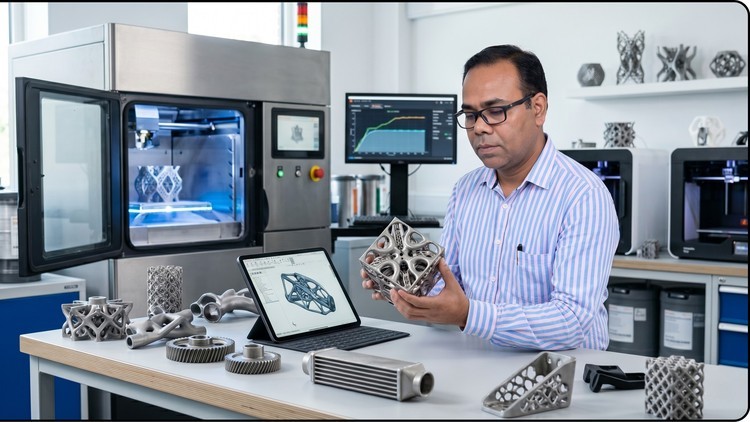


04a4da7c201d614ba735a832df9187b2.jpg


Python Masterclass 2026: Build 24 Real World Python Projects
MP4 | Video: h264, 1920x1080 | Audio: AAC, 44.1 KHz
Language: English | Size: 28.20 GB | Duration: 80h 26m

Learn Python Build 24 real-world Python projects - Django, Flask, Data Analysis, OpenCV, automation and more


What you'll learn
Get Noticed By Top Companies By Building A Portfolio of 24 Real World Python Projects, Qualify for a Python Developer Jobs.
Learn Python & Entire Frameworks Right From the Basics, No Prior Coding Knowledge Required.
Learn How To Build Production Level Full Stack Web Applications With Python & Django
Learn How To Use Python To Automate Social Media Posts Using Selenium
Build Real World GUI Based Desktop, Database Oriented Applications in Python using Tkinter
Learn How To Process Images & Videos Using OpenCV & Python
Build Your Own Web Scraping Automation Tool Using Python
Build Database Oriented Desktop Apps with Python, PostgreSQL & Tkinter.
Learn How to Build Full Stack Web Applications with Python & Flask
Learn The Most Popular Data Analysis Library Pandas & Perform Aata Analysis On A Comlpex Dataset Using Python & Pandas
Learn Object Oriented Programming in Python
Learn How To Perform File Compression & Decompression Using Python
Analyse Supermarket Sales Data Using Exploratory Data Analysis With Python & Pandas
Build a QR Code Generator Using Python To Convert URLs Into QR Codes
Build A Text-To-Speech Converter Using Python
Learn Cryptography By Hashing Passwords in Python
Build A Production Level Full Stack Budget Tracker Web Application with Python & ChartJS
Build A Desktop Based Calculator App Using Python & Tkinter
Build A Video Downloader App with Python
Learn PyQt6 To Build Real World Desktop Applications
Build A Calculator App with PyQt6
Build A Notepad App with PyQt6

Requirements
No coding, or technical knowledge required.
A computer with internet connection.
No paid tools are required as the tools required for this course are free.
Passion and curiosity to learn someting new.

Description
Python Masterclass: Build 24 Real World Python ProjectsThis course is designed for beginners who want to learn Python programming language from scratch.Learn Python right from the basics, understand each and every Python concept in depth and test your knowledge by building a portfolio of production level real world Python projects.The course contains two parts:1. Python Basics (Section 1 to Section 14)2. Python Projects(Section 15 to Section 44 )Here Is What You Get By Enrolling In This Course:Word-By-Word Explanation: In the entire course, I explain each line of code, without skipping a single line of code.High Quality Content: Over 77+ hours HD(1080p) Videos.Well Structured & Easy To Learn: Course has been specially designed to make it easy for the students to learn Python, Django, Data Analysis, PyQt6, Flask, Tkinter, OpenCV, File Compression, Desktop App development with PostgreSQL & Web Scraping.24 X 7 Support: I will always be there to guide you in your journey to become Python expert.Here Is Everything You Will Learn In This Complete Course:In this hands-on course, you will learn Python right starting from scratch to the level where you can build almost anything with it, be it a fully functional database oriented web application or an automation tool.This course will teach you Python right from scratch from a very basic level and will gradually move you towards more advanced topics.We not just cover all the Python basics but also the most popular Python libraries such as Django, Flask, Tkinter & Selenium.The Complete Course is divided into 17 Major sections.Here is a brief description of what you will learn in each section.Section 1: Python basics.This section covers all the basics of Python, starting right from installing the required tools to covering topics like mathematical operators, strings, accepting user input, string operations, variables, conditionals like if, elif, control structures such as while & for loop, functions, modules & packages, lists, file handling, OOP in Python, regular expressions. Almost every basic Python concept is covered in this section.Section 2: Make GUI In Python Using Tkinter.Once done with the basics, we know learn the Tkinter library which allows us to create desktop based applications with Python. We learn how to create GUI apps using Tkinter & Python and also build a fully functional Desktop app i.e a calculator.Section 3: Making Database Oriented Desktop Apps With Python & PostgreSQL.Making a simple desktop app alone isn't sufficient, it needs a backend database to store some data. To do the same we learn how to connect our desktop apps to the backend. In this section we build a student management system software using Python, Tkinter to design the GUI & PostgreSQL database to store the data for our application in the backend.Section 4: File Compression & Encoding In Python.In this section we will learn how to perform file compression in Python to reduce file size. We also learn how to de-compress the compressed data and the methods used for it. We build a GUI based file compression tool using Python & Tkinter and a file compression library.Section 5: Text To Speech Converter Using Python.Text could be converted into speech/audio and that is exactly what is being covered in this specific section where we build a tool that generates audio from a given text. Not just that, we also learn how to convert an entire text file into mp3 which can be used to generate audiobooks from ebooks. We also learn how to convert the user input into speech.Section 6: Building A QR Code Generator With Python & Tkinter.We build a simple tool that can convert any link and convert it into a QR code that can be scanned via any smartphone that has a QR code reader. This tool creates QR code images that can be shared anywhere and the entire tool is built using Python & Tkinter.Section 7: Video Downloader App With Python & Tkinter.In this section we built another tool to build our Python skills. This tool accepts a video URL, asks us to select the path where we want to download the specified video and then downloads that video to the specified path on our operating system. Not just that, this tool will also be able to convert video files into pure mp3 files as well. We build this tool from scratch right from architecting the code to designing the functionality to creating a user interface, all of it done using Python.Section 8: Building A Credit Card Validator In Python Using Lhun's Algorithm.In this section we will learn what is Lhun's algorithm and how it is used to validate credit cards. We learn how Lhun's algorithm can be implemented in Python and used to validate credit card numbers. This section is designed to teach algorithmic thinking and implementation in Python.Section 9: PyQT6In this section we will learn PyQt which is one of the most popular Python libraries to build desktop applications using the QT Framework. We will learn the latest version of PyQt i.e PyQt6 and learn how it is different from Tkinter. We will cover all the essential concepts about building GUIs with PyQt and build a couple of sample applications like a calculator app and a fully functional notepad app. We will also build a fully functional paint application which allows us to draw using a pencil and a marker and also allow us to choose colours to draw, we can also save these drawings as an image file on our computer. In this paint application we learn how to track mouse movements and mouse actions such as clicking and releasing of a button.Section 10: Data Analysis With Python & Pandas.Python is being widely used in the data science domain and hence it is important to learn how to use Python to analyse data. Hence in this section we learn how to use the tools and techniques used to perform data analysis. We start off by learning the Pandas library which is used to perform data analysis and all the basic concepts like DataFrames, Reindexing, Indexing, Broadcasting and also learn how to perform data plotting and visualisation with the Matplotlib library.In this section we also have a data science project which is based on analysing supermarket data to find insightful information which helps take better business decisions. We also learn how to represent data visually using multiple types of charts and bar graphs built using matplotlib.Section 11: Python Web Framework Django.This section will teach you how to build full-stack web applications with Python & Django 3. Django is one of the most popular web frameworks for Python and is used to program the back-end side of out web app. In this section we will learn Django right from basics and will build a simple book store web application. We will learn how to create models, how to route URL requests, how to create different views for our web app, how to integrate HTML templates and a lot more.In this section we also build a fully functional todo list application built using Django. This application performs all the basic CRUD operations which stands for Create, Read, Update & Delete data from the database. While building this application, we ensure that all the important concepts of Django are throughly covered and implemented.Section 12: Python Web Framework Flask.Flask is a micro web framework for Python used to build simpler web apps. If you want to develop some simple and small websites, you can do so using Flask. In this section we cover flask basics suck as Routing, Dynamic URLs, Templates, passing data to the server & site cookies.Section 13: REST APIs Using Python & Django Rest Framework.In this section we learn how to build our own REST APIs using the Django Rest Framework. If you already have a Django web app built, you can create API endpoints for it using the Django Rest Framework. In this section we will build a fully functional REST API with features such as search, filtering & authentication.Section 14: Web Scraping in Python.Python can also be used to crawl websites and gather data from it. In this section we learn the same, we build a web crawler which crawls up any website of our choice and gathers links from it. Web crawlers are used by many search engines to rank websites and in this section we learn how to build a smaller version of it using Python.Section 15: Automation with Python & Selenium.Python is widely used for automation as well, especially for testing. Selenium web driver is one such tool which has been built for automating tests but the same can be used for automating other browser based tasks as well. In this section we learn how to automate tasks using Selenium and will also build a Facebook Bot that automatically posts status for us.Section 16: Best Practices: Writing Clean & Efficient Python Code.To be a good Python engineer/ developer you need to know how to write clean, concise and efficient Python code. In this section we learn some of the best practice that you must follow while writing Python code so.Section 17: Network Programming In Python Using Sockets: Building A Chat Application.Networking is an important concept in IT & Computer Science as it facilitates communication between devices or servers. Keeping this in mind, this section covers the basic networking concepts and we learn how to implement them using Python by building a simple desktop based chat application. In this section we learn what is an IP address, what are ports, sockets and buffers and how they could be used to implement a communication program. We lean how sockets can be used for communication between process on the same and on different devices.Section 18: Image Processing With Python & OpenCV.Python can also be used to process and manipulate images and videos. In this section we learn how to use OpenCV library with Python to manipulate images. We learn some interesting things like capturing webcam video, tracking images from a live video, different image thresholding techniques, image blurring, averaging and Gaussian filtering.So let's begin the journey of becoming an expert in Python.In addition to the Udemy 30-day money back guarantee, you have my personal guarantee that you will love what you learn in this course. If you ever have any questions please feel free to message me directly and I will do my best to get back to you as soon as possible!Make sure to enrol in the course before the price changes.Take yourself one step closer towards becoming a professional Python developer by clicking the "take this course button" now!Join the journey.Sincerely,Ashutosh Pawar

Beginners who want to learn Python.,Beginners who want to learn Django.,Beginners who want to learn Flask.,Web Developers.,Students who wish to learn a new skill to develop their career.,Who want to get a job as a Python developer.


748148667_337_-_generating_cv.jpg


Premium Links


Download from RapidGator


52e6814cd89470edfa08e7b62bfe50d9.jpg


Mastering Generative Vision & Video: From GAN to Flow to DiT
Published 5/2026
MP4 | Video: h264, 1920x1080 | Audio: AAC, 44.1 KHz, 2 Ch Language: English | Duration: 31h 39m | Size: 23.56 GB

VAEs · Diffusion · ControlNet · Flux · Sora-Style Video Generation · Audio-Visual Sync


What you'll learn
Build VAEs, GANs and Vision Transformers from scratch, understanding reparameterisation, minimax training and patch embeddings that underpin Stable Diffusion
Implement DDPM, Latent Diffusion Models and Flow Matching, understanding ODE solvers and time-step formulations used in production systems like SD 3.5 and Flux
Control and accelerate image generation using ControlNet, IP-Adapters, Consistency Models and adversarial distillation techniques like SDXL Turbo & Flux Schnell
Build spatiotemporal video generation systems using Diffusion Transformers, temporal attention and optical flow, with reference to Sora, Veo 2 and Gen-3.

Requirements
Essential Technical Knowledge: Completion of a foundational computer vision course covering CNNs, image classification, and basic deep learning - or equivalent practical experience. This course is explicitly designed as a continuation of the "Mastering Computer Vision: From Pixel to Detection to Gen-CV" course and assumes that level of preparation. Solid Python programming skills including comfort with object-oriented programming, working with libraries, and writing training loops from scratch. Working knowledge of PyTorch or TensorFlow - students should be able to define a model, write a training loop, load data, and run inference without step-by-step guidance. Basic understanding of neural network fundamentals - forward pass, backpropagation, loss functions, gradient descent, and activation functions. Familiarity with Convolutional Neural Networks and how they process image data - feature maps, pooling, and spatial hierarchies.
Recommended but Not Strictly Required: Prior exposure to attention mechanisms and the Transformer architecture is helpful, as Module 0 covers Vision Transformers at an accelerated pace assuming some prior familiarity. Basic understanding of probability and statistics - particularly concepts like distributions, sampling, and KL divergence - will help with the diffusion and VAE modules. Familiarity with Jupyter Notebooks and running experiments on cloud GPU environments (Google Colab, Kaggle, or similar).
Hardware and Software: A computer capable of running Python 3.8 or higher with standard deep learning libraries installed. Access to a GPU environment for running labs - cloud GPU platforms are acceptable and recommended for students without local GPU resources. No specialized hardware is required beyond access to a free-tier cloud GPU for practical lab sessions.
This course is NOT suitable for: Complete beginners to deep learning or Python programming. Students with no prior exposure to convolutional neural networks or image classification. Those looking for a no-code or prompt-engineering course - this is an implementation and architecture-focused engineering course.

Description
Mastering Generative Vision and Video: From GAN to Flow to DiT

The Complete Engineering Guide to Modern Generative AI - Images, Video, and Audio-Visual Synthesis

Generative AI is no longer a research curiosity. It is the engine behind billion-dollar products, production pipelines at studios and startups, and the most sought-after engineering skillset in the AI job market today. Stable Diffusion, Sora, DALL-E, Runway, Midjourney, Kling, and Veo - every one of these systems is built on the architectural foundations this course teaches from first principles to production implementation.

This course picks up exactly where classical computer vision ends. You already understand CNNs, segmentation, and detection. Now it is time to master the generative side - the models that do not just recognize the visual world, but create, transform, and synthesize it.

"Mastering Generative Vision and Video: From GAN to Flow to DiT" is the only course that takes you through the complete evolution of generative architectures in a single, coherent learning journey. You will start with the foundational building blocks - Variational Autoencoders, GANs, and Vision Transformers - and progressively advance through Latent Diffusion Models, Flow Matching, ControlNet, Consistency Models, and finally Diffusion Transformers (DiT), the architecture powering Sora and the next generation of video generation systems.

The curriculum is structured around five modules covering 19 lectures of hands-on, implementation-focused content.

Module 0 ensures every student has the right foundation with VAEs, GANs, and ViT before entering the diffusion world.

Module 1 takes you from DDPM probability theory all the way to Flow Matching and ODE solvers.

Module 2 dives deep into control and acceleration - ControlNet, IP-Adapters, LCM Distillation, SDXL Turbo, and Flux Schnell.

Module 3 introduces spatiotemporal generation for video, covering DiT-based architectures, Sora, Veo 2, temporal attention, optical flow, and frame interpolation.

Module 4 closes the loop with generative audio-visual synchronization - neural audio synthesis with AudioLM and MusicGen, unified AV generation with Veo, lip-sync architectures with Wav2Lip, and latent audio-video alignment metrics.

This is not a course about prompting or using AI tools. This is an engineering course. You will understand the mathematics, implement the architectures, and build systems capable of generating images, videos, and synchronized audio-visual content.

Whether you are an AI engineer wanting to work on foundation model teams, a researcher building the next generation of generative systems, a developer integrating generative capabilities into production pipelines, or a technical entrepreneur building a generative AI product, this course gives you the complete, rigorous, and practical foundation to do it.

The demand for engineers who understand these systems at an architectural level is growing faster than the supply. This course is your path to becoming one of them.

Who this course is for
1. AI engineers and developers who want to move beyond recognition tasks and build generative image, video, and audio-visual systems using diffusion models, flow matching, and transformer architectures.
2. Students who have completed a foundational computer vision course and are ready to advance into generative AI, learning the architectures behind Stable Diffusion, Sora, ControlNet, and Veo.
3. Machine learning researchers and practitioners who want hands-on implementation experience with state-of-the-art generative models including DiT, LCM, SDXL, Flux, and audio-visual synthesis systems.
4. Software developers and technical entrepreneurs building generative AI products who need architectural understanding beyond prompt engineering to integrate and customize foundation models.
5. Data scientists and deep learning engineers looking to specialize in generative vision and video, one of the fastest growing and highest paying areas in the current AI job market.


Homepage

748519274_214_-_code_eg_diffusion_transformers_dit_3d_spacetime_patches.jpg


Premium Links


Download from RapidGator


17f07ffd61295e4159f2b7f68b22b96f.jpg


BGP -Boarder Gateway Protocol- Basic to Advance hands-on LAB
Published 5/2026
MP4 | Video: h264, 1920x1080 | Audio: AAC, 44.1 KHz, 2 Ch Language: English | Duration: 26h 38m | Size: 24.5 GB

BGP - Basic to Advance All scenario On Cisco IOS-XR platform - CCIE


What you'll learn
BGP Basic to Advance Concepts - CCIE level
BGP Basic to Advance scenarios base LAB - enterprise network & Service provider LAB
BGP All attribute - LP, weight, MED, ORIGIN , AS_PATH, NEXT_HOP, COMMUNITY, aggregator, route reflector, cluster list
BGP Internet Service Provider Architecture
BGP Implementation on Cisco IOS-XR Platform
BGP best path selection explanation - LAB approach

Requirements
Candidate must know about basics of Routing
CCNA knowledge preferable

Description
This course covers basic to advanced concepts of Dynamic Routing Protocols with a strong focus on BGP (Border Gateway Protocol) in Enterprise, Data Center, and Service Provider network environments. The training is designed with a practical and implementation-oriented approach, including multiple real-time scenario-based lab exercises performed on the Cisco IOS-XR platform.

The course includes detailed coverage of advanced BGP technologies and operational concepts such as

- BGP Neighbor Formation and TCP Session Establishment

- iBGP and eBGP Architecture

- BGP Path Selection Algorithm and Best Path Manipulation

- Route Reflector and Confederation Design

- Next-Hop Self and Update Source Configuration

- BGP Attributes (Weight, Local Preference, MED, AS-Path, Origin, Community)

- Route Aggregation and Summarization

- Prefix Filtering using Prefix-List, AS-Path ACL, and Route-Maps

- BGP Community and Extended Community Implementation

- Redistribution between BGP and IGP Protocols

- BGP Load Balancing and ECMP

- High Availability and Redundancy Design

- IPv4 and IPv6 BGP Deployment

- Route Policy Language (RPL) in IOS-XR

- BGP Convergence and Optimization Techniques

- Real-Time BGP Troubleshooting and Debugging

- Service Provider WAN Routing Scenarios

- End-to-End Lab-Based Network Implementation

All practical demonstrations and labs have been executed on Cisco IOS-XR routers to provide exposure to carrier-grade networking environments and real-world operational scenarios.

After completing this course, participants will gain strong hands-on expertise in designing, implementing, optimizing, and troubleshooting large-scale BGP infrastructures. Learners will be able to confidently work on Enterprise WAN, ISP Backbone, MPLS, and Data Center routing environments with a deep understanding of routing policies, path manipulation, failover mechanisms, and routing scalability.

This course will significantly help Network Engineers, NOC Engineers, Network Security Engineers, and Service Provider Professionals strengthen their routing expertise and prepare for advanced technical roles, production support environments, customer migrations, network transformation projects, and industry certifications such as CCNP Service Provider, CCIE Enterprise Infrastructure, and CCIE Service Provider.

Who this course is for
Network engineer
SDWAN engineer
Beginner CCNA Certified
who is preparing for CCIE


Homepage

748965174_4_-_bgp_attribute_lab_-_origin_local-preference_as-path_prepend_bgp_community.jpg


Premium Links


Download from RapidGator


Zurück
Oben Unten