• Regeln für den Video-Bereich:

    In den Börsenbereich gehören nur Angebote die bereits den Allgemeinen Regeln entsprechen.

    Einteilung

    - Folgende Formate gehören in die angegeben Bereiche:
    - Filme: Encodierte Filme von BluRay, DVD, R5, TV, Screener sowie Telesyncs im Format DivX, XviD und x264.
    - DVD: Filme im Format DVD5, DVD9 und HD2DVD.
    - HD: Encodierte Filme mit der Auflösung 720p oder darüber von BluRay, DVD, R5, TV, Screener sowie Telesyncs im Format x264.
    - 3D: Encodierte Filme von BluRay, die in einem 3D Format vorliegen. Dies gilt auch für Dokus, Animation usw.
    - Serien: Cartoon/Zeichentrick, Anime, Tutorials, Dokumentationen, Konzerte/Musik, Sonstiges sind demnach in die entsprechenden Bereiche einzuordnen, auch wenn sie beispielsweise im High Definition-Format oder als DVD5/DVD9/HD2DVD vorliegen. Ausnahme 3D.
    - Bereich Englisch: Englische Releases gehören immer in diesen Bereich.
    - Bereich Talk: Der Bereich, in dem über die Releases diskutiert werden kann, darf, soll und erwünscht ist.


    Angebot/Beitrag erstellen

    - Ein Beitrag darf erst dann erstellt werden, wenn der Upload bei mindestens einem OCH komplett ist. Platzhalter sind untersagt.
    - Bei einem Scenerelease hat der Threadtitel ausschließlich aus dem originalen, unveränderten Releasenamen zu bestehen. Es dürfen keine Veränderungen wie z.B. Sterne, kleine Buchstaben o.ä. vorgenommen werden. Ausnahme Serienbörse:
    - Bei einem Sammelthread für eine Staffel entfällt aus dem Releasename natürlich der Name der Folge. Beispiel: Die Simpsons S21 German DVDRip XviD - ITG
    - Dementsprechend sind also u.a. verboten: Erweiterungen wie "Tipp", "empfehlenswert", "only", "reup", usw. / jegliche andere Zusatzinformation oder Ergänzung, welche nicht in obiger Beschreibung zu finden ist.

    Aufbau des Angebots und Threadtitel

    Der Titel nach folgendem Muster erstellt zu werden. <Name> [3D] [Staffel] [German] <Jahr> <Tonspur> [DL] [Auflösung] <Quelle> <Codec> - <Group>
    Beispiel: The Dark Knight German 2008 AC3 DVDRip XviD - iND
    Beispiel: The Dark Knight 2008 DTS DL BDRip x264 - iND
    Beispiel: The Dark Knight 2008 AC3 DL BDRip XviD - iND
    Beispiel: The Dark Knight German 2008 AC3 720p BluRay x264 iND
    Beispiel: The Dark Knight 2008 DTS DL 1080p BluRay x264 iND
    Beispiel: Die Simpsons S01 German AC3 DVDRip XviD iND
    Beispiel: Die Simpsons S20 German AC3 720p BluRay x264 iND
    Beispiel: Sword Art Online II Ger Sub 2014 AAC 1080p WEBRip x264 - peppermint
    Entsprechend sind also u.a. verboten: Sonderzeichen wie Klammern, Sterne, Ausrufezeichen, Unterstriche, Anführungszeichen / Erweiterungen wie "Tipp", "empfehlenswert", "only", "reup", usw. / jegliche andere Zusatzinformation oder Ergänzung, welche nicht in obiger Beschreibung zu finden ist
    Ausnahmen hiervon können in den Bereichen geregelt sein.

    Die Beiträge sollen wie folgt aufgebaut werden:
    Überschrift entspricht dem Threadtitel
    Cover
    kurze Inhaltsbeschreibung
    Format, Größe, Dauer sind gut lesbar für Downloader außerhalb des Spoilers zu vermerken
    Nfo sind immer Anzugeben und selbige immer im Spoiler in Textform.
    Sind keine Nfo vorhanden z.B. Eigenpublikationen, sind im Spoiler folgende Dateiinformationen zusätzlich anzugeben :
    Quelle
    Video (Auflösung und Bitrate)
    Ton (Sprache, Format und Bitrate der einzelnen Spuren)
    Untertitel (sofern vorhanden)
    Hosterangabe in Textform außerhalb eines Spoiler mit allen enthaltenen Hostern.
    Bei SD kann auf diese zusätzlichen Dateiinformationen verzichtet werden.

    Alle benötigten Passwörter sind, sofern vorhanden, in Textform im Angebot anzugeben.
    Spoiler im Spoiler mit Kommentaren :"Schon Bedankt?" sind unerwünscht.


    Releases

    - Sind Retail-Release verfügbar, sind alle anderen Variationen untersagt. Ausnahmen: Alle deutschen Retail-Release sind CUT, in diesem Fall sind dubbed UNCUT-Release zulässig.
    - Im Serien-Bereich gilt speziell: Wenn ein Retail vor Abschluss einer laufenden Staffel erscheint, darf diese Staffel noch zu Ende gebracht werden.62
    - Gleiche Releases sind unbedingt zusammenzufassen. Das bedeutet, es ist zwingend erforderlich, vor dem Erstellen eines Themas per Suchfunktion zu überprüfen, ob bereits ein Beitrag mit demselben Release besteht. Ist dies der Fall, ist der bereits vorhandene Beitrag zu verwenden.
    - P2P und Scene Releases dürfen nicht verändert oder gar unter einem iND Tag eingestellt werden.


    Support, Diskussionen und Suche

    - Supportanfragen sind entweder per PN oder im Bereich Talk zu stellen.
    - Diskussionen und Bewertungen sind im Talk Bereich zu führen. Fragen an die Uploader haben ausschließlich via PN zu erfolgen, und sind in den Angeboten untersagt.
    - Anfragen zu Upload-Wünschen sind nur im Bereich Suche Video erlaubt. Antworten dürfen nur auf Angebote von MyBoerse.bz verlinkt werden.


    Verbote

    - Untersagt sind mehrere Formate in einem einzigen Angebotsthread, wie beispielsweise das gleichzeitige Anbieten von DivX/XviD, 720p und 1080p in einem Thread. Pro Format, Release und Auflösung ist ein eigener Thread zu eröffnen.
    - Grundsätzlich ebenso verboten sind Dupes. Uploader haben sich an geeigneter Stelle darüber zu informieren, ob es sich bei einem Release um ein Dupe handelt.
    - Gefakte, nur teilweise lauffähige oder unvollständige Angebote sind untersagt. Dies gilt auch für eigene Publikationen, die augenscheinlich nicht selbst von z.B. einer DVD gerippt wurden. Laufende Serien, bei denen noch nicht alle Folgen verfügbar sind, dürfen erstellt und regelmäßig geupdatet werden.
    - Untersagt sind Angebote, welche nur und ausschließlich in einer anderen Sprache als deutsch oder englisch vorliegen. Ausnahmen sind VORHER mit den Moderatoren zu klären.


    Verstoß gegen die Regeln

    - Angebote oder Beiträge, die gegen die Forenregeln verstoßen, sind über den "Melden"-Button im Beitrag zu melden.
  • Bitte registriere dich zunächst um Beiträge zu verfassen und externe Links aufzurufen.

*** Bestes IPTV *** bester Preis *** gratis Test ***


Englische Tutorials

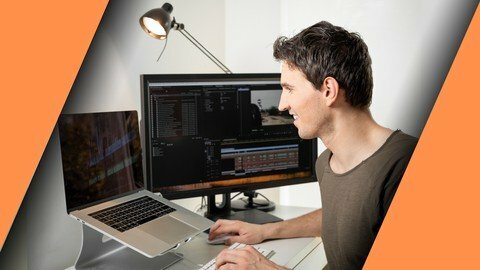
Adobe Premiere Pro Course For Beginners: Video Editing 2022
c45otye2gca72l8y5kojdjgfwf.jpg


Adobe Premiere Pro Course For Beginners: Video Editing 2022
Last updated 2/2022
MP4 | Video: h264, 1280x720 | Audio: AAC, 44.1 KHz
Language: English | Size: 8.44 GB | Duration: 7h 33m

The Latest Adobe Premiere Pro Course for Beginners in 2021/2022: Easy to Follow Video Editing Tutorials for Premiere Pro


What you'll learn
Watch this video to discover how you can easily Master Video Editing using Adobe Premiere Pro!
By the end of this course you will be fully confident to take raw filming files, graphics, voiceover and music tracks & transform them into a professional video
You will also receive 'Done-For-You' downloadable video clips, voiceovers and graphics to create the EXACT same training projects I use in the course.
This course will take you from total beginner to quickly edit astonishing videos that you'd be proud of with this world-class industry standard software!
You'll discover how by using shortcuts and being organised in your work, you'll be a fast video editor without cutting any corners of quality or creativity.
You'll be future-proofing your skills learning Adobe Premiere Pro, considered as the industry's leading video editing software in the 21st Century.

Requirements
You should be excited to be learning video editing with Adobe Premiere Pro and understanding how it will boost your career prospects and potential income!
You need to have a willingness to learn, and a computer, either Mac or PC compatible with running Adobe Premiere Pro software, and either a free 7 day trial of Premiere Pro or a paid version of the latest version downloaded from the Adobe Creative Cloud.
No prior video editing experience is required, as this course is geared for absolute beginners, but also students with some editing experience can benefit greatly; the opt-out points are well signposted. At the end of the course, you'll be editing like a pro - ON Premiere Pro!

Description
Are you struggling to get professional results in your video editing with your existing software program and wished you could learn the world's top-end editing program, Adobe Premiere Pro?If you want to create attention grabbing videos using Premiere Pro and thought it was too complicated to learn, think again! If you've ever dreamt of being a Premiere Pro expert, here's your opportunity with our new Udemy course taking you from total beginner to confident expert! You'll be able to create captivating professional videos whether you're a broadcast producer, a YouTuber or an independent film-maker. This course isn't just one of those software training courses with merely lists of things to click; you'll understand why things are done that way in an easy to understand order and we even include filming tips so you'll get the best material to edit from!The multi module course is aimed at people who want to impress viewers with professional editing techniques to attract customers, impress viewers, increase sales conversion rates and win film festival awards!The course includes every aspect of learning the program including importing assets and setting up the timeline quickly, adding appropriate cutaway shots, correcting colour and audio, stabilizing shots and music mixing, and we also feature green screen editing and include downloadable files for you to complete the exact same projects on your computer as our trainer, step by step.By the End of This Course, You Will:Be fully confident to take raw filming files, graphics, voiceover and music tracks and transform them, into a polished professional video, fully colour graded and audio mixed, in record time.Spend less time struggling with inferior video editing programs, and enjoy working with the industry standard package, Adobe Premiere Pro, knowing you're saving money and hassle hiring freelance video editors who never quite edit things the way you'd like!Have a robust, step-by-step system for video creation under your belt for all types of projects from sales promos, short films, music videos, corporate films and much, much more!Bonuses Include:Downloadable files of video clips, voiceover and graphics for you to create the exact same training projects as in the course.Downloadable pdf resource with transcripts of the videos and illustrated reminders of the main points of the course.Downloadable mp3 audio files for you to listen to on the go, especially re-versioned for audio.A mid-course Knowledge Quiz to test out your progress.If you ever have Questions.I'll be here for you every step of the way. If you have any questions about the course content or anything related to this topic, you can always post a question in the course or send me a direct message.You can contact me 24 hours a day, 7 days a week, all year round, even during public holidays and I will get back to you quickly as soon as I can to help you with what you need.Unconditional 100% Money Back Guarantee on this course!So, are you ready to get started using Adobe Premiere Pro quicker and easier than you ever thought possible?Then start this course now and I'll see you on the inside...
Overview
Section 1: Introduction
Lecture 1 Introduction to Adobe Premiere Pro for Beginners Video Editing Course
Lecture 2 The Udemy Student Support Center
Lecture 3 DOWNLOADABLE RESOURCES
Lecture 4 Filming Basics - The Language of the Moving Picture...
Section 2: Welcome to Premiere Pro!
Lecture 5 Welcome to Premiere Pro: Overview and Navigation
Section 3: Premiere Pro Training Video Project #1
Lecture 6 Car Project Part 1 - Importing Assets
Lecture 7 CAR PROJECT DOWNLOADABLE RESOURCES
Lecture 8 Car Project Part 2 - Selecting Voiceover and Dragging to Timeline Sequence
Lecture 9 Car Project Part 3 - Selecting the First Interview Sound Bite
Lecture 10 Car Project Part 4 - Sorting Out Audio Issues and Laying Further Assets Down
Lecture 11 Car Project Part 5 - Completing the "sync" Laydown and Closing the Gaps
Lecture 12 Car Project Part 6 - the Correct Order of Tasks, and Timeline Tidy Up
Lecture 13 Car Project Part 7 - Adding Cutaways
Lecture 14 Car Project Part 8 - Playback & Check
Lecture 15 Car Project Part 9 - Video Transitions
Lecture 16 Car Project Part 10 - Choosing & Adding Music
Lecture 17 Car Project Part 11 - Exporting the Video
Lecture 18 Summary of the Basics and a Knowledge Quiz
Lecture 19 Looping Background Graphics & Track Selection
Section 4: Premiere Pro Training Video Project #2
Lecture 20 Hovercraft Project 1
Lecture 21 HOVERCRAFT PROJECT DOWNLOADABLE RESOURCES
Lecture 22 Hovercraft Project Part 2
Lecture 23 Hovercraft Project 3
Lecture 24 Hovercraft Project 4
Section 5: More Advanced Video Editing in Adobe Premiere Pro
Lecture 25 Chromakey "Green Screen" Editing
Lecture 26 CHROMAKEY PROJECT DOWNLOADABLE RESOURCES
Lecture 27 Advanced Importing & Browsing
Lecture 28 Editing Multiple Cameras in Sync
Lecture 29 Recording Voiceovers
Lecture 30 The Short Cut Keys
Lecture 31 Troubleshooting
Lecture 32 Understanding Key Frames - Animating a Logo
Lecture 33 Linking and Unlinking
Lecture 34 Tracking Visual Effects
Lecture 35 Replace Footage, Master Clip Effects and Using Premiere Pro Templates
Lecture 36 Audio Levels and Mixing
Lecture 37 Lumetri Colour Correction
Lecture 38 HSL Secondary Colour Adjustment
Lecture 39 Adjustment Layers and LUTS
Lecture 40 Preferences Selections
Lecture 41 Project Management
Lecture 42 Exports for Social Media
Section 6: Graphics in Adobe Premiere Pro
Lecture 43 Graphics 1 - Titles and Lower Thirds
Lecture 44 Graphics 2 - Captions and Subtitles
Lecture 45 Graphics 3 - Crawler and Roller Credits
Whether you're new to video editing or already a pro who wants to improve your skills, save money and be more creative...this course is for YOU!,This is PERFECT for you if you're a YouTuber or Vlogger and you want to make your videos stand out from the crowd and dominate your competition!,It's a great course for any budding new video editors who are seeking jobs at TV stations or production companies and need to hit the ground running. Completion of this course would give you a Udemy completion certificate to show your future employer.,Video editors struggling with trying to get professional results with other software products and desperate to up their skills with the industry standard, Adobe Premiere Pro.


adobepremiereprocoursrwcta.jpg


Download from RapidGator


Download from DDownload


Archive Password: "Name of the Old Continent" [First Letter Capital]

 
History Of World Art: Prehistoric To Present

6ign99xdhnaso2cbntd9eltebx.jpg


History Of World Art: Prehistoric To Present
Published 8/2022
MP4 | Video: h264, 1280x720 | Audio: AAC, 44.1 KHz
Language: English | Size: 10.45 GB | Duration: 11h 39m

Welcome, I'm glad you're here!


What you'll learn
Students will evaluate art objects and monuments as a reflection of the dynamic and complex nature of human activity: social, political, religious, economic
Students will apply critical thinking strategies in order to analyze multiple interpretations of historical objects
Students will analyze global art objects and monuments as a reflection of social improvement and challenges, their histories and influences
Students will analyze significant global art objects and monuments from prehistory to present, as well as key concepts and issues currently debated
Upon the successful completion of this course, students will be prepared for a university-level course of study in the field of art history
Upon the successful completion of this course, students will be prepared for a career as a museum docent or informal art history lecturer
Upon the successful completion of this course, students will have gained a strong understanding of art history, symbolic language and visual literacy

Requirements
This course has no prerequisites

Description
This course is a comprehensive introduction to the history of world art from 3,000,000 BC to the present. The larger goal of this course is to provide the learner with visual literacy across cultural divides. The more specific goals of this course are for learners to, first, develop a critical understanding of art historical terms, methodologies, art objects and mediated environment meanings, within specific global, cultural, political, economic and religious contexts; and second, to apply this information to their own cultural experience. Upon the successful completion of this course, learners will be able to analyze these artworks and related cultural relationships across place and time. Human and cultural diversity, therefore, will serve as a pedagogical framework for our evaluation of global art and its paired social systems. Honing these intellectual, social and practical skills, learners will build on earlier understandings of visual culture and its role in society-that is, their interactions with images in social media and popular films in order to evaluate the significance of visual media as a reflection of cultural diversity--throughout history and today. This course is helpful for those studying for the AP Art History exam, for learners prepping for high school or university art history, adult learners interested in art history and world cultures, and educators looking for a refresher course. Welcome! I'm glad you're here.
Overview
Section 1: MODULE 0
Lecture 1 Course Overview + Introduction
Section 2: MODULE 1
Lecture 2 Prehistoric Art 3,000,000 to 3000 BC
Section 3: MODULE 2 part One
Lecture 3 Neolithic + Bronze Age Art 3000 to 1000 BC part One
Section 4: MODULE 2 part Two
Lecture 4 Neolithic + Bronze Age Art 3000 to 1000 BC part Two
Section 5: MODULE 3 part One
Lecture 5 The Ancient World 1000 to AD 300 part One
Section 6: MODULE 3 part Two
Lecture 6 The Ancient World 1000 to AD 300 part Two
Section 7: MODULE 4 part One
Lecture 7 Art + World Religions AD 300 to 1000 part One
Section 8: MODULE 4 part Two
Lecture 8 Art + World Religions AD 300 to 1000 part Two
Section 9: MODULE 5 part One
Lecture 9 Cultural Identity, Cultural Exchange--East + West part One
Section 10: MODULE 5 part Two
Lecture 10 Cultural Identity, Cultural Exchange--East + West part Two
Section 11: MODULE 6 part One
Lecture 11 Art when Wor(l)ds Collide 1400 to 1560 part One
Section 12: MODULE 6 part Two
Lecture 12 Art when Wor(l)ds Collide 1400 to 1560 part Two
Section 13: MODULE 7 part One
Lecture 13 Art of Absolutism 1560 to 1700 part One
Section 14: MODULE 7 part Two
Lecture 14 Art of Absolutism 1560 to 1700 part Two
Section 15: MODULE 8
Lecture 15 The Period of Enlightenment + Desired Objects 1700 to 1800
Section 16: MODULE 9
Lecture 16 Industrial Age Art + Culture 1800 to 1900
Section 17: MODULE 10
Lecture 17 The Art + Culture of World War
Section 18: MODULE 11
Lecture 18 Art + Culture in the 'Post' Imperial Age 1945 to 2000
Section 19: MODULE 12
Lecture 19 Art of Today--Our Global Village
This course is appropriate for beginning and more advanced students of art history/history/social studies, as well as those professionals requiring a refresher course in art/history/art history/humanities,This course is appropriate for those who wish to learn about art as a means of continuing education,This course is appropriate for those who understand western art history, but have never explored global (non-western) art,This course is appropriate for those who want to understand/appreciate modern and contemporary art,This course is appropriate for those studying for the AP Art History exam,This course is appropriate for educators needing an art history global survey resource,This course is appropriate for educators studying for certification in visual arts


historyofworldartpreht2cvr.jpg


Download from RapidGator


Download from DDownload


Archive Password: "Name of the Old Continent" [First Letter Capital]

 
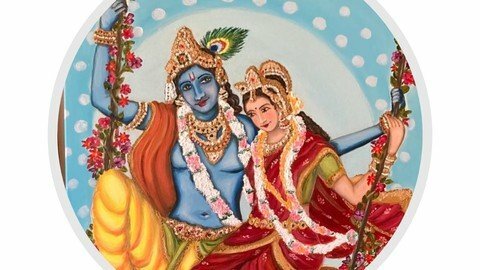
Learn Radha Krishna Painting With Oil Colors - Professional

qyxlr68epbxcp8y0i7scgqkfvf.jpg


Learn Radha Krishna Painting With Oil Colors - Professional
Published 8/2022
MP4 | Video: h264, 1280x720 | Audio: AAC, 44.1 KHz
Language: English | Size: 35.41 GB | Duration: 27h 41m

Basics to advanced level understanding on creating a realistic oil painting shared with you by an art lover


What you'll learn
Get to know the tips and tricks as to how to make a professional quality painting
Learn how to make an oil painting of Radha Krishna step-by-step including all nuances
Build that structure that you need to move from basic to intermediate to advanced level artist
Learn more about the materials used and various alternatives, so you can choose the appropriate work tools
Learn how to turn around a professional level artwork in 30 hours

Requirements
Basic understanding of oil painting is preferred. However, it isn't a show stopper, if you are curious to learn and explore new avenues
Basic drawing experience will be helpful. Though there's a dedicated class on gridding technique and how to draw using grids, a basic understanding of drawing will be an added advantage

Description
This is an advanced level tutorial on oil painting on a large canvas. Watch, and paint along with me :) Learn how to make an oil painting of Radha Krishna step-by-step. Get to know the tips and tricks as to how to make a professional quality painting.This step-by-step guide comprises of 30 videos from real-time recording and covers all the details as to the materials used, and how they were used. All the techniques and challenges. You get to start from the basics of understanding how to select the right canvas for you, and move on to identifying appropriate references, planning and plotting the super structures on a large canvas using the gridding technique and start from the very basic level of filling the canvas with paint to moving gradually into turning those color blocks into a realistic artwork that is ready for sale!Materials Required: 1. Professional oil colors 37 ml 1 pack (Also see "Colors & Brands used in the video") 2. Cold pressed raw linseed oil used for oil painting - 1 bottle 3. Hog hairbrushes - 1 set 4. soft synthetic brushes for Oil /Acrylic - 1 set (Also see "Brushes used in the video") 5. wooden /metal /glass palette or plate - 1 (Avoid plastic palette) 6. small metal lid or candle stand to pour oil - 1 7. 1 small bottle of dishwashing liquid for cleaning brushes 8. 1 cleaning cloth 9. 1 Paper towel 10. glass medium-sized jar (any used jar f.eks. marmalade jar) 11. 80 x 60 cm canvas 12. Magnifying Glass - 1 Colors & Brands Used in the Video: 1. Titanium White - Winsor & Newton brand 2. Burnt Umber - Winsor & Newton brand 3. Yellow Ochre - Winsor & Newton brand 4. Sky Blue/Primary - Maimeri Classico Brand 5. Ultramarine Blue - Maimeri Classico Brand 6. Mars Red - Maimeri Classico Brand 7. Olive Green _ Van Gogh Brand 8. Earth Green - Maimeri Classico Brand 9. Permanent Yellow Light - Maimeri Classico Brand 10. Ivory Black - Maimeri Classico Brand 11. Crimson - Maimeri Classico Brand 12. Yellow Ochre Light - Maimeri Classico Brand 13. Vermillion Light _ Maimeri Classico Brand 14. Prussian Blue - Maimeri Classico Brand 15. Permanent Violet - Maimeri Classico Brand 16. Cadmium Orange - Maimeri Classico Brand 17. Light Gold - Rembrandt Brand Brushes Used in the Video: 1. Hog hairbrush - Round (Large) size 12 for the first Layer or washing the canvas 2. Soft synthetic brush - Round - size 0 3. Soft synthetic brush - Round - size 1 4. Soft synthetic brush - Round - size 2 5. Soft synthetic brush - Round - size 3 6. Soft synthetic brush - Round - size 4 7. Soft synthetic brush - Round - size 6 8. Soft synthetic brush - Round - size 10 9. Soft synthetic brush - Round - size 12 10. Soft synthetic brush - Round - size 14 11. Soft synthetic brush - Round - size 18 12. Soft synthetic brush - Flat - size 2 13. Soft synthetic brush - Flat - size 4 14. Soft synthetic brush - Flat - size 5 15. Soft synthetic brush - Angular - size 18 16. Microbrush - size 0/12 Princeton Round velvet touch
Overview
Section 1: The Basic Groundwork
Lecture 1 All about canvas
Lecture 2 The first coating
Lecture 3 Grid
Lecture 4 Sketch on Grid
Lecture 5 Continuing Sketching
Lecture 6 Completion of Sketching
Section 2: Layer 2 - Blocking Or Filling Layer
Lecture 7 Starting with the second layer
Lecture 8 Continuation of second layer
Lecture 9 Continuation of second layer painting
Lecture 10 Finalizing the second layer
Section 3: Layer 3 - Creating The Depth
Lecture 11 Krishna's skin tone
Lecture 12 Radha's skin tone and clothing
Lecture 13 Krishna's clothing and jewellery
Lecture 14 The swing and the halo
Lecture 15 Corrections to Layer 3 and the background
Section 4: Layer 4 - Enhancing The Depth And The Dimensions
Lecture 16 Re-working on Krishna's face details
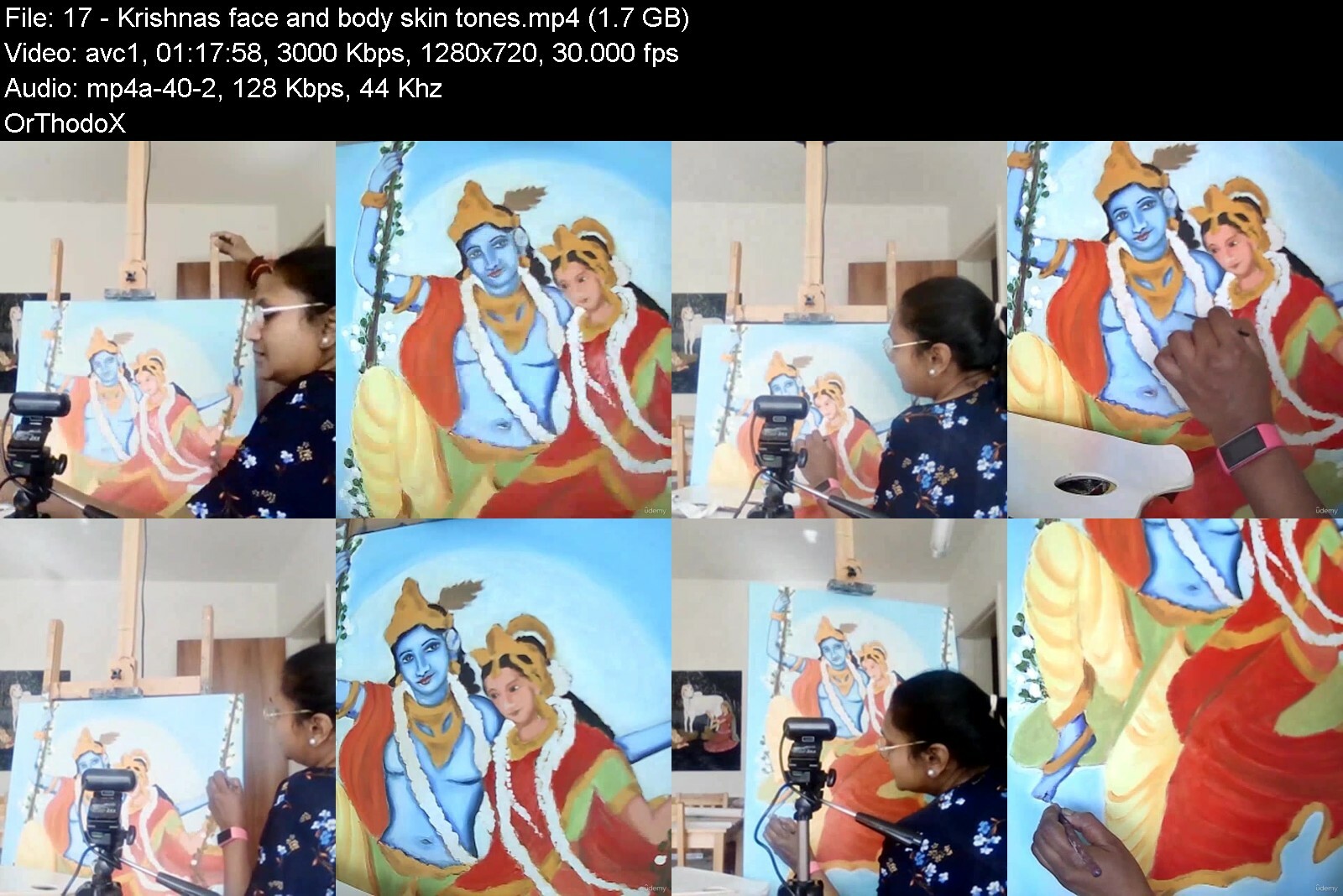
Lecture 17 Krishna's face and body skin tones
Lecture 18 Radha's face details and skin tones
Lecture 19 Radha's clothing details
Lecture 20 Krishna's clothing and swing details
Lecture 21 Jewellery and gold work on clothing details
Lecture 22 Flowers, garlands, and finalizing layer 4
Section 5: Layer 5 - Nuances And Finalizing The Painting
Lecture 23 Krishna's face and body nuances
Lecture 24 Radha's face and body nuances, Krishna's clothing
Lecture 25 Radha's clothing nuances
Lecture 26 The swing nuances and starting with gold work
Lecture 27 Working on the jewellery
Lecture 28 Continuing with the jewellery nuances
Lecture 29 Garland and the flower nuances
Lecture 30 Finalizing the background and signing off the painting
creative people, oil painting artists, anyone interested in pursuing creativity for relaxation or as a business opportunity,anyone that has worked on small canvases and is curious to move into large canvas, curious to learn how to scale up while keeping the balance on creativity


learnradhakrishnapainfnfnp.jpg


Download from RapidGator


Download from DDownload


Archive Password: "Name of the Old Continent" [First Letter Capital]

 
Python & Django | The Complete Django Web Development Course

ktmjgkleqtxks4t65hwpmopfga.jpg


Python & Django | The Complete Django Web Development Course
Published 08/2022
Genre: eLearning | MP4 | Video: h264, 1280x720 | Audio: AAC, 44.1 KHz
Language: English | Size: 8.18 GB | Duration: 103 lectures • 17h 9m


What you'll learn
Create Fully Functional Websites Using Django 4
Learn Full Stack Web Development
Fundamentals of HTML, CSS, and Javascript
Python Programming
Core Concepts Of Web Development
Good Programming Practices & Paradigms

Requirements
Basic Python and web development knowledge (HTML/ CSS) is required
No prior knowledge of Django or Python is needed! I'll teach you everything!

Description
Welcome to The Complete Django Web Development Course. The most comprehensive Django course available online. Covering all the fundamental concepts regarding Django development, using the latest Django 4.0 version.
I've built this course over months, perfecting the curriculum to ensure that you come out of this course as a fully-fledged Django developer. I'll take you from scratch and make you into a skilled Django developer with a strong knowledge of building full-stack web applications.
This course will teach Django & Python from scratch, NO prior knowledge of either of the two is required! And you certainly don't need any advanced web development experience. As long as you understand the fundamental concepts of HTML, CSS, and Javascript this course will teach you everything else.
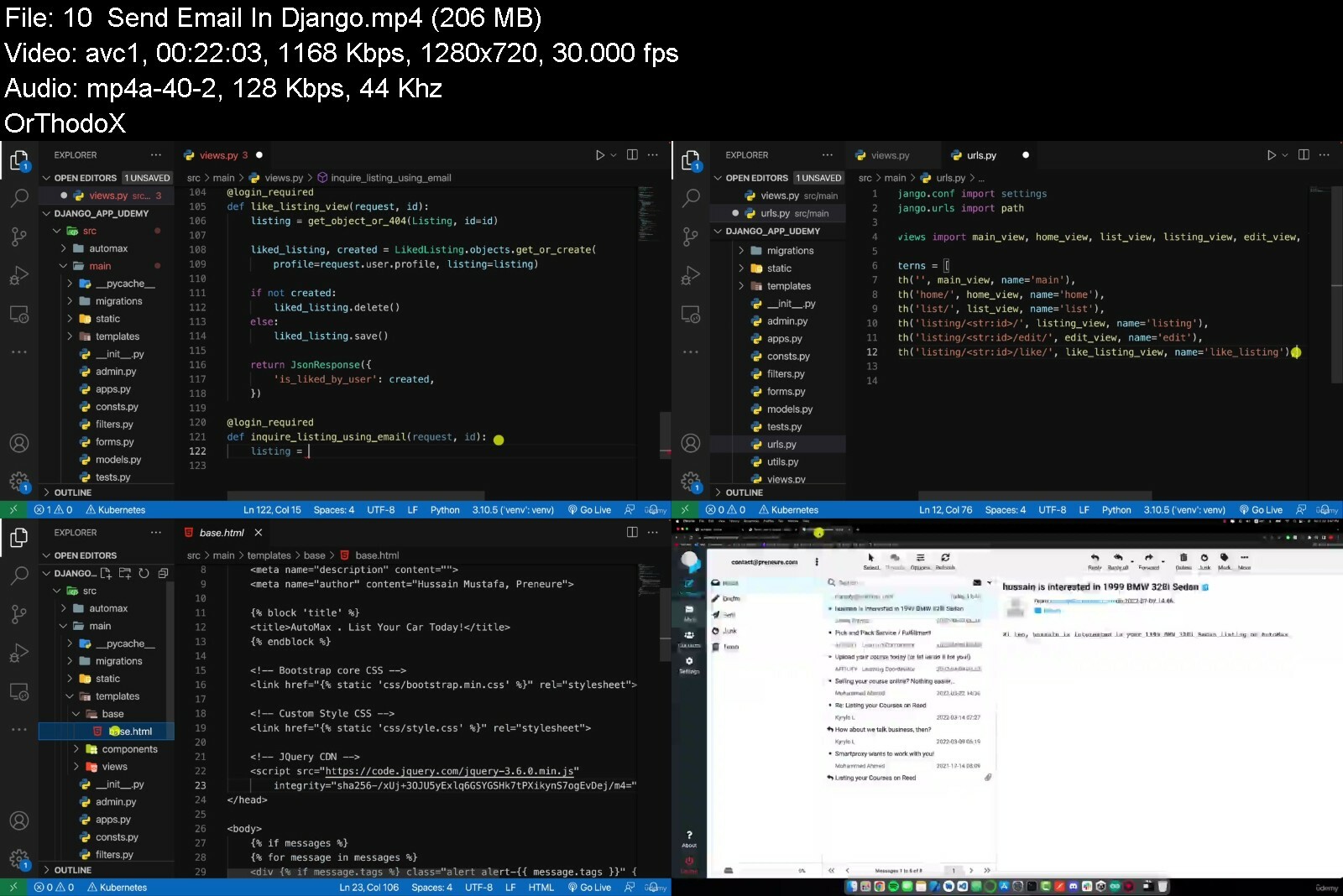
You'll learn Django not only in theory but we'll build a complex, real-world, feature-rich web application throughout this course. The project known as AutoMax will include all features of a modern web application.
WHAT DOES THIS COURSE FEATURE?
I'll take you step-by-step through engaging and fun video tutorials and teach you everything you need to know to succeed as a Django developer.
The course includes 17+ hours of HD video tutorials and builds your programming knowledge while making a real world web application.
By the end of this course, you will be fluent in Python programming and be ready to build your own Django apps and become a full stack Django developer.
You'll also have a feature-rich application built by the end of this course that you can show off to any potential employer.
By the end of this course, you'll have mastered the skills of developing high-performance, feature-rich, and engaging web apps using Django.
WHAT TOPICS WILL BE COVERED?
I know that you're here because you value your time. If you wanted to watch someone program for hours and hours without explaining what they're doing, you'd be on YouTube.
By getting this course, you can be rest assured that the course is carefully thought out and edited. There are beautiful animations that explain all the difficult concepts and I'm always on hand to answer student questions.
Fundamental Django Concepts
Models
Views
ORM
Middleware
Signals
Mail System
Cookies
Storage
Forms
Static Assets
Templates
Security
Sessions
and much more.
Fundamental Python Concepts
Variables
Conditional Statements
Control Flow
Tuples
Lists
Dictionaries
Functions
Classes
Error Handling
and much more.
Detailed Setup Instructions: For both MacOS and Windows.
Object-Oriented Programming
Software Design: How to organize and format code for readability and how to implement the Model *View* Controller (MVC) design pattern.
Debugging & Testing
Deployment To Production
WHAT ELSE DOES THIS COURSE OFFER?
- Deep, Fine-Grained Learning - This course is jam-packed with information. I made the course that I most wanted to take and as a result, I didn't skimp on the details. You're going to cover more topics and material in greater depth than ever before.
- 100% Real-World Practice - My goal is to get you writing code as much as possible. And not just any code-we'll be working exclusively on practical tasks that are instrumental in building your own amazing real-world apps.
- No-Nonsense, Spot-On Explanations - Every lesson is to the point. I break down what we're making, how we'll be doing it, and what the final product will look like, all on top of helpful and illustrative descriptions to aid your understanding along the way.
I really enjoyed making this course and I think you'll enjoy taking it just as much.
Looking forward to seeing you taking this course!
Who this course is for
Python developers who want to take the next step and dive into web development with Python
JavaScript developers who want to explore Python for web development
Everyone interested in learning how to build websites with Python


pythondjangothecompler8dqs.jpg


Download from RapidGator


Download from DDownload


Archive Password: "Name of the Old Continent" [First Letter Capital]
 
Profit And Loss: Master Mathematics & Quantitative Aptitude

px7a6o3xxgozjvs8obuolgfivv.jpg


Profit And Loss: Master Mathematics & Quantitative Aptitude
Published 8/2022
MP4 | Video: h264, 1280x720 | Audio: AAC, 44.1 KHz
Language: English | Size: 6.67 GB | Duration: 5h 8m

Profit and Loss Masterclass for MBA Admission Entrance CAT, MAT, XAT, GMAT, UPSC and Other Competitive Exams


What you'll learn
Fundamentals of Profit and Loss
How to Solve MCQ and Numerical Questions on Profit and Loss
Problem Solving Based on Profit and Loss
Applications of Profit and Loss

Requirements
No Pre-requisite. Students will benefit with having some background in mathematics

Description
Profit and Loss are often used in business. Questions on profit and loss are an integral part of many competitive examinations like MBA entrance exams, Civil Services exam, Bank/PO or SSC exams among others. This is a comprehensive course on everything you need to know about profit and loss. There are many different ways to work with numbers. In this section, you will learn about some common ways. When you learn the basic ideas about profit and loss, you will understand why you need to learn this topic. The basic ideas you are going to learn include using profit and loss in problems solving. You will also learn about Cost price, selling price and markup discount and how they are used in problems and problems involving businesses. You will learn what you need to know to get ready for entrance exams and competitive exams like bank exams, PO exams and SSC exams. These exams include questions on profit and loss which means that you will have to learn all you can about profit and loss.Benefits of joining this course:Scratch to Advanced Level Coverage of the Profit and Loss TopicsThe course covers numerous examples and formulas that you will requireCovers previous years' questions from CAT and Other competitive examsProvides a step-by-step procedure for solving all the multiple choice questionsTaught by Professionals who have excelled in their field.
Overview
Section 1: Introduction
Lecture 1 Introduction to the Concept Part 1
Lecture 2 Introduction to the Concept Part 2
Lecture 3 Introduction to Profit Markup Discount
Section 2: Fraction to Percentage
Lecture 4 Fraction to Percentage Part 1
Lecture 5 Fraction to Percentage Part 2
Lecture 6 Fraction to Percentage Part 3
Lecture 7 Fraction to Percentage Part 4
Lecture 8 Fraction to Percentage Part 5
Lecture 9 Fraction to Percentage Part 6
Section 3: Fundamental Questions
Lecture 10 Solving for SP
Lecture 11 Solving for CP
Lecture 12 Formulae Used
Lecture 13 Formulae Used: Markup Discount Profit Percentage
Lecture 14 Formulae Used: Successive Percentage Formula to Use
Lecture 15 Linking Markup Discount Profit Percent Part 1
Lecture 16 Linking Markup Discount Profit Percent Part 2
Lecture 17 Discount in Markup Discount Profit Percent
Lecture 18 Discount in Markup Discount Profit Percent Question
Lecture 19 A book Sold Rupees 2750 with a profit of 10%
Lecture 20 Successive
Section 4: If SP or CP of Both Items is Same
Lecture 21 If SP of 2 item is same Part 1
Lecture 22 If SP of 2 item is same Part 2
Lecture 23 If SP of 2 item is same Part 3
Lecture 24 If SP of 2 item is same Part 4
Section 5: Quantity Comparison Based
Lecture 25 Finding Profit & loss percentage Part 1
Lecture 26 Finding Profit & loss percentage Part 2
Lecture 27 Comparison Part 1
Lecture 28 Comparison Part 2
Lecture 0 CP of n items is same as SP of m items Part A
Lecture 0 CP of n items is same as SP of m items Part B
Lecture 0 CP of n items is same as SP of m items Part C
Lecture 0 When Selling and Buying Rate Given: Finding Profit or Loss Percentage
Lecture 0 When Selling and Buying Rate Given: Finding Quantity
Lecture 0 When Selling and Buying Rate Given: Finding Profit and Loss
Lecture 0 On Selling n items if Profit is in terms of CP
Lecture 0 On Selling n items if Profit is in terms of SP
Lecture 0 Profit Loss Scenario Part 1
Lecture 0 Profit Loss Scenario Part 2
Lecture 0 Tree Method: Limitation
Lecture 0 Finding cost price Question 1
Lecture 0 Why is Tree Method Important to Understand?
Lecture 0 Tree Method: Question 2 Part 1
Lecture 0 Tree Method: Question 2 Part 2
Lecture 0 Tree Method: Question 2 Part 3
Lecture 0 Solving for initial cost price
Lecture 0 Finding Initial Cost Price
Lecture 0 Introducing the Formulae
Lecture 0 Explanation With an Example
Lecture 0 Using successive Percentage To Solve Markup and 2 Discounts Method 1
Lecture 0 Using successive Percentage To Solve Markup and 2 Discounts Method 2
Lecture 0 Finding Markup Percentage when profit and discount Percentage given Part 1
Lecture 0 Finding Markup Percentage when profit and discount Percentage given Part 2
Lecture 0 Finding Discount Percentage when markup and Profit given Method 1
Lecture 0 Finding Discount Percentage when markup and Profit given Method 2
Lecture 0 Buy 3 get 5
Lecture 0 Buy 5 get 2 free
Lecture 0 Buy worth of Rs 50000 and get gift voucher of Rs 5000
Lecture 0 Dishonest Shopkeeper: Buying 1 kg and selling 900 gm
Lecture 0 Dishonest Customer: Buying 1 kg and taking 1 kg and 100 gm
Lecture 0 Dishonest shopkeeper and Customer
Lecture 0 Dishonest shopkeeper giving less quantity and earning Profit Part 1
Lecture 0 Dishonest shopkeeper giving less quantity and earning Profit Part 2
Lecture 0 Finding the actual weight
Lecture 0 Finding profit percentage when length increases in Summer
Lecture 0 Faulty Weight
Lecture 0 Dishonest milkman: Finding profit percentage Part 1
Lecture 0 Dishonest milkman: Finding profit percentage Part 2
Lecture 0 Multiple Transactions
Anyone looking to learn Math and Profit and Loss Topic


profitandlossmastermawvim2.jpg


Download from RapidGator


Download from DDownload


Archive Password: "Name of the Old Continent" [First Letter Capital]
 
Selling Skills: Complete Sales Mastery Course!

eqvyk4hcbqdpuqxnwfqqolec1g.jpg


Selling Skills: Complete Sales Mastery Course!
Last updated 8/2022
MP4 | Video: h264, 1280x720 | Audio: AAC, 44.1 KHz
Language: English | Size: 6.83 GB | Duration: 5h 54m

Sales Training On Key Selling Skills In Each Step Of The Sales Process. Close More Sales And Generate More Sales Income.


What you'll learn
You will be able to apply specific techniques and leading proven practices that will help you to sell more.

Requirements
No prerequisites are required other than a desire to apply what you will learn.

Description
LOOK AT THE PRICE OF THIS COURSE AND ASK YOURSELF "HOW MANY MORE SALES DO I NEED TO CLOSE TO AFFORD THIS COURSE AND WHAT IF I LEARNED EVEN JUST ONE TECHNIQUE THAT MAKES ALL THE DIFFERENCE?"OK. That is a little heavy handed particularly for a course that is all about about professional techniques that are focused on helping you to not only sell more but develop great relationships with your customers but the fact is for a little investment of money and time and even if you apply only a little of what you will learn in this comprehensive course you will greatly position yourself for success.I believe that sales is a most noble profession.Why? At its essence sales is all about learning about your customers needs and pain points and then you become a trusted adviser to recommend the appropriate product or service that can make a difference in your customers business and maybe their professional life. I have helped many of my best customers to get promoted because they implemented the solutions we worked on together. I also believe having started in a sales, managing a $100 million Sales Organization, and developing and leading more sales training than can be counted over a 25 year career, that those who develop their sales skills and love their customers will succeed. Note: If you are looking for a quick rich scheme or think its ok to trick or deceive your customer then please do not invest in this course.Why are some salespeople successful and others less so.Sure, sometimes a person can be assigned a great territory or luck into a big deal, it happens let's be honest, but the real key for immediate and long-term success is learning and then applying the specific critical principles and techniques that can be used over and over at the right time. That is what separates the top 5% from everyone else.IN THIS COURSE YOU WILL LEARN THE KEY STRATEGIES AND TECHNIQUES FOR EVERY STAGE OF THE SALES PROCESS TO HELP YOU BECOME SUCCESSFULIn this course you will learn:How to easily and effectively prospect.How to create a winning value proposition like none you have done before.Why qualifying is so critical to the entire process and how to do it better.How to make strong recommendations to your prospects and customers.Tip to be a better presenter.How to prepare for objections.Actual techniques to overcome some of the most common (Ex, Price) and difficult (I like your competitor) objections.When is the best time to close.A variety of closes you can use and when to use each one in each situation.Plus much much more.The course has a 30-day money back guarantee so If you do not love it then you can easily return it for a full refund. In addition, with Udemy you own the course for life so any updates or new lessons you get absolutely for free. Now is the time to invest in yourself and your career. Just click the button to enroll.Many thanks for your interest in the course and I look forward to seeing you in your first lesson!Steve B
Overview
Section 1: Introduction
Lecture 1 Course Introduction
Section 2: Effective Prospecting
Lecture 2 The Goal Of Prospecting
Lecture 3 Numbers Game And Relation To Success
Lecture 4 Who To Call On
Lecture 5 Key Concerns By Your Prospects Role
Lecture 6 Should You Target New Prospects Or Existing Customers?
Lecture 7 Prospecting Lists
Lecture 8 eGrabber List Builder Screenshare
Lecture 9 Building A Great Value Proposition
Lecture 10 Overcoming Voicemail
Lecture 11 The Number One Secret To Prospecting
Lecture 12 Prospecting Next Steps
Section 3: Qualifying: A Most Critical Step
Lecture 13 Most Important Step?
Lecture 14 Heart Of Qualifying And Question Types
Lecture 15 When To Use Each Question Type
Lecture 16 What To Ask
Lecture 17 Let's Do One Together
Lecture 18 How Many Questions Should You Ask
Lecture 19 Qualifying And ABC
Lecture 20 Qualifying Next Steps
Section 4: Effective Presentations For Salespeople
Lecture 21 Why You Should Not Be Nervous
Lecture 22 Reluctance To Change
Lecture 23 The Buying Cycle And Presentations
Lecture 24 Keys Before You Present Your Recommendations
Lecture 25 What Customers Care And Don't Care About
Lecture 26 Presentation Steps
Lecture 27 Bonus Best Practices And Tips
Lecture 28 Next Step Regarding Presenting
Section 5: Overcoming Objections
Lecture 29 What Is An Objection...Really
Lecture 30 Why We Should Love Objections
Lecture 31 When Is The Best Time To Answer An Objection
Lecture 32 Rule #1 And Objections
Lecture 33 What Can We Learn From Objections
Lecture 34 Introduction To Overcoming Objection Techniques
Lecture 35 Overwhelming Evidence
Lecture 36 Feel, Felt, Found
Lecture 37 Other Customer Case Study
Lecture 38 Test It Technique
Lecture 39 Handling Common Objections: LAER Model
Lecture 40 Price Objections
Lecture 41 Budget Objections
Lecture 42 Competitor Objections
Lecture 43 Authority Objections
Lecture 44 Need And Fit Objections
Lecture 45 Implementation Objections
Lecture 46 Objections And Next Steps
Section 6: Closing The Sale!
Lecture 47 Is Closing The Hardest Part Of The Sales Process?
Lecture 48 The #1 Closing Technique
Lecture 49 Why Do People Struggle With Closing?
Lecture 50 Have You Earned The Right To Close
Lecture 51 When Is A Good Time To Close
Lecture 52 Closing After A Buying Signal
Lecture 53 Specific Closing Techniques: The Just Ask Close
Lecture 54 Classic Puppy Dog Close
Lecture 55 Puppy Chases You Close
Lecture 56 Alternate Choice Close
Lecture 57 Assumptive Close
Lecture 58 Trial Close
Lecture 59 Minor Point Close
Lecture 60 The Stall Close
Lecture 61 Closing Universal Best Practices
Lecture 62 Next Steps Regarding Closing
Section 7: Course Wrap-Up
Lecture 63 Next Steps: Pulling It All Together
Lecture 64 Lets Keep The Learning Going
Perfect for new or intermediate experienced Salespeople,Great if struggling to meet a challenging quota,Good for experienced salespeople who want a foundation in the key leading success practices


sellingskillscompleteekdx6.jpg


Download from RapidGator


Download from DDownload


Archive Password: "Name of the Old Continent" [First Letter Capital]
 
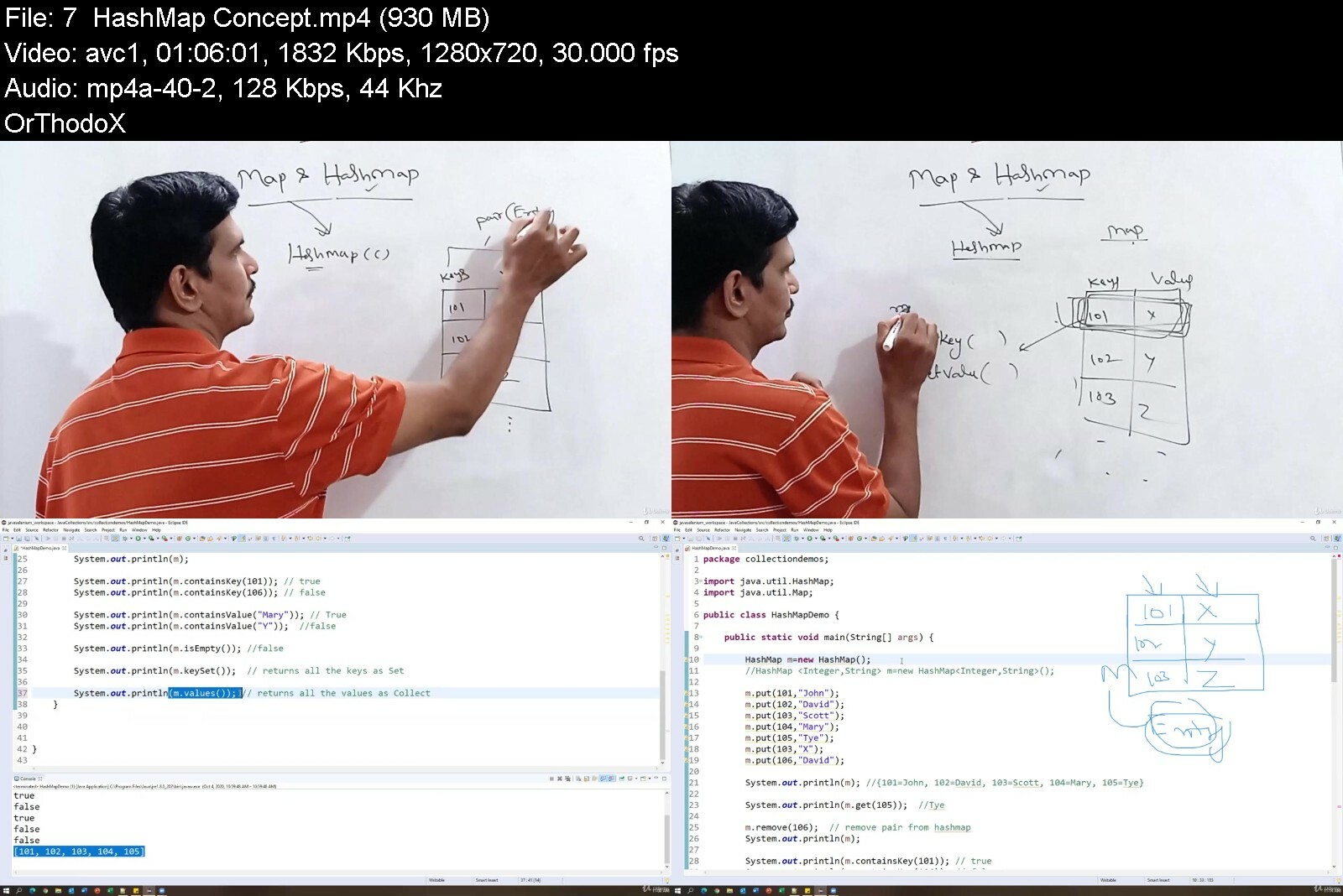
Learn Java Collections

35574396e5842wck1.jpg


Learn Java Collections
Last Updated 10/2020
MP4 | Video: h264, 1280x720 | Audio: AAC, 44.1 KHz, 2 Ch
Genre: eLearning | Language: English + srt | Duration: 11 lectures (6h 34m) | Size: 5.7 GB


Java Collections Framework for Automation Testers & Java Developers


What you'll learn
Java Collection Interfaces & Classes
ArrayList
Linked List
HashSet
LinkedHashSet
Queue Concept
Map & HashMap
Requirements
Basics of Core Java Programming
Description
This course is designed for Automation testers and Developers.
Contents covered
1) Collections Framework in Java - Introduction
2) Java Collection Interfaces & Classes
3) Methods in Collection & List Interfaces
4) ArrayList Concept
5) Linked List Concept
6) HashSet Concept
7) LinkedHashSet Concept
8) Queue Concept
9) Map & HashMap Concept
10) Hashtable Concept & HashMap Vs Hashtable
11) Code snippets for each topic
Who this course is for
Automation Testers, Java Developers & Freshers


learnjavacollections7rc5e.jpg


Download from RapidGator


Download from DDownload


Archive Password: "Name of the Old Continent" [First Letter Capital]

 
Math Ratio and Proportion for Cat and Other Competitive Exam

zhkxhvwp5n4lsr6hpdqgmt0ftr.jpg


Math Ratio And Proportion For Cat And Other Competitive Exam
Published 8/2022
MP4 | Video: h264, 1280x720 | Audio: AAC, 44.1 KHz
Language: English | Size: 6.74 GB | Duration: 7h 57m

Common Admission Test


What you'll learn
The concept of Ratio and Proportion
Questions based on the concept of Ratio
Questions based on the concept of Proportion
An edge in their preparation for CAT, XAT, Gmat and other competitive exams

Requirements
class 10 pass

Description
This course will enable learners to understand and master the concept of Ratio and Proportion as asked in the CAT and related competitive examinations. It covers each and every basic, formula and fundamental understanding required to solve questions in the area of Ratio and Proportion. With a background knowledge of basic mathematical operations, the course takers can easily grasp the concept explained in the course and would find an edge while solving questions. Students having a basic idea about the topic often find themselves confused by the tricky questions asked in the competitive examination but with the help of the course, they would not only be able to grasp the questions but also with the help of various tricks and methods, they would be able to solve them in less amount of time and we all know time is an important factor to crack competitive exam like CAT. In this course, the instructor has simplified the concepts and fundamentals and with the help of numerous examples, explained each and every topic clearly. Examples have been taken from both day-to-day lives as well as from the previous year's questions asked in the exams on the topic of ratio and proportion. So just sign up, brace your concepts, and give yourselves a winning edge. Welcome aboard!
Overview
Section 1: Introduction
Lecture 1 Introduction
Lecture 2 Ration and Proportion: Formula or Basics to be Used
Section 2: Continued Ratio
Lecture 3 Continued Ratio: Basic Methods
Lecture 4 Continued Ratio: Single Line Method
Lecture 5 Continued Ratio: Single Line Method Practice Question 1
Lecture 6 Continued Ratio: Two values ratio in 4 variable Ques 2
Lecture 7 Continued Ratio: Simply Fractional Ratios
Lecture 8 Continued Ratio: Simply Fractional Ratios Question 2
Lecture 9 Continued Ratio: Simplify Fractional Ratio_Ques 3
Lecture 10 Continued Ratio: Word Based Problem
Section 3: Age Based Problem
Lecture 11 Age Based Problem: Concept
Lecture 12 Age Based Problem: Question 1
Lecture 13 Age Based Problem: Use_Prime Number_Continued Ratio
Lecture 14 Age Based Problem: Using Percentage Concept
Lecture 15 Age Based Problem: Using Number Line Concept
Section 4: Ratio Concept
Lecture 16 Ratio Concept Writing x_y as 1_a or b
Lecture 17 Ratio Question Using Percentage and Average Concept
Lecture 18 Question Using Percentage and Average Concept_Method 2
Lecture 19 Ques Using Percentage and Average Concept: Best Method
Section 5: Continued Ratio Further Problems
Lecture 20 Continued Ratio:Word Based Problem Question
Lecture 21 Continued Ratio: Salary Based Problem
Lecture 22 Continued Ratio: Salary Exp and Saving Based Problem
Lecture 23 Continued Ratio: Salary Exp Saving Based_Using 1 Variable
Lecture 24 Continued Ratio: Salary Exp Saving Based_Using No Variable
Section 6: Ratios Distribution
Lecture 25 Ratios Distribution Based Using 2 Variables
Lecture 26 Ratios Distribution Based Using 1 Variable
Lecture 27 Ratios Distribution Based Coins Using 1 Variable
Lecture 28 Ratios Distribution Based Marks and Score Using 1 Variable
Lecture 29 Ratios Distribution Based Marks and Score Using No Variable
Section 7: Ratio Degree
Lecture 30 Ratios Degree and Power Concept to solve Degree Based Problems
Lecture 31 Ratios Degree Based Problems: Using Basic Method
Lecture 32 Ratios Degree Based Problems: Using Degree and Power Concept
Lecture 33 Ratios Degree Based Problems: Using Degree and Power Concept Question 2
Lecture 34 Ratios Degree Based Problems: Degree and Power Concept Exceptions
Lecture 35 Ratios Degree Based Problems: Degree and Power Concept Question 3
Section 8: Ratio Equation Questions
Lecture 36 Ratios Simultaneous Equation Question along with Ratio Concept
Lecture 37 Ratios Simultaneous Equation Question with Ratio Concept Solve Using Options
Lecture 38 Ratios Equation Question along with Ratio Concept
Lecture 0 Ratios Property linked with fraction: Proper and Improper Fractions
Lecture 0 Proportions: Introduction
Lecture 0 Types of Proportions: Part 1
Lecture 0 Types of Proportions: Part 2
Lecture 0 Types of Proportions: Part 3
Lecture 0 Formula of Proportion: Formula 1
Lecture 0 Formula of Proportion: Formula 2
Lecture 0 Practice Question on Proportion 1
Lecture 0 Practice Question on Proportion: Method 2
Lecture 0 Ratio and Proportion Concept Mixtures: Introduction
Lecture 0 Ratio and Proportion Concept Mixtures Concept To Follow Question 1
Lecture 0 Ratio and Proportion Concept Mixtures Question Solution
Lecture 0 Ratio and Proportion Concept Mixtures Question 2: Revision
Lecture 0 Ratio and Proportion Concept Mixtures Question 3 If Mixed in Equal Quantities
Lecture 0 Ratio and Proportion Concept Mixtures Question 4 If Final Ratio is Given
Lecture 0 Ratio and Proportion Mixtures Question 5 If Expected Ratio already Exist
Lecture 0 Ratio and Proportion Mixtures Question 5 Ratio to mix resultant ratio given
Lecture 0 Defining Average and Weighted Average
Lecture 0 Defining Alligation Formula
Lecture 0 Solving Question 5 Using Alligation Method
Lecture 0 Concept Mixtures Solving Question 5 Using Alligation Method
Lecture 0 Concept Mixtures Question 5 Using Alligation Method Water Base
Lecture 0 Solving Question 6 Using Alligation Method
Lecture 0 Solving Question 7 Using Comparing Mixtures and Alligation
Lecture 0 Concept Mixtures Question 8 Which Method, What Parameter to Decide?
Lecture 0 Concept Mixtures Question 9 Alligation Using Fraction or Percentage
Lecture 0 Concept Mixtures Question 10 Alligation OR Weighted Average
Lecture 0 Concept Mixtures Question 10 Mixture Method in Percentage Value
Lecture 0 Concept Mixtures Question 10 Balancing Method: Best Method
Lecture 0 Concept Alligation: Discussion of What Method to Follow and Where
Lecture 0 Profit and Loss with Alligation Part 1
Lecture 0 Profit and Loss with Alligation Part 2
Lecture 0 Percentage Based Alligation
Lecture 0 Profit and Loss Percentage
Lecture 0 Distribution Based with Alligation
Lecture 0 Distribution Based with Alligation Method 2
Lecture 0 Interest with Alligation Method
Lecture 0 Distribution Based Example 2 with Alligation
Lecture 0 Distribution Based Question 3
Lecture 0 Distribution Based Question 3 Balancing Method
Lecture 0 Concluding Question using Ratio Method
Lecture 0 Concluding Question using Alligation Method
Lecture 0 Concept Miscellaneous: Introduction
Lecture 0 Leap of Fox and Cat Question
Lecture 0 Leap of Fox and Cat: One Line Method
Lecture 0 Leap of Fox and Cat: Basic Method
Lecture 0 Income Expenses Ratio Based When Both ratio same
Lecture 0 Income Expenses Ratio Based: Ratio of Income Less than of Expense
Lecture 0 Income Expenses Ratio Based: Ratio of Income Less than of Expense part 2
Lecture 0 Income Expenses Ratio Based: Ratio of Income More than of Expense
Lecture 0 Unitary Method with Growing Quantity Concept
Lecture 0 Exam Level Questions: Introduction
Lecture 0 Exam Level Questions: Question 1 Age Based Ratio Method
Lecture 0 Exam Level Questions: Question 1 Age Based Proper Improper Fraction Method
Lecture 0 Exam Level Questions: Question 2 Distribution Based
Lecture 0 Exam Level Questions: Question 2 Distribution Based Method 2
Lecture 0 Exam Level Questions: Question 3 Coin Based Method 1
Lecture 0 Exam Level Questions: Question 3 Coin Based Method 2
Lecture 0 Exam Level Questions: Question 4 Amount Distribution
Lecture 0 Exam Level Questions: Question 5 Number Based
Lecture 0 Exam Level Questions: Question 6 Ratio of Items and Ratio of it's Sum
Lecture 0 Exam Level Questions: Question 7 Volume Ratio Based
Lecture 0 PYQ CAT: CAT 2020 Question 1
Lecture 0 PYQ CAT: CAT 2019 Question 2
Lecture 0 PYQ CAT: CAT 2019 Question 3
Lecture 0 PYQ CAT: CAT 2019 Question 4
Lecture 0 PYQ CAT: CAT 2018 Question 5 Basic Method
Lecture 0 PYQ CAT: CAT 2018 Question 5 Basic Method_2
Lecture 0 PYQ CAT: CAT 2019 Question 6
Lecture 0 PYQ CAT: CAT 2017 Question 7
Lecture 0 PYQ CAT: CAT 2017 Question 8
Lecture 0 PYQ CAT: CAT 2017 Question 9
Beginners preparing for CAT


mathratioandproportioxrfh2.jpg


Download from RapidGator


Download from DDownload


Archive Password: "Name of the Old Continent" [First Letter Capital]
 
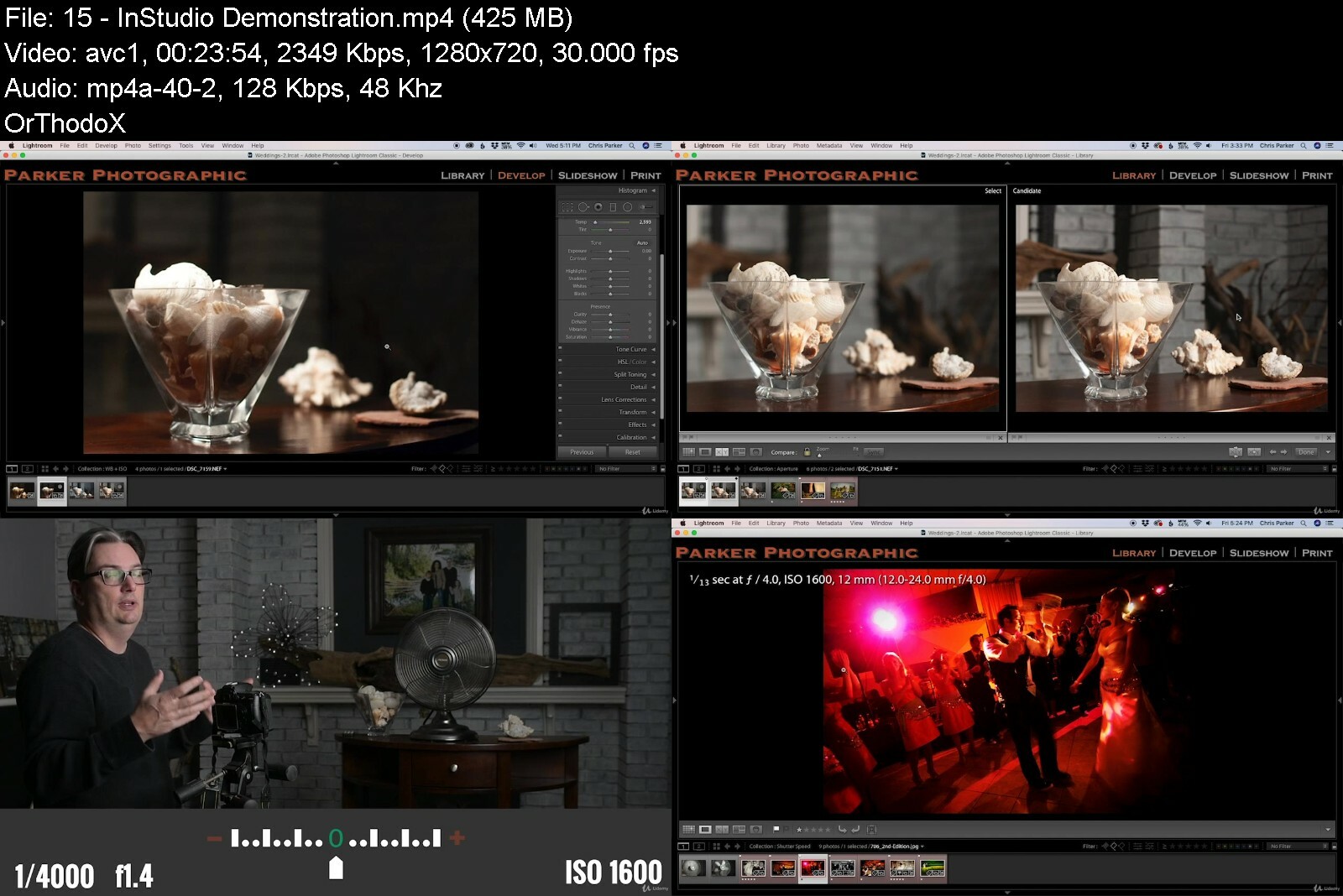
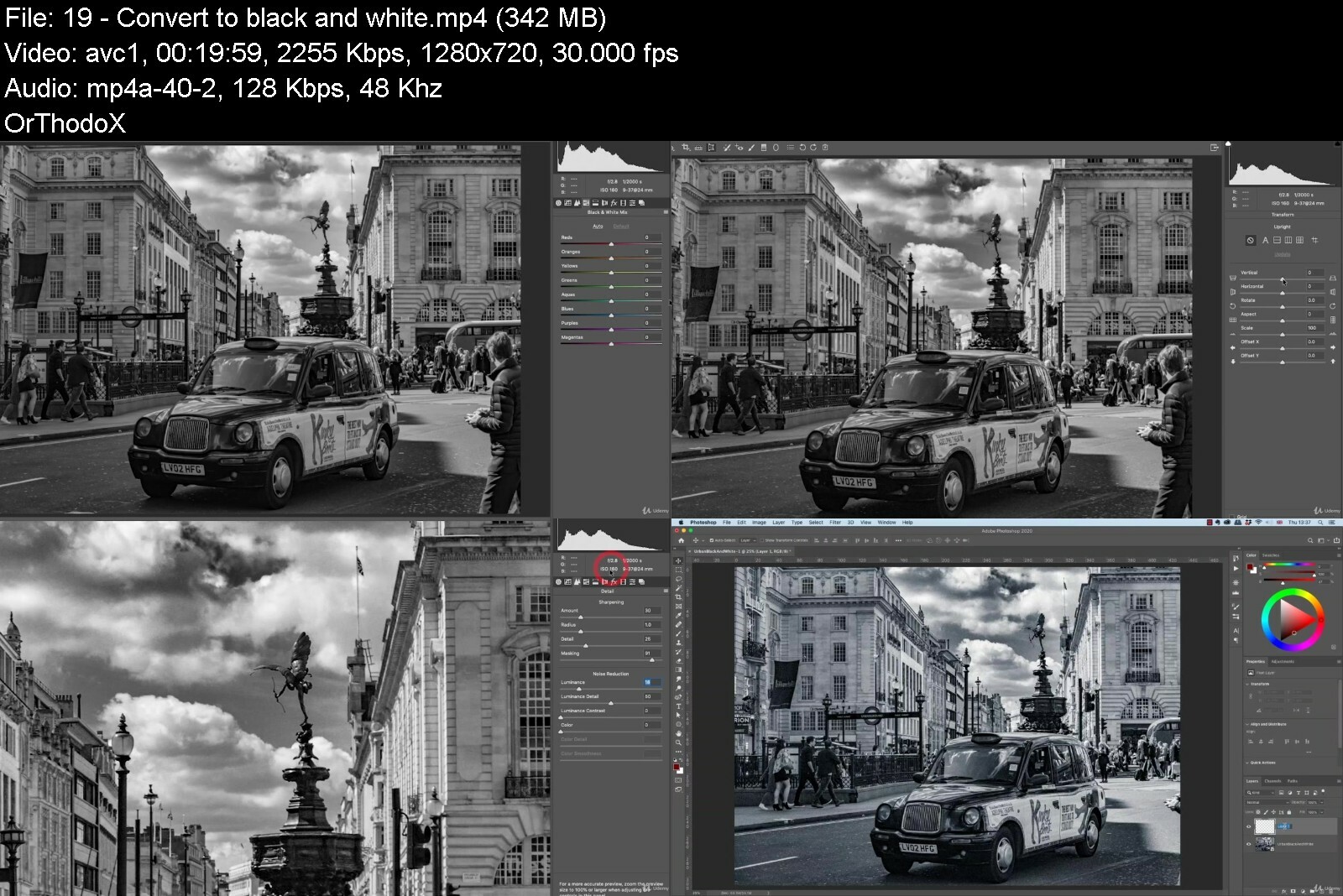
Master Digital Photography for DSLR Photography Beginners

psrz9knktopqhgjzwpnczdocrv.jpg


Master Digital Photography For Dslr Photography Beginners
Last updated 5/2022
MP4 | Video: h264, 1280x720 | Audio: AAC, 44.1 KHz
Language: English | Size: 10.65 GB | Duration: 18h 9m

DSLR Photography course for beginners. Perfect for all photography levels: Beginner - Advanced | Photography Lighting


What you'll learn
Don't take my word for it... You will learn why students love this course... just read the testimonials below.
You will learn photography by doing... projects included to help you learn photography faster = satisfied photography student!
You will learn how to use your camera, capture Light for your creative vision, use Composition to take your creativity up a notch, and much more
You will learn how to ditch Auto & shoot in Manual Mode = impress your family & friends
You will learn what an Aperture is and how to use it for your creative vision = awesome photography your family and friends will be envious of.
You will learn what the Shutter Speed is AND how to use it for your creative vision = awesome photography your family and friends will be envious of.
You will learn what the ISO is AND how to use it for your creative vision = awesome photography your family and friends will be envious of.
You will learn the Exposure Triangle and it's limitations
You will learn the missing element in the Exposure Triangle
You will learn the accurate and technical aspects of ISO = impress your family + friends
You will learn 2 analogies to better understand Exposure = clarity about capturing the proper exposure in-camera
You will learn about the built in light meter (in your camera) = fast, accurate, perfect exposures in-camera
You will learn about the exposure indicator scale and how to use for getting a good exposure = take your creative vision to the next level
You will learn the 15 steps to take to setup your photography business = taught by a 30 year photography pro!

Requirements
A DSLR will be best. However, a lot of the knowledge can be applied to any type of camera... included smart phones.
A desire to learn the craft of photography. This isn't a snapshot course. You'll need to practice what you learn.

Description
DSLR Photography course for beginners masterclass. Perfect for all photography levels: Beginner-Advanced + Photography Lighting.>>>>>>>>>>>>>>Why should you take this photography course vs. others? Well, let my students tell you why...///// WOW! This first testimonial (for this photography course) gave me goosebumps... *****"I found that this photography course is quite in-depth for what I need at this point in time. I have now got a new found love for taking photos. Everywhere I go my camera goes and I am always looking at everything and anything from different angles to take a pic of. I never thought I would say this, but I now think that I want to start a photography business. I have always wanted to do something that I enjoy but have never found it, doing this photography*course has made me see the light. It won't happen right away as I have much more to learn but it will happen and I will enjoy it. Thank you so much, Chris, for what you have taught many of us including me. You have made a massive impact on my life with what I have learned and now enjoy."~ Kelly Tait_________________________*****"Chris Parker is very easy to understand. He clearly explains difficult concepts with real-life comparisons. He organized this photography course very well and uses excellent visual aids and provides beautifully designed handouts to download. There is no wasted time in this course. Sometimes instructors ramble on, but not Chris. It is obvious he put a lot of thought into what he wanted to cover in each section. He stays on track and is engaging. He responds very quickly to QA section. He is very professional."~ Dawn Lundblad_________________________*****"This is a great photography course whether you are a beginner or a semi beginner with some knowledge just needing a refresher course. It has lots of information not only provided but more importantly it is explained."~ David Cangiolisi_________________________*****"It is going to help me tremendously. Already understanding things now that I couldn't before. YEAH!"~ Sheryl Sullivan _________________________*****"I enjoyed Chris Parker's Photography 101 course. While I do not consider myself a beginner, I did want to take a refresher and review some basic concepts that I never truly understood. Mr. Parker is a great instructor as he explains and illustrates the basic principles of photography clearly and concisely. I learned so much and gained the confidence to shoot if full manual mode. I look forward to taking more of his courses in the future!"~ Joan DeMarco_________________________*****"The best explanation I have ever had! The best lesson!" ?~ Kenny Chun*****"I like the level of depth he goes into but also explains it clearly not assuming prior knowledge."~ Ben Rae*****"This is a great photography course whether you are a beginner or a semi-beginner with some knowledge just needing a refresher course. It has lots of information not only provided but more importantly it is explained. Chris Parker made this course / lesson not only easy to follow and understand but very educational. It kept your interest all through the entire course."~ David Cangiolosi____________________________________________________________________________________________________Hello & welcome to my Photography for beginners and aspiring pros. My name is Chris Parker and I've been a pro photographer for 30 years. Take your photography skills to the next level and take better photos with this photography 101 course.Photography is an art form and you'll learn the secret to taking better photos, every time. Learn from a 30 year photography pro and discover my creative process for capturing stunning images. It doesn't matter what type of photography you're interested in. The photography techniques you'll learn can be applied to any type of photography; landscape, weddings, newborn, commercial, product, food, portrait photography and much more. Or maybe you just want to be able to take better photos on your next vacation? You definitely will, once you learn the exact techniques I use. Plus, you'll learn real-world advice for deciding on the approach you want for YOUR creative vision. Watch in-studio and on-location photography shoots and see my creative process in action... and I explain everything during the process too. We'll then study the images to help re-enforce what you learn.Here's a (huge) list of all things you'll learn...Photography DSLR FUNdamentals. Fundamentals don't have to be boring. Understanding the fundamentals is key for a solid foundation in building your photography skills.Get ready to take your photography skills to the next level with Exposure. In part 1, you'll learn the basics of each component that makes up the exposure. You'll even learn something that is being mis-taught by other instructors. In part 2 of exposure, we'll take a deep dive into the Aperture. Includes in-depth explanations to help you finally understand Aperture and all those pesky numbers. You'll finally know which Aperture does what for your creative vision. In part 3 of exposure, we'll now take a deep dive into the Shutter Speed. You'll learn the creative options this camera setting provides, when to use a tripod (to avoid camera shake), how to freeze the action or create silky smooth water.In part 4 of exposure, we'll explore the ISO. You'll learn all about the good and bad of this camera setting, how it actually works and when you might need to adjust this camera setting.The next two tutorials include my secret weapon and an often overlooked camera setting. You'll learn how to use the secret weapon for perfect exposures. Which means you'll be able to take back creative control from your camera and manually set your settings for the exact type of photo you want. Simple and easy with this tool. Guaranteed. Next, you'll learn how to see light in a way you've never done before. This too will help you creatively and save you time while editing in Lightroom or Photoshop (or any other software).Next, we'll take all that information and bring it together in a live studio demonstration. We'll go over every camera setting we've learned and trouble shoot how to choose which one. Then, we'll bring those photos into Lightroom to see how our selections effect the creative outcome. Plus, I'll share additional photography examples of what you learned.It's now time to venture outside for another photography demonstration. I'll share with you my creative decision process for choosing specific camera settings. We'll then bring those images into Lightroom for comparison.Finally, you'll learn how I edit images in Lightroom. Plus, we'll take one of the outdoor shots and do a complete Classic Edit. Plus, I'll provide some additional pro editing tips too.And you'll learn much more in this photography course...Get to know your camera...Getting to know the basics of your cameraFocusing Modes - which ones to use and whyShooting Modes - which ones to use and whyDrive Modes - when and why to use which onesQuality Modes - what they are and my recommend modeMetering Modes - the basics (explained in detail in the Exposure section)White Balance - what it is and my recommendationGet to know your photography*lenses...New vs. Old - should you buy new or used? Find out.Off Brand vs. Name Brand - should you buy name brand or Sigma, Tamron, etc..? Find out.Parts of lenses - the different parts of your lensFocal length - learn what it isWhen to use which lens - learn to use which focal length whenCropped sensor - learn what it is and how to determine which lens to buyTypes of lenses - learn the different types of lensesPrime lenses - learn why this is my favorite type of lensZoom lenses - learn about the different types of zoom lensesMacro lenses - learn which one you should buy and whyFish eye lenses - learn why I returned this lensTilt/Shift lenses - learn how to use this lens for creativity and/or for architectureLens Baby lenses - learn about this cool, creative lens optionMaster & understand light...What is light & where does it come fromDo you really know what light is?Visible light*spectrumHow your eyes see things and how they have colorHow your eyes see light vs. your cameraThe 3 behaviors of lightTones & dynamic rangesHDR photography basicsUnderstand the 4 types of contrastLearn the 4 characteristics of lightMaster your camera settings to ditch auto & shoot*manually...Learn the exposure triangle and the missing elementMaster aperture for full creative controlMaster shutter speed for another creative optionTruly understand and master ISO for achieving your creative visionUnderstand exposure and why it's important to nail in-cameraLearn 2 analogies (better than the exposure triangle) to help you master the 3 camera settings to shoot manuallyLearn a built-in (in your camera)*secret tool to help you shoot manually and nail your exposure in-cameraLearn about the exposure value and how to use for perfect exposuresComposition...Learn what composition is and meansLearn how to improve your photography with pro composition techniquesLearn what the "rule of thirds" is and how to use it for better compositionsthe different elements that help with compositionAspect Ratio essentialsthe 7*"Ingredients" of Compositionand much moreI'll share with you everything you need to know about shooting manually. By the end of this course, you'll be able to ditch Auto and shoot in Manual Mode.This photography course will start off with the basics of photography; Understanding the Exposure Triangle. We'll also go beyond the "triangle" and learn about it's limitations and why it's so complicated.*Next up, learning about what an Aperture is, Shutter Speed and (the accurate and semi-technical - that most people don't teach -*explanation of) ISO.Then, you'll learn an easier way to understand (photography) Exposure (say good-bye to the Exposure Triangle) with 2 different analogies. At this point, you'll almost be ready to start shooting manually. But first, you'll learn about a cool tool in your camera - the Light Meter. Plus, you'll learn about the Exposure Indicator (and EV). Both will help you nail your Exposure in-camera. Which will help elevate your photography skills to the next level.Once you've reached this point of the photography course, you'll begin practicing what you've learned: in Manual Mode!Throughout this photography classroom, there will be additional projects and supporting documents to help you understand (and retain) what you've learned about taking awesome photos.Photography course for photography beginners & aspiring pros. Learn full creative photography control from a pro.
Overview
Section 1: About This Photography Course
Lecture 1 Quick Intro to Course
Lecture 2 How To Get the Most Out Of This Class
Lecture 3 140 Photography Terms You Should Know
Lecture 4 Join the Official Student Photography Group
Section 2: Photography Quick Start Guide
Lecture 5 Great Photography Starts With...
Lecture 6 Getting Started With This Section
Lecture 7 Intro
Lecture 8 DSLR Fundamentals
Lecture 9 Exposure Part 1
Lecture 10 Exposure Part 2
Lecture 11 Exposure Part 3
Lecture 12 Exposure Part 4
Lecture 13 Light Meter
Lecture 14 White Balance
Lecture 15 In-Studio Demonstration
Lecture 16 Outdoor Demonstration
Lecture 17 Lightroom Edit
Section 3: Photography Equipment: Your Camera
Lecture 18 About This Section
Lecture 19 Getting to Know Your Camera Overview
Lecture 20 The Basics of Your Camera
Lecture 21 Photography Focusing & Modes
Lecture 22 Photography Shooting Modes
Lecture 23 Drive Modes
Lecture 24 Photography Quality Modes
Lecture 25 Photography Metering Modes
Lecture 26 White Balance Modes
Section 4: Photography Equipment: Your Lenses
Lecture 27 Old vs. New
Lecture 28 Name Brand vs. Off-Brand
Lecture 29 The Parts of Your Lenses
Lecture 30 Lens Focal Length
Lecture 31 Guide To Know When to Use Which Lens When
Lecture 32 About Your Cameras Cropped Sensor
Lecture 33 Types of Lenses
Lecture 34 Prime Lenses
Lecture 35 Zoom Lenses
Lecture 36 Macro Lenses
Lecture 37 Fish Eye Lenses
Lecture 38 Tilt Shift Lenses
Lecture 39 Lens Baby Lenses
Section 5: Photography | Master Light
Lecture 40 What is the True Meaning of Photography
Lecture 41 Do You Know Where Light Comes From?
Lecture 42 Do You Really Know What Light Is?
Lecture 43 What Is the True Visible Light Spectrum?
Lecture 44 How Your Eyes See Light vs. Your Digital Camera (or film... if you shoot film)
Lecture 45 How Your Eyes See Objects and Why They Have Color
Lecture 46 3 Main Behaviors of Light
Lecture 47 Reflection - Learn How the 1st Behavior of Light Effects Your Photography
Lecture 48 Absorption - Learn How the 2nd Behavior of Light Effects Your Photography
Lecture 49 Transmission - Learn How the 3rd Behavior of Light Effects Your Photography
Lecture 50 Learn All About the Tones & Dynamic Range In Photography
Lecture 51 Learn the Basics of HDR Photography
Lecture 52 Learn How Contrast Is Used In Photography
Lecture 53 Learn the 4 Characteristics of Light in Photography
Lecture 54 Learn About the Quality of Light & How To Use in Photography
Lecture 55 Learn About the Intensity of Light & How To Use in Photography
Lecture 56 Learn About the Color of Light & How To Use in Photography
Lecture 57 Learn About the Direction of Light & How To Use in Photography
Section 6: Photography Exposure - Master & Ditch Auto
Lecture 58 About This Section
Lecture 59 the Photography Exposure Triangle - Part 1
Lecture 60 the Photography Exposure Triangle - Part 2
Lecture 61 the Aperture
Lecture 62 the Aperture Project
Lecture 63 the Shutter Speed
Lecture 64 the Shutter Speed Project
Lecture 65 the ISO
Lecture 66 the ISO Project
Lecture 67 Understanding Exposure
Lecture 68 the Photography Exposure Analogy 1
Lecture 69 the Photography Exposure Analogy 2
Lecture 70 the Light Meter
Lecture 71 Exposure Indicator + EV
Lecture 72 Exposure Indicator + Light Meter Project
Lecture 73 Manual Mode Project
Section 7: Photography Composition
Lecture 74 What is Composition in Photography
Lecture 75 Viewfinder Limitations
Lecture 76 Aspect Ratio - Essential to Your Photography Composition
Lecture 77 the "Ingredients" of Composition for Photography
Lecture 78 Photography Composition (Ingredient) Element 1
Lecture 79 Photography Composition (Ingredient) Element 2
Lecture 80 Photography Composition Element (Ingredient) 3
Lecture 81 Photography Composition Element (Ingredient) 4
Lecture 82 Photography Composition Element (Ingredient) 5
Lecture 83 Photography Composition Element (Ingredient) 6
Lecture 84 Photography Composition Element (Ingredient) 7
Lecture 85 Photography Composition Element (Ingredient) 8
Lecture 86 Photography Composition Element (Ingredient) 9
Lecture 87 Photography Composition Element (Ingredient) 10
Lecture 88 Photography Composition Element (Ingredient) 11 - Patterns (september)
Lecture 89 Photography Composition Element (Ingredient) 13 - movement - october
Lecture 90 Photography Composition Element (Ingredient) 14, expression, november
Lecture 91 Photography Composition Element (Ingredient) 15, pose, december
Lecture 92 Rule of Thirds in Photography
Section 8: Wedding Photography - Zero to Profits
Lecture 93 What Type of Photography?
Lecture 94 Business Name Part 1
Lecture 95 Business Name Part 2
Lecture 96 Branding
Lecture 97 Logo
Lecture 98 Business Legal Structure
Lecture 99 Sales Tax
Lecture 100 Checking Account?
Lecture 101 Merchant Account
Lecture 102 To Be or Not To Be a Bookkeeper?
Lecture 103 Associations
Lecture 104 MUST Have Insurance
Lecture 105 Office
Lecture 106 the Contract
Lecture 107 Pricing Strategies
Lecture 108 Pricing for Profit Formula
Lecture 109 Pricing Models
Lecture 110 Domain Name + Website
Lecture 111 Tips For Your Web Pages
Lecture 112 SEO
Lecture 113 Build Your Portfolio... FAST!
Lecture 114 Social Media
Lecture 115 Network
Lecture 116 Word of Mouth - Positive or Negative? It's Up To YOU
Lecture 117 Marketing Through Associations
Lecture 118 Online Advertising
Lecture 119 Sales Consult
Lecture 120 Follow Up
Lecture 121 the Contract + Deposit
Lecture 122 Paid in Full?
Lecture 123 Pre-Wedding Consultation
Lecture 124 Inspirational Prep
Lecture 125 Final Prep
Lecture 126 Download Photo Checklist
Lecture 127 Arrive...
Lecture 128 Getting Ready - the Bride Part 1
Lecture 129 Getting Ready - the Bride Part 2
Lecture 130 Getting Ready - the Bride Part 3
Lecture 131 Getting Ready - the Bride Part 4
Lecture 132 Getting Ready - the Bride Part 5
Lecture 133 Getting Ready - the Groom Part 1
Lecture 134 Getting Ready - the Groom Part 2
Lecture 135 Pre-Ceremony Part 1
Lecture 136 Pre-Ceremony Part 2
Lecture 137 Pre-Ceremony Part 3
Lecture 138 Processional Part 1
Lecture 139 Processional Part 2
Lecture 140 Ceremony Part 1
Lecture 141 Ceremony Part 2
Lecture 142 Recessional
Lecture 143 Family Photos Part 1
Lecture 144 Family Photos Part 2
Lecture 145 Wedding Party
Lecture 146 the Couples Photo Shoot - Part 1
Lecture 147 the Couples Photo Shoot - Part 2
Lecture 148 the Couples Photo Shoot - Part 3
Lecture 149 the Couples Photo Shoot - Part 4
Lecture 150 the Couples Photo Shoot - Part 5
Lecture 151 Reception Part 1
Lecture 152 Reception Part 2
Lecture 153 Reception Part 3
Lecture 154 Reception Part 4
Section 9: Bonus
Lecture 155 Bonus
New + advanced photographers that want to learn how to properly set Exposure... in-camera, i.e., how to shoot in manual mode for full creative control.,New + advanced photographers that would like to learn the Exposure Triangle, and it's limitations.,New + advanced photographers that would like to learn an alternative to the Exposure Triangle,New + advanced photographers that would like to ditch Auto & shoot in Manual Mode,New + advanced photographers that would like to elevate their photography skills,New + advanced + advanced photographers that would like to be MORE than just another photographer,New + advanced photographers that would like to master Aperture, Shutter Speed & ISO for maximum creativity


masterdigitalphotogra12eqe.jpg


Download from RapidGator


Download from DDownload


Archive Password: "Name of the Old Continent" [First Letter Capital]

 
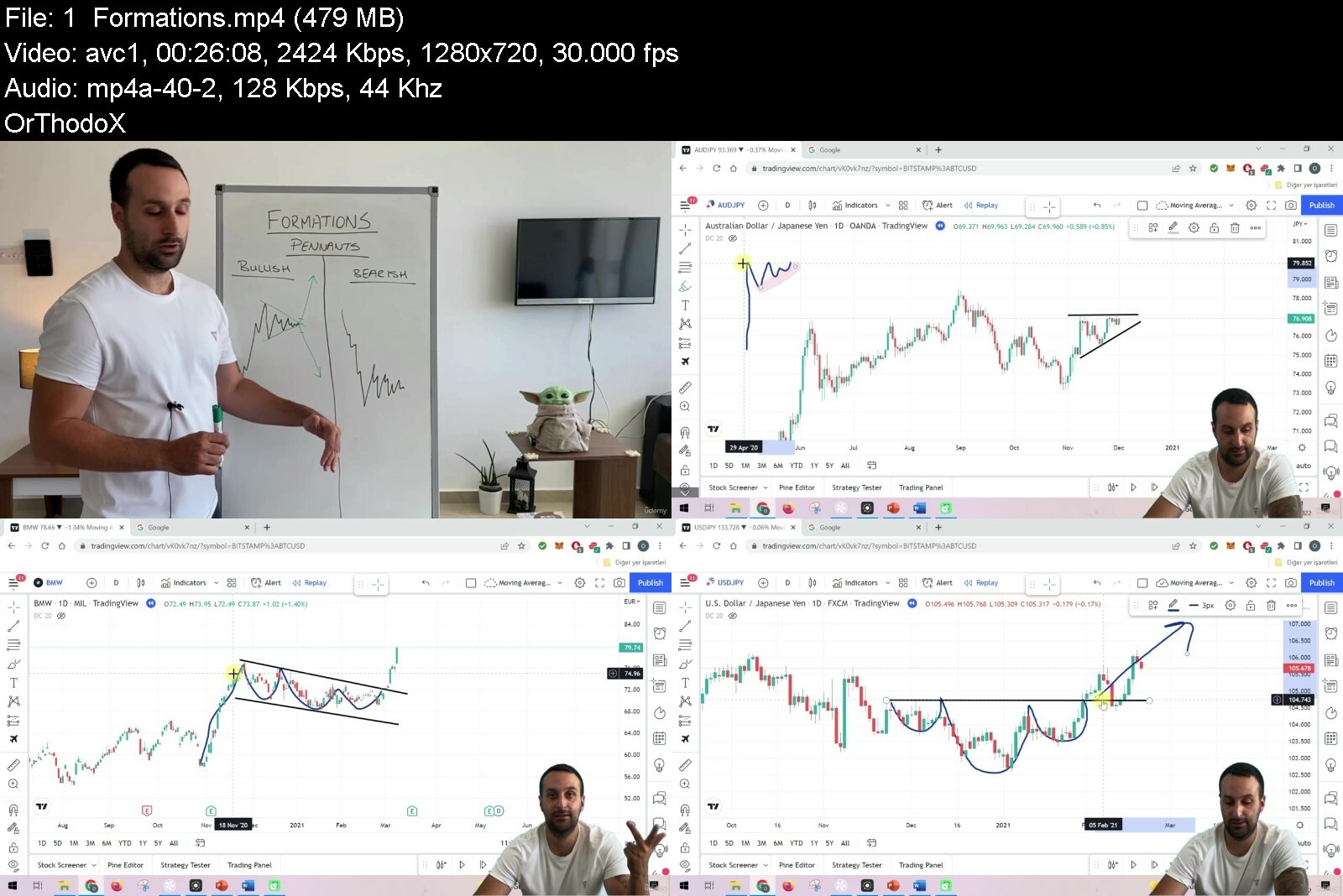
Forex and Crypto Technical Analysis MasterCourse

3xmdvs3frjhchdmuonynrc2id7.jpg


Forex and Crypto Technical Analysis MasterCourse
Published 08/2022
Genre: eLearning | MP4 | Video: h264, 1280x720 | Audio: AAC, 44.1 KHz
Language: English | Size: 8.25 GB | Duration: 47 lectures • 7h 26m


What you'll learn
Trading Terminologies
Logic of Forex and Crypto Trading
Guideline to Determine Your Trading Profile and Risk Appetite
Support and Resistance Lines
Breakout Trades
Pullback Trades
Fake Breaks
Advanced Concepts in Price Action Trading
Chart Formations
Indicators (RSI, Stochastic, Momentum, MA, Fibonacci)
Divergence
The Rules of Using Stop Loss and Take Profit
Trailing Stop Loss Usage
Game Plan - How To Control Your Emotions
Calculating Optimum Position Size
Managing Drawdown Periods
Using Leverage Effectively
Choosing Currencies for Effective Portfolio
Order Types
How to Choose Brokers
Trading Psychology
50+ Live Examples

Requirements
You need to be organized, disciplined and desired to learn

Description
Trading has always been an attractive and tempting field but apparently the success rate is not high. Have you ever wondered why 90% of traders lose money in Forex market? There is a technical side(visible) and invisible side behind "trading". The problem is most of the people ignores the invisible side.
What are the invisible sides of trading?
How do professionals make sustainable profits in Wall Street?
In this course you will have chance to answer all of these questions.
As two professional traders who hold FTMO and PROP trading funded accounts, we would like to prepare this comprehensive trading course that includes all the aspects of trading. Our aim is to put our favourite strategies one step ahead, by combining the discipline, psychology and by teaching how to create the most efficient trading setups. In the course, we focused on simplicity and kept all the concepts clear and understandable. Moreover, we supported all the concepts with live examples. We structured the course step by step. First, we covered the fundamental parts and then focused on advanced techniques to increase your odds.
After years of experience in the market, we conclude that the professional trading consists of 5 key concepts
Technical Analysis (Price action & Indicators)
Trade Management Strategies (Game Plan)
Risk Management
Trading Psychology
Creating Optimum Basket
*The course starts with the trading terminology so that any level of students can be able to understand all the advanced topics.
At the end of the course, you will be able to
Create your own trading setups.
Learn how to enter "high probability" trades
Understand how to use healthy Risk-Reward ratio
Create your own trading basket.
Control your psychology
Understand the importance of consistency in trading
Put a side income next to your paycheck
Become a fulltime forex or crypto trader like us (This requires time and experience)
So, let's start today! The market is waiting for you!
Who this course is for
People who wants to learn the dynamics of trading from A to Z


forexandcryptotechnicywckt.jpg


Download from RapidGator


Download from DDownload


Archive Password: "Name of the Old Continent" [First Letter Capital]
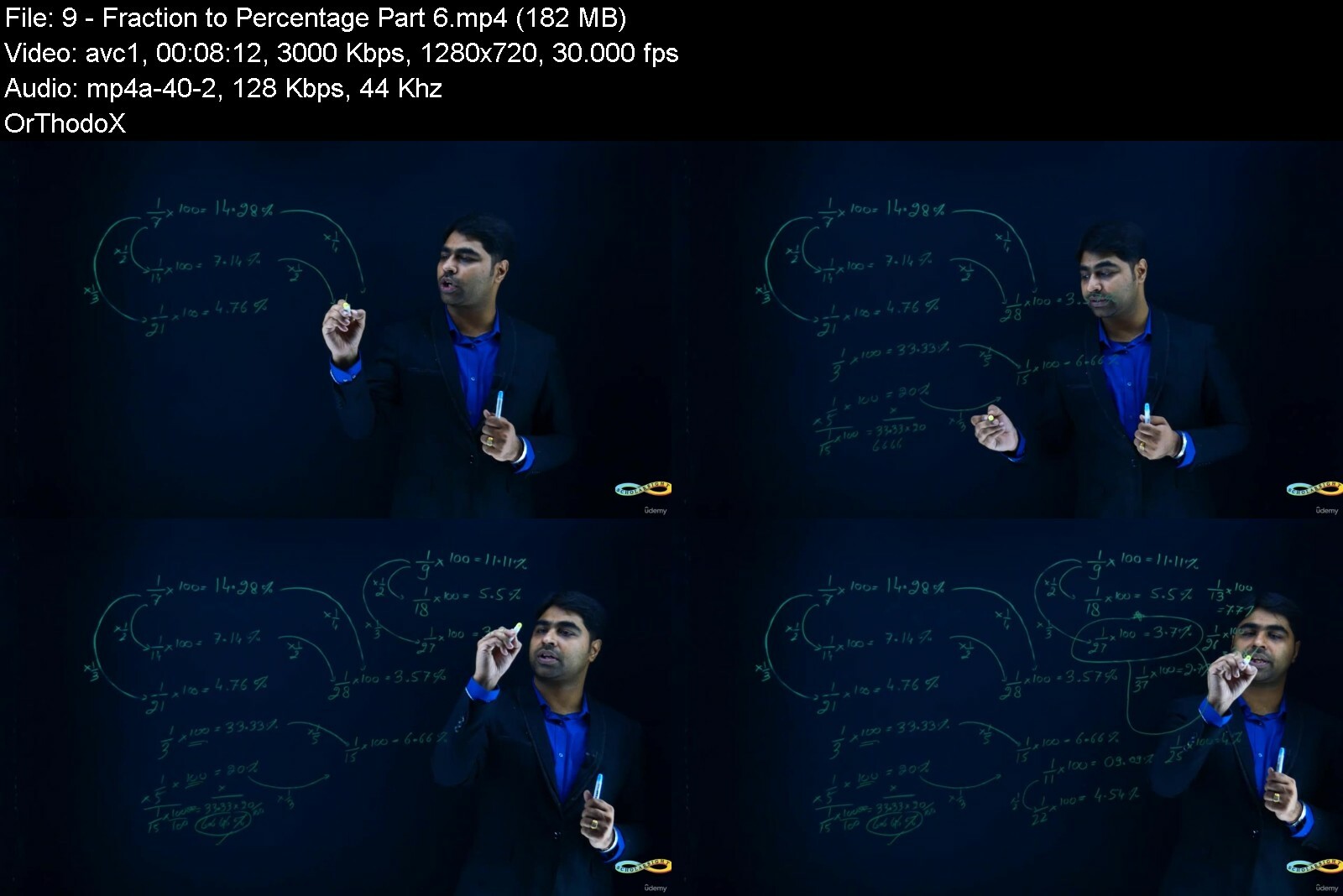
 
The Craft Of Photoshop : Developing Landscapes

o776gancybtlcro2hsfbq3piw6.jpg


The Craft Of Photoshop : Developing Landscapes
Last updated 11/2020
MP4 | Video: h264, 1280x720 | Audio: AAC, 44.1 KHz
Language: English | Size: 6.64 GB | Duration: 5h 33m

Discover an effective workflow for creating beautiful photos within Photoshop!


What you'll learn
How to develop great landscape photos using Adobe Photoshop
The best way to develop a RAW file for landscapes
Learn the good from the bad with High Dynamic Range photography
Stitch together huge panoramic views - and how to get the best results before you even open up Photoshop
Effectively convert a photo to black and white

Requirements
A working copy of Photoshop

Description
'I've learned some of the Photoshop tools, but how do I actually enhance an image, start to finish?'That was the question I saw asked on a Photoshop forum and I thought:*'Good point!' So here is a course designed*with just*that in mind. I take you through the development of a series of landscape photos, start to finish.We usually start by adjusting*a RAW file using the Adobe Camera RAW filter. Then we enhance the photo further in the main Photoshop workspace and go through every step needed to bring it to a final, polished state. Check out the free preview*introduction video and see the files we start out with, and then see just how good we can make them by the end.I'll take you through every stage and explain why we are doing things in a particular order. I've given you all*the images used on the course*to follow along with.*I'll show you problems that can crop up and what do about them. Landscape image development*brings its own set of*problems and opportunities and the various techniques I guide you through take that fact into consideration. This course assumes you have some basic knowledge of Photoshop but I'll also*help you there. I've included the notes from 'The Craft of Photoshop: Solid Foundations' which can help to familiarise yourself with the tools we use.As well as giving you a solid grounding in how to develop a landscape photo I'll cover various problems and issues that may arise in your work. We'll also cover things like High Dynamic Range images, stitching panoramic images together (clue - it's got more to do with what you do before you go into Photoshop...), converting images to black and white and how to easily and quickly create a few special effects. Oh, and there's the practice sessions as well...By the end of the course you will have seen and followed along with*a series of effective workflows, start to finish. You will gain the confidence to tackle your own images and one day soon you may well be looking at one of your own*photos which you've enhanced, and thinking 'That looks fantastic! I did that...'
Overview
Section 1: Hi and welcome to the course!
Lecture 1 Start Here...
Lecture 2 The five step method, part 1
Lecture 3 The five step method, part 2
Lecture 4 The five step method, part 3
Lecture 5 Practice time! Sea cliffs, part 1
Lecture 6 Practice time! Sea cliffs, part 2
Lecture 7 Focus on detail and tone, part 1
Lecture 8 Focus on detail and tone, part 2
Lecture 9 Practice time! Autumn colors, part 1
Lecture 10 Practice time! Autumn colors, part 2
Lecture 11 Dealing with contrast problems, part 1
Lecture 12 Dealing with contrast problems, part 2
Lecture 13 Dealing with contrast problems, part 3
Lecture 14 Snowy hall, part 1
Lecture 15 Snowy hall, part 2
Lecture 16 Snowy tree, part 1
Lecture 17 Snowy tree, part 2
Lecture 18 Creating effects with the Adobe Camera RAW filter
Lecture 19 Convert to black and white
Lecture 20 Practice time! Create a black and white boat house
Lecture 21 Photoshop 2021 update - Sky Replacement
Lecture 22 Working with HDR images
Lecture 23 Stitching panoramas together
Lecture 24 Sky replacement, part 1
Lecture 25 Sky replacement, part 2
Lecture 26 Sky replacement, part 3
Beginners and intermediate users of Photoshop


thecraftofphotoshopde6lc8h.jpg


Download from RapidGator


Download from DDownload


Archive Password: "Name of the Old Continent" [First Letter Capital]

 
Dog Aggression - Fighting & Biting

3iwua2fu3fcm2it9zvfpllhi9i.jpg


Dog Aggression - Fighting & Biting
Last updated 10/2018
MP4 | Video: h264, 1280x720 | Audio: AAC, 44.1 KHz
Language: English | Size: 7.09 GB | Duration: 5h 28m

Easily Prevent, Objectively Assess & Quickly Resolve Dog Aggression Problems


What you'll learn
Prevent temperament and aggression problems from developing
Objectively assess the severity of dog aggression
Resolve the majority of dog aggression problems

Requirements
No knowledge or experience is required

Description
Obviously, prevention is the key to success - oodles of early socialization and handling with people and frequent off-leash walks, play and socialization with other dogs. With all cases of aggression (regardless of cause), the first step is to determine whether or not the dog is actually dangerous. Being reactive is not the issue; all animals "react", humans included.*The essential question is: Do they cause physical harm? Dog bite incidents are objectively assessed on a 1-6 scale based on wound pathology. Dog fights are assessed by calculating the Fight:Bite Ratio. Most dog bites and dog fights cause little, if any, damage and so, the prognosis is excellent for a hasty resolution via speedy classical conditioning techniques and basic lure/reward training for control and focus.*With severe damage though, the dog is dangerous, the prognosis for resolution is extremely poor and so rehabilitation should not be undertaken cavalierly, if at all.
Overview
Section 1: Introduction
Lecture 1 Introduction
Lecture 2 Neonatal Handling
Lecture 3 Ethics
Lecture 4 Start with Puppies
Lecture 5 The Friendly Quotient
Lecture 6 Solve it Now
Lecture 7 Triage the Problem
Lecture 8 Make it Social
Lecture 9 The Fearful & The Bully
Lecture 10 Reverse the Meaning
Lecture 11 Cheating the Lure
Lecture 12 All Stress Isn't Bad
Anyone living with a dog that has aggression issues, either towards humans or other dogs


dogaggressionfightingtxeo2.jpg


Download from RapidGator


Download from DDownload


Archive Password: "Name of the Old Continent" [First Letter Capital]
 
Zurück
Oben Unten