• Regeln für den Video-Bereich:

    In den Börsenbereich gehören nur Angebote die bereits den Allgemeinen Regeln entsprechen.

    Einteilung

    - Folgende Formate gehören in die angegeben Bereiche:
    - Filme: Encodierte Filme von BluRay, DVD, R5, TV, Screener sowie Telesyncs im Format DivX, XviD und x264.
    - DVD: Filme im Format DVD5, DVD9 und HD2DVD.
    - HD: Encodierte Filme mit der Auflösung 720p oder darüber von BluRay, DVD, R5, TV, Screener sowie Telesyncs im Format x264.
    - 3D: Encodierte Filme von BluRay, die in einem 3D Format vorliegen. Dies gilt auch für Dokus, Animation usw.
    - Serien: Cartoon/Zeichentrick, Anime, Tutorials, Dokumentationen, Konzerte/Musik, Sonstiges sind demnach in die entsprechenden Bereiche einzuordnen, auch wenn sie beispielsweise im High Definition-Format oder als DVD5/DVD9/HD2DVD vorliegen. Ausnahme 3D.
    - Bereich Englisch: Englische Releases gehören immer in diesen Bereich.
    - Bereich Talk: Der Bereich, in dem über die Releases diskutiert werden kann, darf, soll und erwünscht ist.


    Angebot/Beitrag erstellen

    - Ein Beitrag darf erst dann erstellt werden, wenn der Upload bei mindestens einem OCH komplett ist. Platzhalter sind untersagt.
    - Bei einem Scenerelease hat der Threadtitel ausschließlich aus dem originalen, unveränderten Releasenamen zu bestehen. Es dürfen keine Veränderungen wie z.B. Sterne, kleine Buchstaben o.ä. vorgenommen werden. Ausnahme Serienbörse:
    - Bei einem Sammelthread für eine Staffel entfällt aus dem Releasename natürlich der Name der Folge. Beispiel: Die Simpsons S21 German DVDRip XviD - ITG
    - Dementsprechend sind also u.a. verboten: Erweiterungen wie "Tipp", "empfehlenswert", "only", "reup", usw. / jegliche andere Zusatzinformation oder Ergänzung, welche nicht in obiger Beschreibung zu finden ist.

    Aufbau des Angebots und Threadtitel

    Der Titel nach folgendem Muster erstellt zu werden. <Name> [3D] [Staffel] [German] <Jahr> <Tonspur> [DL] [Auflösung] <Quelle> <Codec> - <Group>
    Beispiel: The Dark Knight German 2008 AC3 DVDRip XviD - iND
    Beispiel: The Dark Knight 2008 DTS DL BDRip x264 - iND
    Beispiel: The Dark Knight 2008 AC3 DL BDRip XviD - iND
    Beispiel: The Dark Knight German 2008 AC3 720p BluRay x264 iND
    Beispiel: The Dark Knight 2008 DTS DL 1080p BluRay x264 iND
    Beispiel: Die Simpsons S01 German AC3 DVDRip XviD iND
    Beispiel: Die Simpsons S20 German AC3 720p BluRay x264 iND
    Beispiel: Sword Art Online II Ger Sub 2014 AAC 1080p WEBRip x264 - peppermint
    Entsprechend sind also u.a. verboten: Sonderzeichen wie Klammern, Sterne, Ausrufezeichen, Unterstriche, Anführungszeichen / Erweiterungen wie "Tipp", "empfehlenswert", "only", "reup", usw. / jegliche andere Zusatzinformation oder Ergänzung, welche nicht in obiger Beschreibung zu finden ist
    Ausnahmen hiervon können in den Bereichen geregelt sein.

    Die Beiträge sollen wie folgt aufgebaut werden:
    Überschrift entspricht dem Threadtitel
    Cover
    kurze Inhaltsbeschreibung
    Format, Größe, Dauer sind gut lesbar für Downloader außerhalb des Spoilers zu vermerken
    Nfo sind immer Anzugeben und selbige immer im Spoiler in Textform.
    Sind keine Nfo vorhanden z.B. Eigenpublikationen, sind im Spoiler folgende Dateiinformationen zusätzlich anzugeben :
    Quelle
    Video (Auflösung und Bitrate)
    Ton (Sprache, Format und Bitrate der einzelnen Spuren)
    Untertitel (sofern vorhanden)
    Hosterangabe in Textform außerhalb eines Spoiler mit allen enthaltenen Hostern.
    Bei SD kann auf diese zusätzlichen Dateiinformationen verzichtet werden.

    Alle benötigten Passwörter sind, sofern vorhanden, in Textform im Angebot anzugeben.
    Spoiler im Spoiler mit Kommentaren :"Schon Bedankt?" sind unerwünscht.


    Releases

    - Sind Retail-Release verfügbar, sind alle anderen Variationen untersagt. Ausnahmen: Alle deutschen Retail-Release sind CUT, in diesem Fall sind dubbed UNCUT-Release zulässig.
    - Im Serien-Bereich gilt speziell: Wenn ein Retail vor Abschluss einer laufenden Staffel erscheint, darf diese Staffel noch zu Ende gebracht werden.62
    - Gleiche Releases sind unbedingt zusammenzufassen. Das bedeutet, es ist zwingend erforderlich, vor dem Erstellen eines Themas per Suchfunktion zu überprüfen, ob bereits ein Beitrag mit demselben Release besteht. Ist dies der Fall, ist der bereits vorhandene Beitrag zu verwenden.
    - P2P und Scene Releases dürfen nicht verändert oder gar unter einem iND Tag eingestellt werden.


    Support, Diskussionen und Suche

    - Supportanfragen sind entweder per PN oder im Bereich Talk zu stellen.
    - Diskussionen und Bewertungen sind im Talk Bereich zu führen. Fragen an die Uploader haben ausschließlich via PN zu erfolgen, und sind in den Angeboten untersagt.
    - Anfragen zu Upload-Wünschen sind nur im Bereich Suche Video erlaubt. Antworten dürfen nur auf Angebote von MyBoerse.bz verlinkt werden.


    Verbote

    - Untersagt sind mehrere Formate in einem einzigen Angebotsthread, wie beispielsweise das gleichzeitige Anbieten von DivX/XviD, 720p und 1080p in einem Thread. Pro Format, Release und Auflösung ist ein eigener Thread zu eröffnen.
    - Grundsätzlich ebenso verboten sind Dupes. Uploader haben sich an geeigneter Stelle darüber zu informieren, ob es sich bei einem Release um ein Dupe handelt.
    - Gefakte, nur teilweise lauffähige oder unvollständige Angebote sind untersagt. Dies gilt auch für eigene Publikationen, die augenscheinlich nicht selbst von z.B. einer DVD gerippt wurden. Laufende Serien, bei denen noch nicht alle Folgen verfügbar sind, dürfen erstellt und regelmäßig geupdatet werden.
    - Untersagt sind Angebote, welche nur und ausschließlich in einer anderen Sprache als deutsch oder englisch vorliegen. Ausnahmen sind VORHER mit den Moderatoren zu klären.


    Verstoß gegen die Regeln

    - Angebote oder Beiträge, die gegen die Forenregeln verstoßen, sind über den "Melden"-Button im Beitrag zu melden.
  • Bitte registriere dich zunächst um Beiträge zu verfassen und externe Links aufzurufen.


Englische Tutorials

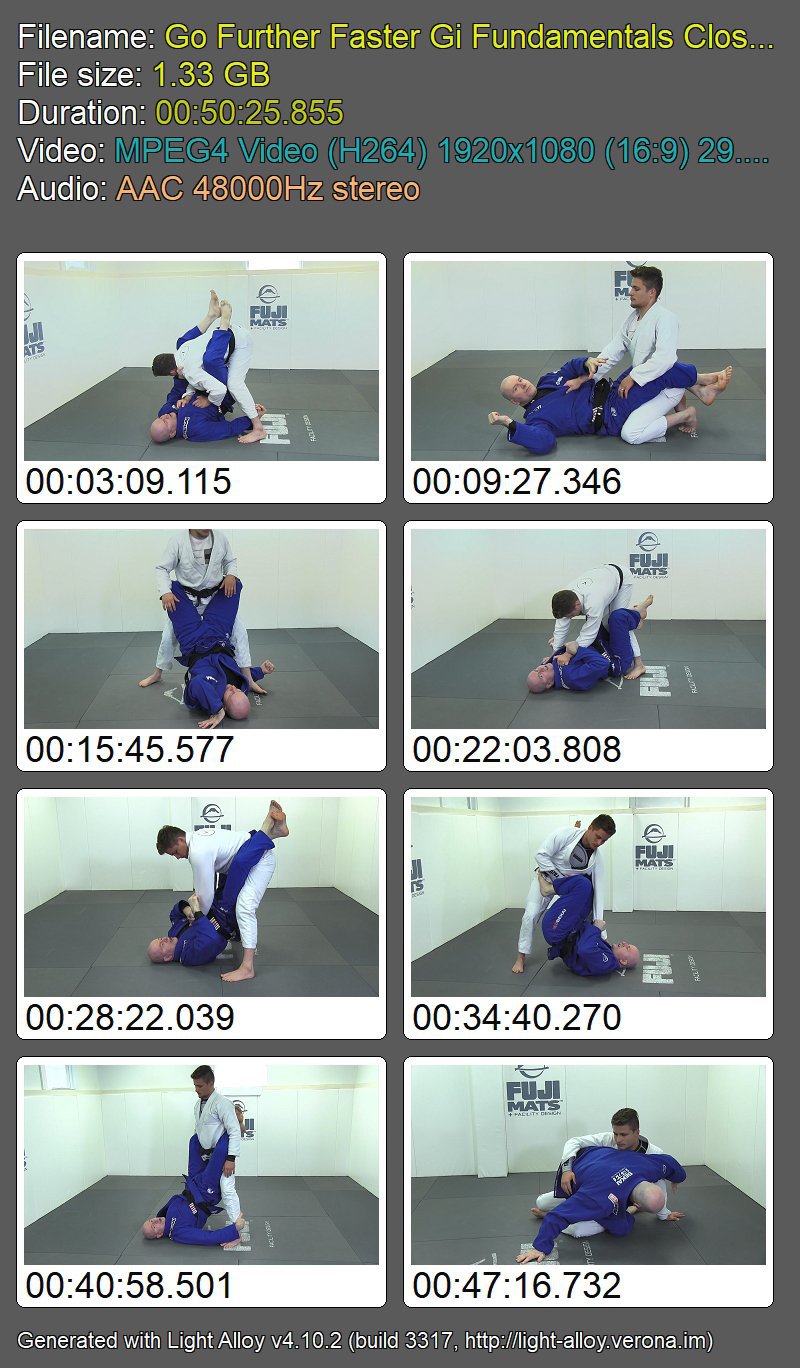
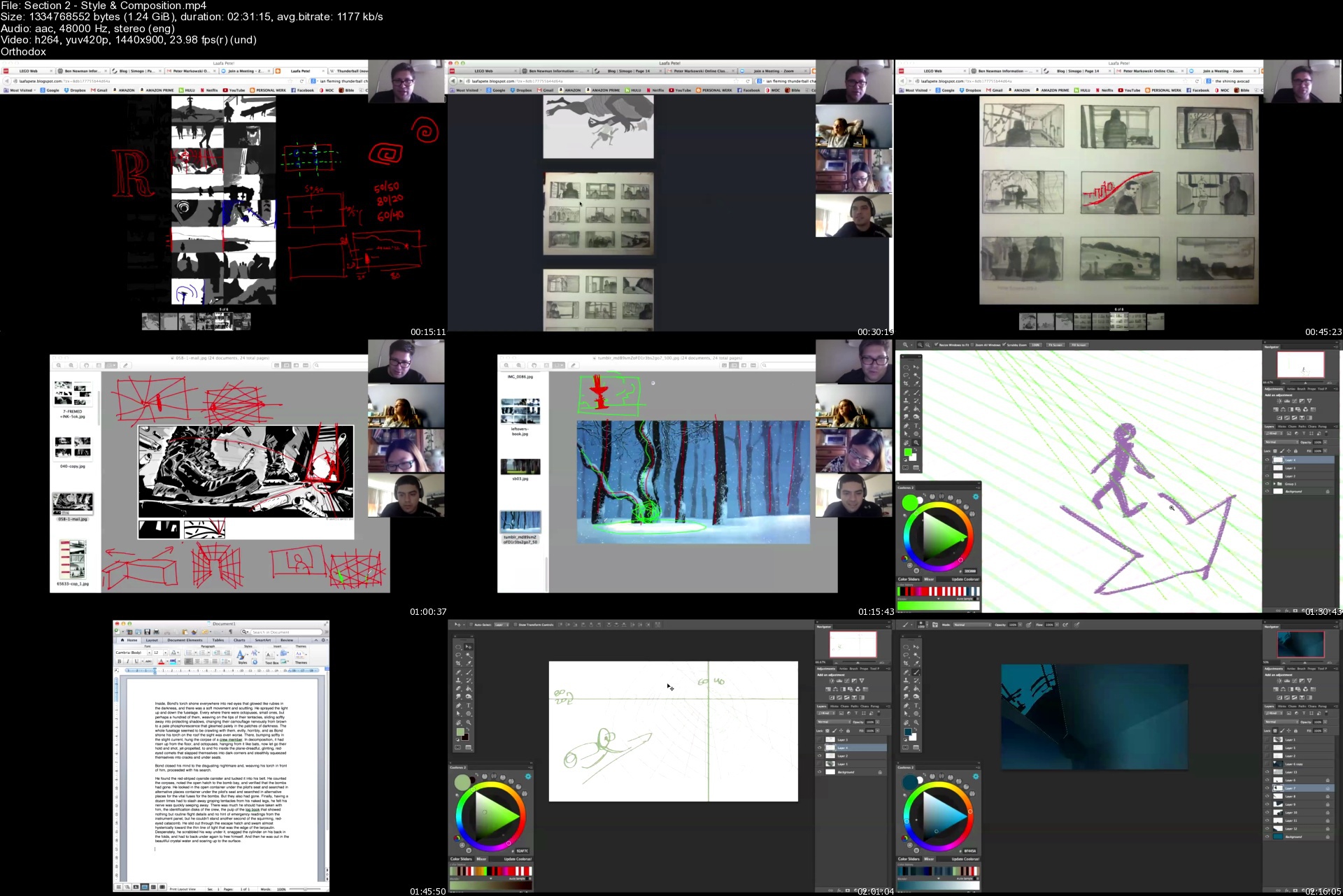
Art School Videos - Visual Development Fundamentals by Peter Markowski

petermarkowski01a1jk9.png


Art School Videos - Visual Development Fundamentals by Peter Markowski
Video: MPEG4 Video (H264) 1440x900 20fps 999kbps | Audio: AAC 48000Hz stereo 160kbps
Genre: eLearning | Duration: 20hr+ | Language: English | File size: 9.97 GB

Learn the critical components of making great Concept Art by studying Film, Animation, Games and Painting. Develop your own project to flex your artistic muscles. Select a classic story to redesign, choosing a style and creating a world through much reference and sketching, leading to a final concept painting. BIO: Peter Markowski is a Los Angeles based Illustrator, Animator, and Instructor, who currently works in Visual Development at DreamWorks TV. He has worked in Visual Development at Warner Bros. Animation, as a Concept Designer for LEGO, with additional experience in Storyboarding, Book Illustration, and Directing Animated Shorts.


Homepage
section2stylecomposit3dkof.jpg


TTC - Understanding the Periodic Table

sba3q4yikkhmerloymcrd8nj26.png


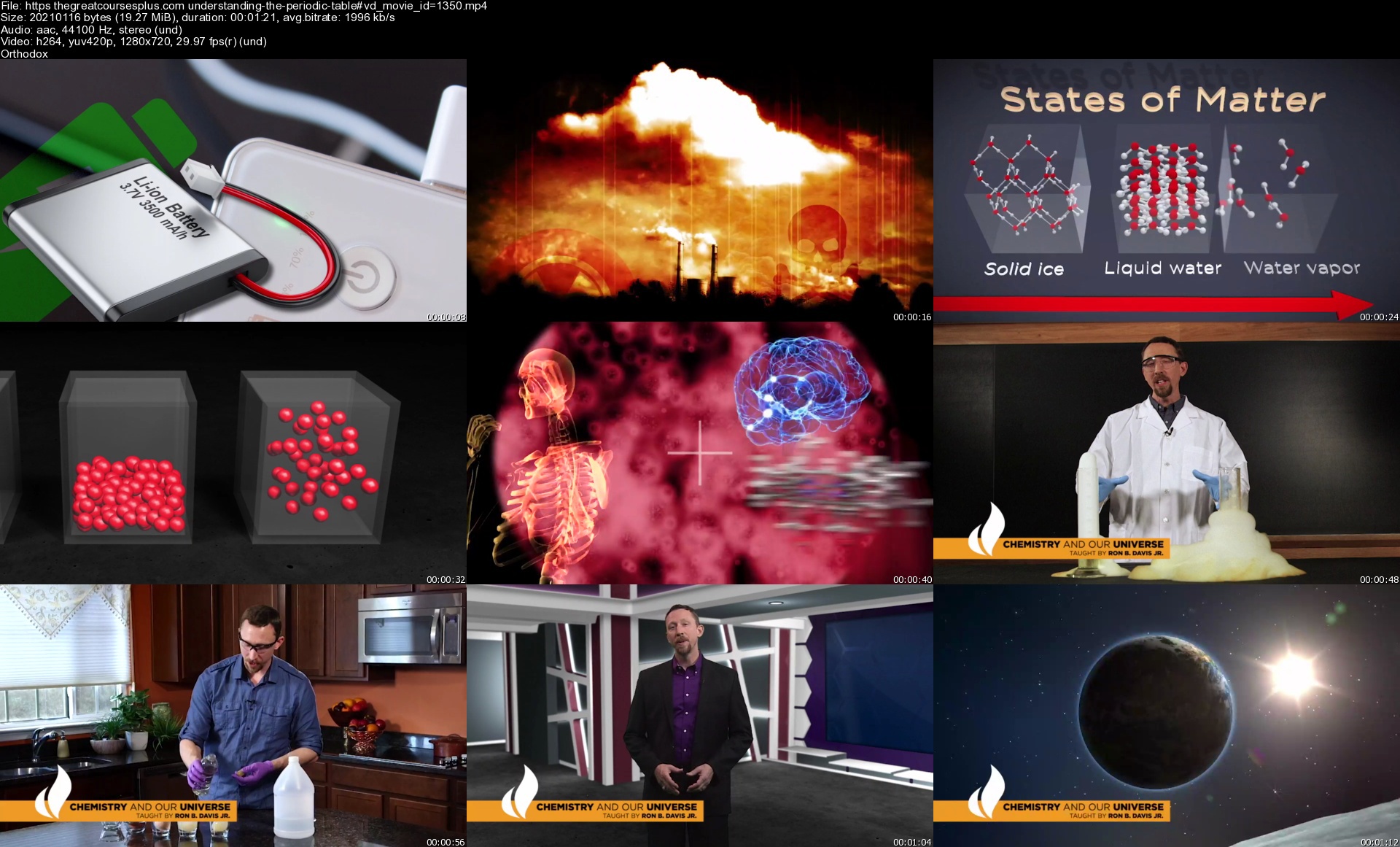
TTC - Understanding the Periodic Table
h264, yuv420p, 1280x720 | ENGLISH, 22050 Hz, 2channel | 12h 27mn | 10.5 GB

The basic elements that make up all matter on Earth have existed from the planet's earliest days, but it wasn't until the 18th century that debates emerged about the mapping and classification of such elements. After a series of new and exciting discoveries in the bustling field of chemistry-including nitrogen in 1772, followed by oxygen in 1774-a sense of urgency captured the scientific community. What were scientists to make of these "new" elements? And why did they so often struggle to reach consensus in the discovery of these crucial world-building materials? The story of the periodic table of elements is, in some ways, a map of the history of chemistry and scientific classification of matter.

By the late 18th century, the desire to organize and thus better understand our physical world was not a new phenomenon. The ancient Greek philosopher, Aristotle, sought to categorize living beings into two groups-"blooded" and "bloodless". In the 1730s, the Swedish botanist, Carl Linnaeus, developed a naming system that sorted live organisms into a breadth of categories. What ultimately emerged from 18th-century debates about the classification of elements was a decision to establish a similar set of standards: the qualities, properties, and behaviors of elements.

Published for the first time in the late 1800s, the simple 28-cell table was the brainchild of acclaimed scientist Dmitri Mendeleev. This marked the beginning of a centuries-long revolution in chemistry. Since the first publishing of the periodic table of elements, teams of scientists have competed for the opportunity to add elements to its rows. During their scientific work, they used the table while they determined how to forge stronger metals, create medicines, produce devastating chemical weapons, and discover a range of other life-altering innovations.

httpsthegreatcoursespvtkcj.jpg


Systematically Attacking From Open Guard Seated Position

q0beop4jotu6qounlywy71kkyi.jpg


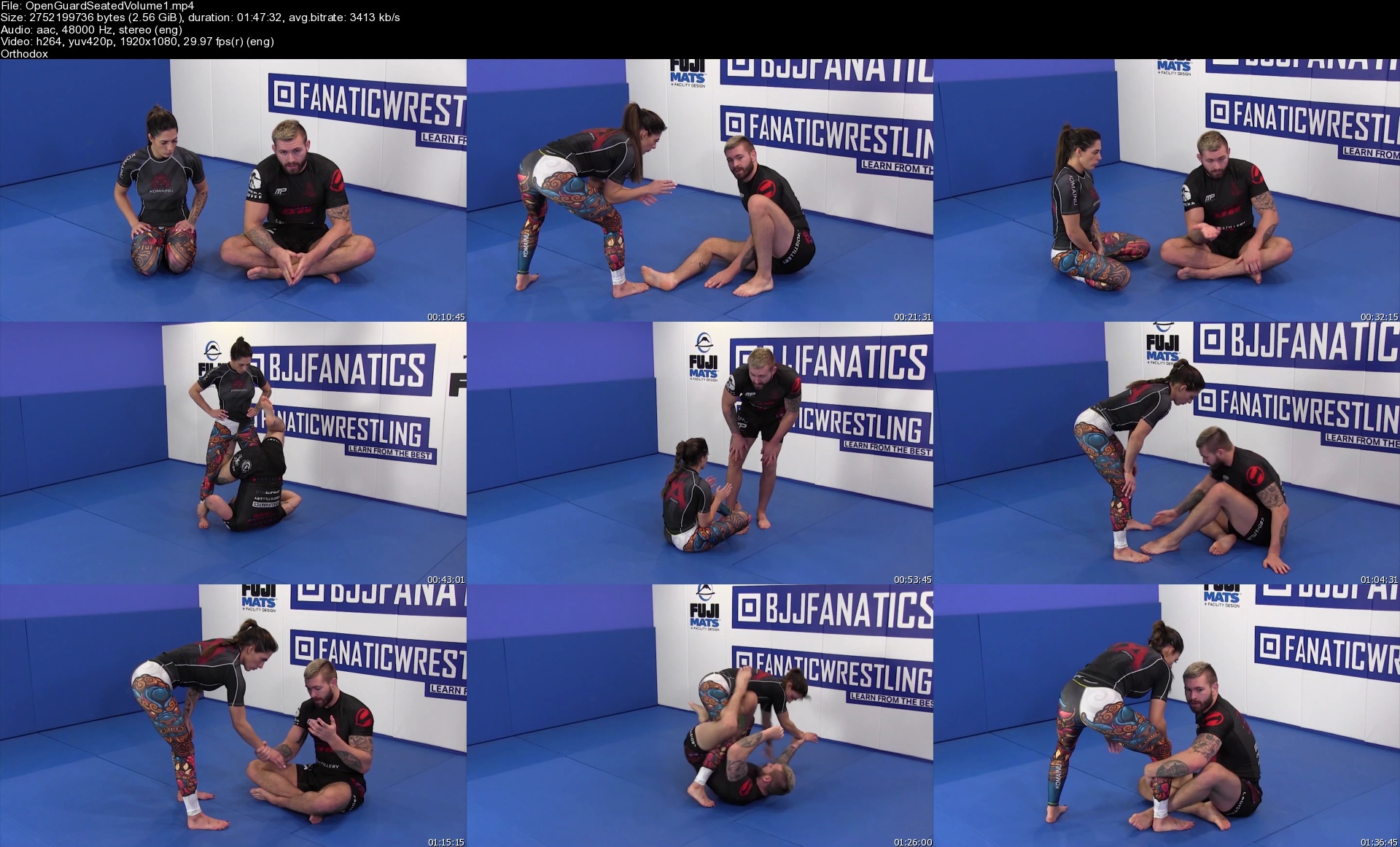
Systematically Attacking From Open Guard Seated Position
Video: .MP4, AVC, 1920x1080, 30 fps | Audio: English, AAC, 44.1 KHz, 2 Ch | Duration: 9h 42m | 18.8 GB
Instructor: Gordon Ryan

The best no-gi grappler on Earth, Gordon "The King" Ryan, shares his secrets for creating action and attacking opponents from seated open guard.

Use Gordon's signature moves, including the shoulder crunch sumi gaeshi, double kouchi gari, and ashi garami entries he has used at elite black belt levels
Learn the first half of Gordon Ryan's seated & supine open guard system, as he shows you how anyone can use these techniques for success
Approach your open guard systematically so you have options and goals for any reaction, with these techniques perfected by Gordon and his professor John Danaher
Watch Gordon Ryan spar from his seated guard, and then break down the footage so you can understand his techniques in action.
Know more. Win more.

WHAT WILL YOU LEARN?

Gordon Ryan is back with BJJ Fanatics, to share one of his most anticipated series yet, his seated open guard. Across 8-volumes, learn the system behind Gordon's open guard success, and how to attack with his step-by-step method of attacking the opponent.

In this series, you'll get to see the secrets behind some of Gordon's signature techniques, including his shoulder crunch sumi gaeshi, his ashi garami entries, double kouchi garis, elevations, and more!

Gordon's seated guard is one half of his open guard, and this will combine with his upcoming supine guard series for a unified system. Use his step-by-step approach to understand the goals, tools, and fundamentals of the position better than ever, as Gordon's detailed coaching breaks down every detail.

These are the fundamentals and secrets behind the system Gordon has used to win at the highest levels of grappling. Gordon's open guard has become one of the sharpest ever, and he has used this seated guard to dominate some of the best grapplers on Earth. Now you can get Gordon's perspective on what he does, and why he is doing it.

In this 8-volume mega-series, see Gordon spar live in the gym against a group of grapplers, and then break down the footage so you can see his system in action. This insight is an incredibly valuable tool towards understanding the complete series when you are facing a resisting opponent.

Homepage

openguardseatedvolumeh0k54.jpg


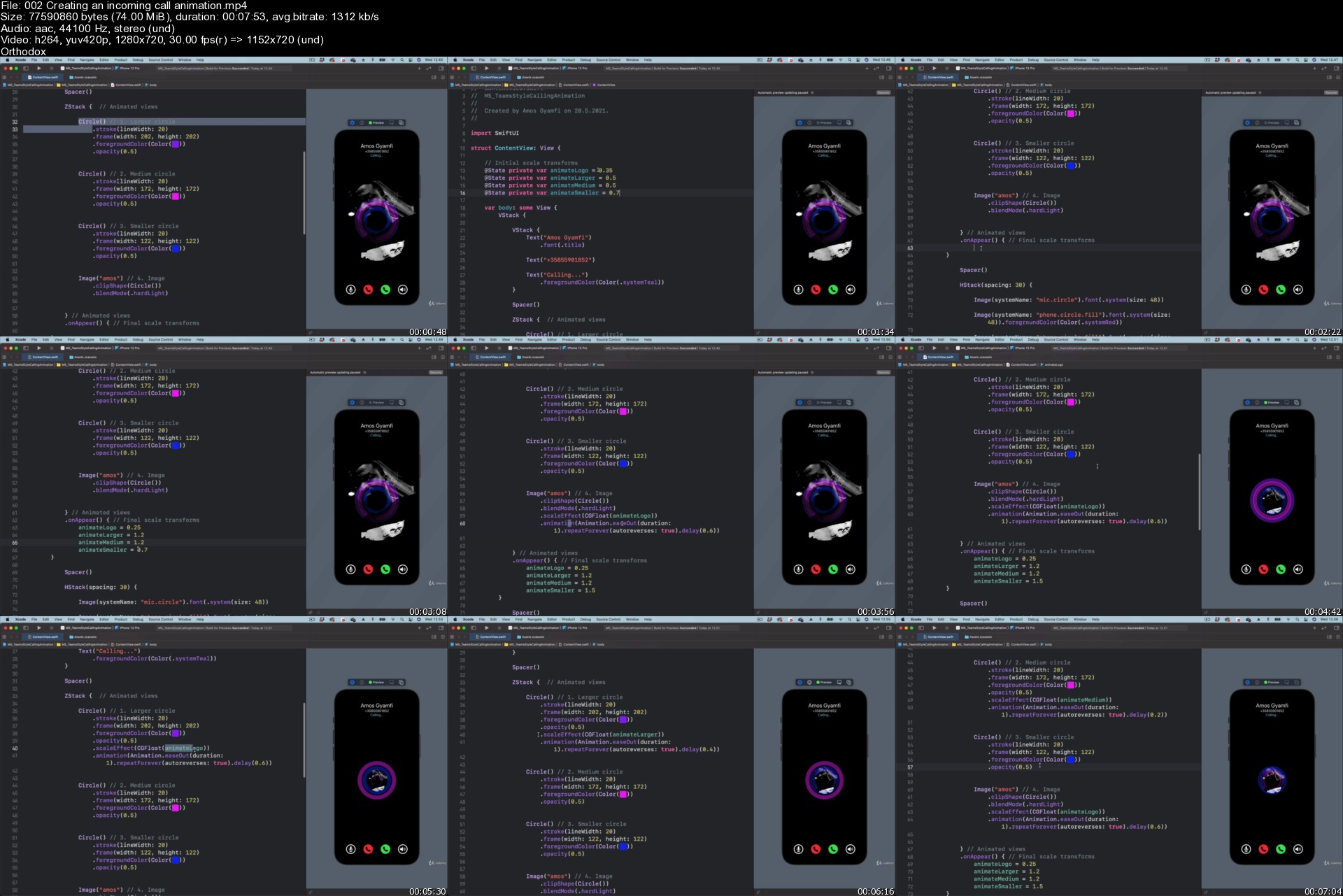
SwiftUI, Animation Foundations: Fundamentals

uzzgx9dl85ejxvfqmsptisojlj.jpg


SwiftUI, Animation Foundations: Fundamentals
MP4 | Video: h264, 1280x720 | Audio: AAC, 44.1 KHz, 2 Ch
Genre: eLearning | Language: English + srt | Duration: 166 lectures (11h 50m) | Size: 5.17 GB

Designing SwiftUI Animations and Motion

What you'll learn:
The Basics of Animation Timing in SwiftUI
How to Make iOS App Animations Look Better
Understanding Basic Animation
Designing Spring Animations
How Anchor Points Affect Animation
Understanding Animation and Motion in SwiftUI
How to Create Meditation and Relaxation Animations
SwiftUI Animation Techniques
How to Build Animations for iOS Applications
Animating in 3D
Motion on a Circular Path

Requirements
Students need Xcode installed on their Mac computer
Students will also need to install MacOS Catalina or Mojave on their Mac computer
The assets for this course are designed in Sketch and most of the icons used in the projects are SF Symbol. Students can still learn the course without installing Sketch or the SF Symbols application.


Description
Hi, My name is Amos Gyamfi. I have been using SwiftUI to create animations and prototypes since its very first release in 2019. I am so excited to teach you how to get started, prototype and, build your next iOS, tvOS, iPadOS, and watchOS App animations using SwiftUI.

Welcome to SwiftUI Animation Foundations: Fundamentals. This course gives you the good foundations and the basic principles of animating anything you could imagine using SwiftUI. We will first go through how things change over time so that you know for example, how things move. We will then look at creating Basic Animation as well as Spring Animation. You will learn how to make your app animations look better, delightful, and useful using nothing but SwiftUI. So, let's get started with SwiftUI Animation Foundations: Fundamentals.

Learning Objectives

Understanding animation and motion in SwiftUI

Working with Anchor Points (Center of mass)

Understanding Basic Animation

Designing Spring Animations

How to make iOS App Animations look better

The basics of Animation Timing

Animating in 3D

Motion on a circular path

Main Sections (will be updated weekly)

Creating Basic Animation

A tour of SwiftUI animations

Understanding how to animate

Create your first Apple Watch animation: A Calming Breath

How to animate Hue Rotation

Animate and swap one text with another: Breath In, Breath Out

Create a looping animation: A glowing ring loader

Create your first SwiftUI animation

Animating scale

How to animate offset

Creating and Animating Shape Properties

How to bring a compound path from Sketch

How to create an animated matching ants

Designing Spring Animations

Using default Spring Animation

Understanding Spring Animation Parameters

Understanding Momentum and Mass

Understanding Stiffness in Spring Animation

Friction and Drag: What is Damping?

How Initial Velocity Affects Spring Animation

Animating in 3D

Create a 3D Swing and Rotating Animation

How to animate X, Y of 3D Rotation

Animating Visual Effects: tvOS Focus and Parallax

Creating Breath Animation for Relaxation

Understanding animation easing

How to animate a trimmed path

how to create a rotation animation

how to animate scale

Animating shadows

How to animate color rotation (Hue adjustment)

Animating Twitter Like

Creating Weather Animations

Creating an Onboarding Animation: Island Fishing Animation (coming soon)

Who this course is for
iOS developers who want to learn app animations using SwiftUI
App designers who want to learn how to animate with SwiftUI
Anyone who wants to learn SwiftUI animations
Designers, app developers, and app engineers who do not have time to create beautiful app animations
Anyone who wants to learn native iOS animations building
Anyone who want to design and prototype animations for iOS, macOS, tvOS and watchOS
iOS App designers and prototypers

Homepage

002creatinganincomingmmk6m.jpg


Udemy - Surfacing a Datsun 240Z with Rhino 3D ( V6 or V5 ) Level 2

u6wl5epitqojpyklh4tz0lekt2.jpg


Udemy - Surfacing a Datsun 240Z with Rhino 3D ( V6 or V5 ) Level 2
Video: MPEG4 Video (H264) 1280x720 (480:263) 30fps 1548kbps | Audio: AAC 44100Hz stereo 128kbps
Genre: eLearning | Duration: 13.5 hrs | Language: English | File size: 9.8 GB

Level 2 design classe from Rhino 3D Tutorials.

What you'll learn
- Level up to a more in depth learning of Rhino 3D' s surfacing tools.
- Advanced Surfacing techniques using Rhino V6 ( and V5 )

Requirements
- This course is strongly recommend for those who are already familiar with Rhino's environment. This is a level 2 tutorial.
- I recommend for beginners to look up for Alexandre Galin, Rhino 3D tutorials for beginners to cover the basics properly. All courses are available on UdeMy.
- Should already be familiar with the Rhino tools and environment.


Description
This Level 2 course is an in depth lesson on creating surfaces using the Datsun 240 Z as a subject. This course is recommended for users already familiar with Rhino 3D's working environment and tools. We will explore surfacing, using Rhino V6 . However, V5 users can also follow along. Rendering will be done with Rhino Render Cycles and then using Vray for Rhino ( Vray 3.4 or later ).


Who this course is for:
- Industrial Designers, Engineers, Technicians, Hobbyists... anyone interested in surfacing design.


Homepage

10creatingthehoodsurfeejxp.jpg


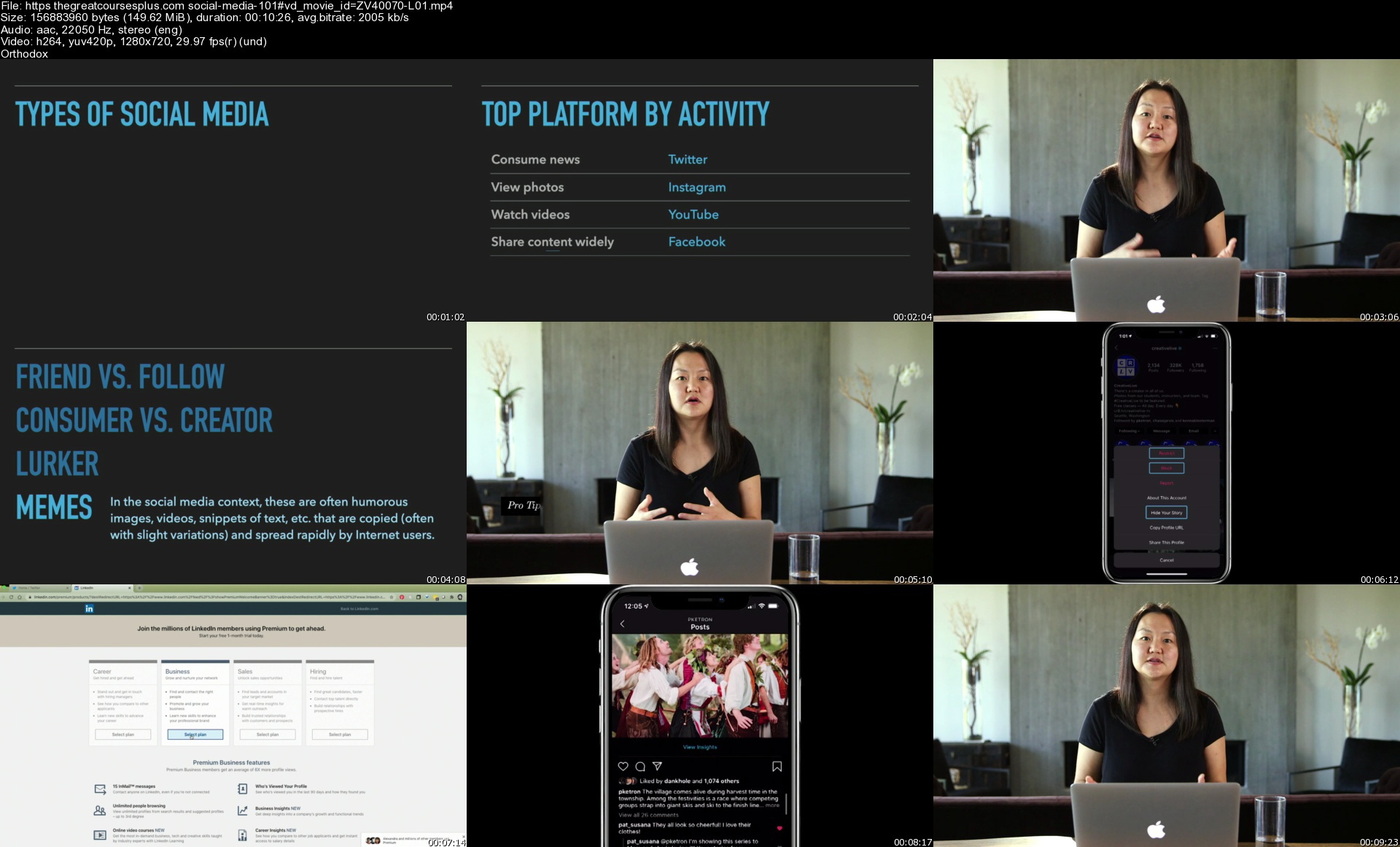
TTC - Social Media 101

likncbwix0lqcycfa3ooxu4kv1.png


TTC - Social Media 101
h264, yuv420p, 1280x720 | ENGLISH, 22050 Hz, 2channel | 6h 01mn | 5.06 GB

Humans are social animals. We don't need science to tell us that because we know it instinctively-we look to make friends even in our youngest years and feel safer and happier when we're connected to others. In fact, neuroscientific research has shown that our desire for social connection is no less biologically based than our need for food or sleep. The human brain is, quite literally, wired for social connection, and our current technology taps into that need for connection through social media.

Throughout history, however, the technologies we've developed to bring us closer together and make our ideas more accessible have not always been welcomed. Fear of social change has been a common response to the development of life-altering technologies like the printing press and the telegraph, for example, and many people have similar concerns about social media today. Nevertheless, with more than 100 websites and apps to help us meet one of our most basic human communication needs, social media is here to stay.

In Social Media 101, educator and photographer Pei Ketron will teach you how to utilize social media to your best advantage, with a step-by-step guide to a curated group of 16 exciting and commonly used social media platforms. She shares her knowledge-and her screen-to teach you how to get started, build your network, and use the most powerful options each platform has to offer. While Social Media 101 includes many of the most popular platforms worldwide-some of which you might already be using-it also includes some lesser-known websites and apps that might be just right for your specific needs. In addition, Pei teaches you the best ways to use one of the most powerful aspects of any social-media exchange: photography.

Even if you are not an avid social media user, understanding this increasingly influential and far-reaching tool can help you decide if there is a form out there that could work for you. Whether social media is an active part of your life or just something you often hear about in the news, no one can deny how powerful it is and how helpful it can be to know its reach and how it works.

httpsthegreatcoursespyok6k.jpg


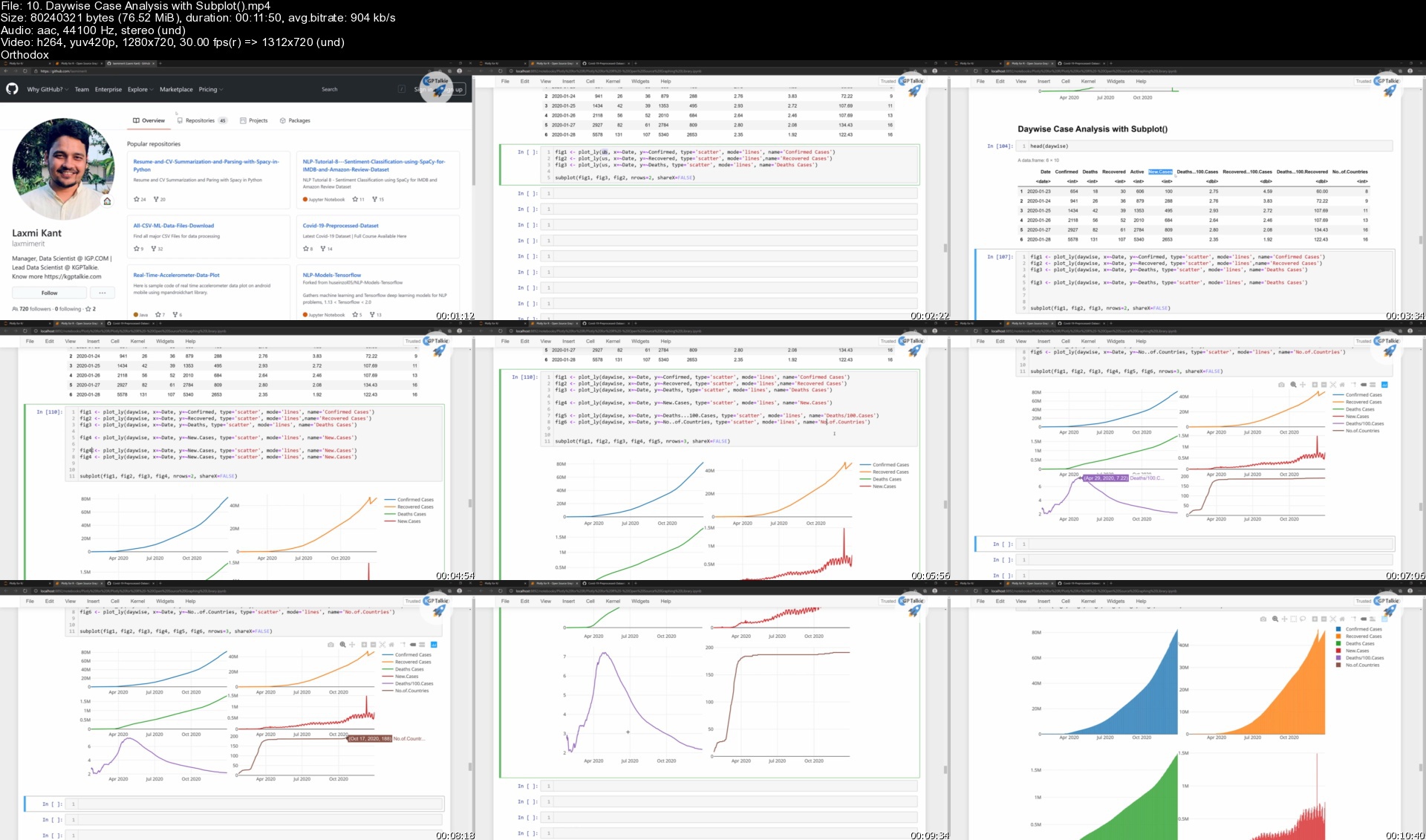
2021 R 4.0 Programming for Data Science || Beginners to Pro (Update 6/2021)

napbaef0new0k06xugd7mqhj03.jpg


2021 R 4.0 Programming for Data Science || Beginners to Pro (Update 6/2021)
Last Update: 6/2021
Duration: 14h 16m | Video: .MP4, 1280x720 30 fps | Audio: AAC, 44.1 kHz, 2ch | Size: 5.45 GB
Genre: eLearning | Language: English

Learn Latest R 4 with R-Studio & Jupyter. DataFrame, Vectors, Matrix, DateTime, GGplot2, Tidyverse, Plotly, etc.


What you'll learn:
Learn to write a program in R 4.0
Learn fundamentals of R programming
How to use R-Studio
How to analyze the data
How to plot beautiful plots
Real exercise for data analysis
Use for Machine Learning programming
Write code for Linear Regression and Logistic Regression Analysis
Data visualization on real dataset | Covid-19, Boston Housing Price and Titanic dataset
Learn Plotly for Covid-19 Data Analysis
Advanced Plotly in R
Linear Regression in R
Non-Linear and Polynomial Regression
Multiple Simple Linear Regression in R on Boston Housing Price Prediction

Requirements:
Anyone interested to become a Data Scientist or Data Analyst
No prerequisites require

Description:
Are you ready to accept the R Programming Challenge?
Want to analyze and get insights from your datasets?
This Course is for You!!!
You will learn R programming in a very interactive way. I will be explaining to you each line of code. You do not need any prior experience in coding. Anyone can start learning. We will start with R Programming and R-Studio set up on the computer thereafter I will be teaching you fundamentals of R Programming.
In this course, you learn:
How to install R-Packages
How to work with R-data types
What is R DataFrame, Matrices, Vectors etc.
How to work with DataFrames
How to perform join and merge operations on DataFrames
How to plot data using ggplot2 in R 4.0
Analysis of real-life dataset Covid-19


Who this course is for:
Data Scientist Beginners
R Programmers
Data Scientist who codes in R
Data Analyst who codes in R
Data Scientist managers, executives or students

Homepage

10.daywisecaseanalysiolk5m.jpg


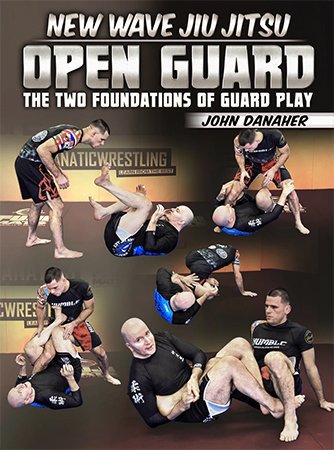
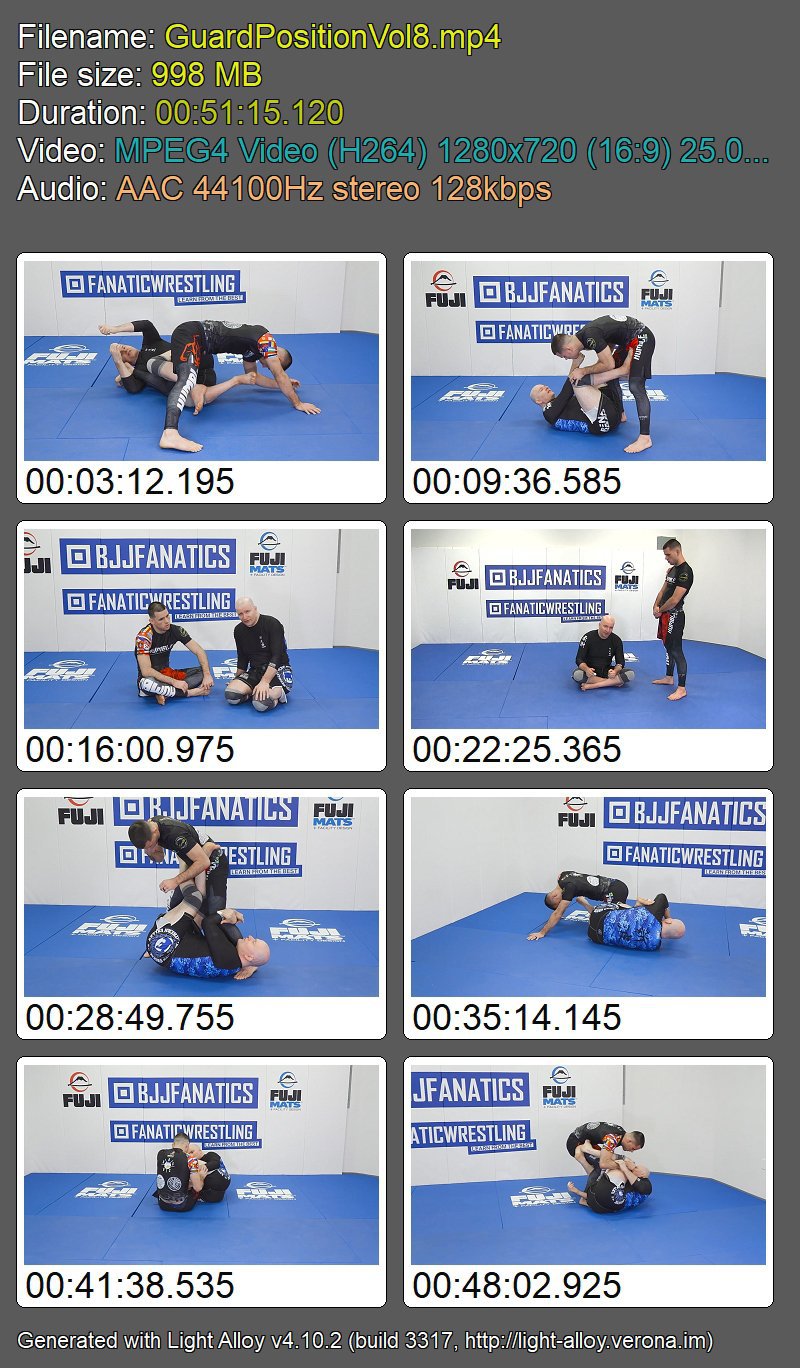
New Wave Jiu Jitsu: Open Guard The two Foundations Of Guard Play

ooqiberroxke5wjlkzcm485kcu.jpg


New Wave Jiu Jitsu: Open Guard The two Foundations Of Guard Play
John Danaher | Duration: 9h 12m | Video: H264 1280x720 | Audio: AAC 44,1 kHz 2ch | 10,4 GB | Language: English

Develop the ability to create pressure from open guard and attack with modern strategy and technique from Professor John Danaher!

• Professor Danaher breaks down the main elements of his student's guard success, including insights around leg locking that set their style apart from the rest of the field
• Learn the secret to a dynamic open guard as Professor Danaher explains his dynamic energy theory
• Use the knowledge/denial model of guard retention to hold your open guard under attack and start launching your own offense
• Enter the legs and begin finding consistent pathways to victory by focusing on lower body no-gi techniques
• John Danaher is the Brazilian Jiu Jitsu coach of champion athletes like Gordon Ryan, Garry Tonon, Craig Jones, and Georges St. Pierre

Homepage

epp6jh2w3pksfhvszpsysdfkq3.jpg


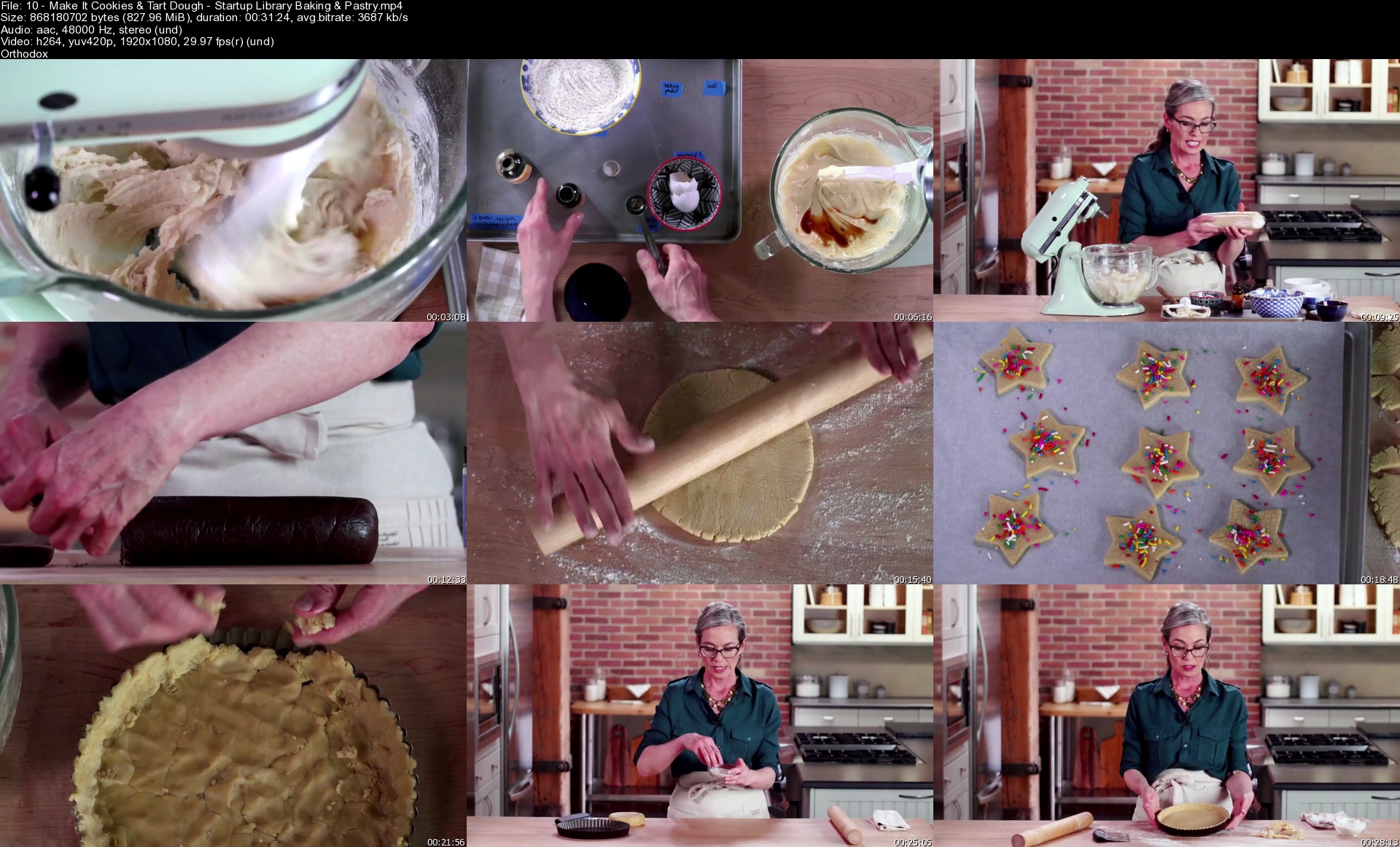
Startup Library: Baking & Pastry

xv6ahhxicjenbexjgbtkuxdkbe.jpg


Startup Library: Baking & Pastry
MP4 | Video: h264, 1920 x 1080 | Audio: AAC, 48 KHz, 2 Ch
Genre: eLearning | Language: English | 3h17m | Size: 5.77GB

Ready to dive into the satisfyingly delicious art of baking? Join expert Zoë François in this comprehensive beginner's class, where she'll teach you the basics of making delicious baked goods at home. Explore a range of key tools, equipment and techniques to make a variety of pastries and desserts from scratch, including biscuits, pies, cakes, quick breads, cookies and more. Plus, Zoë will walk you through each step and share her tips and tricks along the way, so that you can start baking with confidence!

Homepage

10makeitcookiestartdoomkr6.jpg


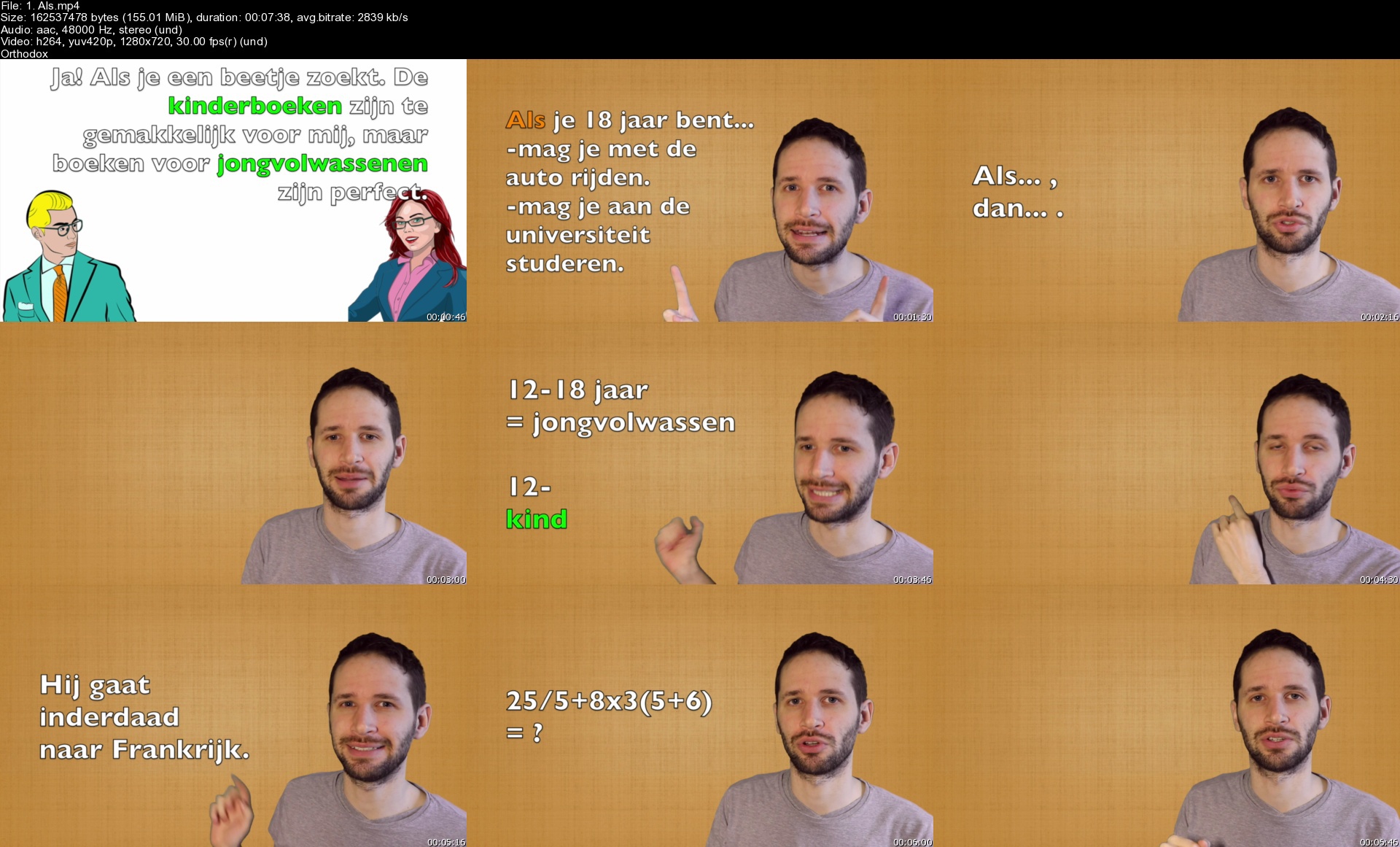
Learn Dutch in Dutch 3: master the 1000 most used words

sfgndtzgtgyfbidulvjjvivja9.jpg


Learn Dutch in Dutch 3: master the 1000 most used words
MP4 | Video: h264, 1280x720 | Audio: AAC, 44.1 KHz
Language: English | Size: 9.05 GB | Duration: 7h 54m


What you'll learn
master the 1000 most used Dutch words
how to conjugate the present tense and the present continuous
use all modal verbs
give advice in Dutch
use the right pronunciation
express your opinion
a bit of culture
talk about the weather
understand dialogues
go to the doctor
describe the family
use reflexive verbs
master the two past tenses: imperfectum and perfectum
understand many expressions
make Dutch phrases
use the correct word order
have smalltalk with colleagues
apply the comparative and the superlative
give directions
use er
tell a story
express feelings
what to say while doing sports
apply separable verbs
how to translate all, only and busy
how to order something
Requirements
Knowing about 500 Dutch words or having followed my previous 2 courses

Description
Know already a bit of Dutch?

Want to improve your understanding skills?

Can you use some repetition?

Do you want to learn the most important words?

You're at the right spot!

In this course, you'll learn how to use the 1000 most common words. Yes, 1000!

From the comfort of your own home, you're about to learn Dutch... in Dutch!

A beginners' course

You'll start where you've left off in the previous course on this platform. But, no worries: if you know about 500 words already, you can start following this one. Basics will be covered again at the start of the course to ensure you can follow the rest of the course.

What are you minutes away from learning?

How to use the 1000 most used words in Dutch. These words are used over and over again by Dutch natives, which will help you a lot to get around with Belgians or Dutch people. You'll understand a much bigger portion of what people are saying after having done the whole course. You will learn how to properly use the past tenses, which means you'll be around mid-A2 level after following the course.

How will you learn?

The course includes over 100 video lectures. They are all completely in the Dutch language so you will be totally immersed. Over 100 downloadable audio files are includes so you can repeat the new words whenever you like. Each lesson will have a test to make sure you can apply what you've learned.

The Belgian accent, called Flemish, is used. The Flemish accent is also understood in the Netherlands.

I guarantee:

Full, free lifetime access

All future extra lectures and upgrades are always included for free

Unconditional Udemy 30 day money-back guarantee

Native Dutch teacher

Ready to learn Dutch online?

Happy learning,

Alain


Who this course is for:
Dutch students willing to expand their vocabulary and to improve their listening and understanding skills


Homepage

1.alssvukpv.jpg


Coursera - Become an EMT Specialization by University of Colorado

007953c5u0kzp.jpg


Coursera - Become an EMT Specialization by University of Colorado
Video: .mp4 (1280x720) | Audio: AAC, 44100 kHz, 2ch | Size: 7.8 Gb | Materials: PDF
Genre: eLearning Video | Duration: 23h 58m | Language: English

EMT Medical and Trauma Emergency Care. Gain the skills needed to provide first responder emergency medical care.

EMT Foundations
In this course, you will get a thorough introduction to the emergency medical services system, and learn the foundation components to how it works as a whole. You will also learn the nuts and bolts of becoming a healthcare provider, and gain some basic knowledge about the human body. By the end of the course, you will be able to 1) understand the history and components of the EMS system, 2) speak the language of medicine with basic medical terminology, as well as have an understanding of basic human anatomy, 3) understand the different types of communications and how they are specific to EMS, 4) take vital signs and master the normal from the abnormal, and 5) master personal and scene safety, and begin the process of patient assessment.

Medical Emergencies: Airway, Breathing, and Circulation
In this course, you will develop the knowledge and skills to assess and stabilize certain types of patients for transport. By the end of this course, you will be able to: 1) assess a basic medical patient 2) describe general pharmacologic principles and the skills associated with medication administration, 3) explain airway physiology, the assessment of the airway and available interventions for airway management, 4) identify, assess and formulate a plan to stabilize a patient with a respiratory emergency for transport, and 5) identify, assess and formulate a plan to stabilize a patient with a cardiovascular emergency for transport. 6) describe the most common neurologic and endocrine emergencies and what you can do for them as an EMT.

Medical Emergencies: CPR, Toxicology, and Wilderness
In this course, you will develop the knowledge and skills to assess and stabilize certain types of patients for transport. By the end of this course, you will be able to: (1) Identify the signs and symptoms associated with a patient in shock, to describe the major categories of shock, to assess a patient with signs of shock and formulate a plan for treatment to stabilize the patient for transport, (2) Identify a patient in cardiac arrest and to describe the components of high performance CPR including placement of an AED, components of quality chest compressions, and options for oxygenation, (3) Identify a patient with under the influence of a drug of abuse or a toxicologic ingestion, assess a patient with a potential or known ingestion, and to formulate a plan for treatment and stabilization for transport including that of a violent patient, (4) Identify the symptoms associated with the most common environmental emergencies including hypothermia, hyperthermia, lightning strike and drowning, to assess patients with an environmental emergency and to describe initial treatment and stabilization for transportation and (5) Understanding your patient's story as well as to think critically about the complaint and symptoms associated with the gastrointestinal track, renal system, and the reproductive system.

Trauma Emergencies and Care
Welcome to Trauma Emergencies and Care. In this course, you will learn about some of the mechanics and physics of trauma on the human body, and how this can cause injury. You will continue to expand your new vocabulary with medical terminology, and learn how to describe the different injuries you may see. You will also learn about the trauma system itself- and when it is important to transport patients to a trauma center.

Then we will dive into specific injuries based on what part of the body may be injured- or trauma by system. There are different considerations in the trauma patients depending on both how, and where, they are injured. And of course- you will learn your standard approach to a history and physical exam of the trauma patient. Finally, you will learn about something that you hope to never encounter: mass casualty incidents, or MCI's. These are occurrences where you may have multiple patients, and there is an organized and specific approach as a provider in these circumstances.

Emergency Care: Pregnancy, Infants, and Children
Welcome to the final course of lectures in your quest to master EMT basics. In this course, we will cover some of the highest-stress patient populations: pregnant patients and ****, also known as pediatrics. To wrap up your EMT knowledge we will end this course with information about hazmat situations, extricating patients from tight spots and finally how you write a note about your patient care. You will learn to ensure it communicates what your assessment of the patient was, what interventions you performed and why you did them.

You will build on your knowledge of anatomy, patient assessment and scene safety to develop an approach to these new patient populations. We will walk through the things that make pregnant patients and pediatric patients different but also what makes them the same as all the patients you care for. Prepare yourself for some noisy ****, some uncomfortable moms and hopefully a lot of fun learning new things.

Prepare for the EMT Certification Test
Welcome to your final course in Become and EMT! Prepare for the National Registry exam.

The title for this course is a little bit misleading. We do hope that at the completion of this course that you feel more prepared to take the skills portion as well as the written portion of the national registry exam. More than anything else, however, our greatest hope is that we have given you the knowledge and tools to provide high quality patient care once you are certified as an EMT or once you achieve whatever level of patient care provider you aspire to. I think many of you have experienced in school or other training the difference between knowing the information needed to pass a test and being able to apply that information to a real life problem. We want you to be able to apply your knowledge! To accomplish this, there will be videos from prior courses to review, links to the national registry patient care checklists, and you will use these resources to complete a series of patient care scenarios that challenge you to apply what you have learned over the past 5 courses. The next couple of weeks are designed to stretch your knowledge and guide you to apply it to potentially real patient presentations. In addition, you will have the opportunity to practice peer review on the care plans that your fellow learners put together. Not only does this provide you the opportunity to see what other people would do in a similar situation but also reinforces your understanding of the material. Good luck and have fun with this last portion of the specialization!

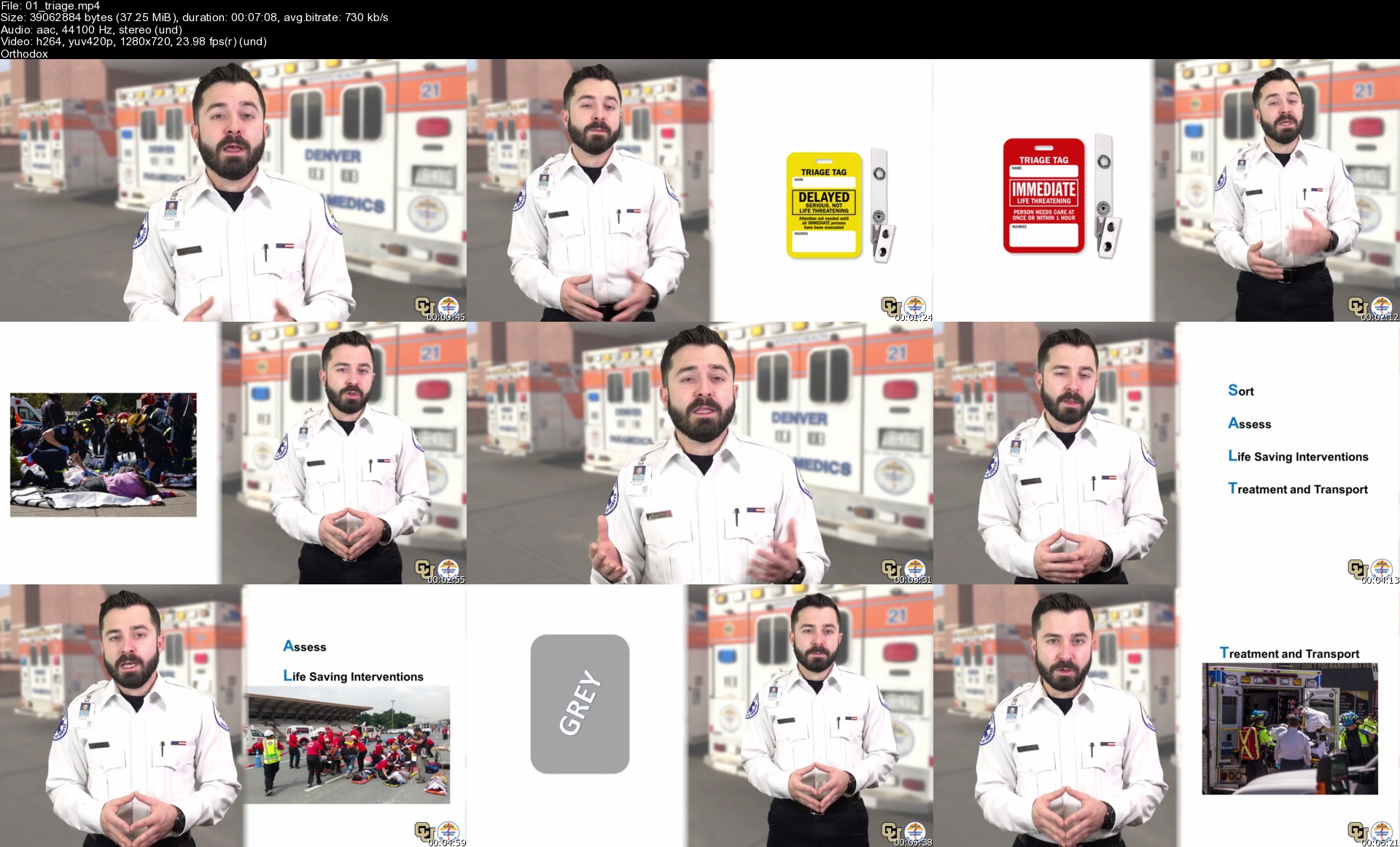
01triagesthjah.jpg


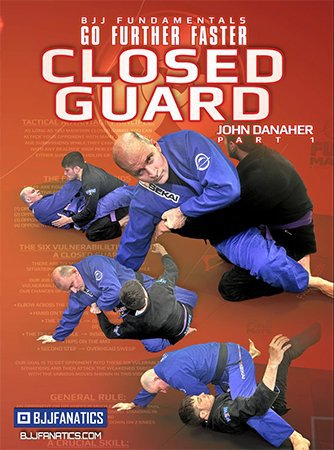
Closed Guard: BJJ Fundamentals - Go Further Faster

vgosxhirihdokybukrmrrklkbb.jpg


Closed Guard: BJJ Fundamentals - Go Further Faster
John Danaher | Duration: 9h 37m | Video: H264 1920x1080 | Audio: AAC 48 kHz 2ch | 14,82 GB | Language: English

Learn the fundamentals and concepts behind one of grappling's most important positions, as Professor John Danaher helps you go further, faster from the closed guard

• John Danaher is widely regarded as one of the world's foremost experts in grappling, and his goal in our Go Further, Faster is to explain the underlying fundamentals and concepts that govern Brazilian Jiu-Jitsu
• Professor Danaher explains not just how to attack from closed guard, but also why each attack is working on a mechanical and strategic level
• The closed guard, as Professor Danaher explains, is governed by six main vulnerabilities that you can exploit for huge success
• With systematic concepts around how to counter your opponent's moves, see the most technical ways to get to top locks, clamp guards, side scissors, and more

Homepage

vgklnipkbv1mmujsctn13csk6z.jpg


Zurück
Oben Unten