


• Regeln für den Video-Bereich:

    In den Börsenbereich gehören nur Angebote die bereits den Allgemeinen Regeln entsprechen.

    Einteilung

    - Folgende Formate gehören in die angegeben Bereiche:
    - Filme: Encodierte Filme von BluRay, DVD, R5, TV, Screener sowie Telesyncs im Format DivX, XviD und x264.
    - DVD: Filme im Format DVD5, DVD9 und HD2DVD.
    - HD: Encodierte Filme mit der Auflösung 720p oder darüber von BluRay, DVD, R5, TV, Screener sowie Telesyncs im Format x264.
    - 3D: Encodierte Filme von BluRay, die in einem 3D Format vorliegen. Dies gilt auch für Dokus, Animation usw.
    - Serien: Cartoon/Zeichentrick, Anime, Tutorials, Dokumentationen, Konzerte/Musik, Sonstiges sind demnach in die entsprechenden Bereiche einzuordnen, auch wenn sie beispielsweise im High Definition-Format oder als DVD5/DVD9/HD2DVD vorliegen. Ausnahme 3D.
    - Bereich Englisch: Englische Releases gehören immer in diesen Bereich.
    - Bereich Talk: Der Bereich, in dem über die Releases diskutiert werden kann, darf, soll und erwünscht ist.


    Angebot/Beitrag erstellen

    - Ein Beitrag darf erst dann erstellt werden, wenn der Upload bei mindestens einem OCH komplett ist. Platzhalter sind untersagt.
    - Bei einem Scenerelease hat der Threadtitel ausschließlich aus dem originalen, unveränderten Releasenamen zu bestehen. Es dürfen keine Veränderungen wie z.B. Sterne, kleine Buchstaben o.ä. vorgenommen werden. Ausnahme Serienbörse:
    - Bei einem Sammelthread für eine Staffel entfällt aus dem Releasename natürlich der Name der Folge. Beispiel: Die Simpsons S21 German DVDRip XviD - ITG
    - Dementsprechend sind also u.a. verboten: Erweiterungen wie "Tipp", "empfehlenswert", "only", "reup", usw. / jegliche andere Zusatzinformation oder Ergänzung, welche nicht in obiger Beschreibung zu finden ist.

    Aufbau des Angebots und Threadtitel

    Der Titel nach folgendem Muster erstellt zu werden. <Name> [3D] [Staffel] [German] <Jahr> <Tonspur> [DL] [Auflösung] <Quelle> <Codec> - <Group>
    Beispiel: The Dark Knight German 2008 AC3 DVDRip XviD - iND
    Beispiel: The Dark Knight 2008 DTS DL BDRip x264 - iND
    Beispiel: The Dark Knight 2008 AC3 DL BDRip XviD - iND
    Beispiel: The Dark Knight German 2008 AC3 720p BluRay x264 iND
    Beispiel: The Dark Knight 2008 DTS DL 1080p BluRay x264 iND
    Beispiel: Die Simpsons S01 German AC3 DVDRip XviD iND
    Beispiel: Die Simpsons S20 German AC3 720p BluRay x264 iND
    Beispiel: Sword Art Online II Ger Sub 2014 AAC 1080p WEBRip x264 - peppermint
    Entsprechend sind also u.a. verboten: Sonderzeichen wie Klammern, Sterne, Ausrufezeichen, Unterstriche, Anführungszeichen / Erweiterungen wie "Tipp", "empfehlenswert", "only", "reup", usw. / jegliche andere Zusatzinformation oder Ergänzung, welche nicht in obiger Beschreibung zu finden ist
    Ausnahmen hiervon können in den Bereichen geregelt sein.

    Die Beiträge sollen wie folgt aufgebaut werden:
    Überschrift entspricht dem Threadtitel
    Cover
    kurze Inhaltsbeschreibung
    Format, Größe, Dauer sind gut lesbar für Downloader außerhalb des Spoilers zu vermerken
    Nfo sind immer Anzugeben und selbige immer im Spoiler in Textform.
    Sind keine Nfo vorhanden z.B. Eigenpublikationen, sind im Spoiler folgende Dateiinformationen zusätzlich anzugeben :
    Quelle
    Video (Auflösung und Bitrate)
    Ton (Sprache, Format und Bitrate der einzelnen Spuren)
    Untertitel (sofern vorhanden)
    Hosterangabe in Textform außerhalb eines Spoiler mit allen enthaltenen Hostern.
    Bei SD kann auf diese zusätzlichen Dateiinformationen verzichtet werden.

    Alle benötigten Passwörter sind, sofern vorhanden, in Textform im Angebot anzugeben.
    Spoiler im Spoiler mit Kommentaren :"Schon Bedankt?" sind unerwünscht.


    Releases

    - Sind Retail-Release verfügbar, sind alle anderen Variationen untersagt. Ausnahmen: Alle deutschen Retail-Release sind CUT, in diesem Fall sind dubbed UNCUT-Release zulässig.
    - Im Serien-Bereich gilt speziell: Wenn ein Retail vor Abschluss einer laufenden Staffel erscheint, darf diese Staffel noch zu Ende gebracht werden.62
    - Gleiche Releases sind unbedingt zusammenzufassen. Das bedeutet, es ist zwingend erforderlich, vor dem Erstellen eines Themas per Suchfunktion zu überprüfen, ob bereits ein Beitrag mit demselben Release besteht. Ist dies der Fall, ist der bereits vorhandene Beitrag zu verwenden.
    - P2P und Scene Releases dürfen nicht verändert oder gar unter einem iND Tag eingestellt werden.


    Support, Diskussionen und Suche

    - Supportanfragen sind entweder per PN oder im Bereich Talk zu stellen.
    - Diskussionen und Bewertungen sind im Talk Bereich zu führen. Fragen an die Uploader haben ausschließlich via PN zu erfolgen, und sind in den Angeboten untersagt.
    - Anfragen zu Upload-Wünschen sind nur im Bereich Suche Video erlaubt. Antworten dürfen nur auf Angebote von MyBoerse.bz verlinkt werden.


    Verbote

    - Untersagt sind mehrere Formate in einem einzigen Angebotsthread, wie beispielsweise das gleichzeitige Anbieten von DivX/XviD, 720p und 1080p in einem Thread. Pro Format, Release und Auflösung ist ein eigener Thread zu eröffnen.
    - Grundsätzlich ebenso verboten sind Dupes. Uploader haben sich an geeigneter Stelle darüber zu informieren, ob es sich bei einem Release um ein Dupe handelt.
    - Gefakte, nur teilweise lauffähige oder unvollständige Angebote sind untersagt. Dies gilt auch für eigene Publikationen, die augenscheinlich nicht selbst von z.B. einer DVD gerippt wurden. Laufende Serien, bei denen noch nicht alle Folgen verfügbar sind, dürfen erstellt und regelmäßig geupdatet werden.
    - Untersagt sind Angebote, welche nur und ausschließlich in einer anderen Sprache als deutsch oder englisch vorliegen. Ausnahmen sind VORHER mit den Moderatoren zu klären.


    Verstoß gegen die Regeln

    - Angebote oder Beiträge, die gegen die Forenregeln verstoßen, sind über den "Melden"-Button im Beitrag zu melden.
  • Bitte registriere dich zunächst um Beiträge zu verfassen und externe Links aufzurufen.

++ Premium IPTV ++ 7000 Live Sender ++ UHD Qualität ++ Mediathek mit 18.000 Inhalten ++


VenneTV


Englische Tutorials

Hero 3D Asset Creation - In-Depth Tutorial Course

bf2dlfveg32bpv8y5e1oj70k2g.jpg


Hero 3D Asset Creation - In-Depth Tutorial Course
Duration: 11h 56m | Video: .MP4, 1920x1080 30 fps | Audio: AAC, 44.1 kHz, 2ch | Size: 13.1 GB
Genre: eLearning | Language: English

Learn how a professional prop artist works when creating hero props for games.

What you'll learn
How to create high quality 3D assets
How to create clean low poly and high poly models
How to do advanced texturing in Substance Painter
How to bake and render in marmoset Toolbag

Requirements
For this course you will need a basic understanding already of Blender3D, Substance Painter, Marmoset Toolbag and Zbrush


Description
Hero Asset Creation - In-Depth Tutorial Course

Learn how a professional prop artist works when creating hero props for games. You'll learn techniques like High Poly Modeling, Low Poly Modeling, UV Unwrapping, quick boolean creation, Texture Baking, Texturing, Rendering - and much more!

BLENDER, PAINTER AND MARMOSET TOOLBAG

All the modeling and UV mapping are done in Blender and a very small part in Zbrush, Texturing will be done using Substance painter, and the final rendering will be done within marmoset toolbag 4.

In this course, you will learn everything you need to know to create the final results that you see in the images and trailers

11+ HOURS!

This course contains over 11+ hours of content - You can follow along with every single step - The course does inclose a few small time lapses, this is just to speed up very repetitive tasks, the rest is done in real-time. -
We will start doing the low poly modeling in Blender, then we will move on to the high poly where we will use Zbrush to clean up our booleans. After that, we will be doing our UV Unwrapping and prepare our scene for baking. We will be doing our baking inside of Marmoset Toolbag 4, upon which we will move to Substance Painter where we will create our final texture. And finally, we will render our end result back again in Marmoset Toolbag 4. Everything in this tutorial course will be explained in detail.

SKILL LEVEL

This game art tutorial is perfect for students who have some familiarity with the tools Blender, Substance Painter, Zbrush, and Marmoset Toolbag 3/4- Everything in this tutorial will be explained in detail. However, if you have never touched blender or substance painter before we recommend that you first watch an introduction tutorial of those programs (you can find many of these for free on Youtube or paid on this very website)

TOOLS USED

Blender 2.8+

Marmoset Toolbag 4

Substance Painter

Zbrush

YOUR INSTRUCTOR

Emiel Sleegers is a senior environment artist currently working in the AAA Game Industry. He's worked on games like The Division 2 + DLC at Ubisoft, Forza Horizon 3 at Playground Games, and as a Freelancer on multiple projects as an Environment Artist and Material Artist.

CHAPTER LIST

There's a total of 38 videos split into easy to digest chapters.

01 - Going over our Reference and Setting up Blender - Blender

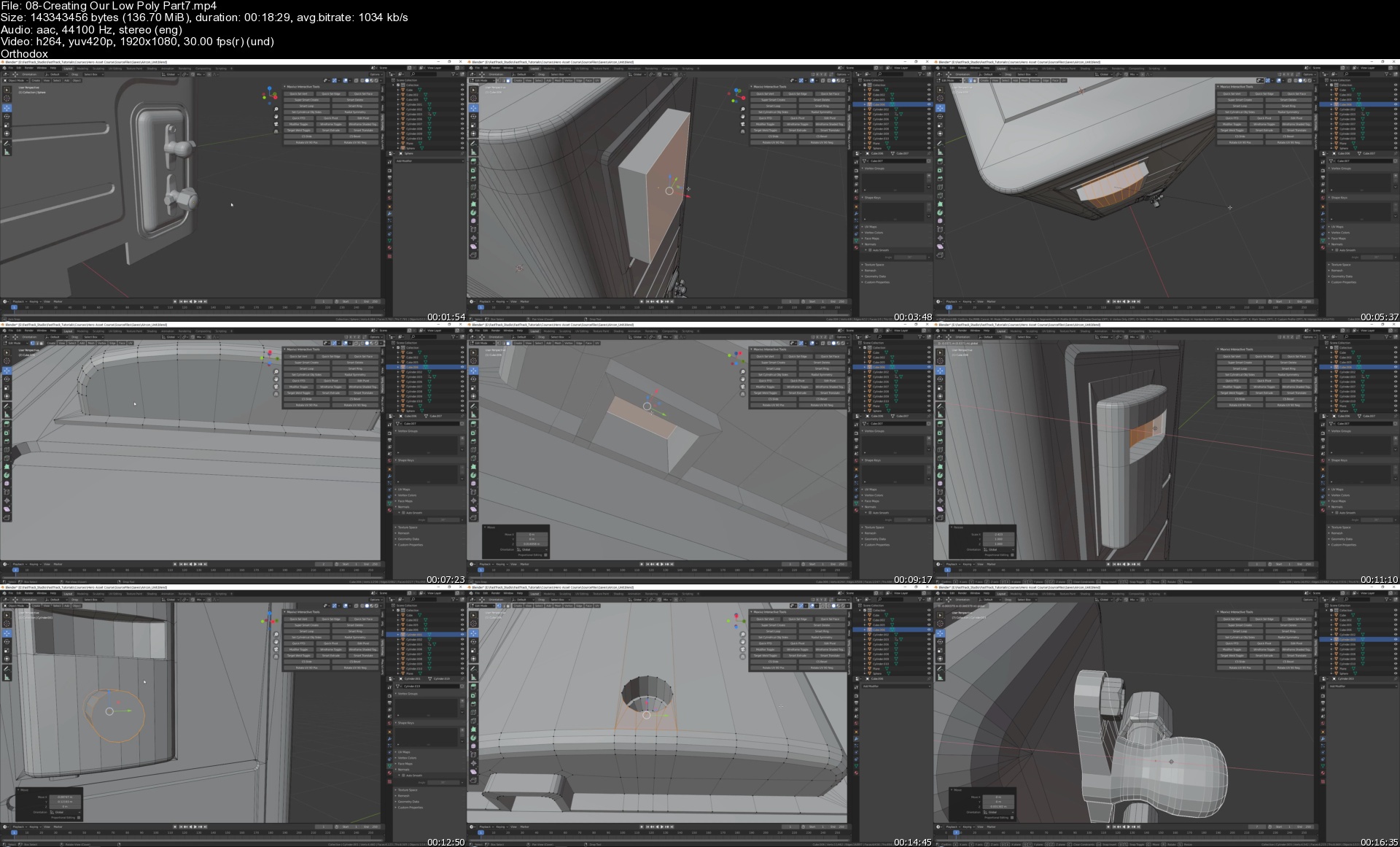
02-15 - Creating Our Low Poly - Blender

16-18 - Creating Our High Poly - Blender

19-22 - UV Unwrapping our Model - Blender

23-24 - Creating our Cables - Blender

25 - Preparing our Assets for Baking- Blender

26-27 - Baking our Assets - Marmoset Toolbag

28 - Setting up Substance Painter and Painting in Normal Details - Substance Painter

29-35 - Creating our Final Material - Substance Painter

36 - Setting up our Final Render Scene - Marmoset Toolbag

37 - Polishing our Texture- Substance Painter

38 - Final Polish- Substance Painter + Marmoset Toolbag


Who this course is for:
Semi-Beginner to Intermediate 3D Artists

Homepage
08creatingourlowpolyphkj41.jpg


Data Analytics in Excel

jvawdorwmkacwbb1rxkqel2jae.jpg


Data Analytics in Excel
Duration: 14h 56m | Video: .MP4 1356x720, 30 fps(r) | Audio: AAC, 44100 Hz, 2ch | Size: 8.92 GB
Genre: eLearning | Language: English

A complete data analysis course using the tools you already have.


What you'll learn
Data Analytics
Data Visualization
Hypothesis Testing
Statistics
Forecasting
Excel
Regression
Monte Carlo Simulation
Linear Programming

Requirements
Basic Math


Description
Do you think you need to learn new software to perform data analysis, statistics, simulations? You don't! Everything you need to get started in the world of data analytics is already on your computer in the wonderful application called Excel.

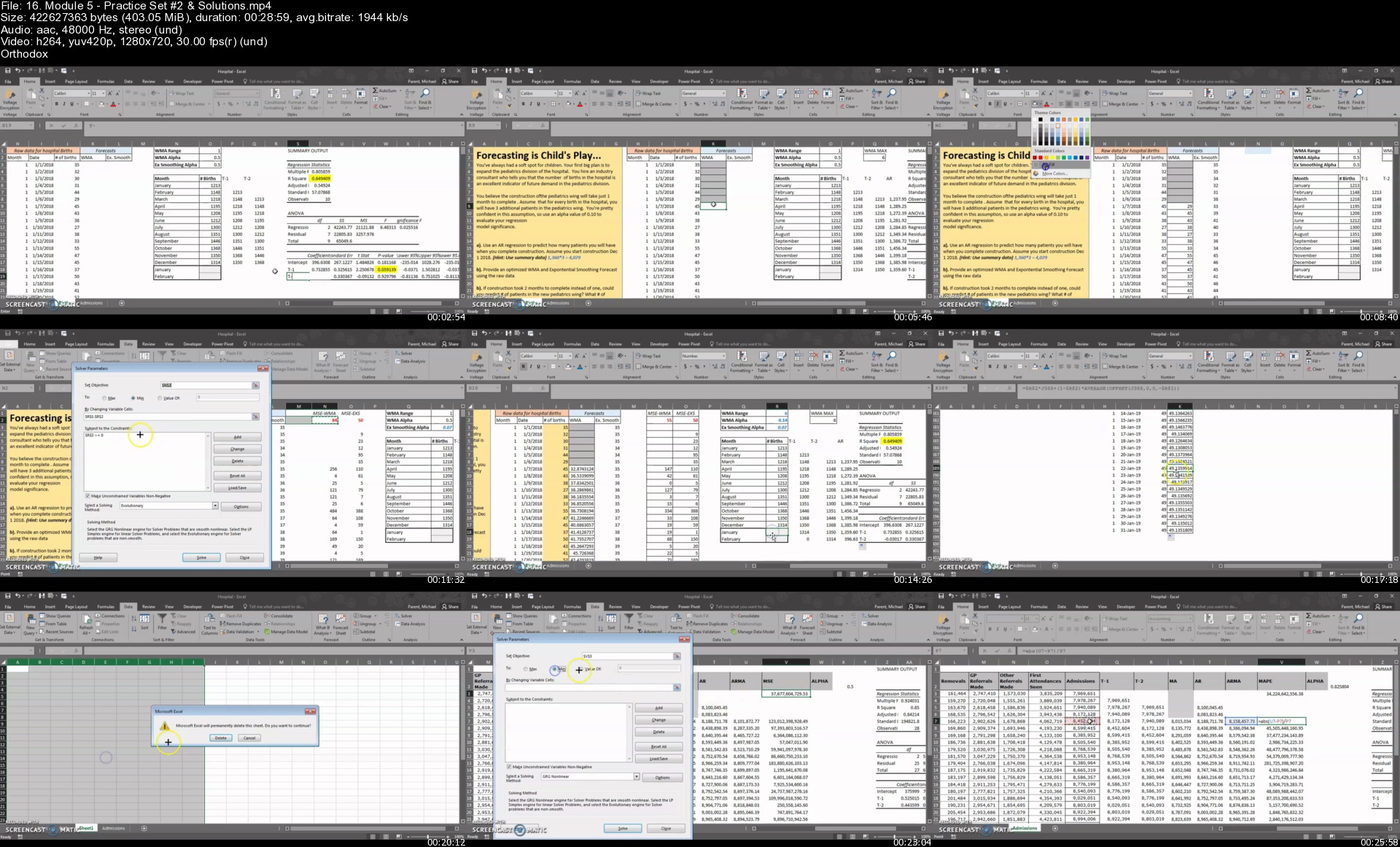
This course will first acquaint you with the Excel environment including how to use simple and complex functions, hot-key shortcuts and navigation tips to make sure you work efficiently and effectively. From there, I lead you in lectures and practice exercises on the fundamental topics of data analytics.

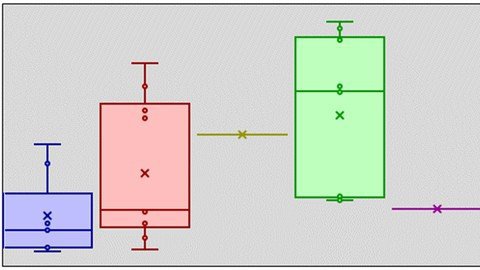
Data Visualizations - Visualizing data is an important part in analyzing data as well as presenting and explaining what it means. Lectures in this course Included how to craft and use bar charts, line charts, radial charts, histograms, box and whisker charts, pie charts, conditional formatting and Sparklines.

Pivot Tables - Pivot Tables are very powerful, simple to use tools built into excel. The lectures will include how to structure data to get the most out of pivot tables, and then a few use cases including root cause analysis, comparative analysis, along with other visualization tools specific to pivot tables.

Statistics - The Statistics module is by far the most densely packed module in this course. As a statistician by training, I present a deep dive into the data behind the statistics and how to use different statistical tests based on different circumstances. The module is filled with different lectures and exercises involving ANOVA tests, T Tests, Chi-Squared Tests, Tests for Normality, Regression Analysis and more.

Forecasting - Organizations have to be able to anticipate the future. The forecasting tools presented in this course help us accomplish this feat. Forecasting is presented in two different ways - Factor forecasting and Time Series forecasting. For each approach to forecasting, many tools and techniques are introduced and reviewed including Regression analysis, Monte Carlo Simulation, Simple Moving Averages, and Auto-Regressive techniques.

Excel Tools - Excel has a lot of useful tools that don't quite fit neatly into any of the other modules. The last module of this course explores the use cases of using these tools. In particular, several archetypal problems are introduced and solved using the miscellaneous data analysis tools found in excel, including Excel Solver.


Who this course is for:
Operations managers
Quality professionals
Industrial Engineers
Data Analysts

Homepage

16.module5practicesetfjjig.jpg


Cryptocurrency From Beginner to Advanced (NFTs,ETFs,& DEFI)

kutzlu0ocbzuny9nowuus1cje7.jpg


Cryptocurrency From Beginner to Advanced (NFTs,ETFs,& DEFI)
MP4 | Video: h264, 1280x720 | Audio: AAC, 44.1 KHz, 2 Ch
Genre: eLearning | Language: English + srt | Duration: 49 lectures (6h 20m) | Size: 6.8 GB

Hands on Guide for Beginners to Purchase Bitcoin, Altcoins, ETF's, DEFI and how to create Non Fungible Tokens (NFT's)

What you'll learn:
How to actually purchase Cryptocurrencies (Bitcoin, Dogecoin, Ethereum, Cardano)
How to Actually purchase the First Bitcoin ETF and an Ethereum ETF
Understand the basics of cryptocurrency
How to Create and Mint your Non Fungible Tokens
Enter the world of DEFI Decentralized Finance

Requirements
Will help to download and sign up for the crypto app (see our resource downloads lesson)
For Canadians it may help to download the Wealth Simple App
For NFT's you will need an Ethereum Wallet. The course uses Fortmatic. You can start at Opensea


Description
This is a HANDS ON practical course for beginner investors that want to start learning and purchasing Bitcoin ETF's and Cryptocurrencies like Bitcoin, Ethereum, Dogecoin, and Cardano. To be clear we will be heavy on practical Tutorials and NOT Theory and History. We're going to provide you practical instruction so you learn everything you need to know to get started and move onto advanced applications using cryptocurrency like creating Non Fungible tokens and doing Yield Farming DEFI (Decentralized Finance)

What apps and platforms to use

How to Fund your Account

How to purchase these funds

How to exchange one cryptocurrency to another form

How to get the Crypto Visa Card

Learn about the World's first Bitcoin ETF and how to purchase it.

Learn how about the Ethereum ETF

Learn how to order and use the cryptocurrency visa card

Get an introduction to Non Fungible Tokens (NFTs)

How to Create an NFT

Introduction to DEFI

How to actually do Yield Farming

How to keep track of your Earnings for Tax Purposes

This course was created in Canada by a Canadian so some of the platforms used be more applicable for Canadians. The Cryptocurrency purchased on the crypto app be purchased internationally so this is applicable globally. The Bitcoin Etf's can be purchased internationally from sites like interactivebrokers but the first Bitcoin ETF funds were based out of Canada.

You will learn about the pros and cons of the first bitcoin etf and the differences between the difference types (btcc, btcc.b, btcc.u)

It is recommended to sign up for crypto app if your plan is to purchase cryptocurrency so you can follow along in the second section where we will be doing a lot of step by step tutorials and applying for the crypto visa card. Links will be provided in the course.

Who this course is for
Beginners that want to invest in Cryptocurrency
Canadian investors
Digital Artists that want to learn to mint NFTs
People that want to start with DEFI

Homepage

002settingupinstallinl8j3w.jpg


AutoCad Complete Course 2021 - Practical Approach (Updated)

ptwuidy0ejrk0ksd3z8bthnk1q.jpg


AutoCad Complete Course 2021 - Practical Approach (Updated)
Duration: 20h 23m | Video: .MP4 1280x720, 30 fps(r) | Audio: AAC, 44100 Hz, 2ch | Size: 9.39 GB
Genre: eLearning | Language: English

Course outline:

Section 1
An Introduction to AutoCAD, teaches you about units, the user interface.

Section 2 :
Basic navigation tools of AutoCAD

Section 3
Basic Drawing Tools, is where you will do your first set of drawings with basic drawing commands, such as Line, Circle, and Arc.

Section 4
Learning about Modify Commands, is where you will learn how to modify basic geometries using tools such as fillet, trim, scale, and mirror.

Section 5
Working with Arrays and Reusable Objects, goes into how to make patterns with arrays and symbols using blocks and attributes.
Section 7
Managing Drawings with Layers and Properties, explores managing objects in your drawings using layers and changing properties such as color, linetype, and lineweight.
Rest of the sections
Will Cover all commands and tools by building a complete 2D Project

Homepage

038project1sazktm.jpg


TTC - The Real History of Pirates

qsnacjl7m8dzs8bgpfnsiy7jee.jpg


TTC - The Real History of Pirates
h264, yuv420p, 1280x720 | ENGLISH, 22050 Hz, 2channels | 11h 07mn | 9.34 GB

There's an apocryphal story that Alexander the Great once captured a notorious pirate named Diomedes. The great conqueror decided to interview the doomed pirate, asking him what he thought gave him the right to seize the property of other people. The pirate responded by asking the emperor what he thought gave him the right to take property that doesn't belong to him, including entire countries. The story goes that Alexander thought the pirate very clever, granting him freedom instead of execution.

Other than scale, what is the difference between a pirate and the vast armies of an emperor? Or between a pirate and the great navy of a queen? Were the men who famously traversed the Atlantic actually the heroic explorers we imagined them to be or were they, in fact, pirates? During the early years of what would be known as the Age of Sail, these explorers included Sirs Francis Drake, John Hawkins, and Walter Ralegh.

In The Real History of Pirates, you'll find yourself looking at world history from a new point of view, realizing that much of what you've learned before could-and possibly should-be viewed through a more accurate, post-imperialistic filter. Your course professor, Manushag N. Powell, an award-winning Professor of English at Purdue University, will expose you to new ways of thinking about global interactions, from the West Indies and the Red Sea to the North Atlantic and Indonesia, and beyond. You'll learn what inspires piracy, why it still flourishes today-and why women sometimes wielded the real power behind the scenes in an enterprise conducted almost exclusively by men.

What Is a Pirate?

Most of the average person's knowledge of piracy comes from pop-culture portrayals in literature and film. The truth is, we actually have very little reliable, first-hand information about pirates in the 17th and 18th centuries. The trial testimony, newspaper articles, and journal entries we do have lead us to believe the guns and the filth of pirate tales were certainly real, although much else was fiction.

If we cannot identify pirates by their dress or speech-there was no common pirate language, contrary to portrayals in media-how can we identify them? We recognized pirates the same way we recognize any criminal today: by their behavior. But as you'll learn in this course, there were many types of pirates operating in different sections of the world, some of whom had the backing of a well-established government. Different types of sea-faring marauders include:

Pirates. Pirates are individuals who operate at sea or in coastal areas, committing robbery and looting, kidnapping, or general warfare. Although this course concentrates on piracy in the 17th and 18th centuries, this type of criminality began much earlier and continues to plague parts of the world today.
Buccaneers were pirates fighting the Spanish in the West Indies. Primarily from England and France, they also included Dutch, Africans, and Moskito Indians, all joined by their hatred of the Spanish and desire for Spanish gold. Even when their respective countries were officially at peace with Spain, the buccaneers continued to fight in the Caribbean.
Privateers. Considered more respectable than pirates, privateers were individuals commissioned by governments to carry out semi-military activities against enemy ships. Privateers owned their own armed vessels, allowing their country to extend into waters beyond the reach of its navy. But it was not uncommon for them to go beyond their commission and into the shadier practices of piracy as we recognize them.
Corsairs. As privateers hired by various governments to make war primarily against non-Muslims, corsairs operated in the Mediterranean near the coast of Northern Africa-although one famous raid extended as far north as Ireland. While they certainly looted any ship they could catch, their primary goal was to take captives for ransom and/or forced labor.

3006009thecorsairsoftbnj14.jpg


TTC - Learning Java Programming

aa1qhgdtxo58obljaconu01jhp.jpg


TTC - Learning Java Programming
h264, yuv420p, 1280x720 | ENGLISH, 22050 Hz, 2channels | 8h 10mn | 6.12 GB

What do some of your favorite computer games, e-commerce sites, mobile apps, and streaming services have in common (aside from just how hard it is to live without them)? Many of them are built in Java: one of the world's most popular programming languages.

Every computer program is, at its core, a set of explicitly written instructions in a language the computer understands. Every specific task a computer program undertakes is built on that programming language's syntax. Just as you need to understand syntax to communicate well in a spoken or written language, you need to understand programming syntax in order to create the computer applications we take for granted.

Java is a powerful and pervasive language for telling computer programs what to do, how to do it, and when to do it. And Java is involved in so much more than just keeping us entertained. The computer language plays a critical role in numerous industries and development frameworks requiring data analysis, including:

Artificial intelligence;
Self-driving vehicles;
Back-end servers; and
Smart-house devices (like computerized thermostats).

1019016thedowhilelooplljey.jpg


The Complete JavaScript Course 2021

xbxu22drepfsfy3oapnqsj1kig.jpg


The Complete JavaScript Course 2021
Duration: 19h 39m | Video: .MP4, 1280x720 30 fps | Audio: AAC, 44.1 kHz, 2ch | Size: 6.27 GB
Genre: eLearning | Language: English

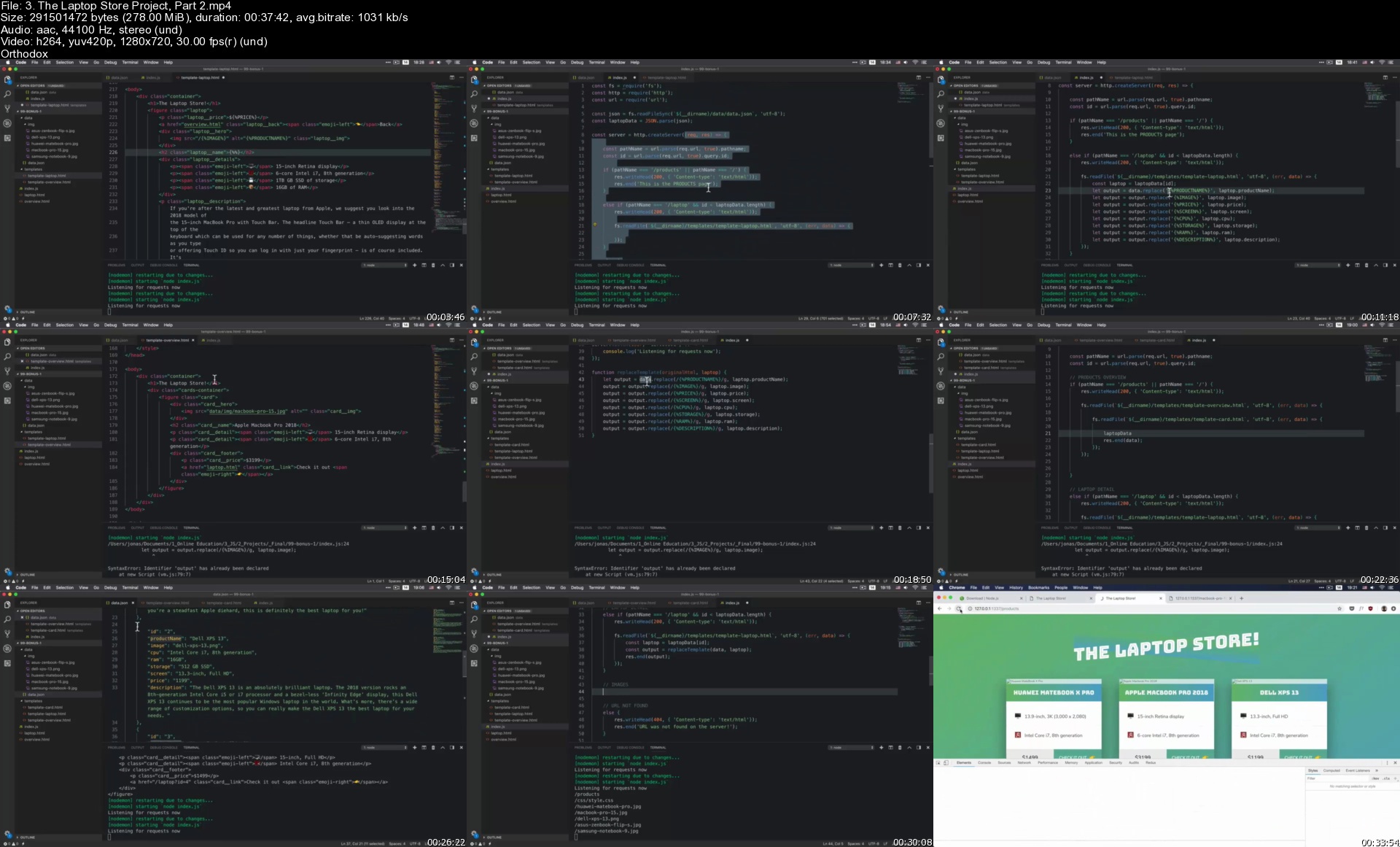
Master JavaScript with the most complete course on the market! Projects, challenges, quizzes, ES6+, OOP, AJAX, Webpack

What you'll learn
Go from a total beginner to an advanced JavaScript developer
Code 3 beautiful real-world apps with both ES5 and ES6+ (no boring toy apps)
JavaScript and programming fundamentals: variables, boolean logic, if/else, loops, functions, arrays, etc.
Complex features like the 'this' keyword, function constructors, prototypal inheritance, first-class functions, closures
Asynchronous JavaScript: The event loop, promises, async/await, AJAX and APIs
Modern JavaScript for 2018: NPM, Webpack, Babel and ES6 modules
A true understanding of how JavaScript works behind the scenes
What's new in ES6: arrow functions, classes, default and rest parameters, etc.
Practice your new skills with coding challenges (solutions included)
Organize and structure your code using JavaScript patterns like modules
Get friendly and fast support in the course Q&A
Downloadable lectures, code and design assets for all projects

Requirements
No coding experience is necessary to take this course! I take you from beginner to expert!
Any computer and OS will work - Windows, macOS or Linux. We will set up your text editor the course.
A basic understanding of HTML and CSS is a plus, but not a must! The course includes an HTML and CSS crash course.


Description
*** The #1 bestselling JavaScript course on Udemy! ***

"Excellent course. Anthony explains the core concepts in javascript that are usually glossed over in other courses. And he does it in a manner that is clear and concise." - Anthony Alicea

Do you want to learn the number #1 programming language that powers the internet?

Are you tired of wasting your time and money on random youtube videos or JavaScript courses that are either too simple, or too difficult to follow?

Or are you struggling to deeply understand and apply JavaScript to real projects?

If your answer is a big YES. Then this is exactly the course you are looking for!

So what is the course about?

This is a truly complete JavaScript course, that goes beyond what other JavaScript courses out there teach you.

I will take you from a complete JavaScript beginner to an advanced developer. You will not just learn the JavaScript language itself, you will also learn how to program. How to solve problems. How to structure and organize code using common JavaScript patterns.

Come with me on a journey with the goal of truly understanding the JavaScript language. And I explain everything on the way with great detail!

You will learn "why" something works in JavaScript, not just "how". Because in the modern JavaScript world of today, you need more than just knowing how something works. You need to debug code, you need to understand code, you need to be able to think about code.

To achieve our goal together, the course contains coding sessions, coding challenges, theory lectures, real-world projects and a final course exam.

This course is different because it's not just about writing code, it's also about how and why code works the way it does. Because it's the perfect mix between theory and practice. Because it focuses not only on small coding examples, but also on real-world projects and use cases.

So, by the end of the course, you will be a capable JavaScript developer, able to write, understand and debug JavaScript code using all the powerful features the language offers to us.

...

Here is exactly what we cover in this course:

• All the JavaScript and programming fundamentals: things like variables, data types, boolean logic, if/else statements, loops, functions, objects, arrays, and more.

• Everything you need to know in order to gain a deep understanding of how JavaScript works behind the scenes: execution contexts, hoisting, scoping, the 'this' keyword, and more.

• How to make JavaScript code interact with webpages: DOM manipulation. Learn how to select and change webpage elements, create new elements and handle DOM events.

• Complex JavaScript features such as function constructors, prototypal inheritance, first-class functions, closures, the bind and apply methods, and more.

• We are going to code 3 beautiful real-world apps to apply our knowledge and learn new concepts (I provide the starter HTML and CSS code for these projects).

• Learn how to organize and structure your code using modules and functions, how to create data privacy and encapsulation, and why that's so important.

• What's new in the most modern version of JavaScript: new features of ES6 / ES2015.

• Asynchronous JavaScript: the event loop, promises, async/await, AJAX calls and APIs.

• Modern JavaScript in 2018: Learn how to set up a modern development workflow with NPM, Webpack, Babel and ES6 modules.

...

Let's now find out if this course is for you. It's a perfect fit if...

Student #1: You want to gain a deep understanding of the most popular programming language in the world: JavaScript.

Student #2: You have taken other JavaScript courses but: 1) still don't really understand JavaScript, or 2) still don't feel confident to code real-world apps. This course is perfect for you!

Student #3: You are interested in using popular libraries/frameworks like React, Angular or Node.js.

Student #4: You want to get started with programming in general: JavaScript is a great language to learn how to code.

...

Now it's your turn to decide. This is what you get:

• Lifetime access to HD quality videos. No monthly subscription. Learn at your own pace, whenever you want.

• English closed captions (not the auto-generated ones provided by Udemy).

• All videos are downloadable. Learn wherever you want, even without an internet connection!

• Downloadable starter code and final code for each section.

• Free helpful support in the course Q&A when you have questions or get stuck.

• Multiple coding challenges to practice your new skills (solutions included).

• A final course exam with 30 questions to test your JavaScript knowledge.

Sounds great? Then start this adventure today by clicking the "Take this course" button, and join me in the only JavaScript course that you will need!


Who this course is for:
Take this course if you want to gain a deep understanding of the most popular programming language in the world: JavaScript.
Take this course if you have taken other JavaScript courses but: 1) still don't really understand JavaScript, or 2) still don't feel confident to code real-world apps. This course is perfect for you!
Take this course if you're interested in using popular libraries/frameworks like React, Angular or Node.
Take this course if you want to get started with programming in general: JavaScript is a great language to learn how to code.

Homepage

3.thelaptopstoreprojetgjvb.jpg


The Complete Healthcare Artificial Intelligence Course 2021 (Updated 04/2021)

qvu2zqb6c5vxcmfrv9uwqoqk6o.jpg


The Complete Healthcare Artificial Intelligence Course 2021 (Updated 04/2021)
MP4 | Video: h264, 1280x720 | Audio: AAC, 44.1 KHz, 2 Ch
Genre: eLearning | Language: English + srt | Duration: 117 lectures (17h 56m) | Size: 6.5 GB

Creating powerful AI model for Real-World Healthcare applications with Data Science, Machine Learning and Deep Learning

What you'll learn:
Pandas.
Matplotlib.
Sigmoid activation function.
Tanh activation function.
ReLU activation function.
Leaky Relu activation function.
Exponential Linear Unit activation function.
Swish activation function.
Markov models.
Support Vector Machines
Other common classifiers
Import data from the UCI repository.
Convert text input to numerical data.
Build and train classification algorithms.
Compare and contrast classification machine learning.
Building the AI.
Machine learning and deep learning model based on the given data with high accuracy.
RF with Response Coding.
Maximum voting Classifier.
Stacking model.
Random Forest Classifier.
One-hot Encoding.
NLP (Natural Language Processing)
NLTK (Natural Language Toolkit)
Logistic Regression.
Naive Bayes
Response Encoding
Linear Support Vector Machines
Geolocation Features.
Handling Missing Data And Anomalies in Python.
Data standardization.
Temporal Features.
Seaborn
Deep Learning.
Keras.
Google Colab .
Anaconda.
Jupiter Notebook.

Requirements
There will be no Prerequisites.
Basic knowledge of Python will be good.
But everything will be taught from the round up.


Description
Interested in the field of Machine Learning, Deep Learning and Artificial Intelligence? Then this course is for you!

This course has been designed by a software engineer. I hope with my experience and knowledge I did gain throughout years, I can share my knowledge and help you learn complex theory, algorithms, and coding libraries in a simple way.

I will walk you step-by-step into the Machine Learning, Artificial Intelligence and Deep Learning. With every tutorial, you will develop new skills and improve your understanding of this challenging yet lucrative sub-field of Data Science.

This course is fun and exciting, but at the same time, we dive deep into Machine Learning, Deep Learning and Artificial Intelligence . Throughout the brand new version of the course we cover tons of tools and technologies including:

Deep Learning.

Google Colab

Anaconda

Jupiter Notebook

Artificial Intelligent In Healthcare.

Artificial Neural Network.

Neuron.

Activation Function.

Keras.

Pandas.

Seaborn.

Feature scaling.

Matplotlib.

Generating a DNA Sequence.

Data Pre-processing.

Sigmoid Function.

Tanh Function.

ReLU Function.

Leaky Relu Function.

Exponential Linear Unit Function.

Swish function.

Markov Models.

K-Nearest Neighbors Algorithms (KNN).

Support Vector Machines (SVM).

Importing library and data.

Deep feedforward networks.

Analysing Data.

Exploratory Analysis.

Handling Missing Data And Anomalies in Python.

Data standardization.

Temporal Features.

Geolocation Features.

Data Scaling.

Data Visualization.

Visualizing Geolocation Data.

Understanding Machine Learning Algorithm.

Splitting Data into Training Set and Test Set.

Training Neural Network.

Model building.

Analysing Results.

Model compilation.

A Comparison Of Categorical And Binary Problem.

Make a Prediction.

Testing Accuracy.

Confusion Matrix.

ROC Curve.

One-hot Encoding.

NLP (Natural Language Processing).

NLTK (Natural Language Toolkit).

Logistic Regression.

Naive Bayes.

Response Encoding.

Linear Support Vector Machines.

RF with Response Coding.

Random Forest Classifier.

Stacking model.

Maximum voting Classifier.

Moreover, the course is packed with practical exercises that are based on real-life examples. So not only will you learn the theory, but you will also get some hands-on practice building your own models. There are five big projects on healthcare problems and one small project to practice. These projects are listed below:

Predicting Taxi Fares in New York City

DNA Classification Project.

Heart Disease Classification Project.

Diagnosing Coronary Artery Disease Project.

Breast Cancer Detection Project.

Predicting Diabetes with Multilayer Perceptrons Project.

Iris Flower.

Medical Treatment Project.

And as a bonus, this course includes one extra big projects for each month.

Who this course is for
Anyone interested in Machine Learning.
Students who have at least high school knowledge in math and who want to start learning Machine Learning, Deep Learning, and Artificial Intelligence
Any intermediate level people who know the basics of machine learning, including the classical algorithms like linear regression or logistic regression, but who want to learn more about it and explore all the different fields of Machine Learning, Deep Learning, Artificial Intelligence.
Any people who are not that comfortable with coding but who are interested in Machine Learning, Deep Learning, Artificial Intelligence and want to apply it easily on datasets.
Any students in college who want to start a career in Data Science
Any data analysts who want to level up in Machine Learning, Deep Learning and Artificial Intelligence.
Any people who are not satisfied with their job and who want to become a Data Scientist.
Any people who want to create added value to their business by using powerful Machine Learning, Artificial Intelligence and Deep Learning tools. Any people who want to work in a Car company as a Data Scientist, Machine Learning, Deep Learning and Artificial Intelligence engineer.
Any people who want to create added value to the local hospital by using powerful Machine Learning, Artificial Intelligence and Deep Learning tools.
Any people who want to work in healthcare field as a Data Scientist, Machine Learning, Deep Learning and Artificial Intelligence engineer.
Any people who want to work in a Taxi Company as a Data Scientist, Machine Learning, Deep Learning and Artificial Intelligence engineer.

Homepage

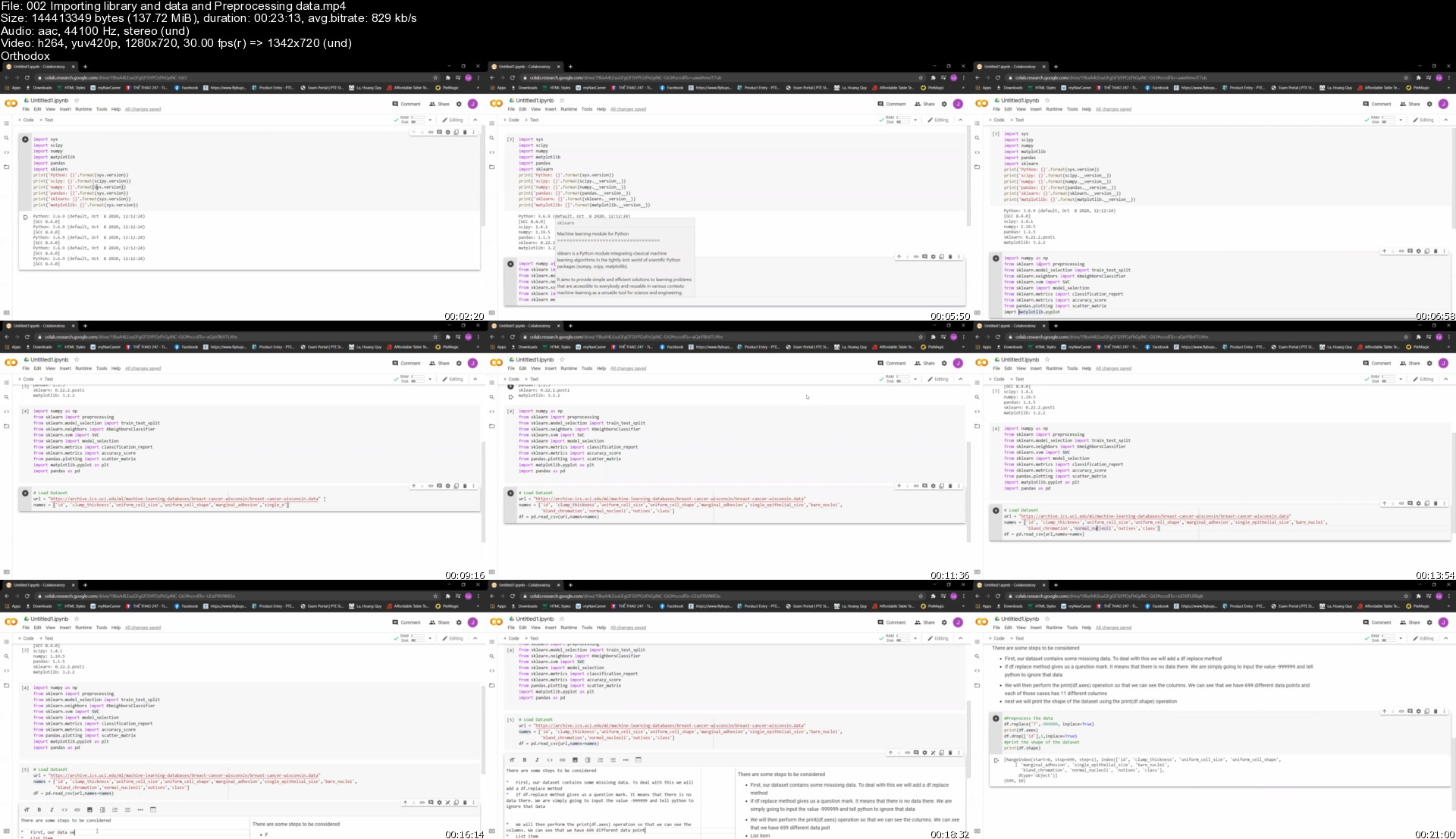
002importinglibraryan77k92.jpg


Linkedin Learning Microsoft Teams Building Custom Apps with the Dataverse-XQZT

216658083_02-06-publish_your_app_in_teams_c.jpg


Linkedin Learning Microsoft Teams Building Custom Apps with the Dataverse-XQZT | MKV | 132.16 MiB

555 kb/s 1280x720 | AAC 160 kb/s 2 CH eng


NFO:
File List:

File: 01.01-create_no-code_teams_apps.mkv
Size: 5054176 bytes (4.82 MiB), duration: 00:01:12, avg.bitrate: 562 kb/s
Audio: aac, 48000 Hz, stereo (eng)
Video: h264, yuv420p, 1280x720, 30.00 fps(r) (eng)
Subtitles: eng


Download ( Size: 132.16 MiB ):
Filehosts: Nitroflare, Rapidgator


oHeopzn.png

1 Link/s
EB58452184.png


5hSo1Ay.png

1 Link/s
D86D2C8868.png


Environment Creation: Snowy Cabin

lcpne53d6htksnv4gbgav6jjhs.jpg


Environment Creation: Snowy Cabin
Emiel Sleegers | Duration: 21h 52m | Video: H264 1920x1016 | Audio: AAC 44,1 kHz 2ch | 14,1 GB | Language: English

Learn How to Model, Texture & Light a Snowy Game Environment using 3ds Max, Substance, Marmoset, & Unreal

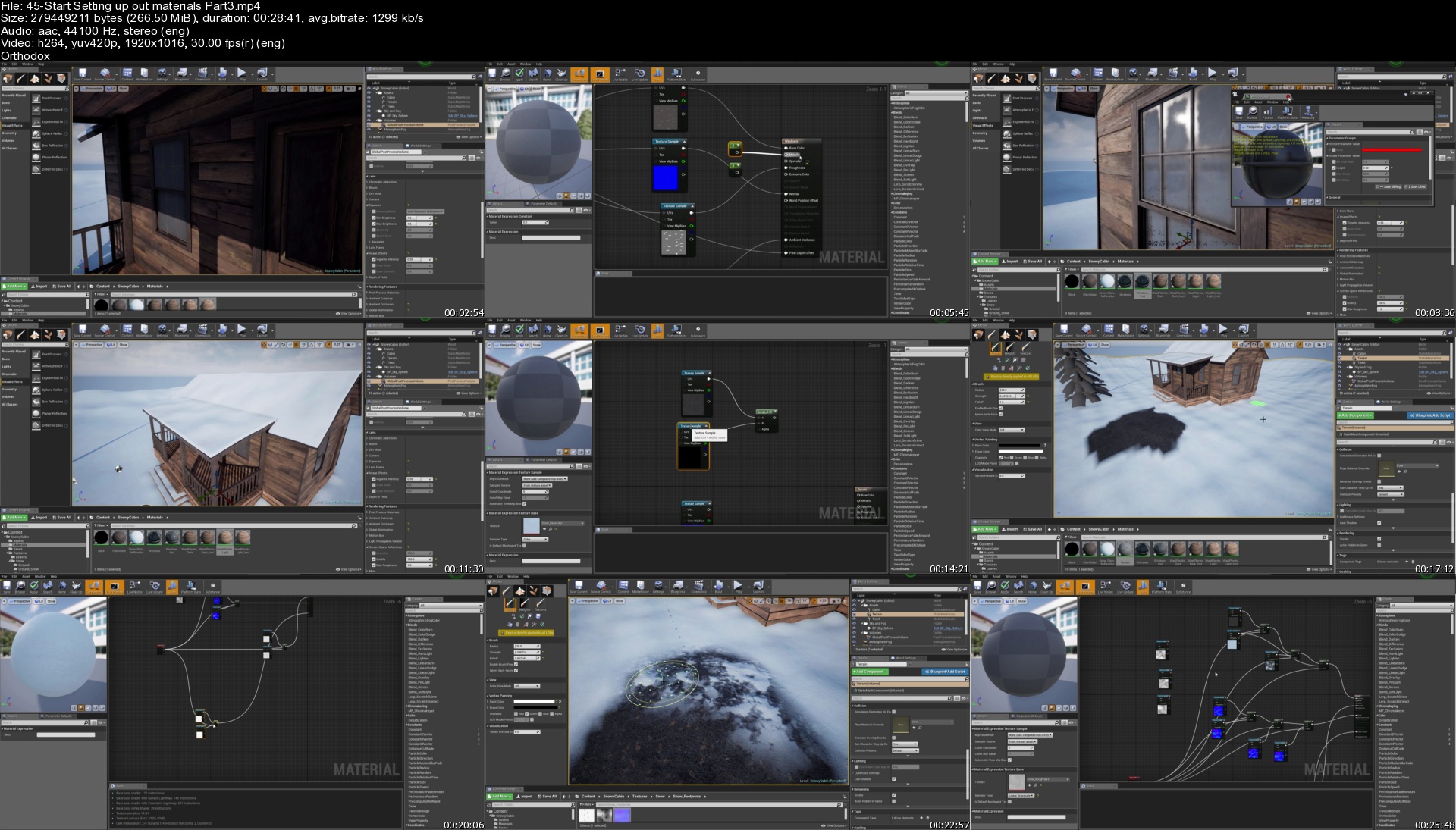
In this course, we will go over how to create a snowy environment using 3ds Max, Substance Designer, Marmoset and Unreal. This environment will include having a snowy cabin with terrain, nice trees and plants and will be setup in Unreal Engine. We will learn how to create procedural textures in Substance Designer and we will go over how to edit those textures very quickly so we can have multiple variations. We will then go over how to model our cabin and foliage inside 3ds Max. Once all of that is done, we will go into Unreal Engine where we will set up our scene, our materials, and apply different variations such as dirtness, parallax, mapping, vertex painting, and many more. We will add decals to enhance the overall scene, do some nice lighting and finally polish the scene.

Homepage

45startsettingupoutmajykpi.jpg


Sci-Fi Game Environment

doatwuslgbblbex6kw96ljkk84.jpg


Sci-Fi Game Environment
Manuel Rondon | Duration: 27h 07m | Video: H264 1280x720 | Audio: AAC 44,1 kHz 2ch | 9,49 GB | Language: English

Learn How to Create a Sci-Fi Scene using 3ds Max, Substance Painter, Photoshop & Unity

In this course, you will learn how to build a professional sci-fi environment from scratch using 3ds Max, Substance, Photoshop and Unity. You will be taken through the whole workflow from the initial modeling to the final built and render within Unity. As a freelancer, being efficient is a very valuable asset. In this course, you will learn how to save lots of time when building an complete detailed environment. Making an environment for games is an exciting task and hope you join this journey of taking a small 2d concept to the final 3d game-ready level.

Homepage

hxflsmyq0qmfzqiohuead0yjyx.jpg


Natural Language Processing & Deep Learning: Zero to Hero

loainzihhhepfjnnvapn76jjov.jpg


Natural Language Processing & Deep Learning: Zero to Hero
Genre: eLearning | MP4 | Video: h264, 1280x720 | Audio: AAC, 44.1 KHz
Language: English | VTT | Size: 8.43 GB | Duration: 15h 29m

Linguistics & Machine Learning: Grammar Syntax, Sentiment, ScrapeTweets, RNN/LSTM,Chatbot, SQuAD, Summary, Audio To Text


What you'll learn
Libraries: Tensorflow, Pytorch, NLTK, SpaCy, Sci-kit Learn, Twint
Linguistics Foundation To Help Learn NLP Concepts
Deep Learning: Neural Networks, RNN, LSTM Theory & Practical Projects
Machine Reading Comprehension: Create A Question Answering System with SQuAD
No Tedious Anaconda or Jupyter Installs: Use Modern Google Colab Cloud-Based Notebooks for using Python
How To Build Generative AI Chatbots
Create A Netflix Recommendation System With Word2Vec
Perform Sentiment Analysis on Steam Game Reviews
Convert Speech To Text
Machine Learning Modelling Techniques
Markov Property - Theory & Practical
Optional Python For Beginners Section
Cosine-Similarity & Vectors
Word Embeddings: My Favourite Topic Taught In Depth
Scrape Unlimited Tweets Using An Open Source Intelligence Tool
Speech Recognition
LSTM Fake News Detector
Context-Free Grammar Syntax
Scrape Wikipedia & Create An Article Summarizer


Description
This course takes you from a beginner level to being able to understand NLP concepts, linguistic theory, and then practice these basic theories using Python - with very simple examples as you code along with me.

Get experience doing a full real-world workflow from Collecting your own Data to NLP Sentiment Analysis using Big Datasets of over 50,000 Tweets.

Data collection: Scrape Twitter using: OSINT - Open Source Intelligence Tools: Gather text data using real-world techniques. In the real world, in many instances you would have to create your own data set; i.e source your data instead of downloading a clean, ready-made file online

Use Python to search relevant tweets for your study and NLP to analyze sentiment.

Language Syntax: Most NLP courses ignore the core domain of Linguistics. This course explains the fundamentals of Language Syntax & Parse trees - the foundation of how a machine can interpret the structure of s sentence.

New to Python: If you are new to Python or any computer programming, the course instructions make it easy for you to code together with me. I explain code line by line.

No Installs, we go straight to coding - Code using Google Colab - to be up-to-date with what's being used in the Data Science world 2021!

The gentle pace takes you gradually from these basics of NLP foundation to being able to understand Mathematical & Linguistic (English-Language-based, Non-Mathematical) theories of Deep Learning.

Natural Language Processing Foundation

Linguistics & Semantics - study the background theory on natural language to better understand the Computer Science applications

Pre-processing Data (cleaning)

Regex, Tokenization, Stemming, Lemmatization

Name Entity Recognition (NER)

Part-of-Speech Tagging

Libraries:

NLTK

Sci-kit Learn

Tensorflow

Pytorch

SpaCy

DeepPavlov

Twint

The topics outlined below are taught using practical Python projects!

Parse Tree

Markov Chain

Text Classification & Sentiment Analysis

Company Name Generator

Unsupervised Sentiment Analysis

Topic Modelling

Word Embedding with Deep Learning Models

Open Domain Question Answering (like asking Google)

Closed Domain Question Answering (Like asking a Restaurant-Finder bot)

LSTM using TensorFlow, Keras Sequence Model

Speech Recognition

Convert Speech to Text

Neural Networks

This is taught from first principles - comparing Biological Neurons in the Human Brain to Artificial Neurons.

Practical project: Sentiment Analysis of Steam Reviews

Word Embedding: This topic is covered in detail, similar to an undergraduate course structure that includes the theory & practical examples of:

TF-IDF

Word2Vec

One Hot Encoding

gloVe

Deep Learning

Recurrent Neural Networks

LSTMs

Get introduced to Long short-term memory and the recurrent neural network architecture used in the field of deep learning.

Build models using LSTMs


Who this course is for:
Anyone who is curious about data science & NLP
Those who are in the Business & Marketing world - learn use NLP to gain insight into customers & products. Can help at interviews & job promotions.
If you intend to enrol in an NLP/Data Science course but are a total newbie, complete this course before to avoid being lost in class since it can seem overwhelming if classmates already have a foundation in Python or Datascience.


Homepage

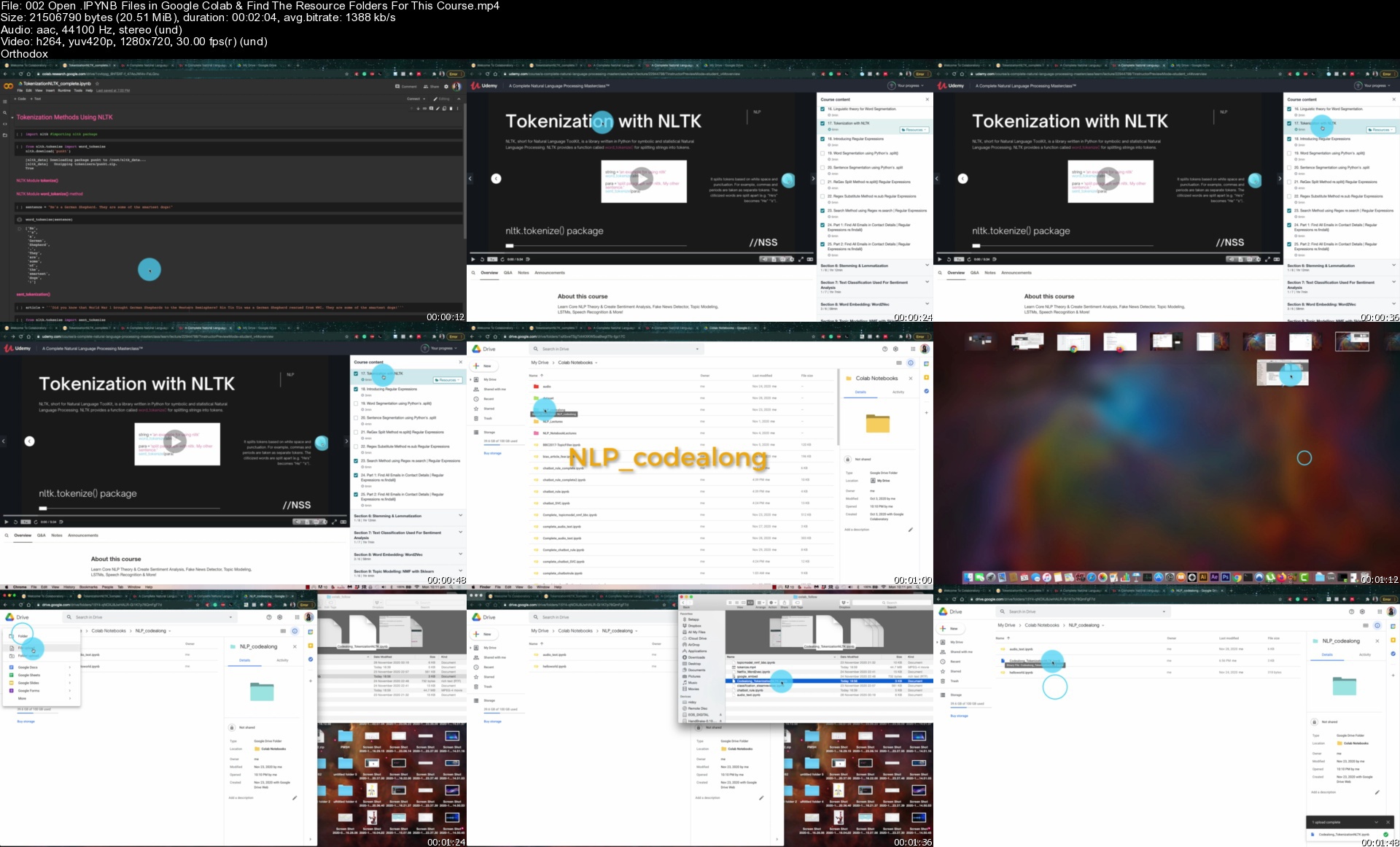
002open.ipynbfilesing43j57.jpg


Zurück
Oben Unten