• Regeln für den Video-Bereich:

    In den Börsenbereich gehören nur Angebote die bereits den Allgemeinen Regeln entsprechen.

    Einteilung

    - Folgende Formate gehören in die angegeben Bereiche:
    - Filme: Encodierte Filme von BluRay, DVD, R5, TV, Screener sowie Telesyncs im Format DivX, XviD und x264.
    - DVD: Filme im Format DVD5, DVD9 und HD2DVD.
    - HD: Encodierte Filme mit der Auflösung 720p oder darüber von BluRay, DVD, R5, TV, Screener sowie Telesyncs im Format x264.
    - 3D: Encodierte Filme von BluRay, die in einem 3D Format vorliegen. Dies gilt auch für Dokus, Animation usw.
    - Serien: Cartoon/Zeichentrick, Anime, Tutorials, Dokumentationen, Konzerte/Musik, Sonstiges sind demnach in die entsprechenden Bereiche einzuordnen, auch wenn sie beispielsweise im High Definition-Format oder als DVD5/DVD9/HD2DVD vorliegen. Ausnahme 3D.
    - Bereich Englisch: Englische Releases gehören immer in diesen Bereich.
    - Bereich Talk: Der Bereich, in dem über die Releases diskutiert werden kann, darf, soll und erwünscht ist.


    Angebot/Beitrag erstellen

    - Ein Beitrag darf erst dann erstellt werden, wenn der Upload bei mindestens einem OCH komplett ist. Platzhalter sind untersagt.
    - Bei einem Scenerelease hat der Threadtitel ausschließlich aus dem originalen, unveränderten Releasenamen zu bestehen. Es dürfen keine Veränderungen wie z.B. Sterne, kleine Buchstaben o.ä. vorgenommen werden. Ausnahme Serienbörse:
    - Bei einem Sammelthread für eine Staffel entfällt aus dem Releasename natürlich der Name der Folge. Beispiel: Die Simpsons S21 German DVDRip XviD - ITG
    - Dementsprechend sind also u.a. verboten: Erweiterungen wie "Tipp", "empfehlenswert", "only", "reup", usw. / jegliche andere Zusatzinformation oder Ergänzung, welche nicht in obiger Beschreibung zu finden ist.

    Aufbau des Angebots und Threadtitel

    Der Titel nach folgendem Muster erstellt zu werden. <Name> [3D] [Staffel] [German] <Jahr> <Tonspur> [DL] [Auflösung] <Quelle> <Codec> - <Group>
    Beispiel: The Dark Knight German 2008 AC3 DVDRip XviD - iND
    Beispiel: The Dark Knight 2008 DTS DL BDRip x264 - iND
    Beispiel: The Dark Knight 2008 AC3 DL BDRip XviD - iND
    Beispiel: The Dark Knight German 2008 AC3 720p BluRay x264 iND
    Beispiel: The Dark Knight 2008 DTS DL 1080p BluRay x264 iND
    Beispiel: Die Simpsons S01 German AC3 DVDRip XviD iND
    Beispiel: Die Simpsons S20 German AC3 720p BluRay x264 iND
    Beispiel: Sword Art Online II Ger Sub 2014 AAC 1080p WEBRip x264 - peppermint
    Entsprechend sind also u.a. verboten: Sonderzeichen wie Klammern, Sterne, Ausrufezeichen, Unterstriche, Anführungszeichen / Erweiterungen wie "Tipp", "empfehlenswert", "only", "reup", usw. / jegliche andere Zusatzinformation oder Ergänzung, welche nicht in obiger Beschreibung zu finden ist
    Ausnahmen hiervon können in den Bereichen geregelt sein.

    Die Beiträge sollen wie folgt aufgebaut werden:
    Überschrift entspricht dem Threadtitel
    Cover
    kurze Inhaltsbeschreibung
    Format, Größe, Dauer sind gut lesbar für Downloader außerhalb des Spoilers zu vermerken
    Nfo sind immer Anzugeben und selbige immer im Spoiler in Textform.
    Sind keine Nfo vorhanden z.B. Eigenpublikationen, sind im Spoiler folgende Dateiinformationen zusätzlich anzugeben :
    Quelle
    Video (Auflösung und Bitrate)
    Ton (Sprache, Format und Bitrate der einzelnen Spuren)
    Untertitel (sofern vorhanden)
    Hosterangabe in Textform außerhalb eines Spoiler mit allen enthaltenen Hostern.
    Bei SD kann auf diese zusätzlichen Dateiinformationen verzichtet werden.

    Alle benötigten Passwörter sind, sofern vorhanden, in Textform im Angebot anzugeben.
    Spoiler im Spoiler mit Kommentaren :"Schon Bedankt?" sind unerwünscht.


    Releases

    - Sind Retail-Release verfügbar, sind alle anderen Variationen untersagt. Ausnahmen: Alle deutschen Retail-Release sind CUT, in diesem Fall sind dubbed UNCUT-Release zulässig.
    - Im Serien-Bereich gilt speziell: Wenn ein Retail vor Abschluss einer laufenden Staffel erscheint, darf diese Staffel noch zu Ende gebracht werden.62
    - Gleiche Releases sind unbedingt zusammenzufassen. Das bedeutet, es ist zwingend erforderlich, vor dem Erstellen eines Themas per Suchfunktion zu überprüfen, ob bereits ein Beitrag mit demselben Release besteht. Ist dies der Fall, ist der bereits vorhandene Beitrag zu verwenden.
    - P2P und Scene Releases dürfen nicht verändert oder gar unter einem iND Tag eingestellt werden.


    Support, Diskussionen und Suche

    - Supportanfragen sind entweder per PN oder im Bereich Talk zu stellen.
    - Diskussionen und Bewertungen sind im Talk Bereich zu führen. Fragen an die Uploader haben ausschließlich via PN zu erfolgen, und sind in den Angeboten untersagt.
    - Anfragen zu Upload-Wünschen sind nur im Bereich Suche Video erlaubt. Antworten dürfen nur auf Angebote von MyBoerse.bz verlinkt werden.


    Verbote

    - Untersagt sind mehrere Formate in einem einzigen Angebotsthread, wie beispielsweise das gleichzeitige Anbieten von DivX/XviD, 720p und 1080p in einem Thread. Pro Format, Release und Auflösung ist ein eigener Thread zu eröffnen.
    - Grundsätzlich ebenso verboten sind Dupes. Uploader haben sich an geeigneter Stelle darüber zu informieren, ob es sich bei einem Release um ein Dupe handelt.
    - Gefakte, nur teilweise lauffähige oder unvollständige Angebote sind untersagt. Dies gilt auch für eigene Publikationen, die augenscheinlich nicht selbst von z.B. einer DVD gerippt wurden. Laufende Serien, bei denen noch nicht alle Folgen verfügbar sind, dürfen erstellt und regelmäßig geupdatet werden.
    - Untersagt sind Angebote, welche nur und ausschließlich in einer anderen Sprache als deutsch oder englisch vorliegen. Ausnahmen sind VORHER mit den Moderatoren zu klären.


    Verstoß gegen die Regeln

    - Angebote oder Beiträge, die gegen die Forenregeln verstoßen, sind über den "Melden"-Button im Beitrag zu melden.
  • Bitte registriere dich zunächst um Beiträge zu verfassen und externe Links aufzurufen.


Englische Tutorials

The Art of Hacking (Video Collection) - Part 2
Xu-Aon8-I9-Wyz8e7-Yd-Wn-M9-Or9u-MPEJ0bc-Y.jpg


The Art of Hacking (Video Collection) - Part 2
MP4 | Video: AVC 1280 x 720 | Audio: AAC 48 KHz 2ch | Duration: 08:30:32 | 12.49 GB
Genre: eLearning | Language: English

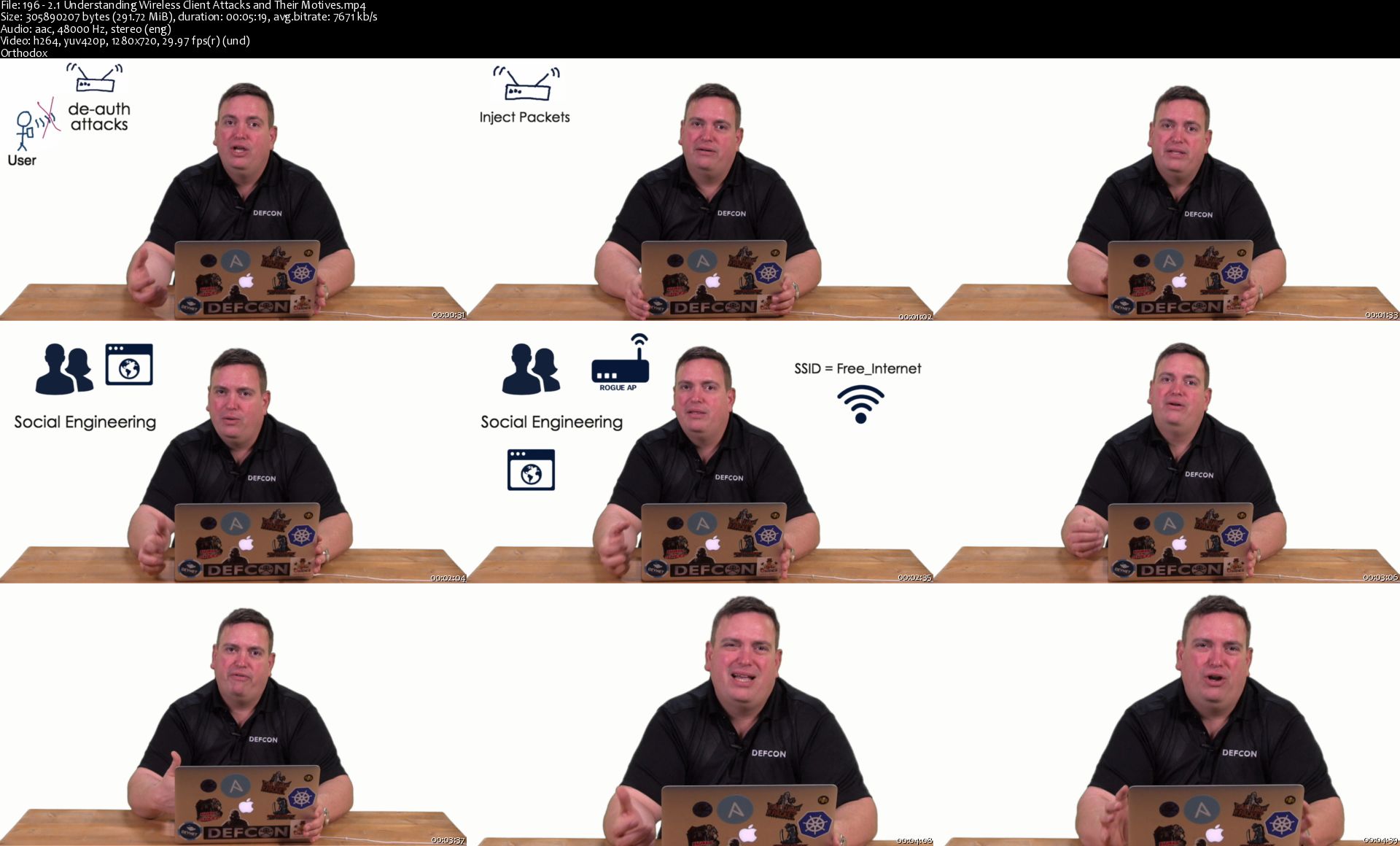
The Art of Hacking is a series of video courses that is a complete guide to help you get up and running with your cybersecurity career. You will learn the key tenets and the fundamentals of ethical hacking and security penetration testing techniques. The videos in this series will provide step-by-step real-life scenarios, full demos and content deep dives. You will see firsthand how an ethical hacker performs initial reconnaissance of a victim and assess systems and network security controls security posture.

These courses serve as comprehensive guide for any network and security professional who is starting a career in ethical hacking and penetration testing. It also can help individuals preparing for the Offensive Security Certified Professional (OSCP), the Certified Ethical Hacker (CEH), and any other ethical hacking certification. This series was built to help you learn more about general hacking methodologies and concepts as well as gain the skills required to becoming a professional ethical hacker.

Courses include:

Security Penetration Testing (The Art of Hacking Series) LiveLessons
Wireless Networks, IoT, and Mobile Devices Hacking (The Art of Hacking Series) LiveLessons
Enterprise Penetration Testing and Continuous Monitoring (the Art of Hacking Series) LiveLessons
Hacking Web Applications The Art of Hacking Series LiveLessons: Security Penetration Testing for Today's DevOps and Cloud Environments
About the Authors

Omar Santos is an active member of the cyber security community, where he leads several industry-wide initiatives and standards bodies. He is a principal engineer of the Cisco Product Security Incident Response Team (PSIRT), where he mentors and leads engineers and incident managers during the investigation and resolution of cyber security vulnerabilities.  He is the author of several cybersecurity books and video courses.

Chris McCoy is a technical leader in Cisco's Advanced Security Initiatives Group (ASIG).  He has over 20 years of experience in the networking and security industry.  He has a passion for computer security, finding flaws in mission-critical systems, and designing mitigations to thwart motivated and resourceful adversaries.  He was formerly with Spirent Communications and the U.S. Air Force.  He is CCIE certified in the Routing & Switching and Service Provider tracks, which he has held for over 10 years.

Jon Sternstein is the Founder and Principal Consultant of Stern Security, a security company focused on healthcare and credit union industries. Jon has been a lead contributor to securing a wide variety of organizations in healthcare, education, finance, legal, and government industries throughout his 13+ years in the security field. He co-chairs the Privacy and Security Workgroup at the North Carolina Healthcare Information and Communications Alliance (NCHICA). Jon was the former President of the BSides Raleigh Security conference. Stern Security's website:
Ron Taylor has been in the Information Security field for almost 20 years. Ten of those years were spent in consulting where he gained experience in many areas. In 2008, he joined the Cisco Global Certification Team as an SME in Information Assurance.   In 2012, he moved into a position with the Security Research & Operations group (PSIRT) where his focus was mostly on penetration testing of Cisco products and services. 

Ron was also involved in developing and presenting security training to internal development and test teams globally.  Additionally, he provided consulting support to many product teams as an SME on product security testing.  In his current role, he is a Consulting Systems Engineer specializing in Cisco's security product line. Certifications include GPEN, GWEB, GCIA, GCIH, GWAPT, RHCE, CCSP, CCNA, CISSP and MCSE.  Ron is also a Cisco Security Blackbelt, SANS mentor, Co-Founder and President of the Raleigh BSides Security Conference, and member of the Packet Hacking Village team at Defcon.

Who Should Take This Course

Any network and security professional who is starting a career in ethical hacking and penetration testing
Individuals preparing for the CompTIA PenTest+, the Certified Ethical Hacker (CEH), Offensive Security Certified Professional (OSCP)and any other ethical hacking certification
Any cyber security professional who wants to learn the skills required to becoming a professional ethical hacker or who wants to learn more about general security penetration testing methodologies and concepts.
196-2-1-Understanding-Wireless-Client-Attacks-and-Their-Motive.jpg


...
 
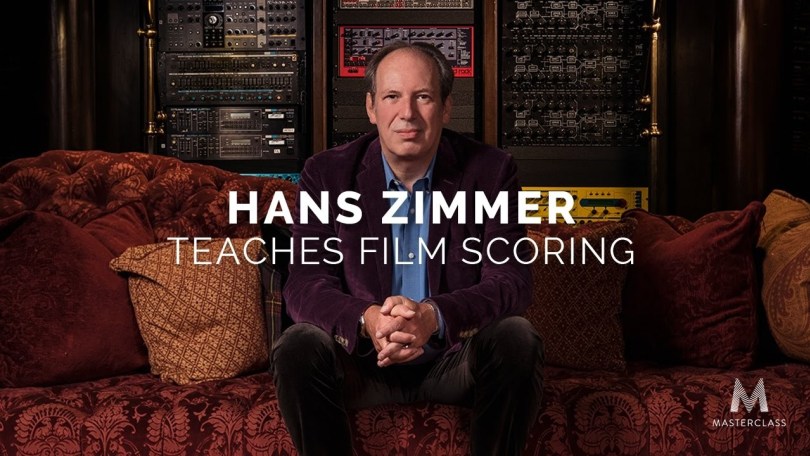
MasterClass - Hans Zimmer Teaches Film Scoring

Yh-Ra71-JHVi38-Eb-Fzo-ZTOf-Pl-Nu9p-Bnmum.jpg


MasterClass - Hans Zimmer Teaches Film Scoring
ts | Video: AVC 1920 x 1080 | Audio: AAC 44 KHz 2ch | Duration: 05:40:08 | 5.99 GB
Genre: eLearning | Language: English

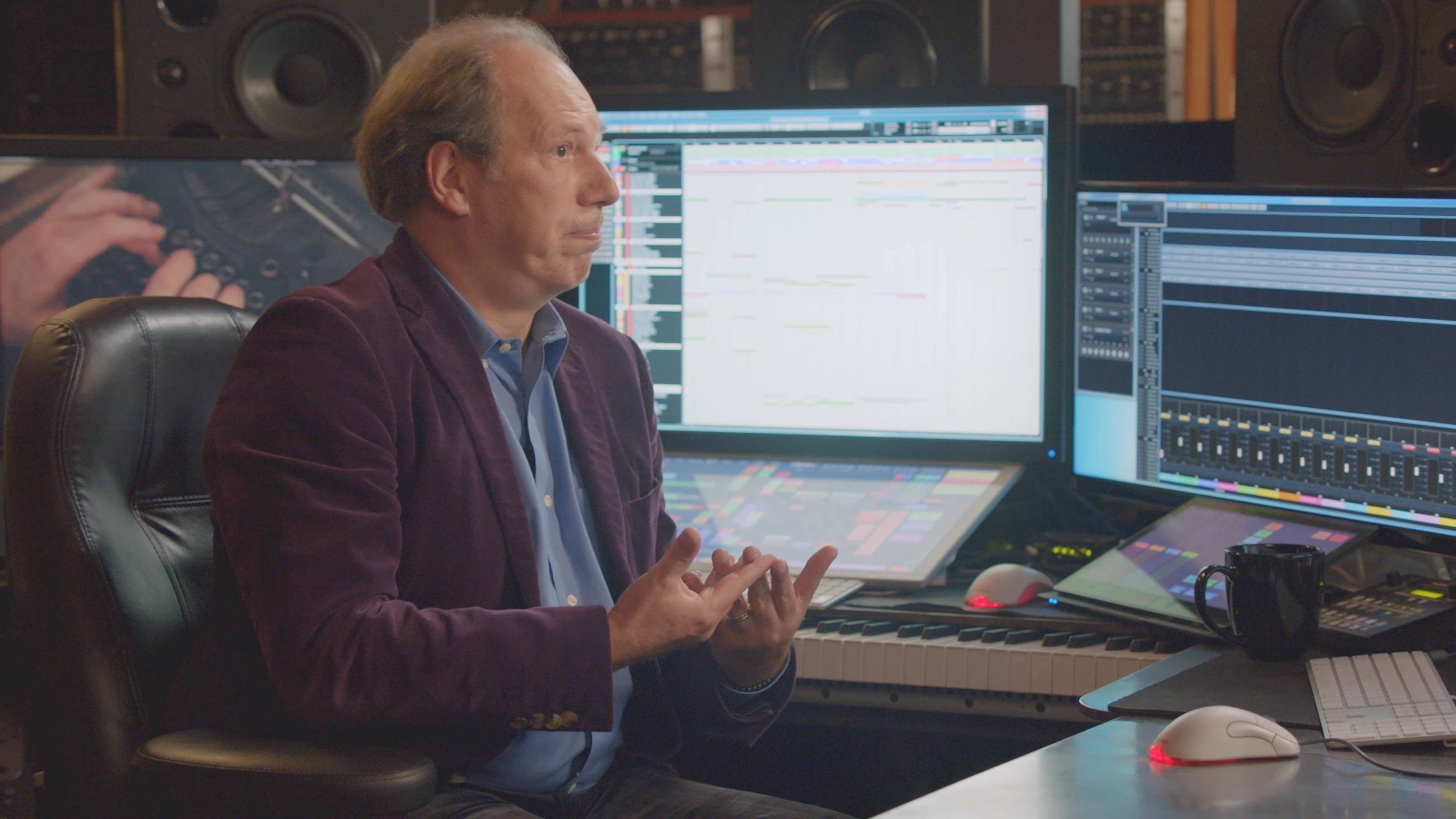
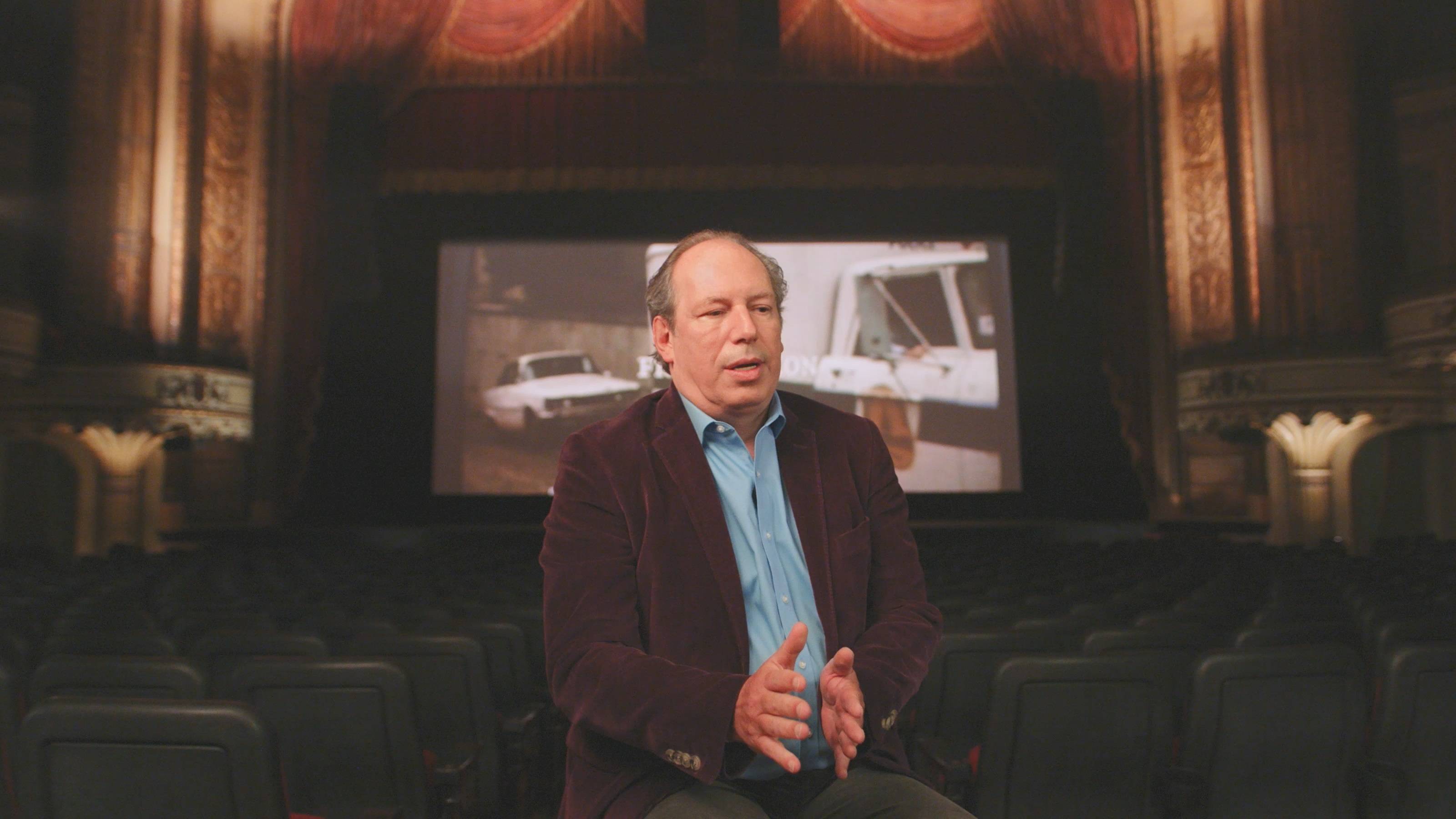
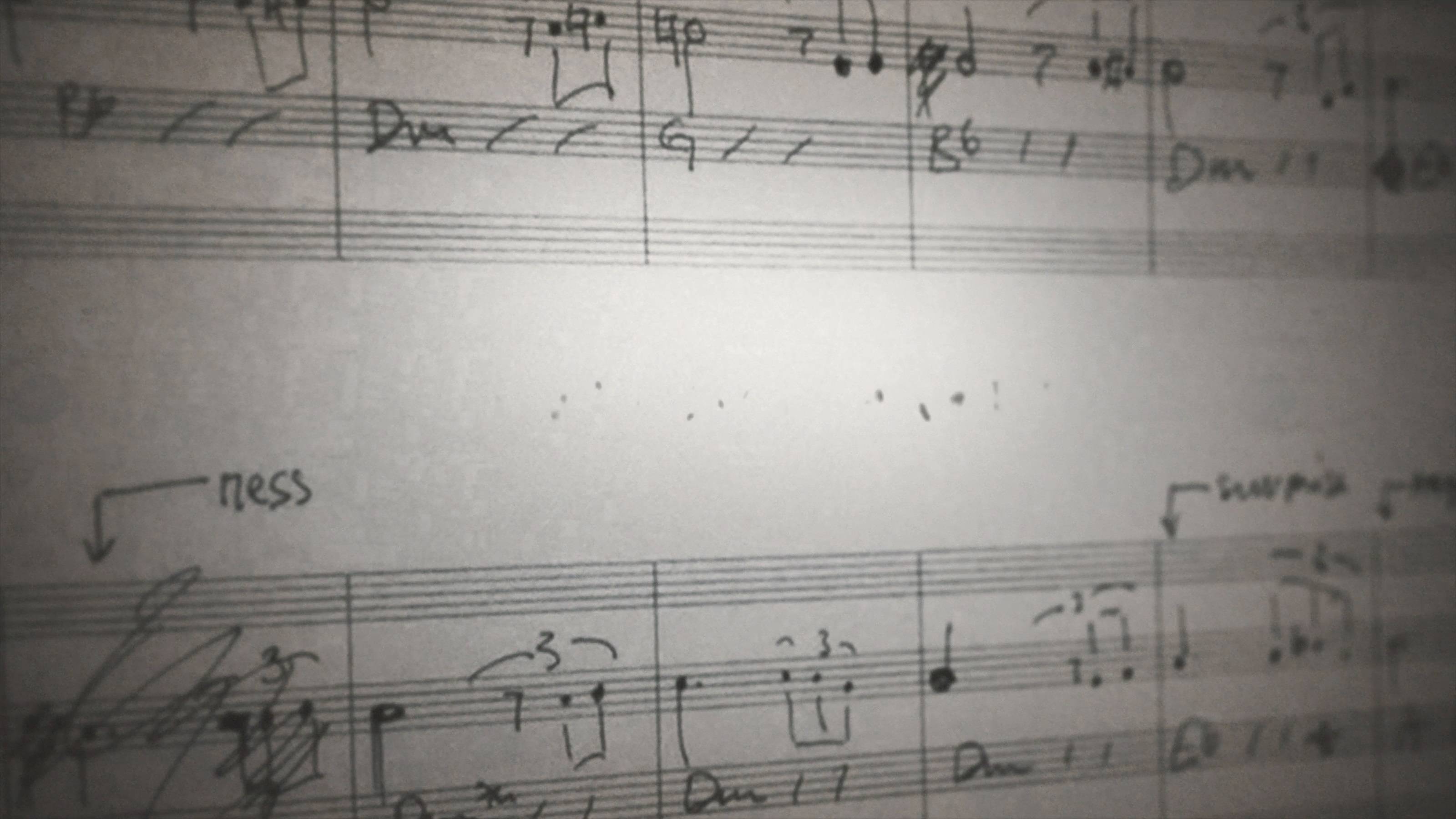
Zimmer will teach aspiring filmmakers and musicians how to use music to tell a story. Hans Zimmer didnt see a film until he was 12 years old. Since then, hes scored over 150 films, including Inception, The Lion King, and The Dark Knight. In his MasterClass, the self-taught Academy Award winner teaches how he creates sounds from nothing, composes compelling character themes, and scores a movie before ever seeing it. By the end, youll have everything you need to tell your story.
Today, premiere education platform MasterClass announced that renowned composer Hans Zimmer will teach a film scoring class. In his first ever online class, Zimmer will teach aspiring filmmakers and musicians how to use music to tell a story. He will examine the inner workings of composition and covers a bevy of topics, like creating sound palates and establishing tempos. Students will even study examples from his own work and learn how to create music that defines a character.

Zimmer is best known for creating some of the most iconic, successful scores in modern film history. He has received four Grammy Awards, two Golden Globes, and an Oscar for Best Original Score for The Lion King. Some of his most popular scores include Terrence Malicks The Thin Red Line, Ridley Scotts The Gladiator and Christopher Nolans The Dark Knight trilogy.

MasterClass offers access to some of the best minds working in the film and music industry through affordable online courses. Through the platform, instructors create engaging online classes with interactive assignments and course materials that create a unique educational experience. Some of the previous instructors include Kevin Spacey, Aaron Sorkin, Werner Herzog and Serena Williams. Most recently, MasterClass announced another class taught by deadmau5 on electronic music production, continuing to strengthen its roster of music instructors.

0043efff.jpg

0043f001.jpg

0043f002.jpg


...
 
Zuletzt bearbeitet:
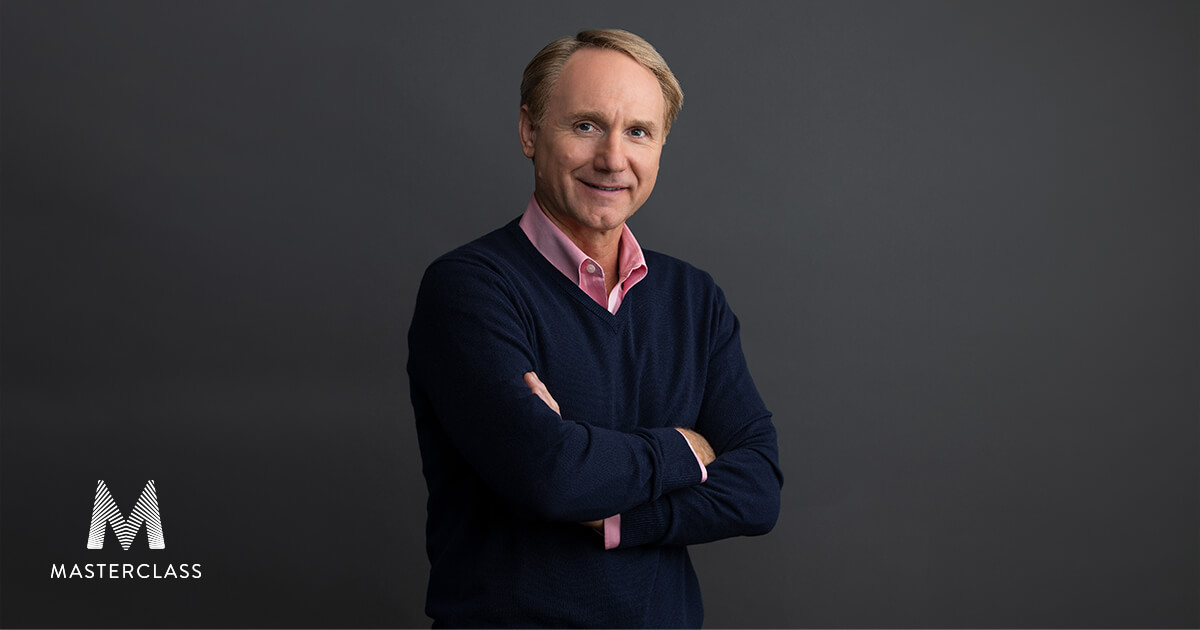
MasterClass - Dan Brown Teaches Writing Thrillers

Usl-Dkqo-Vjhgu-YFi-Nyk1g-TWknx9-Eis-Sqn.jpg


MasterClass - Dan Brown Teaches Writing Thrillers
MP4 | Video: AVC 1280 x 720 | Audio: AAC 48 KHz 2ch | Duration: 03:47:14 | 1.43 GB
Genre: eLearning | Language: English

Craft page-turning suspense
Packed with secret symbols and high-stakes suspense, Dan Brown's thrillers have sold more than 250 million copies, including one of the world's best-selling novels, The Da Vinci Code. In his MasterClass, Dan unveils his step-by-step process for turning ideas into gripping narratives. Learn his methods for researching like a pro, crafting characters, and sustaining suspense all the way to a dramatic surprise ending.

Lesson Plan

01 - Introduction
02 - The Anatomy of a Thriller
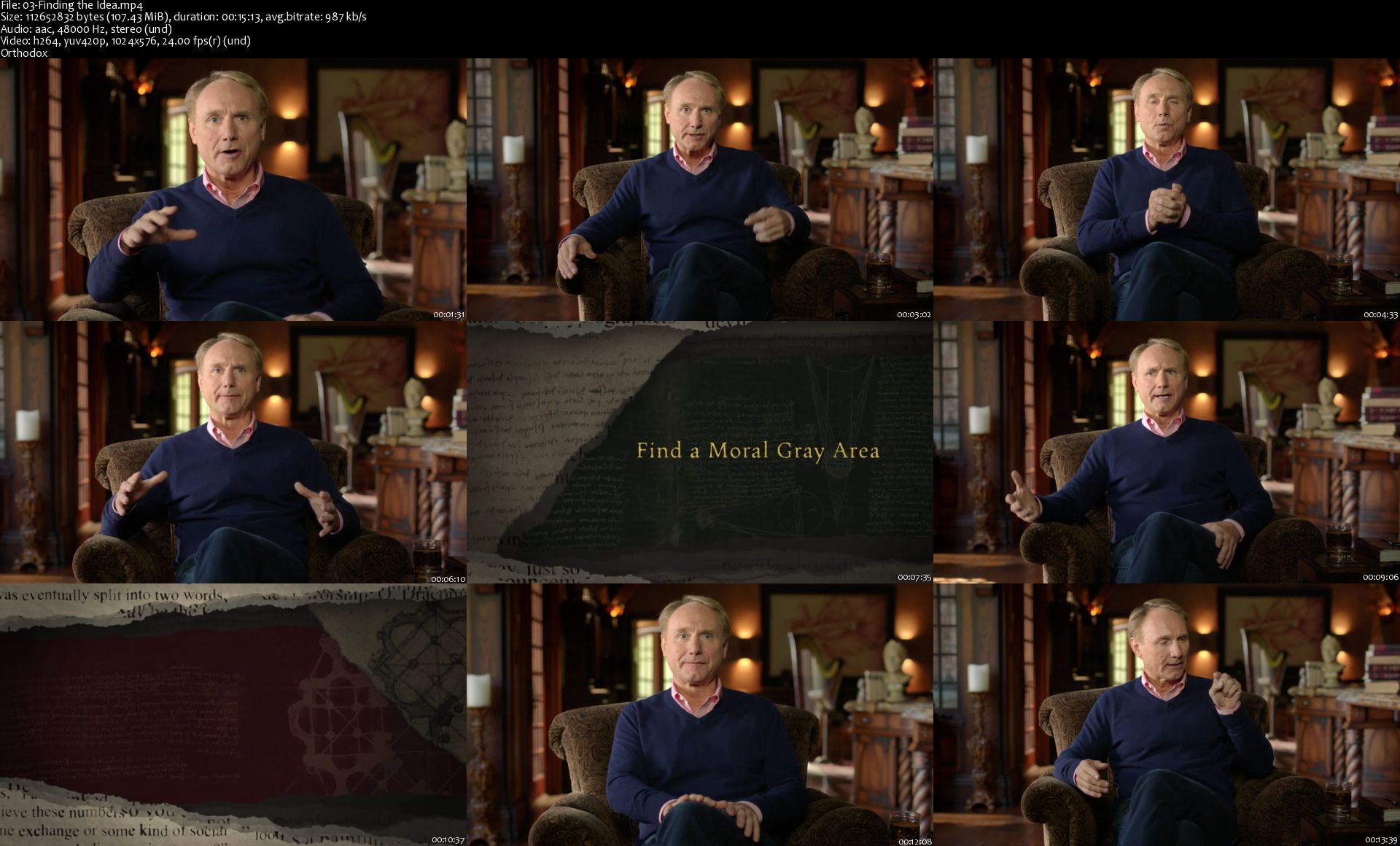
03 - Finding the Idea
04 - Choosing Locations
05 - Creating Heroes and Villains
06 - Universal Character Tools
07 - Character Case Study: The Da Vinci Code
08 - Research, Part 1
09 - Research, Part 2
10 - Building a Story From the Ground Up
11 - Creating Suspense, Part 1
12 - Creating Suspense, Part 2
13 - Writing Chapters and Scenes
14 - Selecting and Utilizing Point of View
15 - Exposition and Dialogue
16 - Editing and Rewriting
17 - Protecting Your Process
18 - Life As A Writer
19 - The Secret of Secrets

03-Finding-the-Idea-s.jpg


...
 
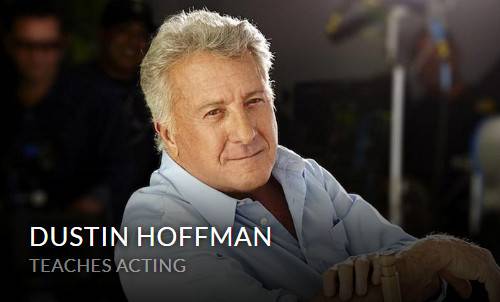
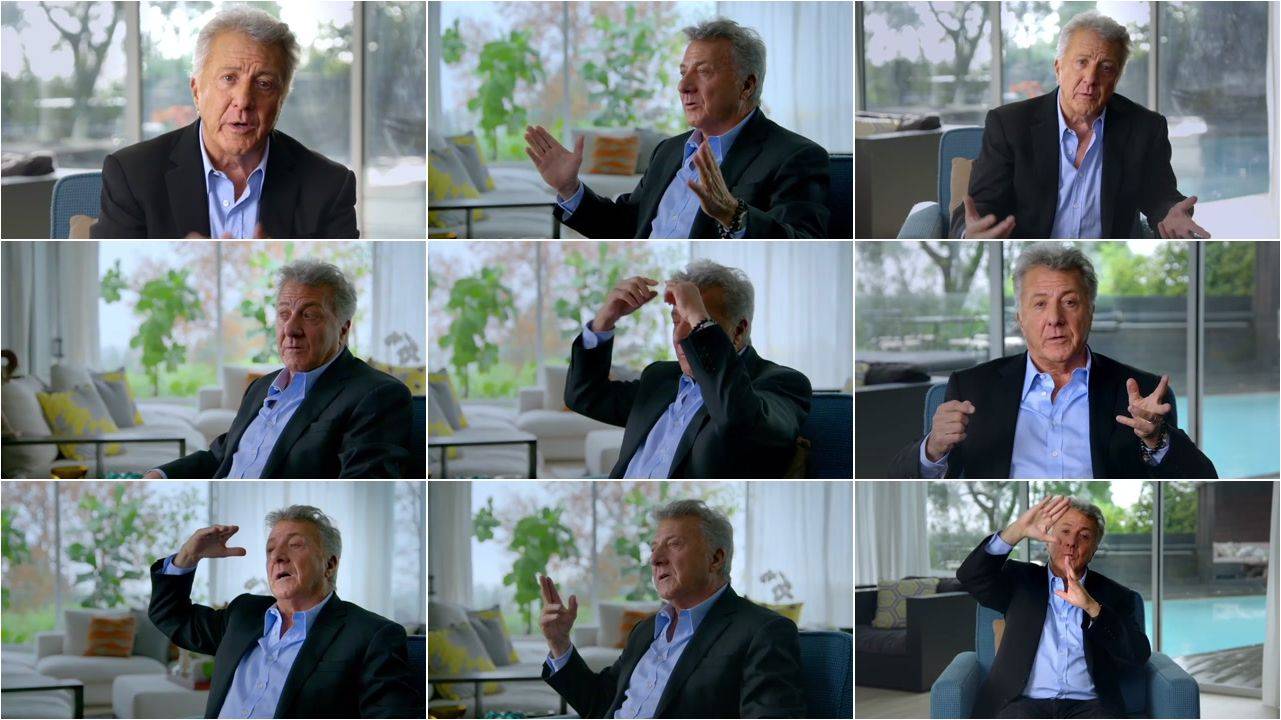
MasterClass - Dustin Hoffman Teaches Acting

004963d3.jpg


MasterClass - Dustin Hoffman Teaches Acting
MP4 | Video: AVC 960 x 540 | Audio: AAC 44 KHz 2ch | Duration: 05:20:46 | 2.03 GB
Genre: eLearning | Language: English

Learn Dustins Method
Dustin Hoffman believes that every great character is already inside youthe hard part is learning to access them.

In his first ever online class, the two-time Academy Award winning star of The Graduate, Tootsie, and Rain Man teaches you everything hes learned during his 50 year acting career.

For 24 lessons, Dustin will teach you everything he wanted to be taught by someone at the beginning of his career.

Lesson Plan

01. Dustin's Method
Dustin's approach to acting is unique. In this lesson, he reveals the principles of his method and how to start implementing it.

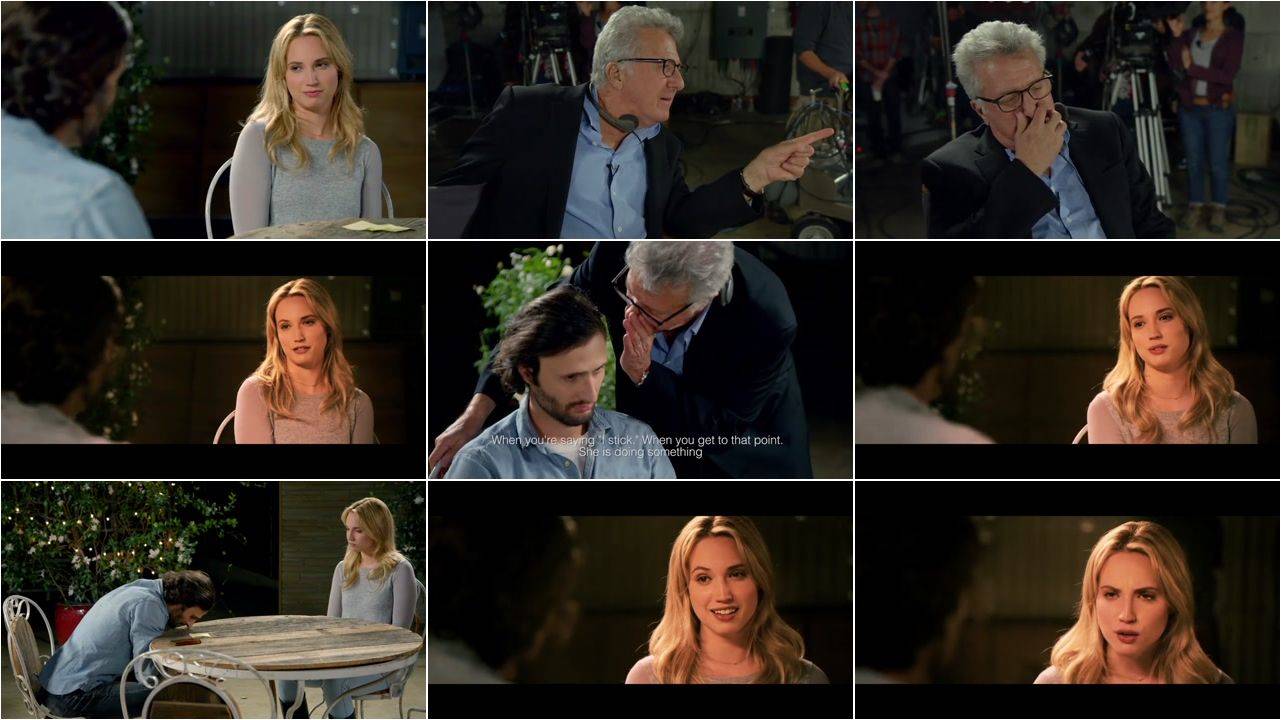
02. Working with a Co-Star - Jerry Maguire Scene Work Part 1
Dustin has had famous on-screen chemistry with the likes of Robert Redford, Tom Cruise and Meryl Streep. Watch as he teaches two strangers to build an instant bond on set, and then makes you try the same Jerry Maguire scene with a fellow student.

03. Relating to Your Character - Jerry Maguire Scene Work Part 2
Relating to your character is crucial to a great performance. Dustin teaches you how to read through the lines to add emotion and depth to your role.

04. Managing Your Nerves - Jerry Maguire Scene Work Part 3
Every good actor gets nervous, even Dustin. Vulnerability is key to bringing depth to a performance. Here's how to use your fears to get deeper into character.

05. Performing Honestly - Jerry Maguire Scene Work Part 4
Uncover and access the deepest layers of your personality so you can stop pretending and start being your character.

06. Critiquing Yourself - Jerry Maguire Scene Work Part 5
Dustin is his own harshest critic, even when the director is happy and the audience loves him. Learn how he finds ways to question, critique and improve his perfomance.

07. What I Learned in Acting Class
Dustin learned from the most prominent acting teachers of his day, including Lee Strasberg - hear the tips and stories that stuck with him.

08. Researching Your Character
Whether he's studying women's vocal patterns or sneaking into San Quentin prison-Dustin conducts detailed research to create memorable and believable characters.

09. Creating Your Character
The essence of Raymond Babbit came from an accidental vocal tick; Benjamin Braddock grew from Dustin's childhood memories. There's no one way to bring a new character to life, but these are some of the ways that have worked for Dustin.

10. Saying Your Lines
Memorizing your lines is just the first step. Here's how Dustin approaches a new script to bring life to words on a page.

11. Funny Business
You can't always plan for the laugh. Dustin explains how to develop your comic instincts and use everyday life as your comedic inspiration.

12. Staying In The Moment
When you leave the script behind and make things up as you go, the results can can be inspiring, fun, or sometimes flat-out embarrassing. You have to be willing to fail to triumph as an actor.

13. Stage and Screen
For a play, you rehearse for weeks. On a film set, you might get ten minutes. As an actor who trained for the stage, Dustin shares how he changed his approach to the craft for the camera.

14. Dustin's Story
From college dropout to Oscar-winning actor, learn a little bit more about your teacher..

15. Being Present - Good Will Hunting Scene Work Part 1
Learning to look beyond the script to what's not being said, and using that powerful subtext to reveal parts of yourself is the essence of Dustin's approach to acting. Dustin applies this lesson to a scene from Good Will Hunting.

16. Be Yourself to Be the Character - Good Will Hunting Scene Work Part 2
If the audience isn't seeing your secrets, you're doing it wrong. Pushing yourself to admit and accept your most painful and uncomfortable truths will help bring depth and honesty to the characters you play. See how brave you can learn to be.

17. Embracing Your Vulnerability - Good Will Hunting Scene Work Part 3
Nobody's perfect - and audiences will love you for it. Watch a scene from Good Will Hunting come to life when Dustin directs two actors to draw upon their own insecurities.

18. Creating a Relatable Character - Good Will Hunting Scene Work Part 4
Learn how to craft a timeless, relatable character that audiences will fall in love with.

19. Staying True to Yourself - Good Will Hunting Scene Work Part 5
Dustin never lets a script hold him back from giving what he believes is the right performance. Here's how to stay true to yourself without getting fired.

20. Working Together
Get Dustin's insider tips on how to keep an open, creative environment on set, respect your fellow actors, and most importantly-relax.

21. Auditions
Dustin has spent his career defying "leading man" stereotypes. Here's how to take the right risks to set yourself apart from the crowd and handle the rejection all actors face.

22. Making Acting Your Living
After painful rejections, how do you stop the candle inside you from burning out? Dustin sheds light on the difficult decisions involved in making acting your living.

23. Great Mistakes
It can be harder than you think to tell the difference between an accident and a stroke of genius. The most iconic scene in Midnight Cowboy was an on-set accident. Make every mistake an opportunity.

24. Always Be Working
Dustin closes his MasterClass with one lesson he wants every actor to remember.

004963d5.jpg
004963d6.jpg


...
 
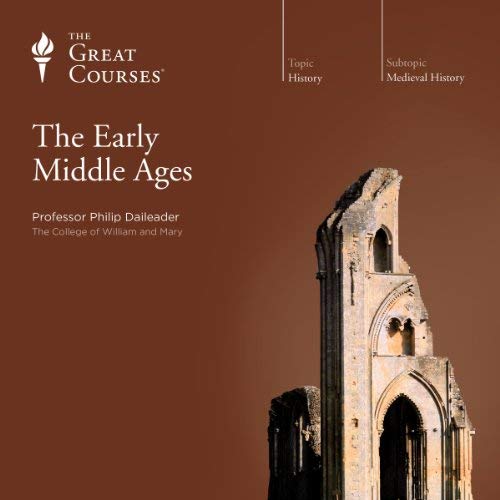
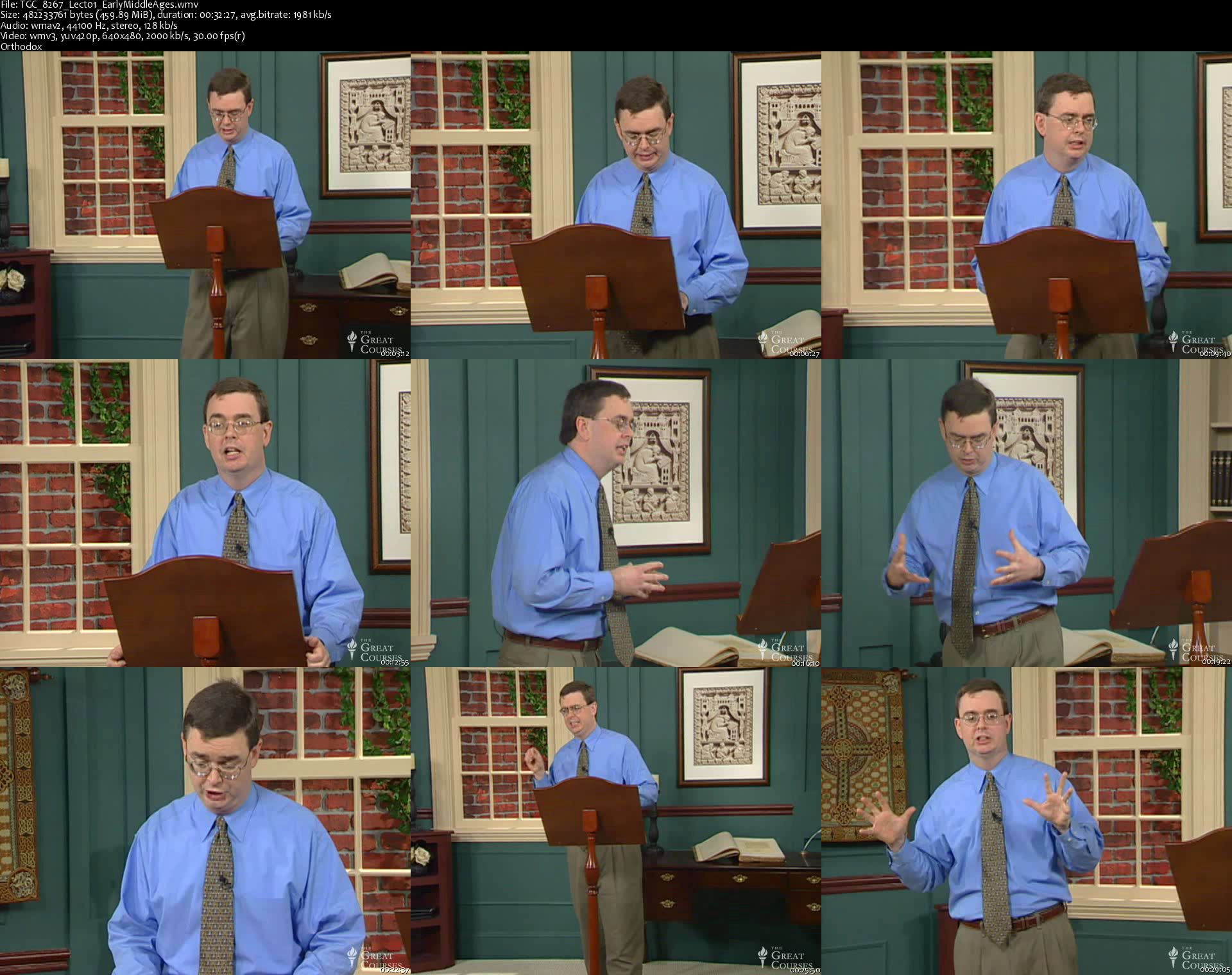
TGC - Early Middle Ages

eh-Mi1w-TL6d-Uil-NDIJ8-F0hw-IWn8qys-Kn-H.jpg


TGC - Early Middle Ages
Prof. Philip Daileader, Ph.D. | Video: 640x480 | Audio: AAC 44KHz | Duration: 12:26 H/M | Lec: 24 - Average 31 minutes each | 10.0 GB | Language: English + Course Guidebook

Description
We often call them the "Dark Ages," the era which spanned the decline and fall of Rome's western empire and lingered for centuries, a time when the Ancient World was ending and Europe had seemingly vanished into ignorance and shadow, its literacy and urban life declining, its isolation from the rest of the world increasing.

It was a time of decline, with the empire fighting to defend itself against an endless onslaught of attacks from all directions: the Vikings from the North, the Huns and other Barbarians from the East, the Muslim empire from the south.

It was a time of death and disease, with outbreaks of plague ripping through populations both urban and rural.

It was a time of fear, when religious persecution ebbed and flowed with the whims of those in power.

And as Rome's power and population diminished, so, too, did its ability to handle the administrative burdens of an overextended empire. Fewer records were kept, leaving an often-empty legacy to historians attempting to understand the age.

But modern archaeology has begun to unearth an increasing number of clues to this once-lost era. And as historians have joined them to sift through those clues-including evidence of a vast arc of Viking trade reaching from Scandinavia to Asia-new light has begun to fall across those once "dark" ages and their fascinating personalities and events.

"A World Recognizably Becoming Our Own"
In his new course on The Early Middle Ages-which traces a journey from Scandinavia across northern and central Europe to the farthest reaches of the Byzantine and Islamic empires-Professor Philip Daileader shares this new understanding of a world, no matter how far away and strange it may seem, that is "recognizably becoming our own."

"In countless ways, seemingly obscure events and developments from the 'Dark Ages' impinge on the lives of people today. This is true in the realm of religion, because our period saw the triumph of Christianity over paganism. This is true in the realm of language, because every word that we speak and write-indeed, the handwriting that we use each and every day-is a product of the historical forces that we will study. And this is true in the realm of family life, because many practices that existed in 300-such as polygyny, marriage within the kin group, and infanticide-are illegal today and were vanishing or completely gone by the year 1000."

TGC-8267-Lect01-Early-Middle-Ages-s.jpg


...
 
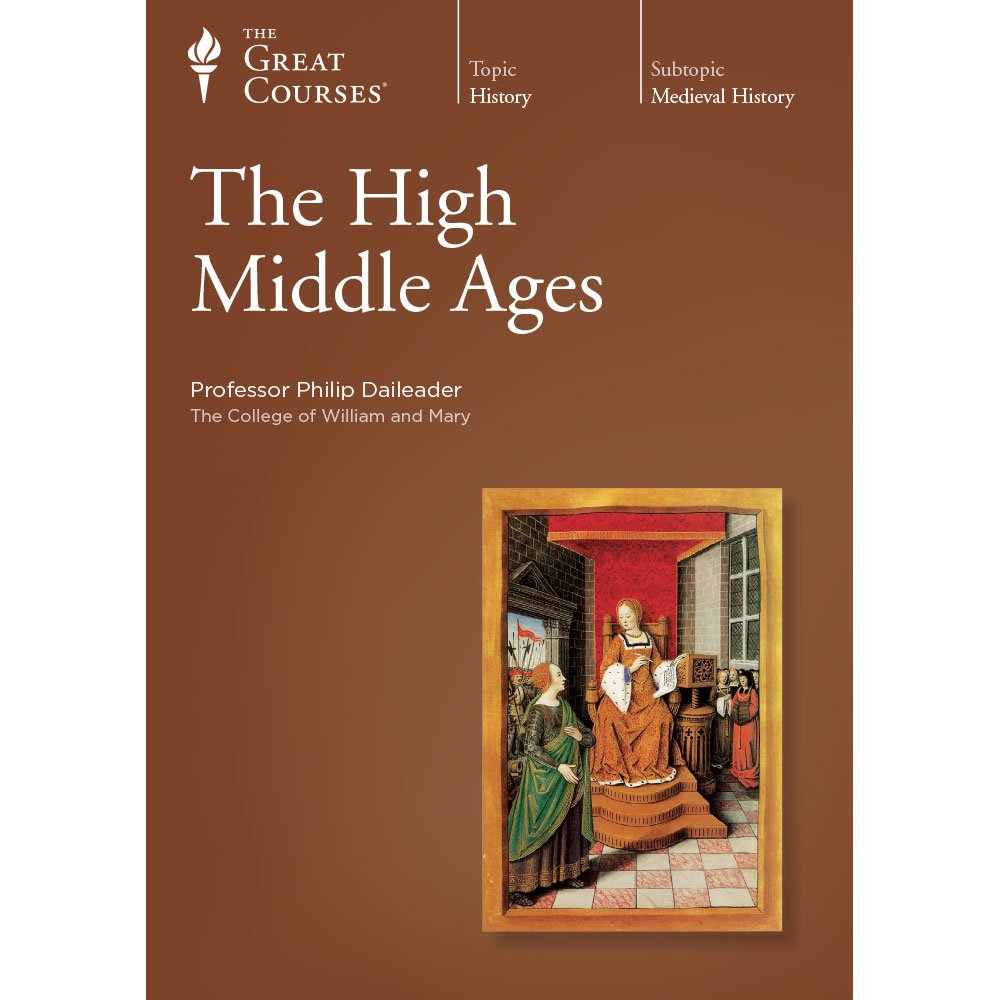
TGC - High Middle Ages

613-Ik-Y53-T8-L.jpg


TGC - High Middle Ages
Prof. Philip Daileader, Ph.D. | Video: 640x480 | Audio: AAC 44KHz | Duration: 12:23 H/M | Lec: 24 - Average 31 minutes each | 10.9 GB | Language: English + Course Guidebook

In this course you examine how and why Europeans achieved this stunning turnaround. By its conclusion, you will be able to describe and analyze the social, intellectual, religious, and political transformations that underlay this midsummer epoch of the medieval world.

Description
As the last millennium dawned, Europe didn't amount to much. Illiteracy, starvation, and disease were the norm. In fact, Europe in the year 1000 was one of the world's more stagnant regions-an economically undeveloped, intellectually derivative, and geopolitically passive backwater. Three short centuries later, all this had changed dramatically. A newly invigorated cluster of European societies revived city life, spawned new spiritual and intellectual movements and educational institutions, and began, for reasons both sacred and profane, to expand at the expense of neighbors who traditionally had expanded at Europe's expense.

The Revival of Europe
In this course you examine how and why Europeans achieved this stunning turnaround. By its conclusion, you will be able to describe and analyze the social, intellectual, religious, and political transformations that underlay this midsummer epoch of the medieval world.

But why were "the Middle Ages"-the period from 1000 to 1300-so designated?

Petrarch, writing in the 1300s, defined the period of "literary and artistic rot" in Europe after the sack of Rome in A.D. 410 as an Age of Darkness. The idea of the Middle Ages originates with Petrarch's concept, even though he did not use the term himself. The Latin term "medium aevum" (the Middle Age) first appeared in the 15th century.

Themes and Topics You'll Cover
The first eight lectures treat medieval society: the warrior aristocracy of knights, castellans, counts, and dukes; the free and unfree peasants whose work in the fields made the existence of medieval society possible; and the townspeople, the artisans and merchants who represented the newest arrivals on the medieval scene.

Lectures 9-16 examine the intellectual and religious history of high medieval Europe. You study monks and the monastic life, charismatic preachers such as Francis of Assisi, and theologians such as Thomas Aquinas. You examine the lives of those who found themselves outside the religious mainstream, especially the heretics and Jews of high medieval Europe.

The final eight lectures discuss the major political developments and events between 1000 and 1300, including the First Crusade, the Norman Conquest of England, and the granting of Magna Carta.

The key events, entities, and personalities you will learn about include:

The demographic, climatic, and technological changes that set the stage for Europe's resurgence
The three groups-"those who work, those who fight, and those who pray"-who formed the backbone of medieval society
An in-depth look at the renewed world of cities, artisans, merchants, and commercial exchange that shaped the high-medieval scene in crucial ways
The ongoing struggles between popes and emperors
The significance of figures as diverse as William the Conqueror, Pope Gregory VII, Abelard, Emperor Frederick II, King Philip II Augustus of France, Saint Benedict, Bernard of Clairvaux and Hildegard of Bingen
The institutions of knighthood, feudalism, the church and monasticism, the Scholastic university, and the urban guild
The situations of marginalized groups such as peasants, urban workingfolk, women, Jews, and heretics.

Homepage

TGC-869-Lect02-High-Middle-Ages-s.jpg


...
 
TGC - Redefining Reality: The Intellectual Implications of Modern Science

LYM64r0-RFwuk-SLiqgv-R8-RREVgd3fp-RUb.jpg


TGC - Redefining Reality: The Intellectual Implications of Modern Science
Prof. Steven Gimbel, Ph.D. | Video: 640x360 | Audio: AAC 44KHz | Duration: 18:09 H/M | Lec: 36 - Average 30 minutes each | 16.2 GB | Language: English + Course Guidebook

Living the French Revolution and the Age of Napoleon is your opportunity to learn the full story of this captivating period. Taught by Dr. Suzanne M. Desan

Description
No subject is bigger than reality itself, and nothing is more challenging to understand, since what counts as reality is undergoing continual revision and has been for centuries. For example, the matter that comprises all stars, planets, and living things turns out to be just a fraction of what actually exists. Moreover, we think that we control our actions, but data gathering systems can predict, with astonishing accuracy, when we will get up in the morning, what items we will buy, and even whom we will marry.

The quest to pin down what's real and what's illusory is both philosophical and scientific. At its core, it is nothing less than the metaphysical search for ultimate reality that goes back to the ancient Greeks. And for the last 400 years, this search has been increasingly guided by scientists, who create theories and test them in order to define reality and then redefine it as new theories replace old.

In physics, biology, psychology, economics, and many other fields, defining reality is a task that needs frequent updates. Consider these once solid facts that were later thrown into doubt:

Space and time: Nothing is more real to us than our experience of space and time, which is why one of the greatest revolutions in human thought is Einstein's discovery that these two seemingly stable features of the universe are surprisingly fluid in ways that defy common sense.
Matter: It seems obvious that matter down to the smallest scale should have measurable properties: it's either here or there, it's spinning this way or that. But quantum mechanics shows that subatomic particles are in many places and states at the same time - until you measure them.
Mathematics: What could be more ironclad than the truths of mathematics? Yet in the 1930s, Kurt Godel showed that the field was built on shifting sands - that no set of axioms designed to serve as the foundation of mathematics could be both self-consistent and complete.
Life-giving sun: Plants need sunlight; animals eat plants or other animals; therefore all life on Earth ultimately depends on the sun. This seemed indisputable, until scientists discovered colonies of life in the dark ocean depths, feeding on mineral-rich hot fluids from volcanic vents.
When faced with reversals such as these, it's tempting to give up and conclude that nothing will ever be certain. But there's a more rewarding way to look at it, which is that every successful new theory is an improvement on its predecessor, drawing the net ever more tightly around reality, whose form is gradually coming into focus.

Redefining Reality: The Intellectual Implications of Modern Science gives you the thrill of this exciting quest in 36 wide-ranging lectures that touch on many aspects of the ceaseless search for reality, both scientific and philosophical. From the birth of the universe to brain science, award-winning Professor of Philosophy Steven Gimbel of Gettysburg College shows that separating the real from the illusory is an exhilarating intellectual adventure.

And since dealing with reality is an experience we all share, this course is designed for people of all backgrounds. No prior training in science or philosophy is assumed. Furthermore, the richness of Professor Gimbel's presentation assures that even those who have studied this problem in depth will find new connections and unexpected insights. Dr. Gimbel's thoroughness makes Redefining Reality an unrivaled introduction to key themes in the history of science and philosophy.

The How and Why of Reality

You begin with the contrasting views of two of the most influential philosophers who ever lived: Plato and Aristotle. According to Plato, reality resides in an abstract world of forms that can only be perceived by the mind; while for Aristotle, reality is right here in this world. It was this elevation of the material realm by Aristotle that launched what we think of as science.

Science was part of philosophy until the 16th and 17th centuries. The turning point came with Isaac Newton's laws of motion and principle of universal gravitation, which showed that the world is governed by natural laws. Newton's supremely successful mathematical theory established science as a separate mode of inquiry and provided a model for the ambitions of all future scientists. Henceforth, science was devoted to explaining how the world works. Speculation about why it works the way it does remained the province of philosophy.

A striking case of when a philosophical subject suddenly became scientific occurred in 1965, with the discovery of the fossil radio signal from the big bang, the moment when the universe can be said to have begun. Before this discovery, the notion of a beginning to time was largely theological. After, it was a scientific problem that could be quantified and explored in detail. In Redefining Reality, you examine scores of similar examples of reality in transition, including these:

Ghost in a machine: Traditionally, doctors saw the human body as a closed system inhabited by a soul - a "ghost in a machine." The discovery of disease-causing microbes led to a new paradigm: the body as a fortress under attack. Today there's a revised view: microbes are considered crucial to human life.
Economics: Newton's success in physics inspired the field of economics. But attempts to predict the complexities of production, consumption, and trade defied exact mathematical analysis. Recent theories have revised our view of economic reality by factoring in the human tendency for irrational economic choices.
Artificial intelligence: Can machines think? One current view is that a machine capable of human-like responses to questions would indeed have a mind. But philosopher John Searle's famous "Chinese Room" thought experiment suggests that the imitation of outward behavior is not enough to constitute a mind.
Free will: One outcome of today's revolution in big data is that computers can now predict what individuals will do in many situations, including who is likely to commit a crime. These techniques challenge the age-old belief that we have free will - that our actions are the result of deliberate personal choices.

Homepage

TGC-4140-Lect03-Redefining-Reality-m4v.jpg


...
 
The Great Courses - The Art of Debate

rrx-Hsv-Fz-WHgk-G63wen-BWgq70-Tj-Lp-Lt-Xc.jpg


The Great Courses - The Art of Debate
MP4 | Video: AVC 1280 x 720 | Audio: AAC 48 KHz 2ch | Duration: 11:48:57 | 8.35 GB
Genre: eLearning | Language: English

If you're like many people, you might associate debate with either a high school or college club or a TV political "debate" that features two or more candidates talking over each other. But if a club or political showmanship is your only association with debating, you're missing out on an exhilarating intellectual pursuit that can help you in all aspects of your daily life, from making business decisions to engaging friends at cocktail parties.


Lecture-04-s.jpg


...
 
Alison J Prince - 0 To 100k System

ad72a667dacd80b005969c6e1c24a0cb.jpg

Alison J Prince - 0 To 100k System | 1.61 GB
After you enroll, you'll receive immediate access.

Here's What You Get Today:
Lifetime Access
To the 0-100K System. That includes a six-week step-by-step guide, tons of videos, cheat sheets, templates and more so that you can get off the ground faster. (Value: $9,997.00)

- Exclusive Private Facebook Group
That offers ongoing support and celebrations for your success. Live coaching happens bi-weekly so that you never have to feel like you are alone and know where to get your questions answered. (Value: $995.00)

- Secret Trend Generator
Concerned you won't know what to sell? The secret trend generator shows you the trending products so you can get on to making those sales even faster. (Value: $997.00)

- Little Black Book of Manufacturers 'LBB'
Eliminate costly trial and error of trying to find the good manufactures. This alone is well worth the investment in the 0-100k System. You'll have access to the list of companies I work with both in the USA and China --complete with emails and websites. Seriously -- it is SUCH a great resource! (Available after Day 15 - Value: $1,989.00)

- Golden Influencer Formula
Influencers can help you grow your business exponentially by promoting your brand to their audiences. I help you identify and connect with the right influencers for you (and even include some pretty snazzy templates! - Value: $999.00)

- Bonus
Get in-depth trainings from industry leaders on topics like how to set up your business entity, how to brand your business and how to increase repeat customers to keep them coming back for more. (Value: Priceless)

- Special Surprise Bonus
Imagine having me hold your hand and walk you through every step of this process. That's essentially what you'll have with the checklists, fast track maps and other tools I've created to get you on a path to success.

Screenshots
94408e1432a989e03756a1d24e7b84a7.jpg

Homepage:

Link Download
Extract files with WinRar 5 or Latest !
 
Medical School for Everyone: Emergency Medicine

r-Oa42-VYtrx-Ierw65o-Jf0-MU32-VTnc-B852.jpg


Medical School for Everyone: Emergency Medicine
MP4 | Video: AVC 1280 x 720 | Audio: AAC 44 KHz 2ch | Duration: 12:01:05 | 8.62 GB
Genre: eLearning | Language: English

You're a doctor 11 hours into your shift, and you've just walked into a waiting area packed with patients. There's an elderly man complaining of mild chest pain, a teenage girl whose arms are swollen with bee stings, and an ambulance that is bringing in two unresponsive **** from a car crash. What do you do next?

Welcome to a typical day on the job for doctors in emergency departments: the most intense department in any hospital, and home to the kind of split-second decision making, high-stress troubleshooting, and rapid medical detective work that can make the difference between a patient's life and death.

Unlike scheduled doctor appointments, no one actually plans to end up in an emergency room. Few of us think about the nature of emergency medicine: the grueling training medical students endure; the insights into ailments, injuries, and illnesses doctors must always keep in the back of their minds; the preternatural skills required to ferret out clues a patient might have overlooked (or might not want to share).

By following emergency doctors as they deal with patients and make accurate diagnoses, you can:

Get the same on-the-ground, case-by-case learning experience that medical students get when going through their emergency department rotations.
Learn how medical emergencies ranging from allergic reactions to concussions to heart attacks are diagnosed and treated.
Be better able to communicate with doctors and nurses in the unfortunate event that you, or a family member or friend, ends up in the emergency department.
Learn basic preventive health measures that could keep you out of an emergency room yourself.
With Medical School for Everyone: Emergency Medicine, The Great Courses gives you the chance to experience for yourself the high-stakes drama, scientific detective work, and medical insights of life in an everyday emergency department. Presented by board-certified physician and popular educator Dr. Roy Benaroch of Emory University's School of Medicine, these 24 lectures are a thrilling introduction to emergency medicine and the emergency department educational experiences of medical students around the world. As you shadow Dr. Benaroch on his shifts, and sometimes even venture off-site, you'll encounter patients coming in with a variety of symptoms and complaints-some of which are easily diagnosed and treated, and some of which are more life-threatening than they first appear. By the end of this 24-lecture rotation, you'll have a stronger knowledge of, and greater respect for, emergency medicine and the brave doctors who practice it.

Discover How Emergency Doctors Work

Every lecture of Medical School for Everyone: Emergency Medicine keeps you on your toes and brings you up close and personal with the common and uncommon medical emergencies that emergency doctors encounter throughout their careers. At the heart of each emergency case are powerful examples of:

how emergency doctors think on their feet;
how emergency doctors determine what's really wrong with a patient;
how emergency doctors rule in, or out, certain diagnoses; and
how emergency doctors counsel patients and families on improving health.
Emergency medicine, according to Dr. Benaroch, is about helping patients and making difficult decisions with information that is often insufficient or equivocal. These lectures invite you to peer over his shoulder as he meets with patients:

A schoolteacher named Claire has recurring bouts of abdominal pain that reveal how emergency doctors use the "OLD CAAAR" mnemonic device to remember the specific questions that need to be asked every time they evaluate someone complaining of generalized pain.
Individuals of various ages illustrate symptoms of different chest pain complaints, including myocardial infarctions (the medical term for a heart attack), myocarditis (a disease of the heart muscle), and pneumothorax (when air appears between the lung and the chest wall).
A three-week-old child helps you understand how emergency doctors risk-stratify fevers in newborns, where every fever (even a brief one) could be the sign of a serious infection that a newborn cannot easily fight off.
Mrs. Donahue, an elderly woman with dementia, whose mysterious case highlights a maxim that Dr. Benaroch lives by: If you still don't know what's going on with a patient after taking their history, investigate the medications (many of which often have adverse side effects or negative interactions).
Experience Everyday Life in an Emergency Department

Dr. Benaroch's lectures are filled with fascinating insights into the experiences of emergency department doctors. These insights will broaden your understanding of what it takes to save a human life, break down preconceived notions about how emergency medicine works, and strengthen your appreciation for what it takes to perform one of the most stressful jobs on the planet.

Some of the fascinating revelations that are uncovered include:

You don't want to be someone who's rushed through an emergency department without having to wait. The only way to get to the "front of the line" during triage is to be the sickest patient in the department-and to make sure no one sicker than you shows up while you're being evaluated. Been waiting for hours to see a doctor? It's a great sign you're not in mortal danger.
Any time an emergency doctor encounters an unresponsive patient, the first thing he or she does is perform a rapid scan of the "ABCs": assess the patient's airway (and open it up if it's closed), assess the patient's breathing (and give rescue breaths if there's no breathing), and check the patient's blood circulation (and give chest compressions if there's no heartbeat).
Snake bites, contrary to popular belief, should not be treated with the "cut and suck" method. By cutting up the wound and trying to suck out the poison, you'll only increase tissue damage and further contaminate the wound. A better form of treatment is rinsing the snake bite under running water for several minutes.
Displaying masterful storytelling prowess, detailed medical knowledge, and personal experiences as a practicing physician, Dr. Benaroch makes these lectures a unique way for you to experience life in an emergency department-without having to visit one yourself. You'll feel like you've donned the white coat and stepped into the well-worn shoes of an emergency doctor at the top of his or her game.

Whether he's discussing how doctors treat patients with highly infectious diseases, how they determine when patients are suffering from a hidden trauma (like an eating disorder), or how they inform family members in the event of a patient's death, Dr. Benaroch treats these and many other real-world scenarios with candor. Medical School for Everyone: Emergency Medicine reveals the everyday adventure, mystery, and fascination of emergency medicine, showing you why it's one of the most exciting and rewarding branches of medicine to work in.

Lectures-01-s.jpg


...
 
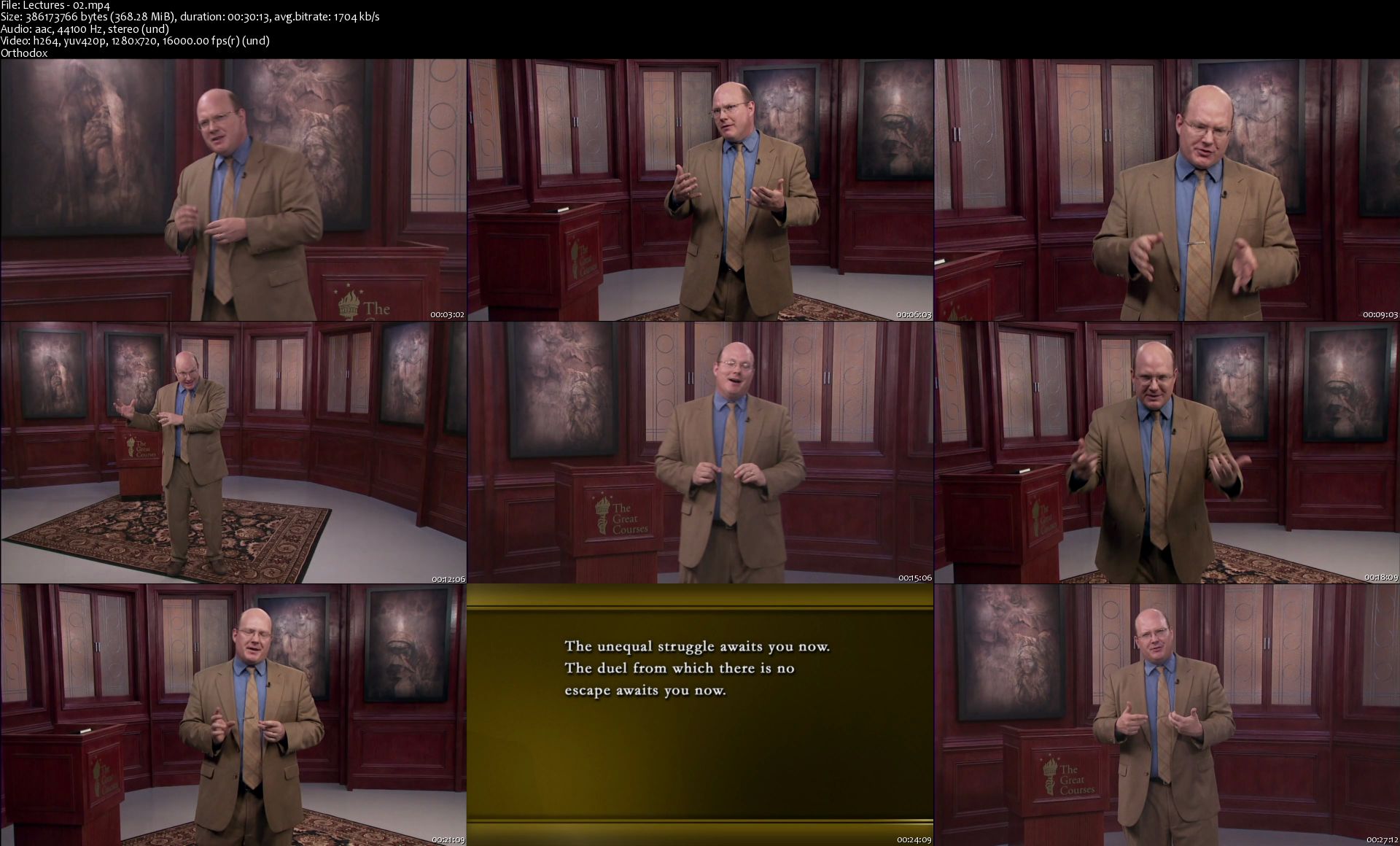
The Great Courses - Why Evil Exists

gk22rx-Ras-Hly-RDQYHoda-KIo-YKJ0-Ihn-Ax.jpg


The Great Courses - Why Evil Exists
MP4 | Video: AVC 1280 x 720 | Audio: AAC 44 KHz 2ch | Duration: 19:08:14 | 13.71 GB
Genre: eLearning | Language: English

Why do humans do evil? What is behind "man's inhumanity to man," the troubling fact of human actions that produce suffering and destruction? Is it ultimately a spiritual or cosmic problem? Is it a consequence of social systems or power structures? Or is it some inner deficit of human nature, lurking in the shadow world of our psychology? Why, in the end, does evil exist?

The "problem of evil" is one of the oldest and most fundamental concerns of human existence. Since ancient times, questions surrounding evil have preoccupied every major religion, as well as many of history's greatest secular thinkers, from early philosophers to contemporary social theorists.

Whether we view it in theological, philosophical, or psychological terms, evil remains both a deeply intriguing question and a crucially relevant global issue.

From organized terrorism to genocidal conflicts, from environmental destruction to the ongoing nuclear threat, human actions that most of us would consider evil play a central role in the dialogue between nations and peoples, affecting not only our well-being, but the very survival of our civilizations. No single aspect of human life is more relevant to the question of our social evolution-to the goal of a healthier, more humane world.

Finally, what we call "evil" touches every human being on the planet. It's a matter each one of us must face, both as it may affect us individually and as members of our larger communities, and it may demand a response from us on the personal and the communal levels.

Now, in Why Evil Exists, award-winning Professor Charles Mathewes of the University of Virginia offers you a richly provocative and revealing encounter with the question of human evil-a dynamic inquiry into Western civilization's greatest thinking and insight on this critical subject.

A Question at the Heart of Human Existence
Covering nearly 5,000 years of human history and invoking the perspectives of many of the West's most brilliant minds, Why Evil Exists probes intimately into how human beings have conceived of evil, grappled with it, and worked to oppose it.

With Professor Mathewes's inspired guidance, you engage with how both individual thinkers and larger trends of thought have faced evil, studying the work of major theologians, philosophers, poets, political theorists, novelists, psychologists, and journalists.

These 36 lectures offer you the unique chance to approach the subject of evil through numerous lenses and to refine your view of this central question of human life, giving you a broad and deep resource for your own thought and action.

Insights from the West's Great Minds
In this multilayer survey, you first examine accounts of evil in the ancient world, in Greek culture and the precepts of early Christianity, Judaism, and Islam. With this base, you engage with history-making thinkers whose views have shaped Western conceptions of evil, including these major figures:

St. Augustine: Grappling with this vastly influential theologian, you contemplate Augustine's core equation of being with goodness, and his view of evil as a "privation" of being, a turning toward ultimate nothingness.
Thomas Aquinas: One of the greatest intellects of medieval scholasticism, you study Aquinas's brilliant elucidation of the mindset-the inner logic and rationale-of the evildoer.
Thomas Hobbes: Considered the first modern philosopher and "social constructivist," you examine Hobbes's proposition that good and evil are invented constructs of human language.
Immanuel Kant: The work of this philosophical titan included highly influential observations on evil, resting on his conception of morality as located in the depths of the human will itself.
Sigmund Freud: You track the complex ruminations on evil of the founder of psychoanalysis, including his hypothesis and exploration of the "death drive," an innate, destructive force of the psyche.
Hannah Arendt: Perhaps the single greatest commentator on human genocide and totalitarianism, Arendt analyzed the "moral inversion" of Nazism, which profoundly affected modern understandings of political evil.

Theology and the Imperative of Evil
Across the arc of history, you explore the nature of evil in Western religious thought.

In the Enuma Elish of ancient Babylon and the biblical book of Revelation, you find early conceptions of the universe as a battleground between good and evil cosmic powers. In the ancient Hebrew interpretation of Genesis, you see how Adam and Eve actualized an already inherent potential for evil. You study the psychology of Satan in Islamic theology, as well as in the weighty meditations of Anselm of Lyon and Martin Luther.

In our own time, you encounter Protestant theologian Reinhold Niebuhr's challenging view of sin as rooted in resistance to our "hybrid" condition as both matter and spirit. And, in the wake of the Holocaust, you grasp Jewish thinker Arthur Cohen's extraordinary reformulation of faith in a God whose reality "is our prefiguration"-the promise of what we may become.

Philosophical and Literary Visions of the "Human Malady"
Parallel with the theological accounts, you study primary currents of Western secular thinking on evil in the work of key philosophers and social theorists, observing also how religious and secular thought on evil influences each other. In this area of the course, you devote separate lectures to the insights not only of Hobbes and Kant, but of philosophical giants such as Machiavelli, Hegel, Marx, and Nietzsche.

Early in the lectures, you see how Plato and Aristotle defined a debate on evil that stretched across millennia, between a dramatic, cosmic conception of evil and a view of evil as a human matter of this world. You investigate Hegel's grand philosophical system, locating evil as a necessary element of a larger, universal process of maturation, and Nietzsche's demand for a new "language" of human actions in Beyond Good and Evil.

In American history, you study Abraham Lincoln's searing, theological interpretation of slavery and the Civil War, and his bold vision for healing the wounds of both North and South.

In the work of poets and novelists you find visceral and knowing evocations of evil-pointing us, through their reflective power, toward clearer views of our world.

Beginning with the Inferno, you travel with Dante into the self-delusion of the damned, in his timeless revelation of Hell as an existential prison of the evildoer's making. In Paradise Lost, you study Milton's invocation of Satan as a human archetype, despairing in his futile rebellion against God and his own nature.

Later, you taste Joseph Conrad's unforgettable portrayal of moral disintegration in Heart of Darkness, revealing the psychic self-betrayal of "civilizing" imperialists in the Congo. In the 20th century, you dig into Albert Camus' allegory of a city besieged by evil in The Plague, caught in a cycle of avoidance and denial of its own vulnerability to-and tendency toward-evil.

A History of Passionate and Penetrating Thought
Professor Mathewes, recently honored with the celebrated Mead Endowment Teaching Award -one of the University of Virginia's highest honors-brings to these lectures his own considerable insight, compassion, and flair for getting to the essence of complex ideas. Throughout the series, he illustrates humanity's clash with evil as both a hugely rich field of thought and a thoroughly engrossing story, inviting you to question your conceptions of humanity's dark side, and to imagine yourself and the world in new ways.

Among many keenly provocative perspectives, you contemplate Martin Luther's warning that direct resistance to evil amounts to a collapse into evil itself, and philosopher Blaise Pascal's demand that we must recognize our own habitual avoidance of confronting our propensity to evil. You see how Hobbes's influential notion of human action as based in "rational self-interest" translates into modern game theory and nuclear strategy. And you hear Professor Mathewes's own call for a new way of approaching evil in our time-one that avoids the pitfalls of either demonizing others or internalizing the causes of "evil" acts in the world.

In Why Evil Exists, Professor Mathewes compellingly suggests that by living in the depth of the question of evil itself, we find resources in ourselves that are more powerful than any given theoretical answer.

Join a deeply insightful teacher in facing this fascinating, primordial question-a chance to bring your own most discerning thought to a crucial challenge for our world.

Lectures-02-s.jpg


...
 
Zuletzt bearbeitet:
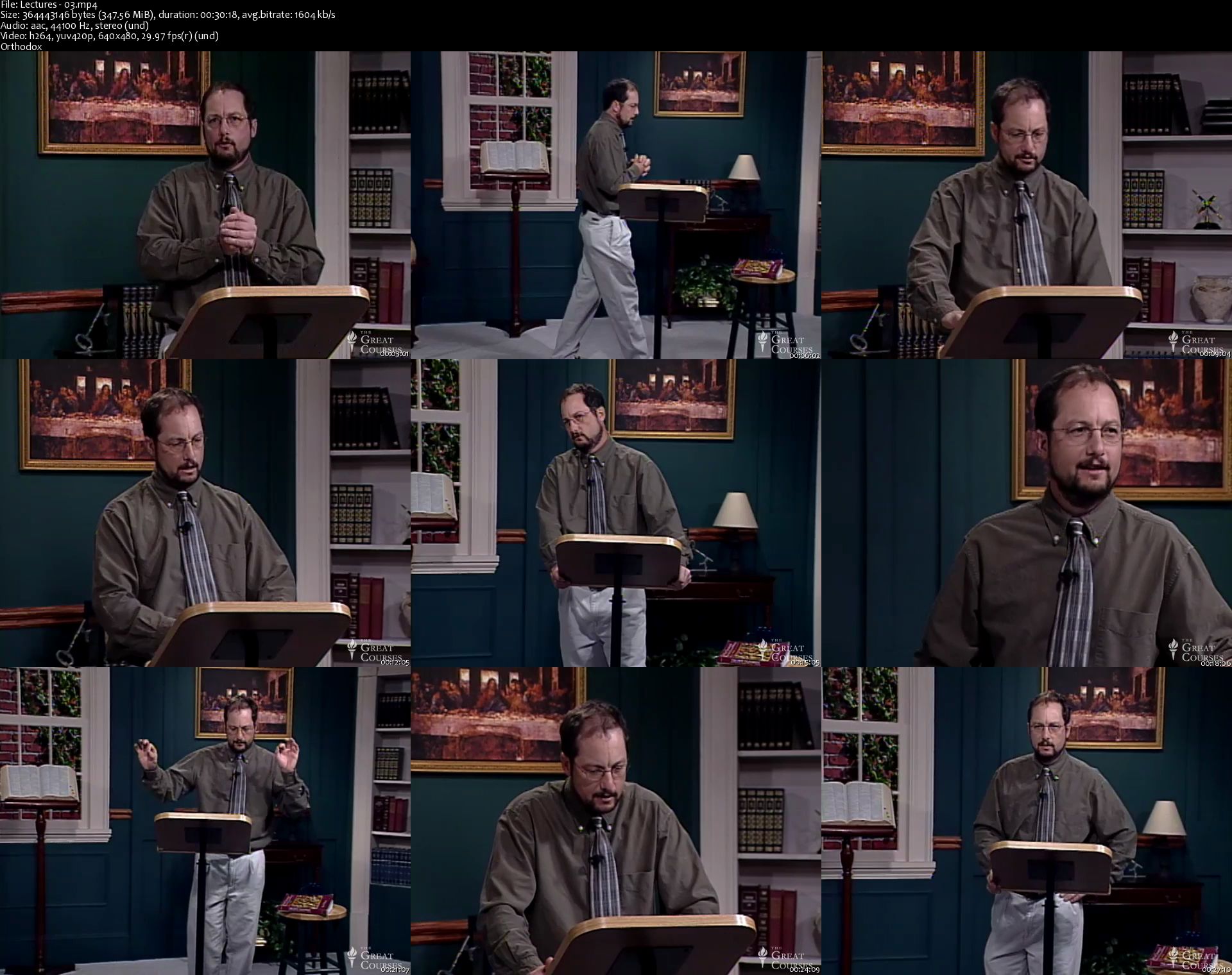
The Great Courses - Historical Jesus

o653-BKla-ABWDf6-Uf-Thb-Ah-Nsri160i-Pe-G.jpg


The Great Courses - Historical Jesus
MP4 | Video: AVC 640 x 480 | Audio: AAC 44 KHz 2ch | Duration: 12:13:28 | 5.81 GB
Genre: eLearning | Language: English

Who was Jesus of Nazareth? What was he like? For more than 2,000 years, people and groups of varying convictions have pondered these questions and done their best to answer them. The significance of the subject is apparent. From the late Roman Empire all the way to our own time, no continuously existing institution or belief system has wielded as much influence as Christianity, no figure as much as Jesus.

Worshiped around the globe by more than a billion people today, he is undoubtedly the single most important figure in the story of Western civilization and one of the most significant in world history altogether.

A Wide Range of Opinion, Even among Scholars
Everyone who has even the faintest knowledge of Jesus has an opinion about him, says Professor Bart D. Ehrman, and these opinions vary widely.

Those differences are visible not only among laypeople but even among professional scholars who have devoted their lives to the task of reconstructing what the historical Jesus was probably like and what he most likely said and did.

In this course, you learn what the best historical evidence seems to indicate as you listen to lectures developed with no intention of affirming or denying any particular theological beliefs.

Professor Ehrman-who created this course as a companion to his 24-lecture Teaching Company course on The New Testament-approaches the question from a purely historical perspective. He explains why it has proven so difficult to know about this "Jesus of history." And he reveals the kinds of conclusions modern scholars have drawn about him.

The Principal Sources of Knowledge about Jesus
You open the course with a discussion of the four New Testament Gospels, which everyone agrees are our principal sources of knowledge about Jesus.

You learn that these books are not written as dispassionate histories for impartial observers and that their authors do not claim to have been eyewitnesses to the events they narrate.

Instead, they are writing several decades later, telling stories that they have heard-stories that have been in circulation for decades among the followers of Jesus.

The first step, then, is to determine what kinds of books the Gospels are and to ascertain how reliable their information about Jesus is.

The question will be: Apart from their value as religious documents of faith, what do the Gospels tell historians?

The Challenges Scholars Face
As you soon learn, the Gospels pose considerable challenges to scholars who want to know about the words and deeds of Jesus.

You begin exploring some of these difficulties by asking what sorts of documents the Gospels are:

Who wrote them, and why?
How do they present themselves?
Who was their intended audience?
What is their relationship to each other, to the rest of the New Testament, and to other early Christian writings?
What is their status as historical narratives?
To help answer these questions, join Professor Ehrman in a careful consideration of other relevant sources. These include the many writings-some unearthed only recently-that did not make it into the New Testament, but which nonetheless claim to relate the life and teachings of Jesus.

Learn about the "Lost Gospel of Q"
Among these is the much-discussed "lost Gospel of Q." You learn why scholars believe such a text existed and what they think might be in it.

Address how much documentary evidence about Jesus can be found in ancient Jewish and Roman sources, what those references tell us, and even how historians approach such sources to begin with once they have them in hand.

Professor Ehrman addresses questions including:

What are the criteria scholars use to sift and compare sources?
How do they actually dig behind the surface of stories about Jesus to ascertain what he himself was most probably like?
What is the reasoning supporting each of these methods of testing evidence?
Reconstructing Jesus' Life and Deeds
Once you've absorbed this introduction to the sources and the ways in which they are handled, Professor Ehrman moves ahead to consider the historical context of Jesus' life. The assumption here is that historical understanding, to whatever extent possible, must begin by seeking to situate Jesus in the context of his own times.

After surveying the political, social, and cultural history of 1st-century Palestine, you proceed to the second major part of the course, a scholarly reconstruction of Jesus' words and deeds in light of the best available historical methods and evidence.

In reconstructing those words and deeds, Professor Ehrman addresses several questions:

Why do the earliest sources at our disposal, including the Gospel of Mark, portray Jesus as a Jewish apocalypticist who anticipated that God was soon going to overthrow the forces of evil and establish his good kingdom here on Earth?
How close is this portrayal to life?
Did Jesus proclaim a coming kingdom?
How are his references to the coming of the Son of Man to be understood in light of the best historical analysis and evidence we can muster?
A Fateful Passover
How do Jesus' ethical teachings, his own activities, and the events of his final days fit into this analysis?
Why did Jesus go to Jerusalem at Passover and what did he plan to do once he got there?
What was the situation he found?
What were the intentions of those he met there, including the Roman procurator Pontius Pilate, the Temple hierarchy, and the other Jewish authorities?
Historical scholarship has something to teach about all of these questions, and the answers will help to further your understanding of the Jesus of history.

Professor Ehrman closes by considering how Jesus' followers began to speak and eventually write about him in light of their belief that God had raised him from the dead.

Here the focus shifts from the religion of Jesus to the religion aboutJesus, or in other words, from the search for the historical Jesus to the study of early Christianity.

That is a natural place at which to conclude this course, which forms an excellent accompaniment to Professor Ehrman's two-part lecture series on The New Testament and other Teaching Company courses on religion.

Lectures-03-s.jpg


...
 
Zurück
Oben Unten