• Regeln für den Video-Bereich:

    In den Börsenbereich gehören nur Angebote die bereits den Allgemeinen Regeln entsprechen.

    Einteilung

    - Folgende Formate gehören in die angegeben Bereiche:
    - Filme: Encodierte Filme von BluRay, DVD, R5, TV, Screener sowie Telesyncs im Format DivX, XviD und x264.
    - DVD: Filme im Format DVD5, DVD9 und HD2DVD.
    - HD: Encodierte Filme mit der Auflösung 720p oder darüber von BluRay, DVD, R5, TV, Screener sowie Telesyncs im Format x264.
    - 3D: Encodierte Filme von BluRay, die in einem 3D Format vorliegen. Dies gilt auch für Dokus, Animation usw.
    - Serien: Cartoon/Zeichentrick, Anime, Tutorials, Dokumentationen, Konzerte/Musik, Sonstiges sind demnach in die entsprechenden Bereiche einzuordnen, auch wenn sie beispielsweise im High Definition-Format oder als DVD5/DVD9/HD2DVD vorliegen. Ausnahme 3D.
    - Bereich Englisch: Englische Releases gehören immer in diesen Bereich.
    - Bereich Talk: Der Bereich, in dem über die Releases diskutiert werden kann, darf, soll und erwünscht ist.


    Angebot/Beitrag erstellen

    - Ein Beitrag darf erst dann erstellt werden, wenn der Upload bei mindestens einem OCH komplett ist. Platzhalter sind untersagt.
    - Bei einem Scenerelease hat der Threadtitel ausschließlich aus dem originalen, unveränderten Releasenamen zu bestehen. Es dürfen keine Veränderungen wie z.B. Sterne, kleine Buchstaben o.ä. vorgenommen werden. Ausnahme Serienbörse:
    - Bei einem Sammelthread für eine Staffel entfällt aus dem Releasename natürlich der Name der Folge. Beispiel: Die Simpsons S21 German DVDRip XviD - ITG
    - Dementsprechend sind also u.a. verboten: Erweiterungen wie "Tipp", "empfehlenswert", "only", "reup", usw. / jegliche andere Zusatzinformation oder Ergänzung, welche nicht in obiger Beschreibung zu finden ist.

    Aufbau des Angebots und Threadtitel

    Der Titel nach folgendem Muster erstellt zu werden. <Name> [3D] [Staffel] [German] <Jahr> <Tonspur> [DL] [Auflösung] <Quelle> <Codec> - <Group>
    Beispiel: The Dark Knight German 2008 AC3 DVDRip XviD - iND
    Beispiel: The Dark Knight 2008 DTS DL BDRip x264 - iND
    Beispiel: The Dark Knight 2008 AC3 DL BDRip XviD - iND
    Beispiel: The Dark Knight German 2008 AC3 720p BluRay x264 iND
    Beispiel: The Dark Knight 2008 DTS DL 1080p BluRay x264 iND
    Beispiel: Die Simpsons S01 German AC3 DVDRip XviD iND
    Beispiel: Die Simpsons S20 German AC3 720p BluRay x264 iND
    Beispiel: Sword Art Online II Ger Sub 2014 AAC 1080p WEBRip x264 - peppermint
    Entsprechend sind also u.a. verboten: Sonderzeichen wie Klammern, Sterne, Ausrufezeichen, Unterstriche, Anführungszeichen / Erweiterungen wie "Tipp", "empfehlenswert", "only", "reup", usw. / jegliche andere Zusatzinformation oder Ergänzung, welche nicht in obiger Beschreibung zu finden ist
    Ausnahmen hiervon können in den Bereichen geregelt sein.

    Die Beiträge sollen wie folgt aufgebaut werden:
    Überschrift entspricht dem Threadtitel
    Cover
    kurze Inhaltsbeschreibung
    Format, Größe, Dauer sind gut lesbar für Downloader außerhalb des Spoilers zu vermerken
    Nfo sind immer Anzugeben und selbige immer im Spoiler in Textform.
    Sind keine Nfo vorhanden z.B. Eigenpublikationen, sind im Spoiler folgende Dateiinformationen zusätzlich anzugeben :
    Quelle
    Video (Auflösung und Bitrate)
    Ton (Sprache, Format und Bitrate der einzelnen Spuren)
    Untertitel (sofern vorhanden)
    Hosterangabe in Textform außerhalb eines Spoiler mit allen enthaltenen Hostern.
    Bei SD kann auf diese zusätzlichen Dateiinformationen verzichtet werden.

    Alle benötigten Passwörter sind, sofern vorhanden, in Textform im Angebot anzugeben.
    Spoiler im Spoiler mit Kommentaren :"Schon Bedankt?" sind unerwünscht.


    Releases

    - Sind Retail-Release verfügbar, sind alle anderen Variationen untersagt. Ausnahmen: Alle deutschen Retail-Release sind CUT, in diesem Fall sind dubbed UNCUT-Release zulässig.
    - Im Serien-Bereich gilt speziell: Wenn ein Retail vor Abschluss einer laufenden Staffel erscheint, darf diese Staffel noch zu Ende gebracht werden.62
    - Gleiche Releases sind unbedingt zusammenzufassen. Das bedeutet, es ist zwingend erforderlich, vor dem Erstellen eines Themas per Suchfunktion zu überprüfen, ob bereits ein Beitrag mit demselben Release besteht. Ist dies der Fall, ist der bereits vorhandene Beitrag zu verwenden.
    - P2P und Scene Releases dürfen nicht verändert oder gar unter einem iND Tag eingestellt werden.


    Support, Diskussionen und Suche

    - Supportanfragen sind entweder per PN oder im Bereich Talk zu stellen.
    - Diskussionen und Bewertungen sind im Talk Bereich zu führen. Fragen an die Uploader haben ausschließlich via PN zu erfolgen, und sind in den Angeboten untersagt.
    - Anfragen zu Upload-Wünschen sind nur im Bereich Suche Video erlaubt. Antworten dürfen nur auf Angebote von MyBoerse.bz verlinkt werden.


    Verbote

    - Untersagt sind mehrere Formate in einem einzigen Angebotsthread, wie beispielsweise das gleichzeitige Anbieten von DivX/XviD, 720p und 1080p in einem Thread. Pro Format, Release und Auflösung ist ein eigener Thread zu eröffnen.
    - Grundsätzlich ebenso verboten sind Dupes. Uploader haben sich an geeigneter Stelle darüber zu informieren, ob es sich bei einem Release um ein Dupe handelt.
    - Gefakte, nur teilweise lauffähige oder unvollständige Angebote sind untersagt. Dies gilt auch für eigene Publikationen, die augenscheinlich nicht selbst von z.B. einer DVD gerippt wurden. Laufende Serien, bei denen noch nicht alle Folgen verfügbar sind, dürfen erstellt und regelmäßig geupdatet werden.
    - Untersagt sind Angebote, welche nur und ausschließlich in einer anderen Sprache als deutsch oder englisch vorliegen. Ausnahmen sind VORHER mit den Moderatoren zu klären.


    Verstoß gegen die Regeln

    - Angebote oder Beiträge, die gegen die Forenregeln verstoßen, sind über den "Melden"-Button im Beitrag zu melden.
  • Bitte registriere dich zunächst um Beiträge zu verfassen und externe Links aufzurufen.

*** Bestes IPTV *** bester Preis *** gratis Test ***


Englische Tutorials

ced3f9f0ff4898a9448fcklcop.jpg


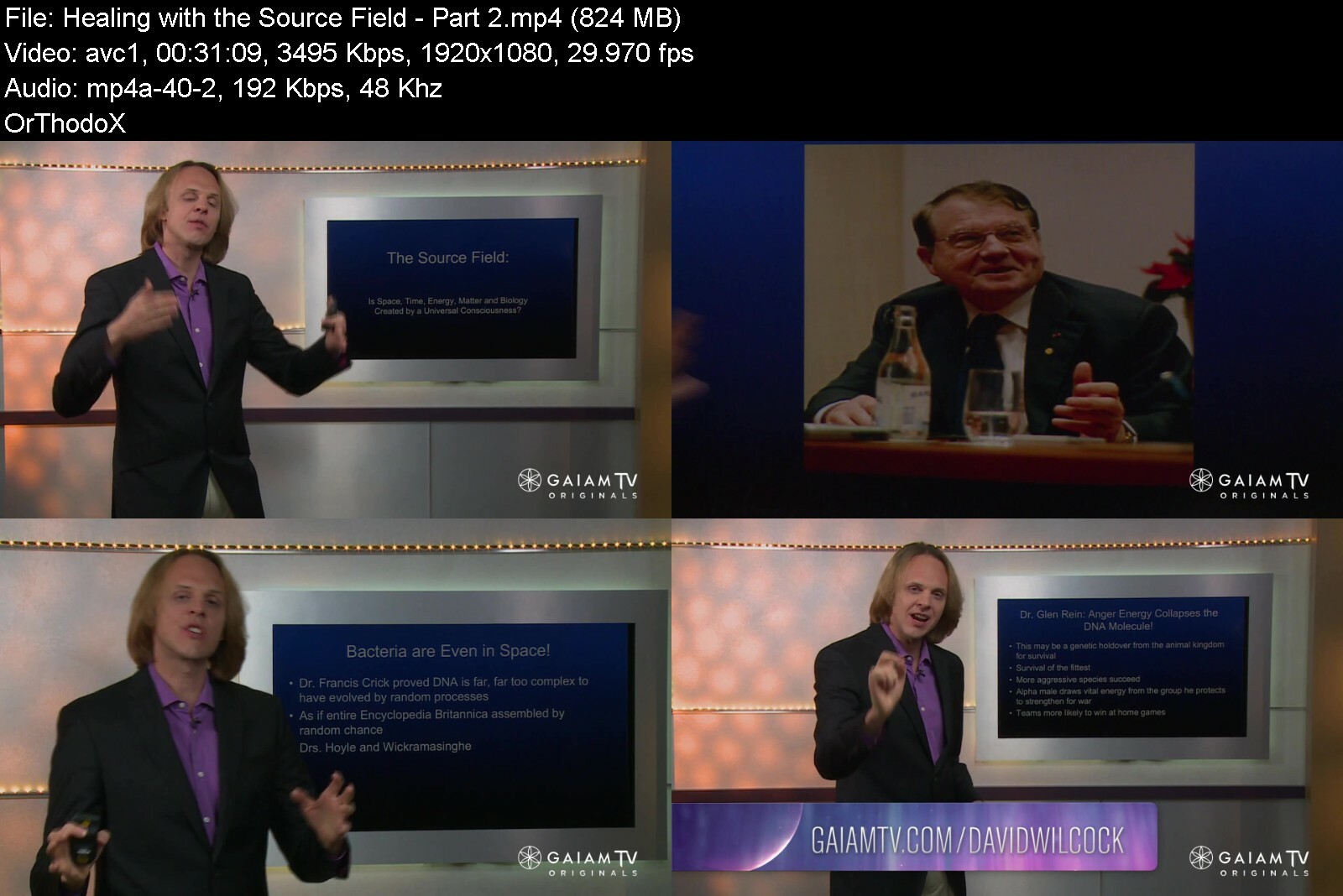
Gaia - Wisdom Teachings - Season 1
MP4 | Video: h264, 1920x1080 | Audio: AAC, 44.1 KHz, 2 Ch
Genre: eLearning | Language: English + srt | Duration: 6 Lessons (3h 3m) | Size: 4.84 GB

David Wilcock, author of Source Field Investigations, exposes some of the greatest secrets and cover-ups of our time in this eye-opening original series. Combining esoteric philosophy, alternative science and historical fact, Wilcock offers viewers the chance to rediscover our ancient systems of physics and spirituality. This series is best watched in consecutive order.


wisdomteachingsseasonfpfkf.jpg


1e05ec66bb92d4488005bf3dxx.jpg


Gaia - Beyond Belief - Season 10
Last updated 1/2023
MP4 | Video: h264, 1920x1080 | Audio: AAC, 44.1 KHz, 2 Ch
Genre: eLearning | Language: English | Duration: 24 Lessons (22h 7m) | Size: 34.2 GB

Join George Noory, from Coast to Coast AM, each week, as we explore the amazing and unusual world we live in. Tap into the minds of experts in their field who work tirelessly to unravel the greatest mysteries. Join us for thought-provoking discussions on paranormal phenomena, conspiracies and all things unexplained.


beyondbeliefseason10hdiba.jpg


f1divxmsu54irf2ate0t2kof52.jpg


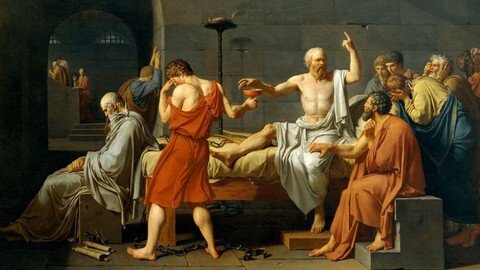
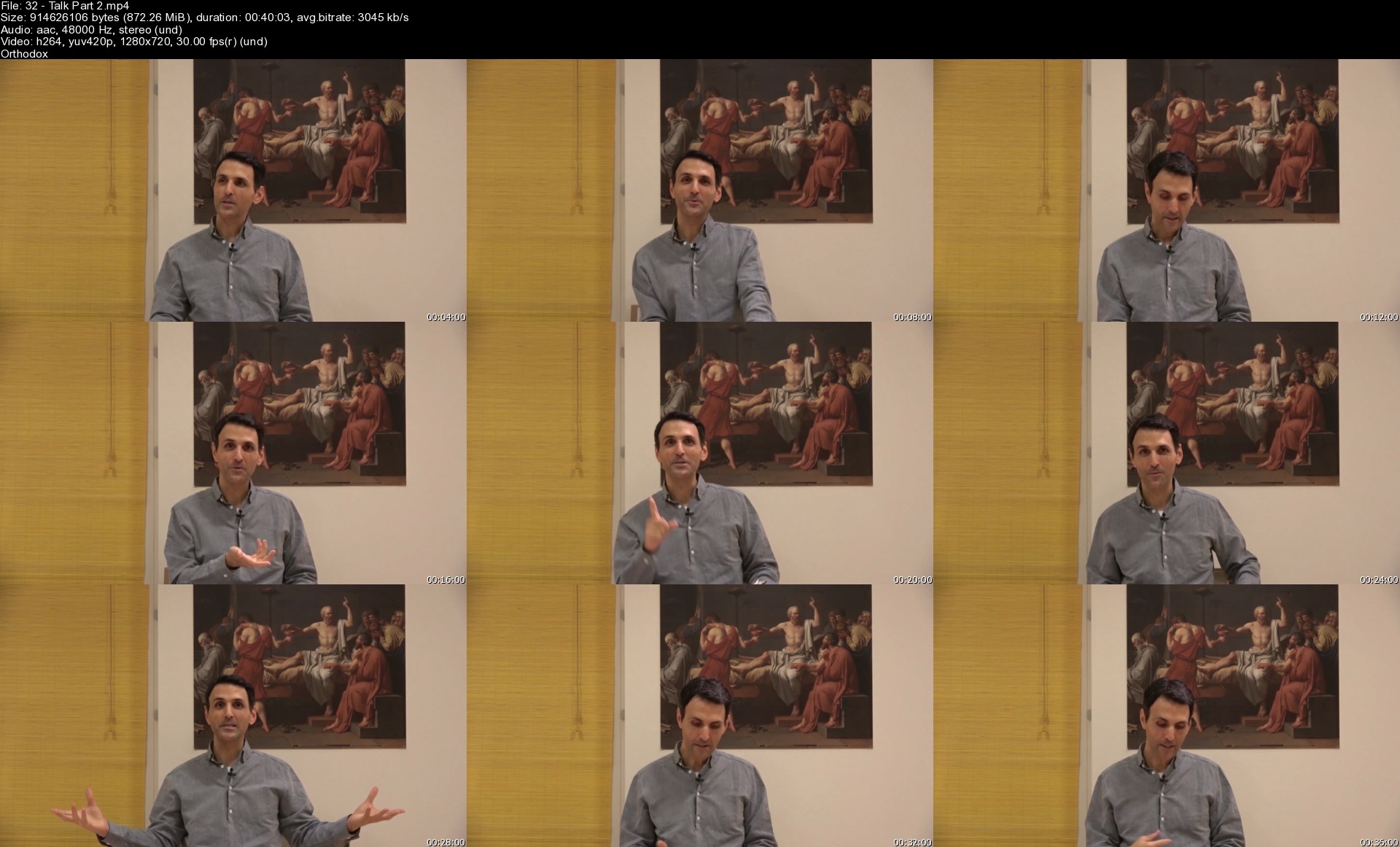
Socrates, Death And Self-Transformation
Last updated 10/2022
MP4 | Video: h264, 1280x720 | Audio: AAC, 44.1 KHz
Language: English | Size: 29.72 GB | Duration: 23h 26m

A profound teaching of the unity between philosophy and spirituality


What you'll learn
The philosophical text "Phaedo" by Plato
The act of meeting death and the question of what lies beyond it
Reflecting on the meaning of life and our deepest and most true identity
The true meaning and purpose of philosophy


Requirements
No prerequisite knowledge needed


Description
A journey into the birthplace of Western culture: ancient Greece, by exploring together the "Phaedo" by Plato. This text teaches us about the preparation for death, the act of "meeting" death and the question of what lies beyond it.It is a reflection on the meaning of life and our deepest and most true identity. This text also speaks about the meaning and purpose of philosophy, as well as mysticism.Often, when we want to learn about spiritual enlightenment, we turn to the traditions of Buddhism, yogic knowledge, Sufism, the Kabbalah, Christianity or other religious schools.Rarely do we realise that we could simply take a closer look at one of the birthplaces of Western culture: ancient Greece. There, amongst the philosophers, we can find teachings that are deep, radical and truly amazing. Importantly, these teachings frequently talk about enlightenment and the path to spiritual liberation. In the teachings of Plato we can find treasures of spiritual guidance and spiritual practice that have the power to change our experience and our perception.You are invited to a series of what we call philosophy satsangs , by which we mean meetings that will combine practices, guided meditations and other teaching elements in order to create an experiential learning journey of philosophical texts; texts that are actually texts of liberation.The text that we will be exploring together is the Phaedo by Plato. It is a dramatic text, in the sense that it actually documents the last conversation between Socrates and his students, just before the former drinks the poison hemlock that will kill him. This text teaches us about the preparation for death, the act of meeting death and the question of what lies beyond it. It is a reflection on the meaning of life and our deepest and most true identity. This text also speaks about the meaning and purpose of philosophy, as well as mysticism.

Overview
Section 1: Previews

Lecture 1 Must I Renounce the Human Experience if I Want To Be Enlightened?

Lecture 2 The Sign of a Mature Soul

Lecture 3 Death, Courage and Moderation

Lecture 4 1st Discourse Preview

Section 2: 1st Discourse

Lecture 5 Introduction - Part 1

Lecture 6 Introduction - Part 2

Lecture 7 Questions

Section 3: 2nd Discourse

Lecture 8 Talk - Part 1

Lecture 9 Talk - Part 2

Lecture 10 Talk - Part 3

Lecture 11 Questions

Section 4: 3rd Discourse

Lecture 12 Talk - Part 1

Lecture 13 Talk - Part 2

Lecture 14 Talk - Part 3

Lecture 15 Questions

Section 5: 4th Discourse

Lecture 16 Guided Meditation

Lecture 17 Talk - Part 1

Lecture 18 Talk - Part 2

Lecture 19 Questions

Section 6: 5th Discourse

Lecture 20 Guided Meditation

Lecture 21 Talk - Part 1

Lecture 22 Talk - Part 2

Lecture 23 Questions

Section 7: 6th Discourse

Lecture 24 Talk - Part 1

Lecture 25 Talk - Part 2

Lecture 26 Questoins

Section 8: 7th Discourse

Lecture 27 Guided Meditation

Lecture 28 Talk - Part 1

Lecture 29 Talk - Part 2

Lecture 30 Questions

Section 9: 8th Discourse

Lecture 31 Talk - Part 1

Lecture 32 Talk - Part 2

Lecture 33 Talk - Part 3

Lecture 34 Questions

Section 10: 9th Discourse

Lecture 35 Talk - Part 1

Lecture 36 Talk - Part 2

Lecture 37 Talk - Part 3

Lecture 38 Questions

Section 11: 10th Discourse

Lecture 39 Talk - Part 1

Lecture 40 Talk - Part 2

Lecture 41 Talk - Part 3

Lecture 42 Questions

Section 12: 11th Discourse

Lecture 43 Talk - Part 1

Lecture 44 Talk - Part 2

Lecture 45 Talk - Part 3

Lecture 46 Questions

Section 13: 12th Discourse

Lecture 47 Talk - Part 1

Lecture 48 Talk - Part 2

Lecture 49 Talk - Part 3

Lecture 50 Questions

Section 14: 13th Discourse

Lecture 51 Talk - Part 1

Lecture 52 Talk - Part 2

Lecture 53 Talk - Part 3

Lecture 54 Questions

Section 15: 14th Discourse

Lecture 55 Talk - Part 1

Lecture 56 Talk - Part 2

Lecture 57 Talk - Part 3

Lecture 58 Questions

Anyone who is interested in learning philosophy and spirituality


Homepage


32talkpart2svbeir.jpg


ibtmok9mkhm58rzfmczkhfec7s.jpg


French Vocabulary Course (103 hours)
Last Update: 6/2022
Duration: 103h | Video: .MP4, 1280x720 30 fps | Audio: AAC, 48 kHz, 2ch | Size: 53.9 GB
Genre: eLearning | Language: English

You will learn 4,137 words. French words and phrases to your brain for an amazing easy recall ***t superfast speeds***


What you'll learn:
You will learn 4,137 French vocabulary.
You will be good at French - English translation .
You will speak French confidently in everyday situations.
You will understand what is being said back to you.
Have a deeper knowledge of the structure of French.


Requirements
A 2.1 level French


Description

1. You will learn 4,137 French words.
2. You will speak French confidently in everyday situations.
3. You will understand what is being said back to you.
4. You will improve your listening and comprehension skills.
Snapshot French words and phrases to your brain for an amazing easy recall ... at superfast speeds ...while you learn to avoid the most common French language learning errors.

This course is specially designed for students who want to improve their French easily. Cartoons will function like memory triggers and help to remember the newly learned words. Build up your vocab quickly and effectively. Every word is linked to a practical sentence, written and recorded by native speakers. Photographic visuals based on traditional flashcard methodology to consolidate your learning.
See, hear and learn a word used in a sentence.
We would like you to know that, we started with the principle of equality in education. For many years, we continue to produce contents with our highly professional trainers.
You can reach us 24/7 on any subject you hang out during the course.
At the same time, we want you to know that education scores are really valuable for us. We care to increase our quality day by day in line with the comments and scores we receive from our students. We would appreciate it if you put us on a fair evaluation after completing the training :)
See you in the classes!
All aspects of life covered
Adjectives
Home - Bathroom
Home - Garden
Home - Kitchen
Food
Health
School
Countries
Shopping
Cars
Railways
Airport
Animals
Post
Bank
Expressions
Environment
On The Road
Sports
At The Doctor
Hospital
Careers
Sundry
Celebrations
Time
Materials
Friends
Housework
Work
Illnesses
Weather
In The Town
Leisure
Training
Prepositions
Conjunctions
Music
Shapes
Forms
Numbers
On Holiday

Who this course is for
Anyone who wants to improve his or her French


Homepage

79.frenchcomicssy6ira.jpg


851712fc616xqfm1.jpg


The Complete JavaScript Course 2023: From Zero to Expert!
Last updated 6/2023
Created by Jonas Schmedtmann
MP4 | Video: h264, 1280x720 | Audio: AAC, 44.1 KHz, 2 Ch
Genre: eLearning | Language: English + srt | Duration: 320 Lectures ( 68h 33m ) | Size: 24.2 GB

The modern JavaScript course for everyone! Master JavaScript with projects, challenges and theory. Many courses in one!


What you'll learn
Become an advanced, confident, and modern JavaScript developer from scratch
Build 6 beautiful real-world projects for your portfolio (not boring toy apps)
Become job-ready by understanding how JavaScript really works behind the scenes
How to think and work like a developer: problem-solving, researching, workflows
JavaScript fundamentals: variables, if/else, operators, boolean logic, functions, arrays, objects, loops, strings, etc.
Modern ES6+ from the beginning: arrow functions, destructuring, spread operator, optional chaining (ES2020), etc.
Modern OOP: Classes, constructors, prototypal inheritance, encapsulation, etc.
Complex concepts like the 'this' keyword, higher-order functions, closures, etc.
Asynchronous JavaScript: Event loop, promises, async/await, AJAX calls and APIs
How to architect your code using flowcharts and common patterns
Modern tools for 2022 and beyond: NPM, Parcel, Babel and ES6 modules
Practice your skills with 50+ challenges and assignments (solutions included)
Get fast and friendly support in the Q&A area
Course pathways: design your unique learning path according to your goals!


Requirements
No coding experience is necessary to take this course! I take you from beginner to expert!
Any computer and OS will work Windows, macOS or Linux. We will set up your text editor the course.
A basic understanding of HTML and CSS is a plus, but not a must! The course includes an HTML and CSS crash course.


Description
***The #1 bestselling JavaScriptcourse on Udemy! ****** Just updated for latest ES2021 and ES2022 features ***"Really, really well made course. Super in-depth, with great challenges and projects that will solidify your Javascript understanding. I found the lectures were paced perfectly -- Jonas doesn't skip over anything that might be useful to a JS developer" Carson BartholomewJavaScript is the most popular programming language in the world. It powers the entire modern web. It provides millions of high-paying jobs all over the world.That's why you want to learn JavaScript too. And you came to the right place!Why is this the right JavaScript course for you?This is the most complete and in-depth JavaScript course on Udemy (and maybe the entire internet!). It's an all-in-one package that will take you from the very fundamentals of JavaScript, all the way to building modern and complex applications.You will learn modern JavaScript from the very beginning, step-by-step. I will guide you through practical and fun code examples, important theory about how JavaScript works behind the scenes, and beautiful and complete projects.You will become ready to continue learning advanced front-end frameworks like React, Vue, Angular, or Svelte.You will also learn how to think like a developer, how to plan application features, how to architect your code, how to debug code, and a lot of other real-world skills that you will need on your developer job.And unlike other courses, this one actually contains beginner, intermediate, advanced, and even expert topics, so you don't have to buy any other course in order to master JavaScript from the ground up!But... You don't have to go into all these topics. This is a huge course, because, after all, it's "The Complete JavaScript Course". In fact, it's like many courses in one! But you can become an excellent developer by watching only parts of the course. That's why I built this course in a very modular way, and designed pathways that will take you through the course faster.By the end of the course, you will have the knowledge and confidence that you need in order to ace your job interviews and become a professional developer.Why am I the right JavaScript teacher for you?My name is Jonas, I'm an experienced web developer and designer, and one of Udemy's top instructors. I have been teaching this bestselling course since 2016 to over 700,000 developers, always listening to feedback and understanding exactly how students actually learn.I know how students learn JavaScript and what they need in order to master it. And with that knowledge, I designed the ideal course curriculum. It's a unique blend of real-world projects, deep explanations, theory lectures, and challenges, that will take you from zero to an expert and confident JavaScript developer in just a couple of weeks.So what exactly is covered in the course?Build 5 beautiful real-world projects for your portfolio! In these projects, you will learn how to plan and architect your applications using flowcharts and common JavaScript patternsMaster the JavaScript fundamentals: variables, if/else, operators, boolean logic, functions, arrays, objects, loops, strings, and moreLearn modern JavaScript (ES6+) from the beginning: arrow functions, destructuring, spread operator, default arguments, optional chaining, and moreHow JavaScript works behind the scenes: engines, the call stack, hoisting, scoping, the 'this' keyword, reference values, and more.Deep dive into functions: arrow functions, first-class and higher-order functions, bind, and closures.Deep dive into object-oriented programming: prototypal inheritance, constructor functions (ES5), classes (ES6), encapsulation, abstraction, inheritance, and polymorphism. [This is like a small standalone course]Deep dive into asynchronous JavaScript: the event loop, promises, async/await, and error handling. You will use these to access data from third-party APIs with AJAX calls. [This is like a small standalone course]Learn modern tools that are used by professional web developers: NPM, Parcel (module bundler), Babel, and ES6 modulesCheck out the course curriculum for an even more detailed overview of the content :)This is what's also included in the package:Up-to-date HD-quality videos, that are easy to search and reference (great for Udemy Business students)Professional English captions (not theauto-generated ones)Downloadable starter code and final code for each sectionDownloadable slides for 40+ theory videos (not boring, I promise!)Free support in the course Q&A25+ coding challenges and 25+ assignments to practice your new skills (solutions included)This course is for you if...... you want to gain a true and deep understanding of JavaScript... you have been trying to learn JavaScript but: 1) still don't really understand JavaScript, or 2) still don't feel confident to code real apps... you are interested in using a library/framework like React, Angular, Vue, or Node.js in the future... you already know JavaScript and are looking for an advanced course. This course includes expert topics!... you want to get started with programming: JavaScript is a great first language!Does any of these look like you? If so, then start this adventure today, and join me and 700,000+ other developers in the only JavaScript course that you willever need!

Who this course is for
Take this course if you want to gain a true and deep understanding of JavaScript
Take this course if you have been trying to learn JavaScript but: 1) still don't really understand JavaScript, or 2) still don't feel confident to code real apps
Take this course if you're interested in using a library/framework like React, Angular, Vue or Node in the future
Take this course if you already know JavaScript and are looking for an advanced course. This course includes expert topics!
Take this course if you want to get started with programming: JavaScript is a great first language!


Homepage


028codingchallenge4sprd4y.jpg


0gimny47w1aexf4k59ve9q4fwi.jpg


Sanskrit (Sa sk ta) - Read, Write, Pronounce & Transliterate
Published 10/2022
MP4 | Video: h264, 1280x720 | Audio: AAC, 44.1 KHz
Language: English | Size: 15.52 GB | Duration: 12h 13m

Everything you need to know to begin Sa sk ta, Special Attention on Pronouncing each and every Letter with Examples.


What you'll learn
You will be able to - Learn Devan gar Lipi Devan gar Script; the script in which Sa sk ta is written.
You will be able to - Learn How to Read Sa sk ta.
You will be able to - Learn How to Write Sa sk ta.
You will be able to - Learn How to Pronounce Sa sk ta.
Some Modern Pronunciation Defect and their corrections.
You will be able to - Learn How to Transliterate Sa sk ta.
You will be able to - Learn to read, Write, Pronounce and transliterate any texts in Sa sk ta .
Pronounce any Mantra, loka, Stotra etc. correctly as per the Indian Ancient Tradition.
One gets full benefit of chanting any Mantra, loka, Stotra etc. when pronounced correctly.
Cultivate love for chanting.
Train your ears to listen to chanting. Create awareness for corrects sounds.
Take your understanding of Sa sk ta to the next level !
Raise your consciousness to higher planes by chanting in correct way.
Increase your memory power. Sharpen your intellect.
It looks like unbelievable goal ! But by help from amazing teacher, Dr. Rajani Pradhan you will be able to achieve it !
Nothing is impossible ! You have the ability to do it ! Realize it with this wonderful course !
Thousands of students in many countries. Experience of more than 24 years of chanting and teaching.
Live interactions with students on various platforms.
Handbook on entire course material.
Wonderful audios of P ta jali s YogaS tras, r mad-Bhagavad-G t , lokas, Mantras, stotras etc used in this course.
Many have done it ! So, can you!! ! Identify your potentials and bring them to LIFE !!!
Sa sk ta is there in each and every one of us ! All we have to do is just ignite the process and the fire will emerge and purify our minds !
Sa sk ta Purifies our speech !
Sa sk ta Purifies our mind !
Sa sk ta Purifies our life !
Certificate will be awarded on completion of the course.

Requirements
If you are already chanting something it will be an added advantage.
Notebook and pen to make notes.
Good Speakers / Headphones to listen to the course material, Sa sk ta chanting.

Description
- Students will learn and Practice how to Read, Write, Pronounce & Transliterate the letters of Devan gar lipi (script), Vowels and Consonants (Svaras and Vya janas) of Devan gar script, the script in which Sa sk ta is written.- Students will learn to Read, Write, Pronounce & Transliterate letters, words, verses, prose in any text of Sa sk ta.- Students will be able to recognize each and every letter of the Devan gar script in text.- Students will be able to reproduce by writing and pronouncing each and every letter of the Devan gar script.- Sa sk ta is written in Devan gar Lipi (script), this course will have a basic understanding and practice of Sth na (place) of the sound production of the Devan gar Ak aras (Letters).- Chanting and practice of reading, writing, Pronouncing & Transliterating a few words, mantras and lokas etc.- Chanting of a few a few Mantras.- Chanting of a few P ta jalayogas tras.- Chanting of a few lokas of r madBhagavadG t .- Chanting of a few Stotras.- This Course will have will begin with simple rules of Sa sk ta. We will have the knowledge of the Sa sk ta Ak aras (letters) and how to read, write, pronounce and transliterate them. The sound production process of Sa sk ta is very smooth flowing process. It flows like a waterfall or like a river following natural inclination for movement. It is the travel of the pr a from in to out. The contact of different parts of mouth, tongue, teeth, lips and nasal cavity creates the sounds. We will concentrate on learning the letters and words properly.- Basic understanding and practice of Sth na / place of the sound production of the Sa sk ta Ak aras:eek: Ka ha - Guttural sounds,o T lu - Palatal sounds,o M rdh - Retroflexes,o Danta - Dentals,o O ha - Labials,o N sik - nasals,o Ka hat lu - Guttural - Palatal sounds,o Ka ho ham - Guttural - Labial sounds,o Danto ham - Dental - Labial sounds etc.- This program is purported to help in learning Sa sk ta as per the stra (the original traditional ways), thereby leading to their grasping.- And, to make original Sa sk ta texts modern-student-friendly without violating the traditional Vy kara a(grammatical) norms and rules.- This Course is purported to help in initiation into reading, writing, pronouncing, reciting, chanting and transliterating Sa sk ta as per the stra, thereby leading to their understanding, with a view to make it simple and render the uddha-p ha (the correct text).- To bring the participants close to the original Sa sk ta stra and help in making friends with it.

Overview

Section 1: Introduction

Lecture 1 Making a start with Sa sk ta - Read, Write, Pronounce & Transliterate !

Lecture 2 - - The Peace Invocation

Lecture 3 Your Handbook for the course Sa sk ta - Read, Write, Pronounce & Transliterate

Section 2: Introduction to Sa sk ta

Lecture 4 - Lighting a Lamp to begin our studies of Sa sk ta

Lecture 5 Sa sk ta, the Devabha

Lecture 6 - G t -Dhy nam

Section 3: Introduction to Letters Svaras & Vya janas

Lecture 7 Introduction to / Letters

Lecture 8 Introduction to / & the Letters Vowels and Conso

Section 4: Letters Svaras

Lecture 9 Letters Svaras &

Lecture 10 Letters Svaras &

Lecture 11 Letters Svaras &

Lecture 12 Letters Svara &

Lecture 13 Letters Svaras &

Lecture 14 Letters Svaras &

Lecture 15 Example ' ' for Practice of Letters Svaras

Section 5: Ayogav has

Lecture 16 letters , Ayogav ha - Anusv ra

Lecture 17 letters - Ayogav ha - Visarga

Lecture 18 Example ' ' for Practice of Ayogav ha - Anusv ra & Visar

Section 6: Letters Vya janas

Lecture 19 Letters Vya janas of ' ' Part 1

Lecture 20 Letters Vya janas of ' ' Part 2

Lecture 21 Example ' ' for Letters Vya janas of ' '

Lecture 22 Letters Vya janas of ' ' Part 1

Lecture 23 Letters Vya janas of ' ' Part 2

Lecture 24 Letters Vya janas of ' '

Lecture 25 Letters Vya janas of ' '

Lecture 26 Letters Vya janas of ' ' Part 1

Lecture 27 Letters Vya janas of ' ' Part 2

Lecture 28 Letters Vya janas - 5th Letters of all the Vargas Part 1

Lecture 29 Letters Vya janas - 5th Letters of all the Vargas Part 2

Lecture 30 Revision of five Vargas

Lecture 31 Letters Vya janas Anta sth - , , &

Lecture 32 Letters Vya janas m - , , &

Lecture 33 Example ' ' for Practice of Letters

Section 7: Letters - Halanta

Lecture 34 Halanta - ' ' Part 1

Lecture 35 Halanta - ' ' Part 2

Lecture 36 Halanta - ' '

Lecture 37 Halanta - ' '

Lecture 38 Halanta - ' ' Part 1

Lecture 39 Halanta - ' ' Part 2

Lecture 40 Halanta - ' '

Lecture 41 Halanta -

Lecture 42 Halanta -

Lecture 43 Halant -

Lecture 44 Halanta Special attention to - Letter

Section 8: Variation in Shape of some Letters

Lecture 45 Variation in the Shape of some Letters

Section 9: Letters How to indicate M tr s of Svaras is complete

Lecture 46 Introduction - How to Indicate M tr s of Svaras on the Vya janas 1

Lecture 47 Introduction - How to Indicate M tr s of Svaras on the Vya janas 2

Lecture 48 Transliteration of M tr s of Svaras on the Vya janas

Lecture 49 How to indicate M tr s 1

Lecture 50 How to indicate M tr s Part 2

Lecture 51 How to indicate M tr s 3

Lecture 52 How to indicate M tr s - M tr s of Svaras on all Vya janas Part 4

Lecture 53 How to indicate M tr s - M tr s of Svaras on all Vya janas Part 5

Lecture 54 How to Indicate M tr s of Svaras on the Vya janas - Recap

Lecture 55 How to Indicate M tr s of Svaras on the Vya janas - Summary

Lecture 56 Prayer to Sage Pata jali Yogena cittasya padena v c

Section 10: Sa yog k ara

Lecture 57 - Sa yog k ara 1

Lecture 58 - Sa yog k ara 2

Lecture 59 - Sa yog k ara 3

Lecture 60 Example ' ' for - Sa yog k ara

Lecture 61 ' - ' 'Sa yog k ara ra'

Section 11: - Avagrahga

Lecture 62 - Avagrahga

Section 12: Svaras & Vya janas- Summary

Lecture 63 Letters Svaras & Vya janas- Summary

Lecture 64 S dhan Pa caka

Section 13: - The place of Pronunciation of Letter in the Oral Cavity

Lecture 65 Introduction to - Place of Pronunciation of Letters in Oral Cavity

Lecture 66 ' - ' - Ka ha, Place of Pronunciation of ' ' in Oral cavity

Lecture 67 ' - ' - T lu, Place of Pronunciation of ' ' in Oral cavity

Lecture 68 ' - ' - M rdha, Place of Pronunciation of ' ' in Oral Cavity

Lecture 69 ' - ' - - Danta, The place of Pronunciation of ' ' in the Oral

Lecture 70 ' - ' - - O ha, The place of Pronunciation of ' ' in the Oral

Lecture 71 ' - ' - - Ka hat lu, The place of Pronunciation of ' ' & '

Lecture 72 - - Ka hau ham, Pronunciation of ' ' & ' ' in Oral Cavity

Lecture 73 - - danto ham Pronunciation of ' ' in the Oral Cavity

Lecture 74 Special Attention to some letters - ' ' - J a

Lecture 75 Special Attention to some letters - ' ' - K a

Lecture 76 Special Attention to some letters - ' ' & ' '

Lecture 77 Summary ' - ' - The place of Pronunciation in the Oral Cavity

Section 14: - Visarga

Lecture 78 Introduction to - Visarga

Lecture 79 How to Pronounce ' + ' - 'Visarga + a'

Lecture 80 How to Pronounce ' + ' - 'Visarga + Ca'

Lecture 81 How to Pronounce ' + ' - 'Visarga + a'

Lecture 82 How to Pronounce ' + ' - 'Visarga + Sa'

Section 15: - Jihv m l ya

Lecture 83 - Jihv m l ya 1

Lecture 84 - Jihv m l ya 2

Section 16: - Upadhm n ya

Lecture 85 - Upadhm n ya 1

Lecture 86 - Upadhm n ya 2

Section 17: Anusv ra

Lecture 87 Introduction to Anusv ra

Lecture 88 How to Pronounce ' + ' 'Anusv ra + ku' 1

Lecture 89 How to Pronounce ' + ' 'Anusv ra + ku' 2

Lecture 90 How to Pronounce ' + ' 'Anusv ra + cu'

Lecture 91 How to Pronounce ' + ' 'Anusv ra + u'

Lecture 92 How to Pronounce ' + ' 'Anusv ra + tu'

Lecture 93 How to Pronounce ' + ' 'Anusv ra + pu'

Lecture 94 How to Pronounce ' + ' 'Anusv ra + ya'

Lecture 95 How to Pronounce ' + ' 'Anusv ra + ra'

Lecture 96 How to Pronounce ' + ' 'Anusv ra + la'

Lecture 97 How to Pronounce ' + ' 'Anusv ra + va'

Lecture 98 How to Pronounce ' + ' 'Anusv ra + a'

Lecture 99 How to Pronounce ' + ' 'Anusv ra + a'

Lecture 100 How to Pronounce ' + ' 'Anusv ra + sa'

Lecture 101 How to Pronounce ' + ' 'Anusv ra + ha'

Lecture 102 Summary of Anusv ra

Lecture 103 S dhan Pa cakam

Section 18: Some Pronunciation Mistakes / Defects

Lecture 104 Some Pronunciation Mistakes/Defects not Pronouncing the properly

Lecture 105 Some Pronunciation Mistakes Defects not Pronouncing the properly

Lecture 106 Some Pronunciation Mistakes / Defects Pronouncing the as pha as fa

Lecture 107 Some Pronunciation Mistakes/Defects not Pronouncing & a & a properly

Lecture 108 Some Pronunciation Mistakes Defects Pronouncing the Va as Wa

Section 19: Summary of the course

Lecture 109 Summary of the course

Lecture 110 ' '

Lecture 111 Credits for the Course

No prior knowledge of Sa sk ta is required. Absolute Freshers can take this course.,This course is the very first step towards knowing / studying any text in Sa sk ta.,For those who know already know Sa sk ta language little bit and want to learn the correct way to pronounce each and every letter and texts in Sa sk ta.,For those who wish to chant any text in Sa sk ta.,For Singers, who may be getting chance to sing Sa sk ta Mantras, lokas, Stotras etc. this course will give complete guidance on Pronunciation of Sa sk ta.,For Actors, who wish to know exact way of Pronouncing each and every letter of Devan gar Script.


Homepage


9letterssvarasszader.jpg


zom5uqquwkigoztz8astpuff41.jpg


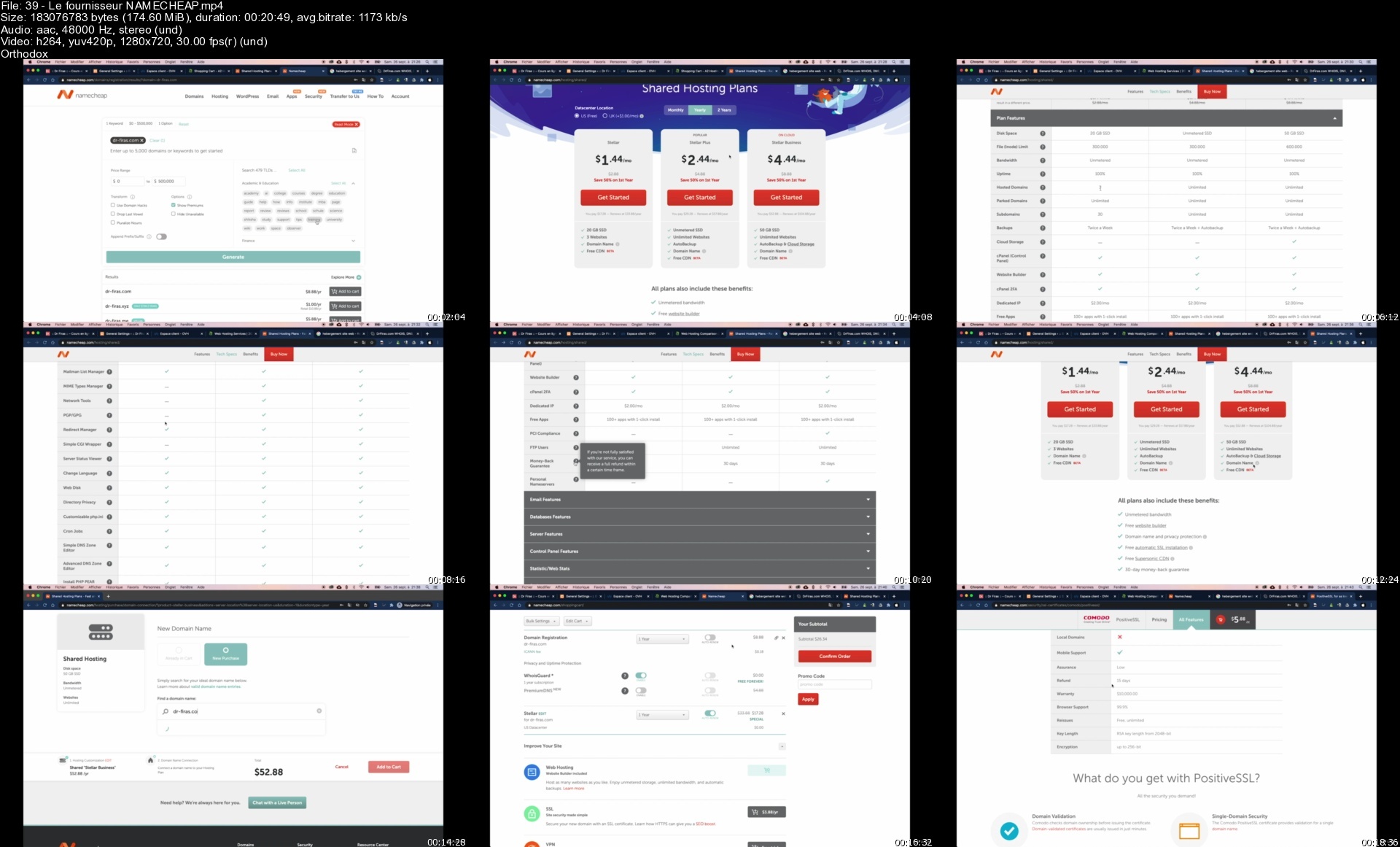
Cr er Un Site Elearning Avec Lms Wordpress +Vendre Vos Cours
Derni re mise jour : 11/2022
MP4 | Video: h264, 1280x720 | Audio: AAC, 48 KHz
Language: Fran ais | Size: 11.26 GB | Duration: 16h 30m

Guide pratique du E-learning: Strat gie, p dagogie et conception avec le LMS Wordpress pour la ventes des cours en ligne


What you'll learn
Cr er un site E-learning avec Wordpress sans connaissance en programmation
Utiliser un plugin wordpress sp cialement d di aux formateurs en ligne
Installer un systh me de paiement en ligne avec Paypal
Cr er des pages de ventes pour ses formations (payantes ou gratuites)
H berger ses fichiers num riques (vid o, audio, images) pour les rendre accessibles dans un espace de streaming.
Ajouter paiement par carte bancaire Stripe sur votre LMS

Requirements
Aucun pr -requis n'est n cessaire et aucune comp tence requise: Le cours explique Du recueil des besoins la mise en ligne.

Description
Bienvenue dans cette formation ultime pour la cr ation d un site E-learning avec WORDPRESS pour la vente des cours en ligne. Le E-learning consiste mettre disposition d un apprenant ou d un groupe d apprenants des modules qui d livrent un contenu p dagogique, qui est en plein essor surtout au th me actuelle de cette pand mie mondiale.Nous mettons votre disposition des cours r guli rement mis jour avec un acc s vie sans oublier que c est satisfait ou rembours durant 30 jours.Le E-learning dans le sens large du terme est un atout indispensable tout formateur souhaitant profiter des derni res innovations technologiques appliqu es au domaine de la formation et gr ce cette derni re, vous serez aptes concevoir et cr er un site E-learning avec le l gendaire cms WORDPRESS et le mettre en ligne. Gr ce notre expertise sur le sujet, nous vous proposons des astuces qui vous permettront de mettre en ligne votre site sans avoir payer les frais d abonnements souvent exig s.Cette formation vous donnera acc s du contenu de qualit , qui en plus de vous servir, va couvrir vos int r ts et vous permettre de vous accomplir en tant que formateur.De la conception du site l'analyse des performances, chaque tape du projet est abord e de mani re progressive et directement op rationnelle.Enfin, afin de vous proposer la formation la plus compl te possible sur Udemy je m'engage :R pondre vos questions rapidement (Merci de m'envoyer un message sur la rubrique Q&R de Udemy)Ajouter des cas pratiques la demande (Merci de m'envoyer un message sur la rubrique Q&R de Udemy si vous avez une proposition)Accompagner les participants avec des cas pratiques et autres sources utiles leur r alisation.Ces ajouts de vid os seront, bien entendu, gratuits si vous avez acquis la formation.Je reste disponible dans la rubrique Question/R ponses d'Udemy pour r pondre vos questions. la fin de ce cours, si vous le suivez en entier et r ussissez l'ensemble des quizz : Obtenez votre certification lectronique ins rer dans votre CV et profil LinkedIn.Il ne me reste que plus qu' vous souhaiter une bonne formation !

Who this course is for
Toute personne qui veut apprendre cr er un site Web & E-Commerce de A Z,Les e-commer ants qui d sirent am liorer leur efficacit op rationnelle,Les entrepreneurs qui veulent passer de l'id e la r alisation,Les collaborateurs qui ont envie de mieux comprendre les imp ratifs auxquels les site E-Learning sont d sormais confront es


Homepage


39lefournisseurnamechthecr.jpg


ec9m4ad0rj0ghkbasolbf6ydng.jpg


English For Pre-Intermediate Level (A2) 2022
Published 12/2022
MP4 | Video: h264, 1280x720 | Audio: AAC, 44.1 KHz
Language: English | Size: 41.22 GB | Duration: 34h 6m

English for Pre-Intermediate Level


What you'll learn
English lexis
Grammar rules
Words and expressions that are often misused
Rules of pronunciation


Requirements
English learners on Elementary Level


Description
Pre-Intermediate (A2)English Club TV is a website designed to help students to improve English by incorporating a fresh, innovative approach to online self-learning. Offering English video lessons created by a panel of experts, based in Great Britain. Each section is carefully designed to make sure students learn to understand English, grasp the principals of grammar, overcome common language barriers and even pick up particular words and terms quickly.Students learning English online are categorized on their current knowledge levels. The site helps students gauge these levels based on an online self-evaluation test and classified into five distinct levels i.e. Elementary, Pre-Intermediate, Intermediate, Upper-Intermediate and Advanced.The Pre-Intermediate level also known as A2 covers the four base modules; Listening Skills, Speaking Skills, Vocabulary Expansion and Grammar. As with the Elementary level, each level in the Pre-Intermediate level has shows and episodes centering on current affairs and day-to-day interactions to improve English.The English Club Global is a group of production, education and distribution companies that operates worldwide in the field of the English language, teaching under the brands ENGLISH CLUB TV and ECTV. English Club TV is an educational channel for those who study English. All programmes have been developed by experienced methodologists and have an educational aspect. The English Club TV channel is covering European, Asian and African continents. English Club TV HD is the high definition simulcast of the English Club TV channel. English Club TV HD was launched in January 2013.

Overview
Section 1: All About

Lecture 1 Episode 1. Hidden secrets in famous paintings

Lecture 2 Episode 2. Hidden secrets in famous paintings

Lecture 3 Episode 3. Hidden secrets in famous paintings

Lecture 4 Episode 4. Actors transformations

Lecture 5 Episode 5. Unusual museums

Lecture 6 Episode 6. Weird Guinness records

Lecture 7 Episode 7. Mistakes in movies

Lecture 8 Episode 8. Easter eggs in Disney movies

Lecture 9 Episode 9. Forbidden places on Earth

Lecture 10 Episode 10. The longest construction projects

Lecture 11 Episode 11. Doppelg ngers

Lecture 12 Episode 12. Most unusual festivals.

Lecture 13 Episode 13. Weird geographical names

Lecture 14 Episode 14. Famous people who hide their identity

Lecture 15 Episode 15. Weird hotels

Lecture 16 Episode 16. Actors' first jobs

Lecture 17 Episode 17. Hidden secrets in famous paintings

Lecture 18 Episode 18. The most beautiful places on Earth

Lecture 19 Episode 19. The weirdest jobs

Lecture 20 Episode 20. Secrets of the Friends sitcom

Lecture 21 Episode 21. World's weirdest currency.

Lecture 22 Episode 22. Strangest national foods

Lecture 23 Episode 23. Most beautiful villages

Lecture 24 Episode 24.

Lecture 25 Episode 25.

Lecture 26 Episode 26.

Lecture 27 Episode 27.

Lecture 28 Episode 28.

Lecture 29 Episode 29.

Lecture 30 Episode 30.

Lecture 31 Episode 31.

Lecture 32 Episode 32.

Lecture 33 Episode 33.

Lecture 34 Episode 34.

Lecture 35 Episode 35.

Lecture 36 Episode 36.

Lecture 37 Episode 37.

Lecture 38 Episode 38.

Lecture 39 Episode 39.

Lecture 40 Episode 40.

Lecture 41 Episode 41.

Lecture 42 Episode 42.

Lecture 43 Episode 43.

Lecture 44 Episode 44.

Lecture 45 Episode 45.

Lecture 46 Episode 46.

Lecture 47 Episode 47.

Lecture 48 Episode 48.

Lecture 49 Episode 49.

Lecture 50 Episode 50.

Section 2: All About. Part 2

Lecture 51 Episode 51.

Lecture 52 Episode 52.

Lecture 53 Episode 53.

Lecture 54 Episode 54.

Lecture 55 Episode 55.

Lecture 56 Episode 56.

Lecture 57 Episode 57.

Lecture 58 Episode 58.

Lecture 59 Episode 59.

Lecture 60 Episode 60.

Lecture 61 Episode 61.

Lecture 62 Episode 62.

Lecture 63 Episode 63.

Lecture 64 Episode 64.

Lecture 65 Episode 65.

Lecture 66 Episode 66.

Lecture 67 Episode 67.

Lecture 68 Episode 68.

Lecture 69 Episode 69.

Lecture 70 Episode 70.

Lecture 71 Episode 71.

Lecture 72 Episode 72.

Lecture 73 Episode 73.

Lecture 74 Episode 74.

Lecture 75 Episode 75.

Lecture 76 Episode 76.

Lecture 77 Episode 77.

Lecture 78 Episode 78.

Lecture 79 Episode 79.

Lecture 80 Episode 80.

Lecture 81 Episode 81.

Lecture 82 Episode 82.

Lecture 83 Episode 83.

Lecture 84 Episode 84.

Lecture 85 Episode 85.

Lecture 86 Episode 86.

Lecture 87 Episode 87.

Lecture 88 Episode 88.

Lecture 89 Episode 89.

Lecture 90 Episode 90.

Lecture 91 Episode 91.

Lecture 92 Episode 92.

Lecture 93 Episode 93.

Lecture 94 Episode 94.

Lecture 95 Episode 95.

Lecture 96 Episode 96.

Lecture 97 Episode 97.

Lecture 98 Episode 98.

Lecture 99 Episode 99.

Lecture 100 Episode 100.

Lecture 101 Episode 101.

Lecture 102 Episode 102.

Section 3: English Up

Lecture 103 Episode 1.

Lecture 104 Episode 2.

Lecture 105 Episode 3.

Lecture 106 Episode 4.

Lecture 107 Episode 5.

Lecture 108 Episode 6.

Lecture 109 Episode 7.

Lecture 110 Episode 8.

Lecture 111 Episode 9.

Lecture 112 Episode 10.

Lecture 113 Episode 11.

Lecture 114 Episode 12.

Lecture 115 Episode 13.

Lecture 116 Episode 14.

Lecture 117 Episode 15.

Lecture 118 Episode 16.

Lecture 119 Episode 17.

Lecture 120 Episode 18.

Lecture 121 Episode 19.

Lecture 122 Episode 20.

Lecture 123 Episode 21.

Lecture 124 Episode 22.

Lecture 125 Episode 23.

Lecture 126 Episode 24.

Lecture 127 Episode 25.

Lecture 128 Episode 26.

Lecture 129 Episode 27.

Lecture 130 Episode 28.

Lecture 131 Episode 29.

Lecture 132 Episode 30.

Section 4: Keep Fit

Lecture 133 Episode 1.

Lecture 134 Episode 2.

Lecture 135 Episode 3.

Lecture 136 Episode 4.

Lecture 137 Episode 5.

Lecture 138 Episode 6.

Lecture 139 Episode 7.

Lecture 140 Episode 8.

Lecture 141 Episode 9.

Lecture 142 Episode 10.

Lecture 143 Episode 11.

Lecture 144 Episode 12.

Lecture 145 Episode 13.

Lecture 146 Episode 14.

Lecture 147 Episode 15.

Lecture 148 Episode 16.

Lecture 149 Episode 17.

Lecture 150 Episode 18.

Lecture 151 Episode 19.

Lecture 152 Episode 20.

Lecture 153 Episode 21.

Lecture 154 Episode 22.

Lecture 155 Episode 23.

Lecture 156 Episode 24.

Section 5: Speak Up

Lecture 157 Episode 1.

Lecture 158 Episode 2.

Lecture 159 Episode 3.

Lecture 160 Episode 4.

Lecture 161 Episode 5.

Lecture 162 Episode 6.

Lecture 163 Episode 7.

Lecture 164 Episode 8.

Lecture 165 Episode 9.

Lecture 166 Episode 10.

Lecture 167 Episode 11.

Lecture 168 Episode 12.

Lecture 169 Episode 13.

Lecture 170 Episode 14.

Lecture 171 Episode 15.

Lecture 172 Episode 16.

Lecture 173 Episode 17.

Lecture 174 Episode 18.

Lecture 175 Episode 19.

Lecture 176 Episode 20.

Lecture 177 Episode 21.

Lecture 178 Episode 22.

Lecture 179 Episode 23.

Lecture 180 Episode 24.

Lecture 181 Episode 25.

Lecture 182 Episode 26.

Lecture 183 Episode 27.

Lecture 184 Episode 28.

Lecture 185 Episode 29.

Lecture 186 Episode 30.

Lecture 187 Episode 31.

Lecture 188 Episode 32.

Lecture 189 Episode 33.

Lecture 190 Episode 34.

Lecture 191 Episode 35 .

Lecture 192 Episode 36.

Lecture 193 Episode 37.

Lecture 194 Episode 38.

Lecture 195 Episode 39.

Lecture 196 Episode 40.

Lecture 197 Episode 41.

Lecture 198 Episode 42.

Lecture 199 Episode 43.

Lecture 200 Episode 44.

Lecture 201 Episode 45.

Lecture 202 Episode 46.

Lecture 203 Episode 47.

Lecture 204 Episode 48.

Lecture 205 Episode 49.

Lecture 206 Episode 50.

Lecture 207 Episode 51.

Lecture 208 Episode 52.

Lecture 209 Episode 53.

Lecture 210 Episode 54.

Lecture 211 Episode 55.

Lecture 212 Episode 56.

Lecture 213 Episode 57.

Section 6: Here&There

Lecture 214 Episode 1.

Lecture 215 Episode 2.

Lecture 216 Episode 3.

Lecture 217 Episode 4.

Lecture 218 Episode 5.

Lecture 219 Episode 6.

Lecture 220 Episode 7.

Lecture 221 Episode 8.

Lecture 222 Episode 9.

Lecture 223 Episode 10.

Lecture 224 Episode 11.

Lecture 225 Episode 12.

Lecture 226 Episode 13.

Lecture 227 Episode 14.

Lecture 228 Episode 15.

Lecture 229 Episode 16.

Lecture 230 Episode 17.

Lecture 231 Episode 18.

Lecture 232 Episode 19.

Lecture 233 Episode 20.

Lecture 234 Episode 21.

Lecture 235 Episode 22.

Lecture 236 Episode 23.

Lecture 237 Episode 24.

Lecture 238 Episode 25.

Lecture 239 Episode 26.

Lecture 240 Episode 27.

Lecture 241 Episode 28.

Lecture 242 Episode 29.

Lecture 243 Episode 30.

Lecture 244 Episode 31.

Lecture 245 Episode 32.

Lecture 246 Episode 33.

Lecture 247 Episode 34.

Lecture 248 Episode 35.

Lecture 249 Episode 36.

Lecture 250 Episode 37.

Lecture 251 Episode 38.

Lecture 252 Episode 39.

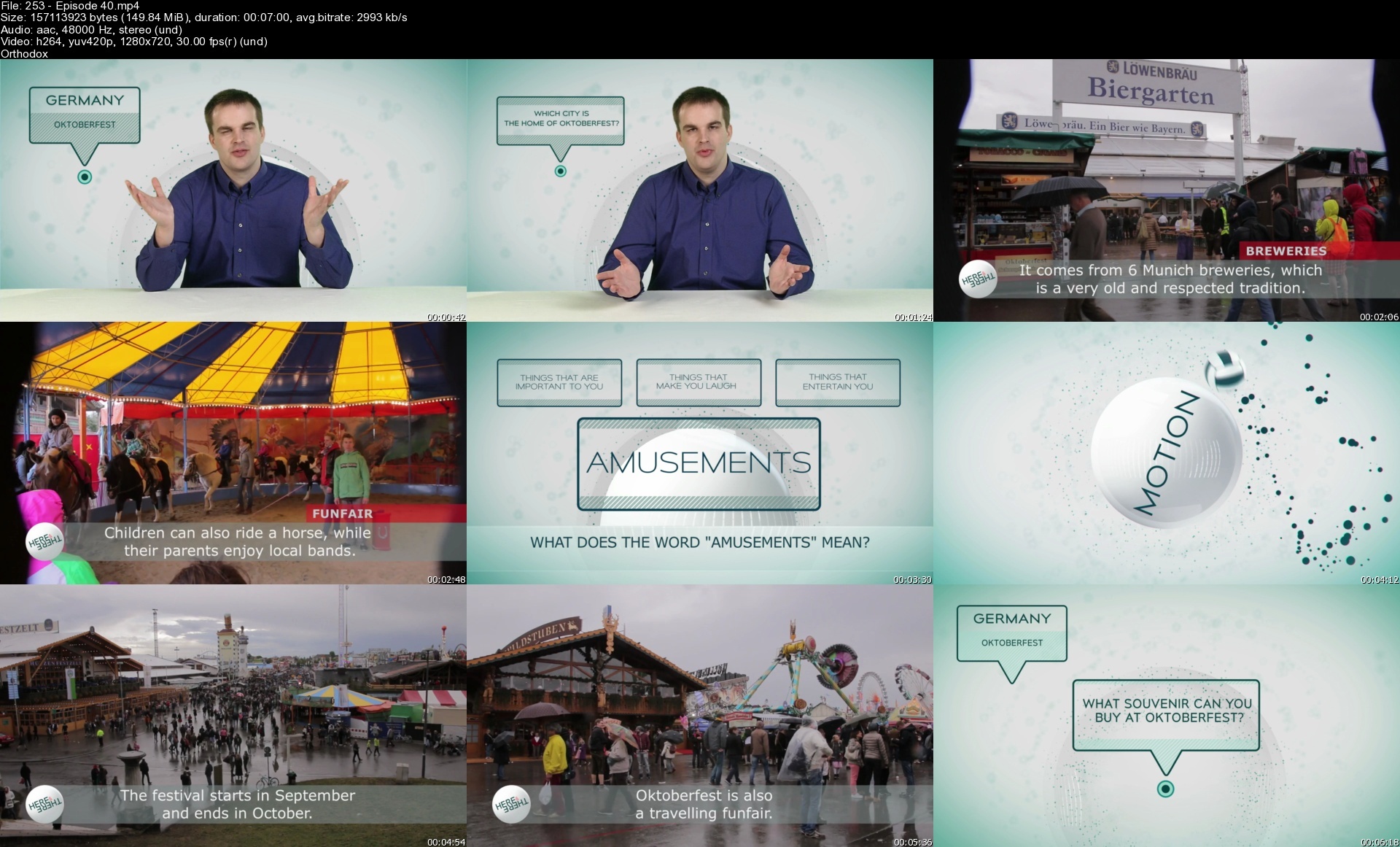
Lecture 253 Episode 40.

Lecture 254 Episode 41.

Lecture 255 Episode 42.

Lecture 256 Episode 43.

Lecture 257 Episode 44.

Lecture 258 Episode 45.

Section 7: Here&There. Part 2

Lecture 259 Episode 46.

Lecture 260 Episode 47.

Lecture 261 Episode 48.

Lecture 262 Episode 49.

Lecture 263 Episode 50.

Lecture 264 Episode 51.

Lecture 265 Episode 52.

Lecture 266 Episode 53.

Lecture 267 Episode 54.

Lecture 268 Episode 55.

Lecture 269 Episode 56.

Lecture 270 Episode 57.

Lecture 271 Episode 58.

Lecture 272 Episode 59.

Lecture 273 Episode 60.

Lecture 274 Episode 61.

Lecture 275 Episode 62.

Lecture 276 Episode 63.

Lecture 277 Episode 64.

Lecture 278 Episode 65.

Lecture 279 Episode 66.

Lecture 280 Episode 67.

Lecture 281 Episode 68.

Lecture 282 Episode 69.

Lecture 283 Episode 70.

Lecture 284 Episode 71.

Lecture 285 Episode 72.

Lecture 286 Episode 73.

Lecture 287 Episode 74.

Lecture 288 Episode 75.

Lecture 289 Episode 76.

Lecture 290 Episode 77.

Lecture 291 Episode 78.

Lecture 292 Episode 79.

Lecture 293 Episode 80.

Lecture 294 Episode 81.

Lecture 295 Episode 82.

Lecture 296 Episode 83.

Lecture 297 Episode 84.

Lecture 298 Episode 85.

Section 8: Step By Step. Season 2

Lecture 299 Episode 1.

Lecture 300 Episode 2.

Lecture 301 Episode 3.

Lecture 302 Episode 4.

Lecture 303 Episode 5.

Lecture 304 Episode 6.

Lecture 305 Episode 7.

Lecture 306 Episode 8.

Lecture 307 Episode 9.

Lecture 308 Episode 10.

Lecture 309 Episode 11.

Lecture 310 Episode 12.

Lecture 311 Episode 13.

Lecture 312 Episode 14.

Lecture 313 Episode 15.

Lecture 314 Episode 16.

Lecture 315 Episode 17.

Lecture 316 Episode 18.

Lecture 317 Episode 19.

Lecture 318 Episode 20.

Lecture 319 Episode 21.

Lecture 320 Episode 22.

Lecture 321 Episode 23.

Lecture 322 Episode 24.

Lecture 323 Episode 25.

Lecture 324 Episode 26.

Lecture 325 Episode 27.

Lecture 326 Episode 28.

Lecture 327 Episode 29.

Lecture 328 Episode 30.

Lecture 329 Episode 31.

Lecture 330 Episode 32.

Lecture 331 Episode 33.

Lecture 332 Episode 34.

Lecture 333 Episode 35.

Lecture 334 Episode 36.

Lecture 335 Episode 37.

Lecture 336 Episode 38.

Lecture 337 Episode 39.

Lecture 338 Episode 40.

Lecture 339 Episode 41.

Lecture 340 Episode 42.

Lecture 341 Episode 43.

Lecture 342 Episode 44.

Lecture 343 Episode 45.

Everybody who wants to learn English language,English learners on Elementary Level


Homepage


253episode40sikcos.jpg


45702183ba62b1c9a.jpg


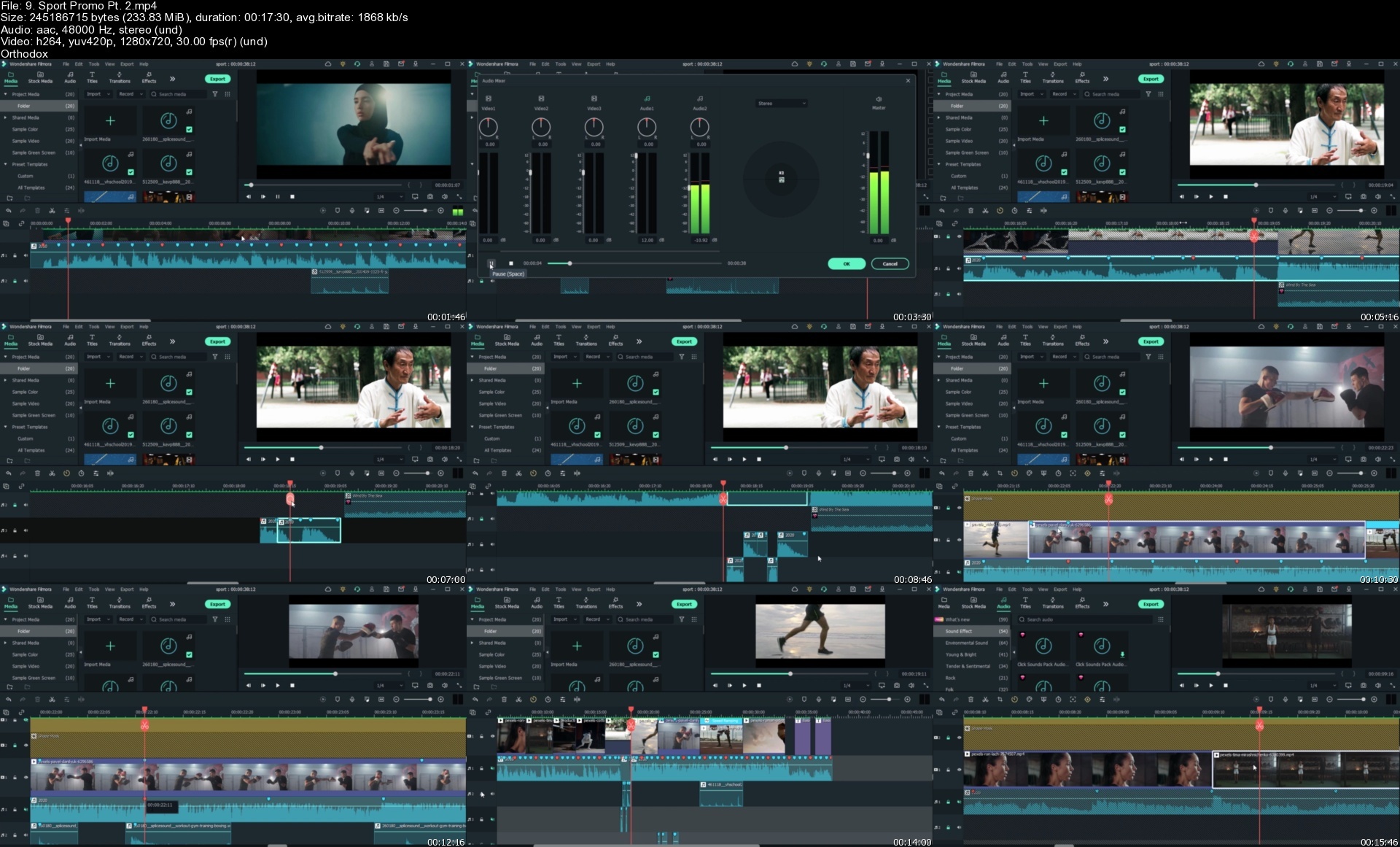
Complete Filmora (9, X & 11) Megacourse: Beginner to Expert
Last Update: 8/2022
Duration: 18h 54m | Video: .MP4, 1280x720 30 fps | Audio: AAC, 48 kHz, 2ch | Size: 15.4 GB
Genre: eLearning | Language: English

Learn how to create and edit videos like a pro with this step-by-step course!


What you'll learn
How to use Filmora 11 and all its elements
What is the difference between the different Filmora versions and how to use them
The principles of video editing in Filmora
The different features in different versions of Filmora
How to do video effects
How to use stock footage
How to do flawless transitions
The principles behind green screens and blending
How to do audio effects and take your audio design to the next level
Color Grading
The principles behind masking and motion tracking
The most useful shortcuts/hotkeys
How to include graphics in your videos
The theory behind your creative choices
How to record your screen, from webcam, and voiceover
How to apply advanced audio and video editing techniques to your videos


Requirements
No previous knowledge of Filmora required!
A desire to learn!
A positive attitude!


Description
This course is constantly being revised and updated with new lessons.Learn video editing with Filmora!
Edit like a pro!
Have you ever wanted to edit your own videos but were too intimidated by all the editing programs out there? There are plenty of programs to choose from, but hardly any of them make editing easier for beginners. With Filmora, you can easily edit your clips with minimal effort. The program is designed for everyone, meaning that you can use it even if you have no knowledge about video editing! With instant templates, your videos are just a few clicks away from being perfect! By providing both basic and advanced tools, Filmora is the perfect place to start if you re looking to become an editor!
In this course, we re going to go through this amazing program and learn about every part of it. From audio design to cinematic color grading, you ll learn everything about professional editing and with some practice you ll become an editor too!
Our instructor has years of experience not only in video editing, but also in teaching, and the expertly-crafted syllabus is designed to be easy to follow and thorough. You will learn how to make your videos great with on screen examples and resources for you to follow and improve. That s why this is the only Filmora course you ll ever need to create professional and great looking videos!
Start creating and editing your own videos today!

After taking this course, you will be able to

Import, edit, and export your videos
Do screen recordings
Do text transitions and effects
Do audio design for your videos
Make video transitions and add effects
Do masking, motion tracking, and color grading
Include stickers and graphics to your videos

Who this course is for
Anyone who wants to learn to edit videos - no experience needed!
Video editors who want to learn new styles and basics of a new platform
Anyone with specialised needs (video editors, graphic designers, videographers)


Homepage

9.sportpromopt.2s3ycz9.jpg


ecw07vxnk58vqt86p1ycw88cio.jpg


Ielts Step-By-Step | Mastering Speaking & Writing
Last updated 6/2022
MP4 | Video: h264, 1280x720 | Audio: AAC, 44.1 KHz
Language: English | Size: 25.56 GB | Duration: 32h 34m

Learn everything you need for the IELTS Speaking & Writing exam get that IELTS 7+!


What you'll learn
Improve your IELTS Speaking & Writing grade significantly to a 7+
Watch and review in detail 12 IELTS Speaking tests
Learn and practice using useful idioms that the candidates used or could have used
Learn how to come up with ideas in the Part 2 monologue of the Speaking exam
Do eighteen essays (Task 2) and eight Task 1 reports/letters, and review them in detail
Learn tips, tricks and structures to immediately improve your speaking & writing grade
Learn about every type of IELTS Essay and Task 1 report/letter
Improve your general speaking & writing skills in preparation for university study or work in an English-speaking country


Requirements
Intermediate (B1) English


Description
From ex-IELTS examiner James Castleden's YouTube channel IELTS Step-by-step comes a course dedicated to improving your speaking and writing skills, your confidence, and your time management in the IELTS Speaking & Writing exam. Together, you and James will listen, review and practice 12 IELTS Speaking exams done by students from the major language groups around the world, and, for the writing, complete 18 essays, 8 Task-1 reports (or, if you're doing General Training, 11 letters) and then review them in detail. You'll learn and practice hundreds of idioms that are particularly useful in the Speaking exam, as well as useful tips on how to answer typical questions in the exam. On top of that, you'll also learn tips, tricks, skills and techniques that will significantly improve your IELTS Writing grade in numerous automatically-graded exercises as well as through Self Assessment tasks which can be discussed on the IELTS Step-by-step Community page on Facebook.So what are you waiting for? Get that 7+ in Speaking & Writing you deserve! Reviews for the Speaking part of this course: "Just amazing. Such as a great opportunity to rich that CLB 9. Delightful experience to study IELTS with skillful and educated person." "This is a wonderful beginning to know more about ielts speaking sections. The best part of this is part three which is the amazing part to extend your answers about any topic." Emad "Great content." David Reviews for the Writing part of this course "Holy! This course is the best of all writing courses. I'd enrolled then studied for only 2 days without any essay writing experience. I only studied section 2-4(first day) & 9-12(second day), which were not all he taught, and I got 6.5. If I had studied everything he taught, I could have got 7 or above!!! ps thank you James :)" TW "Excellence doesn't come from everyone .But this goes above that boundary!" Deepika "This course is super-organized and it is helping me to learn everything I need to improve my writing skills. Within a month I improved my score from band 5.5 to 8. Highly recommended!" Ardian "I am learning how to write down properly an essay for tasks 1 and 2. I think grammar and vocabulary tips are been essential to developing a great text in the IELTS exam." Ana ABOUT ME I have a masters degree in Applied Linguistics from the University of Leicester in the UK, and a Diploma in English Language Teaching to Adults (DELTA) from Cambridge University. I've been teaching for over 20 years, the last 10 of which have been predominantly focussed on teaching the IELTS exam. When I was an IELTS examiner, I was fortunate to have access to important aspects of the exam that many teachers and candidates are not aware of these I can reveal to you in my courses.

Overview
Section 1: Introduction

Lecture 1 Introduction

Lecture 2 A breakdown of the IELTS Speaking exam

Section 2: SPEAKING: Ukrainian/Russian speaker + Band descriptors

Lecture 3 Pre-listening test yourself

Lecture 4 Speaking test with Yuriy (Ukrainian/Russian speaker)

Lecture 5 Speaking practice + New Idioms, Collocations and Set Phrases

Lecture 6 Feedback for Yuriy

Lecture 7 Learner Training: Band Descriptors

Lecture 8 Post-listening see your progress

Section 3: SPEAKING: Mandarin Chinese speaker + Individual sounds, Response structure

Lecture 9 Pre-listening test yourself

Lecture 10 Speaking test with Yi (Mandarin Chinese speaker)

Lecture 11 New Idioms, Collocations and Set Phrases

Lecture 12 Feedback for Yi

Lecture 13 Learner Training: Pronunciation individual sounds

Lecture 14 Skills for speaking formally: Response structure

Lecture 15 Post-listening see your progress

Section 4: SPEAKING: Tamil speaker + Weak forms, Discourse markers

Lecture 16 Pre-listening test yourself

Lecture 17 Tamil speaker + Weak forms, Discourse markers

Lecture 18 New Idioms, Collocations and Set Phrases

Lecture 19 Feedback for Vincent

Lecture 20 Learner Training: Pronunciation weak forms

Lecture 21 Skills for speaking formally: Discourse Markers

Lecture 22 Post-listening see your progress

Section 5: SPEAKING: Nepali speaker + Connected speech, Complex structures

Lecture 23 Pre-listening test yourself

Lecture 24 Nepali speaker + Connected speech, Complex structures

Lecture 25 New Idioms, Collocations and Set Phrases

Lecture 26 Feedback for Rajesh

Lecture 27 Learner Training: Pronunciation connected speech

Lecture 28 Skills for speaking formally: Complex Structures

Lecture 29 Post-listening see your progress

Section 6: SPEAKING: Vietnamese speaker + Learning through music, Fillers

Lecture 30 Pre-listening test yourself

Lecture 31 Speaking test with Phat (Vietnamese speaker)

Lecture 32 New Idioms, Collocations and Set Phrases

Lecture 33 Feedback for Phat

Lecture 34 Learner Training: Pronunciation learning through music

Lecture 35 Skills for speaking formally: Fillers

Lecture 36 Post-listening see your progress

Section 7: SPEAKING: Arabic speaker + Improving your accuracy + Asking for clarification

Lecture 37 Pre-listening test yourself

Lecture 38 Speaking test with Emad (Arabic speaker)

Lecture 39 New Idioms, Collocations and Set Phrases

Lecture 40 Feedback for Emad

Lecture 41 Learner Training: Improving your accuracy

Lecture 42 Skills for speaking formally: Asking for clarification

Lecture 43 Post-listening see your progress

Section 8: SPEAKING: Bengali speaker + Practicing without a teacher, Intonation

Lecture 44 Pre-listening test yourself

Lecture 45 Speaking test with Mahmuda (Bengali speaker)

Lecture 46 New Idioms, Collocations and Set Phrases

Lecture 47 Feedback for Mahmuda

Lecture 48 Learner Training: Practicing without a teacher

Lecture 49 Pronunciation Intonation

Lecture 50 Post-listening see your progress

Section 9: SPEAKING: Portuguese speaker + Paraphrasing

Lecture 51 Pre-listening test yourself

Lecture 52 Speaking test with Monique (Portuguese speaker)

Lecture 53 New Idioms, Collocations and Set Phrases

Lecture 54 Feedback for Monique

Lecture 55 Learner Training: Paraphrasing

Lecture 56 Discourse Markers: Talking about opinions & Adding contrast

Lecture 57 Post-listening see your progress

Section 10: SPEAKING: Sinhalese speaker + Generating ideas for Part 2

Lecture 58 Pre-listening test yourself

Lecture 59 Speaking test with Deepika (Sinhalese speaker)

Lecture 60 New Idioms, Collocations and Set Phrases

Lecture 61 Feedback for Deepika

Lecture 62 Learner Training: Generating ideas for Part 2

Lecture 63 Discourse Markers: Hedging & Expressing Certainty

Lecture 64 Post-listening see your progress

Section 11: SPEAKING: Hindi speaker + Analysing a native speaker's performance I

Lecture 65 Pre-listening test yourself

Lecture 66 Speaking test with Dr Shivam (Hindi speaker)

Lecture 67 New Idioms, Collocations and Set Phrases

Lecture 68 Feedback for Dr Shivam

Lecture 69 Analysing a native speaker's performance I

Lecture 70 Discourse Markers: Giving examples/explanations & Commenting on your own opinion

Lecture 71 Post-listening see your progress

Section 12: SPEAKING: Turkish speaker + Analysing a native speaker's performance II

Lecture 72 Pre-listening test yourself

Lecture 73 Speaking test with Akbar (Turkish speaker)

Lecture 74 New Idioms, Collocations and Set Phrases

Lecture 75 Feedback for Akbar

Lecture 76 Analysing a native speaker's performance II

Lecture 77 Discourse Markers: Rephrasing & Getting back to the point

Lecture 78 Post-listening see your progress

Section 13: SPEAKING: Indonesian speaker + Bonus videos

Lecture 79 Pre-listening test yourself

Lecture 80 Indonesian speaker + Bonus videos

Lecture 81 New Idioms, Collocations and Set Phrases

Lecture 82 Feedback for Marthen

Lecture 83 Discourse Markers: Concluding

Lecture 84 Bonus Video I: Why only a band 7?

Lecture 85 Bonus Video II: How to move from band 7 to 9

Lecture 86 Post-listening see your progress

Section 14: Introduction to the WRITING section of this course

Lecture 87 Important information about the exam and this course

Section 15: WRITING: an advantages-and-disadvantages essay

Lecture 88 Introduction to this section

Lecture 89 Unit preparation test yourself

Lecture 90 Model answer Analysis

Lecture 91 Writing an introduction to an advantages-and-disadvantages essay

Lecture 92 Writing a conclusion to an essay

Lecture 93 Learner Training: Generating ideas for your essays

Lecture 94 Learner Training Practice: Writing Topic Sentences

Lecture 95 Learner Training: What is 'hedging'?

Lecture 96 Grammar & lexis practice: Hedging I

Lecture 97 Writing Criteria for Task 2

Lecture 98 Check your progress compare essays

Section 16: Writing: a problem-and-solution essay

Lecture 99 Introduction to this section

Lecture 100 Unit preparation test yourself

Lecture 101 Model answer Analysis

Lecture 102 Lexis: Phrases to write about solutions

Lecture 103 Lexis: Discourse markers contrasting ideas

Lecture 104 Lexis: Word building

Lecture 105 Grammar and Lexis: Introductions

Lecture 106 Grammar and Lexis: Conclusions

Lecture 107 Grammar: Advanced explanations

Lecture 108 Learner Training: Building a good paragraph

Lecture 109 Learner Training: Building a good paragraph

Section 17: WRITING: an opinion essay

Lecture 110 Introduction to this section

Lecture 111 Unit preparation test yourself

Lecture 112 Lexis: Crime and punishment

Lecture 113 Lexis: 'make', 'let' and 'allow'

Lecture 114 Model answer Analysis

Lecture 115 Lexis: Degrees of opinion

Lecture 116 Structure: Supporting Arguments & Opinions

Lecture 117 Writing an introduction for an opinion essay

Lecture 118 Building a good main-body paragraph

Lecture 119 Check your progress compare essays

Section 18: Writing a discussion essay (a type of opinion essay)

Lecture 120 Introduction to this section

Lecture 121 Unit preparation test yourself

Lecture 122 Formal language: the passive voice and nominalisation

Lecture 123 Model answer Analysis

Lecture 124 Expressing someone else's opinion

Lecture 125 Check your progress compare essays

Section 19: WRITING: another advantages-and-disadvantages essay

Lecture 126 Intro to this section

Lecture 127 Unit preparation test yourself

Lecture 128 Model answer Analysis

Lecture 129 Lexis: Employment

Lecture 130 Grammar and Lexis: Hedging II

Lecture 131 Grammar: Gerund phrases

Lecture 132 Discourse markers contrasting linkers: despite / in spite of

Lecture 133 Structure: Using pronouns to link ideas and avoid repetition

Lecture 134 Grammar practice: The passive voice II

Lecture 135 Lexis: Strengthening adverbs alternatives to 'really'

Lecture 136 Lexis: Comment adverbs

Lecture 137 Check your progress compare essays

Section 20: WRITING: another problem-and-solution essay

Lecture 138 Introduction to this section

Lecture 139 Introduction to this section

Lecture 140 Model answer Analysis

Lecture 141 Lexis: Explaining why something is done

Lecture 142 Lexis: Other ways of making your writing more formal

Lecture 143 Lexis: Writing about solutions

Lecture 144 Grammar and Lexis: Developing a topic sentence further

Lecture 145 Grammar: The 2nd conditional

Lecture 146 Learner training: Getting feedback

Lecture 147 Learner training: Getting feedback

Section 21: WRITING: another opinion essay

Lecture 148 Introduction to this section

Lecture 149 Introduction to this section

Lecture 150 Lexis: Qualifying your opinion

Lecture 151 Lexis: Giving an opinion about future trends

Lecture 152 Model answer Analysis

Lecture 153 Lexis: 'Instead (of)'

Lecture 154 Grammar: Relative Clauses

Lecture 155 Learner Training: Error checking

Lecture 156 Grammar: Noun phrases

Lecture 157 Check your progress compare essays

Section 22: WRITING Task 1: Graphs and charts with a trend (IELTS for Academic ONLY)

Lecture 158 Introduction to this section

Lecture 159 Writing criteria for Task 1 Academic

Lecture 160 Unit preparation test yourself

Lecture 161 Grammar and Lexis: Re-wording the introduction

Lecture 162 Writing an overview for a graph

Lecture 163 Lexis: Verbs and adverbs for describing changes

Lecture 164 Model answer Analysis

Lecture 165 Grammar and Lexis: Joining two changes together

Lecture 166 Grammar: Prepositions for Task 1

Lecture 167 Lexis: Commenting on data in a graph

Lecture 168 Grammar: Writing about graphs with a future trend

Lecture 169 Check your progress compare responses

Section 23: WRITING Task 1: Comparative graphs (IELTS for Academic ONLY)

Lecture 170 Check your progress compare responses

Lecture 171 Unit preparation test yourself

Lecture 172 Grammar: Comparative structures

Lecture 173 Lexis: Describing numbers

Lecture 174 Model answer Analysis

Lecture 175 Lexis: Numerical comparatives

Lecture 176 Lexis: Ranking information

Lecture 177 Dealing with more than one graph

Lecture 178 Check your progress compare responses

Section 24: WRITING Task 1: Processes (IELTS for Academic ONLY)

Lecture 179 Introduction to this section

Lecture 180 Unit preparation test yourself

Lecture 181 Model answer Analysis

Lecture 182 Grammar: The Present simple passive

Lecture 183 Lexis: Linking stages together

Lecture 184 Grammar: Using relative clauses to give extra information about a stage

Lecture 185 Writing the introduction and overview

Lecture 186 Describing a process: Further practice

Lecture 187 Check your progress compare responses

Section 25: WRITING Task 1: Maps (IELTS for Academic ONLY)

Lecture 188 Writing a letter of acceptance

Lecture 189 Unit preparation test yourself

Lecture 190 Lexis & Grammar: Describing changes

Lecture 191 Lexis: Nominalisation and noun phrases for maps

Lecture 192 Model answer Analysis

Lecture 193 Describing a map: Further practice

Lecture 194 Check your progress compare responses

Section 26: WRITING Task 1: Letters (IELTS for General Training ONLY)

Lecture 195 Introduction to this section

Lecture 196 Writing criteria for Task 1 General Training

Lecture 197 Letter writing: The task and planning

Lecture 198 Letter writing: Paragraphing and salutations

Lecture 199 Letter writing: Formality and opening statements

Lecture 200 Writing a letter of complaint

Lecture 201 Writing a letter of request

Lecture 202 Writing a letter of advice

Lecture 203 Writing a letter of instruction

Lecture 204 Writing a letter of recommendation

Lecture 205 Writing an application letter

Lecture 206 Writing a letter of apology

Lecture 207 Writing a thank-you letter

Lecture 208 Writing a letter of acceptance

Lecture 209 Writing a letter of resignation

Lecture 210 Writing a letter to a friend

Section 27: Conclusion Thank you and good luck!

Lecture 211 Congratulations!

People who need to take an IELTS test (Academic or General Training)


Homepage


54feedbackformoniques1sfr7.jpg


o9pez01kqt7kjsphcqzfoqoiun.jpg


The Roots Of Geopolitical Risk: Korea-Japan-South China Sea
Published 12/2022
MP4 | Video: h264, 1280x720 | Audio: AAC, 44.1 KHz
Language: English | Size: 14.37 GB | Duration: 3h 52m

The layers of history which led to the current geopolitical hotspots


What you'll learn
The historical and present interconnectedness of the nations under review
The common thread and impact of China on these nations, and these nations' impact on China
The long journey of Korea from vassal state to empire to divided nation
The geopolitical and legal roots of a divided Korea- what it means for the region and the world
The evolution of Japan from secluded island nation to Imperial power, its wartime experience, and postwar pivot to pacifism, even aching it in its Constitution
How the rise of China is causing a rethink of Japan's constitutional pacifism
The political and legal challenges to the continued US military presence in Korea and Japan
Early Vietnam's Confucianist and Chinese roots, and later fights for autonomy
Vietnam's turbulent 20th century, moving from French colony to Cold War hotspot to independent Communist state
A view of the Vietnam War through the lens of the public international law of war, highlighting some of the limitations thereof
How the resources of the South China Sea are creating tensions in the region and fears of another World War


Requirements
None, though an interest in history and diplomacy, and curiosity about the world, helps
The Conflict, Security and Diplomacy series and podcasts on the Living Law YouTube channel digs deeper into the public international law aspects of relevance


Description
If you are reading this page, you may be curious why there is a new Udemy course focusing on these particular countries. (Or perhaps you landed here by mistake, in which case, please read on nonetheless!). The reason is rather straightforward. Across our planet there are many latent, unresolved, historical conflicts which have become more acute due to recent events.Perhaps nowhere is this more true than in the region under review in this course, which has seen more than its share of conflict and change in the past century. Living Law 's approach to analysing the impact of history on today's geopolitical situation is to use the law as a frame of reference. Law reflects culture and culture drives law. Each of the three nations investigated here has its own legal system reflecting its recent history and current political reality.The Republic of Korea has pursued a democratic form of government following a long period of military rule. Yet its very existence, along with peace in the region, depends on developments in its neighbour to the north, the Democratic People's Republic of Korea. Japan, for years the second largest economy in the world, still bears the imprint of its 20th century history. Unquestioning subservience to the Emperor has given way to a constitutional monarchy and a legal commitment to pacifism. Current headlines, particularly related to North Korean missiles fired over Japanese territory, highlight how heightened threats are causing Japanese leaders to rethink their stance on its military. Our final destination on this trip is Vietnam, a nation whose name was synonymous with conflict and war for several decades. Vietnam has undergone an economic transformation similar to China, creating prosperity for millions, but (also like China) without altering its fundamental political power structures.What makes the dynamics of the so-called "Far East" (a Western-centric term) relevant for all of us is the potential for conflict and the risk of other nations being pulled into that conflict. First and foremost this means the United States, which for decades has had mutual defence treaties with both South Korea and Japan. The US still has thousands of troops stationed in the region under legal treaties which resulted from that conflict and these treaties are revisited periodically. A number of recent events at the time of course creation have made familiarity with the history and political dynamics of this region more important than ever. One event whose significance grows by the day is the competition for the resources of the South China Sea. China claims the entirety of this area as its own, a stance which is disputed by its neighbours. This dispute already triggered legal proceedings focused on the Law of the Sea and other international legal norms, a topic we cover in the section on Vietnam. By taking the course you should be able to make better sense of today's headlines in what many fear will be an inevitable conflict over rights to natural resources embedded in this corner of the planet.

Overview
Section 1: Korea

Lecture 1 Introduction to Korea

Lecture 2 The Imperial Era- from Three Kingdoms to Korean Unification

Lecture 3 From Hermit Kingdom to Japanese occupation

Lecture 4 Crisis Period: World and Civil War

Lecture 5 A Visit to the DMZ

Lecture 6 Side note: Preserving the Peace

Lecture 7 Separation, Sedition and National Security

Lecture 8 Forging a political and legal system

Lecture 9 Sunshine Policy, and Sunset- Continuing Division

Lecture 10 Where does Korea go from here?

Section 2: japan

Lecture 11 intro

Lecture 12 The Early Imperial Era

Lecture 13 The Early Shogunate Era

Lecture 14 European Arrivals and the Closing of Japan

Lecture 15 A Forced Ending of Japan s Seclusion

Lecture 16 Modernization and the Meiji Restoration

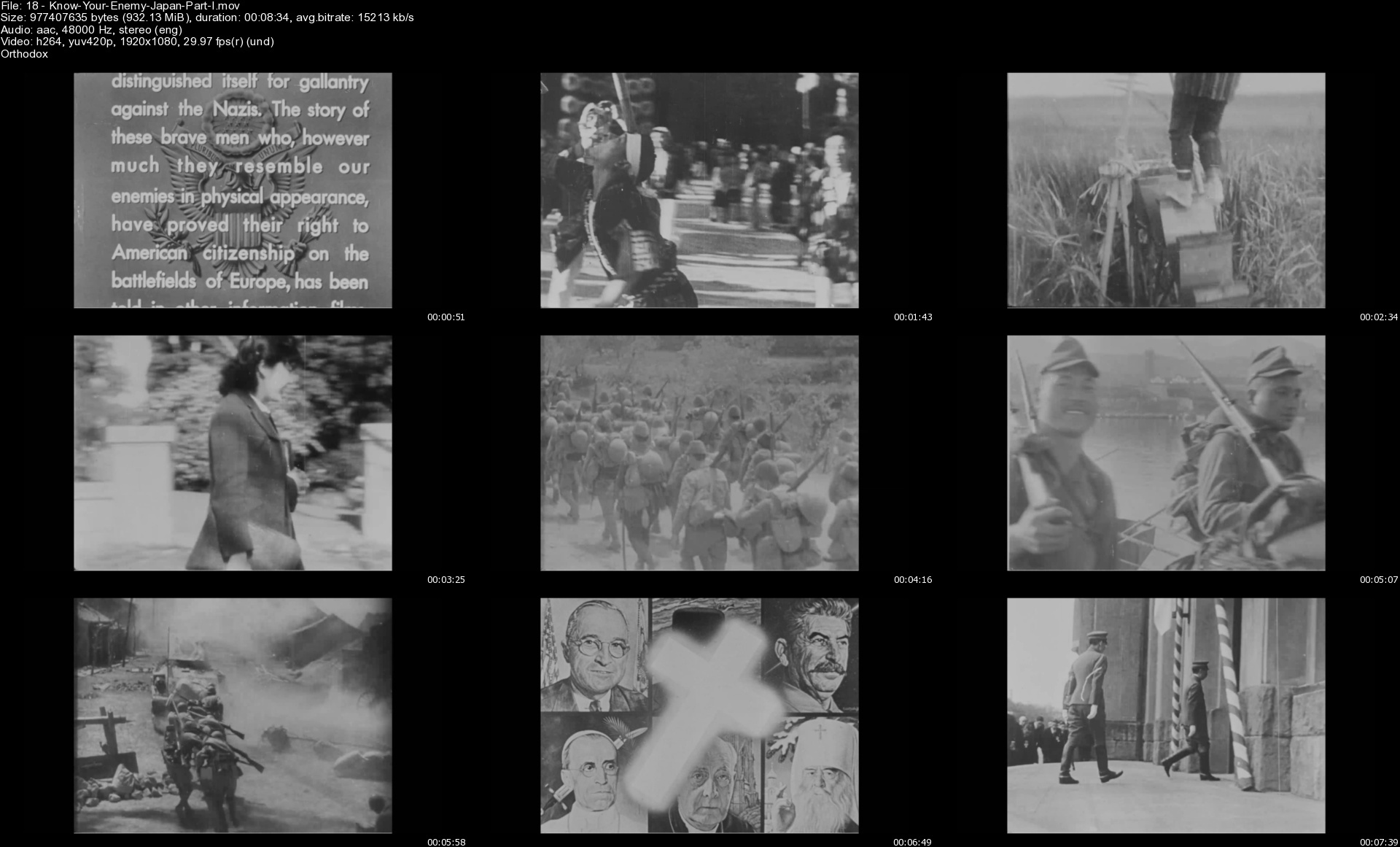
Lecture 17 From Military Might to Nuclear Target

Lecture 18 The Road to Democracy (US view of postwar Japan)

Lecture 19 A Phoenix from the Ashes

Section 3: Vietnam

Lecture 20 Introduction to Vietnam

Lecture 21 A History of Seeking Autonomy

Lecture 22 The Colonial Period: Vietnam as Part of French Indochina

Lecture 23 Restlessness and Resistance

Lecture 24 A War in Everything but Name

Lecture 25 War through the Lens of the Law

Lecture 26 Enduring Legacy vs. Continuing Controversy

Lecture 27 Side note: The Normalization of Relations between Vietnam and the United States

Lecture 28 Socialism with free trade characteristics

Lecture 29 Peace at Last...including on the High Seas?

businesspersons, educators and students, travellers, professional and armchair diplomats


Homepage

18knowyourenemyjapanpiwd18.jpg


5bewispwwygjofwchbzvkrweht.jpg


Einf hrung Statistik Und Wahrscheinlichkeitsrechnung
Zuletzt aktualisiert am 8/2018
MP4 | Video: h264, 1920x1080 | Audio: AAC, 48 KHz
Language: Deutsch | Size: 39.53 GB | Duration: 18h 14m

Bereite Dich gezielt f r deine Pr fung in Statistik und Wahrscheinlichkeitstheorie vor.


What you'll learn
Am Ende meines Kurses kannst du deine Statistik Pr fungen bestehen.
Du lernst den sicheren Umgang mit den wichtigsten Elementen der Statistik und Wahrscheinlichkeitstheorie.

Requirements
Lade dir alle f r dich zusammengefassten bersichten runter, bevor du dir den Kurs anschaust.

Description
Themen
Wahrscheinlichkeitsrechnung
Kombinatorik/ Laplace-Wahrscheinlichkeit (Mit/Ohne Wiederholung; Mit/Ohne Zur cklegen, Permutation)Mengenverkn pfungen (Mengenoperatoren mit Rechenregeln)Bedingte Wahrscheinlichkeit/ Satz von Beyes/ Satz der totalen WahrscheinlichkeitDiskrete Verteilungen (Im Allgemeinen und im Speziellen: Binomial-, Geometrische-, Poissonverteilung,...)Stetige Verteilungen (Im Allgemeinen und im Speziellen: Exponential-, Gamma-, Normalverteilung,...)Rechenregeln f r Erwartungswert und VarianzGrenzwerts tze (Poissonscher- & Zentraler Grenzwertsatz)Tschebeyscheffsche UngleichungenDiskreter ZufallsvektorStetiger ZufallsvektorTransformation von (stetigen) Zufallsvariablen
Statistik
Empirische VerteilungenParametersch tzung (Momenten- & und Maximum-Likelihood-Methode)Konfidenzintervalle (Erwartungswert, Varianz/Standardabweichung, Anteilswert)Statistische Tests (Parametertests: Erwartungswert (1 und 2 Parametertests), Varianz und Anteilswert; Nicht-Parametertests: Unabh ngigkeitstest, Anpasungstest, Vorzeichentest)Regressionsanalyse (Lineare Regression)

Im Kurs zum Download erh ltlich
Multiple-Choice AufgabensammlungKombinierte Rechenaufgabensammlung bersichten: Verteilungen, Konfidenzintervalle, Statistische Tests, Verteilungstabellen (z, t, chi^2, F, Binomial), MerkzettelVideoaufgaben in PDF Format

Who this course is for
Dieser Kurs richtet sich an alle Studenten, die Statistik und/oder Wahrscheinlichkeitsrechnung im Studium behandeln.,Dieser Kurs ist f r alle geeignet, die sich f r eine einfache, fachgerechte und interessante Einf hrung in das Thema interessieren.


Homepage


65grenzwertsatzeallgez1f2i.jpg


Zurück
Oben Unten