• Regeln für den Video-Bereich:

    In den Börsenbereich gehören nur Angebote die bereits den Allgemeinen Regeln entsprechen.

    Einteilung

    - Folgende Formate gehören in die angegeben Bereiche:
    - Filme: Encodierte Filme von BluRay, DVD, R5, TV, Screener sowie Telesyncs im Format DivX, XviD und x264.
    - DVD: Filme im Format DVD5, DVD9 und HD2DVD.
    - HD: Encodierte Filme mit der Auflösung 720p oder darüber von BluRay, DVD, R5, TV, Screener sowie Telesyncs im Format x264.
    - 3D: Encodierte Filme von BluRay, die in einem 3D Format vorliegen. Dies gilt auch für Dokus, Animation usw.
    - Serien: Cartoon/Zeichentrick, Anime, Tutorials, Dokumentationen, Konzerte/Musik, Sonstiges sind demnach in die entsprechenden Bereiche einzuordnen, auch wenn sie beispielsweise im High Definition-Format oder als DVD5/DVD9/HD2DVD vorliegen. Ausnahme 3D.
    - Bereich Englisch: Englische Releases gehören immer in diesen Bereich.
    - Bereich Talk: Der Bereich, in dem über die Releases diskutiert werden kann, darf, soll und erwünscht ist.


    Angebot/Beitrag erstellen

    - Ein Beitrag darf erst dann erstellt werden, wenn der Upload bei mindestens einem OCH komplett ist. Platzhalter sind untersagt.
    - Bei einem Scenerelease hat der Threadtitel ausschließlich aus dem originalen, unveränderten Releasenamen zu bestehen. Es dürfen keine Veränderungen wie z.B. Sterne, kleine Buchstaben o.ä. vorgenommen werden. Ausnahme Serienbörse:
    - Bei einem Sammelthread für eine Staffel entfällt aus dem Releasename natürlich der Name der Folge. Beispiel: Die Simpsons S21 German DVDRip XviD - ITG
    - Dementsprechend sind also u.a. verboten: Erweiterungen wie "Tipp", "empfehlenswert", "only", "reup", usw. / jegliche andere Zusatzinformation oder Ergänzung, welche nicht in obiger Beschreibung zu finden ist.

    Aufbau des Angebots und Threadtitel

    Der Titel nach folgendem Muster erstellt zu werden. <Name> [3D] [Staffel] [German] <Jahr> <Tonspur> [DL] [Auflösung] <Quelle> <Codec> - <Group>
    Beispiel: The Dark Knight German 2008 AC3 DVDRip XviD - iND
    Beispiel: The Dark Knight 2008 DTS DL BDRip x264 - iND
    Beispiel: The Dark Knight 2008 AC3 DL BDRip XviD - iND
    Beispiel: The Dark Knight German 2008 AC3 720p BluRay x264 iND
    Beispiel: The Dark Knight 2008 DTS DL 1080p BluRay x264 iND
    Beispiel: Die Simpsons S01 German AC3 DVDRip XviD iND
    Beispiel: Die Simpsons S20 German AC3 720p BluRay x264 iND
    Beispiel: Sword Art Online II Ger Sub 2014 AAC 1080p WEBRip x264 - peppermint
    Entsprechend sind also u.a. verboten: Sonderzeichen wie Klammern, Sterne, Ausrufezeichen, Unterstriche, Anführungszeichen / Erweiterungen wie "Tipp", "empfehlenswert", "only", "reup", usw. / jegliche andere Zusatzinformation oder Ergänzung, welche nicht in obiger Beschreibung zu finden ist
    Ausnahmen hiervon können in den Bereichen geregelt sein.

    Die Beiträge sollen wie folgt aufgebaut werden:
    Überschrift entspricht dem Threadtitel
    Cover
    kurze Inhaltsbeschreibung
    Format, Größe, Dauer sind gut lesbar für Downloader außerhalb des Spoilers zu vermerken
    Nfo sind immer Anzugeben und selbige immer im Spoiler in Textform.
    Sind keine Nfo vorhanden z.B. Eigenpublikationen, sind im Spoiler folgende Dateiinformationen zusätzlich anzugeben :
    Quelle
    Video (Auflösung und Bitrate)
    Ton (Sprache, Format und Bitrate der einzelnen Spuren)
    Untertitel (sofern vorhanden)
    Hosterangabe in Textform außerhalb eines Spoiler mit allen enthaltenen Hostern.
    Bei SD kann auf diese zusätzlichen Dateiinformationen verzichtet werden.

    Alle benötigten Passwörter sind, sofern vorhanden, in Textform im Angebot anzugeben.
    Spoiler im Spoiler mit Kommentaren :"Schon Bedankt?" sind unerwünscht.


    Releases

    - Sind Retail-Release verfügbar, sind alle anderen Variationen untersagt. Ausnahmen: Alle deutschen Retail-Release sind CUT, in diesem Fall sind dubbed UNCUT-Release zulässig.
    - Im Serien-Bereich gilt speziell: Wenn ein Retail vor Abschluss einer laufenden Staffel erscheint, darf diese Staffel noch zu Ende gebracht werden.62
    - Gleiche Releases sind unbedingt zusammenzufassen. Das bedeutet, es ist zwingend erforderlich, vor dem Erstellen eines Themas per Suchfunktion zu überprüfen, ob bereits ein Beitrag mit demselben Release besteht. Ist dies der Fall, ist der bereits vorhandene Beitrag zu verwenden.
    - P2P und Scene Releases dürfen nicht verändert oder gar unter einem iND Tag eingestellt werden.


    Support, Diskussionen und Suche

    - Supportanfragen sind entweder per PN oder im Bereich Talk zu stellen.
    - Diskussionen und Bewertungen sind im Talk Bereich zu führen. Fragen an die Uploader haben ausschließlich via PN zu erfolgen, und sind in den Angeboten untersagt.
    - Anfragen zu Upload-Wünschen sind nur im Bereich Suche Video erlaubt. Antworten dürfen nur auf Angebote von MyBoerse.bz verlinkt werden.


    Verbote

    - Untersagt sind mehrere Formate in einem einzigen Angebotsthread, wie beispielsweise das gleichzeitige Anbieten von DivX/XviD, 720p und 1080p in einem Thread. Pro Format, Release und Auflösung ist ein eigener Thread zu eröffnen.
    - Grundsätzlich ebenso verboten sind Dupes. Uploader haben sich an geeigneter Stelle darüber zu informieren, ob es sich bei einem Release um ein Dupe handelt.
    - Gefakte, nur teilweise lauffähige oder unvollständige Angebote sind untersagt. Dies gilt auch für eigene Publikationen, die augenscheinlich nicht selbst von z.B. einer DVD gerippt wurden. Laufende Serien, bei denen noch nicht alle Folgen verfügbar sind, dürfen erstellt und regelmäßig geupdatet werden.
    - Untersagt sind Angebote, welche nur und ausschließlich in einer anderen Sprache als deutsch oder englisch vorliegen. Ausnahmen sind VORHER mit den Moderatoren zu klären.


    Verstoß gegen die Regeln

    - Angebote oder Beiträge, die gegen die Forenregeln verstoßen, sind über den "Melden"-Button im Beitrag zu melden.
  • Bitte registriere dich zunächst um Beiträge zu verfassen und externe Links aufzurufen.

*** Bestes IPTV *** bester Preis *** gratis Test ***


Englische Tutorials

54678f7594437551069abcdce066552b.jpg


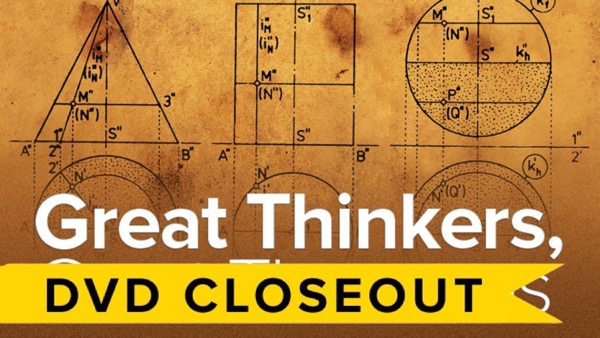
TTC - Great Thinkers, Great Theorems
Last updated 9/2023
MP4 | Video: h264, 1280x720 | Audio: AAC, 44.1 KHz, 2 Ch
Genre: eLearning | Language: English | Duration: 24 Lessons ( 12h 15m ) | Size: 10.2 GB


Mathematics is filled with beautiful theorems that are as breathtaking as the most celebrated works of art, literature, or music

Mathematics is filled with beautiful theorems that are as breathtaking as the most celebrated works of art, literature, or music. They are the Mona Lisas, Hamlets, and Fifth Symphonys of the field-landmark achievements that repay endless study and that are the work of geniuses as fascinating as Leonardo, Shakespeare, and Beethoven. Here is a sample

Pythagorean theorem: Although he didn't discover the Pythagorean theorem about a remarkable property of right triangles, the Greek mathematician Euclid devised an ingenious proof that is a mathematical masterpiece. Plus, it's beautiful to look at!
Area of a circle: The formula for the area of a circle, A = π r2, was deduced in a marvelous chain of reasoning by the Greek thinker Archimedes. His argument relied on the clever tactic of proof by contradiction not once, but twice.
Basel problem: The Swiss mathematician Leonhard Euler won his reputation in the early 1700s by evaluating an infinite series that had stumped the best mathematical minds for a generation. The solution was delightfully simple; the path to it, bewilderingly complex.
Larger infinities: In the late 1800s, the German mathematician Georg Cantor blazed the trail into the "transfinite" by proving that some infinite sets are bigger than others, thereby opening a strange new realm of mathematics.
You can savor these results and many more in Great Thinkers, Great Theorems, 24 half-hour lectures that conduct you through more than 3,000 years of beautiful mathematics, telling the story of the growth of the field through a carefully chosen selection of its most awe-inspiring theorems.

Approaching great theorems the way an art course approaches great works of art, the course opens your mind to new levels of math appreciation. And it requires no more than a grasp of high school mathematics, although it will delight mathematicians of all abilities.

Your guide on this lavishly illustrated tour, which features detailed graphics walking you through every step of every proof, is Professor William Dunham of Muhlenberg College, an award-winning teacher who has developed an artist's eye for conveying the essence of a mathematical idea. Through his enthusiasm for brilliant strategies, novel tactics, and other hallmarks of great theorems, you learn how mathematicians think and what they mean by "beauty" in their work. As added enrichment, the course guidebook has supplementary questions and problems that allow you to go deeper into the ideas behind the theorems.

An Innovative Approach to Mathematics

Professor Dunham has been taking this innovative approach to mathematics for over a quarter-century-in the classroom and in his popular books. With Great Thinkers, Great Theorems you get to watch him bring this subject to life in stimulating lectures that combine history, biography, and, above all, theorems, presented as a series of intellectual adventures that have built mathematics into the powerful tool of analysis and understanding that it is today.

In the arts, a great masterpiece can transform a genre; think of Claude Monet's 1872 canvas Impression, Sunrise, which gave the name to the Impressionist movement and revolutionized painting. The same is true in mathematics, with the difference that the revolution is permanent. Once a theorem has been established, it is true forever; it never goes out of style. Therefore the great theorems of the past are as fresh and impressive today as on the day they were first proved.

What Makes a Theorem Great?

A theorem is a mathematical proposition backed by a rigorous chain of reasoning, called a proof, that shows it is indisputably true. As for greatness, Professor Dunham believes the defining qualities of a great theorem are elegance and surprise, exemplified by these cases

Elegance: Euclid has a beautifully simple way of showing that any finite collection of prime numbers can't be complete-that there is always at least one prime number left out, proving that the prime numbers are infinite. Dr. Dunham calls this one of the greatest proofs in all of mathematics.
Surprise: Another Greek, Heron, devised a formula for triangular area that is so odd that it looks like it must be wrong. "It's my favorite result from geometry just because it's so implausible," says Dr. Dunham, who shows how, 16 centuries later, Isaac Newton used algebra in an equally surprising route to the same result.
Great Thinkers, Great Theorems includes many lectures that are devoted to a single theorem. In these, Professor Dunham breaks the proof into manageable pieces so that you can follow it in detail. When you get to the Q.E.D.-the initials traditionally ending a proof, signaling quod erat demonstrandum (Latin for "that which was to be demonstrated")-you can step back and take in the masterpiece as a whole, just as you would with a painting in a museum.

In other lectures, you focus on the biographies of the mathematicians behind these masterpieces-geniuses who led eventful, eccentric, and sometimes tragic lives. For example

Cardano: Perhaps the most bizarre mathematician who ever lived, the 16th-century Italian Gerolamo Cardano was a gambler, astrologer, papal physician, convicted heretic, and the first to publish the solution of cubic and quartic algebraic equations, which he did after a no-holds-barred competition with rival mathematicians.
Newton and Leibniz: The battle over who invented calculus, the most important mathematical discovery since ancient times, pitted Isaac Newton-mathematician, astronomer, alchemist-against Gottfried Wilhelm Leibniz- mathematician, philosopher, diplomat. Each believed the other was trying to steal the credit.
Euler: The most inspirational story in the history of mathematics belongs to Leonhard Euler, whose astonishing output barely slowed down after he went blind in 1771. Like Beethoven, who composed some of his greatest music after going deaf, Euler was able to practice his art entirely in his head.
Cantor: While Vincent van Gogh was painting pioneering works of modern art in France in the late 1800s, Georg Cantor was laying the foundations for modern mathematics next door in Germany. Unappreciated at first, the two rebels even looked alike, and both suffered debilitating bouts of depression.
Describing a common reaction to the theorems produced by these great thinkers, Professor Dunham says his students often want to know where the breakthrough ideas came from: How did the mathematicians do it? The question defies analysis, he says. "It's like asking: 'Why did Shakespeare put the balcony scene in Romeo and Juliet? What made him think of it?' Well, he was Shakespeare. This is what genius looks like!" And by watching the lectures in Great Thinkers, Great Theorems, you will see what equivalent genius looks like in mathematics.


523937093_great_thinkers_great_theorems.jpg


Download from RapidGator


Download from Keep2Share


Premium Links


Archive password: largest country in the world by area
 
da683b111969398852a21754ff591a21.jpg


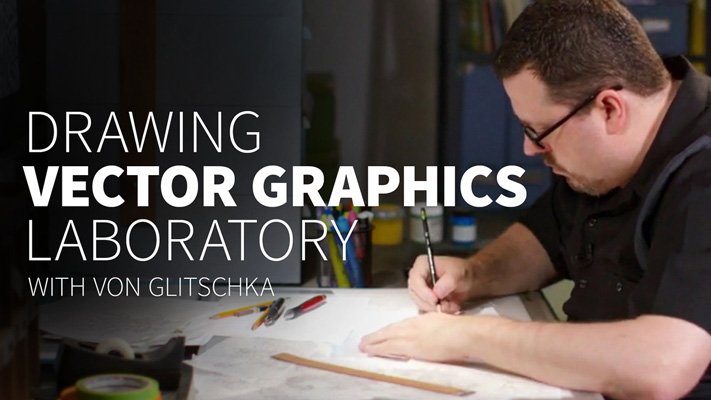
Drawing Vector Graphics Laboratory (Updated 05/2022)
Von Glitschka | Duration: 95h 15m | Video: H264 1280x720 | Audio: AAC 48 kHz 2ch | 34,6 GB | Language: English + .srt

Sometimes you need to experiment to grow as an artist. What better place to try out new design ideas than the Drawing Vector Graphics Laboratory? Every Wednesday, Von Glitschka introduces a new method, tool, or resource to stretch your creative muscle and explore a new artistic style. Each lesson pulls back the curtain on Von's design process-the good, the bad, and the ugly-to give beginners the self-confidence they need to start drawing and provide experts an inside look at a fellow professional's workflow.


Homepage


527520545_drawing_vector_graphics_laboratory.jpg


Download from RapidGator


Download from Keep2Share


Premium Links


Archive password: largest_country_in_the_world_by_population
 
dd1f475dab1ddecc8046a2406fe3848c.jpg


Both Java + SpringBoot from Basics to Advanced
Published 10/2024
Created by Shrayansh Jain
MP4 | Video: h264, 1280x720 | Audio: AAC, 44.1 KHz, 2 Ch
Genre: eLearning | Language: English | Duration: 58 Lectures ( 42h 8m ) | Size: 24.3 GB

Complete Core Java (Collections, Multithreading, Java8 features etc.) in depth + Spring boot important topics in depth


What you'll learn
Fundamentals of JAVA in depth
Multithreading in depth
Collections in depth
Spring boot Introduction (Spring framework vs Spring boot)
Some Important Annotaions
IOC and Dependency Injection
Beans and its lifecycle
AOP

Requirements
Eagerness to learn

Description
Topics covered for Java:Fundamentals:ClassesObjectConstructor etc.4 pillarsInheritancePolymorphismAbstractionEncapsulationBasic Overview of Java:procedural vs OOPsWhat is Java and what makes it Platform IndependentJDK vs JRE vs JVMInstallationSetting Class path Environment VariablesGoing One Level Deep:Writing First Java ProgramUnderstanding Classes, different types and ObjectsAbstract ClassesInner Classes etc.Understanding VariablesStatic VariablesFinal VariablesPrimitive VariablesObject referencesCover Big decimal vs DoubleUnderstanding about StringString PoolString ImmutabilityAccess SpecifiersType CastingImplicit Type CastingExplicit Type CastingUnderstanding Method and Different TypesCover Return TypeCover static methodMethod parametersPass by value vs pass by referenceOverloading etc.How does Memory Management Happens in JavaUnderstand about heap and stack memoryGarbage CollectorUnderstand ConstructorPrivate ConstructorDefault ConstructorParametrized ConstructorConstructor vs MethodFiles and Directories in JavaRead and Write from File using ScannersUnderstanding Package and importUnderstand POJOs etc....Operators:Arithmetic OperatorRelational OperatorShort Circuit OperatorAssignment OperatorLogical OperatorTernary OperatorBitwise OperatorEnums and its advanced usage Control Flow Statements:If StatementIf Else StatementIf Else LadderSwitch Statement and when to useFor LoopWhile LoopDo While LoopBreak StatementContinue StatementMultithreading and Concurrency: ThreadPool Executors and Concurrency in DepthException Handling:Handling of Compile Time andHandling of Run time errorsChecked and unchecked exceptionGeneric Programming in Java: Understand how to write generic classes and methods in java, and when to useJava Collections:List:Array ListLinkedListStackQueue:priority QueueDequeueSet:HashSetTree SetLinkedHashSetMap:Tree MapHashMap etc.Java 8 Features:Functional InterfaceLambda ExpressionStream APIsPredicatesForEach methodDefault and static method in interfaceTopics covered till now for Spring boot:In this course you will find below topics:Introduction to Spring Boot: First i have covered the fundamentals of Spring Boot and its differentiation from Spring MVC. (Also covered by Servlets, which was way popular before Spring framework) This provides a foundational understanding of the framework's significance in Java web development.Project Setup in Spring Boot: The next step involves the setup of a Spring Boot project, essential for initiating our development endeavours. This phase ensures our environment is configured optimally for future application development.Understanding Layered Architecture: Layered architecture is pivotal for the organisation and scalability of our applications. This concept enables us to structure our code in a manner that promotes modularity and maintainability.Maven and Its Lifecycle: Maven serves as a powerful tool for project management and dependency resolution. Understanding its lifecycle is crucial for efficient project development and management of dependencies. We can create Spring boot project using Maven or Gradle, so understanding of this, i think is must.Controller Layer Annotations: Get in-depth understanding of annotations such as @RestController and @RequestMapping facilitates the development of RESTful APIs. These annotations provide directives to Spring Boot, dictating the behavior of our controllers. Covered many other annotation like @RestController @Controller @Responebody @RequetMapping @RequestParam @PathVariable @InitBinder @RequestBodyBean Lifecycle in Spring Boot: In this you will get to know about BEAN and its lifecycle, I have also explained about IOC (Inversion of Control) which manages those Bean. You will get to know about different ways of creating Bean (@Component and @BeAN annotation), Different types when bean get created (Eagerly and Lazily).7. Spring boot : Dependency Injection8. Spring boot Bean Scopes9. How to Dynamically initialized Beans10. Spring boot @ConditionalOnProperty Annotation11. Spring boot @Profile annotation12. Spring boot AOP (Aspect Oriented Programming)13. Spring boot @Transactional Annotation14. Spring boot @async Annotation15. Spring boot: Custom Interceptors16. Spring boot: Filters vs Interceptors17. Spring boot HATEOAS Restful API18. Spring boot ResponseEntity and Response Codes19. Spring boot - Exception Handling

Who this course is for
Backend Software engineers


528214802_both_java_-_springboot_from_basics_to_advanced.jpg


Download from RapidGator


Download from Keep2Share


Premium Links


Archive password: largest_country_in_the_world_by_population
 
4bdf04b20ac26bd2524b37c3ef966703.jpg


TTC - Major Transitions in Evolution
Last updated 11/2023
MP4 | Video: h264, 1280x720 | Audio: AAC, 44.1 KHz, 2 Ch
Genre: eLearning | Language: English | Duration: 24 Lessons ( 12h 48m ) | Size: 10.3 GB


How and when did life on Earth get to be the way it is today?

How and when did life on Earth get to be the way it is today?

Imagine a world without bees, butterflies, and flowering plants. That was Earth 125 million years ago.
Turn back the clock 400 million years, and there were no trees.
At 450 million years in the past, even the earliest insects had not yet developed.
And looking back 500 million years-a half-billion years before the present-the land was devoid of life, which at that time flourished in a profusion of strange forms in the oceans.
These and other major turning points are the amazing story of evolution, the most remarkable force in the history of Earth, the organizing principle throughout the biological sciences, and the most important mechanism scientists use to understand the varieties of life on our planet.

To learn about these major transitions, each of which brought forth new possibilities for life, is to embark on an unforgettable look into the past. It's also a captivating opportunity to get a deeper understanding of how evolution works, to draw intricate connections between living things, and to think about life-not just yours but the lives of everything around you-in new ways.

Major Transitions in Evolution tells this science-detective story in 24 lavishly illustrated lectures that focus on the giant leaps that gave rise to nature's boundless diversity. In a course of breathtaking scope, you study the conditions that led to the first complex cells, flying insects, flowering plants, mammals, modern humans, and many other breakthroughs. And in the process of studying the past, you gain a powerful understanding of the present world.

Given the broad scope of the subject, this course is taught by two professors: Anthony Martin, a paleontologist and geologist at Emory University, and John Hawks, a paleoanthropologist at the University of Wisconsin-Madison. Each is an outstanding teacher in his field, adept at making the subject interesting and accessible no matter what your background in science. And in the final lecture, the two appear together for an absorbing conversation on common themes in the epic saga of life on Earth.

Giant Leaps that Brought Us to Today

Among the major transitions you cover are these

From simple to complex cells: Life's first major evolutionary transition was the leap from basic prokaryotic to more complex eukaryotic cells, which contain a nucleus and other specialized structures. This was the crucial step that eventually led to plants and animals.
From fish to four legs: The iconic image of evolution is a fish emerging onto land. This transition might not have happened without shade provided by the newly developing forests, whose protective canopy gave the first fishapods protection from the sun.
Dinosaurs become birds: Dinosaurs didn't go completely extinct; they survive today as birds, whose distinctive wings, feathers, and other features are visible in transitional fossils such as Archaeopteryx, from about 150 million years ago.
Modern humans: The evolution of tree-dwelling primates to upright-walking apes later led to the evolution of modern humans-a species that invented agriculture, poetry, computers, and the techniques to trace its own lineage and that of all life.
You also explore many other transitions that occurred between these milestones, and you take an intriguing look ahead to speculate about the future direction of evolution. From the deep past until today, evolution has been a story with countless subplots, false leads, and reversals of fortune. But it has had one overarching theme-that life is wondrous, resilient, and endlessly surprising.


523957545_ttc_-_major_transitions_in_evolution.jpg


Download from RapidGator


Download from Keep2Share


Premium Links


Archive password: largest country in the world by area
 
ba3da6669d525aac7a2a5def62478314.jpg


TTC - Myths, Lies, and Half-Truths of Language Usage
Last updated 12/2023
MP4 | Video: h264, 1280x720 | Audio: AAC, 44.1 KHz, 2 Ch
Genre: eLearning | Language: English | Duration: 24 Lessons ( 12h 12m ) | Size: 10.2 GB


Is English broken? Do bad grammar, slang, and illogical constructions signal a decline in standards of usage? Do e-mail and text messages corrupt the art of writing? In short, is our language going to the dogs?

It's easy to think so, just as it's easy to listen to people speaking a foreign language and think that they're doing something more complicated and interesting than we're doing in speaking English. But English is complicated and interesting too. Consider the real truth behind these widespread beliefs

English is in crisis: False. English has been undergoing fundamental change for centuries. Novelty and caprice have created not just slang but the very foundations of what we think of as the best parts of English.
Latin is more perfect than modern languages: False. By historical accident, Latin became the standard for grammatical rigor. But countless languages, including English, are Latin's equal in precision and expressive power.
Grammar should be logical: False. A double negative is unacceptable in standard English because it implies a positive. But many languages use it without misunderstanding, along with other constructions that defy strict logic.
Texting degrades writing: False. Text messages and e-mail are not crowding out other forms of language. Instead, they fill an important niche-informal writing-that until now had no adequate outlet.
The modern attitude toward English is filled with such misconceptions that obscure the true picture of what a marvelous language it is. Far from being a language in decline, English is the product of surprisingly varied linguistic forces, some of which have only recently come to light. And these forces continue to push English in new directions-in defiance of those who long for an age of formal perfection that never existed.

Taught by acclaimed linguist, author, and Professor John McWhorter of Columbia University, Myths, Lies, and Half-Truths of Language Usage dispels the cloud of confusion that clings to English, giving you a crystal-clear view of why we use it the way we do and where it fits into the diverse languages of the world. After completing these 24 lectures, you will think about how you use English in a new way, listen to others with discernment and fascination, and take joy in speaking such a wonderfully idiosyncratic tongue.

Dig beneath the Surface of English

Like an archaeologist sifting through clues to a vanished civilization, Professor McWhorter highlights the many features of English that sound normal to a native speaker but that linguists find puzzling and also revealing

Meaningless do: The only languages that use do in the way English does (as in "do not walk") are the Celtic languages such as Welsh, which were spoken by people who lived among the early English and influenced their language in many subtle ways.
Fossilized mistakes: The little green legume often eaten with carrots was formerly called pease in the singular. The word was gradually misinterpreted as plural because of the final s sound, and a new singular form was assumed to exist: pea.
"Heritage" Old English: One of the mysteries of Modern English is that it resembles a heritage version of Old English. A heritage language is one learned imperfectly at home, typically by immigrant children who acquire a different dominant language.

Hear English with New Ears

In the first part of the course, you address historical mysteries about English. Your investigation begins 2,500 years ago with Proto-Germanic, the language that gave birth to the Germanic languages. From there, you trace the shifting path that eventually led to English-a Germanic language like no other-which lacks grammatical gender and practically all case endings and conjugation markers. "Something happened to English," says Professor McWhorter, and by the end of Lecture 9 you will have pieced together evidence from many different languages that explain our tongue's unique evolution.

In the second part of Myths, Lies, and Half-Truths of Language Usage, you focus on modern controversies about how English is used, which take on new clarity in light of the historical background covered earlier in the course.

These lectures give you a fresh perspective on the language, allowing you to understand it more fully

Pronoun problems: "Billy and me went to the store" is considered incorrect, because the subject form, I, should be used instead of me. But then why does "Me and Billy went to the store" sound so much more fluent than "I and Billy went to the store"?
Lie/lay confusion: Lie and lay exemplify an old pattern in English, in which the vowel is altered to make an intransitive verb transitive. But as with another such pair, drink and drench (where drench originally meant "to force to drink"), the traditional lie/lay distinction is irreversibly withering away.
Dangling participles: "Driving through town, the crowds looked ominous" is deemed ungrammatical, because it suggests the crowds were doing the driving. But what about "Judging from her appearance, she was quite tired," which has the same construction but is widely accepted?
Terminal prepositions: The rule against ending a sentence with a preposition is largely the work of 18th-century clergyman Robert Lowth, who had so internalized the rhythms of Latin that he wished to impose a similar structure on English, which has a much more flexible relationship with prepositions.

A History of Defying Rules

These examples and many more in the course represent a few of the flash points in English's long history of defying rules, a process that occurs in all languages. In a vivid analogy, Professor McWhorter says that the effort to keep English the way it used to be is like trying to dry off the beach with a towel. One of the jobs of linguists is to pull back the camera and take in the big picture to see how languages naturally evolve, and to predict where they're going next.

As you discover in Myths, Lies, and Half-Truths of Language Usage, the evidence is all around you: in the speech you hear in public places and on television, in the always-innovative slang of the young, on the printed page and Internet, and in your own mouth. "Part of being a healthy society is being proud of one's language," says Professor McWhorter. In this exciting course, he gives you every reason to be a proud, informed, and more self-aware speaker of English.


523937095_myths_lies_and_half-truths_of_language_usage.jpg


Download from RapidGator


Download from Keep2Share


Premium Links


Archive password: largest country in the world by area
 
ba3da6669d525aac7a2a5def62478314.jpg


TTC - Myths, Lies, and Half-Truths of Language Usage
Last updated 12/2023
MP4 | Video: h264, 1280x720 | Audio: AAC, 44.1 KHz, 2 Ch
Genre: eLearning | Language: English | Duration: 24 Lessons ( 12h 12m ) | Size: 10.2 GB


Is English broken? Do bad grammar, slang, and illogical constructions signal a decline in standards of usage? Do e-mail and text messages corrupt the art of writing? In short, is our language going to the dogs?

It's easy to think so, just as it's easy to listen to people speaking a foreign language and think that they're doing something more complicated and interesting than we're doing in speaking English. But English is complicated and interesting too. Consider the real truth behind these widespread beliefs

English is in crisis: False. English has been undergoing fundamental change for centuries. Novelty and caprice have created not just slang but the very foundations of what we think of as the best parts of English.
Latin is more perfect than modern languages: False. By historical accident, Latin became the standard for grammatical rigor. But countless languages, including English, are Latin's equal in precision and expressive power.
Grammar should be logical: False. A double negative is unacceptable in standard English because it implies a positive. But many languages use it without misunderstanding, along with other constructions that defy strict logic.
Texting degrades writing: False. Text messages and e-mail are not crowding out other forms of language. Instead, they fill an important niche-informal writing-that until now had no adequate outlet.
The modern attitude toward English is filled with such misconceptions that obscure the true picture of what a marvelous language it is. Far from being a language in decline, English is the product of surprisingly varied linguistic forces, some of which have only recently come to light. And these forces continue to push English in new directions-in defiance of those who long for an age of formal perfection that never existed.

Taught by acclaimed linguist, author, and Professor John McWhorter of Columbia University, Myths, Lies, and Half-Truths of Language Usage dispels the cloud of confusion that clings to English, giving you a crystal-clear view of why we use it the way we do and where it fits into the diverse languages of the world. After completing these 24 lectures, you will think about how you use English in a new way, listen to others with discernment and fascination, and take joy in speaking such a wonderfully idiosyncratic tongue.

Dig beneath the Surface of English

Like an archaeologist sifting through clues to a vanished civilization, Professor McWhorter highlights the many features of English that sound normal to a native speaker but that linguists find puzzling and also revealing

Meaningless do: The only languages that use do in the way English does (as in "do not walk") are the Celtic languages such as Welsh, which were spoken by people who lived among the early English and influenced their language in many subtle ways.
Fossilized mistakes: The little green legume often eaten with carrots was formerly called pease in the singular. The word was gradually misinterpreted as plural because of the final s sound, and a new singular form was assumed to exist: pea.
"Heritage" Old English: One of the mysteries of Modern English is that it resembles a heritage version of Old English. A heritage language is one learned imperfectly at home, typically by immigrant children who acquire a different dominant language.

Hear English with New Ears

In the first part of the course, you address historical mysteries about English. Your investigation begins 2,500 years ago with Proto-Germanic, the language that gave birth to the Germanic languages. From there, you trace the shifting path that eventually led to English-a Germanic language like no other-which lacks grammatical gender and practically all case endings and conjugation markers. "Something happened to English," says Professor McWhorter, and by the end of Lecture 9 you will have pieced together evidence from many different languages that explain our tongue's unique evolution.

In the second part of Myths, Lies, and Half-Truths of Language Usage, you focus on modern controversies about how English is used, which take on new clarity in light of the historical background covered earlier in the course.

These lectures give you a fresh perspective on the language, allowing you to understand it more fully

Pronoun problems: "Billy and me went to the store" is considered incorrect, because the subject form, I, should be used instead of me. But then why does "Me and Billy went to the store" sound so much more fluent than "I and Billy went to the store"?
Lie/lay confusion: Lie and lay exemplify an old pattern in English, in which the vowel is altered to make an intransitive verb transitive. But as with another such pair, drink and drench (where drench originally meant "to force to drink"), the traditional lie/lay distinction is irreversibly withering away.
Dangling participles: "Driving through town, the crowds looked ominous" is deemed ungrammatical, because it suggests the crowds were doing the driving. But what about "Judging from her appearance, she was quite tired," which has the same construction but is widely accepted?
Terminal prepositions: The rule against ending a sentence with a preposition is largely the work of 18th-century clergyman Robert Lowth, who had so internalized the rhythms of Latin that he wished to impose a similar structure on English, which has a much more flexible relationship with prepositions.

A History of Defying Rules

These examples and many more in the course represent a few of the flash points in English's long history of defying rules, a process that occurs in all languages. In a vivid analogy, Professor McWhorter says that the effort to keep English the way it used to be is like trying to dry off the beach with a towel. One of the jobs of linguists is to pull back the camera and take in the big picture to see how languages naturally evolve, and to predict where they're going next.

As you discover in Myths, Lies, and Half-Truths of Language Usage, the evidence is all around you: in the speech you hear in public places and on television, in the always-innovative slang of the young, on the printed page and Internet, and in your own mouth. "Part of being a healthy society is being proud of one's language," says Professor McWhorter. In this exciting course, he gives you every reason to be a proud, informed, and more self-aware speaker of English.


523937095_myths_lies_and_half-truths_of_language_usage.jpg


Download from RapidGator


Download from Keep2Share


Premium Links


Archive password: largest country in the world by area
 
4e4fe379d0a9c9fac1367e4fbd097fcf.jpg


TTC - Radio Astronomy: Observing the Invisible Universe
Last updated 8/2023
MP4 | Video: h264, 1280x720 | Audio: AAC, 44.1 KHz, 2 Ch
Genre: eLearning | Language: English | Duration: 25 Lessons (12h 41m) | Size: 10.7 GB

It's easy to imagine the first modern humans staring up at the heavens in wonder, their eyes and minds dazzled by a beautiful band of light splashed across the night sky, the ever-changing moon so large and bright, and pinpoints of light in every direction....

It's easy to imagine the first modern humans staring up at the heavens in wonder, their eyes and minds dazzled by a beautiful band of light splashed across the night sky, the ever-changing moon so large and bright, and pinpoints of light in every direction. For a few hundred thousand years, our eyes were our primary astronomical tool, and we used them well. We catalogued and analyzed what we saw, filled in the gaps with powerful stories, applied what we knew of mathematics, and then invented complex tools of stone, metal, and glass to expand our knowledge. Everything we knew about the universe was based on light, that small part of the electromagnetic spectrum detectable by human eyes.

Then one day in the 1930s, a young engineer named Karl Jansky was assigned a task at Bell Labs: What were the sources of radio static that could interrupt transatlantic radio communications? After several years of work, he identified one source as radio waves coming from thunderstorms near and far. and another, from something at the center of the Milky Way. For the very first time, we had detected radiation below the visible part of the spectrum emanating from an astronomical object. For years, astronomers had been frustrated by interstellar dust that blocked their view and limited their

Radio Astronomy: Observing the Invisible Universe takes you on a thrilling journey through the universe with stunning visuals and animations to explain the science of radio astronomy and its astounding discoveries. Your guide is Felix J. Lockman, Ph.D., of the Green Bank Observatory, an active radio astronomer whose great passion for his work is absolutely contagious. As Dr. Lockman explains, radio astronomy is not simply a conglomeration of theories with no practical application to our lives today. While radio astronomy has the potential to one day answer the question of extraterrestrial intelligence, it also allows us to more accurately tell time right here on Earth, study terrestrial plate tectonics, and even get smartphone directions to that great new restaurant.

All about That Hydrogen

Some of radio astronomy's myriad discoveries can be traced to the structure of the hydrogen atom. In hydrogen, one electron is essentially in orbit around one proton and both have a property called "spin," either up or down. The parallel spin "wants" to decay into antiparallel spin-much like two magnets "wanting" to be aligned north to south, or antiparallel. In jumping position from parallel to antiparallel, a photon of radiation is emitted.

This process is certainly not unique to hydrogen. What is unique is that at the dawn of radio astronomy, a scientist predicted hydrogen would emit this radiation at detectable radio wavelengths, and this prediction offered astronomers a new tool for studying the universe. Three teams of scientists from around the world worked to discover the signal, and there it was, exactly as predicted: with a frequency of 1420 MHz, a wavelength of 21 cm.

For more than a decade, hydrogen at 21 cm wavelength remained the only spectral line which radio astronomers could use for their research. Later, signals from other elements and even molecules were identified. Over time, as both theory and technology improved, radio astronomers made discoveries that completely changed our understanding of the universe. Just a very few of these discoveries include

Jupiter's radiation belts;

Galactic non-thermal radiation, now called synchrotron emission;

The birth rate of stars in the Milky Way and the galaxy's rotational speed;

Sagittarius A, the black hole at the center of the Milky Way;

Dark matter;

Neutron stars, pulsars, and binary pulsar systems;

Gravitational radiation, as predicted by Einstein;

Cosmic background radiation, confirming the big bang theory;

Radio galaxies, quasars, and active galactic nuclei;

Giant molecular clouds, the birthplaces of stars and planets; and

Complex organic molecules in interstellar space.

Radio Telescopes, "Seeing" the Invisible

While you might have an optical telescope in your backyard, you will likely never have a radio telescope. Radio telescopes are large-over 100 meters in diameter and beyond-because radio waves contain such a small amount of energy. For example, the signal from your cell phone measured one kilometer away is five million billion times stronger than the radio signals received from a bright quasar! Although each radio telescope is designed for a specific use and often looks very different from others, they are all based on the same physical principles. Each collects, focuses, amplifies, and analyzes radio waves. In Radio Astronomy: Observing the Invisible Universe, Dr. Lockman takes you on an exciting virtual tour of radio telescopes. From the first handmade telescope built by radio astronomy pioneer Grote Reber to those on the drawing board for tomorrow, you're right there with the scientists

The Green Bank Telescope, West Virginia, where Dr. Lockman does his research. At 17 million pounds and with more than 2,000 surface panels that can be repositioned in real time, this telescope is one of the largest moveable, land-based objects ever built.

The Very Large Array (VLA), New Mexico. With its 27 radio antennas in a Y-shaped configuration, the data can be multiplied to form interference patterns, giving scientists a deeper and clearer look at galaxies than ever before.

The Atacama Large Millimeter/submillimeter Array (ALMA), Chile. With an array of 66 radio antennas located high above much of the earth's atmosphere, ALMA has revealed new stars and planetary systems in the making.

The Very-Long-Baseline Array (VLBA), with multiple locations. The VLBA includes telescopes located thousands of miles apart, all functioning together as one single radio telescope the size of the Earth, allowing scientists to peer deep into the centers of galaxies.

The Biggest Questions

Perhaps the most astounding of all radio astronomy discoveries is this: The dominant molecular structures in interstellar space are based on carbon. That is not what scientists had expected.

We have always labeled these molecules "organic" because life on Earth is carbon based. Now we know that the chemistry of the entire Milky Way is organic, not just our home planet, and it is likely that any extraterrestrial galactic life would be related to us, at least on the molecular level. Will we find other organic lifeforms out there? Radio astronomers don't know. But they're working on it, along with the study of many other objects and processes not yet understood. Dr. Lockman's current research addresses hydrogen clouds in the Andromeda galaxy, the nearest major galaxy to the Milky Way. Other radio astronomers are working to answer myriad questions about dark matter, fast radio bursts, and much more.

If the history of radio astronomy is any predictor, discoveries in these new research areas will lead to new questions, new technologies, more discoveries, and more questions. As Radio Astronomy: Observing the Invisible Universe shows, the field is on the cutting edge of knowledge itself. "Astronomy, by looking outward, leads us to questions that reflect upon ourselves in very deep ways," Dr. Lockman says. "Astronomical discoveries have changed the way we think."

What Will You Learn?
how understanding the hydrogen atom led to the discovery of dark matter.

that interstellar space is peppered with organic molecules.

how radio astronomy contributes to our lives on Earth.


Homepage


523945783_radio_astronomy_observing_the_invisible_universe.jpg


Download from RapidGator


Download from Keep2Share


Premium Links


Archive password: largest country in the world by area
 
c0866f0230a7476d1824bb8049efdc03.jpg


TTC - Written Communications: Being Heard and Understood
Last updated 1/2024
MP4 | Video: h264, 1280x720 | Audio: AAC, 44.1 KHz, 2 Ch
Genre: eLearning | Language: English | Duration: 12 Lessons ( 6h 25m ) | Size: 5.3 GB


We've all encountered bad writing at some point in our lives. We've possibly even authored some ourselves. And it's pretty clear when writing is bad. Whether you're writing business letters, memos, emails, reports, announcements, or some other professional communication, the pragmatic communicator can be far more effective than the multiloquent one.

Because we are judged by our ability to communicate with direction, focus, and confidence-along with inspiration and empathy, no matter who you are and what your goal is-getting the right message across is absolutely essential to achieving your objectives.

In the 12 rewarding lectures of Written Communications: Being Heard and Understood, Professor Allison Friederichs, Associate Teaching Professor and Associate Dean for Academic Affairs at the University of Denver, University College, will share the secrets to sharpening your written, oral, and interpersonal communications skills. She will show you how impactful communication isn't really about you: It's about your reader. Once you understand your audience, she'll show you how to target the message, make appropriate word choices, incorporate sound logic, and untangle complex syntax using a combination of examples and activities.

Words Matter

People use words all the time, every single day, mostly without giving them much thought at all. But when you are writing words, you lose the context of vocal intonation, facial expression, and delivery. Your reader has to infer your intent and meaning and can only do so by the words you use. This ability to choose the right language is important because words are the most basic building blocks of communication. With two lectures of this series devoted to language and words, Professor Friederichs will provide you with exercises and toolkits for picking the right words every time. Consider "The Four C's," a framework that suggests your chosen words should be

Correct. It's important to use the correct word. People don't always do this. Malapropisms are an example. They occur when a person uses a word that sounds like the word they mean but isn't quite correct. Yogi Berra was famous for this; for example, he once said, "Texas gets a lot of electrical votes." (He meant electoral votes.)
Concrete. One of the best ways to choose the right word is to understand the difference between concrete and abstract word choices. Choosing a concrete word means picking one with less possible variance in the connotative meaning. For example, if a person says, "I just heard my dog bark," it's fairly obvious that he or she is referring to the sound a dog makes rather than the exterior of a tree.
Clear. This speaks to ensuring clarity. There are three things to keep in mind to help you write clearly: writing concisely, avoiding redundancy, and avoiding jargon.
Contextually appropriate. If you don't consider choosing the right word for the particular context, the risks can be much greater than misunderstanding. The wrong choice can have a profound impact on your professional relationships. When you write, you should place yourself in the context in which your message will be read, not the context in which it is written.
Professor Friederichs will also provide a deep dive into the intrinsic relationship between language and culture, considering an age-old issue about the nature of language, including the descriptive/prescriptive debate, as well as the two levels of meaning every word has: denotation and connotation. You'll discover how meaning is culturally constructed and how meanings of words can shift across times and cultures.

The Misunderstood World of Punctuation

Once you've equipped yourself with the tools and skills to pick the right words, you need to present them in a professional and competent manner. Grammar and punctuation are challenging but important facets of writing. Nothing undermines your message more than the incorrect usage of a word, but even if you use the word properly, incorrect grammar and punctuation can change the entire meaning.

Professor Friederichs dedicates three lectures to ensuring you get it right, starting with the most commonly misunderstood rules of punctuation, such as issues around commas, semicolons, quotation marks, and dashes, as applied to Edited Standard American English. You'll master noun and proper noun grammar rules such as when to capitalize, how to recognize pronoun case-possessive, subjective, and objective-how to spot misplaced and dangling modifiers, and how to untangle the often-confusing use of apostrophes. From there, you'll cover the more complex world of verb and adverb usage-looking at passive and active voices, tense, and mood.

You may have bad memories of diagramming sentences for hours on end in grade school or getting otherwise grade "A" papers back with lower marks due to punctuation and spelling mistakes. Professor Friederichs's manner and delivery will help you overcome any bad feelings you've harbored about grammar. She makes each of these lessons a delight, bringing plenty of humor and enthusiasm to explain the context for some of the rules that feel particularly arbitrary. With plenty of examples that make it easy to remember these often-confusing grammar rules, you'll gain helpful tips to ensure your writing is always effective.

Get Writing Right

The last half of this illuminating course spotlights how to improve your overall message by changing your writing lens to focus on your audience. Most people typically don't take the time to consider their message when they sit down at a keyboard, but Professor Friederichs demonstrates why you must conduct an analysis about what you are about to write before you even hit the first key-and she shows you how.

Professor Friederichs adds another useful tool to your collection with the business-writing process called ACE, which stands for Analyze, Craft, and Edit. For each of these steps, Professor Friederichs provides a helpful checklist that you can refer to each time you sit down to write.

Analyze: Professor Friederichs provides the Analyze Checklist to help you to consider your purpose, your audience, what your purpose statement will look like, and the relevant facts that will be involved. It also provides you with an opportunity to develop an outline of ideas. The analysis stage will save you time by helping you craft strong documents from the start.
Craft: You'll quickly see how the Craft Checklist is immensely useful as you work through writing your purpose statement, introduction, body, and conclusion. Professor Friederichs also outlines eight additional best practices that will help you craft a well-written draft.
Edit: Here is your chance to analyze your document with a reader-centric lens to ensure it says what you want it to say, in an organized, clear, and concise manner. While you are not proofreading your document at this point, the Editing Checklist helps you review organization, proper word choice, clarity and concision, punctuation, and grammar.
Along with activities to help you put this process into practice, you'll soon learn how the ACE process can be an instrumental habit to implement every time you write a professional communication.

The concluding lectures take you through the final steps of the process. They also provide you with valuable techniques for overall writing practices, such as developing your professional writing voice, building or using a style guide, and building strong relationships through your writing. From how to write a subject line for an email to the best choices for a greeting and an ending, Professor Friederichs covers every step of executing successfully written communications with helpful advice, tips, and tools, all geared to help you become a better writer, in any situation.

What Will You Learn?
Uncover the Secrets to Writing Successful Professional Communications

Get Your Point Across-Properly, Professionally, Perfectly

Master Professional Writing Techniques to Improve All Your Communications


524372179_written_communications_being_heard_and_understood.jpg


Download from RapidGator


Download from Keep2Share


Premium Links


Archive password: largest country in the world by area
 
d9915059cd9d4d5e9c021f0dbaa4c004.jpg


Ultimate Nunchaku: Mastering The Art Of Momentum
Published 10/2024
MP4 | Video: h264, 1920x1080 | Audio: AAC, 44.1 KHz
Language: English | Size: 26.10 GB | Duration: 9h 46m

Mastering the Art of Momentum


What you'll learn
Learn basic blocks, strikes, and swings with the nunchaku
Learn intermediate traps and control concepts
Learn advanced realistic strike mechanics
Learn nunchaku power vs a variety of attacks

Requirements
No experience necessary

Description
Unlock the full potential of nunchaku in this comprehensive 9-hour instructional course designed for martial artists of all skill levels. Whether you're a beginner or an advanced practitioner, this course will guide you through every aspect of nunchaku training, from basic swings and blocks to advanced traps, chokes, and dynamic combat strategies.You'll learn:Essential stances, guards, passes, and catches.Fluid transitions that promote efficiency and versatility, expanding natural proprioceptive performance.Using guards as foundational frameworks for attack and defense structures.Close-quarters control techniques, including traps and chokes.Master the physics of braking, momentum, range, power, and impact recoil.Dynamic demonstrations of nunchaku usage in aggressor flow drills, attack simulations, and live sparring.Nunchaku vs. other weapons! Explore how the methodology shifts based on the range and power dynamics of each opponent's weapon. See how nunchaku techniques adapt when facing a stick, bo, or knife, highlighting the flexibility required to handle varying combat scenarios.As a bonus, you'll also enjoy:A custom documentary exploring the rich history of nunchaku, from its origins to its modern applications.An action-packed motion comic that tells the story of a Shinto maiden using nunchaku to protect her home using realistic techniques and avoiding flashy Hollywood moves.A captivating slideshow showcasing my handmade nunchaku, complemented by music and featuring the hyoshigi, an intriguing instrument linked to the origin myth of nunchaku.An insightful fight analysis comparing my techniques against a kendo practitioner, highlighting key strategies from the match.Whether you're training for self-defense, competition, or personal mastery, this course will provide you with the skills, knowledge, and confidence to wield nunchaku with precision and power.

Overview
Section 1: I Fundamentals

Lecture 1 I.01 Introduction

Lecture 2 I.02 Spatial Concepts

Lecture 3 I.03 Safety Nunchaku

Lecture 4 I.04 Warm-up Exercises

Lecture 5 I.05 Core Stances + Footwork

Lecture 6 I.06 Guard Positions

Lecture 7 I.07 Catches

Lecture 8 I.08 Basic Swings

Lecture 9 I.09 Cord Blocks

Lecture 10 I.10 Stick Blocks

Lecture 11 I.11 Double Blocks

Lecture 12 I.12 Standard Thrusts

Lecture 13 I.13 Double Thrusts

Lecture 14 I.14 Shoulder Pass

Lecture 15 I.15 Nunchaku Combos

Section 2: II Intermediate Techniques and Applications

Lecture 16 II.01 Warm-up Exercises

Lecture 17 II.02 Guard Positions

Lecture 18 II.03 Cord Blocks

Lecture 19 II.04 Stick Blocks

Lecture 20 II.05 Parry Position

Lecture 21 II.06 Double Blocks + Locks

Lecture 22 II.07 Double Strikes

Lecture 23 II.08 Braking

Lecture 24 II.09 Advanced Swings

Lecture 25 II.10 Impact Management

Lecture 26 II.11 Advanced Passes

Lecture 27 II.12 Wrist Traps

Section 3: III Mastery and Combat

Lecture 28 III.01 Introduction

Lecture 29 III.02 Momentum Management

Lecture 30 III.03 Chokes

Lecture 31 III.04 Ready Position

Lecture 32 III.05 Shoulder Position

Lecture 33 III.06 Double Position

Lecture 34 III.07.1 Alternative Positions[pt1]

Lecture 35 III.07.2 Alternative Positions[pt2]

Lecture 36 III.08 Foot Traps

Lecture 37 III.09 Invisible Nunchaku

Lecture 38 III.10 Attack Simulation

Lecture 39 III.11.1 Nunchaku Dynamics vs. Stick[pt 1]

Lecture 40 III.11.2 Nunchaku Dynamics vs. Stick[pt 2]

Lecture 41 III.12.1 Nunchaku Dynamics vs. Bo[pt 1]

Lecture 42 III.12.2 Nunchaku Dynamics vs. Bo[pt 2]

Lecture 43 III.13.1 Nunchaku Dynamics vs. Knife[pt 1]

Lecture 44 III.13.2 Nunchaku Dynamics vs. Knife[pt 2]

Section 4: IV Bonus Material

Lecture 45 IV.02 Nunchaku: A Tale of Two Sticks

Lecture 46 IV.03 The Dragon Stick

Lecture 47 IV.01 Crafted Nunchaku: To the Beat of Hyoshigi

Lecture 48 IV.04 Nunchaku vs. Katana

Lecture 49 IV.05 Custom Nunchaku

Martial arts students


529112251_ultimate_nunchaku_mastering_the_art_of_momentum.jpg


Download from RapidGator


Download from Keep2Share


Premium Links


Archive password: largest_country_in_the_world_by_population
 
e8fd0c3c1c7ef1de9bfb7455ff5f95a8.jpg


TallyPrime+GST+Payroll+IncomeTax+TDS+TCS+MSExcel (ComboPack)
Last updated 10/2024
Created by Urs Ravi I Vedanta Educational Academy
MP4 | Video: h264, 1280x720 | Audio: AAC, 44.1 KHz, 2 Ch
Genre: eLearning | Language: English + subtitle | Duration: 303 Lectures ( 49h 37m ) | Size: 49 GB

A Compulsion Course for Accounting, Financial, MIS, Data Analysis, Tax Professional, Auditors n Bsns Management sectors


What you'll learn
Basics of Accounting, TallyPrime All Levels
GST & GST Portal Concepts
Income Tax & TDS, TCS
Payroll Management
E-Way bill, E-Invoice, MS Excel
MS Excel
Capital Gains
TallyPrime - Download , Install , Activation
Golden Rules of Accounts
Tally Prime with GST - Course Material
Company-Creation, Alteration, Deletion & Securing
Understanding Tally Pre-defined Vouchers
Tally Data Processing Structure
Understanding Tally with Basic Illustrations
Recording & Maintaining Installments in Tally ERP9 I Bill-wise Accounts
Recording & Maintaining Supply against Advances - Advances Management
Tracking OverDue Supply - Credit Sales
Multi-Currency Accounting in Tally ERP9 & Adjustment Entries for Forex GainLoss
Cheque Book Configuration in Tally ERP9
Banking - Transaction Types
Post Dated Cheques Management in Tally ERP9 I PDC's
Bank Reconciliation Introduction
Bank Reconciliation in Tally ERP9 Practical I Case Study 1
Bank Reconciliation In in Tally ERP9 I Case Study 2
GST Revenue Sharing Ratios between Center & State Govt's
GST Classifications
Enabling GST Features in Tally ERP9
Recording GST Transactions SMART RECORDING METHOD
Recording GST Transactions TRADITIONAL METHOD
Recording GST Transactions - CaseStudy 2
GST Tax Invoice Configuration - Voucher Numbering
Recording GST Transaction with Auto-Billing
GST Tax Invoice, Bank Details-Cus Seal &Signature, Jurisdiction -Printing Confin
Rate Inclusive of GST I Enabling Item Description in Tally ERP9
Recording GST Transactions - Services
Recording GST Transactions - Assets I with Input Tax Credit I without ITC
Recording GST Transactions - Expenses with & without Input Tax Credit
Recording GST Transactions - Sales with Additional Expenditure
Genarate E-Way Bills Creation, Alter & Cancellation Online Offline methods
GST- Recording RCM in Tally ERP9
GST Overview Introduction
Key Points about GST Council
Introduction to GST Returns
GSTR - 3B Filing
GSTR-1 Filing ( GST-Regular) Offline Online Methods Explained with Live Data
GST Registration - Live (Case Study 1)
GST Registration - Filing Clarifications
GST Registration - Tracking Submitted Applications
Viewing Submitted Applications - GST Registration
GST Registration - Core Filed Amendments
GST Registration - Non-Core Filed Amendments
GST Application for Refund
GST Registration -CANCELLATION
GST Tax Practitioner Registration
Opting Withdrawal of Composition Levy in GST Portal
What is TDS ( Tax deduction at source ) - How to calculate TDS - Introduction
How to Configure TDS in Tally ERP9 & Recordinng TDS Entries in Tally
Recording TDS Transaction in Tally ERP9
Purchase Returns & Sales Returns in Tally ERP9
Delivery Notes & Receipt Notes in Tally ERP9
Sales Orders Quotations in Tally ERP9
Tally ERP9 Discounts I Trade Discounts & Cash Discounts
PriceList's in Tally ERP9 I Party Level & Product Level
Auto-Interest Calculation on Overdue Installments
Basic of Manufacturing
Standard Manufacturing Practicals in Tally ERP9
Cost Centres in Tally ERP9 (Departments Handling)
Branch-Wise Accounts-Using Cost Centers & Godowns in Tally ERP9
Multi User Creation in Tally ERP9
Security , Password for Users in Tally ERP9
Tally Internal Data Verification & Tally Audit
Recording - Year End Adjustments in Tally ERP9
Capital Adjustments I Drawings Adjustments & Closing I Profit Sharing I Split
Payroll - in Tally ERP9 Introduction to Steps
Payroll-Complete Setup Monthly Process & Stop Computation - Overall Coverage
Budgets in Tally ERP9
Calculator Usage in Tally ERP9
Tally Data Backup & Restore
Alternate Units of Measurement in Tally ERP9
GSTR1 GSTR3B New Due Dates Late fee Updates (Feb-Mar-Apr-May) 2020
Batches Management (with Date of Manufacturing & Expiry )
Data Searching in Tally ERP9
DayBook Features in Tally ERP9
POS in Tally ERP9
Splitting in Tally ERP9
Part Numbers in Tally ERP9
Standard Rate Setup in Tally ERP9
Zero Valued Transactions
Export to Excel, JPEG, PDF, HTML
DATA Export & Import in Tally ERP9
Live Mailings from Tally ERP9
Tax Audit Due Date Extention
Reply to Students Request Refund Applied I Deducted on GSTN INot Credited2 bank
Reply to Students Request Know Your PAN Status
Budget 2020 I Highlights I Income Tax Slabs I New & Old I Benefits
37th GST Council meeting I 2 major decisions I Relaxtion of Filing GSTR-9 &+more
Highlights of 38th GST Council Meeting
Microsoft Excel - Beginner to Advanced A Master Pro Course An Introduction to Microsoft Excel
How to Open MS Excel, What is Menus, Tools, Sheets, Columns, Rows & Cells
MS Excel - Copy Cells, Move Cells
Learn How to Create Tabs, Groups and add Toll to it in MS Excel
MS Excel - Home Tab - Group Clipboard Features Functions Explained
MS Excel - Home Tab - Font Group Explained - Font Size, Font Face Style, Bold
Home Tab - Alignment Group Explained - Merge, Wrap Text, Alignments & more
MS Excel - Characteristics of Cell
Speak Cells - on Enter, by Rows, By Columns, Stop Speaking Cells I Microsoft
MS Excel - Fill Series - with formatting, without formatting & more
Fill Series - Advance Fill - Numbers, Months, Days, Custom List Edit & Add,
Fill Series - Flash Fill
Excel - Editing Data I over writing I Go to I find & replace I undo & redo
MS Excel - Text to Columns
MS Excel - Comments - add, edit, delete & Show all
MS Excel - How to Hide and Unhide Rows, Columns, Sheets
Freeze Panes - Top Row, Columns & Multiple Rows & Columns
MS Excel - Filters - Learn How to Use Filter to analyse Big Data
MS Excel - Split Sheet Window
MS Excel - How to Insert & Delete Cells, Rows, Columns
MS Excel - Working with Sheets
MS Excel - Format Multiple Sheets at a time I Sheet Formatting
MS Excel - View Sheets Side by Side from One Excel File
MS Excel - Workbook Protection - Learn how to setup a Password to open Excel
MS Excel - Sheet & Cells Protection
MS Excel - Conditional Formatting - Highlight Cells Via Number, Text & more
Concatenate - Join Multiple Text Strings into ONE
MS Excel - Trim Functions - Remove unnecessary Elements from strings
MS Excel - Print Formulas Left, Right, Middle
MS Excel - Date Related Formulas
MS Excel - Hyper Links - Cell to Sheet, Website, Existing File, Create New
MS Excel - Page Header & Footer I Add Page Numbers, Logo, Report Name, Date
MS Excel - Print, Page Setup, Margins, Size, Excel to PDF
MS Excel - Create & Remove Drop Down List
Introduction to Data Validation - Time limitation
Data Validation - Restrict Cells, Input & Error Message, Drop Down List...
Data Validation - Part2 - Circle Invalid data, Error, Stop, Warning, Inform-
Data Validation - Dependent - Multiple Drop Down Lists
MS Excel - Bar Code I Install Bar code font I Generate Bar Codes
MS Excel - Import Data from Websites - Live Data
MS Excel - Import Data from Text Document - with Auto Refresh
MS Excel - Import - Text, Word, PPT, JPEG, Video, PDF & More Objects
MS Excel - Charts - Pie Charts - Create & Customize I Chart Elements
MS Excel - Charts - Columnar, Bar, Line Charts
Logical Functions - Logical Test I Boolean Expression I TRUE or FALSE I
Logical Test - IF Function
Logical Functions - Nested IF - Learn How to work with Nested if Formula
Logical Functions - AND function
Logical Function - Not & IFERROR
MS - Excel Commonly Used Formulas I Sum I Subtraction I Avg I Percentage I Mu
Statistical Formulas - Sum, Sumif, Sumifs, Count, Countif, Countifs, Avg, Av
MS Excel - 3D Sum I Calculate Multiple Sheet Data at a time
MS Excel - Consolidate ( 3d Sum extension)
Show Formula, Trace Dependents, Trace Precedents, Evaluate Formula, Formula
Formulas - sumproduct, mround, floor, ceiling
Index Formula - Find a Position of the Value, and Call cells references
Match Formula - Find Position of the Value
MS Excel - Age Calculator in Multiple Ways - Exclusive formula
StudentMark Sheet Calculation - Sum, Average, Rank, Grade, Pass-Fail, Status
V Lookup - Introduction
V Lookup - Formula, Functionality, Rules, Approximate & Exact Match & more
H Lookup - Formula, Functionality, Rules, Approximate & Exact Match & more
X Lookup - Introduction
Download, Add & use X Lookup New Formula in MS Excel
X Lookup New Formula in MS Excel
Pivot Table Introduction & Basics of Pivot Table
Create a Pivot Chart from Table & Pivot Table
Pivot Table - Use slicers to filter data
Pivot Table, Charts, Progress Dashboard
MS Excel Calculate EMI I Prepare Loan Statement I Principal I Interest
Working with Tables
Create & Maintain Registers - Using GroupSheets, Drop Down Lists, Date Valid
Share a workbook with Co Authors, Employees or with Anyone
Commission Calculation in MS Excel
Attendance Sheet Preparation in MS Excel
Salary Calculation with CA, DA, Commission, Advance, PF, ESI
Excel to SMS
Macros
VBA

Requirements
a desire to learn new skills

Description
Unlock Your Potential with Our Ultimate Accounting Mastery Bundle!Are you ready to take your accounting career to the next level? Look no further! Our comprehensive bundle course is designed to equip you with all the essential skills and knowledge needed to excel in the dynamic world of finance and accounting.1. Basics of Accounting2. TallyPrime3. TallPrime - All Levels4. GST & GST Portal Concepts (GST Master Course)5. Incomes Tax(non-audit)6. TDS & TCS 7. Payroll Management7. MS Excel if you already purchased my individual course(classes) you will be re-purchasing them in this bundle course. _________________________________________________________________Course HighlightsFaculty : A Person who trains the trainersTally Authorized Institute Facultywell known as TallyGuru & Office ExpertGSTN Recognized Tax PractitionerAll topics covered Course(Like-nothing left in tally)Classes on Licensed Version TallyCase-Studies ExplainedQuiz for Each Individual Chapter100% Satisfactory results/ReviewsReference Questions/Soft copy Material availableafter these course Student can handle All Book of Accounts & GSTAll GST Classes Based on Real-Time DataAssignmentsQuizzesPractices TestsLectures-wise resources_________________________________________________________________Course Curriculum _________________________________________________________________Section-1: Basics of Commerce, AccountingS1.1 What is CommerceS1.2 What is Accounting & Why do we need itS1.3 Double Entry Systems Step-StructureS1.4 Golden Rules of AccountsS1.5 Golden Rules of Accounting with JournalsS1.6 Fundamentals of AccountingSection-2: Course Tips, Download Materials, Practice NotesS2.1 Download MaterialsS2.2 Learn How to watch & practiceSection-3: TallyPrime BasicsS3.1 Overview on Tally - History, Advantages, ReleasesS3.2 Pricing of Tally Application - Modules of licensesS3.3 Tally Rental LicenseS3.4 Download & Installation, Update TallyPrimeS3.5 Licensing options - Education mode, License from network and Activate New LicenseS3.6 Create your first company - Shut company, alter company and delete company, change default data saving pathS3.7 TallyPrime - pre-defined voucher an IntroductionS3.8 Recording simple purchases & SalesS3.9 Recording Contra, receipt, payment vouchersS3.10 Recording Journals in TallyPrimeS3.11 How to update opening balance for ledger, opening stock for itemsS3.12 Group Company creation in TallyPrimeS3.13 TallyPrime DATA Recording StepsSection-4: Billing in TallyPrime with GSTS4.1 What is GST-a short Introduction to GSTS4.2 GST Classifications and Place of SupplyS4.3 Recording GST Purchases & Sales - Traditional MethodS4.4 Recording GST with Auto Billing, Exclusive GST Ledgers for Input and OutputS4.5 Billing Configuration - Company LogoS4.6 Billing Configuration - Additional Description for Stock items & LedgersS4.7 Billing Configuration - Enable Rate Inclusive of Taxes columnS4.8 Billing Configuration - Update Sales Voucher NumberingS4.9 Printing Configuration - Invoice Status, Bank Details, Jurisdiction, Customer seal & SignS4.10 Optimize Paper Printing sizeS4.11 Recording GST ServicesS4.12 Recording GST Expenses Claimable and Non-claimableS4.13 Recording GST Assets - claimable and non-claimableSection-5: GST Filing, E-Invoice & E-waybill generationsS5.1 Understanding GST Returns & TypesS5.2 GST Tax Computation & AdjustmentsS5.3 Learn GSTR-1 TablesS5.4 GSTR-1 Filing using TallyPrimeS5.5 GSTR-1 Nil FilingS5.6 GSTR-1 AmendmentsS5.7 GSTR-2A ReconciliationS5.8 GSTR-3B Filing - with Tax PaymentsS5.9 GSTR-4 filing (Exclusive for Composition Tax Payers)S5.10 E-Way bill RegistrationS5.11 E-Way bill Generation, Update & Cancellation (in Portal)S5.12 E-Invoice IntroductionS5.13 E-Invoice GSTIN RegistrationS5.14 E-Invoice Enablement of GSTINS5.15 E-Invoice Generation (manual upload) in TallyPrimeS5.16 E-Invoice API logins creation on E-Invoice portal (to use API logins in Tally)S5.17 Generate E-Invoice using Tally - Generate and E-Invoice, Print within TallyS5.18 E-Invoice Generation Using Official Excel kit - Excel to JSON, JSON uploadSection-6: Inventory ManagementS6. 1 Inventory Management - Introduction, Importance, AdvantagesS6. 2 Introduction to additional supply vouchersS6. 3 Activation of Purchase Order and Sales OrderS6. 4 Activation of Delivery & Receipt NotesS6. 5 Activation of Debit & Credit NoteS6. 6 Purchases Management - Purchase Order, Receipt Note, Purchase, Purchase ReturnsS6. 7 Sales Management - Sales Order, Delivery Note, Sales, Sales ReturnsS6. 8 Activation of Batches for Stock ItemS6. 9 Allocation of Batch Details in Purchase InvoiceS6. 10 Selling of Stock Items from Batch and Identifying of Expired Batch in SalesS6. 11 Returning of Expired Batch Stock ItemS6. 12 Activating Price LevelsS6. 13 Defining Price Levels, Creating Price List, Usage of Price List in Sale VoucherS6. 14 Different Types of Inventory ValuationsS6. 15 Creation of GodownS6. 16 How to Create and Manage Multiple Godowns in TallyPrimeS6. 17 How to Record Inter Godown Stock Transfer in TallyPrimeSection-7: Bill-wise accounts I Accounts Receivable & Payable ManagementS7.1 Basic Illustration to Understand TallyPrime VouchersS7.2 Bills wise details for PurchasesS7.3 Bill-wise Details for Sales - Bills ReceivableS7.4 How to View and Analyze Bills Outstanding Reports in TallyPrimeS7.5 Bill-wise Accounts Supply Against AdvancesS7.6 Bill-wise Accounts-Tracking Overdue SuppliesSection-8: TallyPrime with BankingS8.1 Cheque Book Configuration in TallyPrimeS8.2 Cheque Printing in TallyPrimeS8.3 Enabling All-Banking Transaction TypesS8.4 An Introduction to Post Dated Cheques ManagementS8.5 Post Dated Cheques Management in TallyPrimeS8.6 Applying for TallyPrime LicenseS8.7 Introduction to Bank Reconciliation Process in TallyPrimeS8.8 Bank Reconciliation in TallyPrimeS8.9 How to Do Auto Bank Reconciliationand more.

Who this course is for
Course designed for all categories
Commerce Students
B Com, M Com MBA, CA, CS, CMA and Professionals
Accounting Professionals
Jr. and Sr., Accounts Executives and all kind of accounts dept employees

Homepage


531667625_8-s3-8-recording-purchases-sales_s.jpg


27f84b1f24ce212a5f5a6d15d1cc5f29.jpg


TTC - Communism in Decline: From Sputnik to Gorbachev
Released 9/2024
MP4 | Video: h264, 1280x720 | Audio: AAC, 44.1 KHz, 2 Ch
Genre: eLearning | Language: English | Duration: 12 Lessons ( 6h 42m ) | Size: 5.61 GB

Communism was more than a new philosophy to Karl Marx and Friedrich Engels when they wrote the Communist Manifesto in 1848. They saw it as a brand-new way of life, a new civilization for the modern man and woman. The communist way of life was to represent a total liberation from all of history, which they saw as nothing more than struggle, exploitation, and suffering. Instead of building upon the past, they proposed that communism would focus only on the future, promising total social equality for all and sharing in a new stage of human societal evolution.

When measured against other social theories throughout world history, communism is more than just another a philosophical thought experiment. The beliefs and practices of communism were institutionalized in Lenin's Bolshevik state, as experienced within the experimental and unprecedented development of the Soviet Union. For 74 years, the experiment held together. Communist regimes, at their peak, ruled more than one-third of the world's population.

What happened? What really caused this giant experiment to decline and fall apart?

In Communism in Decline: From Sputnik to Gorbachev, Professor Vejas Gabriel Liulevicius reveals the internal and external forces that ripped apart the grand communist experiment. What were the mistakes made by the Soviet leaders who believed too deeply in their own propaganda? And why were they not able to see the many ironies in their own poor decisions? In 12 fascinating lectures, you will learn how the Soviet Union went from winning the space race against the United States in 1957 to Gorbachev's resignation and the dissolution of the great experiment in 1991.

The Men at the Top

Eight men led the Soviet Union from its founding in 1922 to its collapse in 1991. Each of them believed that communism was the only way forward to achieve a bright and successful future for modern society. Theoretically, at least, they believed that political power should belong to the workers and peasants; but if that was the ideal aspiration, no one came close to achieving it.

As the leader of the 1917 Bolshevik Revolution, Vladimir Lenin became the guiding personality of the Soviet Union after founding the Russian Communist Party, then signing treaties with nearby countries and regions. After serving only two years as the head of the Soviet Russian government before his death in 1924, he was succeeded by Josef Stalin. In power from 1924 until his death in 1953, Stalin's murderous dictatorship caused the death of millions in the Soviet Union. Stalin is also known for becoming an ally of the United States in the effort to defeat Germany during World War II.

In the years after Stalin's death, there were several notable Soviet leaders who followed Stalin. What did these men bring to their leadership roles and how did their decisions shape the Soviet Union and the world? In this course, you will learn about

Nikita Khrushchev. Khrushchev ruled the Soviet Union during the complex times of the Bay of Pigs invasion and the Cuban Missile Crisis and when his country was arguably at its zenith-when Sputnik won the space race for the Soviet Union in 1957.
Leonid Brezhnev. Brezhnev saw himself as the leader of the worldwide fight against capitalism. That mission resulted in the USSR coming to the aid of any socialist or communist government that seemed to be on the verge of failing. This "Brezhnev Doctrine" led him to the 1968 invasion of Czechoslovakia's Prague Spring and the invasion of Afghanistan in 1979.
Mikhail Gorbachev. Explore the "Gorbachev Phenomenon" and "Gorbymania." Although not so popular at home, this Soviet leader was beloved internationally. He knew the Soviet Union needed to move forward economically, and he "thawed" the Cold War as one way to achieve that goal. In 1991, Gorbachev oversaw the dissolution of the Soviet Union.

Promises vs. Reality

The communist doctrine promised a great deal that its leaders never delivered. No one knows what would have happened if the Soviet Union had followed Lenin's doctrine, and if the longest-serving Soviet leader had not strangled his country as a murderous dictator. By the time Gorbachev decided the Soviet Union could improve its standard of living by coexisting with capitalist countries and getting back to the best of Lenin's philosophies, it was too late. Too many systemic problems existed for Gorbachev to overcome, including

Commodities Shortages. When people had to stand in line for hours to purchase the basic necessities for their families-if anything was on the shelves by the time they got to the front of the queue-it was clear their government was not providing for "each according to his needs" as Marx had proposed.
What "They" Have. With the standard of living in the West being so much higher than that of the Soviet Union, it was difficult for citizens to believe that capitalism should be their mortal enemy.
The National Problem. The Soviet Union attempted to blend people of numerous ethnicities into one state. Leadership promised that each ethnicity would share in the power while preserving their own cultural attributes. Instead, as economic shortages worsened, each group felt they were taken advantage of by the others.
Dissent

After the death of Stalin, the most violently repressive of all Soviet leaders, some voices of dissent could be heard arguing for freedom of speech and greater respect for human rights. Although Khrushchev initially allowed some dissent to distinguish his rule from Stalin's, he eventually cracked down on free speech, afraid it would undermine his power. In Communism in Decline: From Sputnik to Gorbachev, you will learn about the well-known major demonstrations such as Solidarity in the shipyards of Gdansk, Poland and demonstrations in Beijing's Tiananmen Square. Additionally, you will learn about more subtle forms of dissent, including

Laughter. Repressed people fight back however they can, and in the Soviet Union telling jokes became a widespread form of dissent. In this course, you'll hear many of the political jokes that became a form of social protest-criticizing the system, its ideology, and the resulting daily indignities.
Books. Aleksandr Solzhenitsyn is one of the most well-known writers who used literature to reveal the truth about the Soviet prison camps and life in the country, in general. His most famous work, The Gulag Archipelago, was smuggled out to the West and published there in 1973.
Samizdat. When an uncensored, non-Soviet-approved text could be found, people took it upon themselves to copy its pages one at a time, via typewriter or by hand, and then pass the pages around. Whoever received these samizdat ("self-published") products would have only one night to read them before passing them on to the next person.
While communism failed in the Soviet Union in the long term, it had lasted for 74 years and remains the official ideological system today in China, North Korea, Laos, Vietnam, and Cuba. Only time will tell whether communism as practiced specifically in those countries will be able to overcome the problems that took down the Soviet Union.

What Will You Learn?
Meet the men who led the Soviet Union and consider their varied approaches to leadership

Discover how citizens were able to voice dissent in a repressive regime

Reveal the internal and external forces that tore apart the Soviet Union


Homepage


524274085_communism_in_decline_from_sputnik_to_gorbachev.jpg


Download from RapidGator


Download from Keep2Share


Premium Links


Archive password: largest country in the world by area
 
Zurück
Oben Unten