• Regeln für den Video-Bereich:

    In den Börsenbereich gehören nur Angebote die bereits den Allgemeinen Regeln entsprechen.

    Einteilung

    - Folgende Formate gehören in die angegeben Bereiche:
    - Filme: Encodierte Filme von BluRay, DVD, R5, TV, Screener sowie Telesyncs im Format DivX, XviD und x264.
    - DVD: Filme im Format DVD5, DVD9 und HD2DVD.
    - HD: Encodierte Filme mit der Auflösung 720p oder darüber von BluRay, DVD, R5, TV, Screener sowie Telesyncs im Format x264.
    - 3D: Encodierte Filme von BluRay, die in einem 3D Format vorliegen. Dies gilt auch für Dokus, Animation usw.
    - Serien: Cartoon/Zeichentrick, Anime, Tutorials, Dokumentationen, Konzerte/Musik, Sonstiges sind demnach in die entsprechenden Bereiche einzuordnen, auch wenn sie beispielsweise im High Definition-Format oder als DVD5/DVD9/HD2DVD vorliegen. Ausnahme 3D.
    - Bereich Englisch: Englische Releases gehören immer in diesen Bereich.
    - Bereich Talk: Der Bereich, in dem über die Releases diskutiert werden kann, darf, soll und erwünscht ist.


    Angebot/Beitrag erstellen

    - Ein Beitrag darf erst dann erstellt werden, wenn der Upload bei mindestens einem OCH komplett ist. Platzhalter sind untersagt.
    - Bei einem Scenerelease hat der Threadtitel ausschließlich aus dem originalen, unveränderten Releasenamen zu bestehen. Es dürfen keine Veränderungen wie z.B. Sterne, kleine Buchstaben o.ä. vorgenommen werden. Ausnahme Serienbörse:
    - Bei einem Sammelthread für eine Staffel entfällt aus dem Releasename natürlich der Name der Folge. Beispiel: Die Simpsons S21 German DVDRip XviD - ITG
    - Dementsprechend sind also u.a. verboten: Erweiterungen wie "Tipp", "empfehlenswert", "only", "reup", usw. / jegliche andere Zusatzinformation oder Ergänzung, welche nicht in obiger Beschreibung zu finden ist.

    Aufbau des Angebots und Threadtitel

    Der Titel nach folgendem Muster erstellt zu werden. <Name> [3D] [Staffel] [German] <Jahr> <Tonspur> [DL] [Auflösung] <Quelle> <Codec> - <Group>
    Beispiel: The Dark Knight German 2008 AC3 DVDRip XviD - iND
    Beispiel: The Dark Knight 2008 DTS DL BDRip x264 - iND
    Beispiel: The Dark Knight 2008 AC3 DL BDRip XviD - iND
    Beispiel: The Dark Knight German 2008 AC3 720p BluRay x264 iND
    Beispiel: The Dark Knight 2008 DTS DL 1080p BluRay x264 iND
    Beispiel: Die Simpsons S01 German AC3 DVDRip XviD iND
    Beispiel: Die Simpsons S20 German AC3 720p BluRay x264 iND
    Beispiel: Sword Art Online II Ger Sub 2014 AAC 1080p WEBRip x264 - peppermint
    Entsprechend sind also u.a. verboten: Sonderzeichen wie Klammern, Sterne, Ausrufezeichen, Unterstriche, Anführungszeichen / Erweiterungen wie "Tipp", "empfehlenswert", "only", "reup", usw. / jegliche andere Zusatzinformation oder Ergänzung, welche nicht in obiger Beschreibung zu finden ist
    Ausnahmen hiervon können in den Bereichen geregelt sein.

    Die Beiträge sollen wie folgt aufgebaut werden:
    Überschrift entspricht dem Threadtitel
    Cover
    kurze Inhaltsbeschreibung
    Format, Größe, Dauer sind gut lesbar für Downloader außerhalb des Spoilers zu vermerken
    Nfo sind immer Anzugeben und selbige immer im Spoiler in Textform.
    Sind keine Nfo vorhanden z.B. Eigenpublikationen, sind im Spoiler folgende Dateiinformationen zusätzlich anzugeben :
    Quelle
    Video (Auflösung und Bitrate)
    Ton (Sprache, Format und Bitrate der einzelnen Spuren)
    Untertitel (sofern vorhanden)
    Hosterangabe in Textform außerhalb eines Spoiler mit allen enthaltenen Hostern.
    Bei SD kann auf diese zusätzlichen Dateiinformationen verzichtet werden.

    Alle benötigten Passwörter sind, sofern vorhanden, in Textform im Angebot anzugeben.
    Spoiler im Spoiler mit Kommentaren :"Schon Bedankt?" sind unerwünscht.


    Releases

    - Sind Retail-Release verfügbar, sind alle anderen Variationen untersagt. Ausnahmen: Alle deutschen Retail-Release sind CUT, in diesem Fall sind dubbed UNCUT-Release zulässig.
    - Im Serien-Bereich gilt speziell: Wenn ein Retail vor Abschluss einer laufenden Staffel erscheint, darf diese Staffel noch zu Ende gebracht werden.62
    - Gleiche Releases sind unbedingt zusammenzufassen. Das bedeutet, es ist zwingend erforderlich, vor dem Erstellen eines Themas per Suchfunktion zu überprüfen, ob bereits ein Beitrag mit demselben Release besteht. Ist dies der Fall, ist der bereits vorhandene Beitrag zu verwenden.
    - P2P und Scene Releases dürfen nicht verändert oder gar unter einem iND Tag eingestellt werden.


    Support, Diskussionen und Suche

    - Supportanfragen sind entweder per PN oder im Bereich Talk zu stellen.
    - Diskussionen und Bewertungen sind im Talk Bereich zu führen. Fragen an die Uploader haben ausschließlich via PN zu erfolgen, und sind in den Angeboten untersagt.
    - Anfragen zu Upload-Wünschen sind nur im Bereich Suche Video erlaubt. Antworten dürfen nur auf Angebote von MyBoerse.bz verlinkt werden.


    Verbote

    - Untersagt sind mehrere Formate in einem einzigen Angebotsthread, wie beispielsweise das gleichzeitige Anbieten von DivX/XviD, 720p und 1080p in einem Thread. Pro Format, Release und Auflösung ist ein eigener Thread zu eröffnen.
    - Grundsätzlich ebenso verboten sind Dupes. Uploader haben sich an geeigneter Stelle darüber zu informieren, ob es sich bei einem Release um ein Dupe handelt.
    - Gefakte, nur teilweise lauffähige oder unvollständige Angebote sind untersagt. Dies gilt auch für eigene Publikationen, die augenscheinlich nicht selbst von z.B. einer DVD gerippt wurden. Laufende Serien, bei denen noch nicht alle Folgen verfügbar sind, dürfen erstellt und regelmäßig geupdatet werden.
    - Untersagt sind Angebote, welche nur und ausschließlich in einer anderen Sprache als deutsch oder englisch vorliegen. Ausnahmen sind VORHER mit den Moderatoren zu klären.


    Verstoß gegen die Regeln

    - Angebote oder Beiträge, die gegen die Forenregeln verstoßen, sind über den "Melden"-Button im Beitrag zu melden.
  • Bitte registriere dich zunächst um Beiträge zu verfassen und externe Links aufzurufen.

*** Bestes IPTV *** bester Preis *** gratis Test ***


Englische Tutorials

16f72142-353a-4614-9b22-a7664fcab933.png

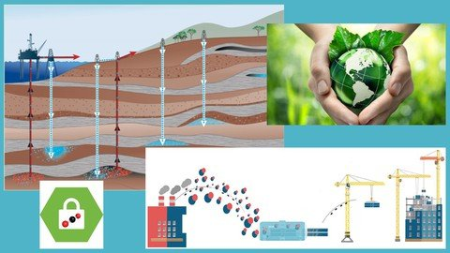
Complete Carbon Capture Usage and Storage course
MP4 | Video: h264, 1280x720 | Audio: AAC, 44.1 KHz
Language: English | Size: 1.00 GB | Duration: 2h 9m
CCUS​

What you'll learn
How CCUS can offer a long-term solution to protect Earth atmosphere from excess CO2 and how can help to keep climate change under 1.5 ºC of global temperature rise.
Method of Carbon Captures technology
Climate Change Agreements
CCS and versus Carbon negative
CCS and Renewable Energy
Carbon Negative Technologies
Geological Storage
CCU-Carbon Capture Usage
Type of Rocks and Features
World CO2 Storage Capacity and CO2 capacity calculation
CO2 Leakage, Monitoring and Stoppage
Policies, Regulations, Best Guidelines and Practice
Requirements
Being open-minded and interested in helping Environment.
Description
The purpose of Carbon Capture Usage and Storage (CCUS) course is that to inform you
1. Why none of the existing technology can single-handedly handle our Climate Change crises.
2. Why many expert believe great investment required in CCS in parallel with existing/new technologies and energy vectors to be able to achieve 2050 goals.
3. How CCUS can offer a long-term solution to help climate change by keeping the temperature well below 2 ºC of global temperature rise.
In this course in addition to various CCUS technologies as one of the method of preventing CO2 emission we also look at some of the global agreements, policies, regulations, best practices, Carbon negative technologies, Renewable energy, Energy vector such as H2 and Electricity, types of geological storage, Global CO2 capacity, and costs of Carbon Capture and Carbon negative technologies.
Finally we finish with some of the important issues such as
1. Priority for the climate is to stop emissions of CO2 from entering the atmosphere and STOP diverting attention from the end game by too much emphasis on specific Technology or Energy Vector. Hence, to achieve 2050 goals all Existing/New technologies & Energy Vectors must be considered.
2. Also, developing countries issues such as lack of fresh water, treatment system, infrastructure, and investment need to be dealt with since climate change is a global issue otherwise we would not achieve our 2050 goals.
Who this course is for
Graduates, Engineers, Consultants, Managers, Environmentalist, and anyone who is interested to know about CCUS.
Screenshots


0523bda8-4354-4753-bf31-82f303175e39.png

Energy Audit
MP4 | Video: h264, 1280x720 | Audio: AAC, 44.1 KHz
Language: English | Size: 1.79 GB | Duration: 1h 46m​

Energy Management System / Energy Inspection / ISO 50001 / Energy Certification / Case Studies of Energy Management
What you'll learn
Energy Managment
ISO 50001
Energy Inspection
Energy Analysis
Energy certification
Energy Audit Certification
Energy balance
Energy Conservation
Energy saving
Case Studies of Energy Management
Industrial Energy Management Systems
Reduce Energy Bills of factories & mills
Energy Conservation Measures
Energy Conservation Methods
Design Guidelines for Energy Audit
How to reduce power consumption in home and plant
Energy audit of building
Industrial energy Management
Fundamentals of Energy Saving
Mechanical Engineering
Electrical engineering
Requirements
A desire to learn.
Some engineering knowledge is beneficial, but lessons are explained in depth to allow students to build their knowledge from the ground up.
A back ground in mechanical engineering, Electrical engineering or most other engineering disciplines, would be advantageous.
Description
Benefits of the course
1. About Energy Audit
What is Energy Audit
Who needs audit
Who can perform audit
Global standards of Energy Audit
Direct and indirect benefits of energy audit
Energy Audit Process
Before performing Audit
2. Types of Energy Audit
Preliminary and Detailed Audit
Visible Energy loss identification in walk through audit
Energy Audit criteria
Scope of energy Audit
Selection of Audit team Energy Audit Plan
3. Phase 1 (Preparation of Energy Audit)
Initial walk through
Collecting energy bills and data
Conducting preliminary analysis
Sample Energy flow charts
4. Phase 2 (Execution of Energy Audit)
Data inventory and management
Graphical representation of data
Analyzing Energy use pattern
Bench-marking and comparative analysis
Identifying Energy Saving Potential
Cost benefit analysis
5. Phase 3 (Reporting of Energy Audit)
Preparing Energy Audit Report with Recommendations
Preparing Action Plan
Implementing the action plan
Sample audit report
6. ISO 50001 and Energy Management Case Studies
ISO 50001
Plan Do Check Act of ISO 50001
Comparison of ISO 14001 and ISO 50001
Features of ISO 50001
Case Studies of Pumping system, chemical, automobile and textile plant and steel company
Course talks About Energy Audit,Types of Energy Audit,Phase 1 (Preparation of Energy Audit), Phase 2 (Execution of Energy Audit), Phase 3 (Reporting of Energy Audit), ISO 50001 and Energy Management Case Studies
Who this course is for
Engineers
Energy Consultants
Practicing Engineers
Energy Auditors
Energy Managers
Energy and sustainability managers
ISO consultants
Management system professionals
Energy efficiency analysts
Engineering students
Screenshots


4405bfcc-9cd7-404d-9b29-7cae35d26882.png

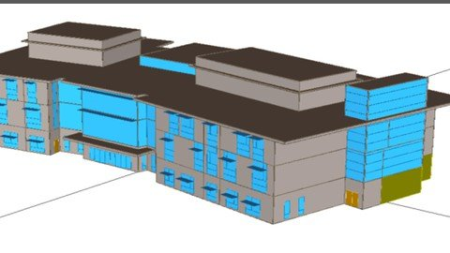
Energy Modelling (Module 1) with eQuest
MP4 | Video: h264, 1280x720 | Audio: AAC, 44.1 KHz
Language: English | Size: 516 MB | Duration: 47m​

Building Energy Modelling / Building Simulation / eQuest Energy Modelling / eQuest software / Learn Energy Modelling
What you'll learn
Energy Modelling
Building Simulation
Method of Energy Modelling
Creating Building Model
Building Envelope Design
Importing Weather file
Importing Building Drawing
Building material selection
Daylight
Schedules
Schematic wizard
Design Development Wizard
Energy Efficiency Measures
Simulation Output
Sensitivity Analysis
Life Cycle cost analysis
Requirements
A desire to learn.
Some engineering knowledge is beneficial, but lessons are explained in depth to allow students to build their knowledge from the ground up.
A background in engineering / Architect would have added advantage
Basic knowledge of Computer
Description
Energy modeling or energy system modeling is the process of building computer models of energy systems in order to analyze them.
Module 1 consist of basic introduction of Energy simulation. Two basic wizards of equest are discussed in the module 1 followed by weather file selection and converting BIN file, Building footprints.
8 Module Course has following topics covered with Hand On practice on eQuest Software.
The course is useful to Architects and Engineers who wish to perform Energy Modelling of Building. Total 10 module course gives hand on practice to create the building, to apply energy efficiency measure and to predict the building performance before it is made. It is a consolidated course to understand Energy Modelling from scratch and to be expert in the same. All modules have explanation videos about What is energy modelling followed by details of eQuest software. While learning you may practice on your PC or laptop to understand the procedure and get on hand training.
Following topics will be covered in total 8 modules of Energy Simulation
Details of energy modelling
Creating Building Model
Importing Weather file
Building Envelope
Importing Building Drawing
Building material selection
Daylight
Schedules
Schematic wizard
Design Development Wizard
Energy Efficiency Measures
Simulation Output
Sensitivity Analysis
Life Cycle cost analysis
Who this course is for
Engineers
Architects
Consultants
Energy consultants
Practicing Engineers
Sustainability Engineers
Screenshots


c32091ca-de63-4216-89b6-12446fb73d66.png

Energy from Outer Space
MP4 | Video: h264, 1280x720 | Audio: AAC, 44.1 KHz
Language: English | Size: 3.23 GB | Duration: 1h 27m
A Course about Space Solar Power​

What you'll learn
Understanding of Space based Solar Power
Understanding of the Pros and cons of Space Based Solar Power
Understanding of financial costs and benefits of Space Based Solar Power
Understanding of the basic principles of Space Based Solar Power
Requirements
No pre-requisites for doing this course
It is an advantage to have completed our Future of Energy Course
It is an advantage to have completed our Financial course - these skills are always useful
It is an advantage to have knowledge of the solar PV section of our Micro-renewable energy course
Description
WELCOME TO THE FUTURE OF ENERGY - A FUTURE IN SPACE
Why and who should do this course?
We want to encourage people to get into STEM - Science, Technology, Engineering and Maths - even if it isn't your background. This course is designed for non-science as well as those who enjoy scientific subjects. Space Solar Power is very likely to be the future, because the Chinese know that they need a grand solution to their heavily coal polluting energy economy. If you are an investor, CEO, businessman or woman, journalist, or simply have an interest in new ideas that are mind blowing, this is the course for you.
What is Space Solar Power?
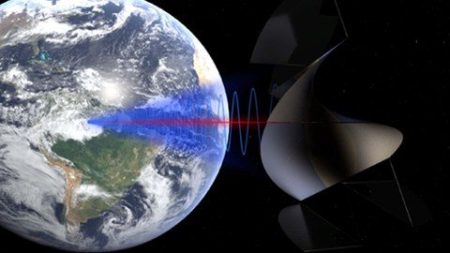
Space based Solar Power (SBSP) or Space Solar Power (SSP) is a technology to harvest 24 hours a day, energy from outside the atmosphere of the Earth and beam it safely to Earth. This would, its proponents argue, lessen, or even replace the need for fossil fuels or terrestrial renewable energy. This has knock on effects for social and economic justice because it lowers the need to extract harmful chemicals to make batteries and other technologies if the SSP is built to make hydrogen based liquid fuels. Space Based Solar Power would also change the way energy is distributed. If energy is required in a disaster zone, then mobile receiving systems could be deployed rapidly. The scale of SSP is both large and small, with minimum impact on the Earth's environment.
Space Solar power also has its detractors, with many people failing to understand that comparative approaches are alright if one understands that one has to try to compare like with like. Even proponents often make erroneous comparisons such as SSP with solar power in North African deserts or Southern Spain. These comparisons often do injustice to SSP which is a technology that will have far reaching effects.
Whomever controls SSP will become what Saudi Arabia is to the world of oil supplies. We hope though the SSP will be a commodity owned by the world for the world, in a truly egalitarian way. Therefore, this course is so much more than a technology course. It's a course that will touch upon the economics of energy and wider long-lasting impacts on a range of new technologies and markets yet to be created. It is a course about a vision that has been the lifelong work of John C Mankins and his predecessor, Peter Glazer, NASA scientists to whom we owe so much.
Is this course suitable for you?
Anyone can do this course because we have created to be flexible. Some of you who do not like mathematics can skip these sections entirely and still gain a huge understanding of Space Solar Power. If you enjoy maths, then we have enough of that to satisfy your needs. If you want to be a pioneer of robotics, space flight, economics, futuristic renewable energy, and solve climate change, then this is the course you need to do. SSP is the cutting edge of the future, and ignorance of it will leave you behind in a rapidly changing world. The value of this course to your career is that you will know about a technology that is the future.
What are you interested in?
If you have interests in entrepreneurial projects of the future, economics, Sustainable architecture, Climate Change, Corporate Investment Responsibility, Leadership, Business Strategy, Business Analysis, banking, project management, journalism, science, robotics, aircraft, rockets, markets for space technology, the Great Reset, Greening our economy, space, moon bases or you like Star Trek, this is a course that you will enjoy!
What will you learn?
This course will recap some of the Future of Energy course you may have already completed. If you haven't completed it, we highly recommend it as it will assist your learning experience but it is not a pre-requisite. We have sold that course in various forms to over 20,000 customers on and offline, and it is our best seller here on Udemy. However, it should be noted that this course will not dwell too much on that course. We'll briefly recap its main points and move rapidly on to teach you about Space based Solar Power.
Energy from Outer Space - what you'll learn
By the end of this course, you will have a knowledge of: -
Space based Solar Power
How Space Solar Power works
What are its major advantages?
What are its major drawbacks?
Which nations are developing it and why?
An idea of what it costs to get into orbit
Rockets, how they work, with some mathematics if you want to go into detail
Orbital Mechanics and how this is relevant to SSP
Wider future market opportunities, including direct and indirect markets both new and to be developed
Why Space Based Solar Power will be an investment in the future
Space Based Solar Power weapons - are they feasible? Can we make them safe?
A wider knowledge of the economics of energy and how SSP can change it
What we don't teach you includes impacts on Net Zero targets because such ideas are for you to figure out. We won't dwell much on carbon savings as CO2 isn't the only greenhouse gas, and in any case it is the general policy of 'The Future of Energy College' not to dabble in Climate Change, as it seems to be a subject fraught with accounting difficulties. We will however point you to studies and workshops that look into this matter in more detail and leave it up to you to make your own conclusions. The European Space Agency for example have hosted a workshop which we have provided on this course which is all about the plan to move to Net Zero utilising Space based Solar Power.
Opening doors
In the modern world knowledge is not always power, otherwise we'd have much better governments than the semi-educated, mostly unscientific bankers puppets we have right now. However, knowledge is the ability to gain paid employment, and the difference between one candidate and another is not always only their schooling, college or university degree. What matters is often knowledge you have gained yourself. That's our mission: to give independent knowledge to our students. Most universities are sadly connected to the oil industry and thus are compromised by these connections. We here at the Future of Energy College are proud to say we have no such connections. We tell you the science ,maths and history in the most objective way possible. We consulted a wide range of scientists to create this course:-
Consultants involved in our Project to bring SSP into Public debate
Consultants who we have approached to do this course and our film in co-operation with Perimetr Films:-
Professor Naoki Shinohara, Kyoto University - expert on SSP and Wireless Power Transfer
Paul Jaffe, US Naval Laboratory - interview on Space Solar Power
John C Mankins, ex-NASA - lectures, talks and books on SSP Alpha - the godfather of SSP
Michael Loweth, Oxford Space Systems, UK - expert of foldable technology
Melissa Thorpe, Director of Spaceport Cornwall, UK
Pre-tested by students
To test this course, it's creator has presented it to a group of 1000 live students to make sure it answered all their questions. Parts of the FREE Rocket course have been removed - particularly parts on aerodynamics - which were found to be difficult and time consuming, and in any case, these were only part of the additional FREE rocket course (which is a separate Presentation). This means you have a course that will suit all needs, without compromising on the content. The rocket course has been added as a ppt presentation that is not mandatory.
Why this course?
This is the only course of its kind online on Udemy in the world at present. It comes to you at a low price because we want to spread the word about Space Based Solar Power. We have also teamed up with Perimetr Films to produce a documentary film called "Valery Danko Discovers Energy from Space". This film will be produced in 2022. It will provide you with special extra information from exclusive interviews with Professor Shinohara of Kyoto University and Paul Jaffe of the US Naval Research Laboratory in the USA.
This course builds upon the previous course: the Future of Energy. It tackled issues such as Energy Return on Investment of Energy, Exponential loss of resources, and what kind of energy economy would be the most suitable for the future. However, you do not have to do that course to complete this one, though it might help you to understand some of the concepts. This course is packed with information and short lectures. These are designed to give you bit size chunks of information, so that you can quickly assimilate the material.
There are links taking you to the latest Net Zero workshops by the European Space Agency involving scientists from all over the world including NASA and the Chinese Space Agency. This course also has graphics and data from some of the latest designer of SSP including CASSIOPEAI from the UK and the UK government assessment on the viability of SSP for the UK.
FREE Rocket & Orbital Mechanics Course
John Clarkson who wrote this course has also included a FREE rocket and orbital mechanics course included to provide you with extra value. This allows you to work out the velocities required to get to higher orbits. This is not mandatory but a special extra to help you understand how rockets and their costs are affected by how missions are planned to place SSP in their chosen orbits.
Skills you will Develop
The skills you will pick up on this course will be as follows: -
Unprecedented knowledge of a unique potential energy technology of the future
Critical analysis of projects and plans
The ability to see beyond what looks economically impossible at present.
Course Structure
The course is divided into lectures as follows: -
Lecture 1 - An Introduction to Energy from Outer Space
Lecture 2 - A brief history of Space based energy systems
Lecture 3 - What are the options?
Lecture 4 - Challenges - a look at the hurdles that such technology must overcome
Lecture 5 - Market Opportunities
Lecture 6 - Roadmaps - a plan for the future
Lecture 7 - Conclusion - an exercise to help you put your knowledge together and inspire you
At each stage you will be given questions to answer to enhance your learning experience and cement your knowledge.
At the end of the course, you can listen to a 2-day workshop hosted by the European Space Agency. This is also additional extras to help those who want to know more. This material will be updated as time moves on, making this course an invaluable tool to you as you develop your career.
Who is the Future of Energy College?
We are an independent online college run by John M Clarkson, who has written most of this course. It is part of a wider project involving a film called "Valery Danko Discovers Energy from Space", and "Valery Danko Discovers Easter Island" both produced by Perimetr Films our partnering company.
We are independent despite being approached by a number of major energy companies to make courses for them on energy. We have refused all such offers and rely solely on your payments to make more courses. With your help we'll produce more courses on a range of different kind of Zero carbon technologies that are not mainstream yet and have the ability to change our world.
Why don't you get accredited?
People want us to be like universities and carry a whole load of useless accreditations. Accreditations are meaningless pieces of paper. I know because I've been upfront and personally involved in accreditation bodies, and not one of the accreditors knew anything. It's a government racket. We don't believe in government bodies or the governments we currently have: they are the manifestation of the banking, financial sector and auditing elites who rule them as puppets. Accrediting bodies often have shareholders who are related to the government of the nation the operate within.
We won't tolerate this kind of corruption and villainy. This is so much in our make-up that we have sponsored a film called: 'The World Stripped Bare' by Perimetrfilms one of our partner companies. Instead you can make up your own mind whether this course is any good or not and give us a fair rating. That's all we ask from you.
We live in the Barnstorming Space Age
We live in the barnstorming age of space flight. Barnstormers were early pilots who flew people on joy rides and delivered post in 1920s and 1930s America. They were called 'Barnstormers' because their planes were often housed in barns rather than hangers. As time goes on though technicians are working towards making space travel as normal as air travel. However, flying and larger forms of transport will require fuels. This means new technologies will soon be involved in developing a renewable energy that can produce liquid fuels. Understanding the future helps you to adapt to it more rapidly than others. This gives you huge opportunities in the job market and as a consultant.
Why should I purchase this course from you?
This course has been 2 years in the making. It's the only one of its kind in the world. The videos are concise and to the point. You can learn it fast and you can learn it slowly, going through the additional documents and links. It's also got a FREE rocket course with a Rocket Calculator that will give you immense satisfaction as you consider how you can get your SSP design into higher orbits. You can in theory even model a rendezvous with a satellite from a moon based ferry to accelerate your payload to GEO orbit.
The question is: have you got anything to lose by doing this course?
Credits
Course Writer: John M Clarkson BA(Hons) MSc
Course Presenter: Tatjana Anders, actress & presenter (London)
Video: CASSIOPEIA SSP project, Kris Holland of Pure Realism and MAFIC Studios (Canada), Valery Danko Discovers Energy from Space: a film about SSP in production by Perimetr Films, and Perimetr Films film editing.
Materials: gathered from a wide range of specialists around the world (see References document inside the course for more details).
Music: Elena Pehle, award winning composer from Germany and Belarus
Copyright (c) The Future of Energy College, John Clarkson (2021) All Rights reserved. Copy or illegal distribution of our videos or materials are strictly prohibited.
Who this course is for
Entrepreneurs
Climate change solvers
Wealthy businessmen
Students
Science enthusiasts
Journalists
Space technology enthusiasts
Sustainable Development scientists
Government leaders
Government advisors
Futurists
People interested in robotics
Screenshots












 
b0da0853-8440-4aa1-9ec4-01acd905bf47.png

Nano Tips for Mental Agility and Resilience with Gemma Leigh Roberts
MP4 | Video: h264, 720x1280 | Audio: AAC, 44.1 KHz, 2 Ch
Skill Level: Beginner | Genre: eLearning | Language: English + srt | Duration: 33m | Size: 606.6 MB

Welcome to our Nano Tips series, where LinkedIn Learning creators deliver impactful lessons in literally seconds.
Gemma Leigh Roberts, chartered psychologist and well-being expert, shows you how to get in the right mindset to thrive in your career. Learn how to overcome obstacles, manage your energy more effectively, and broaden your perspective. Research shows that your work mindset really matters, all the more so if you're looking to grow. So why wait? The career of your dreams just might be waiting for you.
Homepage


6a1bc6c6-4f09-4c31-99be-4de73353018e.png

Nano Tips for Professional Networking with AJ Eckstein
LinkedIn Learning
Duration: 13m | .MP4 1280x720, 30 fps(r) | AAC, 48000 Hz, 2ch | 146 MB
Genre: eLearning | Language: English​

Welcome to our Nano Tips series, where LinkedIn Learning creators deliver impactful lessons in literally seconds. In this installment, professional career coach and top-rated podcast host AJ Eckstein shows you what it takes to network like a pro, helping you forge connections and build strong relationships to land a new job or boost your career. All of his insights are derived from the interviews he has with recruiters on his show, The Final Round.
Discover the value of professional networking, what to avoid, why you should start early, and how to maximize opportunities. Learn about best practices for effective outreach, in-depth research, following up, and standing out from the crowd. From tough questions about referrals and compensation, to staying in touch with powerful connections, AJ gives you quick, easy-to-use tips that you can put into practice on your next big call.
Note: This course was created by AJ Eckstein. We are pleased to host this content in our library.
Show more
Show less
Homepage
Screenshots


f68548d7-abef-4ebe-906c-88d4e09c319a.png

Tools for programming / software development
MP4 | Video: h264, 1280x720 | Audio: AAC, 44.1 KHz, 2 Ch
Genre: eLearning | Language: English + srt | Duration: 11 lectures (1h 39m) | Size: 2.34 GB

Tools for programming / software development
What you'll learn
What is the software development life cycle and its steps
Task creation and tracking tool
Tools to write your code
What is a programming language and the objective of programming
What is a back-end, front-end and full-stack developer
What is a code repository
What is version control and what are branches
What are integrated software environments to write your code
Continuous Integration/Continuous Delivery (CI/CD) and pipelines
What are software development environments
Tools to monitor your code
Requirements
Interest to learn basic programming
Willing to learn
A paper and pen to write the concepts
Description
Hi!
My name is Alison.
I'm an analytical person with a science background, that has a passion for complex problem solving. I have a PhD in Science and I currently work as a Software Developer.
I'm here to teach you Maths, Chemistry, Physics and Programming.
I present my courses in a clear, logical and structured way. For every topic, I also include an example or exercise to make sure that it is clear and easy to understand.
Please send me your feedback and let me know if you have any comments, questions or suggestions. I may be able to prepare a course that interests you.
In this specific course we will learn various concepts about the tools that we use for programming
1) First, we will introduce what is the software development life cycle (SDLC) and its steps
2) Afterwards, we will explain how we plan and track software development tasks as well as the tools used for this purpose
3) Then we will introduce what are programming languages, what is the objective of programming and what are front-end, back-end and full-stack software developers
4) We will learn what are repositories and how we use version control and branches
5) Then, we will see what are the integrated development environments to write the code
6) Next, we will learn what is Continuous Integration/Continuous Delivery (CI/CD), what are software development environments and what tools we use to deploy our code
7) Finally, I will show you how we can monitor our code
I hope you enjoy this course, find it easy and learn a lot with me
Good luck and see you soon
Alison
Who this course is for
Basic and intermediate programming learners
University students
GCSE students
People interested in learning programming
Homepage


9e1451f0-5230-4e71-a8a5-126c40dbd20a.png

AWS Cloud Practitioner 2022 [ 7 Labs + Final project]
MP4 | Video: h264, 1280x720 | Audio: AAC, 44.1 KHz
Language: English | Size: 2.73 GB | Duration: 9h 6m​

Practice Exam + Labs & Assignment + Final Project| Pass AWS Cloud Practitioner CLF-C01 exam by building in the cloud
What you'll learn
Define the AWS Cloud
Build in AWS cloud with hands-on Labs
Challenge your skills with practical Assignments to build real world problems in AWS cloud
Explain the AWS pricing philosophy
Identify the global infrastructure components of AWS
Describe the security and compliance measures of the AWS Cloud, including AWS Identity andAccess Management (IAM)
Create a virtual private cloud (VPC) by using Amazon Virtual Private Cloud (Amazon VPC)
Demonstrate when to use Amazon Elastic Compute Cloud (Amazon EC2), AWS Lambda, andAWS Elastic Beanstalk
Differentiate between Amazon Simple Storage Service (Amazon S3), Amazon Elastic Block Store (Amazon EBS), Amazon Elastic File System (Amazon EFS), and Amazon S
Demonstrate when to use AWS database services, including Amazon Relational Database Service (Amazon RDS), Amazon DynamoDB, Amazon Redshift, and Amazon Aurora
Explain the architectural principles of the AWS Cloud
Explore key concepts related to Elastic Load Balancing, Amazon CloudWatch, and Amazon EC2Auto Scaling
Enhance your technical knowledge by completing a Final Project of small business scenario
Access to a free practical exam with explanations
Requirements
This is an entry-level course
General IT technical knowledge
General IT business knowledge
Description
AWS Cloud Practitioner
AWS Cloud Practitioners is designed to provide students with an overall understanding of the AWS Cloud, independent of specific technical roles. It provides a detailed overview of cloud concepts; AWS core services; and the pricing, security, architecture, and support for these core services.
This course helps students prepare for the AWS Certified Cloud Practitioner exam 2022. This course is taught through educator-led training, activities, demonstrations, hands-on supervised labs, digital videos, and knowledge checks.
This course is divided into
1. Theoretical classes supported by demonstration of AWS services.
2. Self-paced guided labs designed to enhance your technical skills to build in the cloud.
3. 10 Assignments to put your technical skills in practical real world problems.
4. Final Project to build a highly available, scalable, fault tolerance could infrastructure.
5. Practical Exam with Explanations.
Course objectives
After completing this course, students should be able to
• Define the AWS Cloud
• Explain the AWS pricing philosophy
• Identify the global infrastructure components of AWS
• Describe the security and compliance measures of the AWS Cloud, including AWS Identity and
Access Management (IAM)
• Create a virtual private cloud (VPC) by using Amazon Virtual Private Cloud (Amazon VPC)
• Demonstrate when to use Amazon Elastic Compute Cloud (Amazon EC2), AWS Lambda, and
AWS Elastic Beanstalk
• Differentiate between Amazon Simple Storage Service (Amazon S3), Amazon Elastic Block Store
(Amazon EBS), Amazon Elastic File System (Amazon EFS), and Amazon Simple Storage Service
Glacier (Amazon S3 Glacier)
• Demonstrate when to use AWS database services, including Amazon Relational Database Service
(Amazon RDS), Amazon DynamoDB, Amazon Redshift, and Amazon Aurora
• Explain the architectural principles of the AWS Cloud
• Explore key concepts related to Elastic Load Balancing, Amazon CloudWatch, and Amazon EC2
Auto Scaling
Intended audience
This course is intended for undergraduate, graduate, and professional students who are interested in AWS Certification programs, and who are interested in gaining expertise with cloud computing.
Delivery method
This course is delivered through a mix of
• Educator-led training, activities, and demonstrations
• Hands-on labs
• Digital videos
Who this course is for
Cloud Practitioner is intended for students who seek to get practical knowledge of AWS services and an overall understanding of cloud computing concepts, independent of specific technical roles. It provides a detailed overview of cloud concepts, AWS core services, security, architecture, pricing, and support.
Cloud Practitioner Certificate
Screenshots


3d20767a-e2ba-4564-bdfc-ed9840d8fd8f.png

Climate Change & Sustainability Essentials - 2022 Edition
MP4 | Video: h264, 1280x720 | Audio: AAC, 44.1 KHz
Language: English | Size: 1.33 GB | Duration: 1h 11m
Develop an informed perspective on climate change, its causes and dangers, and what we can do about it.​

What you'll learn
Assess the seriousness and urgency of climate change
Recognise the main effects of climate change, their implications for our lives and our children's.
Identify the causes of these changes and the key processes that determine their effects
Identify the critical required actions, on the personal, national and global levels
Requirements
Curiosity, concern for our planet and our societies, and an open mind.
No other experience needed. You will learn everything you need to know throughout the course.
Description
First-hand knowledge, from leading climate experts
Climate change is possibly the greatest challenge of our time, "the fight of our lives" in the words of the UN Secretary General at the COP26. We accept the scientific consensus that climate change is real, and that it is related to human actions. Beyond that - the picture becomes blurry. How bad is it? How fast is it happening? What are the probable consequences, and what can we do to mitigate them?
To take action, we need a clear perspective. We must listen to scientists to develop a more accurate understanding of the key issues, take a stand and make informed decisions.
Lecturers
Our short introduction to climate change includes original talks with the following experts
Dr Friederike Otto Physicist and Climate Scientist, Imperial College London
Prof Martin Siegert Professor of Geosciences, Imperial College London
Prof Yadvinder Malhi Professor of Ecosystem Science, University of Oxford
Prof Timothy Lenton Professor of Climate Change and Earth System Science University of Exeter
Dr Gbemi Oluleye Research Fellow in Environmental Policy, Imperial College London
Dr Matthew Agarwala Environmental Economist, University of Cambridge
Dr Tamsin Edwards Climate Scientist, King's College London
Course coordinator: Dr Yishay Mor
Dr Yishay Mor is EXPeditions' Chief Learning Officer. He designed this online course based on contributions to EXPeditions by leading climate change thinkers, researchers and scientists. He introduces each of the lectures, sets the learning objectives and identifies the main takeaways.
What you'll learn
By the end of this course, you will be able to
Define key concepts related to climate change
Relate the phenomena of climate change to human carbon emissions
Identify the major risks associated with human-induced climate change
Recognise the actions we need to take
The course includes
5 sections
9 lectures
Course duration
1 hour, 45 minutes
Who this course is for
Anyone who is concerned about, or interested in, issues of climate change - but feels overwhelmed by the flow of information and opinions in public media
Screenshots


3237f23f-821c-436e-9e7b-d1787b114680.png

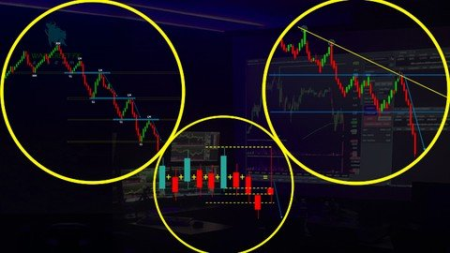
Deep Forex Trading: Trading LiquidityPool & Market structure
MP4 | Video: h264, 1280x720 | Audio: AAC, 44.1 KHz
Language: English | Size: 2.02 GB | Duration: 4h 24m
Learn to setup and trap liquidity pool and Market Structure
What you'll learn​

Setup and Trap Liquidity pool with Confluence
Setup and Trap Liquidity pool with Order block driven Supply/Demand zone
Setup and Trap Liquidity pool with Price Trap
Setup and Trap auction market with market structure
Setup and Trap market swings with Candle mathematics
Requirements
Good understanding of Forex Market
A willingness to advance in trading
Mindset of the market makers
Open mind
Description
This course will teach you deep, expert and advance Forex Trading Strategy. We will discuss five advance strategies where we will learn how to setup entry traps in liquidity pool and Market Structure through Auction market, Institutional Supply/Demand order block, Price Trap, Confluence of Fibonacci and Trendline, Confluence of Resistance/Support and Trendline. We will establish that whenever Demand exceeds supply, price rises and whenever Supply exceeds demand price falls which is instrumental in understanding and trading Market structure. You learn market reactions when the big banks are entering or exiting the market after collecting orders before the retail traders come in, and when the retail traders come in, the big banks come back in but this time not to collect orders but to hunt for retail traders stop loss, you will also understand these theories and how to be ahead of the actions of the big banks and retail traders. You will learn how to determine entries within the forces of demand and supply. You will understand relationship between pullback and previous swing. You will also learn how to determine market direction by applying mathematics to two swing high/low candles or consolidation candles to become one candle to determine market future direction.
Who this course is for
Forex Traders
Futures Traders
Stock Traders
Bitcoin Traders
Indices Traders
Screenshots


cf25b25b-78dc-4a40-987d-e9bd20ec58ed.png

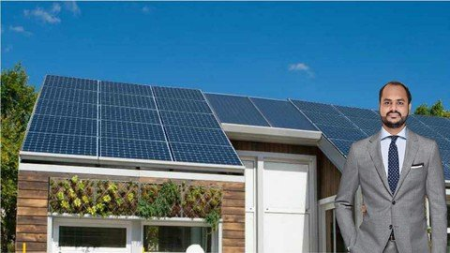
Design of Solar Home Systems for Beginners (Solar Energy)
MP4 | Video: h264, 1280x720 | Audio: AAC, 44.1 KHz
Language: English | Size: 1.51 GB | Duration: 3h 9m​

Learn Design of Solar Home System with Prof. Kiran Beldar
What you'll learn
Introduction to Solar Home System
Analysis of Power Consumption of Various Home Appliances
Electric Power Consumption of Home Appliance in Watt
Estimation of Approx. Monthly Energy Bill in kWh
Off Grid Solar Rooftop System or Standalone Solar System
Hybrid Solar Rooftop System
Different Layouts of Solar Home System
Selection of Solar Panels for Solar Home System
Types of Solar Panels
How to Read Datasheet of Solar Panel for Best Panel Selection
Calculation of Approximate Number of Solar Panels in Solar Home System
Selection of Solar Inverter or UPS for Solar Home System
Solar Inverter vs Normal Inverters
Sizing of Solar Inverter in Solar Home System
Selection of Solar Charge Controller for Solar Home System
Introduction to Solar Charge Controller
Sizing of Solar Charge Controller
Selection of Solar Batteries for Solar Home System
Introduction to Solar Batteries
Sizing of Solar Batteries as per design
Design Case Study for Solar Home Systems for DC Load
Design Case Study for Solar Home Systems for AC Load
Requirements
Nothing
Description
Welcome to your course "Design of Solar Home Systems for Beginners (Solar Energy)" this course is designed for the students who wants to endeavour their knowledge in rooftop solar power plant designing for their projects, for the solar technician who wants to know optimum power generation from the solar power plant, for the job seekers who wants to get jobs in solar industry, for the entrepreneur who wants to make career in solar energy.
This course is the explains the very basic concept belongs to solar home System installation design.
Outline
1] Introduction to Solar Home System
2] Analysis of Power Consumption of Various Home Appliances
- Electric Power Consumption of Home Appliances
- Estimation of Approx. Monthly Energy Bill in kWh
3] Types and Layout of Solar Home System
- Off Grid Solar Home System
- Hybrid Solar Home System
- Layout of Solar Home System
4] Selection of Solar Panels for Solar Home System
- Different Types of Solar Panels
- How to Read Datasheet of Solar Panel for Best Panel Selection
- Calculation of Approximate Number of Solar Panels in Solar Home System
5] Selection of Solar Inverter or UPS for Solar Home System
- Solar Inverter vs Normal Inverters
- Sizing of Solar Inverter in Solar Home System
6] Selection of Solar Charge Controller for Solar Home System
- Introduction to Solar Charge Controller
- Sizing of Solar Charge Controller
7] Selection of Solar Batteries for Solar Home System
- Introduction to Solar Batteries
- Sizing of Solar Batteries as per design
8] Design Case Study for Solar Home Systems for DC Load
9] Design Case Study for Solar Home Systems for AC Load
Who this course is for
Those who interested to Learn
Screenshots


1b065927-a283-42f4-95fb-88339d1584c8.png

Java 17 Essential Training: Syntax and Structure
MP4 | Video: h264, 1280x720 | Audio: AAC, 44.1 KHz, 2 Ch
Skill Level: Beginner | Genre: eLearning | Language: English + srt | Duration: 2h 31m | Size: 377 MB

Java is one of the most popular programming languages in the world, running on billions of devices across the globe. As such, being able to program in Java is a highly sought-after skill. This course with certified Java developer Angie Jones provides the foundation for learning how to program with the most recent Long-Term-Support (LTS) release, Java 17. Angie shows how to install Java and the IntelliJ IDEA Community Edition IDE and start working with variables, data types, and other critical language components. She also helps you control program flow with conditional logic and loops, store data with Java collections, and understand how Java implements object-oriented coding principles such as inheritance. Angie also offers challenges along the way so you can test your skills as you go.
Homepage


Zurück
Oben Unten