• Regeln für den Video-Bereich:

    In den Börsenbereich gehören nur Angebote die bereits den Allgemeinen Regeln entsprechen.

    Einteilung

    - Folgende Formate gehören in die angegeben Bereiche:
    - Filme: Encodierte Filme von BluRay, DVD, R5, TV, Screener sowie Telesyncs im Format DivX, XviD und x264.
    - DVD: Filme im Format DVD5, DVD9 und HD2DVD.
    - HD: Encodierte Filme mit der Auflösung 720p oder darüber von BluRay, DVD, R5, TV, Screener sowie Telesyncs im Format x264.
    - 3D: Encodierte Filme von BluRay, die in einem 3D Format vorliegen. Dies gilt auch für Dokus, Animation usw.
    - Serien: Cartoon/Zeichentrick, Anime, Tutorials, Dokumentationen, Konzerte/Musik, Sonstiges sind demnach in die entsprechenden Bereiche einzuordnen, auch wenn sie beispielsweise im High Definition-Format oder als DVD5/DVD9/HD2DVD vorliegen. Ausnahme 3D.
    - Bereich Englisch: Englische Releases gehören immer in diesen Bereich.
    - Bereich Talk: Der Bereich, in dem über die Releases diskutiert werden kann, darf, soll und erwünscht ist.


    Angebot/Beitrag erstellen

    - Ein Beitrag darf erst dann erstellt werden, wenn der Upload bei mindestens einem OCH komplett ist. Platzhalter sind untersagt.
    - Bei einem Scenerelease hat der Threadtitel ausschließlich aus dem originalen, unveränderten Releasenamen zu bestehen. Es dürfen keine Veränderungen wie z.B. Sterne, kleine Buchstaben o.ä. vorgenommen werden. Ausnahme Serienbörse:
    - Bei einem Sammelthread für eine Staffel entfällt aus dem Releasename natürlich der Name der Folge. Beispiel: Die Simpsons S21 German DVDRip XviD - ITG
    - Dementsprechend sind also u.a. verboten: Erweiterungen wie "Tipp", "empfehlenswert", "only", "reup", usw. / jegliche andere Zusatzinformation oder Ergänzung, welche nicht in obiger Beschreibung zu finden ist.

    Aufbau des Angebots und Threadtitel

    Der Titel nach folgendem Muster erstellt zu werden. <Name> [3D] [Staffel] [German] <Jahr> <Tonspur> [DL] [Auflösung] <Quelle> <Codec> - <Group>
    Beispiel: The Dark Knight German 2008 AC3 DVDRip XviD - iND
    Beispiel: The Dark Knight 2008 DTS DL BDRip x264 - iND
    Beispiel: The Dark Knight 2008 AC3 DL BDRip XviD - iND
    Beispiel: The Dark Knight German 2008 AC3 720p BluRay x264 iND
    Beispiel: The Dark Knight 2008 DTS DL 1080p BluRay x264 iND
    Beispiel: Die Simpsons S01 German AC3 DVDRip XviD iND
    Beispiel: Die Simpsons S20 German AC3 720p BluRay x264 iND
    Beispiel: Sword Art Online II Ger Sub 2014 AAC 1080p WEBRip x264 - peppermint
    Entsprechend sind also u.a. verboten: Sonderzeichen wie Klammern, Sterne, Ausrufezeichen, Unterstriche, Anführungszeichen / Erweiterungen wie "Tipp", "empfehlenswert", "only", "reup", usw. / jegliche andere Zusatzinformation oder Ergänzung, welche nicht in obiger Beschreibung zu finden ist
    Ausnahmen hiervon können in den Bereichen geregelt sein.

    Die Beiträge sollen wie folgt aufgebaut werden:
    Überschrift entspricht dem Threadtitel
    Cover
    kurze Inhaltsbeschreibung
    Format, Größe, Dauer sind gut lesbar für Downloader außerhalb des Spoilers zu vermerken
    Nfo sind immer Anzugeben und selbige immer im Spoiler in Textform.
    Sind keine Nfo vorhanden z.B. Eigenpublikationen, sind im Spoiler folgende Dateiinformationen zusätzlich anzugeben :
    Quelle
    Video (Auflösung und Bitrate)
    Ton (Sprache, Format und Bitrate der einzelnen Spuren)
    Untertitel (sofern vorhanden)
    Hosterangabe in Textform außerhalb eines Spoiler mit allen enthaltenen Hostern.
    Bei SD kann auf diese zusätzlichen Dateiinformationen verzichtet werden.

    Alle benötigten Passwörter sind, sofern vorhanden, in Textform im Angebot anzugeben.
    Spoiler im Spoiler mit Kommentaren :"Schon Bedankt?" sind unerwünscht.


    Releases

    - Sind Retail-Release verfügbar, sind alle anderen Variationen untersagt. Ausnahmen: Alle deutschen Retail-Release sind CUT, in diesem Fall sind dubbed UNCUT-Release zulässig.
    - Im Serien-Bereich gilt speziell: Wenn ein Retail vor Abschluss einer laufenden Staffel erscheint, darf diese Staffel noch zu Ende gebracht werden.62
    - Gleiche Releases sind unbedingt zusammenzufassen. Das bedeutet, es ist zwingend erforderlich, vor dem Erstellen eines Themas per Suchfunktion zu überprüfen, ob bereits ein Beitrag mit demselben Release besteht. Ist dies der Fall, ist der bereits vorhandene Beitrag zu verwenden.
    - P2P und Scene Releases dürfen nicht verändert oder gar unter einem iND Tag eingestellt werden.


    Support, Diskussionen und Suche

    - Supportanfragen sind entweder per PN oder im Bereich Talk zu stellen.
    - Diskussionen und Bewertungen sind im Talk Bereich zu führen. Fragen an die Uploader haben ausschließlich via PN zu erfolgen, und sind in den Angeboten untersagt.
    - Anfragen zu Upload-Wünschen sind nur im Bereich Suche Video erlaubt. Antworten dürfen nur auf Angebote von MyBoerse.bz verlinkt werden.


    Verbote

    - Untersagt sind mehrere Formate in einem einzigen Angebotsthread, wie beispielsweise das gleichzeitige Anbieten von DivX/XviD, 720p und 1080p in einem Thread. Pro Format, Release und Auflösung ist ein eigener Thread zu eröffnen.
    - Grundsätzlich ebenso verboten sind Dupes. Uploader haben sich an geeigneter Stelle darüber zu informieren, ob es sich bei einem Release um ein Dupe handelt.
    - Gefakte, nur teilweise lauffähige oder unvollständige Angebote sind untersagt. Dies gilt auch für eigene Publikationen, die augenscheinlich nicht selbst von z.B. einer DVD gerippt wurden. Laufende Serien, bei denen noch nicht alle Folgen verfügbar sind, dürfen erstellt und regelmäßig geupdatet werden.
    - Untersagt sind Angebote, welche nur und ausschließlich in einer anderen Sprache als deutsch oder englisch vorliegen. Ausnahmen sind VORHER mit den Moderatoren zu klären.


    Verstoß gegen die Regeln

    - Angebote oder Beiträge, die gegen die Forenregeln verstoßen, sind über den "Melden"-Button im Beitrag zu melden.
  • Bitte registriere dich zunächst um Beiträge zu verfassen und externe Links aufzurufen.


Englische Tutorials


7da50f1c18d08c576f78a5814d62db13.jpg

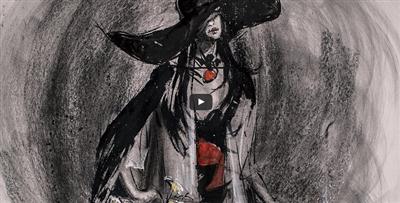
The Gnomon Workshop - Developing Storytelling Skills from Life
Duration: 3hr 6m | Video: h264, yuv420p, 1440x900 30fps | Audio: aac, 44100 Hz, 2 ch | 4.7 GB
Genre: eLearning | Language: English​

Working with a costumed model, April Connors demonstrates how to use traditional media to experiment with the concepts of characterization, storytelling, tone and mood. April begins with short poses that focus on warming up the arm and mind, feeling her way through gestures and actions with media suited for speed.

She then moves on to longer poses where ideas can be developed, consciously choosing media that reflect the goal for each pose, whether it is a five-minute story scenario in marker, a bright and colorful character expression study, or a moody and brooding black and white charcoal sketch. The demonstration prioritizes the influence of story on character design using body language, expression, mood and costume. April explores various media such as permanent media, pastel, dry and wet mixed media, texture, brush pen, charcoal and water color. For those interested in developing their skills with characterization in the context of a narrative illustration, this title offers a variety of inspired and masterfully executed techniques, thought processes and workflow.

Recommend Download Link Hight Speed | Please Say Thanks Keep Topic Live ​
 

4193077c51fe4d119243809286502013.jpg

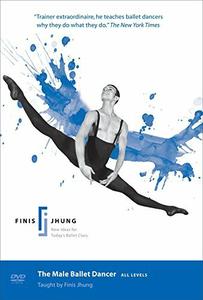
The Male Ballet Dancer
DVDRip | English | AVI | 640 x 480 | H264 ~503 kbps | 29.970 fps
AC-3 128 Kbps 48.0 KHz | 2 channels | 01:13:52 | 339.7 MB​

Genre: eLearning Video / Ballet, Classical Dance
Get ready for a jaw-dropping, eye-popping experience as you watch Gold-Silver-Bronze Medalist Joseph Michael Gatti perform the variations from Black Swan and Le Corsaire and then show "How It's Done" with Finis Jhung. Here is a thrilling display of the male bravura technique - all the virtuoso steps that stop the show and make audiences stand and cheer. Joe's ability to turn is uncanny - he finishes most all his turns, including 9 pirouettes - on demi-pointe.

His air turns are big and juicy, and his "trick" jumps are electrifying. Movement-by-movement, Finis and Joe go through all the steps and break down the preparations and main ideas. To help you better understand the mechanics of turns and jumps, Finis uses his teaching toys. This video is a Winner!

A master class - spectacular dancing, plus a detailed analysis of male bravura technique.

Recommend Download Link Hight Speed | Please Say Thanks Keep Topic Live ​
 

9e4eeba63d189a3a69e0d4e04539120b.jpg

Top 6 Ways to Monetize your Facebook Groups
Duration: 56m | Video: h264, yuv420p, 1280x720 30fps | Audio: aac, 44100 Hz, 2 ch | 863 MB
Genre: eLearning | Language: English​

In this Class, you will learn the TOP 6 Ways to Monetize your Facebook Groups. And you will learn how to Create and Optimize your Facebook Group so you can reach more people and engage the members of your Facebook group to participate.

As a Bonus, you will have access to millions of Royalty Free images that you can use on your Facebook, Instagram or in any project you have, and at the end, we'll create a Stunning Facebook cover image for your Group.

Recommend Download Link Hight Speed | Please Say Thanks Keep Topic Live ​
 

5f58b05ba62abf8e91958c6391785408.jpg

Train Simple - Animate CC Lip Syncing
Duration: 4 Hours | Video: h264, yuv420p, 1280x720 30fps | Audio: aac, 44100 Hz, 2 ch | 1.07 GB
Genre: eLearning | Language: English​

In this course instructor Chad Troftgruben shows you how to sync audio to an animated character in Animate CC using keyframes, classic tweens,and shape tweens.

Recommend Download Link Hight Speed | Please Say Thanks Keep Topic Live ​
 

8f92daf9bb4434b6c91bab08492eedb1.jpg

Train Simple - DSLR Video Fundamentals
Duration: 1hr 30m | Video: h264, yuv420p, 1280x720 30fps | Audio: aac, 44100 Hz, 2 ch | 1.5 GB
Genre: eLearning | Language: English​

In DSLR Video Fundamentals, you'll learn how to use a DSLR camera for video recording. You'll first get the camera ready to record video, and learn about how video works. Then, you'll learn how to handle the camera while shooting video. Then you'll learn about setting a full manual exposure, and finally how to choose lenses for your shots. By the end of this course, you'll be on your way to shooting professional level video with a DSLR camera.

Recommend Download Link Hight Speed | Please Say Thanks Keep Topic Live ​
 

c0ce874e5a1d4d5fcda28b4c70fc757f.jpg

KelbyOne - Transform Your Home into a Professional Photography Studio, Part 2
Duration: 61m | Video: h264, yuv420p, 1920x1080 30fps | Audio: aac, 44100 Hz, 2 ch | 1.07 GB
Genre: eLearning | Language: English​

Join Rick Sammon for part 2 of his series on how to transform your home into a professional photography studio! Building on his previous class, Rick takes it to the next level by bringing in more advanced accessories, more advanced lighting techniques, and a professional model to show you a whole new set of tips and techniques that are easy to replicate.

You'll be surprised to see that without spending a lot of money or time, you can channel your energy and creativity into getting studio quality results in your own home. In each lesson Rick discusses the gear you'll need, how to set it up, how to work with your subject, and then shows you how to get the shot.

Recommend Download Link Hight Speed | Please Say Thanks Keep Topic Live ​
 

73647d58237dd4e34726a448646c896c.jpg

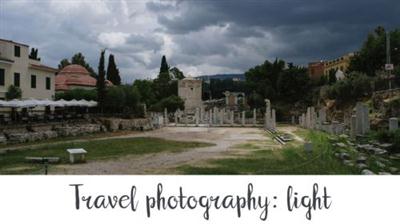
Travel Photography: Use Any Light to Create Stunning Pictures
MP4 | Video: AVC 1280x720 | Audio: AAC 44KHz 2ch | Duration: 23M | 441 MB
Genre: eLearning | Language: English​

Once you become interested in photography it is really hard (sometimes almost impossible) to just walk around new places without your camera attached to your body.

You may end up seeing the whole trip through your lens (and on a computer screen afterwards). Which is not really a good thing, unless you are paid for your travel photographs.

So my advice is to find a balance. Dont just spray and pray that something will turn out ok. It will, given you take a tons of pictures, but the point of traveling is to experience new places and you have to take your experience beyond your camera.

In order to do so, it is very good to know in advance a few practical techniques that will allow you to compose and capture images faster.

In these short and sweet series of travel photography classes I will talk about light, composition, making portraits and some other helpful tips you may find quite useful. I decided to break these topics into separate classes so it will be easier to digest.

Recommend Download Link Hight Speed | Please Say Thanks Keep Topic Live ​
 

8b37b89911c2e2ca4c237c036892c6e6.jpg

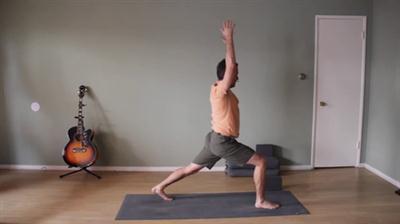
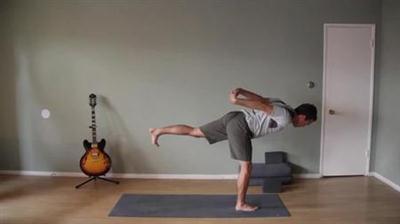
Travis Eliot - Flow and Go Yoga Series
WEBRip | English | MP4 | 1280 x 720 | AVC ~1000 kbps | 25 fps
AAC | 159 Kbps | 44.1 KHz | 2 channels | 01:53:49 | 948.3 MB​

Genre: eLearning Video / Yoga, Health
Short yoga classes from Travis, all approx 10 mins, for when you want a quick workout and don't have much time.

Includes:
Balance
Cardio
Cross Train
Detox
Flexibility
Gentle
Mountain Pose
Strength
Vitality
Yin

Recommend Download Link Hight Speed | Please Say Thanks Keep Topic Live ​
 

3baf4ba512acdf77d05e7beeee15e1ca.jpg

Travis Eliot - Power Yoga Series
WEBRip | English | MP4 | 1280 x 720 | AVC ~1000 kbps | 25 fps
AAC | 160 Kbps | 44.1 KHz | 2 channels | 04:54:18 | 2.4 GB​

Genre: eLearning Video / Yoga, Health
Power yoga series presented by Travis with different themed yoga classes each lasting approx 30 min.

Includes:
Archer
Backbends
Balance
Cardio
Cross Train
Detox
Flexibility
Kung Fu
Strength

Recommend Download Link Hight Speed | Please Say Thanks Keep Topic Live ​
 

960dd239e8bd6953d5f31a7b7d3dd9cf.jpg

Travis Eliot - Yoga Basics Series
WEBRip | English | MP4 | 1280 x 720 | AVC ~1000 kbps | 25 fps
AAC | 159 Kbps | 44.1 KHz | 2 channels | 01:53:49 | 1.11 GB​

Genre: eLearning Video / Yoga, Health
Basic yoga classes presented by Travis, ideal for those new to yoga or if you want a less strenuous class.

Includes:
Yoga Basics 1 31.26
Yoga Basics 2 31.42
Yoga Basics 3 34.19
Yoga Basics 4 39.18

Recommend Download Link Hight Speed | Please Say Thanks Keep Topic Live ​
 

0476bfd1b6be8a38d14cba39dd71b1ca.jpg

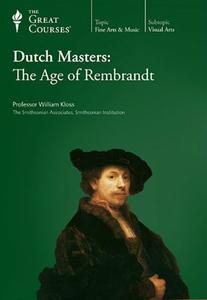
TTC Video - Dutch Masters: The Age of Rembrandt
Course No. 7180 | .AVI, XviD, 1159 kbps, 576x432 | English, MP3, 128 kbps, 2 Ch | 36x30 mins | 9.56 GB
Lecturer: William Kloss, M.A.​

Holland in the 17th century was home to the most remarkable concentration of artistic talent and accomplishment in modern history. From this tiny land came the great masters Vermeer, Frans Hals, Jan Steen, Pieter de Hooch, and Rembrandt, as well as an abundant assembly of memorable artists.

To this day, these compelling pictures take our breath away-an unrivalled heritage of portraits, still lifes, landscapes, marine paintings, and profoundly observant images of everyday Dutch life that continue to grace museums throughout Europe and America.

Why are our eyes mesmerized by the glistening stream issuing from the pitcher in Vermeer's The Milkmaid? How does our understanding deepen with each moment we spend taking in the revealing details of his Woman Holding a Balance? What are the means that create the self-contained intimacy that glows from de Hooch's A Mother's Duty, or from his Interior with Women Beside a Linen Chest?

We are forever astonished by the inclusive sweep of Rembrandt's art, which encompasses the brooding power of The Mill and the moving immediacy of The Jewish Bride. That unsurpassed image of human devotion was painted with such astonishing bravura that Vincent Van Gogh, sitting spellbound before the painting in Amsterdam's Rijksmuseum two centuries later, was impelled to say: "One must have died several times to paint like that."

Learn What Made the Art of Holland so Special

What was it that made Holland so special, that nourished great masters and produced artists like Jan van de Cappelle, Meindert Hobbema, Jacob van Ruisdael, Pieter Saenredam, Gerard ter Borch, Hendrick Terbrugghen, and so many others?

And what of the extraordinary technical ability of Holland's artists? They commanded a realistic technique so descriptive and alive that their work seemed like a transcription of life itself. Many people today think of the Dutch artists as "realists." But is this really true? Were they, instead, the creators of a parallel reality-often preoccupied with concerns of faith and morality, and expressing deeper truths through the familiar realities they were painting?

Dutch Masters: The Age of Rembrandt will introduce you to the art of 17th-century Holland. It traces the development of this renowned, independent school of painting, and the great seafaring nation that produced the new society that would be reflected in that new art. The course concludes with the achievements of Holland's greatest and most versatile genius, Rembrandt, whose range of work-including his remarkable etchings-claims the final seven lectures.

Your introduction to this marvelous world is a visually sumptuous one, as Professor William Kloss-well known to Teaching Company customers from his A History of European Art and Great Artists of the Italian Renaissance-shows you the work of more than 100 artists and guides you through more than 450 masterful paintings.

How Deep Meaning Can Hide in the Tiniest Detail
Painting by painting, you'll see how each artist's technical choices-about composition, lighting, color, or brushstrokes, to name a few-contribute to a work's overall impact and statement. And you'll see how even the smallest detail of content can speak volumes. For instance, the artist may depict a room and include a painting hanging on a wall within that room, and that painting within the painting may have significant meaning. The same may be true of an artist's choice of background props or secondary figures in the painting.

Dutch artists created paintings that offered insights into history and commerce. They created great religious works that not only interpret biblical narratives but address the spiritual conflicts of the period. And they also placed on canvas every facet of daily domestic and social life in "genre" paintings, one of the most characteristic categories of Dutch art.

Whether you're new to art or an experienced museumgoer, Dutch Masters: The Age of Rembrandt is a delight, filled with insights into the explosive inventiveness of Dutch art as it interpreted and reinvented the reality of Holland-the most dynamic nation in 17th-century Europe.

36 Lectures
01. Art and Society in 16th-Century Netherlands
02. The Years of Crisis in the Netherlands
03. Art in Haarlem and Utrecht, c. 1530-1625
04. Facing the Truth-Candid Portraits
05. Dutch Portraits, c. 1635-75
06. Frans Hals-The Early Years
07. Frans Hals-Civic Group Portraits
08. Frans Hals-Later Portraits
19. Town and City
10. Daily Life in the Town
11. Daily Life in the Home
12. Music and the Studio
13. Jan Steen-Order and Disorder in Dutch Life
14. Pieter de Hooch and Quietude
15. Art in Delft
16. Johannes Vermeer, c. 1655-60
17. Johannes Vermeer, c. 1660-65
18. Johannes Vermeer, c. 1665-70
19. Still-Life Painting, c. 1620-54
20. Still-Life Painting, c. 1652-82
21. Landscape Painting-The Early Decades
22. Landscapes of Jan van Goyen and Rembrandt
23. Foreign Landscapes
24. Landscape Painting in the 1640s and 1650s
25. Jacob van Ruisdael
26. Dutch Landscape Painting until 1689
27. Marine Painting
28. The Moral of the Story-History Painting
29. The Decoration of the Amsterdam Town Hall
30. Rembrandt to 1630
31. Rembrandt in Amsterdam, 1631-34
32. Rembrandt and the Baroque Style
33. Rembrandt's Personal Baroque Style
34. Rembrandt's Etchings
35. Rembrandt in the 1650s
36. Rembrandt's Last Years

Recommend Download Link Hight Speed | Please Say Thanks Keep Topic Live ​
 

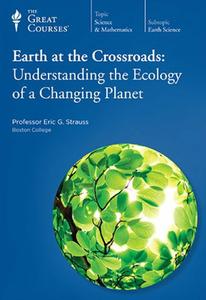
853c837676052b36e4445aa4ffff56c4.jpg

TTC Video - Earth at the Crossroads: Understanding the Ecology of a Changing Planet
Course No. 1720 | .AVI, XviD, 681 kbps, 640x480 | English, MP3, 128 kbps, 2 Ch | 36x30 mins | + PDF Guidebook | 6.75 GB
Lecturer: Eric G. Strauss, Ph.D.​

Every plant, microorganism, and animal on Earth exists within an ecosystem: a complex network of interdependent relationships in which each individual strand is important and contributes to the success of the whole. Ecosystems, in turn, interact with one another to form the biosphere: the zone of life on our planet.

But these systems, so important to the world around us, are far from stable. Instead, ecosystems are constantly changed by the pressures of biological, geological, and physical forces. In addition, the rapid growth of human populations and their attendant technologies has created unprecedented forces of ecological change. Only when you look beyond the individual level and observe how populations of different species interact with themselves, with other species, and with their physical environment, as well as how they respond and adapt to change, can you fully understand how life truly works.

Now, with Earth at the Crossroads: Understanding the Ecology of a Changing Planet, you can explore the rich interconnections that make up the great and fascinating web of life on Earth. In this compelling 36-lecture course, behavioral ecologist Eric G. Strauss of Boston College provides you with a comprehensive overview that is a hallmark of the study of ecology. With Professor Strauss as your guide, you'll investigate the remarkably complex workings of Earth's biosphere and learn about the myriad forces that shape the world's habitats, from the movement of water and nutrients within an ecosystem to the reproductive strategies employed by plants and animals around the world.

As you delve into the biosphere's intricate network of relationships, you develop a deeper appreciation of the rich complexity of the life around you. You'll also strengthen your understanding of some of the most important debates in current affairs, including questions of climate change, protection of endangered species, and alternative energy sources. Earth at the Crossroads exposes you to the science behind these debates, allowing you to develop your own opinions and back them up with the latest scientific evidence.

Examine Ecology's Most Intriguing Questions

The key to understanding and bringing to life these relationships lies in the field of ecology. A science that has come into its own during the modern era, ecology helps humans comprehend-and put into a more coherent perspective-the "big picture" of life on Earth.

In Earth at the Crossroads, you examine the same intriguing questions that ecologists themselves contemplate as they study life from this unique perspective:

What forces shape the living systems around us?
How do relationships like predation and competition affect communities of organisms?
What happens when a new organism is introduced into an environment?
How does climate change affect plants and animals in a single ecosystem-or even the world at large?

And perhaps the most crucial question of all:

What role do you as a member of Earth's living community play, and how can you use your understanding of these complex patterns to ensure that you and your fellow organisms survive and thrive?

The field of ecology is an applied science whose impact can be felt in a range of areas. The knowledge gained from the study of Earth's living systems has allowed us to

conserve endangered habitats,
more wisely manage our natural resources,
produce higher and healthier yields of agriculture,
better prepare for public health concerns, and
understand how highly artificial environments such as major cities follow the same rules as more "natural" environments.

Understand the Complexity of Life on Earth

Earth at the Crossroads opens with an introduction in which you explore the development of ecology as a scientific discipline distinct from biology and other related areas of study. Through vivid examples and accessible explanations, Professor Strauss explicates the field's key theories and raises thought-provoking questions that motivate scientists in this vital area of study.

Next, you move into the fundamental topics covered in the field, which are explored in three units:

In lectures 5 through 18, you examine the important forces that impact ecosystems, such as the way energy, nutrients, and water are used and recycled in these systems.
In lectures 19 through 32, you focus on specific ecological interactions and processes, including microevolution, population growth, migration, disease, and coevolution.
In lectures 33 through 36, you consider some of the latest scientific contributions that suggest how we can intervene in ecosystems in a beneficial way.

Throughout the course, you also learn about the remarkable and often surprising ways that organisms compete, coexist, and cooperate:

The interaction of ants and aphids: Living in a relationship not unlike that of the farmer and the dairy cow, ants harvest the nutritious fluid that aphids suck from plants while protecting their wards from predators.
The survival strategies of the Monarch butterfly and its imitators: Monarchs feed on poisonous milkweed, which makes them toxic to predators, a fact they signal with their bright coloration. Other species have developed similar markings to "trick" predators into leaving them alone.
The surprising relationship between wolves, elks, and river ecosystems in Yellowstone National Park: When the park's wolves were almost hunted to extinction, populations of elk skyrocketed while nearby river ecosystems declined. Freed from the pressure of predation, the elk were able to graze these fragile ecosystems, damaging them significantly. When wolf populations were restored, the elk returned to their traditional habitats, and the river systems revived.
The paradoxical relationship between humans and bacteria: As people increasingly use antibacterial soaps, antibiotics, and disinfectants to protect themselves against microbial disease, they drive these organisms to develop a tolerance to these products, putting human beings at an even greater risk of infection by "superbugs."

As you explore these fascinating examples, you experience the sense of wonder that is at the heart of the study of ecology.

The Whole Earth: City and Country

Delving deeply into ecology, you quickly see that this field of study extends beyond what we usually think of as "nature." Ecologists espouse a "whole Earth" view that incorporates both pristine wilderness regions and modern urban settings. From this perspective, the city is simply another form of ecosystem, alive with organisms that are interconnected in complex relationships.

You examine how wildlife adapts to new urban settings, as seen in the example of hawks that thrive on the tops of skyscrapers and feed on urban pigeons. Earth at the Crossroads also illuminates how city settings can generate their own microclimates, evidenced in the "heat island effect," in which the reduced greenery and increased hot, bare surfaces produce higher urban temperatures.

This examination of life in the modern world also takes you to the suburbs, where you'll discover an abundance of life forms dwelling in complicated relationships that rival the complexity of wilderness communities.

Professor Strauss is the perfect guide for exploring the ecological implications of our modern world. As a specialist in urban ecology, he brings classic and cutting-edge scientific studies to bear on his consideration of urban populations, suburban spread, and the ways in which human populations affect and are affected by the ecosystems in which they live.

Humankind's Place in the Biosphere

As you ponder life in these varying ecosystems-both wilderness and urban-you ultimately arrive at an intriguing question: What role does humankind play in this great web of life?

As Professor Strauss explains, humanity has a unique role in the world. We have an unprecedented capacity to shape the biosphere and make thoughtful, informed choices about the actions we take.

In this course, you see how human history is full of examples of how we as a species have changed the world around us, from the development of agriculture to the spread of often-dangerous chemicals that can alter the genetic material of living organisms. But it's also a history of successes and solutions, as innovative scientists and engineers have developed new technologies and practices that allow humankind to thrive while reducing our impact on other species.

As Professor Strauss considers the role humans play in the biosphere, he provides examples of both humankind's mistakes and innovations. The result is a thoughtful and balanced consideration of the role of humanity within Earth's living communities-one that will allow you to develop better-informed opinions regarding crucial questions about the world in which we live.

The Great Web of Life Made Accessible

The goal of ecology is to provide a comprehensive view of the world as an interconnected complex of relationships. In Earth at the Crossroads, this complicated topic is made accessible by an experienced and accomplished instructor. Professor Strauss provides an engaging and thorough overview of this intriguing field of study through the use of compelling anecdotes, easy-to-follow explanations, and helpful visual aids. A leading scholar and researcher in urban ecology, Professor Strauss presents cutting-edge findings that encourage a "whole world" perspective on life on this planet.

Join Professor Strauss as he traces the fascinating links that are at the heart of the study of ecology. You'll discover new ways to view the world of surprise and wonderment that exists all around us in this great web of life.

36 Lectures
01 An Ecological Diagnosis of the Living Earth
02 Humanity and the Tragedy of the Commons
03 Ecology-Natural History to Holistic Science
04 Ecology as a System-Presses and Pulses
05 Climate and Habitat-Twin Ecological Crises
06 Human Society as Ecological Driver
07 Movement of Energy through Living Systems
08 Humans as Energy Consumers
09 Nutrient Cycling in Ecosystems
10 The Challenges of Waste and Disposal
11 The Water Cycle and Climate
12 Human Water Use and Climate Change
13 Rain and Heat-Forces That Shape Climate
14 The Ecology of Global Climate Change
15 How Living Organisms Acquire Food
16 The Ecological Consequences of Agriculture
17 Food, Energy Flows, Biomagnification
18 The Human Ecology of Biomagnification
19 The Ecological Community as a Living Mosaic
20 Wildlife Adaptation to Human Landscapes
21 Biodiversity, Disturbance, Invasive Species
22 Biodiversity Decline and Restoration Ecology
23 Microevolution and Biological Variation
24 Human Impacts on Ecological Space and Time
25 Population Growth and Its Natural Limits
26 The Human Shift to an Urban Lifestyle
27 The Ecology of Dispersal and Migration
28 Human Impacts on Animal Migration
29 Ecology and Economy of Sex and Reproduction
30 Cities and the Human Demographic Transition
31 Coevolution among Species
32 The Coevolution of Human Diseases
33 Strategies for Reversing Ecosystem Decline
34 Designing Spaces for Wildlife
35 Toward Sustainable Urban Ecosystems
36 Recovering Ecosystems-Hope for the Future

Recommend Download Link Hight Speed | Please Say Thanks Keep Topic Live ​

 
Zurück
Oben Unten