

• Regeln für den Video-Bereich:

    In den Börsenbereich gehören nur Angebote die bereits den Allgemeinen Regeln entsprechen.

    Einteilung

    - Folgende Formate gehören in die angegeben Bereiche:
    - Filme: Encodierte Filme von BluRay, DVD, R5, TV, Screener sowie Telesyncs im Format DivX, XviD und x264.
    - DVD: Filme im Format DVD5, DVD9 und HD2DVD.
    - HD: Encodierte Filme mit der Auflösung 720p oder darüber von BluRay, DVD, R5, TV, Screener sowie Telesyncs im Format x264.
    - 3D: Encodierte Filme von BluRay, die in einem 3D Format vorliegen. Dies gilt auch für Dokus, Animation usw.
    - Serien: Cartoon/Zeichentrick, Anime, Tutorials, Dokumentationen, Konzerte/Musik, Sonstiges sind demnach in die entsprechenden Bereiche einzuordnen, auch wenn sie beispielsweise im High Definition-Format oder als DVD5/DVD9/HD2DVD vorliegen. Ausnahme 3D.
    - Bereich Englisch: Englische Releases gehören immer in diesen Bereich.
    - Bereich Talk: Der Bereich, in dem über die Releases diskutiert werden kann, darf, soll und erwünscht ist.


    Angebot/Beitrag erstellen

    - Ein Beitrag darf erst dann erstellt werden, wenn der Upload bei mindestens einem OCH komplett ist. Platzhalter sind untersagt.
    - Bei einem Scenerelease hat der Threadtitel ausschließlich aus dem originalen, unveränderten Releasenamen zu bestehen. Es dürfen keine Veränderungen wie z.B. Sterne, kleine Buchstaben o.ä. vorgenommen werden. Ausnahme Serienbörse:
    - Bei einem Sammelthread für eine Staffel entfällt aus dem Releasename natürlich der Name der Folge. Beispiel: Die Simpsons S21 German DVDRip XviD - ITG
    - Dementsprechend sind also u.a. verboten: Erweiterungen wie "Tipp", "empfehlenswert", "only", "reup", usw. / jegliche andere Zusatzinformation oder Ergänzung, welche nicht in obiger Beschreibung zu finden ist.

    Aufbau des Angebots und Threadtitel

    Der Titel nach folgendem Muster erstellt zu werden. <Name> [3D] [Staffel] [German] <Jahr> <Tonspur> [DL] [Auflösung] <Quelle> <Codec> - <Group>
    Beispiel: The Dark Knight German 2008 AC3 DVDRip XviD - iND
    Beispiel: The Dark Knight 2008 DTS DL BDRip x264 - iND
    Beispiel: The Dark Knight 2008 AC3 DL BDRip XviD - iND
    Beispiel: The Dark Knight German 2008 AC3 720p BluRay x264 iND
    Beispiel: The Dark Knight 2008 DTS DL 1080p BluRay x264 iND
    Beispiel: Die Simpsons S01 German AC3 DVDRip XviD iND
    Beispiel: Die Simpsons S20 German AC3 720p BluRay x264 iND
    Beispiel: Sword Art Online II Ger Sub 2014 AAC 1080p WEBRip x264 - peppermint
    Entsprechend sind also u.a. verboten: Sonderzeichen wie Klammern, Sterne, Ausrufezeichen, Unterstriche, Anführungszeichen / Erweiterungen wie "Tipp", "empfehlenswert", "only", "reup", usw. / jegliche andere Zusatzinformation oder Ergänzung, welche nicht in obiger Beschreibung zu finden ist
    Ausnahmen hiervon können in den Bereichen geregelt sein.

    Die Beiträge sollen wie folgt aufgebaut werden:
    Überschrift entspricht dem Threadtitel
    Cover
    kurze Inhaltsbeschreibung
    Format, Größe, Dauer sind gut lesbar für Downloader außerhalb des Spoilers zu vermerken
    Nfo sind immer Anzugeben und selbige immer im Spoiler in Textform.
    Sind keine Nfo vorhanden z.B. Eigenpublikationen, sind im Spoiler folgende Dateiinformationen zusätzlich anzugeben :
    Quelle
    Video (Auflösung und Bitrate)
    Ton (Sprache, Format und Bitrate der einzelnen Spuren)
    Untertitel (sofern vorhanden)
    Hosterangabe in Textform außerhalb eines Spoiler mit allen enthaltenen Hostern.
    Bei SD kann auf diese zusätzlichen Dateiinformationen verzichtet werden.

    Alle benötigten Passwörter sind, sofern vorhanden, in Textform im Angebot anzugeben.
    Spoiler im Spoiler mit Kommentaren :"Schon Bedankt?" sind unerwünscht.


    Releases

    - Sind Retail-Release verfügbar, sind alle anderen Variationen untersagt. Ausnahmen: Alle deutschen Retail-Release sind CUT, in diesem Fall sind dubbed UNCUT-Release zulässig.
    - Im Serien-Bereich gilt speziell: Wenn ein Retail vor Abschluss einer laufenden Staffel erscheint, darf diese Staffel noch zu Ende gebracht werden.62
    - Gleiche Releases sind unbedingt zusammenzufassen. Das bedeutet, es ist zwingend erforderlich, vor dem Erstellen eines Themas per Suchfunktion zu überprüfen, ob bereits ein Beitrag mit demselben Release besteht. Ist dies der Fall, ist der bereits vorhandene Beitrag zu verwenden.
    - P2P und Scene Releases dürfen nicht verändert oder gar unter einem iND Tag eingestellt werden.


    Support, Diskussionen und Suche

    - Supportanfragen sind entweder per PN oder im Bereich Talk zu stellen.
    - Diskussionen und Bewertungen sind im Talk Bereich zu führen. Fragen an die Uploader haben ausschließlich via PN zu erfolgen, und sind in den Angeboten untersagt.
    - Anfragen zu Upload-Wünschen sind nur im Bereich Suche Video erlaubt. Antworten dürfen nur auf Angebote von MyBoerse.bz verlinkt werden.


    Verbote

    - Untersagt sind mehrere Formate in einem einzigen Angebotsthread, wie beispielsweise das gleichzeitige Anbieten von DivX/XviD, 720p und 1080p in einem Thread. Pro Format, Release und Auflösung ist ein eigener Thread zu eröffnen.
    - Grundsätzlich ebenso verboten sind Dupes. Uploader haben sich an geeigneter Stelle darüber zu informieren, ob es sich bei einem Release um ein Dupe handelt.
    - Gefakte, nur teilweise lauffähige oder unvollständige Angebote sind untersagt. Dies gilt auch für eigene Publikationen, die augenscheinlich nicht selbst von z.B. einer DVD gerippt wurden. Laufende Serien, bei denen noch nicht alle Folgen verfügbar sind, dürfen erstellt und regelmäßig geupdatet werden.
    - Untersagt sind Angebote, welche nur und ausschließlich in einer anderen Sprache als deutsch oder englisch vorliegen. Ausnahmen sind VORHER mit den Moderatoren zu klären.


    Verstoß gegen die Regeln

    - Angebote oder Beiträge, die gegen die Forenregeln verstoßen, sind über den "Melden"-Button im Beitrag zu melden.
  • Bitte registriere dich zunächst um Beiträge zu verfassen und externe Links aufzurufen.

*** Bestes IPTV *** bester Preis *** gratis Test ***


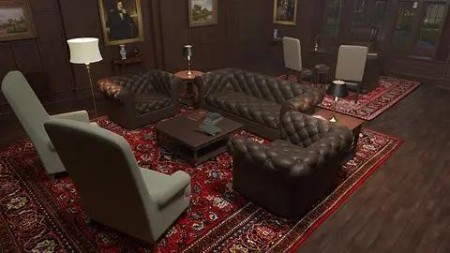
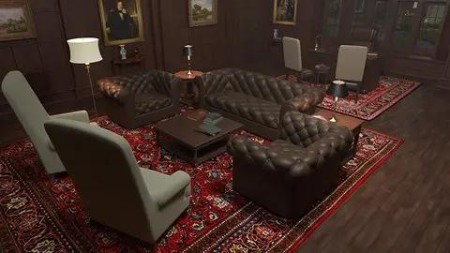
Create A Victorian Room With Blender And Substance Painter

Tutorials

MyBoerse.bz Pro Member
4ec432a192803741cfe6d69f2cafe20e.jpeg

Published 7/2022
MP4 | Video: h264, 1280x720 | Audio: AAC, 44.1 KHz
Language: English | Size: 13.92 GB | Duration: 18h 33m
Learn Blender while creating a detailed environment suitable for animation or games.

What you'll learn
Model 3D objects in Blender
Texture 3D models in Substance Painter
Render an animation using Blender's Cycles render engine
Edit a video with Blender's Video Sequence Editor
Requirements
Blender and Substance Painter are used in this course. The free paint program, Krita, is used briefly to edit images.
Description
In this course you'll learn how to create a detailed interior scene using tools and techniques that apply equally to both animation and video games. We'll use Blender to create the 3D models of the furniture, accessories, and the structure of the room. And then we'll work on UV mapping all of the 3D objects, getting them ready for export, and taking them into Substance Painter for texturing. You'll learn how to use layer masks in Substance Painter to quickly create realistic textures for your 3D objects.We'll set up a Blender export template in Substance Painter, and export our texture maps so that we can use Blender's Node Wrangler to easily apply the textures to our scene. Next we'll work on lighting the scene, and rendering using Blender's Cycles render engine. We'll animate the camera and use Blender's Video Sequence Editor to edit our rendered shots together. We'll even add some music and then render it all out to a single mp4 video file.If you're interested in creating environments for animation or video games, then this course is for you. You'll learn how to create a realistic, detailed scene from the first polygon to the final render. So join me as we "Create a Victorian Room with Blender and Substance Painter."
Overview
Section 1: Introduction
Lecture 1 Introduction to the Course
Lecture 2 Setting Up a Reference Figure
Section 2: Modeling the Furniture
Lecture 3 Beginning the Coffee Table
Lecture 4 Continuing the Coffee Table
Lecture 5 Finishing the Coffee Table
Lecture 6 Modeling the Round End Table
Lecture 7 Completing the Round End Table
Lecture 8 Starting the Arm Chair
Lecture 9 Refining the Shape of the Arm Chair
Lecture 10 Creating the Legs of the Chair
Lecture 11 Using the Path Tool
Lecture 12 Creating the Front Panels of the Arm Chair
Lecture 13 Finishing the Arm Chair
Lecture 14 Starting the Dining Chair
Lecture 15 Creating the Legs of the Dining Chair
Lecture 16 Modeling the Back of the Dining Chair
Lecture 17 Completing the Dining Chair
Lecture 18 Beginning the Chesterfield Sofa
Lecture 19 Finishing the Chesterfield Sofa
Lecture 20 Creating the Chesterfield Chair
Lecture 21 Beginning the Desk
Lecture 22 Adding the Drawers to the Desk
Lecture 23 Finishing the Desk
Lecture 24 Beginning the Desk Chair
Lecture 25 Creating the Cushions of the Desk Chair
Lecture 26 Modeling the Legs of the Desk Chair
Lecture 27 Finishing the Desk Chair
Lecture 28 Beginning the Wall Table
Lecture 29 Creating the Drawers and Legs of the Wall Table
Lecture 30 Finishing the Wall Table
Lecture 31 Beginning the Side Chair
Lecture 32 Working on the Legs of the Side Chair
Lecture 33 Finishing the Side Chair
Lecture 34 Starting the End Table
Lecture 35 Completing the End Table
Section 3: Modeling the Room
Lecture 36 Using Walk Navigation
Lecture 37 Blocking In the Walls and Panels
Lecture 38 Modeling the Mantel of the Fireplace
Lecture 39 Continuing the Fireplace
Lecture 40 Using the Boolean Modifier
Lecture 41 Placing the Fireplace in the Room
Lecture 42 Creating the Door Opening and Hallway
Lecture 43 Modeling the Door Panels
Lecture 44 Working on the Wall Details
Lecture 45 Adding the High Windows
Lecture 46 Finishing the Wood Panels
Lecture 47 Finishing the Window Frames
Section 4: UV Mapping the Furniture
Lecture 48 The Basic Tools of UV Mapping
Lecture 49 UV Mapping the Coffee Table
Lecture 50 Testing and Organizing the UV Map
Lecture 51 UV Mapping the Round Table
Lecture 52 Beginning the UV Map for the End Table
Lecture 53 Finishing the End Table
Lecture 54 UV Mapping the Wall Table
Lecture 55 UV Mapping the Dining Chair
Lecture 56 UV Mapping the High Back Chair
Lecture 57 Finishing the High Back Chair
Lecture 58 UV Mapping the Arm Chair
Lecture 59 UV Mapping the Desk Chair
Lecture 60 UV Mapping the Desk
Lecture 61 Finishing the Desk
Lecture 62 UV Mapping the Sofa
Lecture 63 UV Mapping the Chesterfield Chair
Section 5: Texturing the Furniture with Substance Painter
Lecture 64 Possible Issues When Exporting
Lecture 65 Possible Issues when Baking
Lecture 66 Aligning the Wood Grain of the Coffee Table
Lecture 67 Exporting Texture Maps from Substance Painter
Lecture 68 Using Blender's Vertex Paint Tool
Lecture 69 Adding Textures Based on a Color ID Map
Lecture 70 Setting Vertex Colors for the Dining Chair
Lecture 71 Texturing the Dining Chair
Lecture 72 Using Materials Instead of Vertex Colors
Lecture 73 Using Paint Layers in Substance Painter
Lecture 74 Finishing the Wall Table
Lecture 75 Texturing the Desk Chair
Lecture 76 Blender's Two Sculpting Methods
Lecture 77 Sculpting the Wrinkles of the Desk Chair
Lecture 78 Baking a Normal Map in Blender
Lecture 79 Using the Baked Normal Map in Substance Painter
Lecture 80 Using a Custom UV Test Pattern
Lecture 81 Texturing the Desk in Substance Painter
Lecture 82 Texturing the Arm Chair
Lecture 83 Texturing the End Table
Lecture 84 Preparing the Sofa for Export
Lecture 85 Texturing the Chesterfield Sofa
Lecture 86 Painting Out Problem Areas in the Normal Map
Lecture 87 Using Smart Materials in Substance Painter
Lecture 88 Texturing the Small Round Table
Section 6: UV Mapping the Room
Lecture 89 Beginning to UV Map the Room
Lecture 90 UV Mapping the Fireplace
Lecture 91 UV Mapping the Walls
Lecture 92 Finishing the Room UV Maps
Section 7: Texturing the Room
Lecture 93 Exporting and Baking the Room
Lecture 94 Texturing the Room
Lecture 95 Applying Textures to the Room
Lecture 96 Exporting the Room Textures
Lecture 97 Applying the Room Textures in Blender
Section 8: Creating Accessories and Trim
Lecture 98 Creating the Rugs
Lecture 99 Modeling the Crown Molding
Lecture 100 UV Mapping the Crown Molding
Lecture 101 Texturing the Crown Molding
Lecture 102 Using Krita to Texture the Paintings
Lecture 103 Creating the Bookshelves
Lecture 104 Creating Antique Books
Lecture 105 Using Blender's Physics Engine to Drape a Blanket
Lecture 106 Modeling the Leaded Glass Windows
Section 9: Lighting and Rendering the Scene
Lecture 107 Render Settings and Emissive Materials
Lecture 108 Practical Lights and Camera Settings
Lecture 109 Creating the Window Glass Material
Lecture 110 Adding Lights to the Scene
Lecture 111 Creating Volumetric Lighting
Lecture 112 Render Settings and Light Properties
Lecture 113 Creating a Quick Fire Simulation
Lecture 114 Setting Up the Scene for Rendering
Lecture 115 Rendering an Animation
Lecture 116 Using Blender's Video Sequence Editor
Lecture 117 Animating the Rotating Record Player
Lecture 118 Adding Transitions and Rendering
Lecture 119 Adding Music
Lecture 120 Thank You!
Beginner Blender users who would like to learn environment creation.

Homepage

Recommend Download Link Hight Speed | Please Say Thanks Keep Topic Live
Links are Interchangeable - No Password - Single Extraction

 

a4dd3bee8b022530601bac20e80f5fd1.jpg

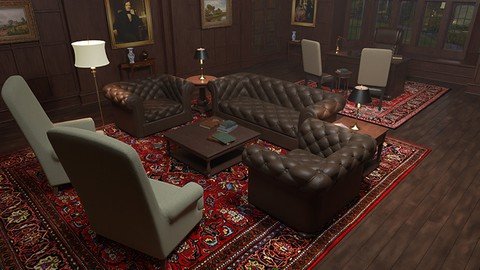
Create A Victorian Room With Blender And Substance Painter
Published 7/2022
MP4 | Video: h264, 1280x720 | Audio: AAC, 44.1 KHz
Language: English | Size: 13.92 GB | Duration: 18h 33m​

Learn Blender while creating a detailed environment suitable for animation or games.

What you'll learn
Model 3D objects in Blender
Texture 3D models in Substance Painter
Render an animation using Blender's Cycles render engine
Edit a video with Blender's Video Sequence Editor
Requirements
Blender and Substance Painter are used in this course. The free paint program, Krita, is used briefly to edit images.
Description
In this course you'll learn how to create a detailed interior scene using tools and techniques that apply equally to both animation and video games. We'll use Blender to create the 3D models of the furniture, accessories, and the structure of the room. And then we'll work on UV mapping all of the 3D objects, getting them ready for export, and taking them into Substance Painter for texturing. You'll learn how to use layer masks in Substance Painter to quickly create realistic textures for your 3D objects.We'll set up a Blender export template in Substance Painter, and export our texture maps so that we can use Blender's Node Wrangler to easily apply the textures to our scene. Next we'll work on lighting the scene, and rendering using Blender's Cycles render engine. We'll animate the camera and use Blender's Video Sequence Editor to edit our rendered shots together. We'll even add some music and then render it all out to a single mp4 video file.If you're interested in creating environments for animation or video games, then this course is for you. You'll learn how to create a realistic, detailed scene from the first polygon to the final render. So join me as we "Create a Victorian Room with Blender and Substance Painter."

Overview

Section 1: Introduction

Lecture 1 Introduction to the Course

Lecture 2 Setting Up a Reference Figure

Section 2: Modeling the Furniture

Lecture 3 Beginning the Coffee Table

Lecture 4 Continuing the Coffee Table

Lecture 5 Finishing the Coffee Table

Lecture 6 Modeling the Round End Table

Lecture 7 Completing the Round End Table

Lecture 8 Starting the Arm Chair

Lecture 9 Refining the Shape of the Arm Chair

Lecture 10 Creating the Legs of the Chair

Lecture 11 Using the Path Tool

Lecture 12 Creating the Front Panels of the Arm Chair

Lecture 13 Finishing the Arm Chair

Lecture 14 Starting the Dining Chair

Lecture 15 Creating the Legs of the Dining Chair

Lecture 16 Modeling the Back of the Dining Chair

Lecture 17 Completing the Dining Chair

Lecture 18 Beginning the Chesterfield Sofa

Lecture 19 Finishing the Chesterfield Sofa

Lecture 20 Creating the Chesterfield Chair

Lecture 21 Beginning the Desk

Lecture 22 Adding the Drawers to the Desk

Lecture 23 Finishing the Desk

Lecture 24 Beginning the Desk Chair

Lecture 25 Creating the Cushions of the Desk Chair

Lecture 26 Modeling the Legs of the Desk Chair

Lecture 27 Finishing the Desk Chair

Lecture 28 Beginning the Wall Table

Lecture 29 Creating the Drawers and Legs of the Wall Table

Lecture 30 Finishing the Wall Table

Lecture 31 Beginning the Side Chair

Lecture 32 Working on the Legs of the Side Chair

Lecture 33 Finishing the Side Chair

Lecture 34 Starting the End Table

Lecture 35 Completing the End Table

Section 3: Modeling the Room

Lecture 36 Using Walk Navigation

Lecture 37 Blocking In the Walls and Panels

Lecture 38 Modeling the Mantel of the Fireplace

Lecture 39 Continuing the Fireplace

Lecture 40 Using the Boolean Modifier

Lecture 41 Placing the Fireplace in the Room

Lecture 42 Creating the Door Opening and Hallway

Lecture 43 Modeling the Door Panels

Lecture 44 Working on the Wall Details

Lecture 45 Adding the High Windows

Lecture 46 Finishing the Wood Panels

Lecture 47 Finishing the Window Frames

Section 4: UV Mapping the Furniture

Lecture 48 The Basic Tools of UV Mapping

Lecture 49 UV Mapping the Coffee Table

Lecture 50 Testing and Organizing the UV Map

Lecture 51 UV Mapping the Round Table

Lecture 52 Beginning the UV Map for the End Table

Lecture 53 Finishing the End Table

Lecture 54 UV Mapping the Wall Table

Lecture 55 UV Mapping the Dining Chair

Lecture 56 UV Mapping the High Back Chair

Lecture 57 Finishing the High Back Chair

Lecture 58 UV Mapping the Arm Chair

Lecture 59 UV Mapping the Desk Chair

Lecture 60 UV Mapping the Desk

Lecture 61 Finishing the Desk

Lecture 62 UV Mapping the Sofa

Lecture 63 UV Mapping the Chesterfield Chair

Section 5: Texturing the Furniture with Substance Painter

Lecture 64 Possible Issues When Exporting

Lecture 65 Possible Issues when Baking

Lecture 66 Aligning the Wood Grain of the Coffee Table

Lecture 67 Exporting Texture Maps from Substance Painter

Lecture 68 Using Blender's Vertex Paint Tool

Lecture 69 Adding Textures Based on a Color ID Map

Lecture 70 Setting Vertex Colors for the Dining Chair

Lecture 71 Texturing the Dining Chair

Lecture 72 Using Materials Instead of Vertex Colors

Lecture 73 Using Paint Layers in Substance Painter

Lecture 74 Finishing the Wall Table

Lecture 75 Texturing the Desk Chair

Lecture 76 Blender's Two Sculpting Methods

Lecture 77 Sculpting the Wrinkles of the Desk Chair

Lecture 78 Baking a Normal Map in Blender

Lecture 79 Using the Baked Normal Map in Substance Painter

Lecture 80 Using a Custom UV Test Pattern

Lecture 81 Texturing the Desk in Substance Painter

Lecture 82 Texturing the Arm Chair

Lecture 83 Texturing the End Table

Lecture 84 Preparing the Sofa for Export

Lecture 85 Texturing the Chesterfield Sofa

Lecture 86 Painting Out Problem Areas in the Normal Map

Lecture 87 Using Smart Materials in Substance Painter

Lecture 88 Texturing the Small Round Table

Section 6: UV Mapping the Room

Lecture 89 Beginning to UV Map the Room

Lecture 90 UV Mapping the Fireplace

Lecture 91 UV Mapping the Walls

Lecture 92 Finishing the Room UV Maps

Section 7: Texturing the Room

Lecture 93 Exporting and Baking the Room

Lecture 94 Texturing the Room

Lecture 95 Applying Textures to the Room

Lecture 96 Exporting the Room Textures

Lecture 97 Applying the Room Textures in Blender

Section 8: Creating Accessories and Trim

Lecture 98 Creating the Rugs

Lecture 99 Modeling the Crown Molding

Lecture 100 UV Mapping the Crown Molding

Lecture 101 Texturing the Crown Molding

Lecture 102 Using Krita to Texture the Paintings

Lecture 103 Creating the Bookshelves

Lecture 104 Creating Antique Books

Lecture 105 Using Blender's Physics Engine to Drape a Blanket

Lecture 106 Modeling the Leaded Glass Windows

Section 9: Lighting and Rendering the Scene

Lecture 107 Render Settings and Emissive Materials

Lecture 108 Practical Lights and Camera Settings

Lecture 109 Creating the Window Glass Material

Lecture 110 Adding Lights to the Scene

Lecture 111 Creating Volumetric Lighting

Lecture 112 Render Settings and Light Properties

Lecture 113 Creating a Quick Fire Simulation

Lecture 114 Setting Up the Scene for Rendering

Lecture 115 Rendering an Animation

Lecture 116 Using Blender's Video Sequence Editor

Lecture 117 Animating the Rotating Record Player

Lecture 118 Adding Transitions and Rendering

Lecture 119 Adding Music

Lecture 120 Thank You!

Beginner Blender users who would like to learn environment creation.


cbf8a1823b069a1dd53d6f8ff15968e4.jpg

Create A Victorian Room With Blender And Substance Painter
Published 7/2022
MP4 | Video: h264, 1280x720 | Audio: AAC, 44.1 KHz
Language: English | Size: 13.92 GB | Duration: 18h 33m​

Learn Blender while creating a detailed environment suitable for animation or games.

What you'll learn
Model 3D objects in Blender
Texture 3D models in Substance Painter
Render an animation using Blender's Cycles render engine
Edit a video with Blender's Video Sequence Editor
Requirements
Blender and Substance Painter are used in this course. The free paint program, Krita, is used briefly to edit images.
Description
In this course you'll learn how to create a detailed interior scene using tools and techniques that apply equally to both animation and video games. We'll use Blender to create the 3D models of the furniture, accessories, and the structure of the room. And then we'll work on UV mapping all of the 3D objects, getting them ready for export, and taking them into Substance Painter for texturing. You'll learn how to use layer masks in Substance Painter to quickly create realistic textures for your 3D objects.We'll set up a Blender export template in Substance Painter, and export our texture maps so that we can use Blender's Node Wrangler to easily apply the textures to our scene. Next we'll work on lighting the scene, and rendering using Blender's Cycles render engine. We'll animate the camera and use Blender's Video Sequence Editor to edit our rendered shots together. We'll even add some music and then render it all out to a single mp4 video file.If you're interested in creating environments for animation or video games, then this course is for you. You'll learn how to create a realistic, detailed scene from the first polygon to the final render. So join me as we "Create a Victorian Room with Blender and Substance Painter."

Overview

Section 1: Introduction

Lecture 1 Introduction to the Course

Lecture 2 Setting Up a Reference Figure

Section 2: Modeling the Furniture

Lecture 3 Beginning the Coffee Table

Lecture 4 Continuing the Coffee Table

Lecture 5 Finishing the Coffee Table

Lecture 6 Modeling the Round End Table

Lecture 7 Completing the Round End Table

Lecture 8 Starting the Arm Chair

Lecture 9 Refining the Shape of the Arm Chair

Lecture 10 Creating the Legs of the Chair

Lecture 11 Using the Path Tool

Lecture 12 Creating the Front Panels of the Arm Chair

Lecture 13 Finishing the Arm Chair

Lecture 14 Starting the Dining Chair

Lecture 15 Creating the Legs of the Dining Chair

Lecture 16 Modeling the Back of the Dining Chair

Lecture 17 Completing the Dining Chair

Lecture 18 Beginning the Chesterfield Sofa

Lecture 19 Finishing the Chesterfield Sofa

Lecture 20 Creating the Chesterfield Chair

Lecture 21 Beginning the Desk

Lecture 22 Adding the Drawers to the Desk

Lecture 23 Finishing the Desk

Lecture 24 Beginning the Desk Chair

Lecture 25 Creating the Cushions of the Desk Chair

Lecture 26 Modeling the Legs of the Desk Chair

Lecture 27 Finishing the Desk Chair

Lecture 28 Beginning the Wall Table

Lecture 29 Creating the Drawers and Legs of the Wall Table

Lecture 30 Finishing the Wall Table

Lecture 31 Beginning the Side Chair

Lecture 32 Working on the Legs of the Side Chair

Lecture 33 Finishing the Side Chair

Lecture 34 Starting the End Table

Lecture 35 Completing the End Table

Section 3: Modeling the Room

Lecture 36 Using Walk Navigation

Lecture 37 Blocking In the Walls and Panels

Lecture 38 Modeling the Mantel of the Fireplace

Lecture 39 Continuing the Fireplace

Lecture 40 Using the Boolean Modifier

Lecture 41 Placing the Fireplace in the Room

Lecture 42 Creating the Door Opening and Hallway

Lecture 43 Modeling the Door Panels

Lecture 44 Working on the Wall Details

Lecture 45 Adding the High Windows

Lecture 46 Finishing the Wood Panels

Lecture 47 Finishing the Window Frames

Section 4: UV Mapping the Furniture

Lecture 48 The Basic Tools of UV Mapping

Lecture 49 UV Mapping the Coffee Table

Lecture 50 Testing and Organizing the UV Map

Lecture 51 UV Mapping the Round Table

Lecture 52 Beginning the UV Map for the End Table

Lecture 53 Finishing the End Table

Lecture 54 UV Mapping the Wall Table

Lecture 55 UV Mapping the Dining Chair

Lecture 56 UV Mapping the High Back Chair

Lecture 57 Finishing the High Back Chair

Lecture 58 UV Mapping the Arm Chair

Lecture 59 UV Mapping the Desk Chair

Lecture 60 UV Mapping the Desk

Lecture 61 Finishing the Desk

Lecture 62 UV Mapping the Sofa

Lecture 63 UV Mapping the Chesterfield Chair

Section 5: Texturing the Furniture with Substance Painter

Lecture 64 Possible Issues When Exporting

Lecture 65 Possible Issues when Baking

Lecture 66 Aligning the Wood Grain of the Coffee Table

Lecture 67 Exporting Texture Maps from Substance Painter

Lecture 68 Using Blender's Vertex Paint Tool

Lecture 69 Adding Textures Based on a Color ID Map

Lecture 70 Setting Vertex Colors for the Dining Chair

Lecture 71 Texturing the Dining Chair

Lecture 72 Using Materials Instead of Vertex Colors

Lecture 73 Using Paint Layers in Substance Painter

Lecture 74 Finishing the Wall Table

Lecture 75 Texturing the Desk Chair

Lecture 76 Blender's Two Sculpting Methods

Lecture 77 Sculpting the Wrinkles of the Desk Chair

Lecture 78 Baking a Normal Map in Blender

Lecture 79 Using the Baked Normal Map in Substance Painter

Lecture 80 Using a Custom UV Test Pattern

Lecture 81 Texturing the Desk in Substance Painter

Lecture 82 Texturing the Arm Chair

Lecture 83 Texturing the End Table

Lecture 84 Preparing the Sofa for Export

Lecture 85 Texturing the Chesterfield Sofa

Lecture 86 Painting Out Problem Areas in the Normal Map

Lecture 87 Using Smart Materials in Substance Painter

Lecture 88 Texturing the Small Round Table

Section 6: UV Mapping the Room

Lecture 89 Beginning to UV Map the Room

Lecture 90 UV Mapping the Fireplace

Lecture 91 UV Mapping the Walls

Lecture 92 Finishing the Room UV Maps

Section 7: Texturing the Room

Lecture 93 Exporting and Baking the Room

Lecture 94 Texturing the Room

Lecture 95 Applying Textures to the Room

Lecture 96 Exporting the Room Textures

Lecture 97 Applying the Room Textures in Blender

Section 8: Creating Accessories and Trim

Lecture 98 Creating the Rugs

Lecture 99 Modeling the Crown Molding

Lecture 100 UV Mapping the Crown Molding

Lecture 101 Texturing the Crown Molding

Lecture 102 Using Krita to Texture the Paintings

Lecture 103 Creating the Bookshelves

Lecture 104 Creating Antique Books

Lecture 105 Using Blender's Physics Engine to Drape a Blanket

Lecture 106 Modeling the Leaded Glass Windows

Section 9: Lighting and Rendering the Scene

Lecture 107 Render Settings and Emissive Materials

Lecture 108 Practical Lights and Camera Settings

Lecture 109 Creating the Window Glass Material

Lecture 110 Adding Lights to the Scene

Lecture 111 Creating Volumetric Lighting

Lecture 112 Render Settings and Light Properties

Lecture 113 Creating a Quick Fire Simulation

Lecture 114 Setting Up the Scene for Rendering

Lecture 115 Rendering an Animation

Lecture 116 Using Blender's Video Sequence Editor

Lecture 117 Animating the Rotating Record Player

Lecture 118 Adding Transitions and Rendering

Lecture 119 Adding Music

Lecture 120 Thank You!

Beginner Blender users who would like to learn environment creation.

 
Zurück
Oben Unten