




Consolidated Financial Statements: Before And Post IFRS

What you'll learn
Fundamentals of CFS: Students will learn the essential components of consolidated financial statements and their importance in financial reporting
CFS Preparation: The course will cover the step-by-step process for preparing consolidated financial statements, including working with CFS sheets
Major Changes with IFRS: Students will explore significant changes brought about by IFRS, including the new definitions of control and the implications.
Consolidation Procedures: The course will delve into various consolidation procedures, offering practical examples and addressing key issues.
Control Assessment: Students will learn about the three elements of control and how to assess control in the context of investments and joint ventures.
GAAP vs. IFRS: The differences between Generally Accepted Accounting Principles (GAAP) and IFRS will be highlighted, particularly in relation to joint venture.
Disclosure Requirements: Students will understand the disclosure requirements related to consolidated financial statements and the impact of these disclosures.
Practical Applications: Through case studies and practical examples, students will be able to apply theoretical knowledge to real-world scenarios.
Requirements
Basic Accounting Knowledge: Students should have a fundamental understanding of accounting principles, including familiarity with financial statements, the accounting cycle, and basic financial reporting.
Understanding of IFRS and GAAP: Prior exposure to International Financial Reporting Standards (IFRS) and Generally Accepted Accounting Principles (GAAP) is beneficial, as the course will discuss the differences and implications of each framework.
Familiarity with Financial Analysis: A basic understanding of financial analysis techniques will help students better grasp the implications of consolidated financial statements on business performance.
Excel Proficiency: Since the course will involve working with CFS sheets and calculations, proficiency in Microsoft Excel or similar spreadsheet software is highly recommended.
Description
In today's dynamic business environment, understanding consolidated financial statements is crucial for professionals in finance and accounting. This course, Mastering Consolidated Financial Statements, provides a comprehensive exploration of the principles, procedures, and regulations governing consolidated financial statements (CFS). Students will gain practical insights into the preparation, analysis, and interpretation of CFS, enabling them to navigate the complexities of financial reporting in a corporate setting.Section 1: IntroductionThe course begins with a foundational understanding of consolidated financial statements. In Lecture 1, students will explore the significance of CFS in financial reporting and their role in providing a complete picture of a company's financial health. Lecture 2 will focus on practical aspects, guiding students through the workings of a CFS sheet, highlighting key components and their interrelationships.Section 2: Major ChangesAs financial reporting evolves, so do the standards that govern it. This section addresses major changes in accounting practices. Lecture 3 outlines the critical transformations impacting CFS, while Lecture 4 delves into the three elements of control necessary for consolidation. Students will differentiate between the new and previous definitions of control in Lecture 5, gaining insights into how potential voting rights influence control assessments, as discussed in Lectures 6 and 7. The relationship between agents and principals is analyzed in Lecture 9, emphasizing the complexities in special and structured entities. Students will learn about the guidance provided in accounting practices, its purpose and design (Lecture 12), and specific examples such as Entity RJ and kick-out rights, culminating in an understanding of the transition process.Section 3: Consolidation ProceduresThe consolidation process can be intricate, and this section aims to simplify it for learners. Lecture 17 introduces consolidation procedures, detailing the steps involved in the consolidation process. Continuing in Lecture 18, students will explore additional procedures and complexities. An illustrative example of consolidation procedures in Lecture 19 provides practical context, while Lecture 20 addresses key practical issues that practitioners may encounter during the consolidation process.Section 4: DisclosuresTransparency is paramount in financial reporting, particularly in disclosures related to consolidated financial statements. In this section, Lecture 21 covers the disclosures required for CFS, providing insights into regulatory expectations. Students will continue to delve into disclosures in Lecture 22 and analyze the type of asset associated with MISUSE Ltd in Lecture 23, understanding the implications of asset disclosures on financial statements.Section 5: GAAPThe course concludes with a thorough examination of Generally Accepted Accounting Principles (GAAP) as they pertain to consolidated financial statements. In Lecture 24, students will learn about the foundational principles of GAAP, followed by a continued exploration in Lecture 25. Finally, Lecture 26 will focus on joint venture accounting, an essential aspect of financial consolidation, providing learners with a well-rounded understanding of GAAP in practice.Conclusion:By the end of this course, students will have acquired the knowledge and skills necessary to effectively prepare, analyze, and interpret consolidated financial statements. This mastery of CFS will enhance their ability to provide valuable insights into a company's financial health and support informed decision-making in a corporate environment. Join us in mastering the complexities of consolidated financial reporting and take your accounting expertise to the next level!
Overview
Section 1: Introduction
Lecture 1 Introduction to Consolidated Financial Statements
Lecture 2 Working on CFS Sheet
Section 2: Major Changes
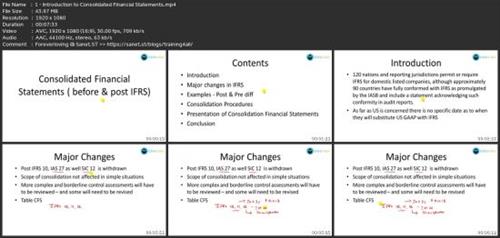
Lecture 3 Major Changes
Lecture 4 Three Elements of Control
Lecture 5 New and Previous Definition of Control
Lecture 6 Potential Voting Rights
Lecture 7 Potential Voting Rights Continues
Lecture 8 Control Assessment
Lecture 9 Agency - Principle Relationship
Lecture 10 Special and Structured Entities
Lecture 11 What is Guidance
Lecture 12 Purpose and Design
Lecture 13 Entity RJ
Lecture 14 Example on Kick Out Rights
Lecture 15 Investees Relevant Activities
Lecture 16 Transition
Section 3: Consolidation Procedures
Lecture 17 Consolidation Procedures
Lecture 18 Consolidation Procedures Continues
Lecture 19 Example of Consolidation Procedures
Lecture 20 Key Practical Issues
Section 4: Disclosures
Lecture 21 CFS- Disclosures
Lecture 22 CFS- Disclosures Continues
Lecture 23 Type of Asset MISUSE Ltd
Section 5: GAAP
Lecture 24 GAAP
Lecture 25 GAAP Continues
Lecture 26 Joint Venture Accounting
Finance and Accounting Professionals: Accountants, financial analysts, and auditors seeking to deepen their understanding of CFS and the implications of IFRS on financial reporting.,Business Managers and Executives: Individuals in managerial roles who need to interpret financial statements for strategic decision-making and who want to understand how consolidation affects the overall financial health of their organizations.,Students in Finance or Accounting: Undergraduate and graduate students pursuing degrees in finance, accounting, or business administration who want to gain practical knowledge of consolidated financial statements and IFRS standards.,Corporate Controllers and CFOs: Senior financial officers responsible for overseeing financial reporting and compliance with IFRS, looking to enhance their skills in consolidation procedures and disclosure requirements.,Consultants and Advisors: Professionals who provide financial consulting services and need to stay updated on the latest changes in financial reporting standards and consolidation practices.
Say "Thank You"
rapidgator.net:
ddownload.com:
Published 10/2024
MP4 | Video: h264, 1920x1080 | Audio: AAC, 44.1 KHz
Language: English | Size: 2.18 GB | Duration: 3h 0m
Unlock the complexities of financial consolidation for informed decision-making and transparency.
MP4 | Video: h264, 1920x1080 | Audio: AAC, 44.1 KHz
Language: English | Size: 2.18 GB | Duration: 3h 0m
Unlock the complexities of financial consolidation for informed decision-making and transparency.
What you'll learn
Fundamentals of CFS: Students will learn the essential components of consolidated financial statements and their importance in financial reporting
CFS Preparation: The course will cover the step-by-step process for preparing consolidated financial statements, including working with CFS sheets
Major Changes with IFRS: Students will explore significant changes brought about by IFRS, including the new definitions of control and the implications.
Consolidation Procedures: The course will delve into various consolidation procedures, offering practical examples and addressing key issues.
Control Assessment: Students will learn about the three elements of control and how to assess control in the context of investments and joint ventures.
GAAP vs. IFRS: The differences between Generally Accepted Accounting Principles (GAAP) and IFRS will be highlighted, particularly in relation to joint venture.
Disclosure Requirements: Students will understand the disclosure requirements related to consolidated financial statements and the impact of these disclosures.
Practical Applications: Through case studies and practical examples, students will be able to apply theoretical knowledge to real-world scenarios.
Requirements
Basic Accounting Knowledge: Students should have a fundamental understanding of accounting principles, including familiarity with financial statements, the accounting cycle, and basic financial reporting.
Understanding of IFRS and GAAP: Prior exposure to International Financial Reporting Standards (IFRS) and Generally Accepted Accounting Principles (GAAP) is beneficial, as the course will discuss the differences and implications of each framework.
Familiarity with Financial Analysis: A basic understanding of financial analysis techniques will help students better grasp the implications of consolidated financial statements on business performance.
Excel Proficiency: Since the course will involve working with CFS sheets and calculations, proficiency in Microsoft Excel or similar spreadsheet software is highly recommended.
Description
In today's dynamic business environment, understanding consolidated financial statements is crucial for professionals in finance and accounting. This course, Mastering Consolidated Financial Statements, provides a comprehensive exploration of the principles, procedures, and regulations governing consolidated financial statements (CFS). Students will gain practical insights into the preparation, analysis, and interpretation of CFS, enabling them to navigate the complexities of financial reporting in a corporate setting.Section 1: IntroductionThe course begins with a foundational understanding of consolidated financial statements. In Lecture 1, students will explore the significance of CFS in financial reporting and their role in providing a complete picture of a company's financial health. Lecture 2 will focus on practical aspects, guiding students through the workings of a CFS sheet, highlighting key components and their interrelationships.Section 2: Major ChangesAs financial reporting evolves, so do the standards that govern it. This section addresses major changes in accounting practices. Lecture 3 outlines the critical transformations impacting CFS, while Lecture 4 delves into the three elements of control necessary for consolidation. Students will differentiate between the new and previous definitions of control in Lecture 5, gaining insights into how potential voting rights influence control assessments, as discussed in Lectures 6 and 7. The relationship between agents and principals is analyzed in Lecture 9, emphasizing the complexities in special and structured entities. Students will learn about the guidance provided in accounting practices, its purpose and design (Lecture 12), and specific examples such as Entity RJ and kick-out rights, culminating in an understanding of the transition process.Section 3: Consolidation ProceduresThe consolidation process can be intricate, and this section aims to simplify it for learners. Lecture 17 introduces consolidation procedures, detailing the steps involved in the consolidation process. Continuing in Lecture 18, students will explore additional procedures and complexities. An illustrative example of consolidation procedures in Lecture 19 provides practical context, while Lecture 20 addresses key practical issues that practitioners may encounter during the consolidation process.Section 4: DisclosuresTransparency is paramount in financial reporting, particularly in disclosures related to consolidated financial statements. In this section, Lecture 21 covers the disclosures required for CFS, providing insights into regulatory expectations. Students will continue to delve into disclosures in Lecture 22 and analyze the type of asset associated with MISUSE Ltd in Lecture 23, understanding the implications of asset disclosures on financial statements.Section 5: GAAPThe course concludes with a thorough examination of Generally Accepted Accounting Principles (GAAP) as they pertain to consolidated financial statements. In Lecture 24, students will learn about the foundational principles of GAAP, followed by a continued exploration in Lecture 25. Finally, Lecture 26 will focus on joint venture accounting, an essential aspect of financial consolidation, providing learners with a well-rounded understanding of GAAP in practice.Conclusion:By the end of this course, students will have acquired the knowledge and skills necessary to effectively prepare, analyze, and interpret consolidated financial statements. This mastery of CFS will enhance their ability to provide valuable insights into a company's financial health and support informed decision-making in a corporate environment. Join us in mastering the complexities of consolidated financial reporting and take your accounting expertise to the next level!
Overview
Section 1: Introduction
Lecture 1 Introduction to Consolidated Financial Statements
Lecture 2 Working on CFS Sheet
Section 2: Major Changes
Lecture 3 Major Changes
Lecture 4 Three Elements of Control
Lecture 5 New and Previous Definition of Control
Lecture 6 Potential Voting Rights
Lecture 7 Potential Voting Rights Continues
Lecture 8 Control Assessment
Lecture 9 Agency - Principle Relationship
Lecture 10 Special and Structured Entities
Lecture 11 What is Guidance
Lecture 12 Purpose and Design
Lecture 13 Entity RJ
Lecture 14 Example on Kick Out Rights
Lecture 15 Investees Relevant Activities
Lecture 16 Transition
Section 3: Consolidation Procedures
Lecture 17 Consolidation Procedures
Lecture 18 Consolidation Procedures Continues
Lecture 19 Example of Consolidation Procedures
Lecture 20 Key Practical Issues
Section 4: Disclosures
Lecture 21 CFS- Disclosures
Lecture 22 CFS- Disclosures Continues
Lecture 23 Type of Asset MISUSE Ltd
Section 5: GAAP
Lecture 24 GAAP
Lecture 25 GAAP Continues
Lecture 26 Joint Venture Accounting
Finance and Accounting Professionals: Accountants, financial analysts, and auditors seeking to deepen their understanding of CFS and the implications of IFRS on financial reporting.,Business Managers and Executives: Individuals in managerial roles who need to interpret financial statements for strategic decision-making and who want to understand how consolidation affects the overall financial health of their organizations.,Students in Finance or Accounting: Undergraduate and graduate students pursuing degrees in finance, accounting, or business administration who want to gain practical knowledge of consolidated financial statements and IFRS standards.,Corporate Controllers and CFOs: Senior financial officers responsible for overseeing financial reporting and compliance with IFRS, looking to enhance their skills in consolidation procedures and disclosure requirements.,Consultants and Advisors: Professionals who provide financial consulting services and need to stay updated on the latest changes in financial reporting standards and consolidation practices.
Screenshots
Say "Thank You"
rapidgator.net:
ddownload.com:
