





• Regeln für den Dokumente-Bereich:

    In den Börsenbereich gehören nur Angebote die bereits den Allgemeinen Regeln entsprechen.

    Allgemeines:

    Nicht erlaubt im Dokumente-Bereich sind:

    - indizierte Titel (inkl. Comics)
    - extremistische Werke, Zeitschriften und Comics (egal, welche Richtung)
    - jegliche Art von Pornographie
    - Anleitungen zu kriminellen Handlungen, gleich welcher Art
    - sadistische, menschenverachtende oder ähnliche Werke

    Nutzt den "Bedanken"-Button, bei Sammelthreads führen jegliche Kommentare, positiv wie negativ, sehr schnell zu einer Unübersichtlichkeit des Threads. Downmeldungen sind an den Uploader zu richten

    Vor dem Einstellen zu beachten:

    - Suchfunktion

    Vergewissert euch, dass es euer Dokument noch nicht im Board gibt, Doppelposts werden kommentarlos gelöscht. Ist es schon vorhanden, tragt es als Mirror im bestehenden Post ein.

    - Threadtitel

    Idealerweise ist sofort zu erkennen um was es sich handelt. Verseht euren Titel mit den relevanten Informationen, das hilft euch und damit auch uns und allen Suchenden erheblich weiter.

    Beispiel: [Thriller] Dan Brown - Inferno oder bei Magazinen:

    Computerbild - 14/2014 (es muss ersichtlich sein, um welche Ausgabe und welches Magazin es sich handelt)

    Folgende Präfixe stehen im Unterforum "Unterhaltung" zur Verfügung:

    [Humor]
    [Drama]
    [Erotik]
    [Fantasy]
    [Krimi]
    [Roman]
    [Thriller]
    [Horror]
    [Science Fiction]

    Inhalt des Beitrags:

    Folgende Pflichtangaben gilt es einzuhalten:

    - Autor
    - Titel
    - Präfix
    - Cover
    - Genre
    - Inhaltsbeschreibung
    - enthaltene Formate
    - Gesamtgröße des Downloads
    - Hoster
    - ggf. Passwort

    Nicht erlaubt sind alle Dateien, die den Download unnötig aufblähen um eine Affiliategrenze zu erreichen, wie zB. mp3-files, übergroße Bilder, etc.

    Ebenso nicht erlaubt sind sämtliche Dateien mit DRM, persönlichen Daten, etc., diese werden kommentarlos zu eurem eigenem Schutz gelöscht.

    Achtet bitte bei der Konvertierung der Formate auf die Lesbarkeit, ein epub, was nur einfach durch Calibre gejagt wird um ein PDF zu erhalten, ist zu 99% eben nicht lesbar. Wenn ihr es nicht könnt, dann lasst es besser oder lest euch ein, wie man es richtig macht.


    Unterforum Comics:

    Threadtitel:

    Ähnlich, wie bei Unterhaltung und Magazinen, sollte der Titel alle relevanten Informationen enthalten, hier bitte

    - den Titel des Comics
    - den Verlag (einige Comics sind in verschiedenen Verlagen erschienen)
    - das Erscheinungsjahr

    Erlaubt sind folgende Formate:

    - CBR
    - CBZ

    Grundsätzlich gilt: jede Version eines Comics erhält einen eigenen Thread, Ersteller eines Comics können ihre Bände gerne mit dem Zusatz (Original-Release) versehen.

    Bei Unsicherheiten zur korrekten Benennung bitte die Informationen von www.comicguide.de nutzen.

    Inhalt des Beitrags:

    Pflichtangaben hier sind:

    - Titel des Bandes und ggf. Nummer
    - Cover
    - falls bekannt technische Daten (DPI, Breite, Speicherqualität)
    - Größe des Downloads
    - Hoster
    - ggf. Passwort
    - falls bekannt Releasenamen
  • Bitte registriere dich zunächst um Beiträge zu verfassen und externe Links aufzurufen.

++ Premium IPTV ++ 7000 Live Sender ++ UHD Qualität ++ Mediathek mit 18.000 Inhalten ++


VenneTV


Collection Download Ebooks Best Seller Updated Daily

a0d72a6643bdc6629d334792d2bb1a4b.webp

Learn Chess the Right Way: Book 2: Winning Material
by Susan Polgar

English | January 5, 2010 | ISBN: 1941270468 | 31 Pages | epub | 35,07 MB

The Polgar Way to Better Chess! Learn Chess the Right Way is a five-volume chess puzzle book series aimed at the novice, beginner and intermediate level player, using the unique methods of the award-winning coach and former world champion Susan Polgar. It introduces the most important checkmate and material-winning tactics, as well as defensive techniques to the new chess player. Each of the five volumes will consist of over 500 puzzles. Volume 2 is all about "winning material" exercises. In each of the first six chapters a certain piece captures an enemy piece (in chapter 1 - The Queen, in chapter 2 - The Rook, and so on). In chapter 7, you will get no hint about which piece should be moved. In chapters 8-12, the most common and important chess tactics (such as decoy, fork, pin, discovery and skewer) are introduced. Finally, in chapter 13, in addition to the previously mentioned patterns, you will need to figure out which tactical pattern to use to win material, including concepts like "trapping a piece" or "intermediate move." With over 40 years of experience as a world-class player and coach, international grandmaster Susan Polgar has developed the most effective way to help young players and beginners - Learn Chess the Right Way. Let her show you the way to understanding the most common and critical patterns and let her show you the way to becoming a better player. SUSAN POLGAR is a winner of four Women's World Championships and the top-ranked woman chess player in the United States. She became the #1 woman player in the world at 15 and remained in the top 3 for over 20 years. In 2013, she received the U.S. Coach of the Year Award and the following year, she was named the Chess Trainer of the Year by the International Chess Federation (FIDE). She thus became the first person in history to be accorded both honors. Under her guidance, SPICE chess teams at both Texas Tech University and Webster University have won a combined six consecutive National Division I Collegiate Chess Championships.
eBook Details:
Susan Polgar
31 Pages
0 - 1 Hours to read
9k Total words
Release Date: January 5, 2010
ISBN-13: 9781941270462
ISBN-10: 1941270468
Language: English
Format: epub
✅File Size: 35,07 MB


Links are Interchangeable - Single Extraction

 
779e2a5a9ed1c190dc519a24f8988c41.webp

Learn Chess the Right Way
Book 3: Mastering Defensive Techniques
by Susan Polgar


English | August 19, 2020 | ISBN: 1941270506 | 33 Pages | epub | 35,32 MB
The Polgar Way to Better Chess! Learn Chess the Right Way is a five-volume chess puzzle book series aimed at the novice, beginner and intermediate level player, using the unique methods of the award-winning coach and former world champion Susan Polgar. It introduces the most important checkmate and material-winning tactics, as well as defensive techniques to the new chess player. Each of the five volumes will consist of over 500 puzzles. In Volume 3, you will be introduced to 500 must-know defensive techniques. Each chapter will start with a few introductory examples and explanation about to what to look for in the puzzles that follow. In chapter 1, the task is to move an attacked piece. In each puzzle, there is only one good solution by moving the attacked piece to a safe square. In chapter 2, one of the kings is in check. The goal is to find the correct response. In chapter 3, a piece is attacked, but has no good square to which to move. So, rather than moving the attacked piece(s), you will need to look for a way to protect it with another piece. In chapter 4, we focus on defensive ideas against a direct checkmate threat. In chapter 5, one side “defends†by counter-attacking. In chapters 6 and 7, you will be introduced to the game-saving techniques of drawing by stalemate or perpetual check. In chapter 8, the task is to catch a pawn that is about to promote. In chapter 9, a certain piece is about to get “trapped.†The task is to prepare for the attack and avoid material loss. Finally, in chapter 10, you can practice solving a variety of defensive ideas, with the goal to avoid or minimize material losses or being checkmated. With over 40 years of experience as a world-class player and coach, international grandmaster Susan Polgar has developed the most effective way to help young players and beginners â€" Learn Chess the Right Way. Let her show you the way to understanding the most common and critical patterns and let her show you the way to becoming a better player.
eBook Details:
Susan Polgar
33 Pages
0 - 1 Hours to read
9k Total words
Release Date: August 19, 2020
ISBN-13: 9781941270509
ISBN-10: 1941270506
Language: English
Format: epub
✅File Size: 35,32 MB


Links are Interchangeable - Single Extraction

 
99dd6bbafeed750641fcd1636ae363dc.webp

Martin H Manser, "Learn English in a Month"
English | 2015 | ASIN: B0198TM3KS | EPUB | pages: 202 | 0.1 mb
Learn the basics of English and learn about everyday life in the UK. Here contemporary, popular English is simply and practically presented. Lots of examples are included to help you learn. The book covers many areas of everyday life. Readers are given simple exercises to do on each of the 31 days. You will grasp the basics of the English language in a month.


Links are Interchangeable - Single Extraction

 
6dc0f3af33573790bdfde72fdb2f5c2a.webp

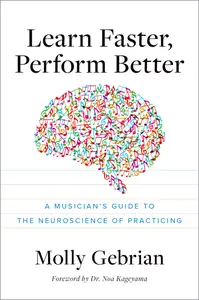
Learn Faster, Perform Better: A Musician's Guide to the Neuroscience of Practicing by Molly Gebrian
English | July 30th, 2024 | ISBN: 0197680070 | 272 pages | True EPUB | 5.19 MB
Practicing is an essential part of every musician's life, but we are rarely taught how to practice in the most effective and efficient way. Many of us find ourselves frustrated when we sound good in the practice room only to embarrass ourselves on stage or in front of our teachers. We feel overwhelmed by the amount of music we have to learn, unsure how to balance everything. Playing from memory can feel terrifying and an insurmountable challenge, and overcoming bad habits can seem impossible at times.

Molly Gebrian applies the science of learning and memory to practicing and performing, giving musicians the tools to learn music more effectively and experience greater confidence on stage. Researchers working in the fields of cognitive psychology and neuroscience have discovered many important principles about how the brain learns new information, retains this information both short- and long-term, and how to make this learning reliable in high-pressure situations like performances. Musicians often choose practice strategies that don't align well with the optimal ways in which the brain learns, leading to frustration while practicing and inconsistency in performance. The author offers a practical guide, using accessible language for non-scientists and non-academics, to help musicians get more out of their practicing by applying this research. Gebrian starts with general principles of learning and how the brain works, and then progresses through increasingly specific topics. Throughout the book, the science behind the various topics is explained in layman's terms, accompanied by practical, actionable advice that can be implemented immediately, to give musicians of all levels better tools while practicing and greater confidence on stage.


Links are Interchangeable - Single Extraction

 
5c1f57ed4bd42dc200b1ff2453e82a4c.webp

Learn To Make Natural Cheeses
by Jideon F Marques

English | July 24, 2024 | ISBN: 9090008233 | 320 Pages | epub | 6,94 MB

Introduction Cheesemaking, as practiced in North America, is decidedly unnatural. Is there an approach to the art that's not dependent on packaged mesophilic starter cultures, freeze-dried fungal spores, microbial rennet, and calcium chloride? Do cheesemakers really need pH meters, plastic cheese forms, and sanitizing solutions? Are modern technologies the only path to good cheese? What of traditional methodologies? Did cheesemakers make consistently good cheese prior to pasteurization? Did cheeses fail if they weren't made in stainless-steel vats with pure strains of Lacto¬bacilli and triple-washed surfaces? Where are the guidebooks that teach traditional methods? Have our ancestors' cheesemaking practices been lost to the forces of progress and commercialization? I believe that the quality and taste of cheese have declined dramatically as traditional methods have been abandoned. And that the idea-propagated by the industrial cheesemaking paradigm-that traditional ways of making cheese, with raw milk and mother cultures, make for inconsistent and poor-quality cheese is a myth. For there is wisdom in the traditional practices of cheesemakers . . . Generations upon generations of traditional cheesemakers evolved the diverse methods of making cheese while carefully practicing their art. All classes of cheese were discovered by cheesemakers long before they had a scientific understanding of the microbiological and chemical forces at play in its creation. Industry and science hijacked cheesemaking from the artisans and farmers some 150 years ago, and since then few new styles of cheese have been created; yet during that time hundreds, possibly thousands, of unique cheeses have been lost. Standard methods of cheesemaking-reliant on pasteurization, freeze-dried starters, and synthetic rennets that interfere with the ecology of cheese-are equivalent to standard practices in industrial agriculture, such as the use of hybrid seeds, chemical fertilizers, and pesticides that have overtaken traditional agriculture, and conflict with the ecology of the land. Cheese comes from the land and is one of our most celebrated foods; yet its current production methods are environmentally destructive, corporately controlled, and chemically dependent. In its eating we're not celebrating the traditions of agriculture but rather pasteurization, stainless-steel production, biotechnology, and corporate culture. If we gave its methods of production some thought, we wouldn't want to eat the stuff! It strikes me as absurd that there is no commonly practiced natural cheesemaking in North America. Farmers practice ecologically inspired agriculture; brewers are making beers and wines with only wild yeasts; bakers are raising breads with heirloom sourdough starters; and sauerkraut makers are fermenting their krauts with only the indigenous cultures of the cabbage. But cheesemakers are stuck in a haze of food technology, pasteurization, and freeze-dried commercial cultures, and no one even questions the standard approach. Other cheesemaking guidebooks insist that home cheesemakers adopt the industrial approach to cheese along with its tools and additives. Their advice is based on standards put in place to make industrial production more efficient, and a mass-produced product safer. But for small-scale or home-scale cheesemaking, a different approach can work. A Different Approach From the making of my very first Camembert, I knew there had to be a better way than the cheesemaking methods preached by the go-to guidebooks. I just couldn't bring myself to buy a package of freeze-dried fungus, and my search for alternatives to commonly used cheese additives led to a series of discoveries-about the origins of culture, about the beauty of raw milk, and about the nature of cheese-that set in place the philosophies of this guidebook. Not being one to blindly follow the standard path, I set out to teach myself a traditional approach to cheesemaking. The methods I share in this book are the result of 10 years of my own experimentations and creative inquiry with milk: years of trial and error in my kitchen, rediscovering, one by one, a natural approach to making every style of cheese. I now practice a cheesemaking inspired by the principles of ecology, biodynamics, and organic farming; it is a cheesemaking that's influenced by traditional methods of fermentation through which I preserve all my other foods; and a cheesemaking that's not in conflict with the simple and noncommercial manner in which I live my life. I now work with nature, rather than against nature, to make cheese. When I teach my methods to students, there is not a single book that I can recommend that explores a natural cheese philosophy, and no website to browse but my own. It is this absence of information in print and online that led me to write this book. I never thought that I'd be an author, but I felt compelled to provide a compilation of methods for making cheese differently. For it's about time for a book to lay the framework for a hands-on, natural, and traditional approach to cheese. The techniques presented in this book work. And the photographs within, featuring cheeses made by these methods, are the only proof I can offer. I wish I could share my cheeses with you so that you could taste how delicious a more naturally made cheese can be, but unfortunately I cannot sell the cheeses I make because raw milk and food safety regulations restrict me from selling cheeses made in the small-scale and traditional manner that I practice. If small-scale and traditional practices are constrained by regulations controlling cheese production and access to raw milk, perhaps it is time to question the authority of these standards. We need a more radical cheesemaking, a more natural approach to the medium of milk. But it's surprising that it's come to me to lay this foundation; for who am I, but a small farmer and a humble cheesemaker . . .
eBook Details:
Jideon F Marques
320 Pages
7 - 8 Hours to read
99k Total words
Release Date: July 24, 2024
ISBN-13: 6569090008232
ISBN-10: 9090008233
Language: English
Format: epub
✅File Size: 6,94 MB


Links are Interchangeable - Single Extraction
 
3299046f44384fa5d7a7dbcc956459a3.webp

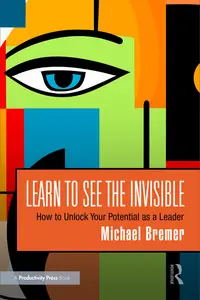
Learn to See the Invisible
by Michael Bremer

English | 2025 | ISBN: 1032800704 | 179 pages | True PDF EPUB | 20.02 MB

Most improvement consultants say improvement efforts must be led by the CEO, and that is certainly ideal. But the actual reality is most CEOs do not actively drive/guide improvement. They want it to happen, but they focus most of their energy on other issues. According to surveys from Gallup and others, the number one reason people say, "I am not engaged" is due to the behaviors of their direct boss! Those leaders (in the middle of an organization) have a tremendous amount of leverage; first- and second-line leaders directly touch 80% of the people in their organization. They have a tremendous amount of influence and more power than they might realize. This book focuses on that demographic.


Links are Interchangeable - Single Extraction

 
2295f91e7ee22c26d57fe0dc39b51215.webp

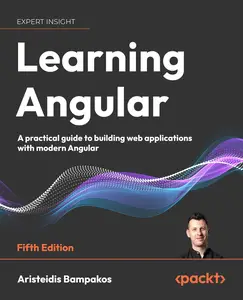
Learning Angular: A practical guide to building web applications with modern Angular by Aristeidis Bampakos
English | January 9, 2025 | ISBN: 1835087485 | 355 pages | EPUB | 6.19 Mb
Learn frontend development the Angular way - build your first production-grade web applications from scratch in Angular with the help of expert guidance and step-by-step explanations.

Key FeaturesExplore the basics of Angular development, from components and templates to forms, routing, and servicesGet up to speed with the new paradigms modern Angular brings, including standalone APIs, new control flow syntax, Signals, and server-side rendering (SSR)Discover best practices for building, deploying, debugging, and testing Angular applicationsBook Description
Angular is an extremely fast, cross-platform JavaScript framework loved by millions. Learning Angular is a comprehensive introduction to the framework from an experienced Angular developer and Google Developer Expert. You'll learn the Angular way of development as you build a real-world app from the ground up.
Updated for Angular 18, this fifth edition tackles landmark changes in Angular after the "Angular Renaissance". It covers app creation with standalone components, Angular Signals, and the new control flow syntax, while addressing the problem of migration from older Angular code. You'll also find a brand-new chapter on optimizing performance with SSR and hydration, as well as revamped content on TypeScript.
Angular developers of all experience levels will benefit from this book. It is especially useful if you are new to Angular, as it will help you get to grips with the bare bones of the framework.
By the end of this book, you'll be able to create Angular applications with TypeScript from scratch and apply best practices in any Angular codebase.
What you will learnUse the Angular CLI to scaffold, build, and deploy new Angular applicationsCreate Angular applications using standalone APIsBuild rich components with Angular template syntaxApply reactivity patterns with the RxJS library and SignalsCraft beautiful user interfaces using Material DesignCreate HTTP data services to access APIs and provide data to componentsImprove your debugging and error handling skills during runtime and developmentOptimize application performance with SSR and hydration techniquesWho this book is for
This book is for JavaScript developers and web developers dipping their feet for the first time in the world of frontend development with Angular, as well as those migrating to the Angular framework to build professional web applications. Current Angular developers looking to catch up with modern Angular will also find this book useful.
You'll need prior exposure to JavaScript and a solid foundation in the basics of web programming before you get started with this book.
Table of ContentsBuilding Your First Angular ApplicationIntroduction to TypeScriptStructuring User Interfaces with ComponentsEnriching Applications Using Pipes and DirectivesManaging Complex Tasks with ServicesOrganizing Applications into ModulesReactive Patterns in AngularCommunicating with Data Services over HTTPNavigating through Applications with RoutingCollecting User Data with FormsHandling Application ErrorsIntroduction to Angular MaterialUnit Testing Angular ApplicationsBringing Applications to ProductionOptimizing Application Performance


Links are Interchangeable - Single Extraction
 
7d174f419c1557eb02568f376f6542c2.webp

Learning Kali Linux, Second Edition (4th Early Release)
English | 2024 | ISBN: 9781098154127 | 780 pages | PDF | 16 Mb
With hundreds of tools preinstalled, the Kali Linux distribution makes it easier for penetration testers and other professionals to get started with security testing quickly. But with more than 600 tools in its arsenal, the Kali Linux can also be overwhelming. The new edition of this practical book covers updates to the tools, including deeper coverage of reverse engineering.


Links are Interchangeable - Single Extraction
 
5403ee43fdfee9168b0615fbda8a9b9e.webp

Sharon Todd, "Learning from the Other: Levinas, Psychoanalysis, and Ethical Possibilities in Education "
English | ISBN: 0791458350 | 2003 | 178 pages | EPUB, PDF | 484 KB + 785 KB
Learning from the Other presents a philosophical investigation into the ethical possibilities of education, especially social justice education. In this original treatment, Sharon Todd rethinks the ethical basis of responsibility as emerging out of the everyday and complex ways we engage difference within educational settings. She works through the implications of the productive tension between the thought of Emmanuel Levinas and that of Sigmund Freud, Melanie Klein, Judith Butler, Cornelius Castoriadis, and others. Challenging the idea that knowledge about the other is the answer to questions of responsibility, she proposes that responsibility is rooted instead in a learning from the other. The author focuses on empathy, love, guilt, and listening to highlight the complex nature of learning from difference and to probe where the conditions for ethical possibility might lie.

Read more


Links are Interchangeable - Single Extraction

 
236e303383e6749c3a4e5024fe0d6e3f.webp

Learning, Work and Practice: New Understandings By Paul Gibbs (auth.), Paul Gibbs (eds.)
2013 | 224 Pages | ISBN: 9400747586 | PDF | 2 MB
This book's original contribution to a crowded literature on work and learning will attract strong international interest. Its focus on the philosophy of learning at work brings a fresh perspective on a topic normally viewed through psychological, anthropological and sociological eyes. It assembles a host of internationally recognized scholars who reflect on the various philosophies of work-based learning. Full of distinctive and original contributions that provide perceptive insights into the subject, the work will be a practical support to teachers, trainers and researchers at the same time as it gives readers a clear philosophical grounding in learning at work. It is, however, not simply a book about philosophy, but a gazetteer of approaches to education in work that will sustain and inspire those who provide, engage in, and support the learning of new knowledge and skills in the workplace. With adaptability to new employment opportunities so vital to existing workers, the authors stand behind continued provision of work-based learning in the face of tightening economic constraints.


Links are Interchangeable - Single Extraction

 
4e4502a81b438c4a9012bff53d8f645b.webp

Leaving the Twentieth Century: Situationist Revolutions by McKenzie Wark
English | August 20, 2024 | ISBN: 1804294861 | True EPUB | 416 pages | 0.8 MB
The acclaimed history of the groundbreaking Situationist movement

The Situationist International, which leaped to the fore during the Paris tumult of 1968, has extended its revolutionary influence right up to the present day. In Leaving the Twentieth Century, the movement is captured for the first time in its full range and diversity.
McKenzie Wark traces the group's development from the bohemian Paris of the '50s to the explosive days of May '68. She introduces the group as an ensemble, revealing the work and activities of thinkers previously obscured by the reputation of founding member Guy Debord. Roaming through Europe and exploring the vital lives its members-including Constant, Asger Jorn, Michèle Bernstein, Alexander Trocchi, and Jacqueline de Jong-Wark uncovers a group riven with conflicting passions. She follows the narrative beyond 1968, to the Situationists International's disintegration and beyond: the ideas of T. J. Clark, the Fourierist utopia of Raoul Vaneigem, René Vienet's earthy situationist cinema, Gianfranco Sanguinetti's pranking of the Italian ruling class, Alice Becker-Ho's account of the anonymous language of the Romany, and Debord's late films and his surprising work as a game designer.


Links are Interchangeable - Single Extraction
 
89fe4a8eac41f35f60fb5853f158a2fa.webp

Atsuyo Ito, "Legal Aspects of Satellite Remote Sensing"
English | 2011 | ISBN: 9004190325 | PDF | pages: 368 | 1.4 mb
This book documents the latest research relating to the legal aspects of satellite remote sensing, which is still largely unregulated, and identifies shortcomings in the current legal regime before proposing improvements needed for its full utilisation.


Links are Interchangeable - Single Extraction

 
Zurück
Oben Unten