

• Regeln für den Video-Bereich:

    In den Börsenbereich gehören nur Angebote die bereits den Allgemeinen Regeln entsprechen.

    Einteilung

    - Folgende Formate gehören in die angegeben Bereiche:
    - Filme: Encodierte Filme von BluRay, DVD, R5, TV, Screener sowie Telesyncs im Format DivX, XviD und x264.
    - DVD: Filme im Format DVD5, DVD9 und HD2DVD.
    - HD: Encodierte Filme mit der Auflösung 720p oder darüber von BluRay, DVD, R5, TV, Screener sowie Telesyncs im Format x264.
    - 3D: Encodierte Filme von BluRay, die in einem 3D Format vorliegen. Dies gilt auch für Dokus, Animation usw.
    - Serien: Cartoon/Zeichentrick, Anime, Tutorials, Dokumentationen, Konzerte/Musik, Sonstiges sind demnach in die entsprechenden Bereiche einzuordnen, auch wenn sie beispielsweise im High Definition-Format oder als DVD5/DVD9/HD2DVD vorliegen. Ausnahme 3D.
    - Bereich Englisch: Englische Releases gehören immer in diesen Bereich.
    - Bereich Talk: Der Bereich, in dem über die Releases diskutiert werden kann, darf, soll und erwünscht ist.


    Angebot/Beitrag erstellen

    - Ein Beitrag darf erst dann erstellt werden, wenn der Upload bei mindestens einem OCH komplett ist. Platzhalter sind untersagt.
    - Bei einem Scenerelease hat der Threadtitel ausschließlich aus dem originalen, unveränderten Releasenamen zu bestehen. Es dürfen keine Veränderungen wie z.B. Sterne, kleine Buchstaben o.ä. vorgenommen werden. Ausnahme Serienbörse:
    - Bei einem Sammelthread für eine Staffel entfällt aus dem Releasename natürlich der Name der Folge. Beispiel: Die Simpsons S21 German DVDRip XviD - ITG
    - Dementsprechend sind also u.a. verboten: Erweiterungen wie "Tipp", "empfehlenswert", "only", "reup", usw. / jegliche andere Zusatzinformation oder Ergänzung, welche nicht in obiger Beschreibung zu finden ist.

    Aufbau des Angebots und Threadtitel

    Der Titel nach folgendem Muster erstellt zu werden. <Name> [3D] [Staffel] [German] <Jahr> <Tonspur> [DL] [Auflösung] <Quelle> <Codec> - <Group>
    Beispiel: The Dark Knight German 2008 AC3 DVDRip XviD - iND
    Beispiel: The Dark Knight 2008 DTS DL BDRip x264 - iND
    Beispiel: The Dark Knight 2008 AC3 DL BDRip XviD - iND
    Beispiel: The Dark Knight German 2008 AC3 720p BluRay x264 iND
    Beispiel: The Dark Knight 2008 DTS DL 1080p BluRay x264 iND
    Beispiel: Die Simpsons S01 German AC3 DVDRip XviD iND
    Beispiel: Die Simpsons S20 German AC3 720p BluRay x264 iND
    Beispiel: Sword Art Online II Ger Sub 2014 AAC 1080p WEBRip x264 - peppermint
    Entsprechend sind also u.a. verboten: Sonderzeichen wie Klammern, Sterne, Ausrufezeichen, Unterstriche, Anführungszeichen / Erweiterungen wie "Tipp", "empfehlenswert", "only", "reup", usw. / jegliche andere Zusatzinformation oder Ergänzung, welche nicht in obiger Beschreibung zu finden ist
    Ausnahmen hiervon können in den Bereichen geregelt sein.

    Die Beiträge sollen wie folgt aufgebaut werden:
    Überschrift entspricht dem Threadtitel
    Cover
    kurze Inhaltsbeschreibung
    Format, Größe, Dauer sind gut lesbar für Downloader außerhalb des Spoilers zu vermerken
    Nfo sind immer Anzugeben und selbige immer im Spoiler in Textform.
    Sind keine Nfo vorhanden z.B. Eigenpublikationen, sind im Spoiler folgende Dateiinformationen zusätzlich anzugeben :
    Quelle
    Video (Auflösung und Bitrate)
    Ton (Sprache, Format und Bitrate der einzelnen Spuren)
    Untertitel (sofern vorhanden)
    Hosterangabe in Textform außerhalb eines Spoiler mit allen enthaltenen Hostern.
    Bei SD kann auf diese zusätzlichen Dateiinformationen verzichtet werden.

    Alle benötigten Passwörter sind, sofern vorhanden, in Textform im Angebot anzugeben.
    Spoiler im Spoiler mit Kommentaren :"Schon Bedankt?" sind unerwünscht.


    Releases

    - Sind Retail-Release verfügbar, sind alle anderen Variationen untersagt. Ausnahmen: Alle deutschen Retail-Release sind CUT, in diesem Fall sind dubbed UNCUT-Release zulässig.
    - Im Serien-Bereich gilt speziell: Wenn ein Retail vor Abschluss einer laufenden Staffel erscheint, darf diese Staffel noch zu Ende gebracht werden.62
    - Gleiche Releases sind unbedingt zusammenzufassen. Das bedeutet, es ist zwingend erforderlich, vor dem Erstellen eines Themas per Suchfunktion zu überprüfen, ob bereits ein Beitrag mit demselben Release besteht. Ist dies der Fall, ist der bereits vorhandene Beitrag zu verwenden.
    - P2P und Scene Releases dürfen nicht verändert oder gar unter einem iND Tag eingestellt werden.


    Support, Diskussionen und Suche

    - Supportanfragen sind entweder per PN oder im Bereich Talk zu stellen.
    - Diskussionen und Bewertungen sind im Talk Bereich zu führen. Fragen an die Uploader haben ausschließlich via PN zu erfolgen, und sind in den Angeboten untersagt.
    - Anfragen zu Upload-Wünschen sind nur im Bereich Suche Video erlaubt. Antworten dürfen nur auf Angebote von MyBoerse.bz verlinkt werden.


    Verbote

    - Untersagt sind mehrere Formate in einem einzigen Angebotsthread, wie beispielsweise das gleichzeitige Anbieten von DivX/XviD, 720p und 1080p in einem Thread. Pro Format, Release und Auflösung ist ein eigener Thread zu eröffnen.
    - Grundsätzlich ebenso verboten sind Dupes. Uploader haben sich an geeigneter Stelle darüber zu informieren, ob es sich bei einem Release um ein Dupe handelt.
    - Gefakte, nur teilweise lauffähige oder unvollständige Angebote sind untersagt. Dies gilt auch für eigene Publikationen, die augenscheinlich nicht selbst von z.B. einer DVD gerippt wurden. Laufende Serien, bei denen noch nicht alle Folgen verfügbar sind, dürfen erstellt und regelmäßig geupdatet werden.
    - Untersagt sind Angebote, welche nur und ausschließlich in einer anderen Sprache als deutsch oder englisch vorliegen. Ausnahmen sind VORHER mit den Moderatoren zu klären.


    Verstoß gegen die Regeln

    - Angebote oder Beiträge, die gegen die Forenregeln verstoßen, sind über den "Melden"-Button im Beitrag zu melden.
  • Bitte registriere dich zunächst um Beiträge zu verfassen und externe Links aufzurufen.

*** Bestes IPTV *** bester Preis *** gratis Test ***


Advanced Electronic repair of industrial electronics

babymore87

MyBoerse.bz Pro Member

0073caa2d09e50f45920c7786db453b8.jpeg

Free Download Advanced Electronic repair of industrial electronics
Published 11/2024
Created by Vergalle Marc
MP4 | Video: h264, 1280x720 | Audio: AAC, 44.1 KHz, 2 Ch
Genre: eLearning | Language: English | Duration: 8 Lectures ( 1h 23m ) | Size: 1.73 GB

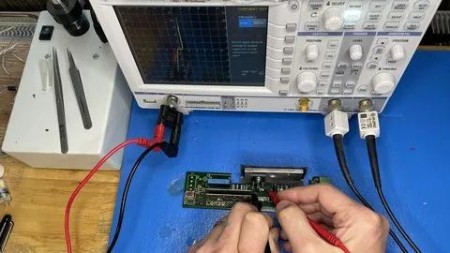
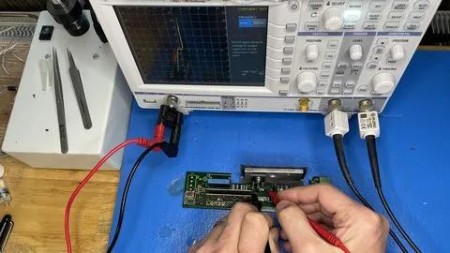
We will teach you how to repair industrial electronics, using a little theory and many practical examples
What you'll learn
learn to identify bad electronic components
learn to repair a defective electronic circuit
learn to do a correct fault diagnostic
learn to replace obsolete components with an equivalent
Requirements
basic knowledge of electronics
Description
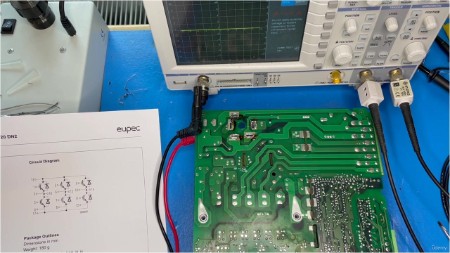
This course offers a comprehensive approach to repairing electronic circuits, blending traditional methods with innovative tools, techniques, and insider tips to achieve reliable results. It's ideal for individuals with a basic understanding of electronics who are eager to deepen their knowledge and skills. We start by introducing the essential tools, from standard equipment to some customized tools specifically useful for troubleshooting and repair. You'll also learn about unique tricks that can streamline the repair process.Once the foundational tools are covered, we'll dive into numerous real-world examples. In each example, we'll walk through diagnosing faults accurately, identifying and testing components to locate issues, and determining the correct component values-even when they're not visibly marked. You'll also learn how to select and replace components with equivalent parts that meet or exceed the original specifications.We'll tackle the repair of a wide array of devices, including motor drives, HMI devices (like touch screens), welding machines, control boards, and PLC cards. During this course, you'll become familiar with various component types: analog, digital, mixed-signal, low and high frequency, and power devices.Additionally, we'll cover strategies for sourcing replacement parts, choosing reliable online suppliers, and finding datasheets to ensure accurate repairs. By the end, you'll be well-prepared to troubleshoot, diagnose, and repair complex electronics with confidence.
Who this course is for
electronic engineers doing repairs
Homepage


Recommend Download Link Hight Speed | Please Say Thanks Keep Topic Live
No Password - Links are Interchangeable

 

eaf74480268afcf7d301857f9e610136.jpg

Advanced Electronic Repair Of Industrial Electronics
Published 11/2024
MP4 | Video: h264, 1920x1080 | Audio: AAC, 44.1 KHz
Language: English | Size: 3.55 GB | Duration: 1h 23m​

We will teach you how to repair industrial electronics, using a little theory and many practical examples

What you'll learn

learn to identify bad electronic components

learn to repair a defective electronic circuit

learn to do a correct fault diagnostic

learn to replace obsolete components with an equivalent

Requirements

basic knowledge of electronics

Description

This course offers a comprehensive approach to repairing electronic circuits, blending traditional methods with innovative tools, techniques, and insider tips to achieve reliable results. It's ideal for individuals with a basic understanding of electronics who are eager to deepen their knowledge and skills. We start by introducing the essential tools, from standard equipment to some customized tools specifically useful for troubleshooting and repair. You'll also learn about unique tricks that can streamline the repair process.Once the foundational tools are covered, we'll dive into numerous real-world examples. In each example, we'll walk through diagnosing faults accurately, identifying and testing components to locate issues, and determining the correct component values-even when they're not visibly marked. You'll also learn how to select and replace components with equivalent parts that meet or exceed the original specifications.We'll tackle the repair of a wide array of devices, including motor drives, HMI devices (like touch screens), welding machines, control boards, and PLC cards. During this course, you'll become familiar with various component types: analog, digital, mixed-signal, low and high frequency, and power devices.Additionally, we'll cover strategies for sourcing replacement parts, choosing reliable online suppliers, and finding datasheets to ensure accurate repairs. By the end, you'll be well-prepared to troubleshoot, diagnose, and repair complex electronics with confidence.

Overview

Section 1: Introductie

Lecture 1 Introductie

Section 2: Tools to troubleshoot and how to use them

Lecture 2 The V-I tester explained and a trick to protect your circuit

Section 3: Repair of a Lenze EVF8212-E inverter

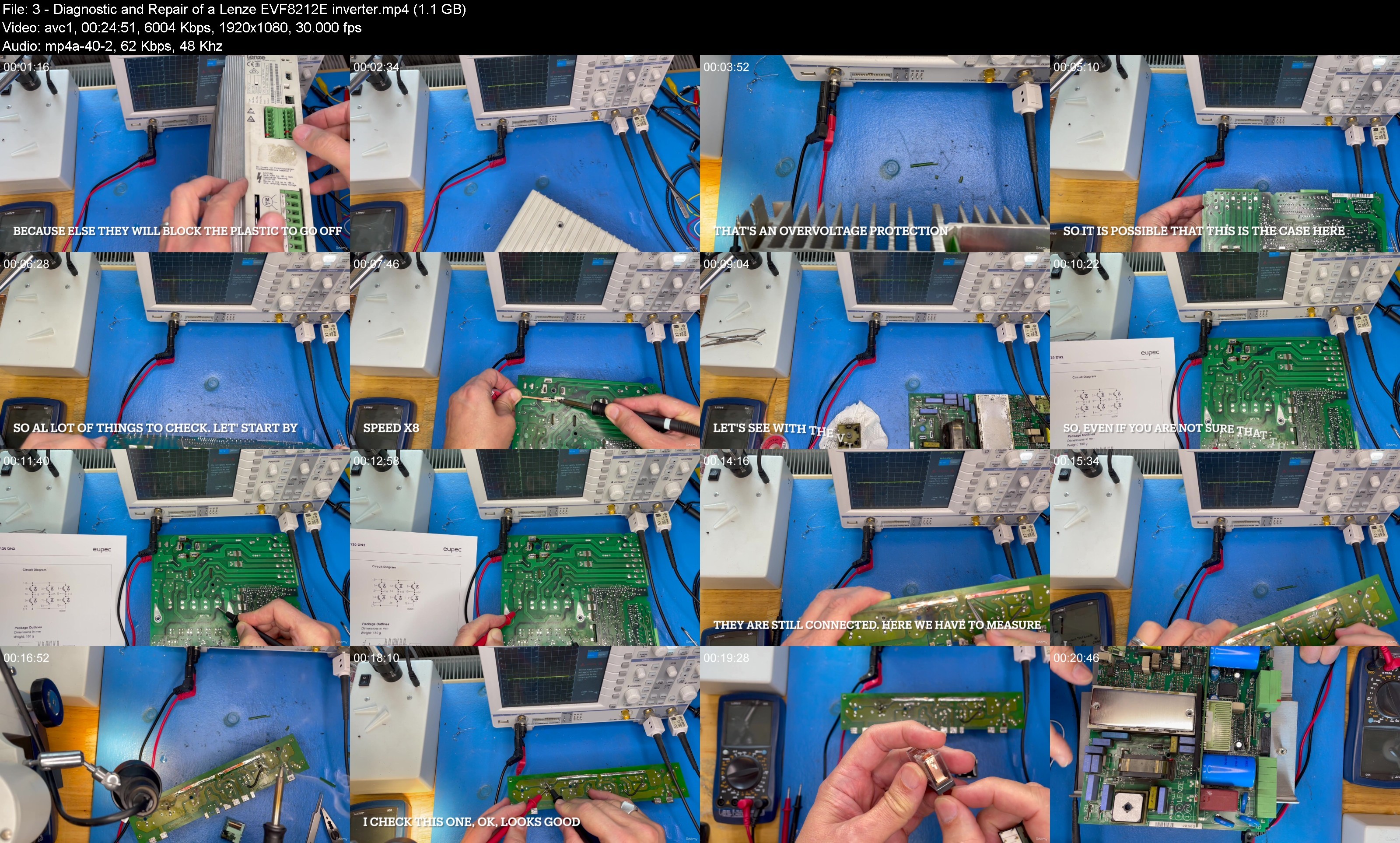
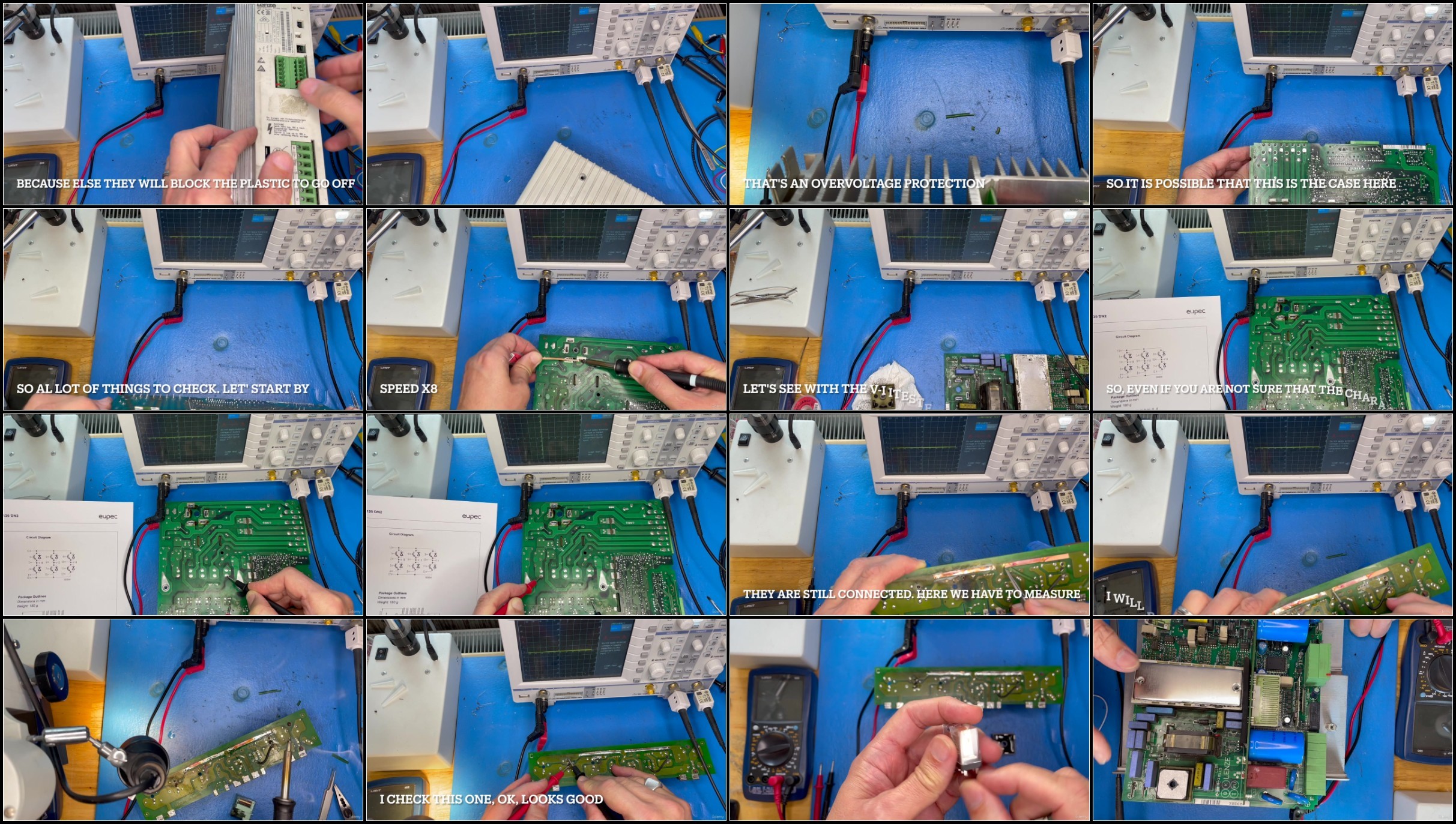
Lecture 3 Diagnostic and Repair of a Lenze EVF8212-E inverter

Lecture 4 Diagnostic of another Lenze EVF8212-E inverter

Section 4: Repair of a welding machine

Lecture 5 Diagnostic and repair of a welding machine

Section 5: Repair of a Lenze EMB8253-E

Lecture 6 Repair of a Lenze brake unit

Section 6: Datasheets and where to buy

Lecture 7 Finding datasheets and obsolete components

Section 7: Find the value of unknown R, L and C

Lecture 8 Find the value of damaged R, L and C

electronic engineers doing repairs

LqRZ3HfG_o.jpg


d67685802bd0c09aded00ff0626e86ef.jpg

Advanced Electronic Repair Of Industrial Electronics
Published 11/2024
MP4 | Video: h264, 1920x1080 | Audio: AAC, 44.1 KHz
Language: English | Size: 3.55 GB | Duration: 1h 23m​

We will teach you how to repair industrial electronics, using a little theory and many practical examples

What you'll learn

learn to identify bad electronic components

learn to repair a defective electronic circuit

learn to do a correct fault diagnostic

learn to replace obsolete components with an equivalent

Requirements

basic knowledge of electronics

Description

This course offers a comprehensive approach to repairing electronic circuits, blending traditional methods with innovative tools, techniques, and insider tips to achieve reliable results. It's ideal for individuals with a basic understanding of electronics who are eager to deepen their knowledge and skills. We start by introducing the essential tools, from standard equipment to some customized tools specifically useful for troubleshooting and repair. You'll also learn about unique tricks that can streamline the repair process.Once the foundational tools are covered, we'll dive into numerous real-world examples. In each example, we'll walk through diagnosing faults accurately, identifying and testing components to locate issues, and determining the correct component values-even when they're not visibly marked. You'll also learn how to select and replace components with equivalent parts that meet or exceed the original specifications.We'll tackle the repair of a wide array of devices, including motor drives, HMI devices (like touch screens), welding machines, control boards, and PLC cards. During this course, you'll become familiar with various component types: analog, digital, mixed-signal, low and high frequency, and power devices.Additionally, we'll cover strategies for sourcing replacement parts, choosing reliable online suppliers, and finding datasheets to ensure accurate repairs. By the end, you'll be well-prepared to troubleshoot, diagnose, and repair complex electronics with confidence.

Overview

Section 1: Introductie

Lecture 1 Introductie

Section 2: Tools to troubleshoot and how to use them

Lecture 2 The V-I tester explained and a trick to protect your circuit

Section 3: Repair of a Lenze EVF8212-E inverter

Lecture 3 Diagnostic and Repair of a Lenze EVF8212-E inverter

Lecture 4 Diagnostic of another Lenze EVF8212-E inverter

Section 4: Repair of a welding machine

Lecture 5 Diagnostic and repair of a welding machine

Section 5: Repair of a Lenze EMB8253-E

Lecture 6 Repair of a Lenze brake unit

Section 6: Datasheets and where to buy

Lecture 7 Finding datasheets and obsolete components

Section 7: Find the value of unknown R, L and C

Lecture 8 Find the value of damaged R, L and C

electronic engineers doing repairs

GAlMelda_o.jpg


6940adf92fdea0e947efadf64b5d78d8.jpg

Advanced Electronic Repair Of Industrial Electronics
Published 11/2024
MP4 | Video: h264, 1920x1080 | Audio: AAC, 44.1 KHz
Language: English | Size: 3.55 GB | Duration: 1h 23m​

We will teach you how to repair industrial electronics, using a little theory and many practical examples

What you'll learn

learn to identify bad electronic components

learn to repair a defective electronic circuit

learn to do a correct fault diagnostic

learn to replace obsolete components with an equivalent

Requirements

basic knowledge of electronics

Description

This course offers a comprehensive approach to repairing electronic circuits, blending traditional methods with innovative tools, techniques, and insider tips to achieve reliable results. It's ideal for individuals with a basic understanding of electronics who are eager to deepen their knowledge and skills. We start by introducing the essential tools, from standard equipment to some customized tools specifically useful for troubleshooting and repair. You'll also learn about unique tricks that can streamline the repair process.Once the foundational tools are covered, we'll dive into numerous real-world examples. In each example, we'll walk through diagnosing faults accurately, identifying and testing components to locate issues, and determining the correct component values-even when they're not visibly marked. You'll also learn how to select and replace components with equivalent parts that meet or exceed the original specifications.We'll tackle the repair of a wide array of devices, including motor drives, HMI devices (like touch screens), welding machines, control boards, and PLC cards. During this course, you'll become familiar with various component types: analog, digital, mixed-signal, low and high frequency, and power devices.Additionally, we'll cover strategies for sourcing replacement parts, choosing reliable online suppliers, and finding datasheets to ensure accurate repairs. By the end, you'll be well-prepared to troubleshoot, diagnose, and repair complex electronics with confidence.

Overview

Section 1: Introductie

Lecture 1 Introductie

Section 2: Tools to troubleshoot and how to use them

Lecture 2 The V-I tester explained and a trick to protect your circuit

Section 3: Repair of a Lenze EVF8212-E inverter

Lecture 3 Diagnostic and Repair of a Lenze EVF8212-E inverter

Lecture 4 Diagnostic of another Lenze EVF8212-E inverter

Section 4: Repair of a welding machine

Lecture 5 Diagnostic and repair of a welding machine

Section 5: Repair of a Lenze EMB8253-E

Lecture 6 Repair of a Lenze brake unit

Section 6: Datasheets and where to buy

Lecture 7 Finding datasheets and obsolete components

Section 7: Find the value of unknown R, L and C

Lecture 8 Find the value of damaged R, L and C

electronic engineers doing repairs

2GNybQcI_o.jpg

 
Zurück
Oben Unten