0daytutorial
MyBoerse.bz Pro Member
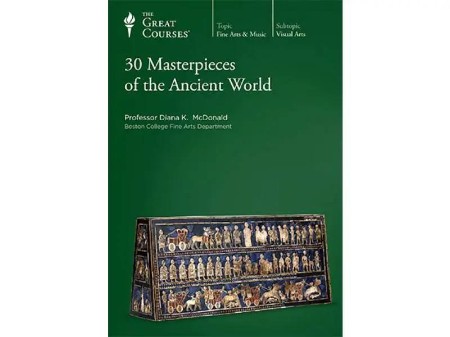
30 Masterpieces of the Ancient World
36xDVDRip | WMV/WMV3, ~2000 kb/s | 640x360 | Duration: 18:38:22 | English: WMA, 128 kb/s (2 ch) | 15.3 GB
Genre: eLearning Video / Cultures, Art, History
Art is one of the highest forms of human expression, and studying the history of ancient art, as with studying later works, gives us a way to more fully understand ourselves today. A comparative look at the masterpieces of the ancient world reveals a marvelous diversity of styles, themes, subjects, and media, but it also offers us a glimpse of the universal truths and values of humanity across the ages. Even among radically different cultures, you still see common themes-including expressions of rulership, fertility, and religion and spirituality.
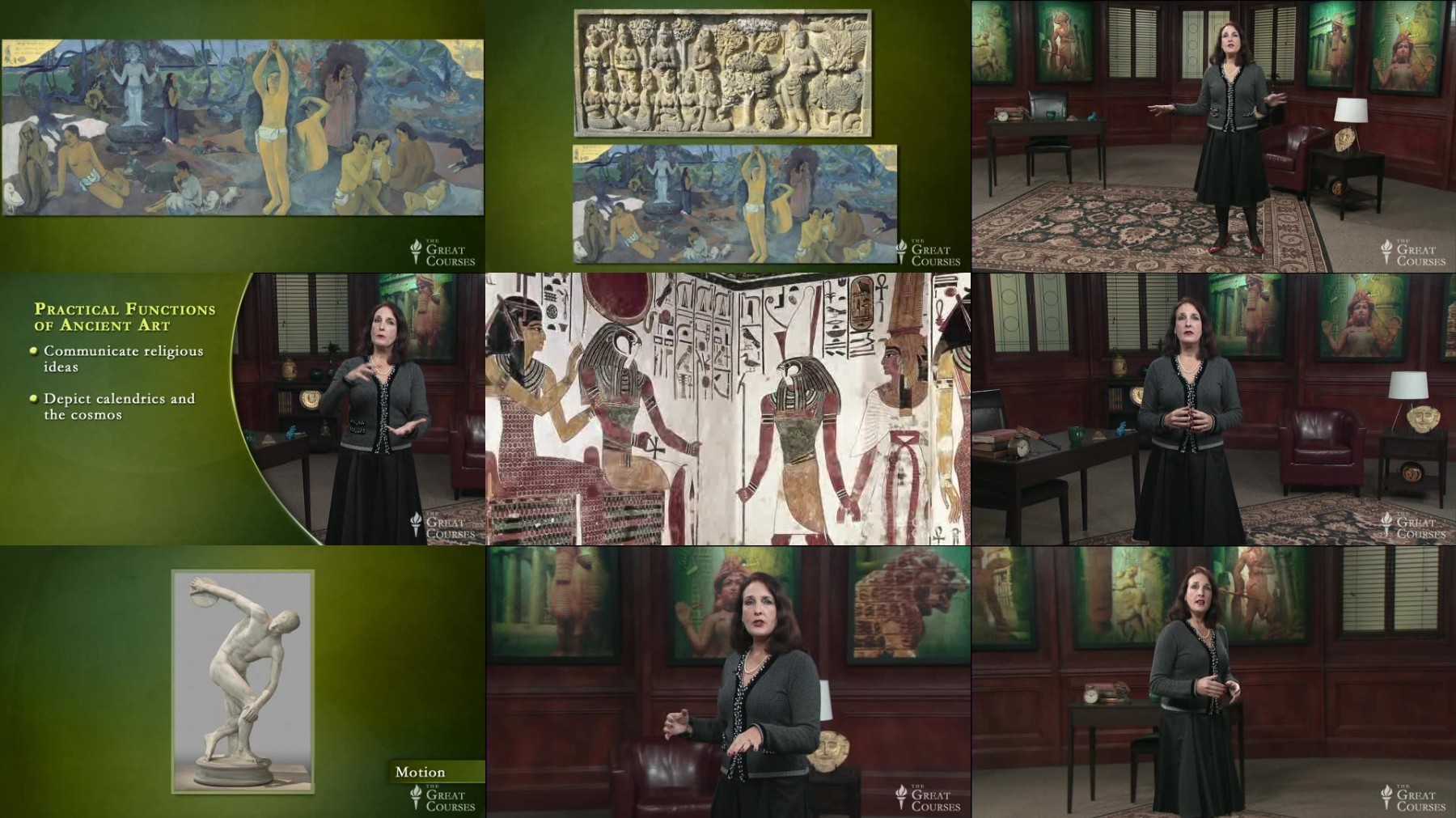
30 Masterpieces of the Ancient World offers you what few art history courses do, even in our top universities-a broad and comprehensive survey of art in the ancient world. Over the course of 36 fascinating lectures, Professor Diana Krumholz McDonald, an expert in ancient art history and an esteemed lecturer and scholar, takes you on a grand journey around the world to see some of the greatest works of art ever created and to explore the cultures that made them. Whether it's a textbook standard or a little-known gem, this is art with a purpose, created not for art's sake, but with a clear function in mind. You'll delight in learning about such works as
the realistic paintings inside the caves of Chauvet, France;
the Uruk Vase and the development of narrative art in Mesopotamia;
the erotic and terrifying "Queen of the Night" relief from ancient Babylon;
the treasures from King Tut's tomb and other Egyptian wonders;
the mesmerizing and expressive sculpture "Laocoön";
the ancient relics and monuments to the Buddha in India and Java; and
the colossal Olmec heads with their extraordinary emotional power.
Along the way, Professor McDonald is an able guide who brings these masterpieces to life with stories, insights, and interpretations that will open an entire new world for you.
The beauty of 30 Masterpieces of the Ancient World is that it takes you all around the globe, from Europe and the Middle East to Asia and the Americas. You'll revisit familiar cultural touchstones, such as the Greek Olympic Games or the Roman Republic, and you'll encounter unfamiliar-even terrifying-rituals such as human sacrifice in the mysterious Aztec and Moche societies. The artwork these cultures produced ranges from decorative earspools to massive architectural wonders, from skillfully woven textiles and masterfully wrought pottery to stunningly expressive sculptures and paintings.
For all this variety, though, common themes emerge and connect us in our shared humanity-not merely among ancient societies, but between the ancients and our world today. In this extraordinary journey, you'll encounter breathtaking paintings, sculptures, reliefs, textiles, and architectural triumphs from around the globe and created across thousands of years, and you'll study what binds them together-and the lessons they offer us today.
Survival & Fertility: Nothing else matters if our basic needs are not met. It makes sense, then, that so much artistic expression in the ancient world focuses on our security. Masterpieces such as these highlight the importance of this theme throughout the ancient world:
"Ram Caught in a Thicket," from the Royal Cemetery at Ur, highlights fertility of the land, which is necessary for human survival.
Aphrodite of Knidos, the first female nude sculpture, shows reverence for the goddess of sexual love and fertility in ancient Greece.
Chinese bronze vessels were used for ritual sacrifices to communicate with ancestral spirits and secure their protection and generosity.
Dominance, Rulership, & Warfare: How does a king control his kingdom? Visual propaganda is a nearly universal way for rulers to inspire devotion and intimidate potential threats, both from within and without. For example:
In Mesopotamia, the Standard of Ur shows two complementary sides of kingship-warrior and provider. Rulers must defend and provide for their people.
In Persia, the Achaemenid kings built grand cities such as Persepolis as expressions of their power.
In Rome, the Column of Trajan tells a story of Roman warfare, with Trajan as the towering conqueror.
Religion & Spirituality: So much art through the ages has focused on the soul and the afterlife, and ancient societies were the first to develop and cultivate this spiritual approach. Not only does ancient artwork affirm our common humanity, but masterpieces such as these provide an important glimpse into the cultures that created them:
The grand Egyptian tombs and funerary rites were a way for kings-including the famous Tutankhamun-to achieve immortality.
The Great Stupa at Sanchi supposedly houses some of the ashes of the Buddha. Pilgrims came from far and wide to pay their respects and, in the process, learned the path toward an enlightened life.
On his sarcophagus, the Maya king Pakal the Great was portrayed as the reborn maize god, an important key to understanding the myths and religion of the Maya.
What Makes a Masterpiece?
Size. Technique. Beauty. Complexity. Whatever your criteria, the objects you'll study in this course are some of the world's truly great masterpieces. Professor McDonald gives you an overview of the cultural context of these works and explains what makes each piece important, outstanding, and beautiful. Each masterpiece has a story to tell, and this course is your key for uncovering these stories. How did each piece function in its culture? What can it tell us about the people of its time and place? Why does the piece matter to us today?
Some of the works you'll study are easily recognizable-for instance, King Tut's mask, the Parthenon, and the Aztec calendar stone. But others are strange and enigmatic. For each masterpiece, Professor McDonald provides you with the necessary context and unlocks the hidden story behind each object. She also delves into the techniques employed by some of the greatest artists of all time to help you understand the art's creation and to enhance your appreciation. Among other things, you'll learn about
verisimilitude in 30,000-year-old cave paintings, which challenges us to rethink our notion of "primitive" art;
the optical illusions built into the architecture of the Mesopotamian ziggurats;
contrapposto, torsion, and the development of motion in Greek sculpture; and
the astounding skill and labor behind the Andean textiles.
One of the most interesting features you'll discover about ancient art is the development of abstraction in ancient Andean art. Today we think of abstraction as modern, as a 20th-century phenomenon, but in the early centuries of the Common Era, the Andean civilizations painted abstract designs on their pottery and wove abstract geometric shapes in their textiles.
The Perfect Guide for a Comparative Course
Perhaps no other course offers you such a wide and deep survey of ancient art. And Professor McDonald is the ideal art historian to take us on this journey around the world. As a specialist in ancient art history and as one who lived in Southeast Asia and has traveled around the world, she has personally seen the objects she describes, and she is able to pepper her stories with personal examples that bring the material to life. What's more, she draws surprising connections between objects created independently by cultures on opposite sides of the world. And the stunning works of art in the course, along with 3-D reconstructions and the professor's demonstrations, enhance your aesthetic appreciation.
This course is such a rare treat-the chance to reflect on such questions as, How did ancient people live and survive? What drives our impulse to create art? Why do these objects resonate so strongly with us over thousands of years? With striking visuals and a sense of excitement in every lecture, 30 Masterpieces of the Ancient World is a powerful testament to the power of art in the human experience.
Lectures:
1. Where Do We Come From?
2. Ancient Cave Art Chauvet, France
3. The Uruk Vase Vision of an Ordered World
4. The Standard of Ur Role of the King
5. Ram Caught in a Thicket
6. Great Ziggurat at Ur Ancient Architecture
7. Victory Stela of Naram-Sin of Akkad
8. Neo-Assyrian Palace Reliefs
9. Queen of the Night Babylonian Goddess
10. Ishtar Gate and Processional Way
11. The Ancient City of Persepolis
12. Palette of Narmer The Conquering King
13. Statue of Khafre Rebirth of a King
14. Tutankhamun s Mask
15. Tomb Painting of Nefertari
16. Kritios Boy Idealized Athletic Youth
17. Discobolus Motion in Sculpture
18. Parthenon Marbles Metopes and Frieze
19. Greek Vase Painting Death of Sarpedon
20. Aphrodite of Knidos
21. Laocoon Three-Dimensional Narrative
22. Column of Trajan
23. Bronzes of Ancient China
24. Great Stupa at Sanchi
25. Borobudur Ancient Buddhist Stupa
26. Colossal Olmec Heads
27. Sarcophagus Cover of Pakal at Palenque
28. Carved Stone Lintels of Yaxchilan
29. Teotihuacan Temple of the Feathered Serpent
30. Colossal Stone Statue of Coatlicue
31. Aztec Calendar Stone
32. Moche Earspools Miniature Masterpieces
33. Ancient Andean Ceramics
34. Ancient Andean Textiles
35. What Can We Learn from Ancient Art?
36. How Ancient Art Reverberates
also You can find other my intetesting:
Screenshots
Exclusive eLearning Videos ← add to bookmarks