

• Regeln für den Video-Bereich:

    In den Börsenbereich gehören nur Angebote die bereits den Allgemeinen Regeln entsprechen.

    Einteilung

    - Folgende Formate gehören in die angegeben Bereiche:
    - Filme: Encodierte Filme von BluRay, DVD, R5, TV, Screener sowie Telesyncs im Format DivX, XviD und x264.
    - DVD: Filme im Format DVD5, DVD9 und HD2DVD.
    - HD: Encodierte Filme mit der Auflösung 720p oder darüber von BluRay, DVD, R5, TV, Screener sowie Telesyncs im Format x264.
    - 3D: Encodierte Filme von BluRay, die in einem 3D Format vorliegen. Dies gilt auch für Dokus, Animation usw.
    - Serien: Cartoon/Zeichentrick, Anime, Tutorials, Dokumentationen, Konzerte/Musik, Sonstiges sind demnach in die entsprechenden Bereiche einzuordnen, auch wenn sie beispielsweise im High Definition-Format oder als DVD5/DVD9/HD2DVD vorliegen. Ausnahme 3D.
    - Bereich Englisch: Englische Releases gehören immer in diesen Bereich.
    - Bereich Talk: Der Bereich, in dem über die Releases diskutiert werden kann, darf, soll und erwünscht ist.


    Angebot/Beitrag erstellen

    - Ein Beitrag darf erst dann erstellt werden, wenn der Upload bei mindestens einem OCH komplett ist. Platzhalter sind untersagt.
    - Bei einem Scenerelease hat der Threadtitel ausschließlich aus dem originalen, unveränderten Releasenamen zu bestehen. Es dürfen keine Veränderungen wie z.B. Sterne, kleine Buchstaben o.ä. vorgenommen werden. Ausnahme Serienbörse:
    - Bei einem Sammelthread für eine Staffel entfällt aus dem Releasename natürlich der Name der Folge. Beispiel: Die Simpsons S21 German DVDRip XviD - ITG
    - Dementsprechend sind also u.a. verboten: Erweiterungen wie "Tipp", "empfehlenswert", "only", "reup", usw. / jegliche andere Zusatzinformation oder Ergänzung, welche nicht in obiger Beschreibung zu finden ist.

    Aufbau des Angebots und Threadtitel

    Der Titel nach folgendem Muster erstellt zu werden. <Name> [3D] [Staffel] [German] <Jahr> <Tonspur> [DL] [Auflösung] <Quelle> <Codec> - <Group>
    Beispiel: The Dark Knight German 2008 AC3 DVDRip XviD - iND
    Beispiel: The Dark Knight 2008 DTS DL BDRip x264 - iND
    Beispiel: The Dark Knight 2008 AC3 DL BDRip XviD - iND
    Beispiel: The Dark Knight German 2008 AC3 720p BluRay x264 iND
    Beispiel: The Dark Knight 2008 DTS DL 1080p BluRay x264 iND
    Beispiel: Die Simpsons S01 German AC3 DVDRip XviD iND
    Beispiel: Die Simpsons S20 German AC3 720p BluRay x264 iND
    Beispiel: Sword Art Online II Ger Sub 2014 AAC 1080p WEBRip x264 - peppermint
    Entsprechend sind also u.a. verboten: Sonderzeichen wie Klammern, Sterne, Ausrufezeichen, Unterstriche, Anführungszeichen / Erweiterungen wie "Tipp", "empfehlenswert", "only", "reup", usw. / jegliche andere Zusatzinformation oder Ergänzung, welche nicht in obiger Beschreibung zu finden ist
    Ausnahmen hiervon können in den Bereichen geregelt sein.

    Die Beiträge sollen wie folgt aufgebaut werden:
    Überschrift entspricht dem Threadtitel
    Cover
    kurze Inhaltsbeschreibung
    Format, Größe, Dauer sind gut lesbar für Downloader außerhalb des Spoilers zu vermerken
    Nfo sind immer Anzugeben und selbige immer im Spoiler in Textform.
    Sind keine Nfo vorhanden z.B. Eigenpublikationen, sind im Spoiler folgende Dateiinformationen zusätzlich anzugeben :
    Quelle
    Video (Auflösung und Bitrate)
    Ton (Sprache, Format und Bitrate der einzelnen Spuren)
    Untertitel (sofern vorhanden)
    Hosterangabe in Textform außerhalb eines Spoiler mit allen enthaltenen Hostern.
    Bei SD kann auf diese zusätzlichen Dateiinformationen verzichtet werden.

    Alle benötigten Passwörter sind, sofern vorhanden, in Textform im Angebot anzugeben.
    Spoiler im Spoiler mit Kommentaren :"Schon Bedankt?" sind unerwünscht.


    Releases

    - Sind Retail-Release verfügbar, sind alle anderen Variationen untersagt. Ausnahmen: Alle deutschen Retail-Release sind CUT, in diesem Fall sind dubbed UNCUT-Release zulässig.
    - Im Serien-Bereich gilt speziell: Wenn ein Retail vor Abschluss einer laufenden Staffel erscheint, darf diese Staffel noch zu Ende gebracht werden.62
    - Gleiche Releases sind unbedingt zusammenzufassen. Das bedeutet, es ist zwingend erforderlich, vor dem Erstellen eines Themas per Suchfunktion zu überprüfen, ob bereits ein Beitrag mit demselben Release besteht. Ist dies der Fall, ist der bereits vorhandene Beitrag zu verwenden.
    - P2P und Scene Releases dürfen nicht verändert oder gar unter einem iND Tag eingestellt werden.


    Support, Diskussionen und Suche

    - Supportanfragen sind entweder per PN oder im Bereich Talk zu stellen.
    - Diskussionen und Bewertungen sind im Talk Bereich zu führen. Fragen an die Uploader haben ausschließlich via PN zu erfolgen, und sind in den Angeboten untersagt.
    - Anfragen zu Upload-Wünschen sind nur im Bereich Suche Video erlaubt. Antworten dürfen nur auf Angebote von MyBoerse.bz verlinkt werden.


    Verbote

    - Untersagt sind mehrere Formate in einem einzigen Angebotsthread, wie beispielsweise das gleichzeitige Anbieten von DivX/XviD, 720p und 1080p in einem Thread. Pro Format, Release und Auflösung ist ein eigener Thread zu eröffnen.
    - Grundsätzlich ebenso verboten sind Dupes. Uploader haben sich an geeigneter Stelle darüber zu informieren, ob es sich bei einem Release um ein Dupe handelt.
    - Gefakte, nur teilweise lauffähige oder unvollständige Angebote sind untersagt. Dies gilt auch für eigene Publikationen, die augenscheinlich nicht selbst von z.B. einer DVD gerippt wurden. Laufende Serien, bei denen noch nicht alle Folgen verfügbar sind, dürfen erstellt und regelmäßig geupdatet werden.
    - Untersagt sind Angebote, welche nur und ausschließlich in einer anderen Sprache als deutsch oder englisch vorliegen. Ausnahmen sind VORHER mit den Moderatoren zu klären.


    Verstoß gegen die Regeln

    - Angebote oder Beiträge, die gegen die Forenregeln verstoßen, sind über den "Melden"-Button im Beitrag zu melden.
  • Bitte registriere dich zunächst um Beiträge zu verfassen und externe Links aufzurufen.

*** Bestes IPTV *** bester Preis *** gratis Test ***


Pipeline Pigging Fundamentals Inspection, Cleaning & Safety

babymore87

MyBoerse.bz Pro Member
c9de58094139095d5e2ffb38f2ba7f1f.webp

Free Download Pipeline Pigging Fundamentals Inspection, Cleaning & Safety
Published 11/2025
MP4 | Video: h264, 1920x1080 | Audio: AAC, 44.1 KHz
Language: English | Size: 861.68 MB | Duration: 0h 55m
Master the technology of Pipeline Inspection Gauges (PIGs), from utility cleaning tools to smart In-Line Inspection (ILI

What you'll learn
Pigging Basics: Define what a PIG is, how it moves, and the four critical functions they perform (Cleaning, Batching, Inspection, and Dewatering).
Tool Selection: distinguish between Utility Pigs (Foam, Brush, Scraper) and "Smart" Intelligent Pigs used for data gathering.
Smart Technology: Understand the difference between Magnetic Flux Leakage (MFL) and Ultrasonic Testing (UT) for defect detection.
Operational Hardware: Master the anatomy of Launchers and Receivers (Traps), including Kicker valves, Barrels, and Quick Opening Closures.
Operations & Safety: Learn the step-by-step sequence for launching and receiving a pig safely, including isolation and verification.
Physics & Control: Analyze pig velocity, understand optimal speed ranges for gas vs. liquid lines, and learn how bypass flow and electronic braking control spee
Surveillance: Explore tracking methods like Electromagnetic (EM) transmitters, Acoustic tracking, and the "Leap-Frog" strategy.
Standards: Navigate key industry standards including API 1163, ASME B31.8S, and ISO 22504.
Requirements
Basic understanding of fluid mechanics or engineering terminology is helpful but not required.
A desire to learn about oil and gas midstream operations.
Description
Are you an engineer, technician, or oil & gas professional looking to master the critical maintenance process known as "Pigging"?"This course contains the use of artificial intelligence."Pipeline Pigs are the unsung heroes of the energy industry. They maintain flow efficiency, separate distinct products, and most importantly, use advanced sensors to inspect the health of pipelines from the inside out.In this course, Pipeline Pigging Fundamentals, we break down the complex world of pipeline operations into clear, digestible modules. Whether you are dealing with routine cleaning or complex intelligent inspection runs, this course provides the technical foundation you need.What You Will Learn:pigging Basics: Define what a PIG is, how it moves, and the four critical functions they perform (Cleaning, Batching, Inspection, and Dewatering).Tool Selection: distinguish between Utility Pigs (Foam, Brush, Scraper) and "Smart" Intelligent Pigs used for data gathering.Smart Technology: Understand the difference between Magnetic Flux Leakage (MFL) and Ultrasonic Testing (UT) for defect detection.Operational Hardware: Master the anatomy of Launchers and Receivers (Traps), including Kicker valves, Barrels, and Quick Opening Closures.Operations & Safety: Learn the step-by-step sequence for launching and receiving a pig safely, including isolation and verification.Physics & Control: Analyze pig velocity, understand optimal speed ranges for gas vs. liquid lines, and learn how bypass flow and electronic braking control speed.Surveillance: Explore tracking methods like Electromagnetic (EM) transmitters, Acoustic tracking, and the "Leap-Frog" strategy.Standards: Navigate key industry standards including API 1163, ASME B31.8S, and ISO 22504.Course Structure:Module 1: Fundamentals of Pigging (Definitions & Tasks)Module 2: The Hardware (Utility vs. Smart Pigs)Module 3: Launching & Receiving Operations (Trap Design & Sequence)Module 4: Dynamics & Control (Velocity & Speed Control)Module 5: Surveillance & Standards (Tracking & API/ASME Codes)
Piping Engineers and Designers.,Pipeline Integrity Engineers,Oil & Gas Operations and Maintenance Technicians.,Project Managers supervising pipeline inspections.,Mechanical Engineering students seeking industry-specific skills.
Homepage


Recommend Download Link Hight Speed | Please Say Thanks Keep Topic Live
No Password - Links are Interchangeable

 

3513fb5602382f72f3afa42237cd0780.jpg

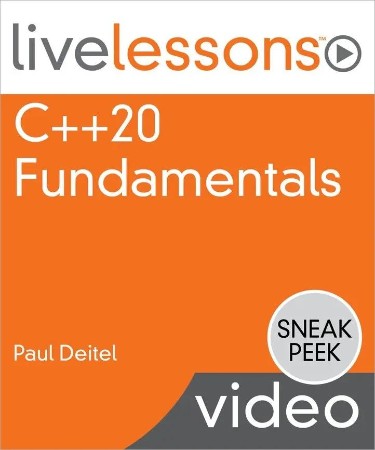
C++20 Fundamentals
.MP4, AVC, 1280x800, 30 fps | English, AAC, 2 Ch | 4h 21m | 4.5 GB
Instructor: Paul J. Deitel​

C++20 Fundamentals LiveLessons with Paul Deitel is a code-oriented presentation of C++, one of the world's most versatile and powerful programming languages. C++ remains hugely popular for the development of systems software, embedded systems, operating systems, real-time systems, communications systems and other high performance computer applications. C++20 Fundamentals LiveLessons is comprehensive and covers all major versions of C++, including: C++11, C++17, and C++20.


r3j4K6lq_o.jpg


0abbb2a79d9d4141e2f15296223e94b9.jpg

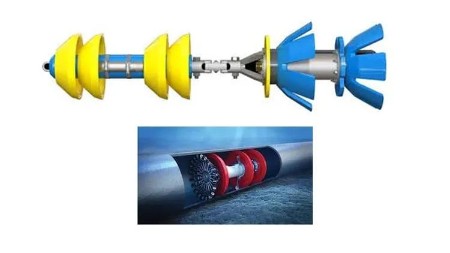
Pipeline Pigging Fundamentals: Inspection, Cleaning & Safety
Published 11/2025
Duration: 55m | .MP4 1920x1080 30fps(r) | AAC, 44100Hz, 2ch | 861.68 MB
Genre: eLearning | Language: English​

Master the technology of Pipeline Inspection Gauges (PIGs), from utility cleaning tools to smart In-Line Inspection (ILI

What you'll learn
- Pigging Basics: Define what a PIG is, how it moves, and the four critical functions they perform (Cleaning, Batching, Inspection, and Dewatering).
- Tool Selection: distinguish between Utility Pigs (Foam, Brush, Scraper) and "Smart" Intelligent Pigs used for data gathering.
- Smart Technology: Understand the difference between Magnetic Flux Leakage (MFL) and Ultrasonic Testing (UT) for defect detection.
- Operational Hardware: Master the anatomy of Launchers and Receivers (Traps), including Kicker valves, Barrels, and Quick Opening Closures.
- Operations & Safety: Learn the step-by-step sequence for launching and receiving a pig safely, including isolation and verification.
- Physics & Control: Analyze pig velocity, understand optimal speed ranges for gas vs. liquid lines, and learn how bypass flow and electronic braking control spee
- Surveillance: Explore tracking methods like Electromagnetic (EM) transmitters, Acoustic tracking, and the "Leap-Frog" strategy.
- Standards: Navigate key industry standards including API 1163, ASME B31.8S, and ISO 22504.

Requirements
- Basic understanding of fluid mechanics or engineering terminology is helpful but not required.
- A desire to learn about oil and gas midstream operations.

Description
Are you an engineer, technician, or oil & gas professional looking to master the critical maintenance process known as "Pigging"?

"This course contains the use of artificial intelligence."

Pipeline Pigs are the unsung heroes of the energy industry. They maintain flow efficiency, separate distinct products, and most importantly, use advanced sensors to inspect the health of pipelines from the inside out.

In this course,Pipeline Pigging Fundamentals, we break down the complex world of pipeline operations into clear, digestible modules. Whether you are dealing with routine cleaning or complex intelligent inspection runs, this course provides the technical foundation you need.

What You Will Learn:

Pigging Basics:Define what a PIG is, how it moves, and the four critical functions they perform (Cleaning, Batching, Inspection, and Dewatering).

Tool Selection:distinguish between Utility Pigs (Foam, Brush, Scraper) and "Smart" Intelligent Pigs used for data gathering.

Smart Technology:Understand the difference between Magnetic Flux Leakage (MFL) and Ultrasonic Testing (UT) for defect detection.

Operational Hardware:Master the anatomy of Launchers and Receivers (Traps), including Kicker valves, Barrels, and Quick Opening Closures.

Operations & Safety:Learn the step-by-step sequence for launching and receiving a pig safely, including isolation and verification.

Physics & Control:Analyze pig velocity, understand optimal speed ranges for gas vs. liquid lines, and learn how bypass flow and electronic braking control speed.

Surveillance:Explore tracking methods like Electromagnetic (EM) transmitters, Acoustic tracking, and the "Leap-Frog" strategy.

Standards:Navigate key industry standards including API 1163, ASME B31.8S, and ISO 22504.

Course Structure:

Module 1:Fundamentals of Pigging (Definitions & Tasks)

Module 2:The Hardware (Utility vs. Smart Pigs)

Module 3:Launching & Receiving Operations (Trap Design & Sequence)

Module 4:Dynamics & Control (Velocity & Speed Control)

Module 5:Surveillance & Standards (Tracking & API/ASME Codes)

Who this course is for:
- Piping Engineers and Designers.
- Pipeline Integrity Engineers
- Oil & Gas Operations and Maintenance Technicians.
- Project Managers supervising pipeline inspections.
- Mechanical Engineering students seeking industry-specific skills.


H0GLivBV_o.jpg

 
Zurück
Oben Unten