




Last updated 6/2022
MP4 | Video: h264, 1280x720 | Audio: AAC, 44.1 KHz
Language: English | Size: 3.36 GB | Duration: 3h 35m
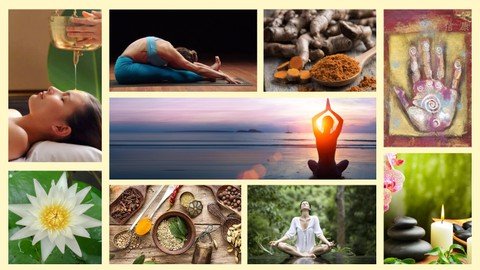
Study Ayurvedic Medicine, the most used eastern medicinal practice, with body, mind and spiritual practices.
What you'll learn
Learn about the types of Dosha - Vata, Pitta, and Kapha
Learn how to work with diet and lifestyle to support each Dosha
Discover how to find your Dosha
Study The history of Ayurveda
Find out -- What is Ayurveda?
Learn about the different branches of Ayurveda
Learn about Ayurvedic General Medicine
Study the Doshas' Psychosomatic Influence
Investigate the Fundamental Concepts of Ayurveda
Learn to see the difference between the three doshas
Understand why Dosha can't be 'seen' & the Biorhythm of Dosha
Study the Ayurvedic concept of Dosha balance
Look at what makes us different? - The Concept of Body
Discover what is the Pitta Dosha, and how does it affect you?
Discover what makes the Vata body type unique?
Learn what is special about the Kapha body type?
Requirements
No experience needed.
Description
For thousands of years, Ayurveda has protected human health in a simple yet effective manner. You may have heard of Ayurveda before and have wanted to learn more. Well, this Ayurveda Foundation course is for you.We will look into the history of Ayurveda and its origin in ancient Vedic texts.We will discover our personal dosha (which is a term used to describe metabolic patterns in Ayurveda) and learn how to work with it in support of optimum health for the body. This will include dietary suggestions on how to help support your dosha.We will learn how to identify doshas in others and to become aware of when they are unbalanced and learn how to bring them back into balance.We will study the three Gunas or building blocks of the mind from an Ayurvedic perspective and see how we can work towards a state of Samadhi or Enlightenment through the mind and body.The content of this course has been expertly written especially for the Academy of Ancient Magik by Ayurvedic Doctor, Dr Kanika Verma. This course is accredited and endorsed by the International Association of Therapists.What you will learn- What is Ayurveda?- What is the goal of Ayurveda & about the Kshetra?-What is the Scope of Ayurveda?- Branches of Ayurveda- Kaya chikitsa (Ayurvedic General Medicine)- Kaumaryabritya (A combination of Ayurvedic Paediatrics e.t.c)- Bhoot Vidya (Ayurvedic Metaphysical Psychological Treatment)- Shalakya (Ayurvedic Needle Treatment)- Shalya (Ayurvedic Surgery)- Agad Tantra (Ayurvedic Toxicology) - Vajikaran (Ayurvedic fertility and aphrodisiac treatment) - The Fundamental Concepts of Ayurveda - What Does the Term Dosha Mean? - What is the difference between the three doshas - Why can't Dosha be seen & the Biorhythm of Dosha. What makes us different? - The Concept of Body - Doshas' Psychosomatic Influence: - Ayurvedic concept of Dosha balance- Types of Dosha - Vata, Pitta, and Kapha - What is Pitta Dosha, and how does it affect you?- What are the qualities of Pitta?- What exactly is the Kapha dosha?- What is the Kapha dosha? - What are the qualities of Kapha dosha? - What is Prakriti and what is the Constitution?- The Mental Constitution, or Manas Prakriti- The Body Type or the Shariric Prakrati- Additional Forms of Prakriti - What makes the Vata body type unique? - How does a Vata individual appear? - The Structure of the Vata Body & The Face of Vata - Vata's Skin & Hair - What distinguishes the Pitta body type?- How does a pitta individual appear? - Pitta's Physical Structure & Face - Pitta Skin & Hair- What is special about the Kapha body type?- How does a Kapha individual appear?- Kapha's Physical Structure & Face - The Kapha Skin & Hair - How To Find Your Body Type - Ayurveda Dosha Quiz - The Three Gunas- Dietary Changes to Help Balance Vata Dosha - The Vata friendly Characteristics- Flavours good for vata balance- How to Prepare Vata compatible Food- Vata Balancing Food - Dietary rules for Pitta Balance- Discover pitta balancing food- The right tastes for pitta- Pitta Balancing Food - Dietary rules for Kapha Balance - Food qualities to Look for, for Kapha balance - The Kapha way to eat- Kapha Balancing FoodAbout the Author - Vaidya Kanika Verma is an Ayurveda Consultant(BAMS, MMS, PGDPC, PGDVA) with a focus on Preventive Ayurveda. She specializes in Ritucharya consultation (Ayurvedic Preventive seasonal therapy) and Satvavjaya (Ayurvedic mental health management), with more than 10 years of experience.Kanika is also a qualified psychotherapist with a specialization in mindfulness. She loves to combine mental healing along with physical treatment. Her knowledge of Vedic medical astrology adds to her diagnosis and disease prediction abilities. Kanika believes that everyone can stay perennially healthy by simplifying the mind, diet, and lifestyle. Her two published books echo her opinion on simplicity and a flexible health approach.Ageless Life with Ayurvedic Ritucharya (2016)Zero-Time Mindfulness (2019) available on amazon kindle. You can visit her blog for more information
Overview
Section 1: Introduction
Lecture 1 Introduction
Lecture 2 Lecture 1 - Overview
Lecture 3 Lecture 2 - What is Ayurveda? (+ downloadable section notes)
Lecture 4 Lecture 3 - Veda
Lecture 5 Lecture 4 - What is the goal of Ayurveda & about the Kshetra?
Lecture 6 Lecture 5 - What is the Scope of Ayurveda?
Lecture 7 Medical Disclaimer
Lecture 8 How To !
Section 2: Section 2 - Branches of Ayurveda
Lecture 9 Lecture 6 - Introduction to the Branches of Ayurveda (+ downloadable notes)
Lecture 10 Lecture 7 - Kaya chikitsa (Ayurvedic General Medicine)
Lecture 11 Lecture 8 - Kaumaryabritya (A combination of Ayurvedic Paediatrics e.t.c)
Lecture 12 Lecture 9 - Bhoot Vidya (Ayurvedic Metaphysical Psychological Treatment)
Lecture 13 Lecture 10 - Shalakya (Ayurvedic Needle Treatment)
Lecture 14 Lecture 11 - Shalya (Ayurvedic Surgery)
Lecture 15 Lecture 12 - Agad Tantra (Ayurvedic Toxicology)
Lecture 16 Lecture 13 - Vajikaran (Ayurvedic fertility and aphrodisiac treatment)
Section 3: Section 3 - The Fundamental Concepts of Ayurveda
Lecture 17 Lecture 14 - The Fundamental Concepts of Ayurveda - Part 1.
Lecture 18 Lecture 15 - The Fundamental Concepts of Ayurveda - Part 2.
Section 4: Section 4 - Dosha - What is it?
Lecture 19 Lecture 16 - Introduction and What Does the Term Dosha Mean?
Lecture 20 Lecture 17 - What is the difference between the three doshas
Lecture 21 Lecture 18 - Why can't Dosha be seen & the Biorhythm of Dosha.
Lecture 22 Lecture 19 - What makes us different? - The Concept of Body
Lecture 23 Lecture 20 - Doshas' Psychosomatic Influence
Lecture 24 Lecture 21 - Ayurvedic concept of Dosha balance
Section 5: Section 5 - Types of Dosha - Vata, Pitta, and Kapha
Lecture 25 Lecture 22 - Introduction and Vata Dosha
Lecture 26 Lecture 23 - Dosha Pitta
Lecture 27 Lecture 24 - Kapha dosha
Section 6: Section 6 - What is the Vata Dosha
Lecture 28 Lecture 25 - What is the Vata Dosha?
Lecture 29 Lecture 26 - Vata's Qualities
Section 7: Section 7 - What is Pitta Dosha, and how does it affect you?
Lecture 30 Lecture 27 - What is Pitta Dosha, and how does it affect you?
Lecture 31 Lecture 28 - What are the qualities of Pitta?
Section 8: Section 8 - What exactly is the Kapha dosha?
Lecture 32 Lecture 29 - What is the Kapha dosha?
Lecture 33 Lecture 30 - What are the qualities of Kapha dosha?
Section 9: Section 9 - What is Prakriti and what is the Constitution?
Lecture 34 Lecture 31 - The Mental Constitution, or Manas Prakriti
Lecture 35 Lecture 32 - The Body Type or the Shariric Prakrati
Lecture 36 Lecture 33 - Additional Forms of Prakriti
Section 10: Section 10 - What makes the Vata body type unique?
Lecture 37 Lecture 34 - How does a Vata individual appear?
Lecture 38 Lecture 35 - The Structure of the Vata Body & The Face of Vata
Lecture 39 Lecture 36 - Vata's Skin & Hair
Section 11: Section 11 - What distinguishes the Pitta body type?
Lecture 40 Lecture 37 - How does a pitta individual appear?
Lecture 41 Lecture 38 - Pitta's Physical Structure & Face
Lecture 42 Lecture 39 - Pitta Skin & Hair
Section 12: Section 12 - What is special about the Kapha body type?
Lecture 43 Lecture 40 - How does a Kapha individual appear?
Lecture 44 Lecture 41 - Kapha's Physical Structure & Face
Lecture 45 Lecture 42 - The Kapha Skin & Hair
Section 13: Section 13 - How To Find Your Body Type
Lecture 46 Lecture 43 - How To Find Your Body Type
Lecture 47 Lecture 44 - Ayurveda Dosha Quiz
Section 14: Section 14 - The Three Gunas
Lecture 48 Lecture 45 - Gunas: The building blocks of the mind
Lecture 49 Lecture 46 - Sattva - The Purity and Harmony Guna
Lecture 50 Lecture 47 - Rajas: The Guna of Passion and Manipulation
Section 15: Section 15 - Dietary Changes to Help Balance Vata Dosha
Lecture 52 Lecture 49 - Dietary Changes to Help Balance Vata Dosha
Lecture 53 Lecture 50 - The Vata friendly Characteristics
Lecture 54 Lecture 51 - Flavours good for vata balance
Lecture 55 Lecture 52 - How to Prepare Vata compatible Food
Lecture 56 Lecture 53 - Vata Balancing Food
Section 16: Section 16 - Dietary rules for Pitta Balance
Lecture 57 Lecture 54 - Dietary rules for Pitta Balance
Lecture 58 Lecture 55 - Discover pitta balancing food
Lecture 59 Lecture 56 - The right tastes for pitta
Lecture 60 Lecture 57 - Pitta Balancing Food
Section 17: Section 17 - Dietary rules for Kapha Balance
Lecture 61 Lecture 58 - Dietary rules for Kapha Balance
Lecture 62 Lecture 59 - Food qualities to Look for, for Kapha balance
Lecture 63 Lecture 60 - The Kapha way to eat
Lecture 64 Lecture 61 - Kapha Balancing Food
Section 18: Completion Information
Lecture 65 Further Reading
Lecture 66 Professional Membership and why it is important.
Lecture 67 Bonus Information
Beginner Ayurvedic Practitioner
Homepage
Recommend Download Link Hight Speed | Please Say Thanks Keep Topic Live
Links are Interchangeable - No Password - Single Extraction
